Great Lakes Cruises: Ships, Routes, Ports, and Planning
A Great Lakes cruise feels more like a small-ship cultural voyage than a floating resort week. The best itineraries mix major cities, island communities, maritime history, locks, and wild shorelines, often crossing between the United States and Canada.
Your big decisions are ship style, lake coverage, and included excursions. Solve those before comparing balcony size or one temporary fare.
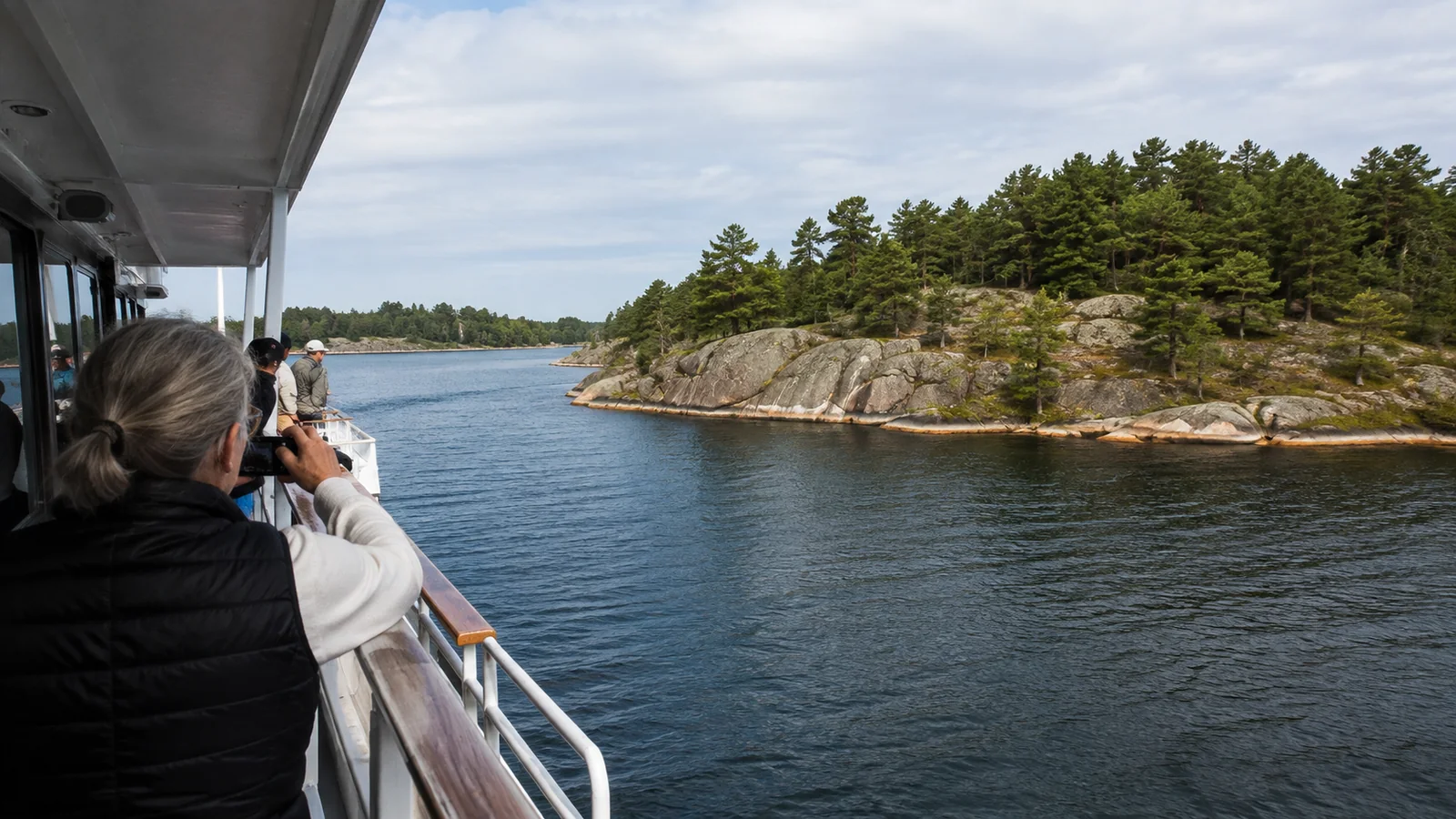
What is a Great Lakes cruise really like?
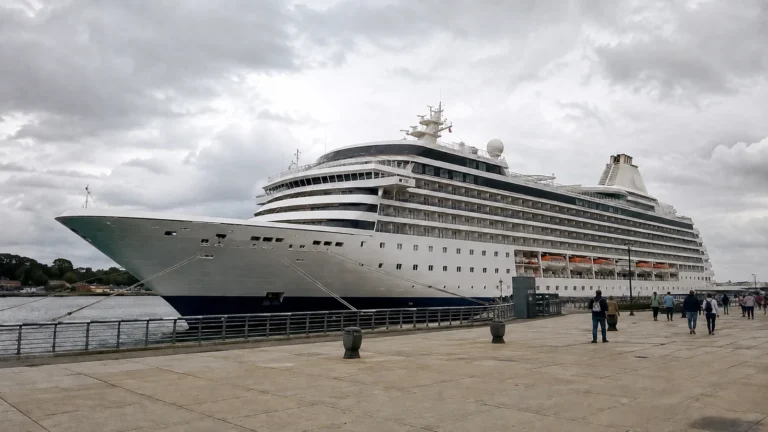
Great Lakes ships are small enough for ports and waterways that cannot handle ocean megaships. Expect roughly 190 to 378 guests on the best-known current vessels, fewer restaurants and shows, more lectures, and a destination-first schedule.
Days may combine museums, architecture, Indigenous culture, industrial history, nature walks, and scenic sailing. Evenings tend to be quieter than on mainstream Caribbean ships, which is either a feature or a warning.
The lakes can look oceanic, especially Superior and Huron, but the route keeps changing character. One day brings a skyline and art museum, while the next brings granite islands, lighthouses, or a lock transit.
Who should choose a Great Lakes cruise?
These cruises fit curious adults who enjoy guided touring, regional history, scenery, and unpacking once. They are especially attractive to North American travelers who want an international trip without a long-haul flight.
They are a weaker fit for travelers seeking water slides, casinos, Broadway-scale shows, extensive children’s clubs, or bargain mass-market fares. Families should verify minimum ages and youth programming because expedition equipment and shore activities can have restrictions.
The main Great Lakes cruise lines
Viking Expeditions
Viking operates purpose-built expedition ships such as Viking Octantis and Viking Polaris in the region. Octantis carries 378 guests and brings laboratories, expedition staff, landing craft, kayaks, and a polished Scandinavian-style onboard experience.
Viking’s 15-day Great Lakes Collection connects Toronto and Duluth across all five lakes, while shorter programs concentrate on Niagara, the upper lakes, or selected U.S. and Canadian ports. Choose Viking for enrichment and expedition capability, not nightclub energy.
Read the activity descriptions carefully because not every sailing or port uses every piece of expedition equipment. Weather, permits, water conditions, physical requirements, and local rules control operations.
Victory Cruise Lines
Victory I and Victory II are 190-guest sister ships with a more traditional coastal-cruise feel. Their compact size, lounges, included touring, and port-heavy schedules suit travelers who want history and cities without an expedition ship’s technical focus.
Victory’s current all-five-lakes program offers 2027 sailings between Chicago and Toronto, with the advertised trip length including a hotel component. The line also publishes longer combinations involving the St. Lawrence and Canadian coast.
Choose Victory for comprehensive lake coverage on an intimate ship. Verify what “all-inclusive” covers, particularly premium drinks, excursions, hotel nights, transfers, port charges, and gratuities.
Pearl Seas Cruises
Pearl Mist carries up to 210 guests and emphasizes roomy accommodations, private balconies, traditional small-ship service, enrichment, and guided shore touring. Its routes include seven- and 11-night Great Lakes and Georgian Bay sailings plus longer Great Lakes and St. Lawrence combinations.
The official Pearl Mist program is a good match for travelers who value a classic ship atmosphere over inflatable boats or expedition laboratories. Check the exact year’s route because lake count and endpoint vary by itinerary.
Other seasonal operators
International luxury and expedition lines sometimes schedule limited Great Lakes departures, and smaller river-style ships may focus on the St. Lawrence, Thousand Islands, or connecting waterways.
Verify language, currency, included flights, shore program, electrical outlets, and booking protections when buying from an overseas line.
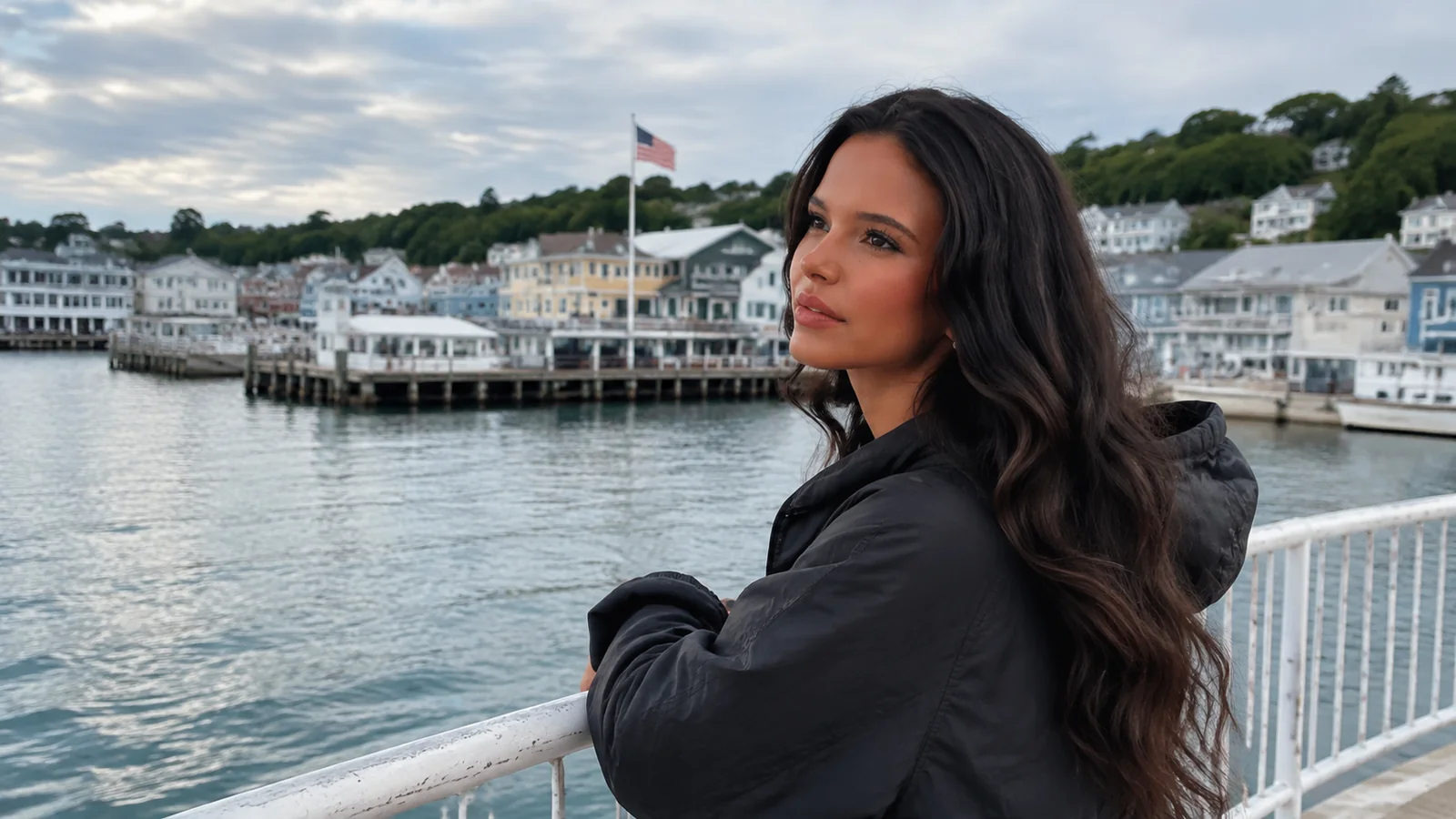
How to choose the right route
All five Great Lakes
A true all-five route includes Superior, Michigan, Huron, Erie, and Ontario. These voyages commonly run about 10 to 15 days and may connect Chicago or Milwaukee with Toronto or Duluth.
Choose this for a first and possibly only Great Lakes cruise. It costs more and requires more vacation time, but it delivers the clearest sense of the region’s scale.
Upper Great Lakes and Georgian Bay
Routes focused on Michigan, Huron, Superior, and Georgian Bay trade some big-city time for islands, boreal scenery, Indigenous communities, and maritime landscapes. Mackinac Island, Sault Ste. Marie, Thunder Bay, and smaller landing sites often anchor the route.
This is the strongest choice for scenery and a quieter pace. It can also involve more tendering, small-craft operations, or uneven walking surfaces.
Niagara and the lower lakes
Shorter routes around Ontario and Erie may combine Toronto, the Welland Canal, Niagara Falls access, Cleveland, Detroit, and Milwaukee. They deliver cities and engineering with less time away.
Niagara Falls is generally reached by coach from a port such as Port Colborne rather than viewed from the cruise ship. Check whether the excursion is included and how much time is spent on the bus.
Great Lakes and St. Lawrence combinations
Longer voyages can continue toward Montreal, Quebec City, or the Canadian Maritimes. They suit travelers who want French Canadian culture and seaway history as much as lake coverage.
Do not assume a longer title means all five lakes. Trace the day-by-day map and count the lakes, overnight stays, cruising days, and hotel nights yourself.
For a sample sequence and port-by-port tradeoffs, use my Great Lakes cruise itinerary. This pillar is the broad planning layer, while that route guide helps turn the map into actual days.
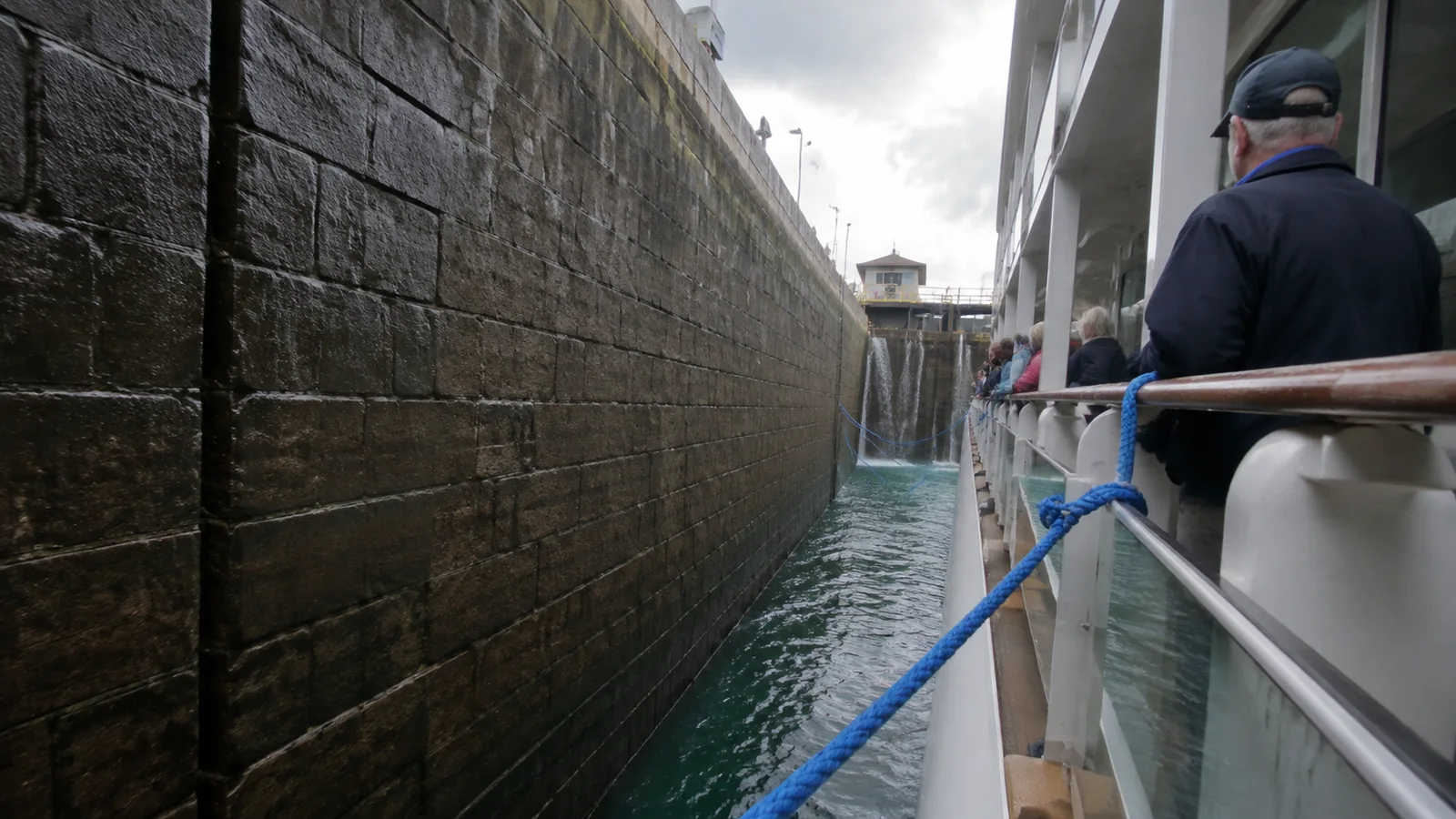
Great Lakes ports worth prioritizing
Chicago and Milwaukee
Chicago brings architecture, major museums, neighborhoods, and a dramatic Lake Michigan arrival or departure. Milwaukee offers brewing history, art, motorcycles, food, and a more manageable embarkation city.
Add at least one hotel night before sailing, especially when flying. Summer events can tighten rooms and push prices up in both cities.
Mackinac Island
Mackinac Island’s car-free streets, fort, historic hotels, bikes, and horse-drawn transportation make it one of the region’s most distinctive calls. Tendering and crowds can affect the usable day.
My Mackinac Island day plan helps sort the fort, town, viewpoints, and transportation. Save time for the waterfront rather than filling every minute with a group tour.
Detroit and Cleveland
Detroit rewards interests in music, automobiles, architecture, and American industrial history. Cleveland offers the Rock and Roll Hall of Fame, art, markets, and Lake Erie waterfront.
Included tours can feel rushed when major museums deserve several hours. Look for an excursion choice that matches one strong interest instead of a panoramic bus loop with six photo stops.
Port Colborne and Niagara Falls
Port Colborne sits beside the Welland Canal and acts as a gateway to Niagara. Lock and canal operations are part of the experience, although transit timing can change with commercial traffic.
Georgian Bay and the Soo Locks
Georgian Bay brings granite shorelines, islands, channels, and small communities. The Soo Locks at Sault Ste. Marie lift or lower vessels between Lake Superior and the lower lakes, turning infrastructure into scenic cruising.
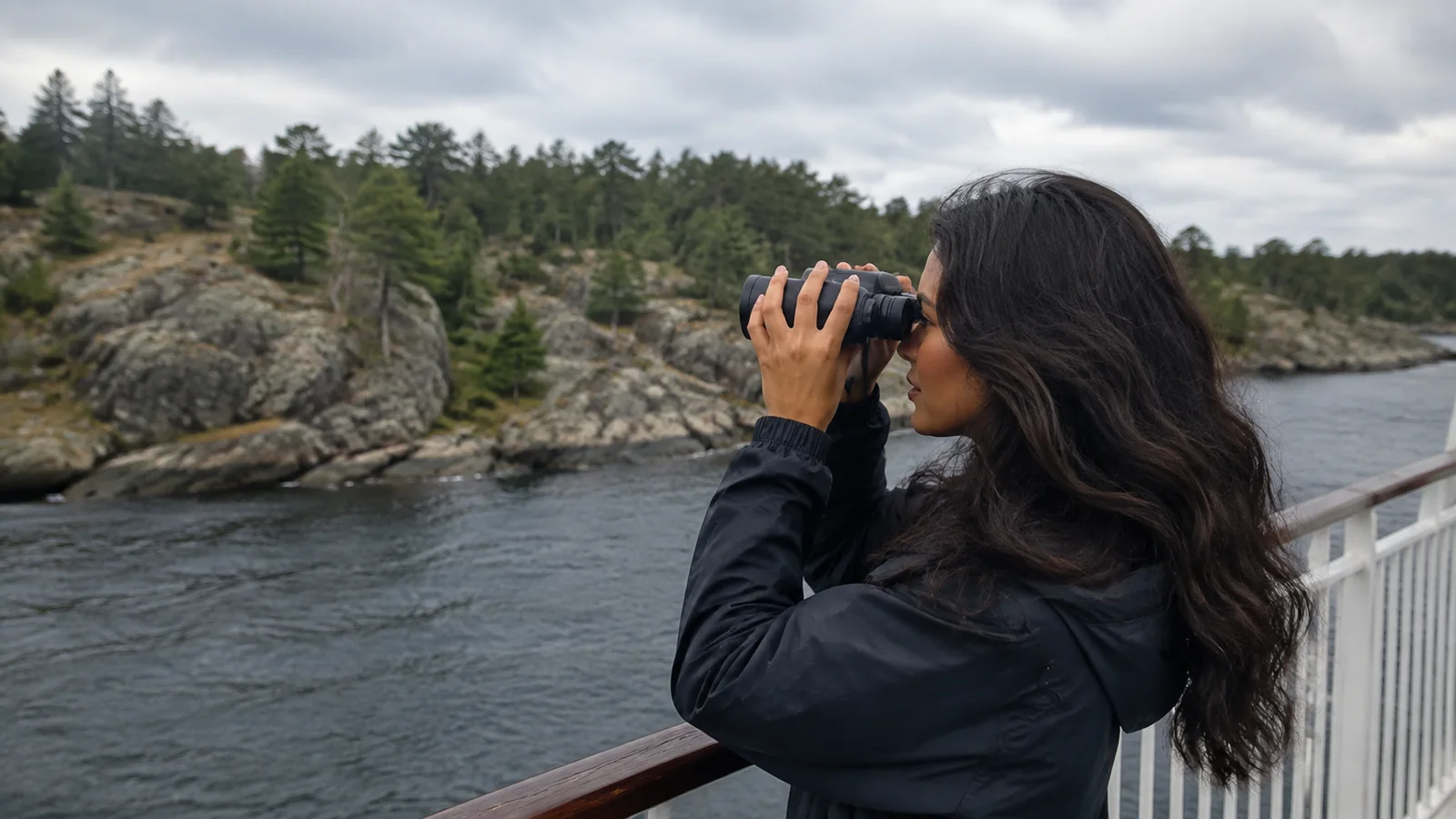
These are reasons to choose the Great Lakes rather than treat the voyage as a string of cities. Keep binoculars and a warm layer available on deck.
Duluth and Thunder Bay
Duluth and Thunder Bay frame the western end of Lake Superior with shipping history, freshwater scenery, and access to rugged landscapes. They are compelling endpoints but can require connecting flights or long drives.
Build extra arrival time when embarking there because air schedules are thinner than in Chicago or Toronto. A missed connection is much harder to solve on sailing day.
Toronto, Montreal, and Quebec City
Toronto is a common Great Lakes gateway with excellent air service, food, neighborhoods, and museums. Montreal and Quebec City appear on longer St. Lawrence combinations and deserve extra hotel nights if the schedule allows.
The Cruise the Great Lakes port directory shows how broad the current network has become. Use it to understand geography, then confirm the booked line’s exact dock and excursion list.
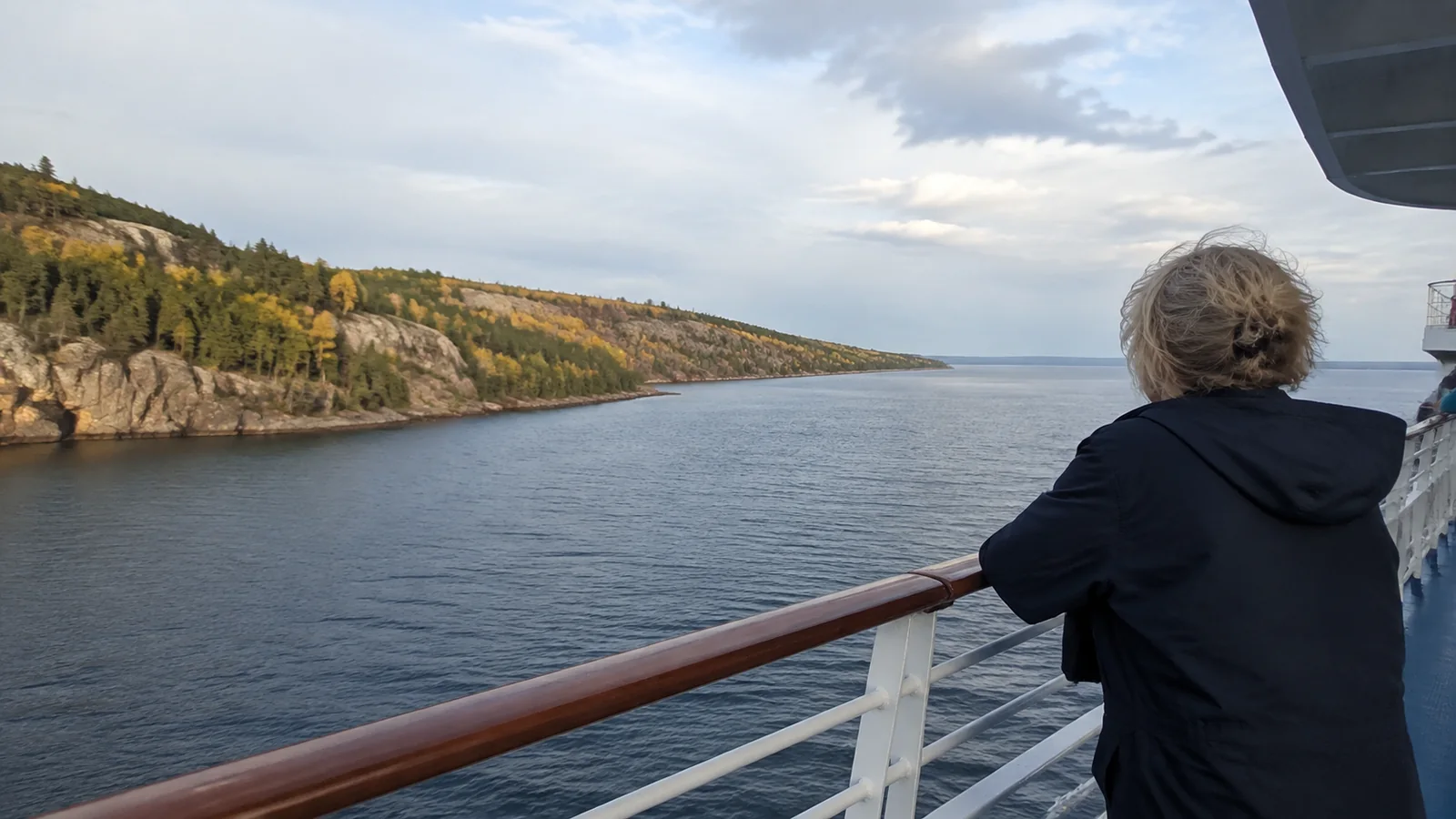
Passports and border requirements
Most Great Lakes cruises cross between the United States and Canada, sometimes repeatedly. A valid passport book is the simplest document for U.S. travelers and protects against complications if an unexpected flight becomes necessary.
Entry rules depend on citizenship, residency, criminal history, travel method, and itinerary. Canada’s official visa and eTA checker specifically asks whether arrival is by boat, including cruise ship.
A passport card may work for some U.S. land and sea crossings but is not valid for international air travel. The cruise line may also impose stricter documentation rules than the legal minimum, so follow its written requirements.
Resolve old criminal charges or admissibility concerns well before final payment. Canada can treat some offenses, including impaired-driving convictions, differently than travelers expect.
When to cruise the Great Lakes
The practical cruise season runs from late spring into fall, with the largest selection in summer. May and early June can be cool, July and August bring warmer weather and family travel, and September adds crisp air and possible color.
Fall foliage timing moves with latitude, elevation, and weather, so no departure can guarantee peak leaves in every port. Late-season sailings also bring shorter daylight and a stronger chance of cold, wind, or schedule adjustments.
Lake weather changes quickly in any month. Pack for bright sun, rain, chilly deck time, and a warm city afternoon within the same trip.
What Great Lakes cruise fares include
Fares are generally much higher per day than mainstream ocean cruising because ships are small and shore programs are often bundled. Many lines include a hotel night, guided excursions, beer or wine, Wi-Fi, transfers, gratuities, or some combination.
Never compare two headline fares until you normalize the inclusions. Add air, hotels, transfers, port charges, tips, drinks, optional tours, insurance, and any single supplement.
Ask whether every port has an included excursion and whether space must be reserved. An included tour has little value if its only departure conflicts with the activity you most want.
Accessibility and physical demands
Small ships can have accessible cabins and elevators while still using tenders, Zodiacs, gangways, cobblestones, stairs, and older docks. Accessibility is a voyage-level question, not a ship brochure checkbox.
Request written details for embarkation, each port, and every included tour. Ask whether a wheelchair or scooter can remain with you and whether staff provide physical transfer assistance.
Expedition activities may require stepping into moving boats, walking on uneven ground, or meeting weight and mobility rules. A traveler can enjoy the cruise without doing them, but only if alternative programming is genuinely available.
What to pack
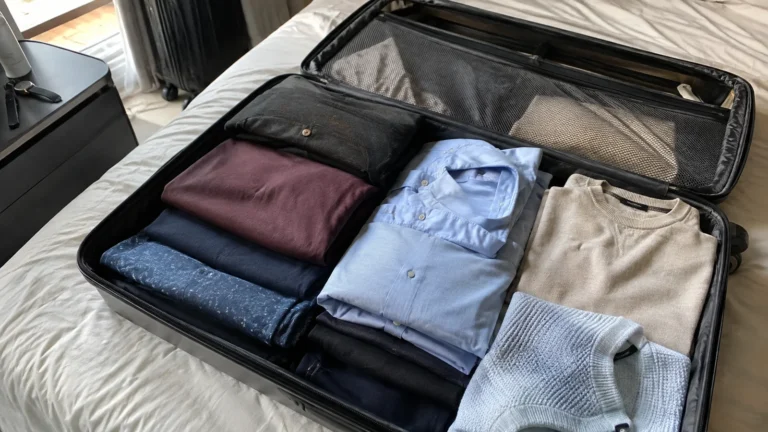
- Waterproof shell with a hood
- Warm fleece or light insulated layer
- Comfortable shoes with wet-surface traction
- Sun protection, sunglasses, and refillable bottle
- Binoculars and a small day bag
- Smart-casual outfits that can repeat
- Passport and printed backup copies of key documents
Formalwear is usually unnecessary, but line standards differ. Laundry access matters on a two-week voyage, so check self-service and send-out prices before overpacking.
How to book wisely
First choose the route, then the line, then the cabin. Booking in the opposite order can leave you with a beautiful balcony on a trip that skips the lake or port you cared about.
Great Lakes ships carry few guests, so accessible rooms, solo inventory, and lower-priced categories can disappear early. Compare cancellation terms and travel insurance before making a large deposit.
Arrive at least one night before embarkation and avoid a tight flight after disembarkation. Locks, weather, customs, and commercial traffic can alter timing even when the voyage operates normally.
If you prefer driving the region, my Upper Midwest road trip reaches places a cruise cannot. Travelers primarily drawn to intimate domestic waterways may also prefer these U.S. river cruise options.
Age eligibility and fares compared honestly
Viking requires every guest to be at least 18 on embarkation day. Its standard expedition fare includes meals, Wi-Fi, included excursions, and beer, wine, and soft drinks with lunch and dinner; optional excursions, premium drinks, travel insurance, and gratuities need their own line in a U.S. booking comparison.
Victory’s passenger contract requires under-18s to share accommodations with a parent or responsible adult aged at least 25 and provides no children’s care or entertainment program. The reviewed contract does not publish a separate infant minimum, so obtain written acceptance of a young child’s exact age before paying instead of assuming the absence of a number means every infant is eligible.
Victory includes a pre-cruise hotel night, specified transfers, a standard excursion in every port, meals, standard beverages, Wi-Fi, and entertainment. Its FAQ separately lists gratuities at $18.50 per guest per day, with premium drinks and premium excursions additional, so “all-inclusive” does not remove every extra.
Pearl Seas’ own FAQ includes passage, dining, snacks, cocktail parties, and onboard entertainment, while excluding shore tours, fees, and gratuities. Its reviewed FAQ and passage terms do not state a minimum passenger age, so I would ask for written eligibility and supervision requirements for the child’s age; do not substitute a travel agency’s generic family-cruise rule.
For a dated fare reference, Victory advertised Toronto-to-Chicago on Victory II, September 14 to 24, 2026, as a ten-night cruise-and-hotel package from $7,899 per guest when checked September 5. Two guests therefore start at $15,798 before extras; an illustrative nine chargeable onboard days at the published gratuity rate add $333 for two, making $16,131 before airfare, insurance, premium activities, and any separately itemized charges, with the actual chargeable-day count controlled by the invoice.
Which Great Lakes cruise is best?
Choose Viking for expedition facilities and polished enrichment, Victory for intimate all-five-lakes touring, and Pearl Mist for a classic small-ship experience with balcony-forward accommodations. Then judge the exact departure by route and inclusions rather than brand reputation alone.
For a first trip, an all-five-lakes voyage is the most complete answer. For scenery and a lower time commitment, choose an upper-lakes or Georgian Bay route and enjoy doing less with more attention.