Renting a Car for a Road Trip vs. Taking Your Own
Renting a shiny low-mileage SUV can sound wonderfully responsible right up until the airport surcharge, toll program, extra-driver fee, and security hold introduce themselves at the counter.
I compare a rental with my own car by looking at total cost and how the vehicle changes the trip, because sometimes paying more for the right car is absolutely worth it and sometimes it is just paying to drive someone else’s Corolla.
The Short Answer
I usually take my own car for shorter domestic road trips when it is reliable, comfortable, fuel-efficient enough, and suited to the route. I consider renting for very long mileage, one-way trips, flights into the region, special vehicle needs, or when putting thousands of miles on my own car would bother me.
The right answer changes with the vehicle you own. A new hybrid, an aging car with a warning light, a leased SUV with tight mileage limits, and a two-seat sports car produce completely different math.

Start With the Rental’s Real Total Price
The advertised daily rate is not the number I use. I add taxes, airport or location fees, extra drivers, one-way charges, toll-program fees, fuel, parking, equipment, and any coverage I actually plan to buy.
The Federal Trade Commission’s current rental car guidance specifically warns consumers to compare the total cost because taxes and fees can increase the base price substantially. That is why I price all the way through the booking screen instead of comparing the first number I see.
Then Calculate the Cost of Your Own Car
Your own car does not become free transportation because you already own it. Fuel, additional mileage, tires, maintenance, depreciation, and the possibility of triggering a service interval are all real considerations.
I still do not pretend every mile creates an immediate cash expense. For vacation budgeting, I calculate the direct costs first and then treat wear and mileage as a decision factor rather than trying to invent a perfectly precise depreciation number.
Gas Can Change the Answer More Than You Think
If your daily vehicle gets 18 mpg and a rental hybrid gets 45 mpg, a 3,000-mile trip can create a meaningful fuel difference. If your own car already gets 35 mpg, renting a slightly more efficient vehicle probably will not pay for itself through gas alone.
Use FuelEconomy.gov to compare estimated vehicle efficiency, then use a conservative number for a fully loaded highway trip. My road trip cost guide has the basic fuel formula.
When Mileage on Your Own Car Matters
I care more about mileage when the trip adds several thousand miles, the car is near a major service interval, the tires are getting older, or I plan to sell or trade it soon. A 500-mile weekend barely changes how I think about the vehicle.
Lease mileage is a separate issue. The FTC notes that vehicle leases typically include annual mileage limits and can charge for excess mileage, so a major road trip can be unusually expensive in a leased vehicle even when you never see the cost during the vacation.
Reliability Can Be Worth Paying For
If I trust my car, I prefer knowing its tires, controls, maintenance history, spare-tire setup, and quirks. A rental may be newer, but it is still an unfamiliar machine you meet shortly before driving into somewhere remote.
On the other hand, if my car is overdue for maintenance or showing signs of trouble, I would rather rent than spend the vacation listening to every new sound and wondering whether it is about to become an expensive tow.
Comfort Matters on Long Driving Days
Seat comfort, visibility, cargo space, cruise control, phone integration, and road noise become much more important after six hours than they seem on a ten-minute test drive. I choose a rental class based on the actual trip rather than automatically selecting the cheapest category.
If four adults and luggage technically fit in a compact car, that does not mean I want to spend twelve days proving it. A slightly larger vehicle can be money well spent when everybody’s knees and suitcases get to coexist.
Do You Need All-Wheel Drive?
For ordinary paved summer road trips, all-wheel drive is often unnecessary. Tires, road conditions, vehicle clearance, and safe driving matter much more than an AWD badge on dry pavement.
For snowy mountain regions, unpaved access roads, or destinations with specific traction requirements, I check the actual road authority and rental restrictions before choosing a vehicle. A rental contract may prohibit roads that the vehicle itself could physically drive.
High Clearance and Four-Wheel Drive Are Different
This matters on western park roads, gravel routes, and remote scenic areas. A crossover with all-wheel drive is not automatically the same as a high-clearance four-wheel-drive vehicle required or recommended for a rough route.
I never select a car based solely on marketing words like “adventure” or “off-road capable.” I match the vehicle to the land manager’s road guidance and the rental company’s contract.
Rental-Car Insurance Deserves More Than a Guess
Rental counters may offer collision or loss-damage waivers, liability products, personal accident coverage, and other options. Before I travel, I check my personal auto policy and credit-card benefits so I understand what they actually cover.
The FTC notes that personal insurance or credit-card benefits may already provide some rental protection, but coverage varies and often has conditions. I call the insurer or card issuer when I am unsure instead of trying to resolve a coverage question while people are waiting behind me at the counter.
Credit Card Coverage Has Rules
Some cards require you to pay for the rental with that card and decline the rental company’s collision waiver for the benefit to apply. Vehicle types, countries, rental duration, and types of damage may also be excluded.
I save the current benefit guide before travel. “I thought my card covered it” is not the paperwork I want after a damaged rental.
Check the Security Hold
Rental companies commonly place a hold above the estimated rental cost on the card used at pickup. The FTC warns that this can reduce available credit or tie up funds on a debit card until the transaction is finalized.
I check the company’s payment and deposit rules before arrival, especially on a long or expensive rental. That keeps a large surprise hold from interfering with the rest of the trip budget.
Toll Programs Can Be Sneaky
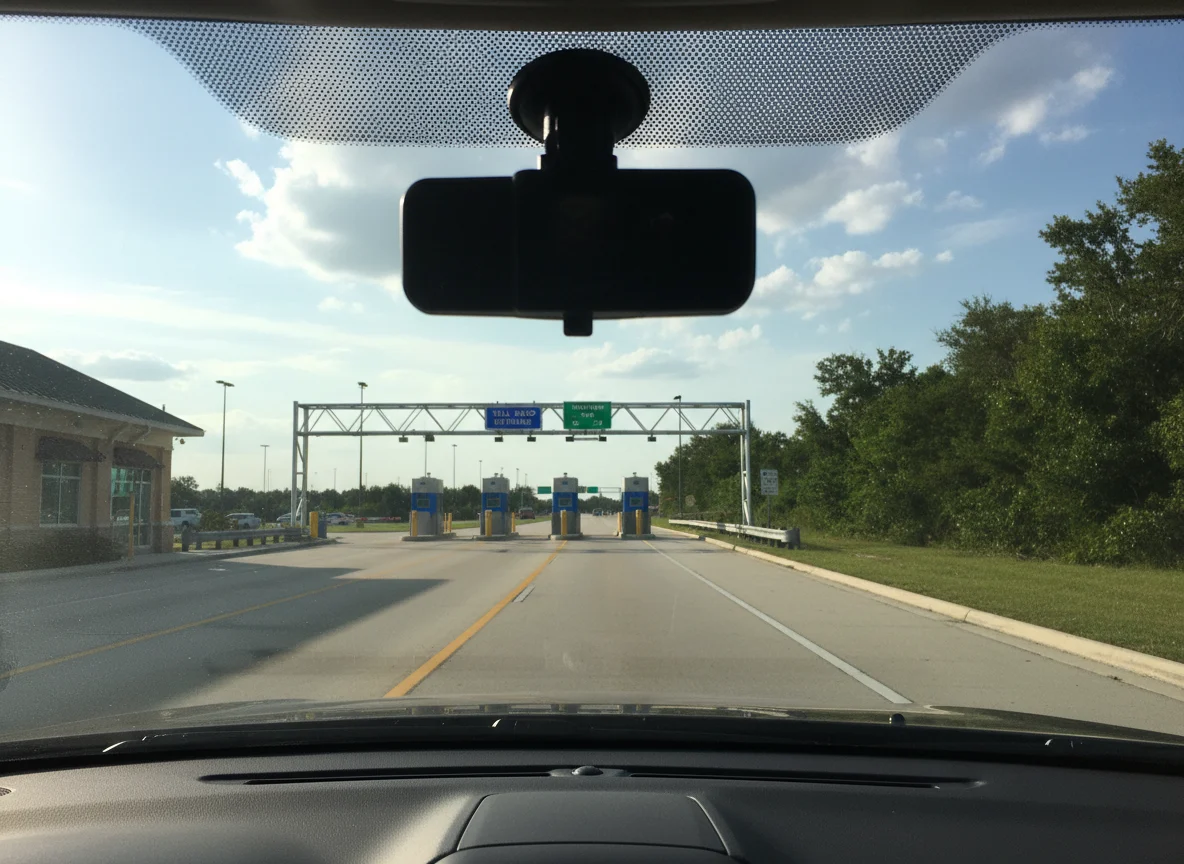
Rental companies often offer electronic toll programs that are convenient and potentially expensive. Depending on the company, you may pay a daily service fee, one-time rental-period fee, or a fee each time a toll is processed in addition to the toll itself.
I check the company’s current program and the toll system on my route before pickup. Florida, Texas, the Northeast, and several large metro areas are where I pay particular attention.
One-Way Fees Can Make or Break the Rental
A one-way rental is fantastic for routes where backtracking would waste an entire day. It can also carry a large drop fee depending on cities, dates, car class, and fleet demand.
I price the actual one-way booking before I design the itinerary around it. Alaska, international routes, and remote regional airports are especially poor places to assume a cheap one-way car will magically exist.
Airport Rentals Are Convenient and Not Always Cheapest
The FTC notes that airport surcharges can increase rental costs, including at some off-airport facilities served by airport shuttles. I compare downtown or neighborhood locations only when the transportation to reach them is easy enough to justify the savings.
A $70 cheaper rental does not impress me if reaching the office requires two rideshares and an hour of vacation time. Convenience has a value too.
Extra Drivers Need to Be Authorized
Never assume anyone in the group can take over driving. The rental agreement controls who is authorized, and additional-driver fees or exceptions depend on the company, location, membership program, and relationship.
I add every planned driver properly even when it costs more. Saving an extra-driver fee is not worth creating an insurance or contract problem after an accident.
Crossing State or International Borders
Most ordinary U.S. rentals can travel across state lines, but specialty vehicles or specific rental terms can differ. International border crossings need even more attention because documentation, insurance, and company permission may be required.
My Patagonia road trip is a perfect example where an Argentina-Chile rental crossing must be arranged in advance. Never assume a border guard will accept “the rental website didn’t say I couldn’t.”
Rental Cars Store Your Data
Modern rental vehicles may remember contacts, call logs, navigation history, or phone information after you connect a device. The FTC specifically recommends deleting personal data and unpairing the phone before returning the vehicle.
I also remove saved home addresses from the car’s navigation system. It takes a minute and is a better final checkout habit than leaving personal information for the next renter.
Roadside Assistance: Check Before Buying It Twice
The rental company may sell roadside assistance for flat tires, dead batteries, lockouts, or other problems. Before purchasing it, check whether your auto club, insurance, or credit card already provides relevant coverage.
Also understand what the rental company’s basic service includes. Mechanical breakdown of the company’s vehicle and locking your own keys inside it are not necessarily treated the same way.
Fuel Plans Are Mostly About Convenience
Many rentals let you prepay for fuel or return the car full. Prepaying can be convenient when the return schedule is tight, but you may pay for fuel you never use.
I usually refill near the return location and keep the receipt when the contract requires a full tank. I also locate a gas station before the final hour instead of trying to find one while watching the return deadline.
When I Would Take My Own Car
- The trip starts from home.
- The car is reliable and recently maintained.
- The vehicle is comfortable for the group and luggage.
- The route is mostly paved and appropriate for the car.
- The trip is a few hundred to roughly a couple thousand miles.
- I do not mind adding the mileage.
- My fuel economy is reasonable.
When I Would Rent
- I am flying into the road-trip region.
- The route is one-way.
- My own car is unreliable or overdue for maintenance.
- I need more passenger or cargo space.
- I need a vehicle better suited to winter or rough-road conditions.
- The trip adds several thousand miles I do not want on my vehicle.
- My own car’s fuel economy is dramatically worse than the rental.
- A lease mileage limit makes the personal vehicle expensive to use.
My Break-Even Method
I calculate the rental’s true cost first, including taxes and all fees I know I will pay. Then I compare it with my own car’s fuel, tolls, parking, maintenance timing, mileage concern, and whether I would still enjoy driving that car for the route.
If the rental costs $700 more but gives four adults enough room, avoids adding 4,000 miles to an aging car, and cuts fuel use substantially, I may happily pay it. If it is $700 more to duplicate the perfectly good car already in my driveway, I probably will not.
Do a Vehicle Check Either Way
For my own car, I check tires, fluids, lights, wipers, battery concerns, and any maintenance due soon. For a rental, I inspect existing damage, tires, fuel level, dashboard warnings, and the spare or repair-kit situation before leaving the lot.
My road trip packing list includes the emergency items I keep accessible. A rental car does not eliminate the need for basic road-trip preparation.
Check the Tires Before Either Choice
If I am taking my own car, I review the NHTSA tire-safety guidance before a long trip, especially when the route adds thousands of miles or mountain driving. A rental may shift that maintenance responsibility, but I still inspect its tires before leaving the lot.
The Best Car Is the One You Stop Thinking About
The vehicle is supposed to connect the trip, not become the trip’s main source of anxiety. I want enough comfort, reliability, and suitability that I can focus on the road outside instead of the warning lights inside.
Rent when it solves a real problem. Take your own car when it already solves the problem for free.