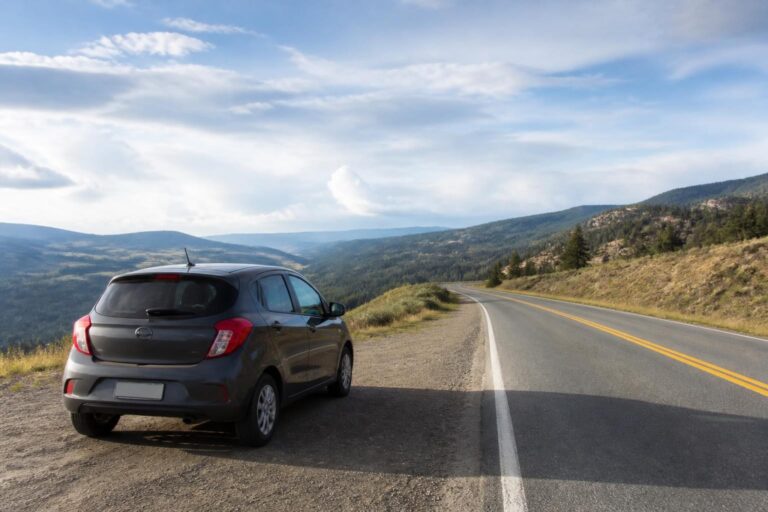
Is Traveling a Hobby? Yes, If You Treat It Like One
Yes, traveling can absolutely be a hobby when you pursue it regularly for enjoyment, curiosity, or personal challenge. It does not require constant flights, a stamped-out passport, or quitting your job, and a Saturday train ride can count just as much as an international vacation.
What makes travel a hobby?
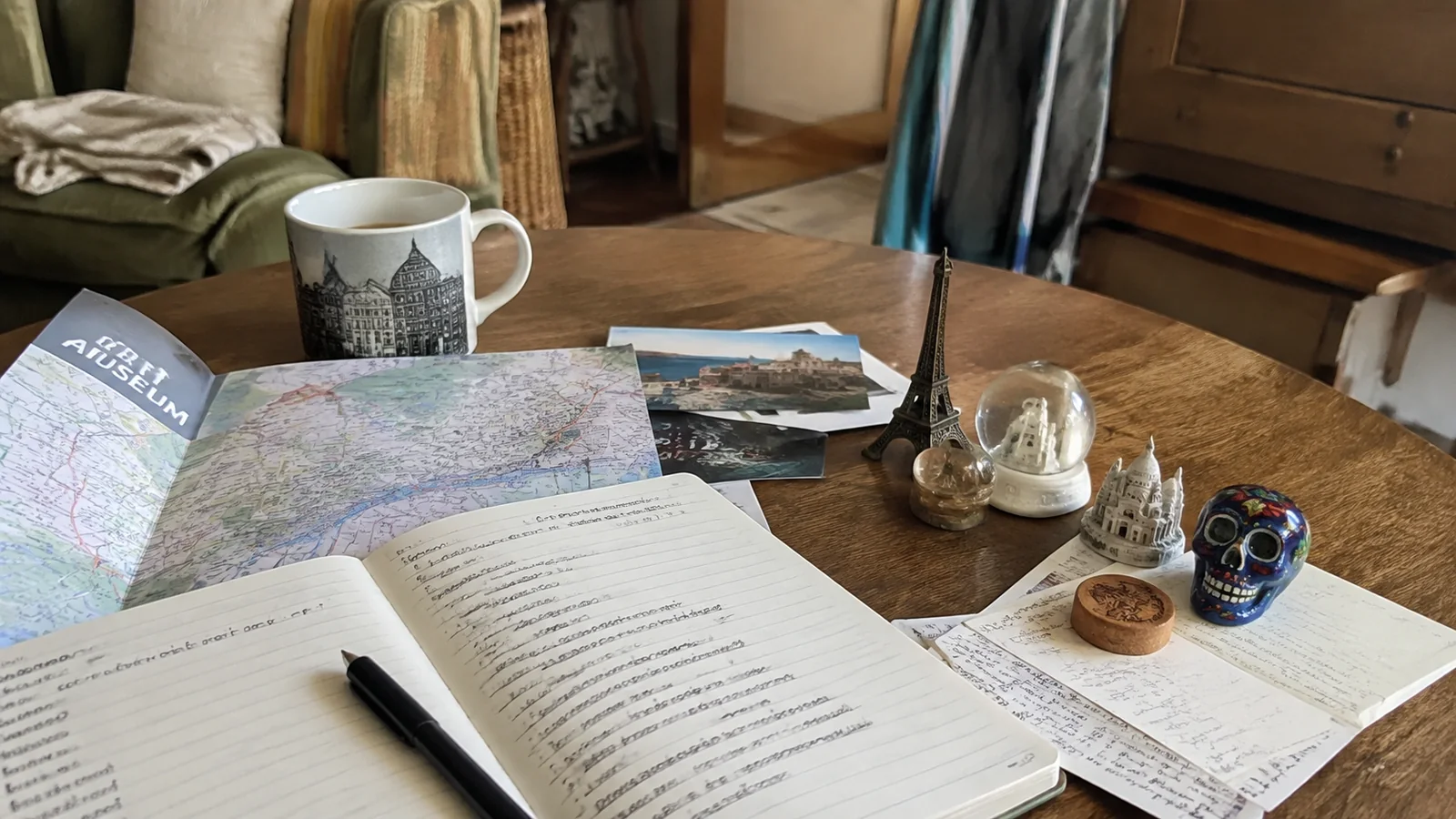
A hobby is an activity you choose during discretionary time because the process itself is rewarding. Travel fits when you enjoy researching places, building routes, learning local history, navigating unfamiliar settings, or collecting experiences rather than merely escaping work.
Frequency and scale do not decide it. Someone who plans four thoughtful day trips a year can have travel as a hobby, while someone who flies weekly for work may not consider travel enjoyable at all.
- It is voluntary: You choose the trip rather than being assigned it.
- It is repeatable: You return to planning and exploring over time.
- It has a learning curve: Your routing, budgeting, packing, or observation skills improve.
- It gives satisfaction: The planning, journey, or reflection matters beyond social proof.
- It fits your life: Travel does not need to damage your finances, health, work, or relationships.
You also get to use a more specific label. Road trips, train travel, cruising, museum weekends, food travel, hiking trips, wildlife watching, and visiting historic sites can each be a distinct hobby.
Travel hobby, vacation, lifestyle, or business?
A vacation is a period away from ordinary responsibilities, while a hobby is an activity repeated for pleasure. One trip can be both, but neither label automatically describes the rest of your year.
A travel lifestyle means location and movement shape your day-to-day decisions, as with seasonal living, frequent house-sitting, van travel, or long-term international stays. That commitment is broader than a hobby, although it may begin with the same curiosity.
Travel becomes work when another party controls the purpose, schedule, or required output. A conference trip, flight-crew rotation, tour-leading assignment, and destination reporting job may include enjoyable moments without being leisure.
A travel blog, photography practice, or video channel may be a hobby or business depending on profit intent and how it is operated. The IRS uses multiple facts and circumstances, including records, time, operational changes, expertise, profit history, and financial dependence, rather than accepting whichever label sounds convenient.
Receiving free lodging or earning affiliate income does not make tax questions disappear. Keep accurate records, report income as required, and ask a qualified tax professional about your situation instead of assuming every trip is deductible.
You do not need to be a full-time traveler
The internet often frames travel as a dramatic identity choice between staying home and circling the globe. Most people build a richer practice from ordinary weekends, annual leave, family visits, and one larger trip saved for deliberately.
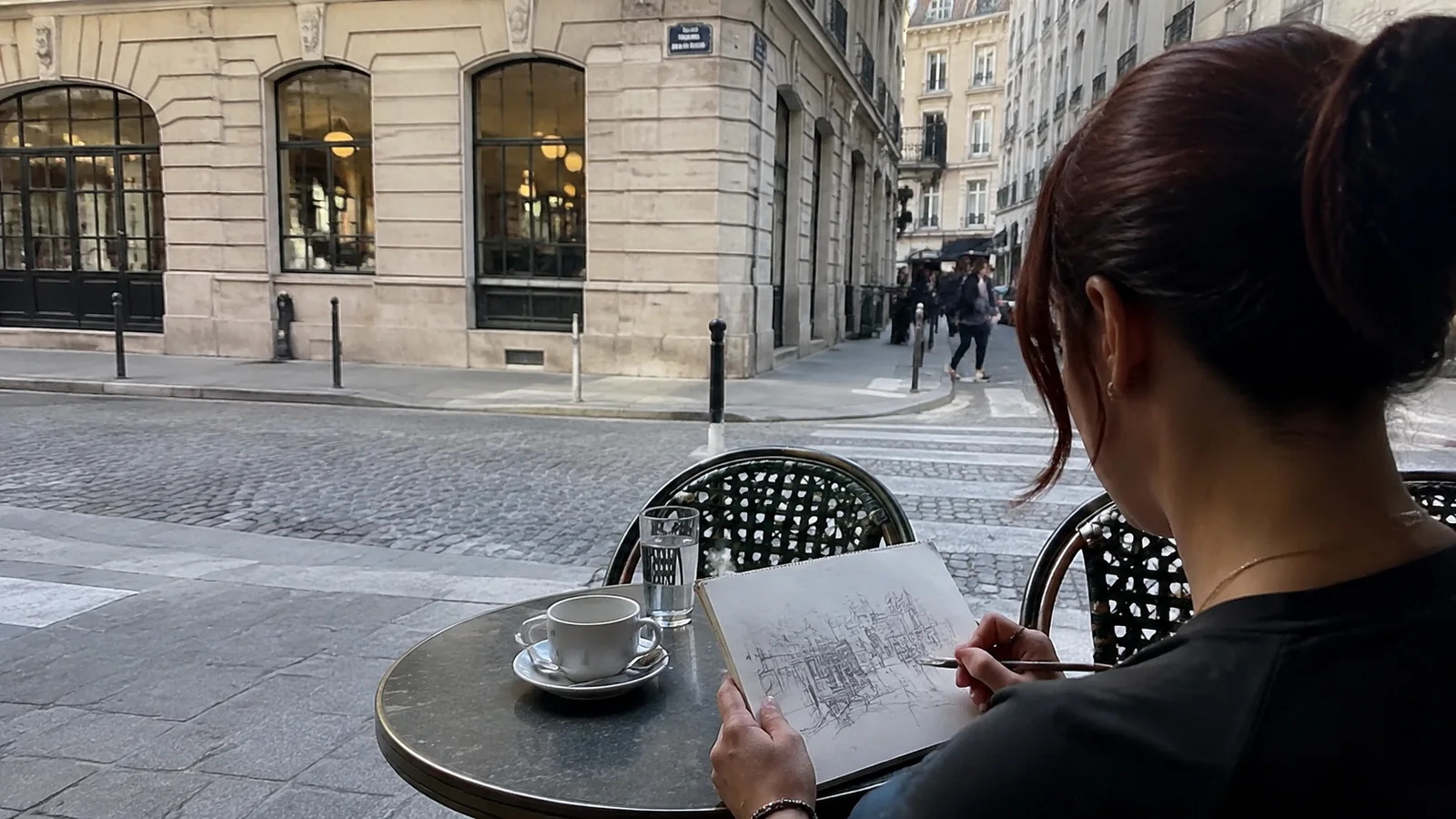
Local travel counts because curiosity, attention, and planning create the hobby. A self-guided architecture walk, nearby state park, unfamiliar neighborhood, regional ferry, or county museum can develop exactly the same observational skills as a distant city.
This is good news for anyone with limited money, vacation time, mobility, caregiving duties, or anxiety about a first solo trip. The hobby can expand at the pace your life permits instead of demanding a dramatic leap.
Start with a 90-day travel experiment
Do not begin by declaring that you will visit 30 countries. Give yourself three months to learn which part of travel you actually enjoy and what level of planning feels energizing.
Month 1: Take one local micro-trip
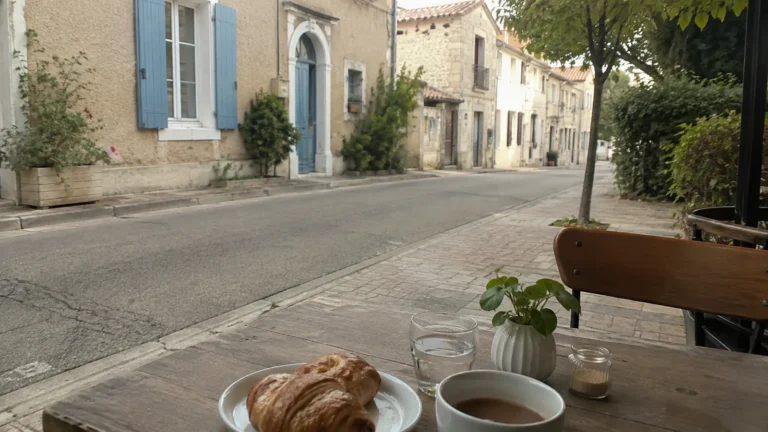
Choose somewhere 15 to 60 miles from home that you have never explored with purpose. Plan one anchor activity, one meal, and one flexible hour, then travel without trying to prove the day was “worth it” through a packed checklist.
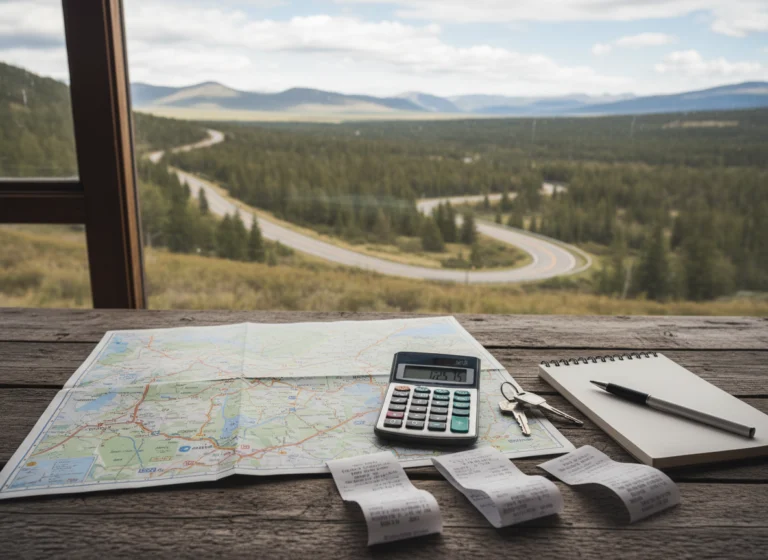
Record the real cost from door to door, including transportation, parking, admission, food, and anything bought for the outing. Note what felt easy, tiring, exciting, or unnecessary.
Month 2: Add one planning skill
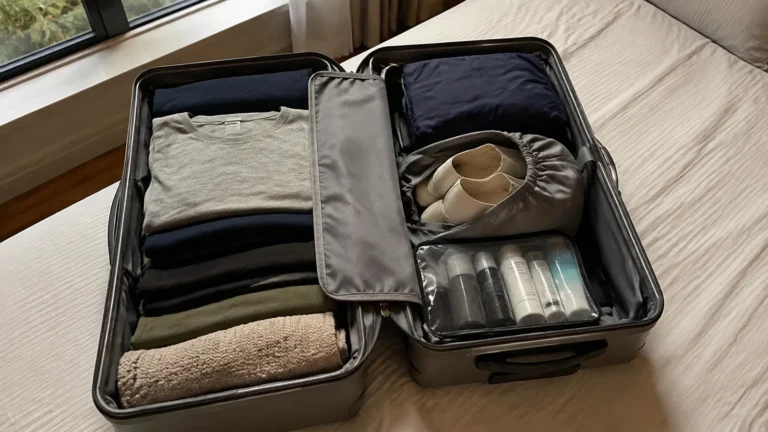
Take a second trip and deliberately practice one skill, such as using regional transit, packing a lighter day bag, reading a trail map, comparing lodging cancellation policies, or photographing in difficult light. Improvement makes the hobby more satisfying than simply collecting destinations.
If going alone is the barrier, the first-time solo travel advice helps you scale the day to your comfort. A solo café and museum afternoon can be a better first step than an isolated week abroad.
Month 3: Plan one overnight
Choose a regional overnight whose total price you can pay without debt. Compare transportation, lodging location, meals, admission, and a contingency amount before booking.
Afterward, decide whether you enjoyed research, movement, place-based learning, social connection, nature, or the creative record most. That answer should shape the next six months more than a generic bucket list.
Build a travel budget that can repeat
A hobby becomes sustainable when its ordinary version fits your cash flow. Set an annual amount first, then divide it among local days, regional weekends, and a larger trip rather than spending the full fund on one impulse booking.
- Tier 1: Free walks, public spaces, library passes, cultural events, and packed lunches.
- Tier 2: Day trips with fuel, transit, admission, and one planned meal.
- Tier 3: One- or two-night regional trips during a lower-demand period.
- Tier 4: A major trip funded gradually and protected with sensible cancellation terms.
Track the total cost per travel day, not only airfare or the hotel headline. Resort fees, parking, rental insurance, airport transfers, tolls, taxes, baggage, and food can reverse what looked like the cheapest choice.
The North America budget destination ideas can start a shortlist, but your departure point changes the math. A higher-priced nearby city may cost less overall than a supposedly cheap place requiring two flights and a rental car.
Make the hobby about more than spending
Booking is not a skill by itself, and shopping for trips can become an expensive substitute for taking them. Give each trip a theme that helps you notice more, such as public art, bird migration, immigrant foodways, industrial history, native plants, or urban design.
Learn enough before arrival to understand what you are seeing, then leave room for the place to challenge your assumptions. Read work by local writers, use museums and official cultural organizations, and pronounce place names with care.
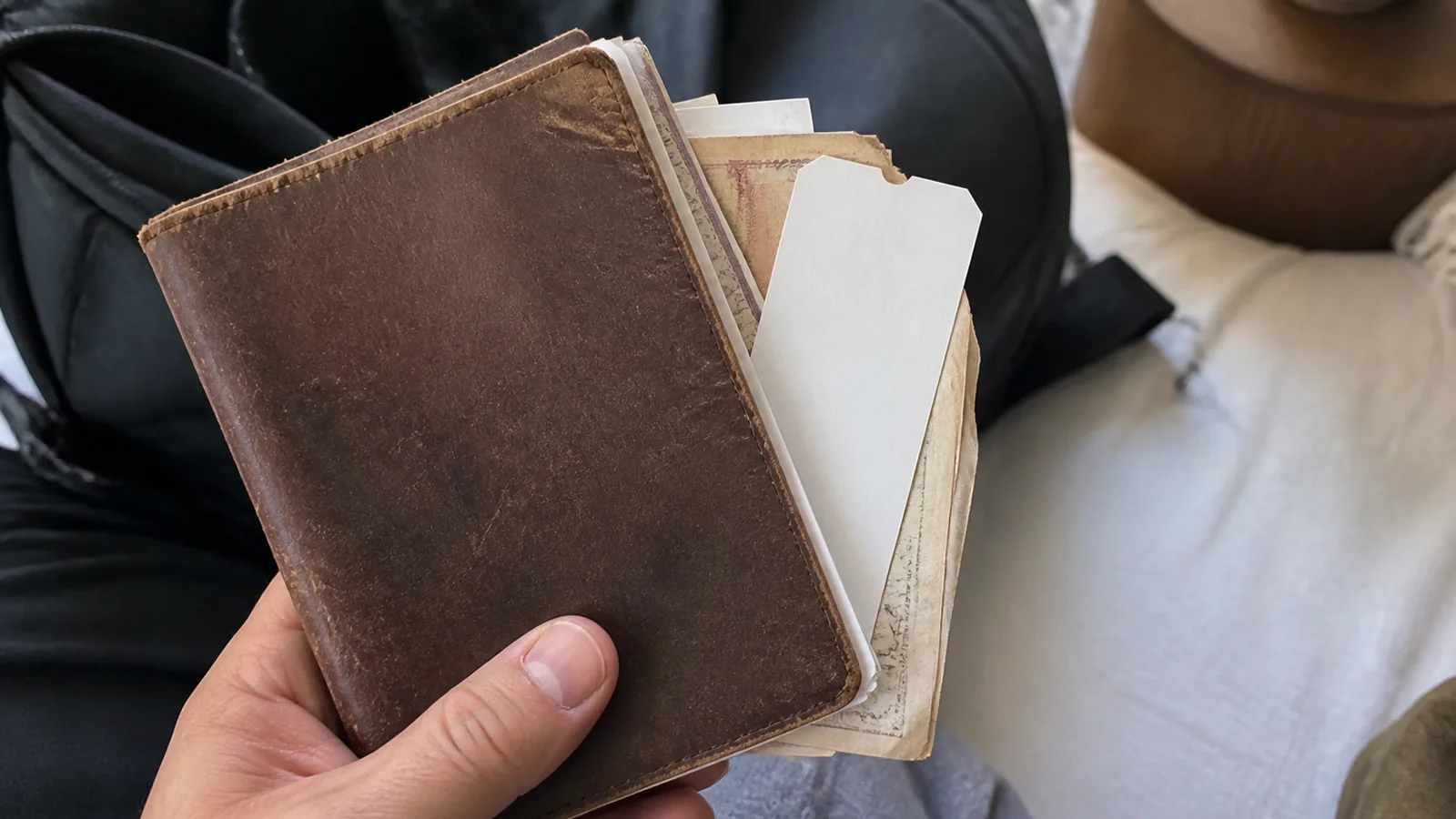
Keep a simple travel notebook with the route, one observation, one question, and one thing you would change. The record makes repeated trips feel cumulative without turning the day into content production.
Planning can be part of the hobby
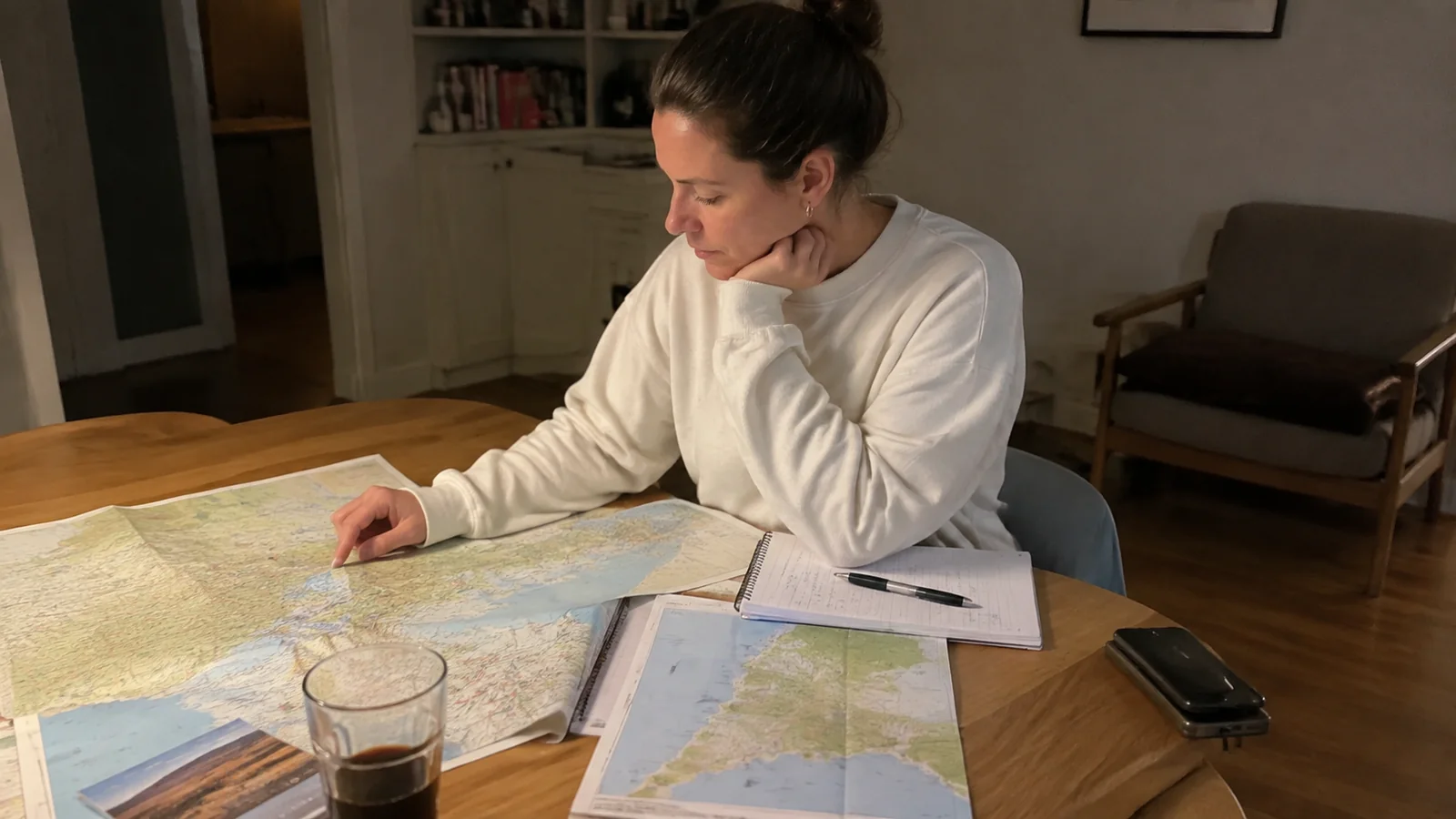
Some travelers love maps, schedules, fare rules, and contingency routes as much as the destination. That is valid, provided planning supports the trip rather than creating an impossible script.
Use a short brief for each outing: purpose, fixed reservations, flexible options, budget ceiling, transportation, accessibility needs, weather backup, and turnaround time. Stop researching when you can answer those questions.
For international travel, check the destination’s entry requirements against your nationality and passport. The U.S. State Department passport hub publishes current application options, while country information pages list destination-specific validity, visa, and blank-page rules for U.S. travelers.
Do not repeat the blanket claim that every destination requires six months of passport validity. Requirements differ, so the official page for the exact country should control.
Travel can connect with other hobbies
Travel becomes more personal when paired with an interest you already maintain. A runner can choose a trail weekend, a cook can explore a regional market, and a reader can trace an author’s neighborhood without needing a once-in-a-lifetime destination.
- Photography encourages attention to light, weather, and composition.
- Language study gives everyday interactions a practical purpose.
- Hiking adds route finding, pacing, and environmental awareness.
- Genealogy can turn archives, cemeteries, and hometowns into meaningful stops.
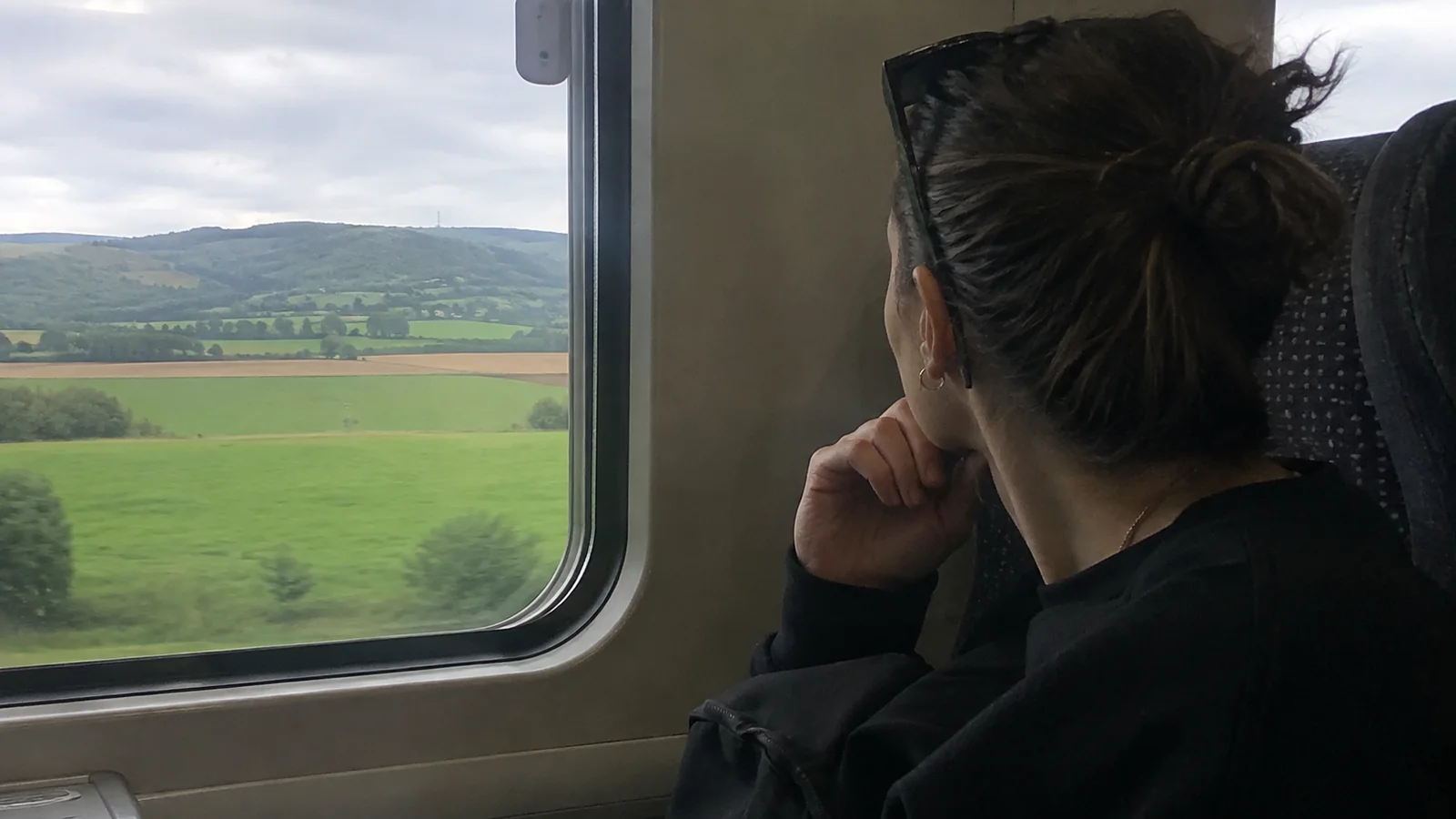
- Train or ferry travel makes the journey itself the central interest.
- Sketching and journaling preserve details that quick photos miss.
Start with the interest, then choose the destination that supports it. The dream vacation shortlist is useful for inspiration, but a hobby grows from repeatable practice between major trips.
Solo, social, or family hobby?
Travel can be solitary without being lonely and social without requiring a permanent travel partner. You might take local days alone, join a guided nature walk, and save longer trips for a friend whose budget and pace match yours.
Before traveling together, compare wake-up times, food priorities, room-sharing expectations, activity levels, spending limits, driving, and how much unscheduled time each person needs. Compatibility matters more than how close you are at home.
Families can make trip planning collaborative by assigning age-appropriate choices. One person picks a meal, another finds an accessible stop, and someone else checks the weather backup.
Responsible travel is part of doing the hobby well
A destination is someone else’s home, not a stage built for visitors. Follow land access, dress, photography, wildlife, trail, waste, and cultural-site rules even when an influencer ignored them.
Spend locally where practical, but do not treat every resident as a free guide or photo subject. Learn a few respectful phrases, ask before photographing people, and accept “no” without negotiation.
Travel deals also deserve skepticism. The Federal Trade Commission warns about pressure to decide immediately, prices far below comparable rentals, and payment methods that reduce your ability to recover money.
Type the provider’s website yourself rather than following a surprise message, and read cancellation terms before paying. A hobby should create anticipation, not a trail of avoidable disputes.
When travel is not a healthy hobby
Travel is not serving you well when it depends on hidden debt, repeated missed responsibilities, unsafe risk-taking, or constant comparison. It can also become exhausting when every moment must produce photos, status, or income.
Pause if you no longer enjoy either the planning or the experience. Resting, choosing local outings, changing the hobby’s focus, or taking a season off does not make you less adventurous.
Check the current destination advisory when considering an international trip, then read the details rather than reacting only to a number. Your health, identity, experience, itinerary, and risk tolerance still require individual judgment.
How to answer when someone asks about your hobbies
“Travel” is a perfectly good answer, but a specific version starts a better conversation. Try “weekend train trips,” “national park photography,” “finding regional food markets,” or “planning low-cost city breaks.”
You do not need a passport count to prove it. Explain what you practice, what you notice, or what you are learning, and the hobby becomes clearer than any list of countries.
So, is traveling a hobby?
Travel is a hobby when you choose it for enjoyment, return to it over time, and develop a way of exploring that feels like yours. It can coexist with vacations, work, family duties, creative projects, or a business, but those categories should not be confused when money and taxes enter the picture.
Begin with one local day, practice one planning skill, and fund one overnight you can comfortably afford. If you finish wanting to understand the next place a little better, you already have your answer.