Is Hiking a Sport or a Hobby? The Honest Answer
Hiking can be a hobby, a form of exercise, an outdoor recreation activity, and sometimes part of a competitive sport. For most people, it is best described as a hobby because there is no opponent, fixed scoring system, or requirement to race, yet the physical effort and learned skills are every bit as real.
What usually makes an activity a sport?
There is no single universal definition that neatly sorts every human activity. Most sport definitions include physical exertion and skill, then add rules, competition, formal organization, or measurable performance.
Hiking easily satisfies the physical and skill elements. Terrain judgment, pacing, balance, navigation, weather awareness, layering, hydration, and risk management all improve with practice.
The classification becomes fuzzy because a normal hike has no standardized field, referee, score, or opponent. A hiker can shorten a route, stop for lunch, photograph every mushroom, or turn around early without “losing.”
That flexibility is not a weakness. It is exactly why hiking works as a lifelong activity for people with wildly different goals, bodies, schedules, and definitions of a good day.
Why hiking is usually a hobby
A hobby is an activity someone chooses for enjoyment, curiosity, relaxation, identity, or personal growth outside work obligations. Hiking fits beautifully because participation does not depend on a league, membership, ranking, or result.
You can hike once a year on vacation or every weekend near home. You can care about birds, geology, waterfalls, conversation, photography, fitness, or nothing more complicated than eating a sandwich with a view.
Hobbies can still demand expertise. A person who studies maps, builds endurance, volunteers on trails, understands mountain weather, and chooses equipment thoughtfully is not “just walking” because no trophy waits at the trailhead.
The American Hiking Society describes itself as a national voice for hikers and works on trail access, stewardship, and the hiking experience. Its trail advocacy and volunteer work shows how a personal hobby can grow into a community practice.
When hiking starts to feel like a sport
Hiking becomes sport-like when the participant trains for performance and measures results against a course, clock, standard, or field. A timed mountain ascent, endurance walking event, or navigation competition adds structure that a relaxed day hike lacks.
Even without an official event, a hiker may pursue athletic goals such as increasing weekly elevation, improving pace, completing a long trail, or carrying a planned load. That is athletic training, although it does not automatically turn the outing into a regulated sport.
Organized challenge events can use checkpoints, cutoffs, mandatory equipment, route rules, and completion records. At that point, “sport” is a fair description even if the participant walks every step.
The key is not whether someone sweats. Gardening can be strenuous and golf can be gentle, so effort alone does not settle the category.
Hiking, trekking, backpacking, and trail running
Walking is the broad movement category and can happen on sidewalks, tracks, beaches, malls, or trails. A walk does not become a hike at one official mile marker.
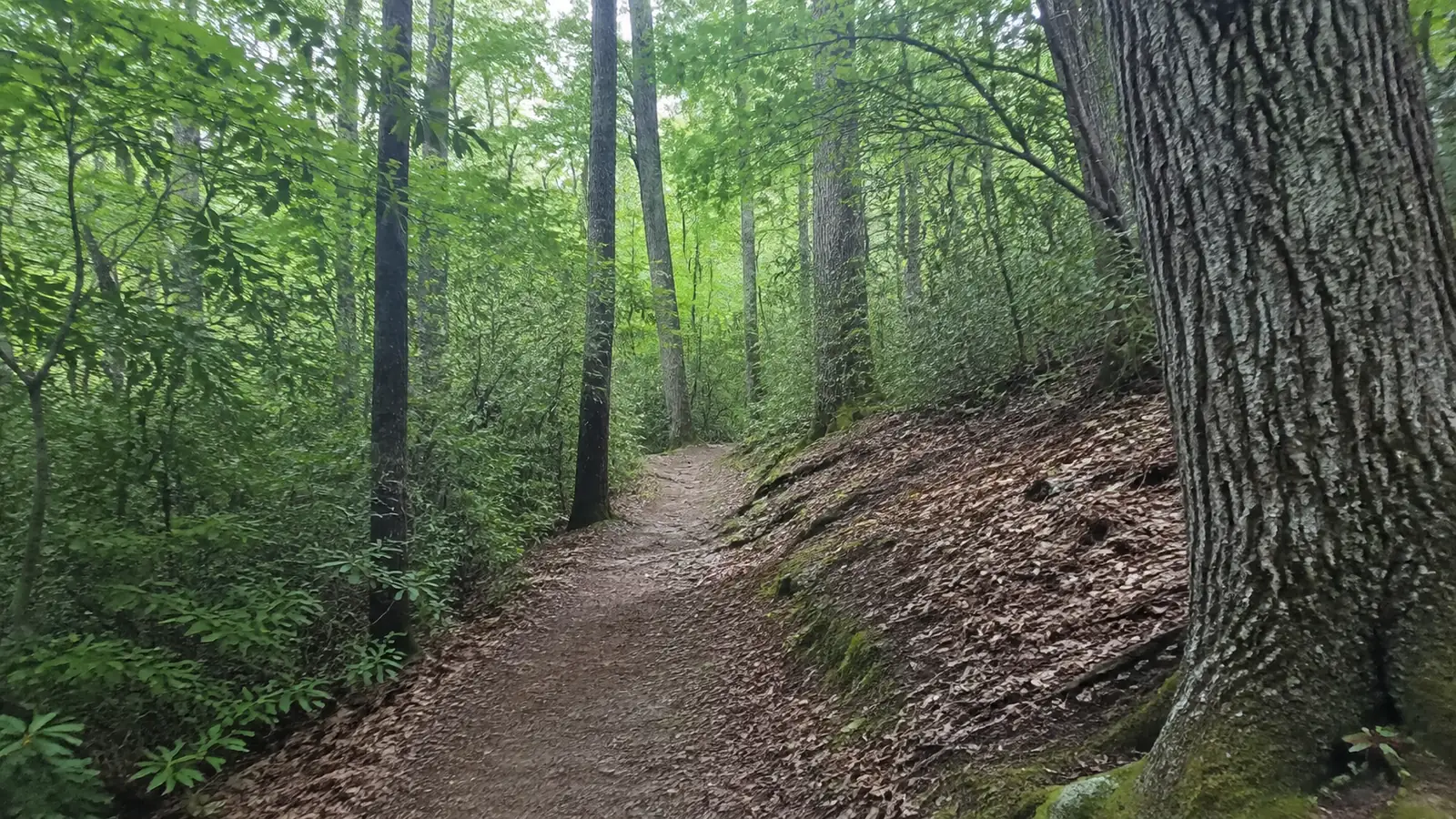
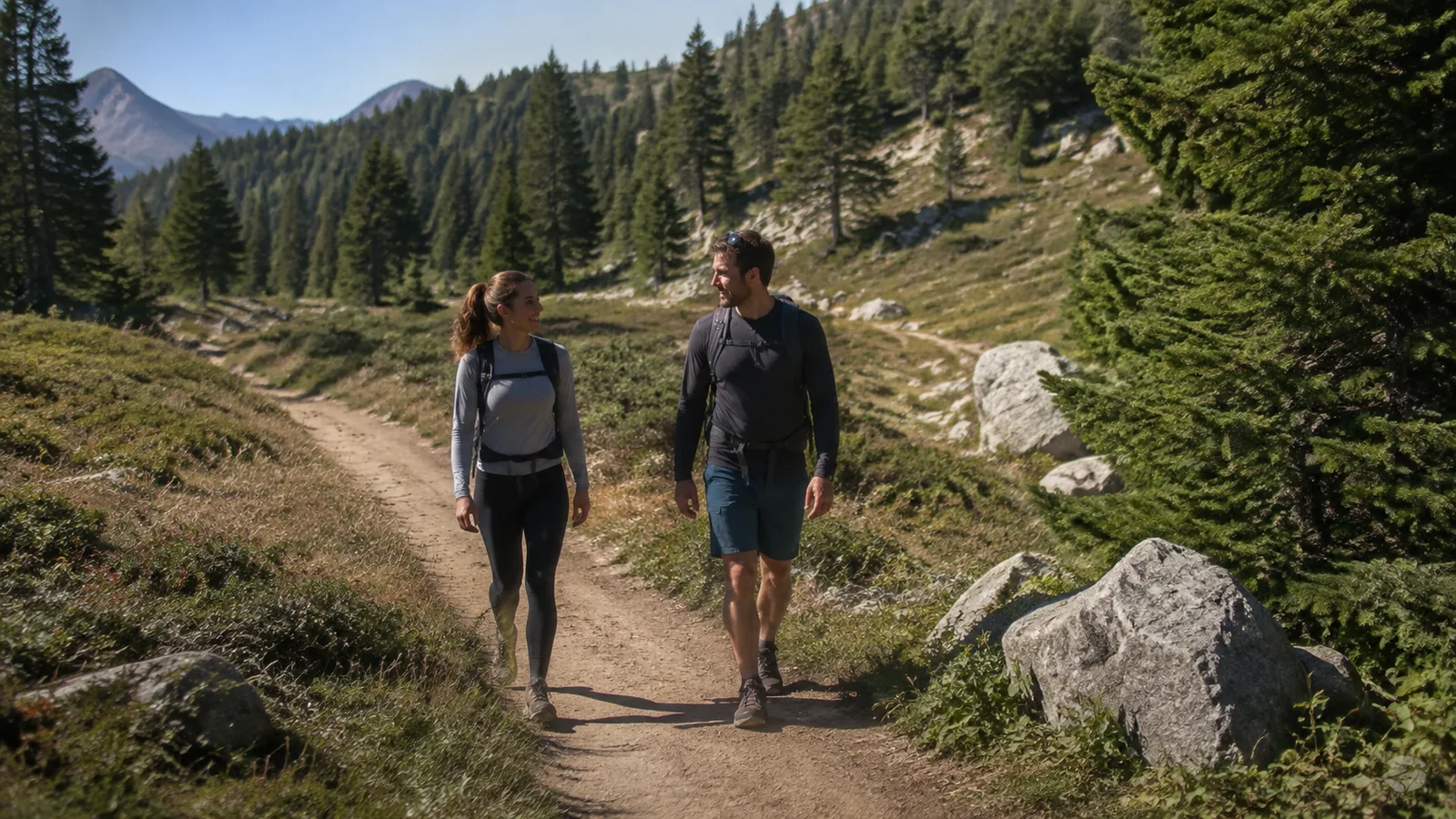
Hiking generally means recreational walking on trails or through natural terrain, often with changes in surface and elevation. It may last twenty minutes or an entire day.
Trekking often describes a longer, more demanding journey, especially a multi-day route or travel through remote terrain. Usage varies by country and outfitter, so the word is not a standardized difficulty rating.
Backpacking involves carrying the equipment needed for at least one overnight in the backcountry. My hiking and backpacking comparison helps separate the skills and packing commitments.
Trail running prioritizes running performance on off-road routes and is organized competitively. Hikers and trail runners may share the same path, but their equipment, pace, event rules, and training can differ.
Fastpacking blends lightweight backpacking with faster movement over multi-day routes. It can be a personal challenge or event-oriented pursuit, depending on context.
Is hiking good exercise?
Hiking is physical activity whether you call it a sport or a hobby. The workload changes with distance, grade, elevation, pack weight, surface, weather, pace, and the hiker’s current conditioning.
The Centers for Disease Control and Prevention says any amount of moderate-to-vigorous physical activity can provide health benefits, with regular activity supporting sleep, function, and long-term health. Its physical activity overview provides the broader evidence without pretending every trail suits every person.
A smooth one-mile nature loop may be comfortable for one hiker and a meaningful training session for another. A steep five-mile route can shift from moderate to exhausting when heat, altitude, mud, or a heavy pack arrives.
Exercise benefits do not make hiking risk-free or medically appropriate for everyone. Anyone managing a health condition, injury, pregnancy, medication change, or major jump in activity should seek individualized professional guidance.
Does hiking require skill?
Yes, although beginner trails let you learn gradually. Foot placement, pacing, route-finding, weather decisions, water planning, and knowing when to turn around are genuine outdoor skills.
Technical terrain adds more. Snow travel, scrambling, river crossings, desert heat, high altitude, avalanche exposure, off-trail navigation, and overnight travel require specific knowledge that a neighborhood walking habit does not provide.
Equipment never replaces judgment. Expensive boots cannot identify a storm cell, download a missing map, make unstable snow safe, or turn a closed trail into an open one.
Do you need to be athletic to start hiking?
No, because “hiking” covers everything from an accessible boardwalk to a high-elevation summit route. The useful starting point is a trail whose distance, surface, grade, exposure, and facilities match your current needs.
Choose a short local route with an easy turnaround and add difficulty slowly. Ten comfortable outings build more confidence than one punishing day chosen for social media.
Trail descriptions can be inconsistent, so look for numbers and features instead of labels like easy or moderate. Total distance, elevation gain, maximum grade, stairs, drop-offs, shade, water crossings, and bathroom access tell a better story.
If inspiration helps, the beautiful hikes collection shows how dramatically routes vary. Use it to daydream, then check official access, permits, weather, and difficulty before building a trip.
The national park inspiration list is another useful starting point when scenery matters more than competition. Park fame never replaces a trail-specific safety check.
A hobby can still have goals
Not competing does not mean wandering without purpose. Hobby hikers can set goals that keep the activity interesting while protecting the joy that brought them outside.
- Walk one new local trail each month
- Build comfortably from two miles to five miles
- Learn to read a topographic map
- Join a trail-maintenance day
- Complete a state park or county challenge
- Photograph seasonal change on one familiar route
- Plan a first overnight backpacking trip
Choose goals you can control, such as preparation, consistency, or learning. Summit photos, perfect weather, wildlife sightings, and record times depend on too many outside variables.
How to train if hiking is your sport
Start with regular walking and gradually add distance, hills, stairs, uneven surfaces, and a light pack. Strength work for legs, hips, core, and upper body can support movement and carrying, while balance practice helps on variable terrain.
Train for the actual goal instead of chasing generic suffering. A rocky mountain day needs descending practice, a desert hike needs heat planning, and a backpacking route requires time under the specific pack you will carry.
Rest and recovery belong in the plan. Pain, illness, smoke, extreme heat, severe weather, and poor trail conditions are reasons to adjust rather than tests of athletic character.
Basic gear for hobby hikers and athletic hikers
The National Park Service recommends an adaptable set of Ten Essentials for unexpected delays, minor injuries, weather changes, and emergencies. The exact kit should still change with the route, climate, season, group, and remoteness.
- Navigation and a route you know how to follow
- Sun protection and weather-appropriate insulation
- Light source with backup power
- First-aid supplies and necessary medication
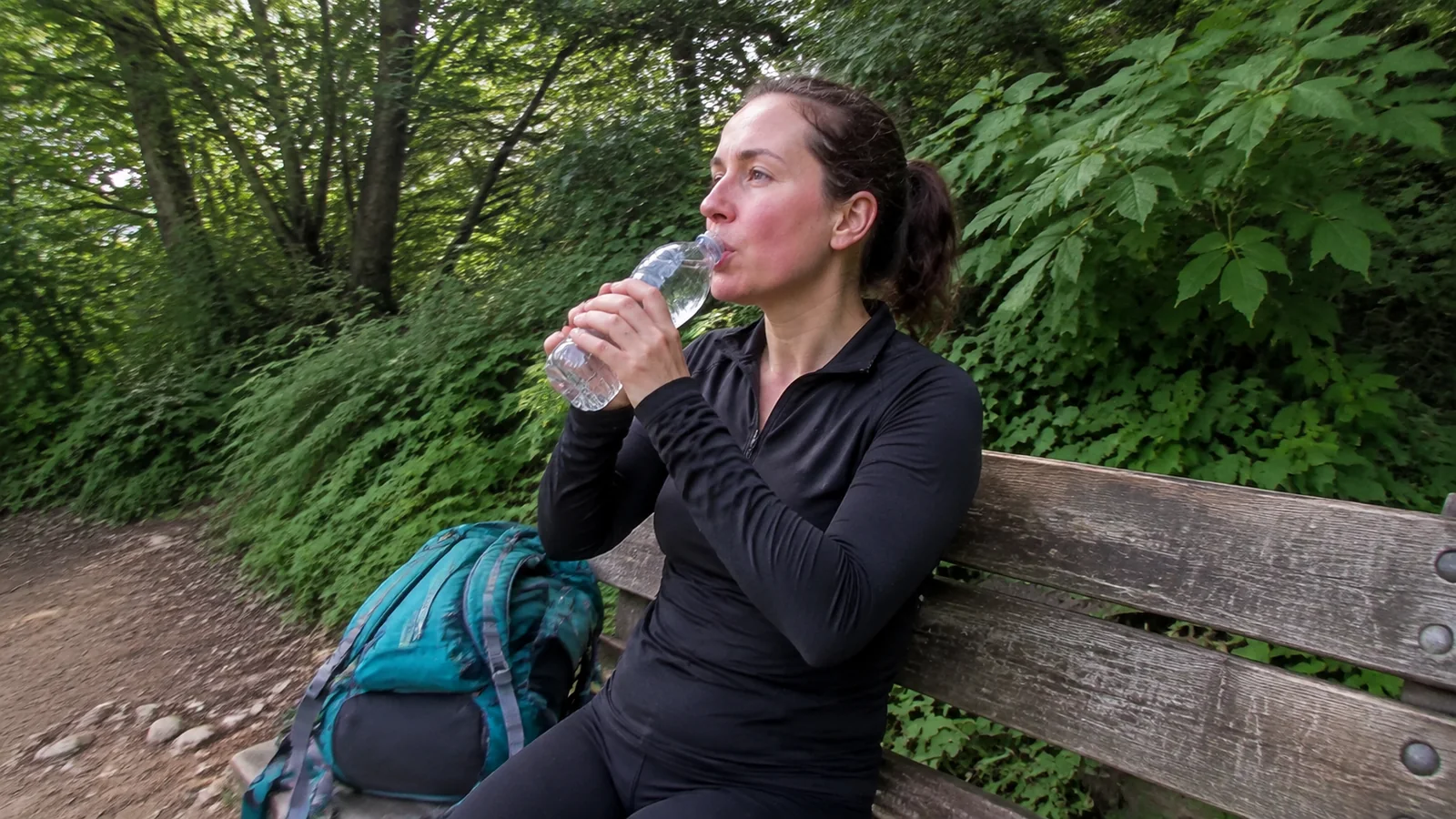
- Food and more water than the ideal schedule requires
- Emergency shelter suitable for the conditions
- Repair tools and a safe way to make an emergency signal
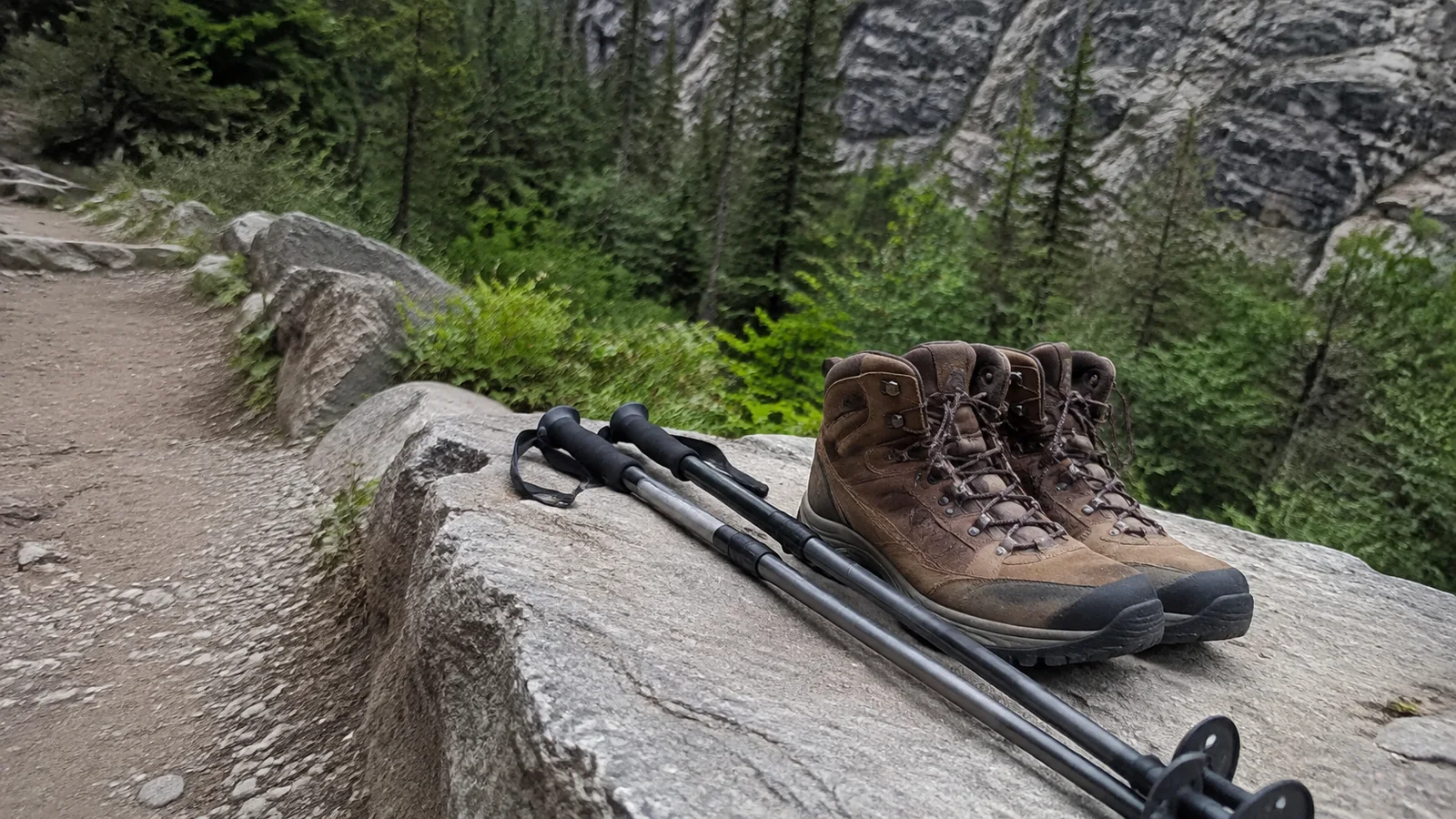
Footwear should fit, grip the intended surface, and feel comfortable with the socks you will wear. A trendy boot that causes blisters is a terrible sporting tool and an equally terrible hobby purchase.
Choose a route by what you want from the day
Here is how I would turn those labels into a useful Saturday plan: compare a two-mile woodland loop with little climbing against a six-mile out-and-back gaining 1,500 feet. These are illustrative routes, so use the actual land manager’s map and forecast when making the same comparison near home.
For conversation, birdwatching, or a first outing with a friend, I would take the shorter loop and leave room for pauses. Check whether its easy rating hides stairs, mud, roots, or an inaccessible gate, because distance alone does not describe the experience.
For a training day, the longer route offers sustained climbing and descending, but it also doubles the consequences of going too far. Set a turnaround time before leaving, identify the last dependable water source, and carry enough supplies to walk all the way back if your pace falls.
Record moving time separately from total time if you want to track progress. A picnic and a long wildlife pause should not persuade you that your fitness suddenly collapsed, while an unexpectedly slow descent may reveal a useful skill to practice.
A competitive version needs an organizer’s published course, entry conditions, timing rules, and cutoff procedures. Read whether walking is permitted, which equipment is mandatory, and what happens if you leave the marked route before signing up for an event advertised as a challenge.
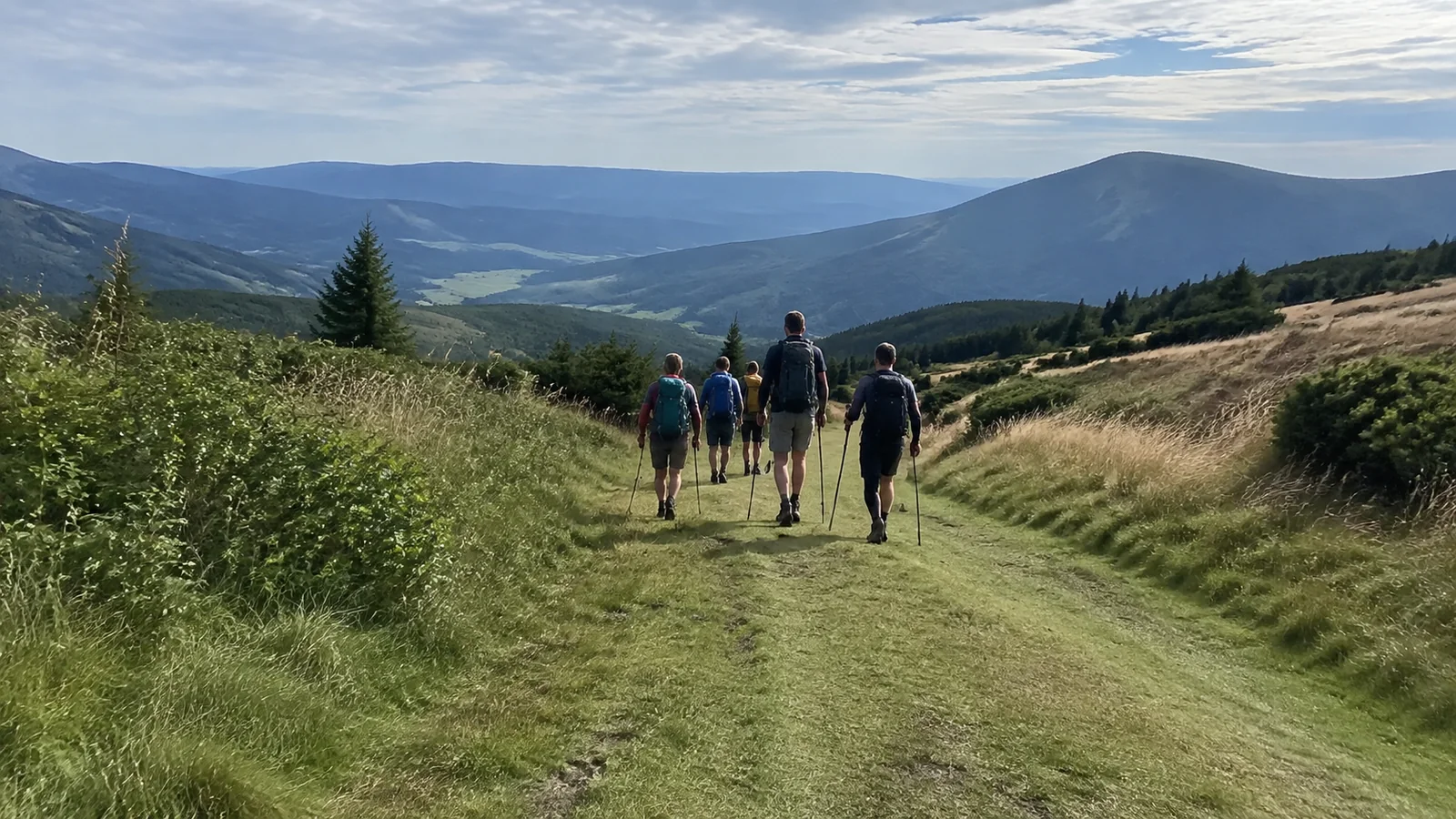
A recreational group walk can cover the same mileage with an entirely different goal. Ask about pace, regrouping, the leader’s turnaround policy, and whether anyone is expected to navigate independently so you can choose a group that feels welcoming and manageable.
Trail etiquette matters in every category
Sport does not give anyone priority over slower visitors, and a hobby does not excuse poor preparation. Follow the land manager’s rules, remain on legal routes, control pets, pack out waste, and make room courteously.
The Leave No Trace principles cover planning, durable surfaces, waste, wildlife, fire, and consideration of others. Apply them to a one-hour local outing as seriously as an ambitious backcountry trip.
Uphill hikers are commonly given the right of way, but communication beats rigid performance. Step aside only where it is safe, announce passing calmly, and yield according to posted multi-use trail rules.