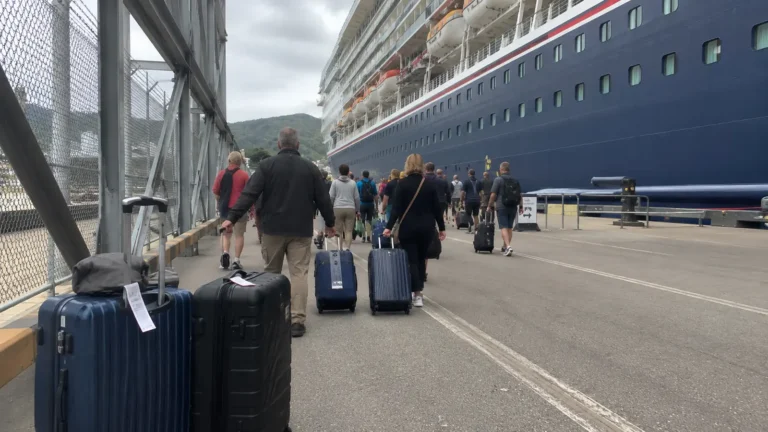
Cruise Port Day Bag Checklist: What I Would Carry Ashore
For a cruise port day, I would carry my ship card, required identification, payment backup, phone, essential medication, water, and the few items the day’s activity needs. I would save the all-aboard time and port contact offline before leaving.
A beach day, city walk, and boat excursion need different extras, so I would repack the bag each morning.
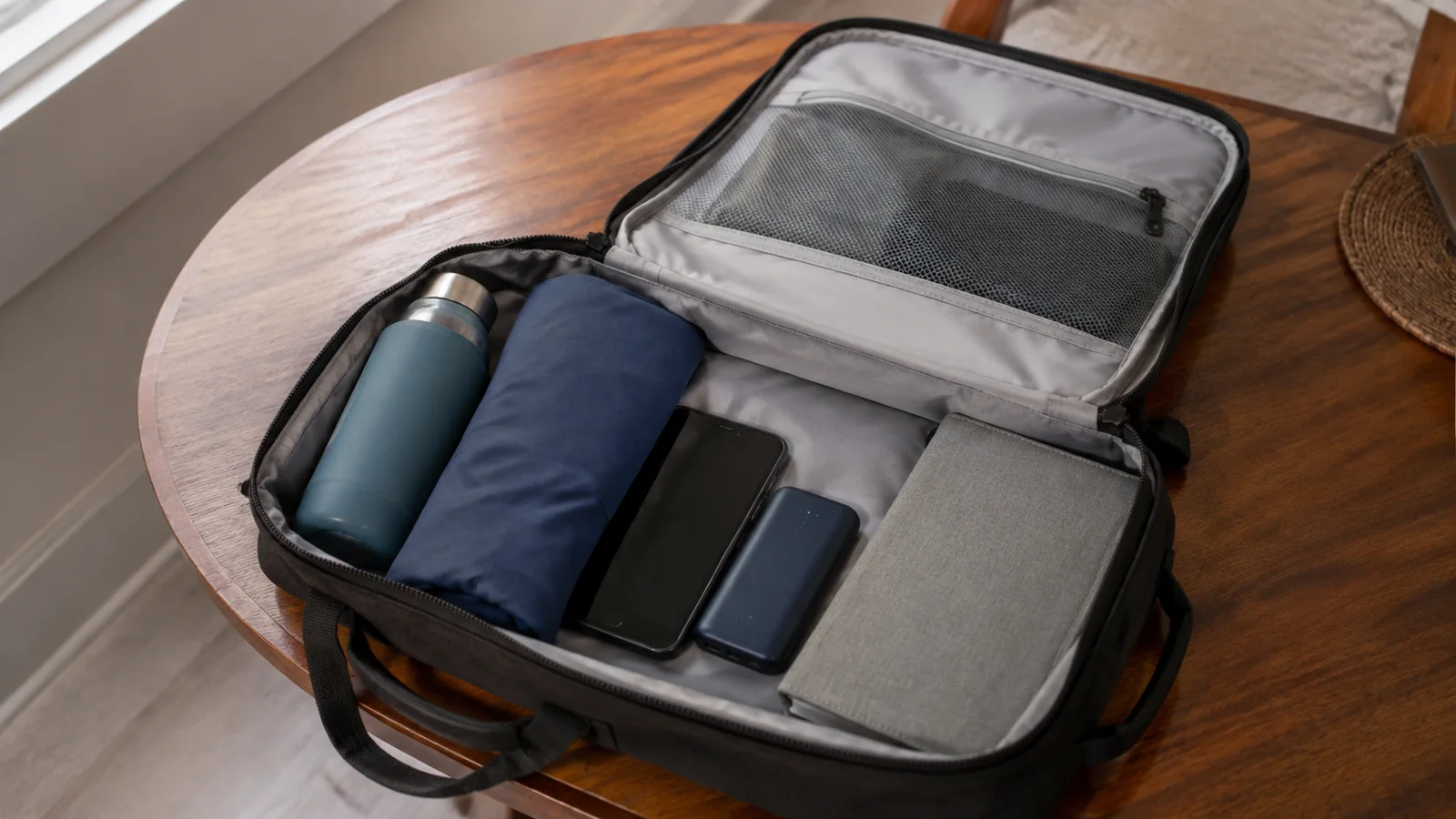
The port-day essentials I would pack first
- Ship card or the line’s required boarding credential.
- Identification and travel documents required for that port.
- One payment card, a backup method, and a modest amount of useful cash.
- Charged phone with the port contact, tour meeting point, and return time saved offline.
- Personal medication and supplies needed during the outing, with a reasonable delay buffer.
- Drinking water, sun protection, and weather protection suited to the destination.
- Activity-specific items such as a swimsuit, closed-toe shoes, or a compact towel.
My full cruise packing list covers what belongs in the suitcase. This is the smaller set I would actually want on my shoulder while ashore.
Check the identification rule for that specific port
I would read the ship’s arrival information before deciding which documents to carry. A ship card may identify you to the cruise line, but it does not replace whatever identification local officials require.
There is no useful universal answer that says to take a passport ashore everywhere or leave it in the safe everywhere. I would follow the destination’s requirements and the ship’s current instructions, then consider how I would handle an emergency return.
For U.S. travelers, a passport book and passport card are not interchangeable for international flights. The State Department’s cruise guidance explains why a passport book matters if you cannot return on the ship and need to fly home.
A photo or photocopy can help when dealing with a lost document, but I would not treat it as a substitute for an original required at immigration. I would keep document copies protected and accessible rather than in a public photo album or shared family chat.
If the ship collects passports for an itinerary, I would ask what to carry ashore instead. I would settle that before reaching the gangway with an excursion group waiting behind me.
Save three things before the phone loses service
I would save the all-aboard time, the ship or port agent’s contact details, and the exact return terminal. I would also save the tour operator’s number if the excursion was booked independently.
A screenshot of the map is useful when the route is short, but an offline map can help on a longer city day. Neither replaces knowing the correct pier when a port has several terminals.
I would confirm whether the ship is using local time. Phones can change their clock automatically, so I would not assume the time on the lock screen governs the sailing.
My own return target would be earlier than the all-aboard deadline. The amount of extra time would depend on distance, traffic, transport frequency, and whether the trip involves another boat.
For a family that splits into two groups, each group needs the contact information. Keeping everything on the organizer’s phone fails as soon as that person takes a different tour.
I would use my cruise planning checklist to record the day’s key details before the morning gets busy.

Carry enough payment options without taking the whole wallet
I would take one primary card and a sensible backup, with the backup stored separately when practical. I would leave unrelated membership cards and extra payment cards in the cabin safe.
Cash needs depend on the destination and outing. I would check whether the tour, taxi, lockers, or local vendors accept cards and whether the quoted cash price is in local currency.
I would carry small denominations when I expect to pay small amounts. I would not assume a driver can change a large bill or that U.S. dollars are the best choice in every port.
For a prepaid tour, I would save proof of payment and check what remains payable locally. Equipment rental, entrance fees, and lunch are easy things to miss when only the headline itinerary is read.
I would not put every payment method and both travelers’ phones in the same unguarded beach bag. Splitting the essentials reduces the inconvenience if one bag disappears.
Pack medication for the outing and a realistic delay
Anything needed during the port visit would stay with the person who needs it. I would not leave essential supplies on the ship because the itinerary says the tour lasts only three hours.
The amount of backup medication and the storage method should suit the prescription and the traveler’s circumstances. For temperature-sensitive medicine or unfamiliar import rules, I would ask the pharmacist or prescribing clinician before the trip.
CDC’s travel health packing guidance recommends tailoring the kit to the destination and checking country restrictions on medicines. I would keep prescriptions identifiable and bring the supporting information that the destination requires.
My small everyday kit would include the personal items I already know how to use, such as blister protection or spare contact-lens supplies. I would not add unfamiliar medicines simply because they appear on a generic packing list.
For someone with a medical condition, I would keep emergency contact and relevant treatment information accessible. A bag that looks light is not a good trade if it leaves necessary supplies behind.
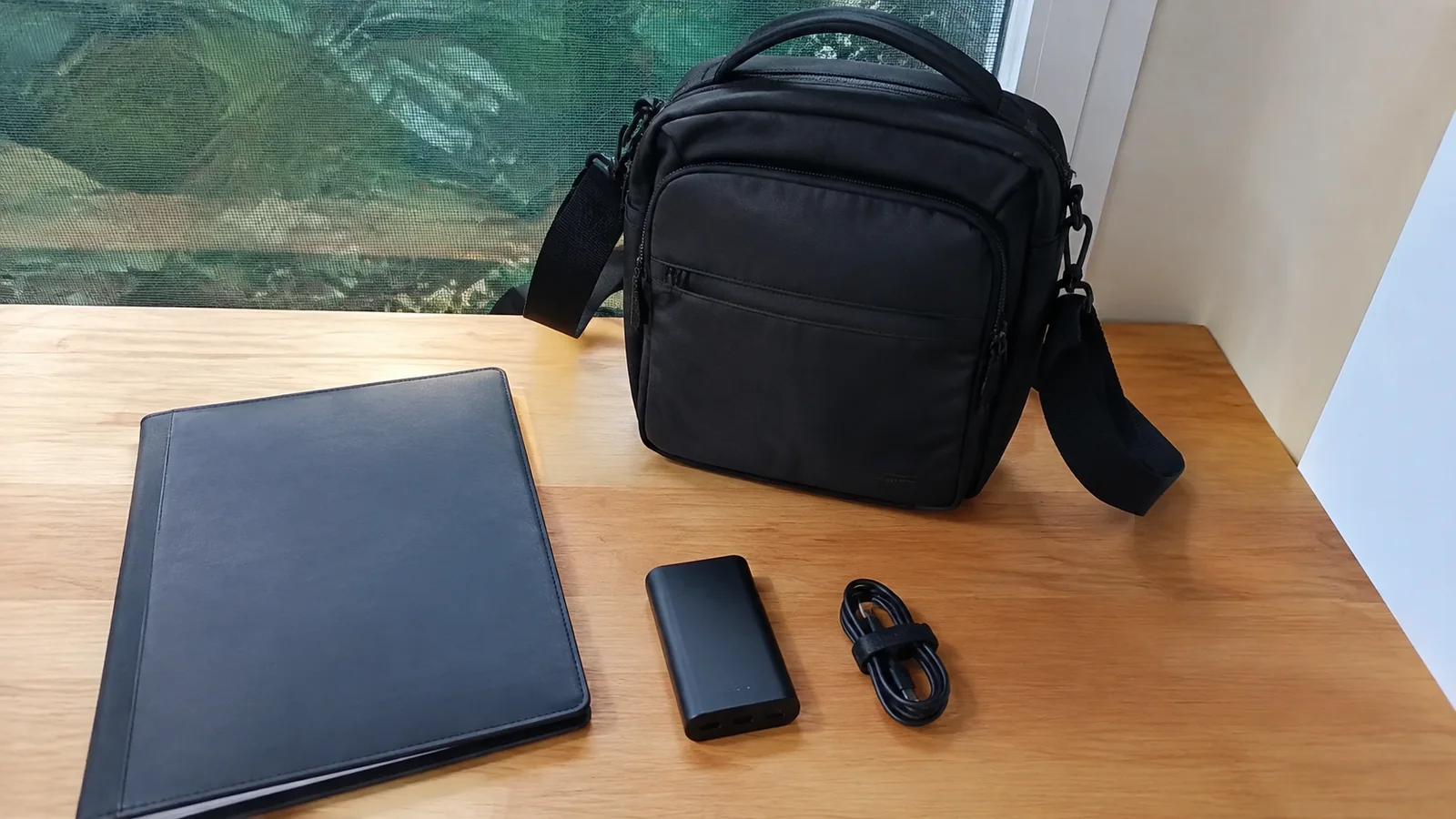
Match the water and weather gear to the actual outing
I would check whether safe drinking water is provided and whether there are reliable places to refill or buy it. A short shaded walk and a long exposed tour deserve different plans.
A reusable bottle is useful, but I would fill it only from a source suitable for drinking. I would not rely on an unfamiliar public tap just because the bottle is empty.
For sun, I would combine suitable sunscreen with clothing, a hat, and shade breaks. A small bag should not force a choice between water and sun protection.
For rain, I would choose a compact layer that fits the activity. An umbrella can be awkward on a windy boat or a crowded walking tour, while a light rain jacket may be easier to manage.
For cooler destinations, I would carry a layer I can reach without emptying the bag. Weather at the pier may feel different from the viewpoint, boat deck, or mountain stop later in the day.
The extras I would choose for each kind of port day
| Port day | Extras I would carry | What I would confirm first |
|---|---|---|
| City walk | Comfortable shoes, compact weather layer, offline map | Entry rules, walking distance, and return transport |
| Beach visit | Swimsuit, towel if needed, dry clothing, wet bag | Showers, lockers, shade, and towel availability |
| Boat or snorkeling trip | Secure sandals or required shoes, dry bag, suitable sun protection | Provided equipment and storage arrangements |
| Active excursion | Required footwear, activity clothing, personal supplies | Operator’s packing list and participation requirements |
| Religious or cultural visit | Clothing that meets the site’s dress rules | Shoulder, knee, head-covering, or bag restrictions |
I would follow the operator’s actual equipment list before buying anything. A tour that provides a towel and snorkeling equipment may need far less gear than an independent beach day.
For boat trips, I would keep water-sensitive essentials in a properly closed dry bag or tested waterproof case. “Water resistant” does not mean I would trust the bag underwater.
If motion is a concern, I would plan for the excursion vessel as well as the cruise ship. My seasickness guide covers the wider planning questions I would consider.
Food from the buffet is not automatically allowed ashore
I would not pack fruit, sandwiches, meat, or other fresh food from the ship without checking the port’s rules. Agricultural restrictions can apply even when the food was included in the cruise fare.
Commercially packaged snacks may be easier to assess, but sealed packaging is not a universal exemption. I would check what the destination permits, especially for a child or traveler who relies on particular food.
For returning to the United States, USDA’s traveler guidance explains agricultural declarations and restrictions. Other countries have their own requirements, so I would not use U.S. rules as permission to bring food ashore elsewhere.
If suitable food will be difficult to find, I would contact the excursion provider in advance. That is more reliable than hoping an unapproved snack can pass an inspection.
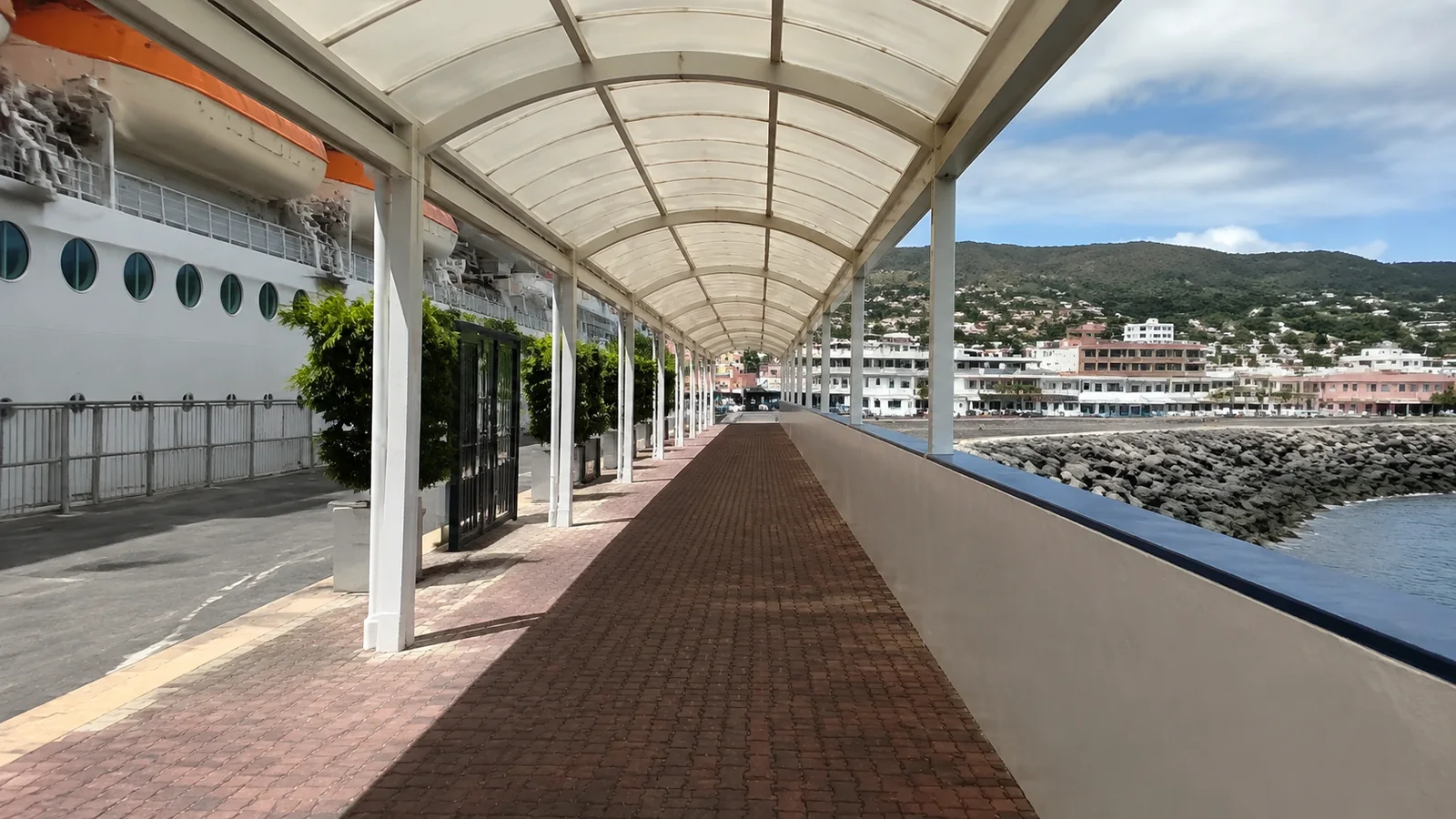
Choose a bag that stays comfortable after an hour
I would test the loaded bag at home, including the water bottle. A bag that feels fine empty can become tiring once it holds everyone’s beach gear.
A small backpack can distribute weight better for a longer outing, while a secure crossbody can suit a short city visit. I would choose based on comfort, closures, and the day’s setting rather than a particular style label.
I would keep heavier items close to my body and use easy-to-reach pockets for things I will need repeatedly. Documents and payment cards would go in a more protected section.
For wheelchair or scooter users, I would make sure the bag does not interfere with controls, transfers, or stability. I would ask before hanging a family load from someone else’s mobility device.
What I would leave in the cabin
I would leave the laptop, unnecessary jewelry, spare cards, and bulky guidebooks behind for a normal port day. I would also remove the previous day’s items instead of letting the bag become progressively heavier.
I would not take a full-size towel if the excursion supplies one. If using a ship towel, I would check the return process and bring it back.
Children can carry a small age-appropriate item, but I would not give them sole responsibility for passports or essential medicine. Those would remain with a responsible adult.
For families, I would split the load so one person is not carrying every bottle and spare outfit. Each adult should still know where the essentials are.
My last check before the gangway
I would check that the card, required ID, phone, payment, and medication are physically in the bag. Then I would confirm the return time with everyone leaving together.
I would keep the port contact accessible without needing a login or data connection. Finally, I would remove one item that belongs to a different kind of day.
Do I need a portable charger?
I would bring a compact one if the phone is handling navigation, tickets, and photographs for a long outing. I would charge both devices first and check that the cable actually fits.
Should I carry my passport on a beach excursion?
I would follow the destination’s document requirements and the ship’s instructions, then protect any required original from loss and water. I would not rely on a photocopy where an original is required.

Can one bag work for every port?
The same bag can, but I would change its contents. My default is a small set of essentials plus the specific gear that makes that day’s plan work.