When Are Cruise Cabins Ready on Embarkation Day?
Cruise cabins are often released later than the first boarding groups, commonly during the early afternoon, but there is no guaranteed time across every ship. I would plan to carry first-day essentials until the crew announces that rooms are ready.
An early boarding appointment, permission to drop a bag, and full cabin access are three different things.
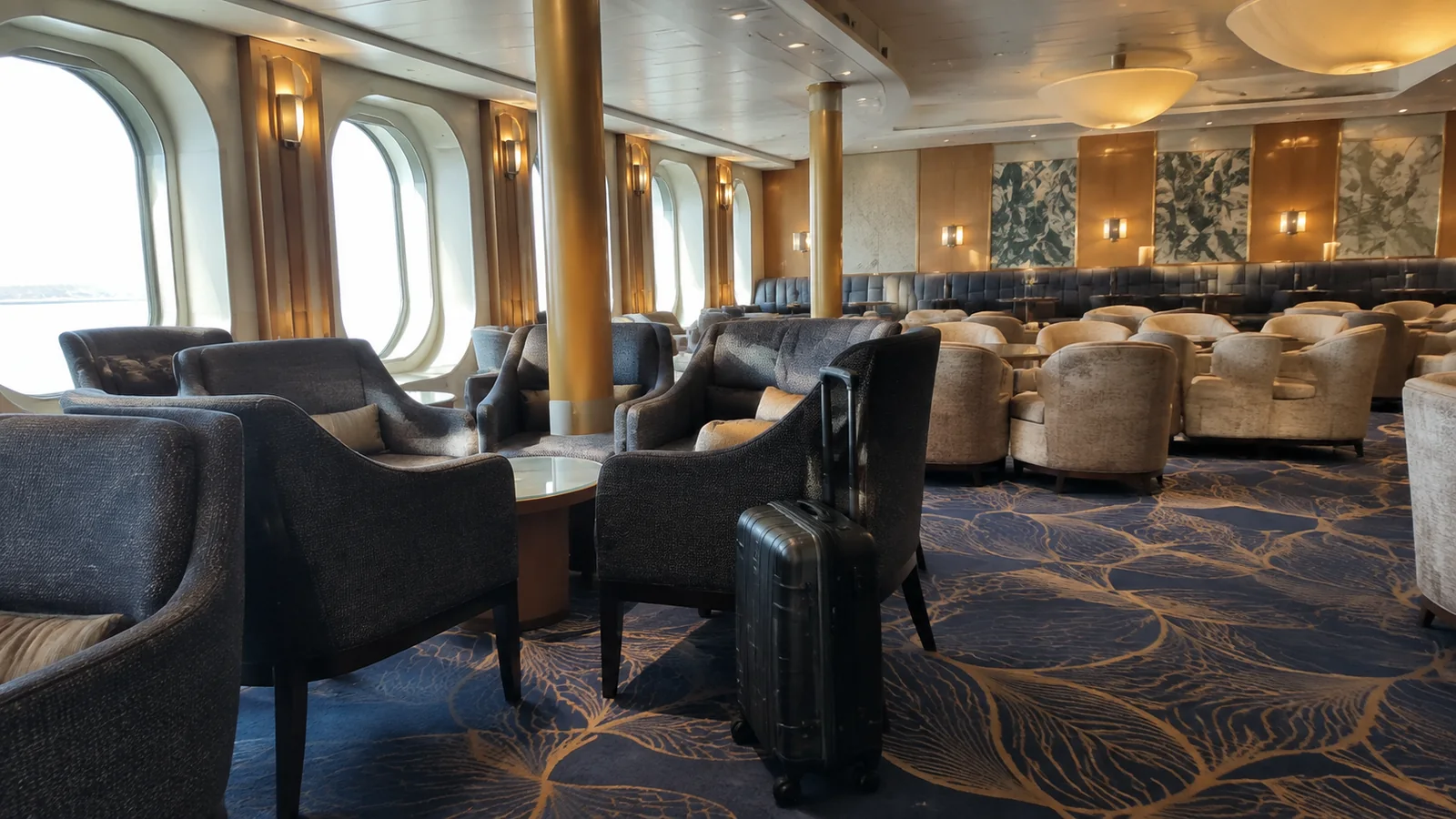
The answer I would plan around
- Follow the room-ready announcement or explicit instruction for your sailing.
- Do not assume boarding early means you can use the cabin immediately.
- Check whether your line allows a brief bag drop before full room access.
- Keep medication and anything needed while waiting with you.
- Expect checked luggage to run on a separate delivery schedule.
If you need a room for an immediate medical or accessibility reason, arrange that with the line before travel. I would not build an essential need around an unofficial cabin-ready estimate.
Why boarding and cabin access are separate
The previous guests may have left only hours before new passengers begin boarding. Housekeeping still needs to clean, change linens, check supplies, and prepare different bed arrangements.
The ship can open public areas for lunch and boarding while cabin preparation continues. That is why seeing passengers onboard does not tell you that every room has been released.
I would let the crew finish rather than repeatedly walk down a closed corridor to check. A hallway barrier or sign is an instruction, even if you can see your cabin door beyond it.
Sometimes a particular room needs extra attention after the rest of the deck opens. If your room remains unavailable after the general announcement, ask the steward or guest-services team what to expect.
Carnival: plan for lunch before cabin access
Carnival’s luggage guidance discusses guests arriving before 1:30 PM checking bags and enjoying lunch before access to their staterooms is granted. I would use that as a planning example, not a promise for every Carnival sailing.
Read the instructions for any priority product or cabin benefit you actually booked. Early luggage drop-off and a fully prepared room may be described differently.
If you are unsure whether a benefit permits entering the hallway, ask a crew member. I would not use someone else’s loyalty status or an older sailing report as permission to pass a closed door.
Keep first-afternoon essentials in the carry-on even if you expect an early access benefit. An operational delay should not leave medication or feeding supplies out of reach.
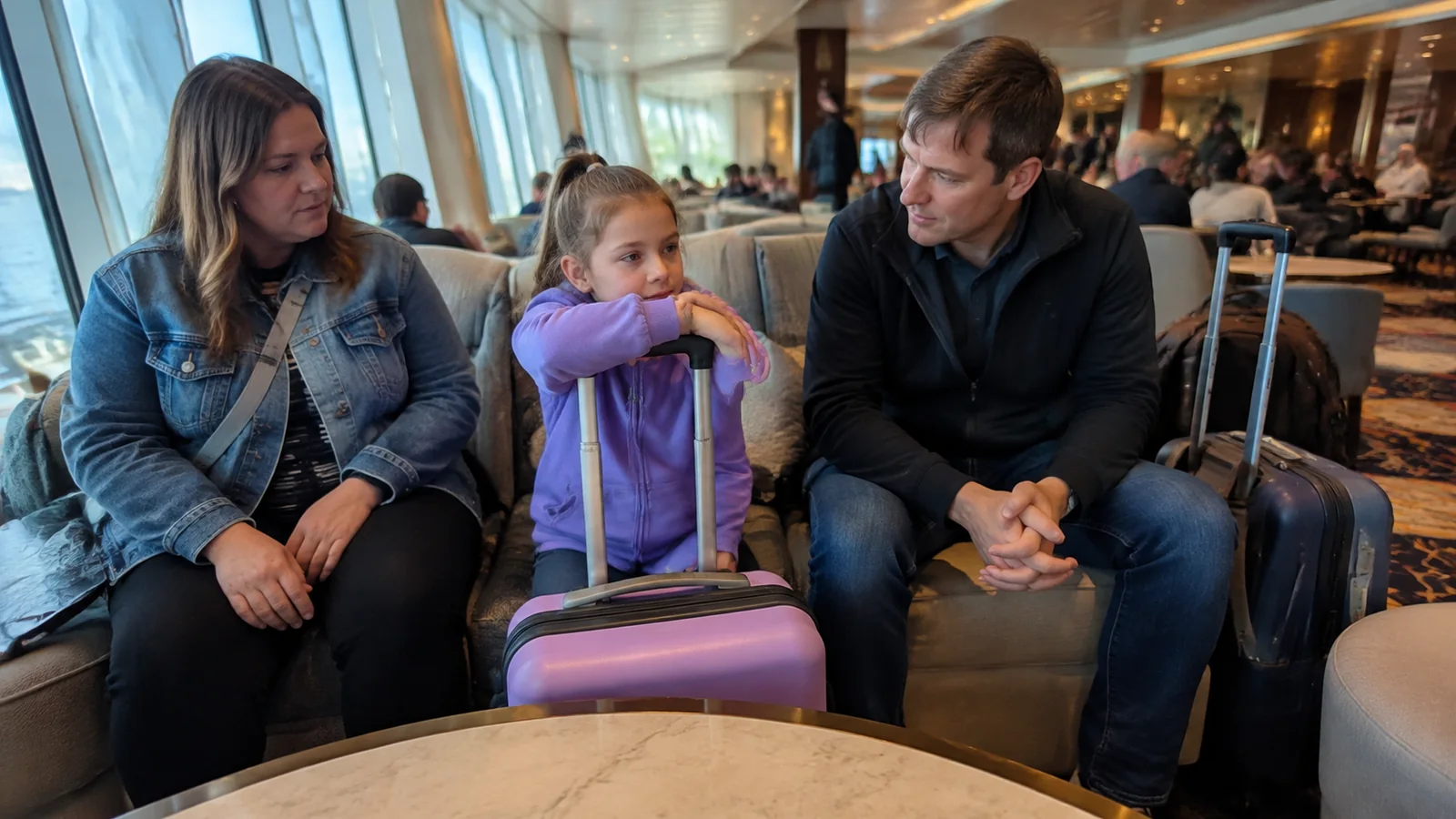
Royal Caribbean: wait for the room-ready announcement
Royal Caribbean’s carry-on luggage policy specifically warns that staterooms may not be immediately available for storing bags. I would plan the first lunch with that limitation in mind.
The exact opening time can vary by sailing, and the onboard announcement is the useful instruction. Do not assume a selected arrival appointment is a reservation for the room to be ready at that time.
If your cruise credential is collected near the cabin, follow the ship’s directions about when and where to retrieve it. There is no need to force access to a closed corridor simply because you expect a card to be outside the door.
I would carry a small bag rather than all my luggage if the alternative is managing several suitcases around public spaces. The convenience of having every item with you can disappear quickly in a crowded elevator.
Celebrity: a useful early bag-drop distinction
Celebrity’s Prepare to Board instructions describe dropping off a carry-on and collecting the room key even while the attendant is finishing the cabin. They also say an announcement will identify when all staterooms are ready.
That is a good example of why a blanket instruction that nobody can ever drop a bag early is inaccurate. Follow the guidance provided for your actual ship and sailing.
I would keep any permitted drop-off brief and leave the crew room to work. Permission to put a bag down is not automatically permission to shower, unpack, or settle in for a nap.
Take medication, travel documents, and other items you still need with you if the room is not ready for occupancy. A bag drop is only helpful when it does not separate you from something essential.
What belongs in the bag while you wait?
Keep documents, medication, valuables, and essential electronics with you. Add the small things that make the first afternoon comfortable, such as a light layer, sunscreen, or a clothing change.
Parents should have feeding supplies, diapers, wipes, and a familiar comfort item available. The plan should still work if lunch or the room-ready announcement comes later than expected.
My cruise packing tips help separate the carry-on from ordinary luggage. I would keep this bag light enough to manage through the safety briefing as well as lunch.
If you intend to swim before the room opens, carry the needed swimwear and think through changing and storing valuables. Do not promise a pool session without checking the facility’s first-day operating schedule.
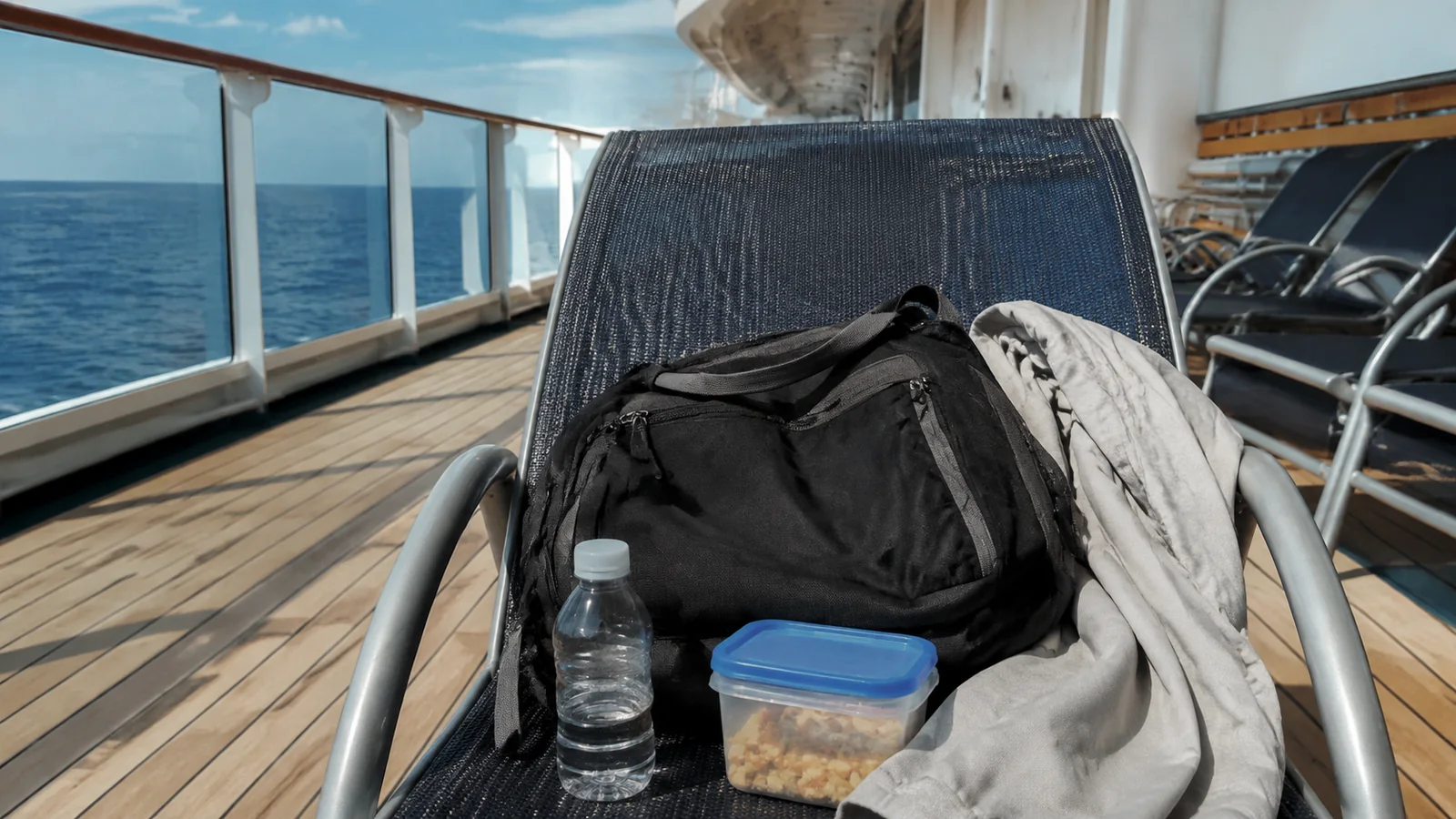
Where I would spend the waiting time
Start with the day’s schedule and check which included food venues are actually open. A smaller venue may be more comfortable than the busiest buffet, especially with bags.
Choose seating where the carry-on does not block an aisle or emergency route. I would skip an awkward table if it means leaving luggage unattended across the room.
Complete any available safety briefing steps while you are moving around the ship. If your line uses a scheduled group assembly, protect that time rather than letting a long lunch run into it.
A short orientation walk can also be useful. Find the dining room, a nearby restroom, the main stair route, and a comfortable meeting spot before the ship feels busy later.
My cruise floor-plan guide helps make sense of deck labels and public areas. I would use the current ship map rather than wander toward a venue that exists only on a sister ship.
Do not wait beside the cabin hallway
Standing by the closed access door rarely makes the room ready sooner. It can also add congestion where staff and guests need to move.
I would find a comfortable public place and listen for the announcement. Keep the app or daily schedule available if your line posts updates there.
If you cannot hear announcements easily, ask how the ship will communicate that cabins are ready. A specific communication need is worth raising rather than waiting without information.
Do not enter because another passenger does. They may have explicit permission, or they may simply be ignoring the instruction.
When the room opens, check the basics first
Make sure the cabin number matches your assignment and that the cruise credential unlocks the door. Check that everyone who needs access has the appropriate card or device.
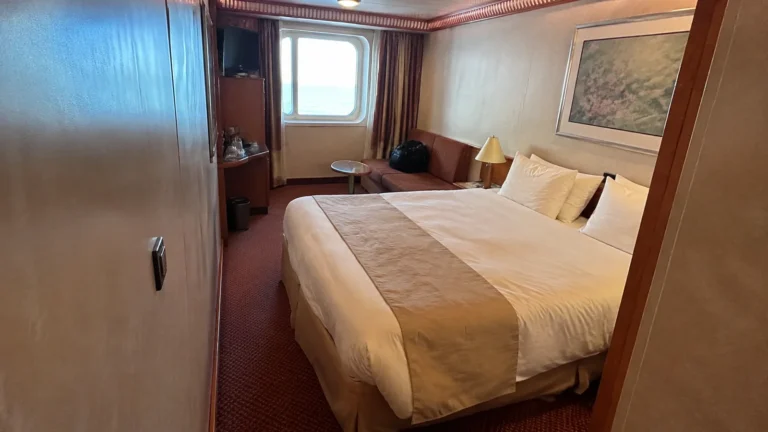
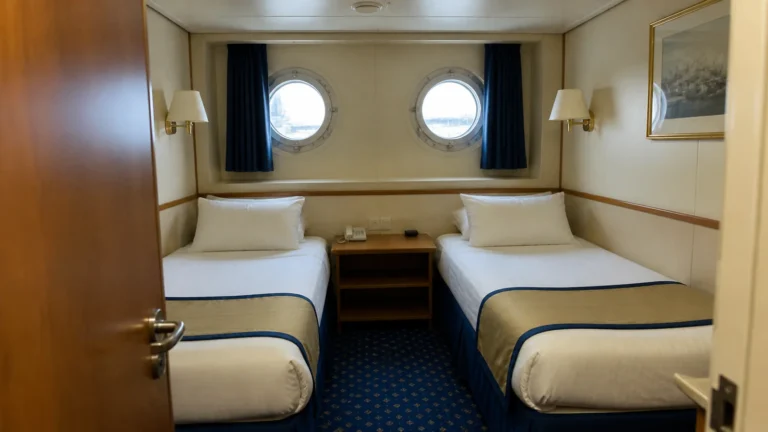
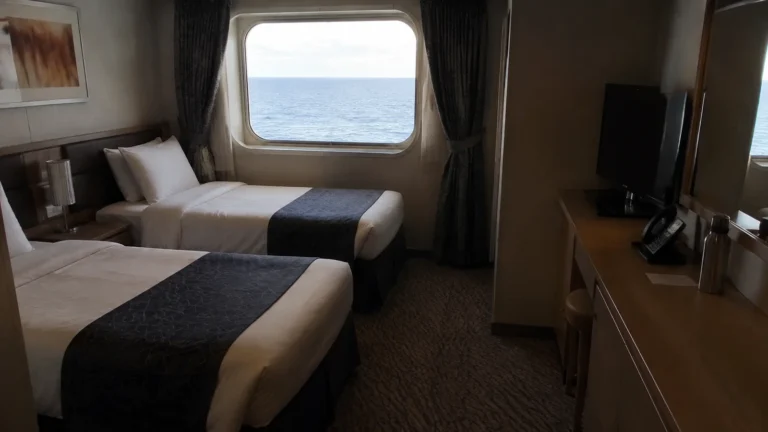
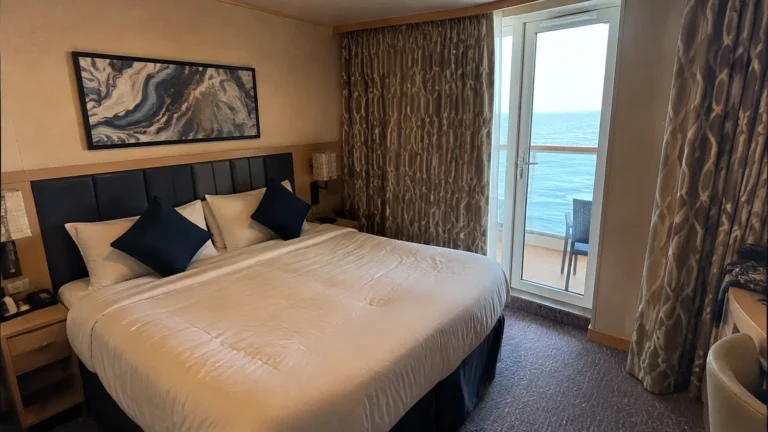
Look at the bed arrangement before unpacking. If you requested twins, an extra bed, a crib, or another setup, confirm what is present and ask about anything missing.
Check the bathroom, lighting, temperature controls, and obvious maintenance issues. I would report a leaking fixture or nonworking toilet promptly rather than wait until bedtime.
If accessibility features or approved medical equipment are part of the booking, verify the actual setup. A request in the reservation is only useful when the arrangement works in the room.
You do not need to perform an elaborate inspection of every surface. The aim is spotting practical problems while there is time for the crew to help.
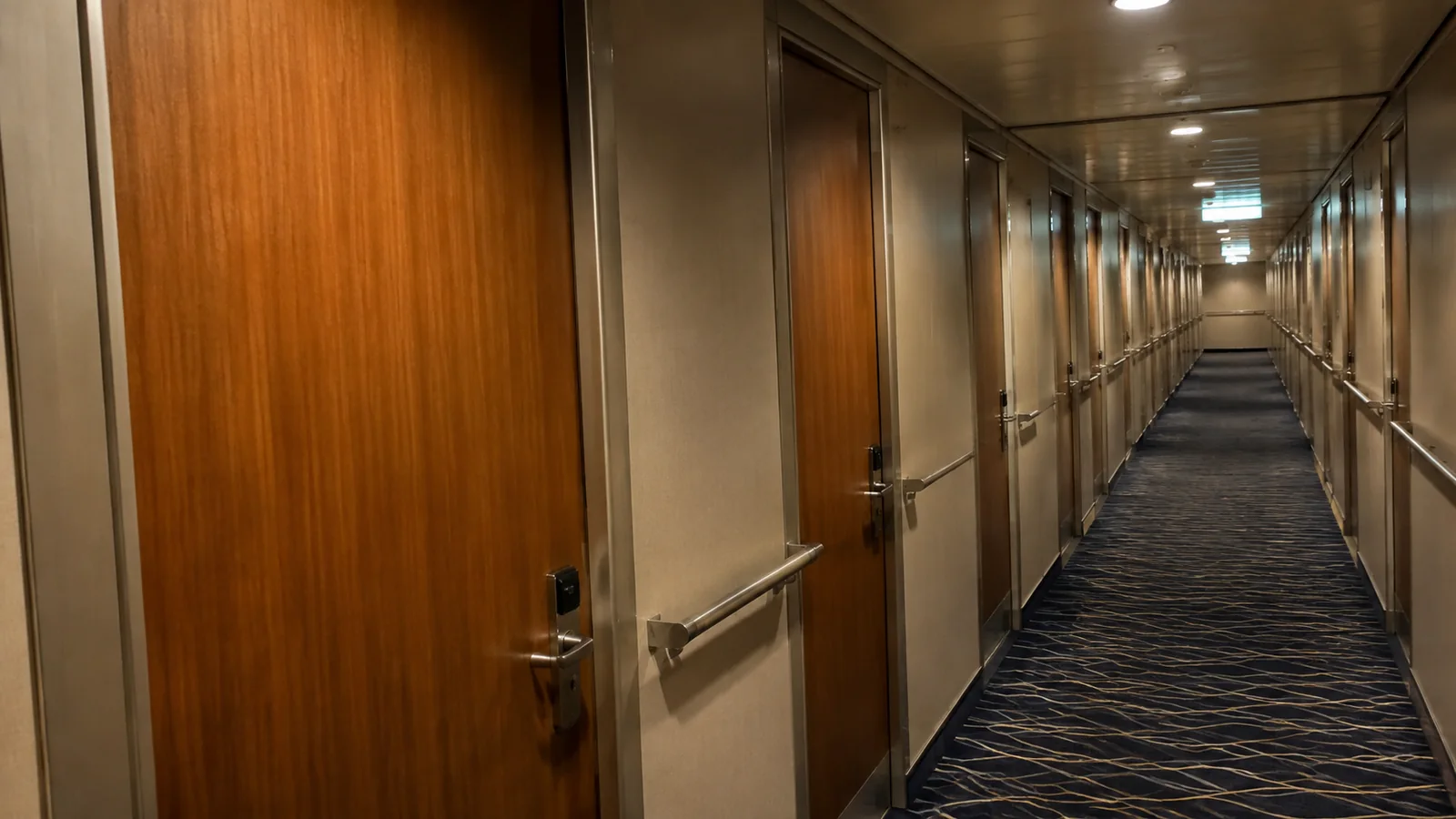
Unpack without making the room harder to use
Set aside passports and valuables securely once you no longer need them for embarkation. Keep everyday ship credentials easy to reach.
Wait for the steward’s guidance if an extra bed still needs to be prepared. Filling the sofa with suitcases can slow the arrangement you are waiting for.
My cruise cabin organization ideas favor small, practical changes. I would first find a place for bags, charging cables, shoes, and the next morning’s essentials.
Keep the doorway and walking route clear. A compact cabin feels more comfortable when you are not stepping over a suitcase every time someone needs the bathroom.
If the cabin is ready but the suitcase is not
That is not automatically a luggage problem. Bags are screened, moved, and delivered through a different operation from room preparation.
Use the spare clothes and toiletries in your carry-on if needed. Ask when the ship wants a missing bag reported instead of assuming a specific delivery hour applies everywhere.
Check for messages about a bag held for inspection. If security needs to review an item, waiting outside the cabin will not resolve it.
I would describe a missing bag with a photo, color, size, and distinctive details. The luggage tag and current room number are useful if the cabin assignment changed close to sailing.
If you need rest sooner than the room opens
An early boarding slot does not guarantee a private place to nap. If immediate rest is important, consider whether a later permitted arrival appointment fits your needs better.
That choice still has to leave enough time before the final boarding cutoff. I would not trade an uncomfortable wait for a risky last-minute arrival.
If the need is medical, contact the line in advance about a workable arrangement. Do not rely on a public lounge having a suitable seat, quiet conditions, or appropriate equipment.
Does a suite always open first?
No universal rule applies. Check the exact suite benefit and sailing instructions, including whether they describe early bag drop or full access.
Can children use the room before everyone else?
Do not assume a family exception. Plan feeding, changing, and comfort supplies around the access instructions unless the crew has arranged something specific.
Should I choose a later boarding time to get straight into the cabin?
It can be a reasonable preference if it is an available appointment and fits your transportation. I would still carry essentials because room readiness can change.
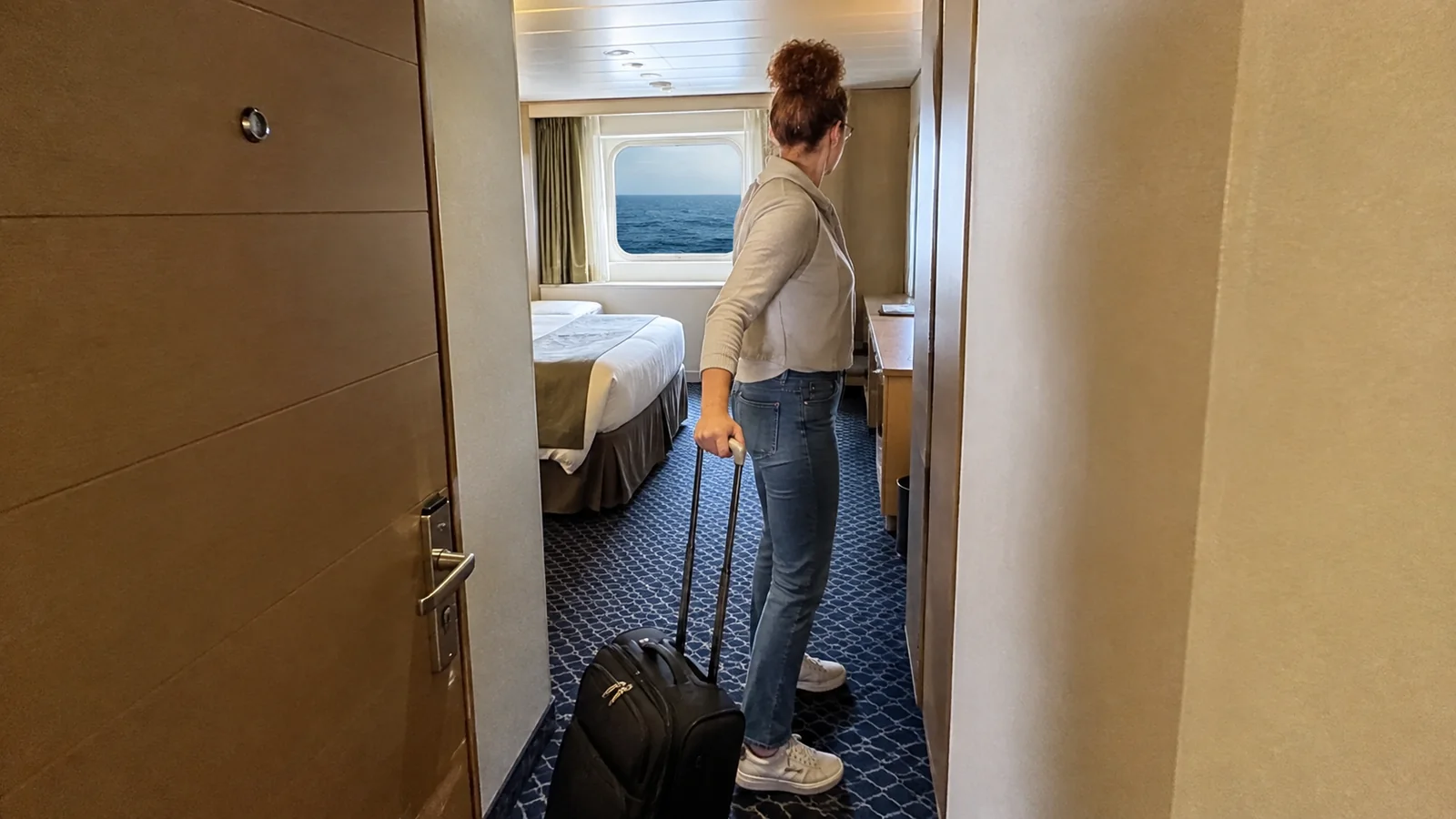
The first afternoon I would plan
I would board at the assigned time, keep one manageable bag, and use lunch and the required safety steps to fill the wait. When the crew releases the room, a quick check of the setup comes before unpacking and the rest of the vacation.