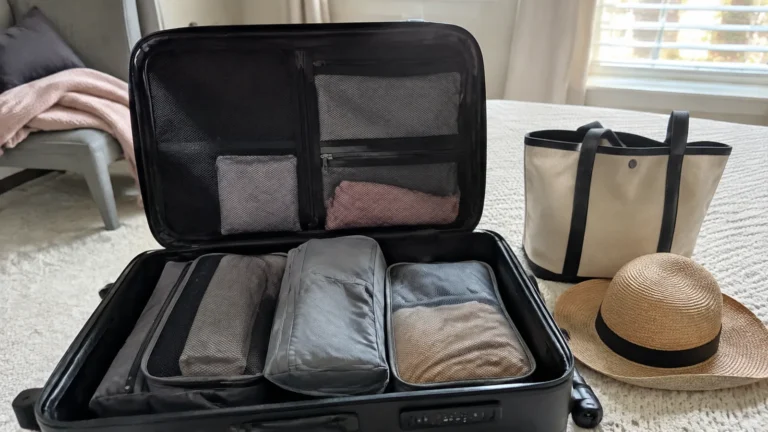
Cruise Clothes Packing: Adaptable Capsules for Every Itinerary
The best cruise wardrobe is not a pile of “cruise outfits.” It is a small set of clothes that handles your weather, shore plans, dining venues, and laundry reality without making you wrestle a suitcase.
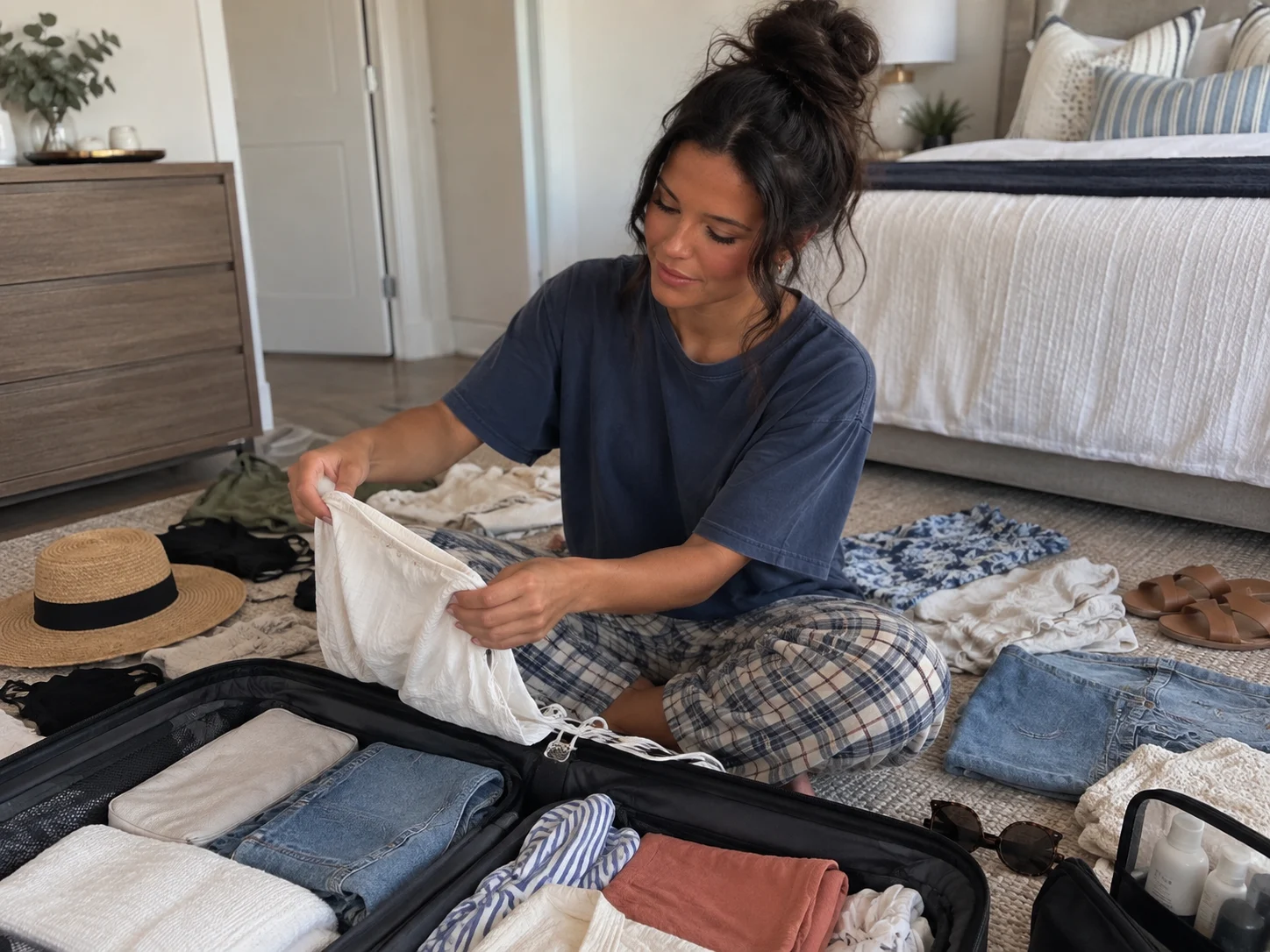
Build Around the Sailing, Not a Generic List
Open your itinerary before opening your closet. A seven-night Caribbean cruise with beaches and casual dinners needs a different capsule from seven nights in Alaska with wildlife boats, rain, and cool mornings.
Write down each port, sea day, excursion, reserved restaurant, themed event, and expected laundry opportunity. Then assign clothes to real uses instead of packing attractive pieces with no job.
Check the cruise line’s current dress page and your sailing app rather than copying another traveler’s formal-night schedule. Labels, venue restrictions, and the number of dressier evenings vary by line, ship, itinerary, and sometimes ship discretion.
A Flexible Seven-Night Cruise Capsule
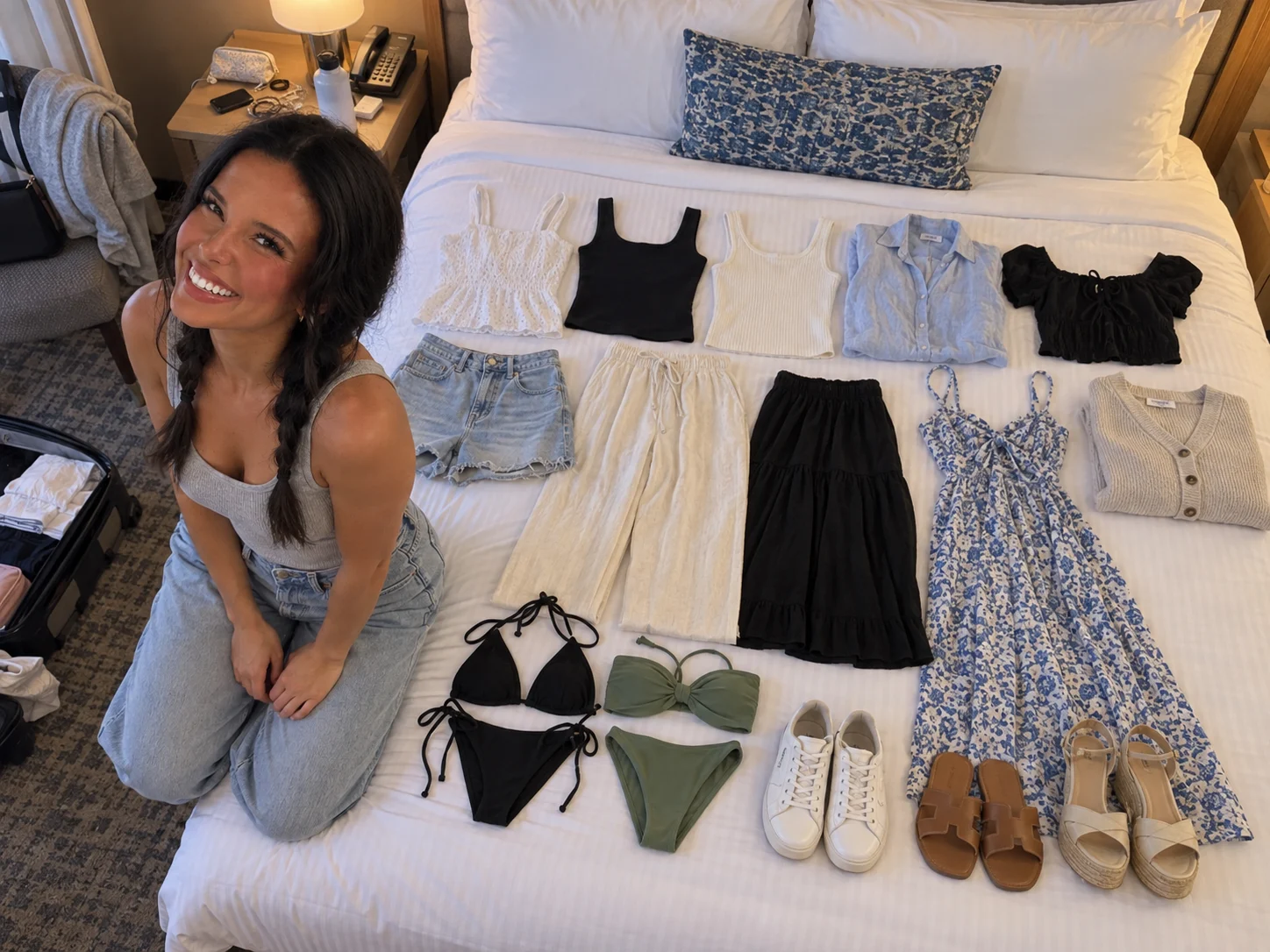
This starting point works for one traveler with one or two laundry or sink-wash moments. Adjust quantities for spills, medical needs, children, formal preferences, and excursions that soak or soil clothing.
- Five everyday tops that coordinate with every bottom
- Three daytime bottoms, such as shorts, pants, skirts, or skorts
- One casual dress, jumpsuit, or extra top-and-bottom combination
- Two dinner foundations that can be reworn with different tops or accessories
- One light indoor layer
- One weather layer suited to the itinerary
- Two swimsuits if swimming is central to the trip
- One cover-up that is suitable for walking through public areas
- Sleepwear, underwear, and socks based on the laundry plan
- One walking shoe, one pool or shower shoe, and at most one dressier shoe
Choose a simple color family so every top works with at least two bottoms and both layers. Repeating trousers, a skirt, jacket, or shoe is normal and dramatically more useful than packing a separate costume for each evening.
Add one outfit for every three or four days only when laundry is unavailable or unreliable. A 14-night cruise does not require twice the wardrobe of a seven-night cruise.
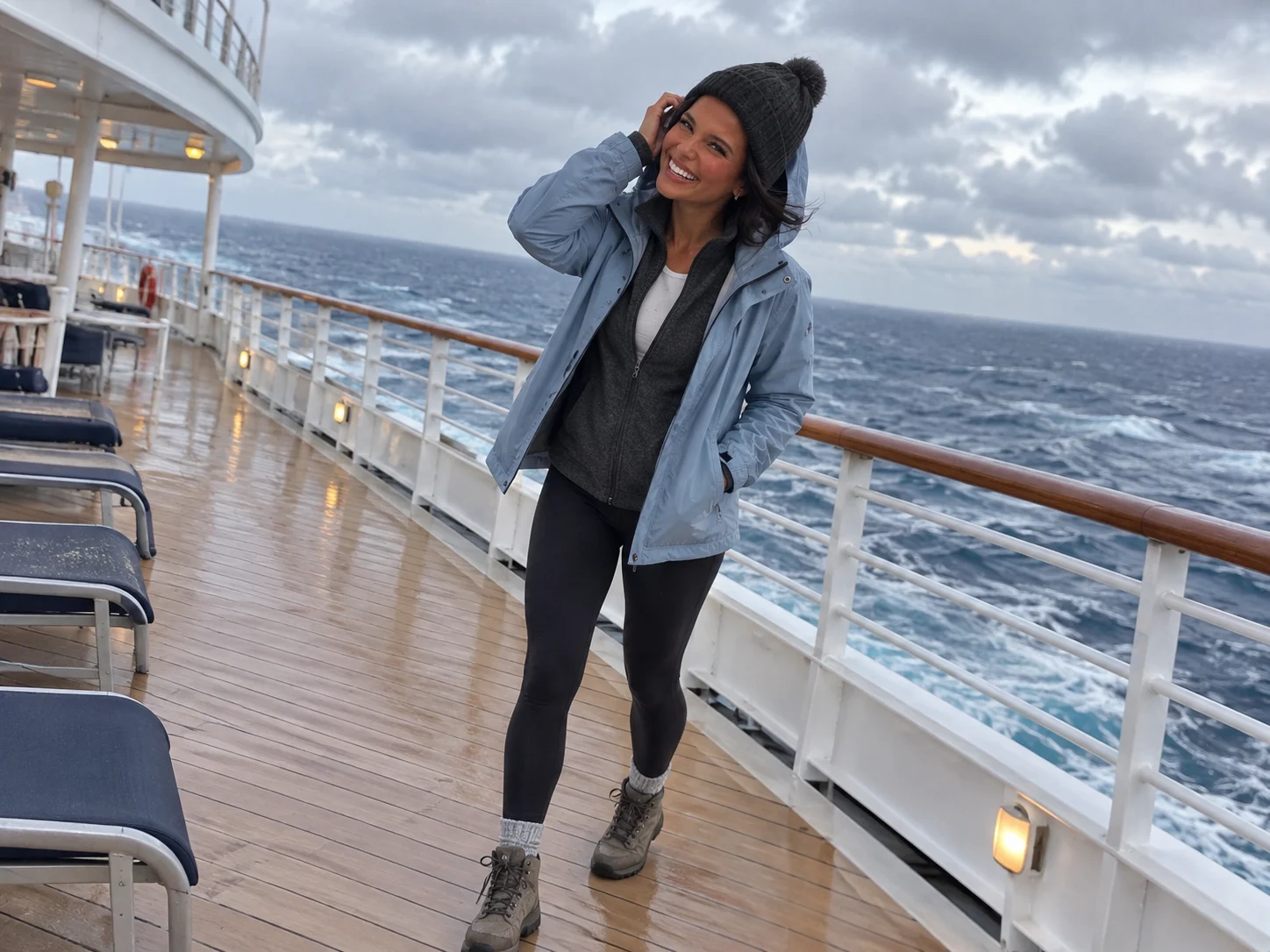
The Three-Layer Rule
Every itinerary benefits from a base, a warmth layer, and a weather layer, but the weight changes. In the Caribbean that may mean a breathable shirt, light cardigan, and thin rain shell, while Alaska may require a wicking base, fleece, and waterproof outer layer.
Layers outperform one bulky coat because port temperatures, wind, sun, rain, and indoor air conditioning can all change within hours. Each layer should fit over the one beneath it before it earns suitcase space.
Test the complete combination at home. A fitted rain jacket that cannot close over your fleece is not a three-layer system.
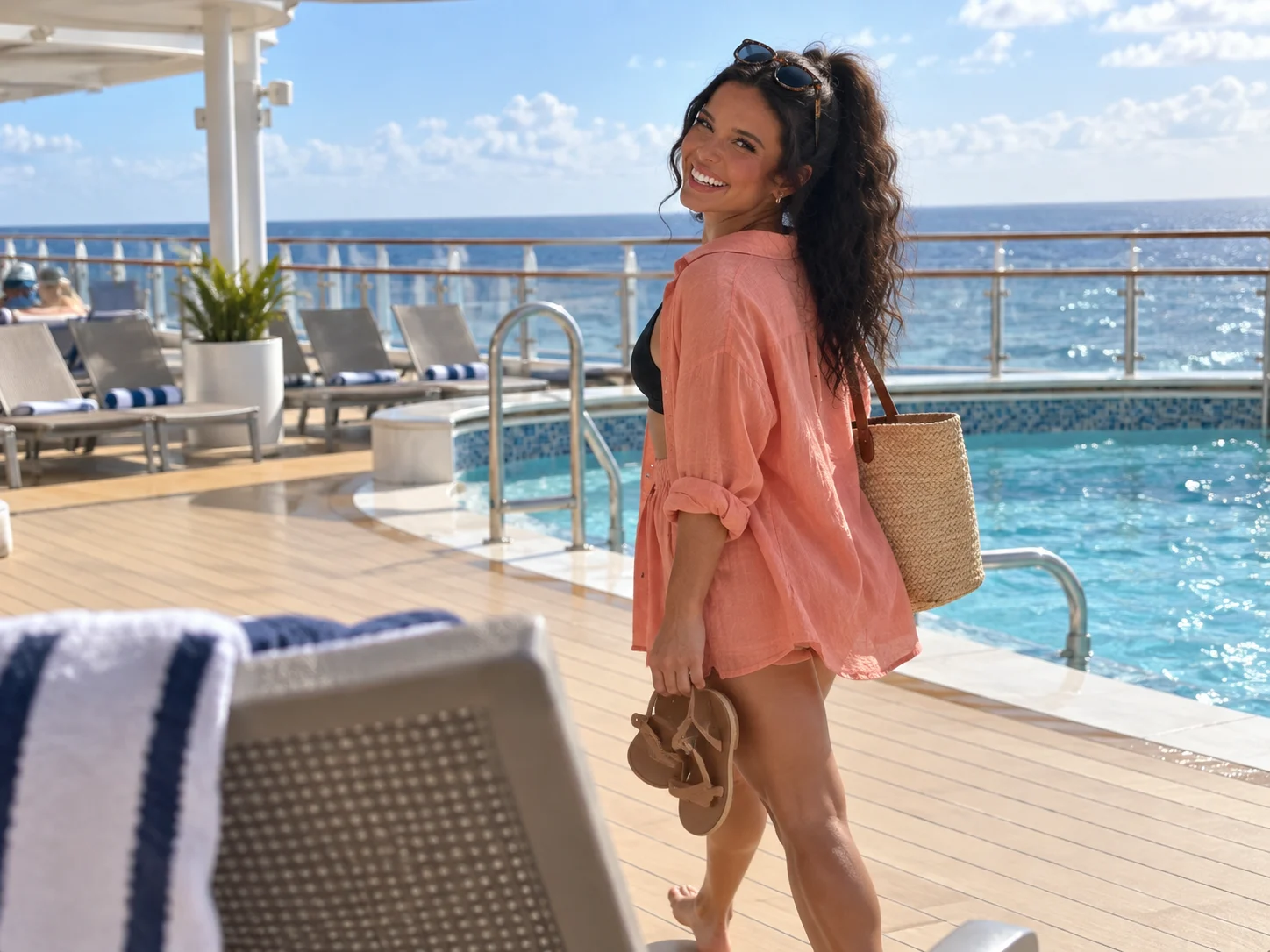
Caribbean, Bahamas, and Warm-Weather Capsules
Prioritize breathable fabrics, quick drying, sun coverage, and easy transitions from beach to lunch. Humidity makes heavy denim and clingy evening fabrics less appealing than they looked in the bedroom mirror.
- Five lightweight tops, including at least one shoulder-covering option
- Two pairs of shorts plus one airy long bottom
- One or two swimsuits and a secure cover-up
- One packable rain shell
- One cardigan, wrap, or overshirt for cold dining rooms
- Walking sandals or sneakers with proven grip
- One dinner foundation and two tops or accessories
A long-sleeve sun shirt can work for boating, beach walks, and a windy sailaway. That is more useful than a third swimsuit unless the trip revolves around water.
Do not wear camouflage ashore without checking local law, since several Caribbean countries restrict civilian camouflage clothing. Royal Caribbean’s current attire guidance specifically flags restrictions in Antigua, Barbados, Grenada, Jamaica, St. Lucia, and Trinidad and Tobago.

Alaska and Cool Coastal Cruises
Pack for rain, wind, and temperature swings rather than one average forecast. A sunny afternoon on deck can follow a damp, chilly morning near a glacier or on a small wildlife boat.
- Three wicking short- or long-sleeve base tops
- Two casual shirts for ship and dinner use
- Two long pants plus one water-resistant or quick-dry bottom
- One fleece, wool sweater, or light insulated jacket
- One waterproof shell with a hood
- Warm hat and light gloves
- Water-resistant walking shoes with useful tread
- One compact dinner combination
Water-resistant and waterproof are not interchangeable, so check the garment specification if a long rainy excursion is booked. Umbrellas can be awkward in wind and crowds, making a hooded shell more dependable.
A giant winter coat is usually less adaptable than layers. If the sailing includes a genuinely cold expedition or shoulder-season route, use the operator’s equipment list rather than assuming standard Alaska advice is enough.
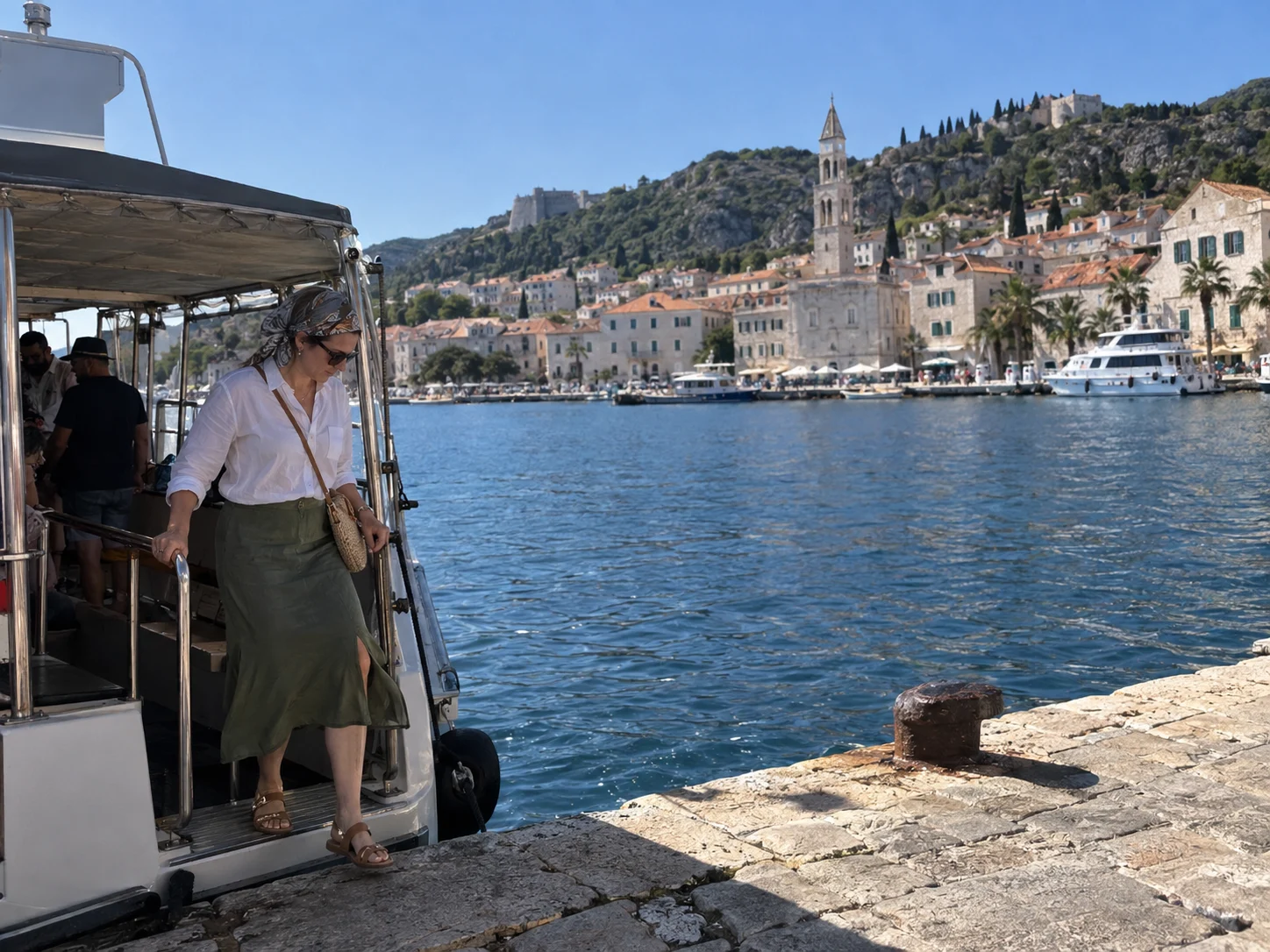
Mediterranean and European City Cruises
European port days can mean 15,000 steps, strong sun, stone streets, religious sites, and a polished dinner reservation in the same day. Comfortable walking shoes and a light coverage layer solve more problems than fashion-only footwear.
- Four breathable tops and one nicer shirt or blouse
- Two long or below-knee bottoms plus one weather-appropriate alternative
- One dress, jumpsuit, or coordinated dinner set
- One lightweight overshirt, scarf, or wrap for required shoulder coverage
- One light sweater and a compact rain shell
- Supportive walking shoes already tested on pavement
- One polished flat, loafer, or clean crossover shoe if desired
Check each religious site’s clothing policy before the port day. A wrap may solve shoulder coverage but not a requirement involving knees, hats, footwear, or security screening.
For summer sailings, choose clothes that remain comfortable in heat and crowds. For spring and fall, increase adaptable layers instead of assuming every Mediterranean day will feel warm.
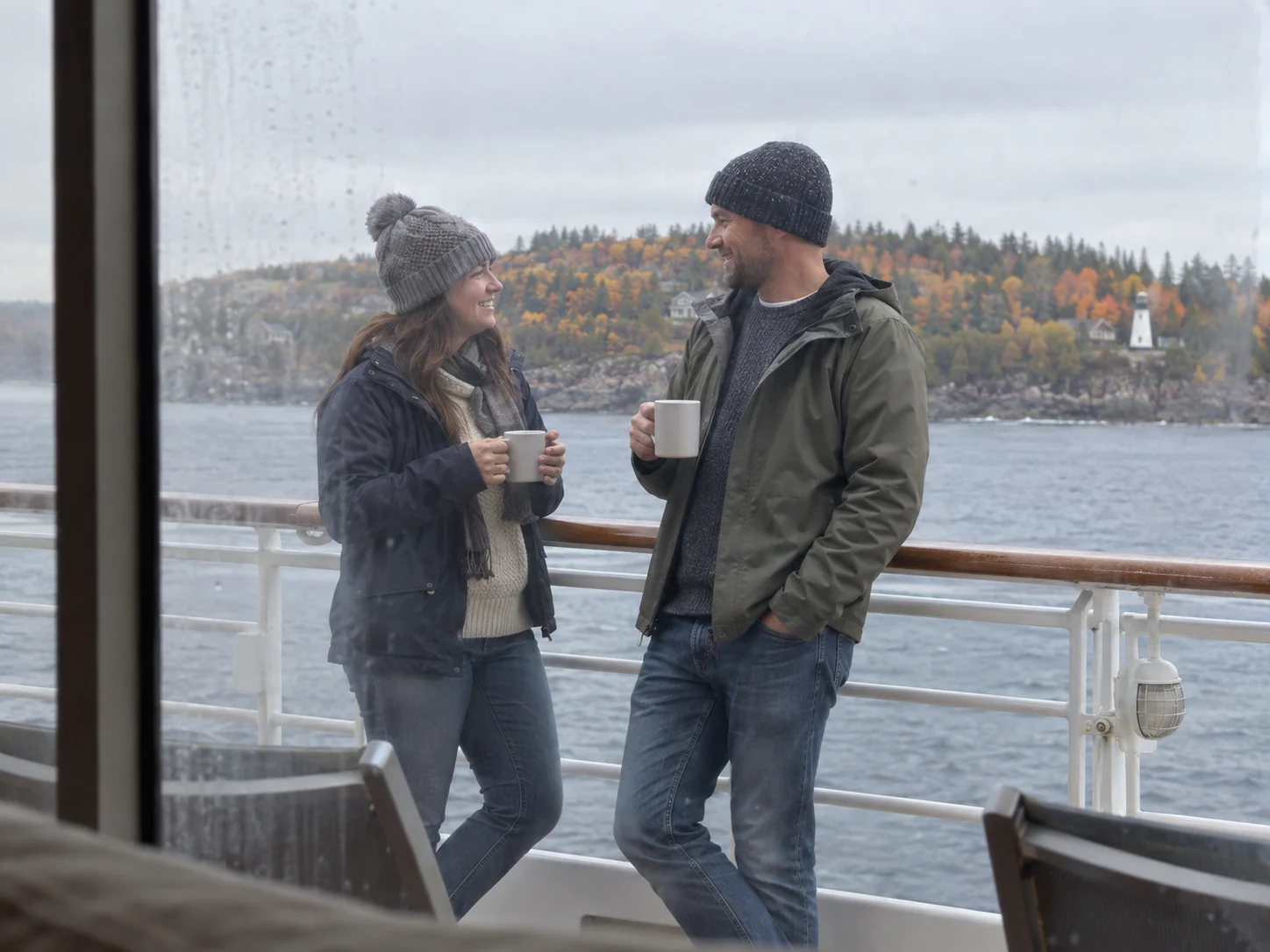
Northern Europe, Canada, and New England
These routes reward the same layer logic as Alaska, but city touring may matter more than remote excursions. Pack a weatherproof outer layer, walkable shoes, and polished casual pieces that can move from a museum to dinner.
A thin thermal layer takes little room and can rescue an unexpectedly cold day. It should not replace checking the forecast in every port shortly before departure.
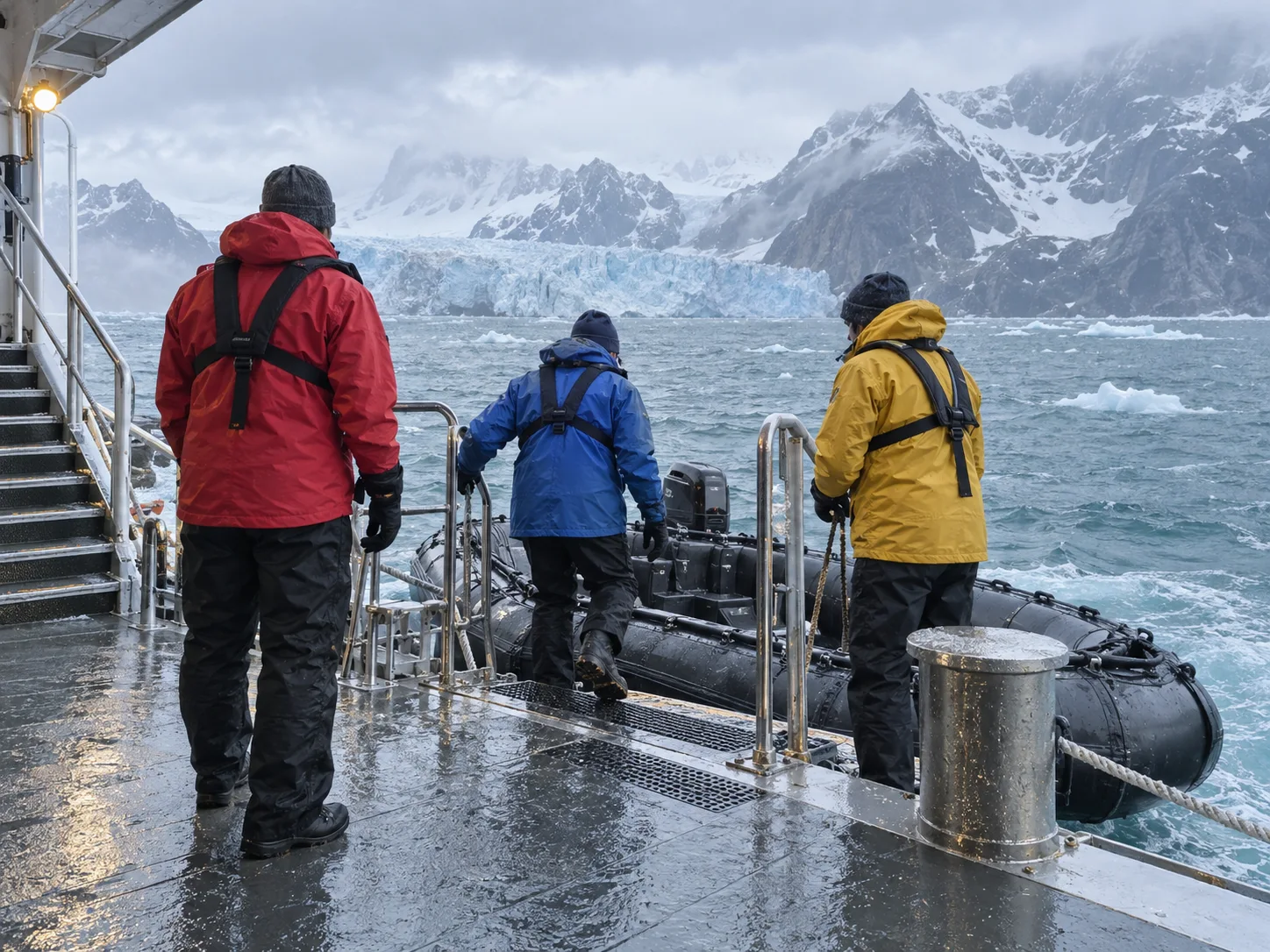
Expedition and Adventure Sailings
The operator’s packing list controls because landing method and supplied gear vary. Waterproof pants, tall boots, technical layers, or specific biosecurity procedures may be required even when a mainstream cruise list never mentions them.
Do not buy expensive expedition gear until confirming what the ship loans or provides. Test every boot, glove, and waterproof layer well before travel, since remote ports are poor places to discover a fit problem.
Dress Codes Are Line-Specific
A capsule needs to clear the strictest venue you actually plan to use, not every possible event onboard. If you will skip a formal venue, do not pack a gown or suit merely because another passenger enjoys dressing up.
Royal Caribbean
Royal Caribbean uses casual, smart casual, and Dress Your Best guidance. Its official dress-code page says the number of Dress Your Best evenings is at the ship’s discretion and can vary by itinerary.
Pack one polished combination that can be repeated if your sailing has more than one dressier evening. The current guidance also says bare feet are not allowed and tank tops are not permitted for dinner in the main dining room or specialty venues.
Norwegian Cruise Line
NCL emphasizes flexible resort wear and venue-appropriate clothing rather than mandatory traditional formal nights. Its current packing guidance recommends layers, comfortable closed-toe shoes for relevant activities, and clothing suited to the dining setting.
A clean pair of pants or dark jeans, polished top, and appropriate shoes can cover most elevated dining plans. Check your exact restaurant because specialty venues and activities can set their own footwear or attire rules.
Celebrity Cruises
Celebrity calls most evening wear Smart Casual and designates one or two Evening Chic nights on typical itineraries. Its official dress FAQ states that Smart Casual remains acceptable if you do not want to participate in Evening Chic.
That means a blazer, elegant top, dress, skirt, trousers, or dark polished jeans can work without packing black tie. Shorts and flip-flops are not considered Smart Casual under the current wording.
Other Cruise Lines
Carnival uses Cruise Elegant, Princess publishes formal and smart-casual guidance, Viking has its own evening standards, and luxury or traditional lines may expect more. Look up your exact line and venue, then check the onboard daily program for the sailing’s actual schedule.
Do not transfer a policy between brands in the same corporate group. Shared ownership does not make dining-room clothing rules identical.
A Formal-Night Capsule Without a Second Suitcase
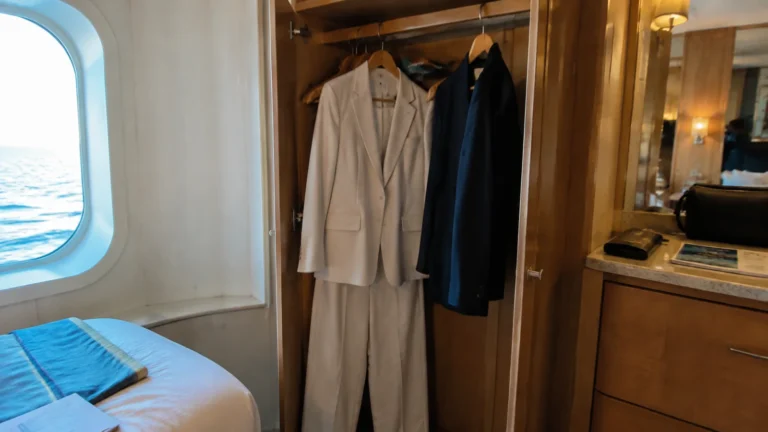
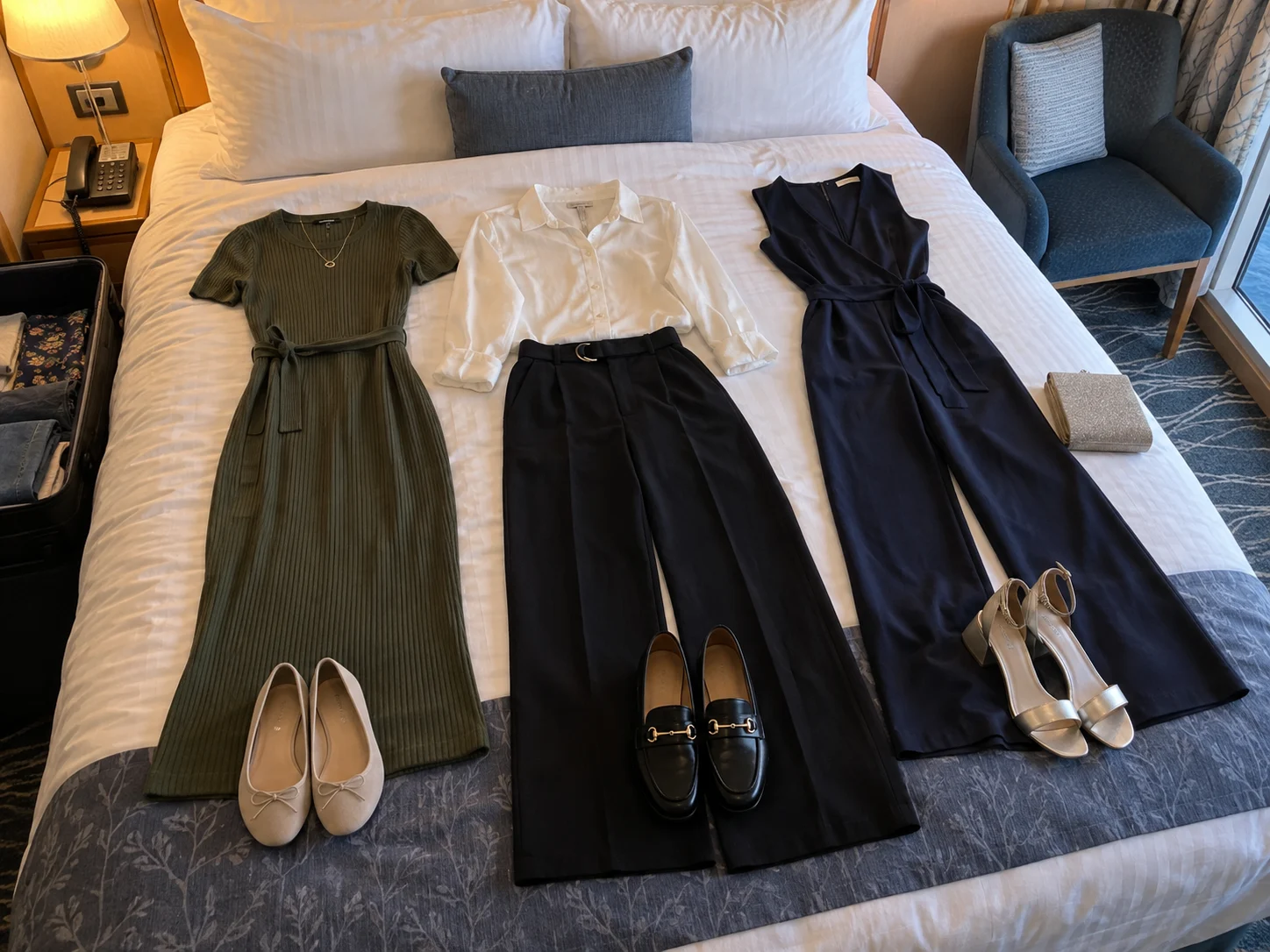
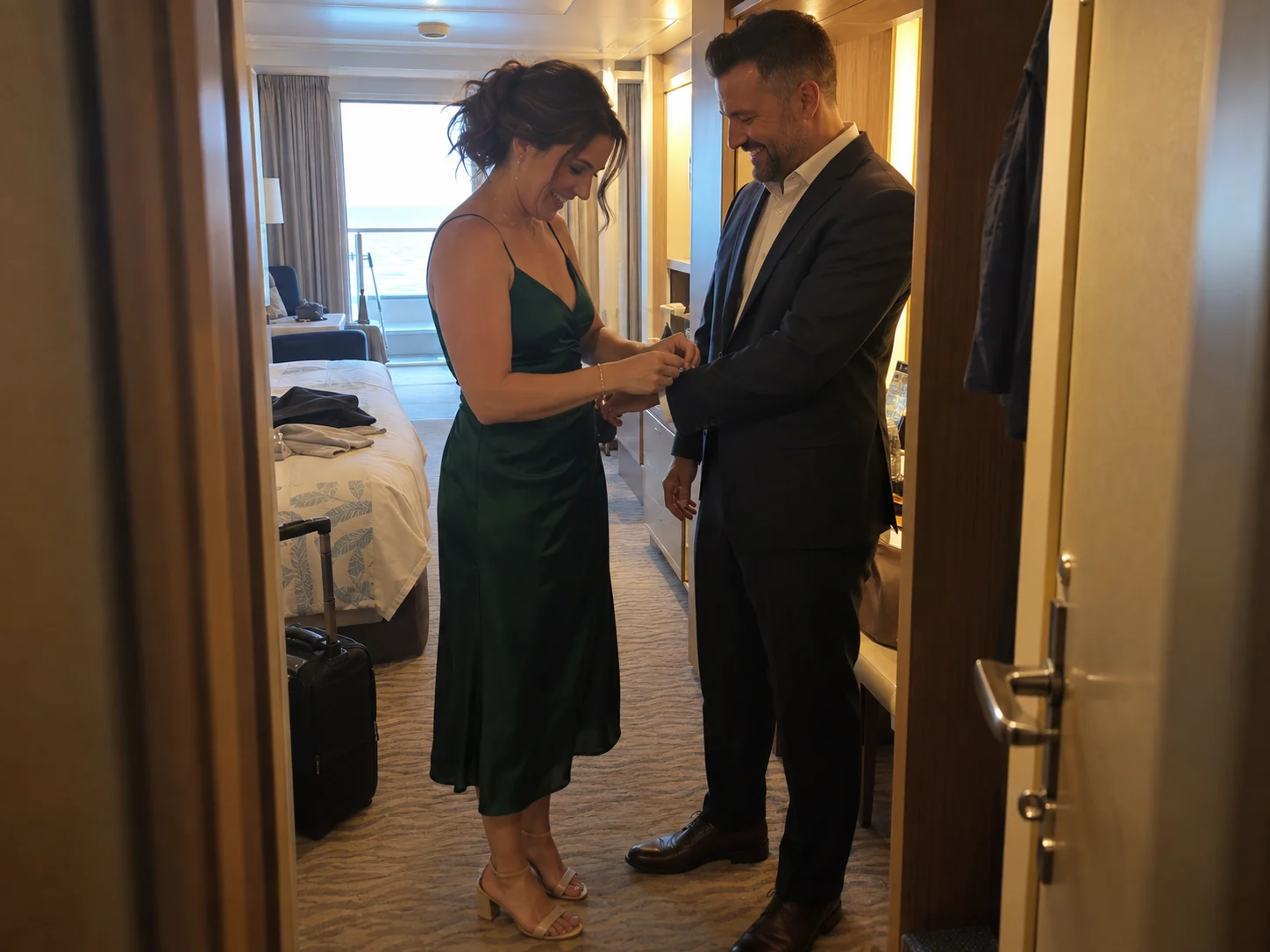
Choose one base that survives two evenings: a simple dress, jumpsuit, suit, blazer and trousers, skirt and top, or another polished combination. Change a shirt, jewelry, scarf, tie, or other small accessory if variety matters to you.
Shoes consume more space than most clothing, so make one comfortable polished pair work with every dinner outfit. A moving ship is not the place to test unstable heels or stiff new dress shoes.
If photographs are important, pack the outfit in your carry-on or use a garment strategy you trust. A formal event does not guarantee a captain’s reception, particular menu, portrait setup, or ceremony.
For more event-specific options, these formal-night dress considerations focus on fit, care, and venue rather than insisting on one look.
Pack Shoes by Function
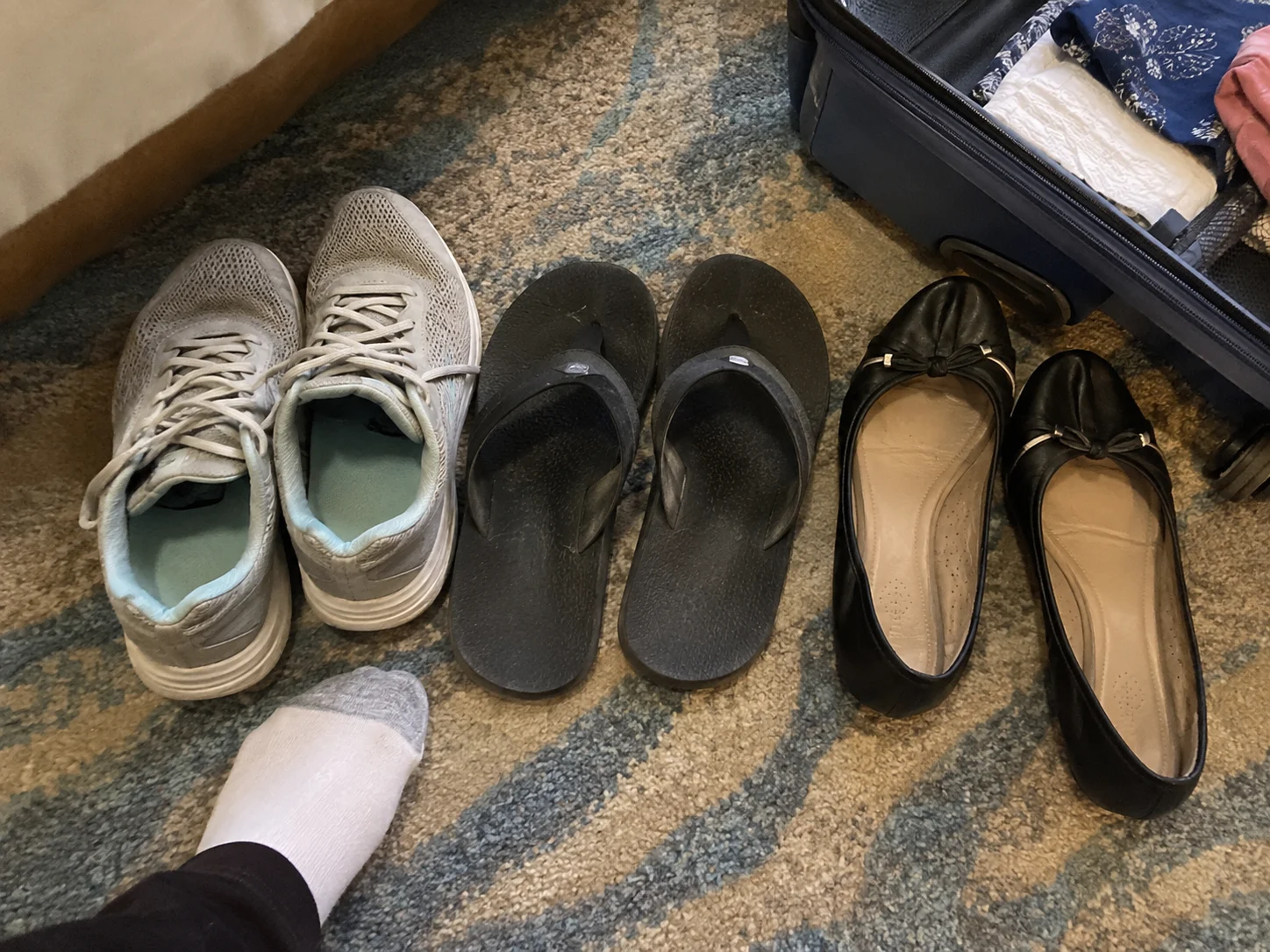
Most travelers need a supportive walking shoe, a pool or shower shoe, and possibly one dinner shoe. Add a fourth pair only for a confirmed function such as hiking, water entry, cycling, or a dress requirement the others cannot meet.
Wear the bulkiest pair in transit and pack socks that prevent hot spots. Test excursion footwear for several miles at home instead of assuming “comfortable” from a short store fitting.
Closed-toe requirements may apply to ropes courses, go-karts, kitchens, horseback riding, or active excursions. Read the activity restrictions before deciding that sandals cover the whole trip.
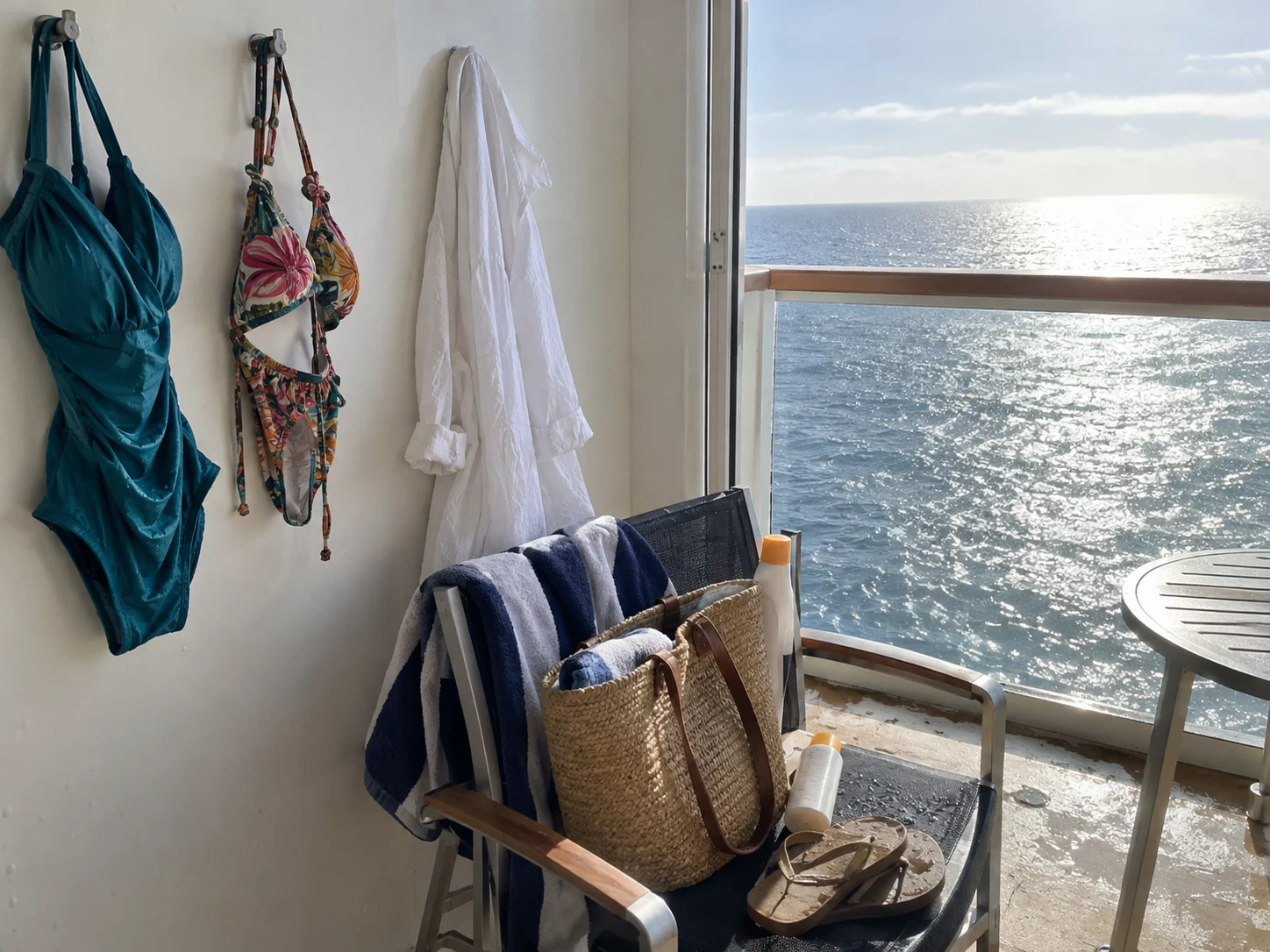
Swimwear and Cover-Ups
Two swimsuits help when one remains damp, but one is enough for an occasional pool user. Choose a cover-up that provides the coverage required to move through indoor public areas.
Swimwear does not become dining wear because a shirt is nearby. Follow the venue’s requirement for footwear, coverage, and dry clothing.
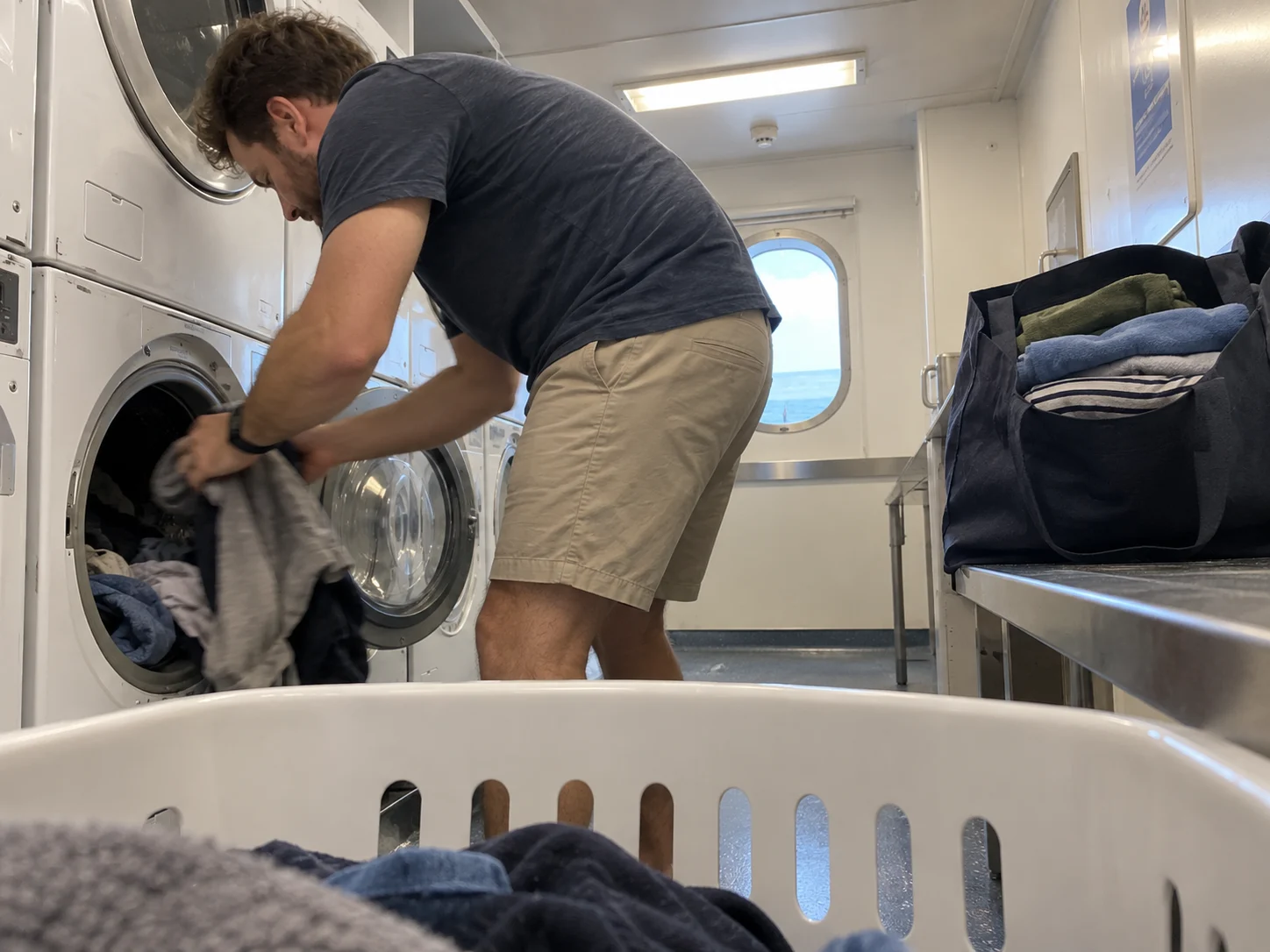
Plan Laundry Before Reducing Clothes
Check whether the ship has self-service machines, priced wash-and-fold bags, pressing, or only per-item service. Availability, turnaround, excluded fabrics, and prices differ by line and ship.
Quick-dry underwear, socks, and tops make sink washing possible, but only if the cruise line permits the products you bring and the cabin has a suitable drying line. Do not hang clothing from balcony furniture where wind can take it.
Schedule paid laundry midway through a longer sailing rather than waiting until everything is dirty. A small stain-removal wipe can preserve a capsule without adding another outfit.
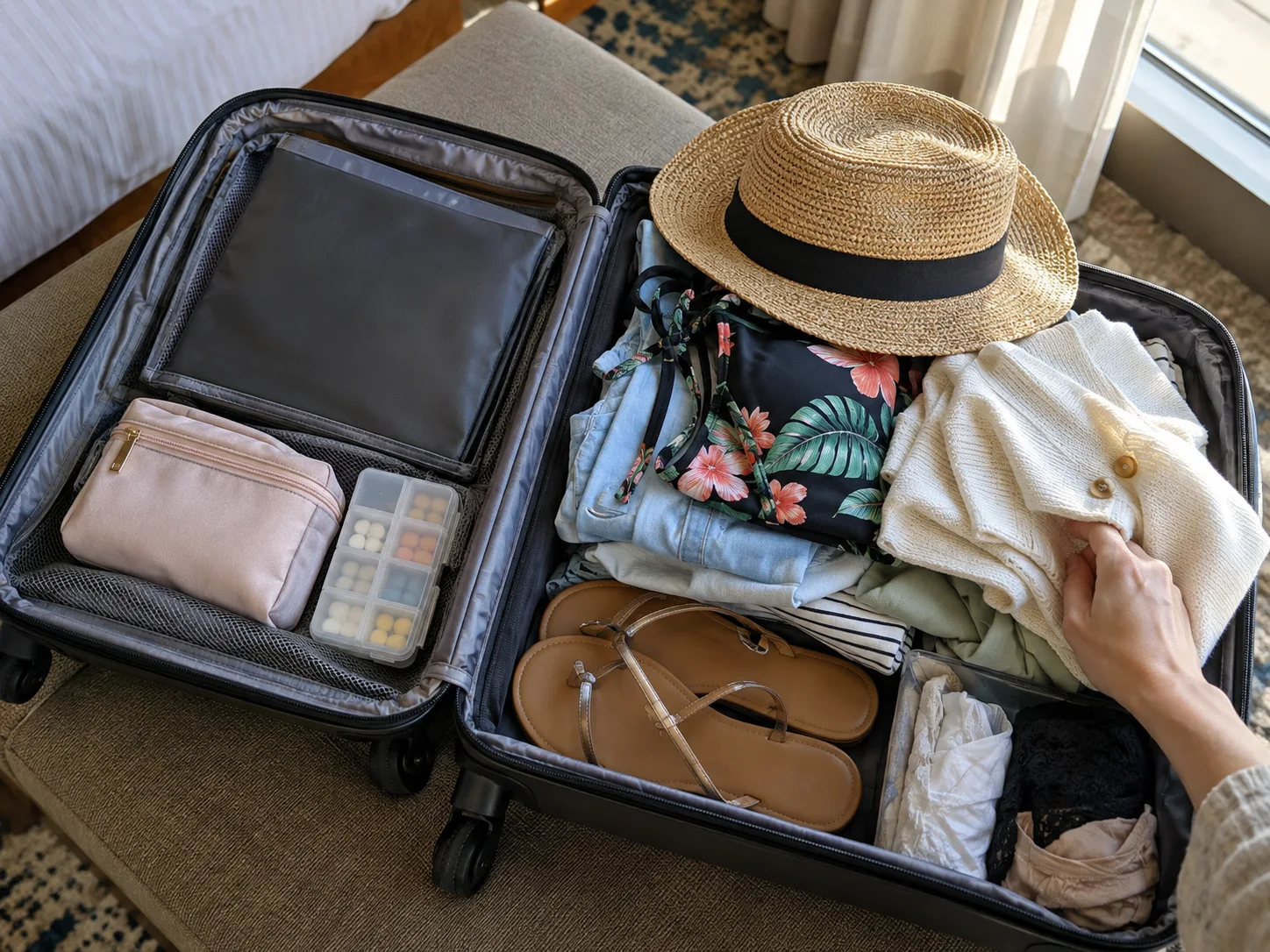
Keep First-Day Clothes in Your Carry-On
Checked cruise luggage may not reach the cabin until later, so keep medication, documents, valuables, a swimsuit, and a clean change with you. Celebrity’s current preparation guidance likewise advises keeping boarding-day necessities in carry-on luggage.
Wear something comfortable enough for the safety briefing and lunch but acceptable in public spaces. If the first dinner matters, carry that outfit rather than assuming the suitcase will arrive before the reservation.
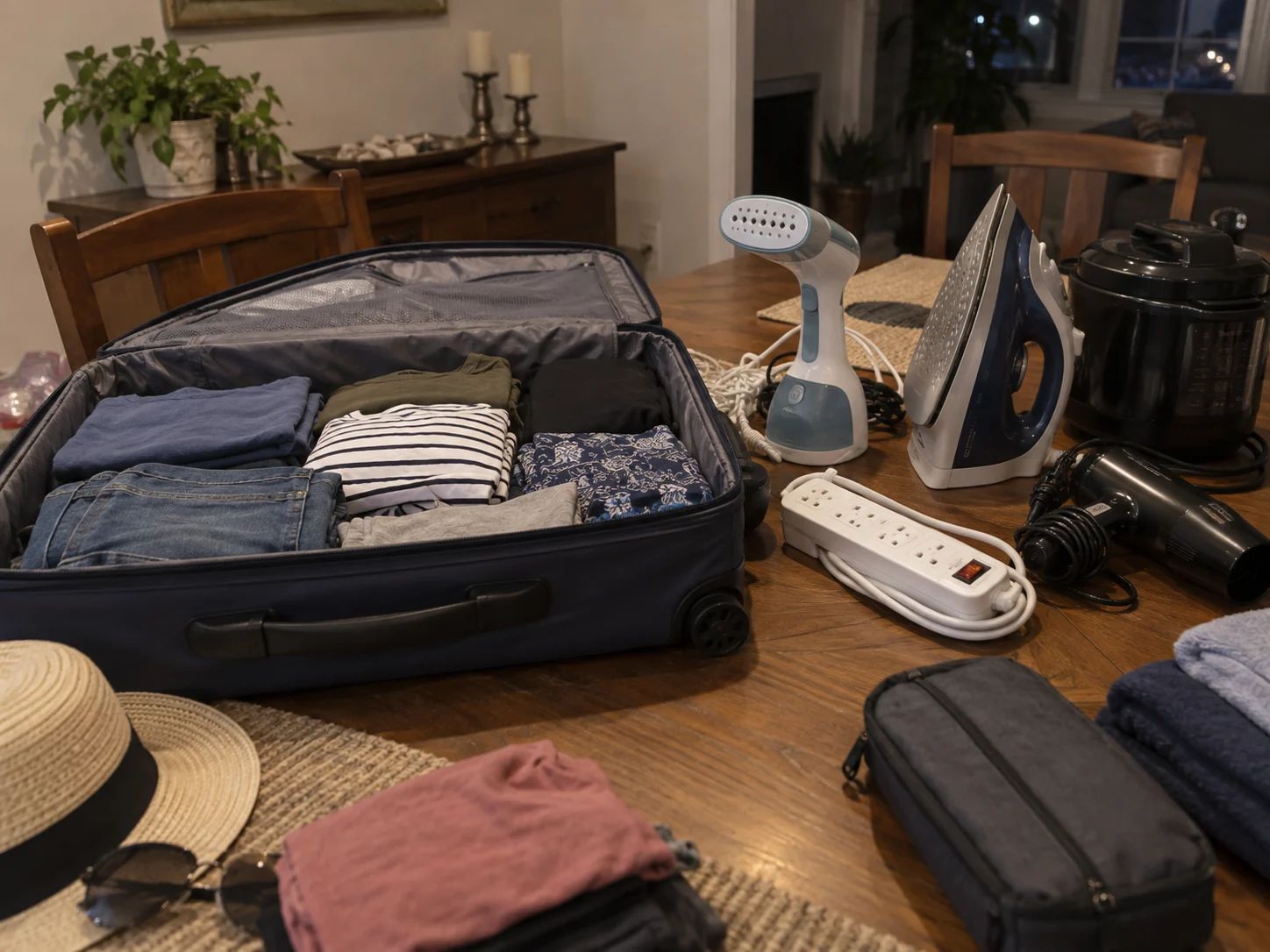
What Not to Pack
- A new shoe that has never survived a long walk
- Five dinner outfits for a three-night cruise
- A single bulky coat where layers would work better
- Delicate pieces that depend on uncertain onboard care
- Theme-night clothing before confirming the theme
- Restricted camouflage for ports where civilian wear is illegal
- Clothes that coordinate with only one other item
The wider cruise packing checklist covers documents, health items, electronics, and cabin needs beyond clothes. This article’s job is to keep the wardrobe small enough that those essentials still fit.
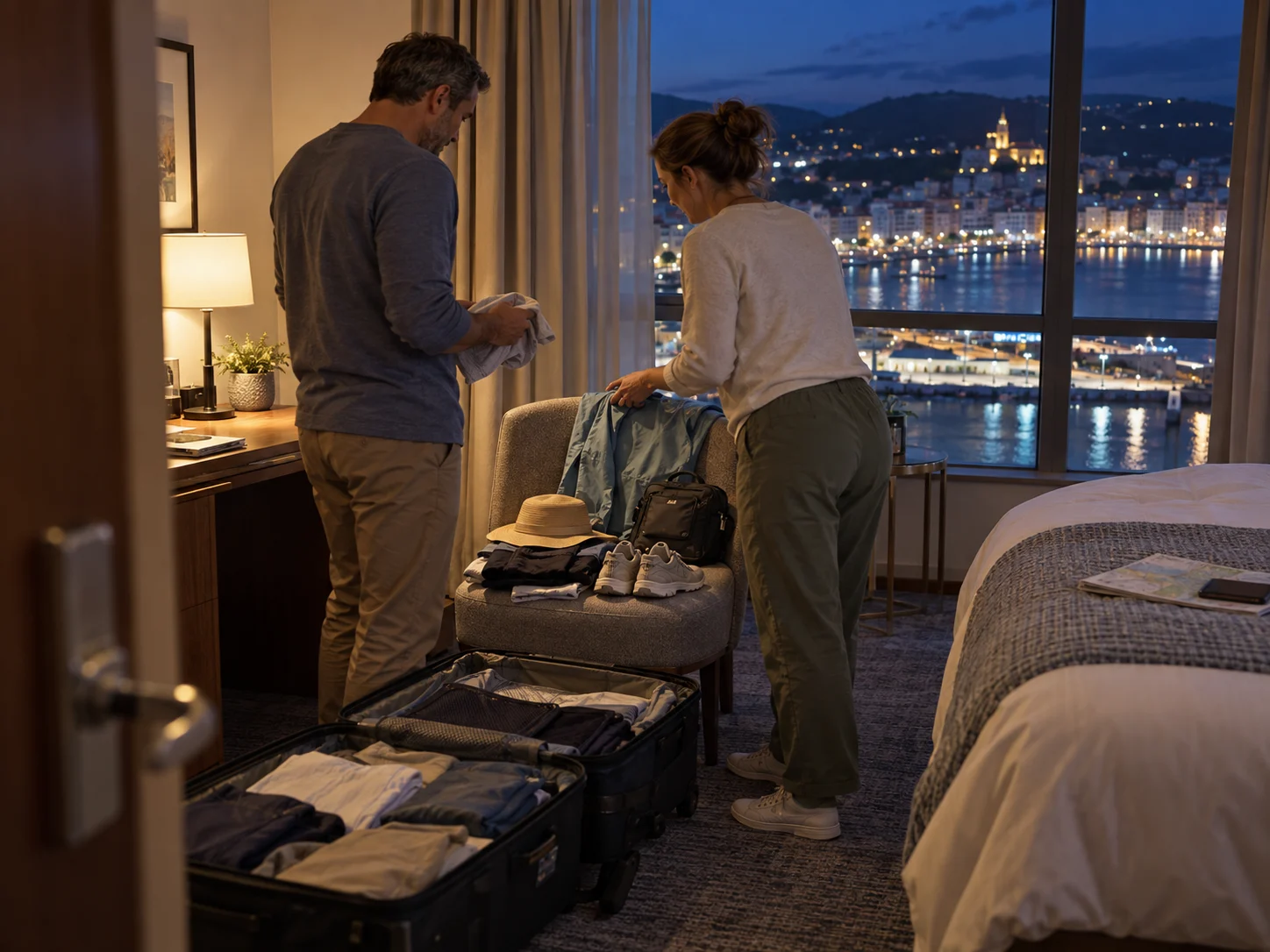
The Night-Before Clothing Check
- Check every port forecast and the first two sea-day forecasts.
- Confirm the cruise line’s current dress page and booked restaurant requirements.
- Try on each complete outfit with its underwear, layer, and shoes.
- Remove any piece that serves only an unconfirmed event.
- Move the first-day set and one dinner option to the carry-on.
Add accessories only after the functional wardrobe is finished. The useful extras in this cruise essentials overview should solve a real need, not refill space you worked hard to create.
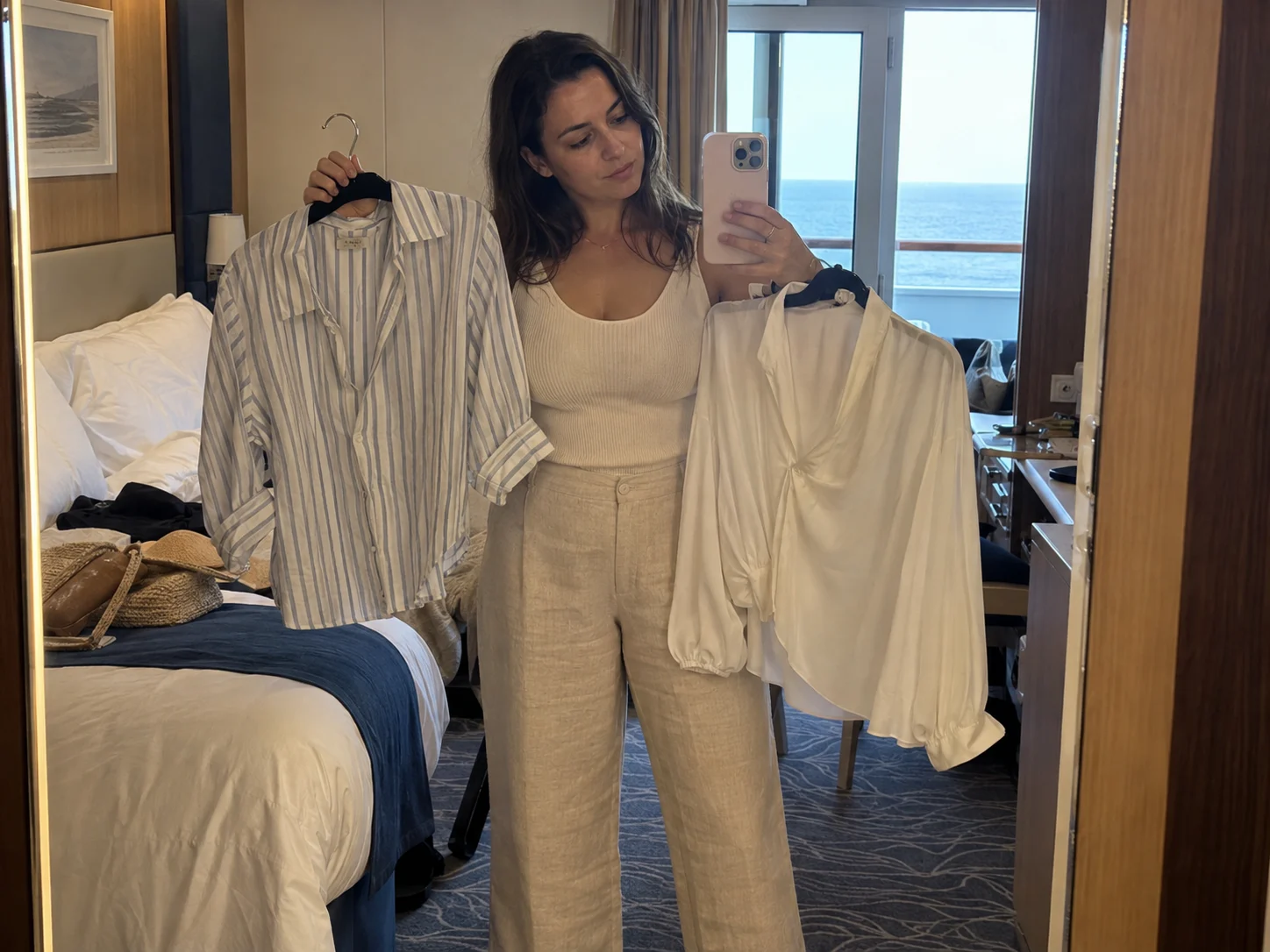
The Best Cruise Clothes Work More Than Once
Pack a capsule that fits your climate, activities, and actual dining plans, then let layers handle the changes. You do not need a new outfit for every photograph or a formal costume for an event that may not exist.
If each garment works with two others and has at least two uses, the suitcase becomes easier to carry and the morning decision becomes easier too. That is the kind of cruise wardrobe that earns its space.