Best Cruises in January: Where to Go, Weather, and Value
January can deliver warm beaches, austral-summer scenery, or quiet winter cities, but those are three very different vacations. The best January cruise is the one whose weather risks, daylight, and total trip cost fit what you actually want to do.
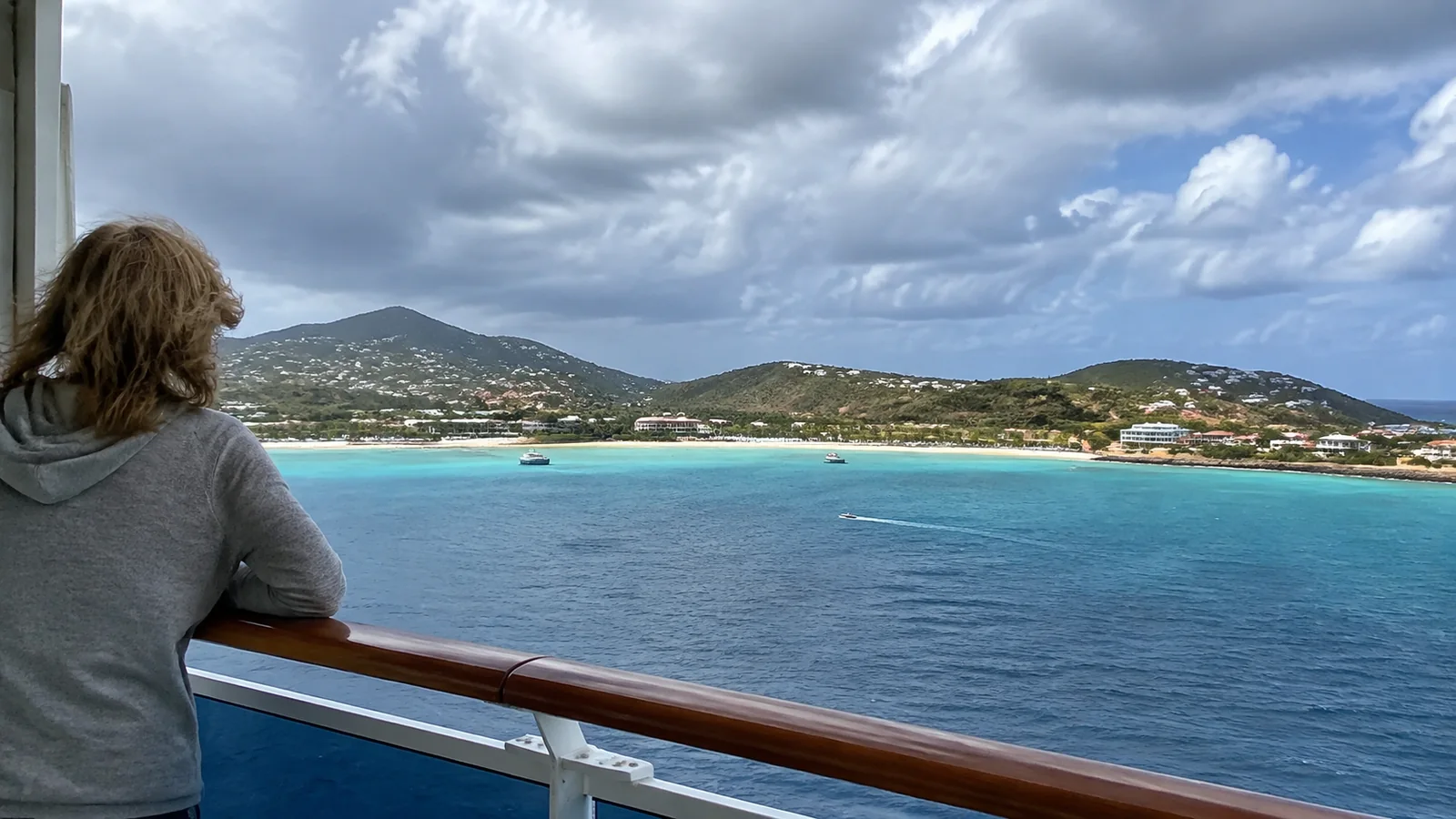
Which January cruise should you choose?
If you want the shortest answer, match your priority to one of these route families before comparing ships. A sunny pool deck, a wildlife-focused expedition, and an uncrowded museum day should not compete on the same scorecard.
- Warmth with easy U.S. departures: Choose the Caribbean, especially a southern route if heat matters more than a short flight.
- Summer scenery: Consider New Zealand, southern Australia, Patagonia, or Antarctica, then price the long-haul flights.
- Mild walking weather: Look at the Canary Islands and Madeira, but do not expect tropical beach heat.
- Culture on a quieter schedule: A winter Mediterranean cruise can work if you accept shorter days and seasonal closures.
- Cold-weather drama: Choose coastal Norway for winter landscapes and possible auroras, never for guaranteed sightings.
January deployment changes by year, so treat destinations as planning patterns rather than promises that a particular ship will sail there. Search the exact month and year, then compare the itinerary one port at a time.
Is January a good month to cruise?
Yes, especially after the New Year holiday rush, when some sailings can price below late December or spring-break dates. That pattern is not a universal sale, and a low fare can disappear once airfare, hotels, service charges, drinks, specialty dining, and excursions join the total.
January is also wonderfully flexible. It sits outside the Atlantic hurricane season, inside the Southern Hemisphere summer, and squarely inside winter-weather season at many North American gateways.
The National Hurricane Center defines the Atlantic season as June 1 through November 30. January therefore has much lower tropical-cyclone climatology in the Caribbean, but cold fronts, rough seas, rain, and itinerary changes can still happen.
Families should check school calendars before assuming the whole month is quiet. The first week can retain holiday demand, and the mid-January federal holiday weekend can lift flight prices or fill short sailings.
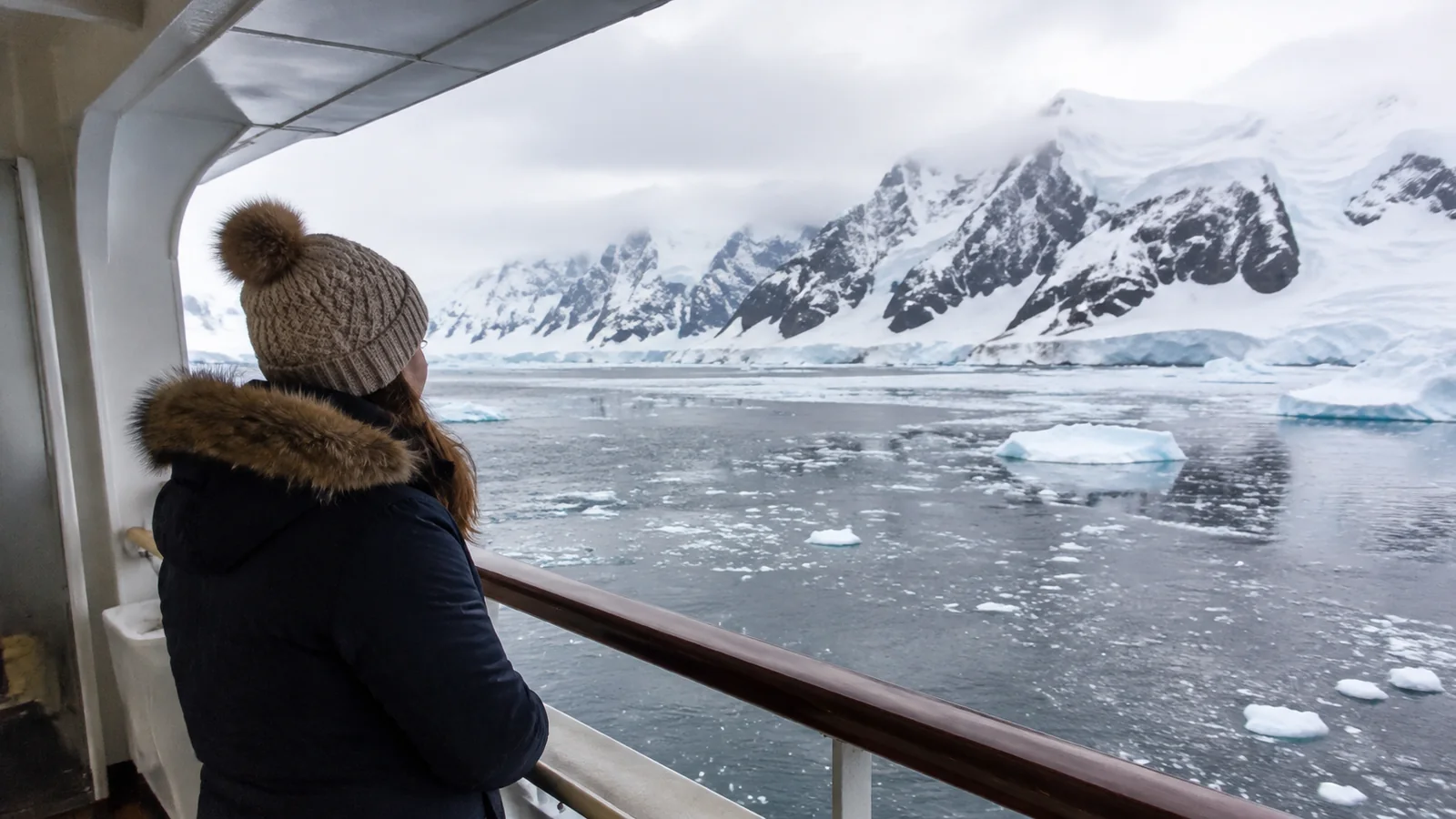
Best January cruises for warm weather
Caribbean cruises: the easiest all-around choice
The Caribbean is my default January recommendation for a traveler who says, “I need sun, but I do not want a complicated trip.” Florida, Galveston, New Orleans, San Juan, and other gateways create many route lengths, although no departure port is immune to winter flight trouble.
Southern Caribbean itineraries reaching Aruba, Curaçao, or Bonaire generally give heat-seekers a better chance of consistently warm days than the Bahamas. Northern islands and the Bahamas can feel cool when a front pushes south, particularly on a windy beach or after sunset.
An eastern route suits beach time and island variety, while a western route may emphasize reefs, ruins, and longer shore excursions. Pick the ports for your preferred day ashore instead of treating “Caribbean” as one identical climate and experience.
Pack a light sweater and a compact rain layer even when every forecast icon shows sunshine. Trade winds can make an open deck surprisingly brisk, and air-conditioned dining rooms rarely cooperate with a sleeveless outfit.
Panama Canal and Central America: warmth with a centerpiece
A January Panama Canal cruise works for travelers who want engineering, history, and tropical ports rather than a beach-only week. Full transits require more vacation time, while partial transits can preserve the lock experience on a round trip.
January often falls within the drier part of Panama’s year, but tropical rain never needs your permission. Verify whether the ship itself enters the locks, whether your excursion uses a smaller vessel, and which canal or locks appear in the description.
Long port days and humidity make this a better choice for flexible explorers than travelers chasing an uninterrupted resort day. A hat, refillable water bottle, and breathable shirt will earn their luggage space quickly.
Southeast Asia: choose the subregion, not the label
January can be appealing around Thailand’s Andaman coast and parts of the Malay Peninsula, yet Southeast Asia does not share one dry season. Singapore stays hot and humid, central Vietnam follows a different rainfall pattern, and conditions can change within one itinerary.
This is a culture-first choice with warm-weather benefits. Temple visits, street-food stops, and city touring often matter more than having flawless swimming conditions at every port.
Read the port times carefully because large commercial harbors may sit far from the city named on the itinerary. A bargain fare loses its glow when each “city visit” requires a long transfer and an expensive tour.
Best January cruises for Southern Hemisphere summer
New Zealand and southern Australia
January brings long summer days to New Zealand and southern Australia, making it attractive for scenery, wine regions, and outdoor port calls. It can also bring school-holiday demand, strong sun, wind, and rapidly changing coastal weather.
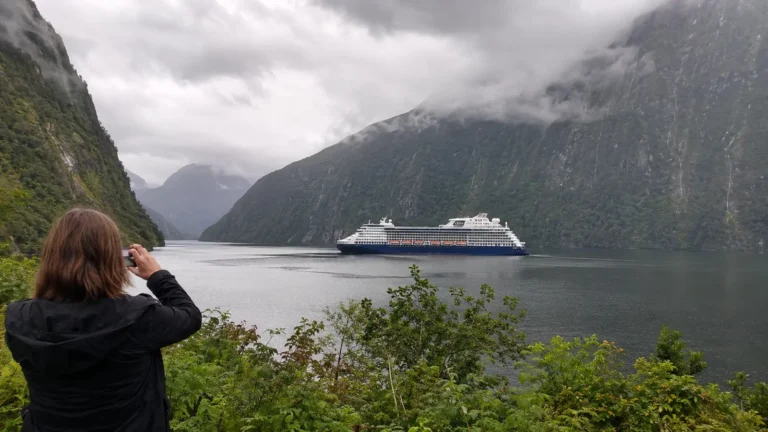
A Sydney-to-Auckland style itinerary is not a tropical cruise from beginning to end. Fiordland can be wet and cool, Tasmania can turn breezy, and the Tasman Sea can move enough to matter to motion-sensitive guests.
Northern Australia belongs to a different risk conversation. The Australian Bureau of Meteorology places January inside the official November 1 through April 30 tropical cyclone season, with activity varying substantially from year to year.
That does not mean avoiding the entire region. It means buying flexible flights, understanding the cruise line’s itinerary-change terms, and not attaching the trip’s entire value to one tropical port.
Patagonia and southern South America
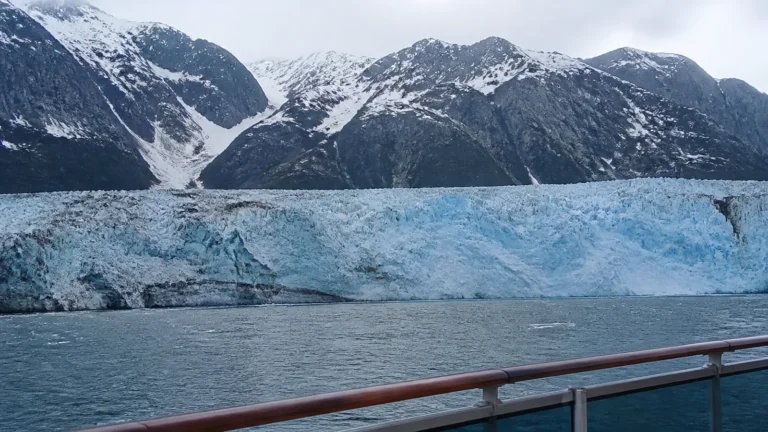
January’s longer austral-summer days make Patagonia more workable than its winter, but the region remains famously changeable. Wind, tender conditions, and large distances can reshape a day even when the temperature looks comfortable.
Choose this route for fjords, landscapes, and remote-port atmosphere. If your heart depends on one scenic passage, arrive knowing that navigation and weather decisions belong to the captain, not the brochure.
Some itineraries add the Falkland Islands, while others focus on Chilean fjords or round Cape Horn. Compare actual port hours and sea days, since two cruises with similar map thumbnails can feel completely different.
Antarctica: January’s expedition choice
January is in the core visitor window for the Antarctic Peninsula. The Antarctic Treaty Secretariat says about 98 percent of Antarctic tourism voyages occur around the Peninsula during the austral summer from October through April.
First decide whether you want an expedition with potential Zodiac outings and landings or a cruise-by itinerary that views Antarctica from the ship. Ship size, operating rules, ice, wind, and site capacity affect what can happen on any given day.
No responsible article can promise a particular penguin behavior, whale sighting, landing, or channel. Choose Antarctica because the overall polar experience is worth the cost even if the daily plan changes repeatedly.
Budget beyond the berth for evacuation-capable insurance, suitable layers, hotel nights, and the trip to the embarkation city. The cheapest cabin is not a bargain if the insurance exclusions or flight schedule leave a major gap.
Best January cruises for mild or wintry destinations
Canary Islands and Madeira
The Canaries and Madeira suit travelers who want coastal scenery and walkable port days without midsummer heat. January can be mild, but Atlantic wind, showers, elevation, and cooler evenings make “eternal spring” more useful than “winter beach escape.”
Pack for microclimates if you plan a mountain or volcanic-landscape excursion. The temperature beside the ship tells you very little about a viewpoint thousands of feet above sea level.
These routes can require a European flight and may combine islands with mainland ports. Compare air cost and embarkation logistics before deciding they are better value than a Caribbean departure closer to home.
Winter Mediterranean
A January Mediterranean cruise can deliver quieter streets and comfortable museum days, but it is not the classic swim-and-sun version of the region. Expect cool or wet spells, early sunsets, reduced ferry schedules, and some seasonal restaurants or attractions closing.
This is a smart fit for repeat visitors who prioritize architecture, food, and major cities. It is a poor fit for someone whose dream depends on lively beach clubs or a reliably warm balcony breakfast.
Fewer ships may create fewer itinerary choices, not empty attractions everywhere. Confirm Monday closures, timed-entry rules, and the distance from port before building an independent day.
Norway in winter
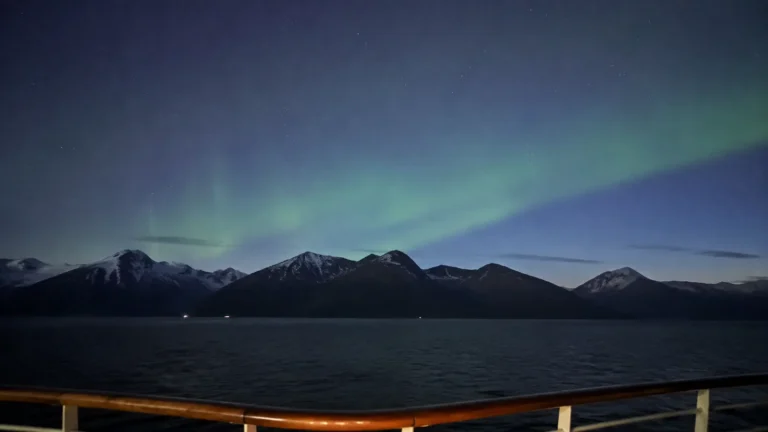
A winter coastal voyage is about darkness, snow, sharp weather, and the possibility of auroras. The northern lights are a natural event, so clouds and solar conditions can defeat even a well-timed trip.
Choose a route with daytime experiences you would enjoy without a single green streak in the sky. Ice traction, waterproof footwear, and warm layers matter more than a glamorous dinner outfit here.
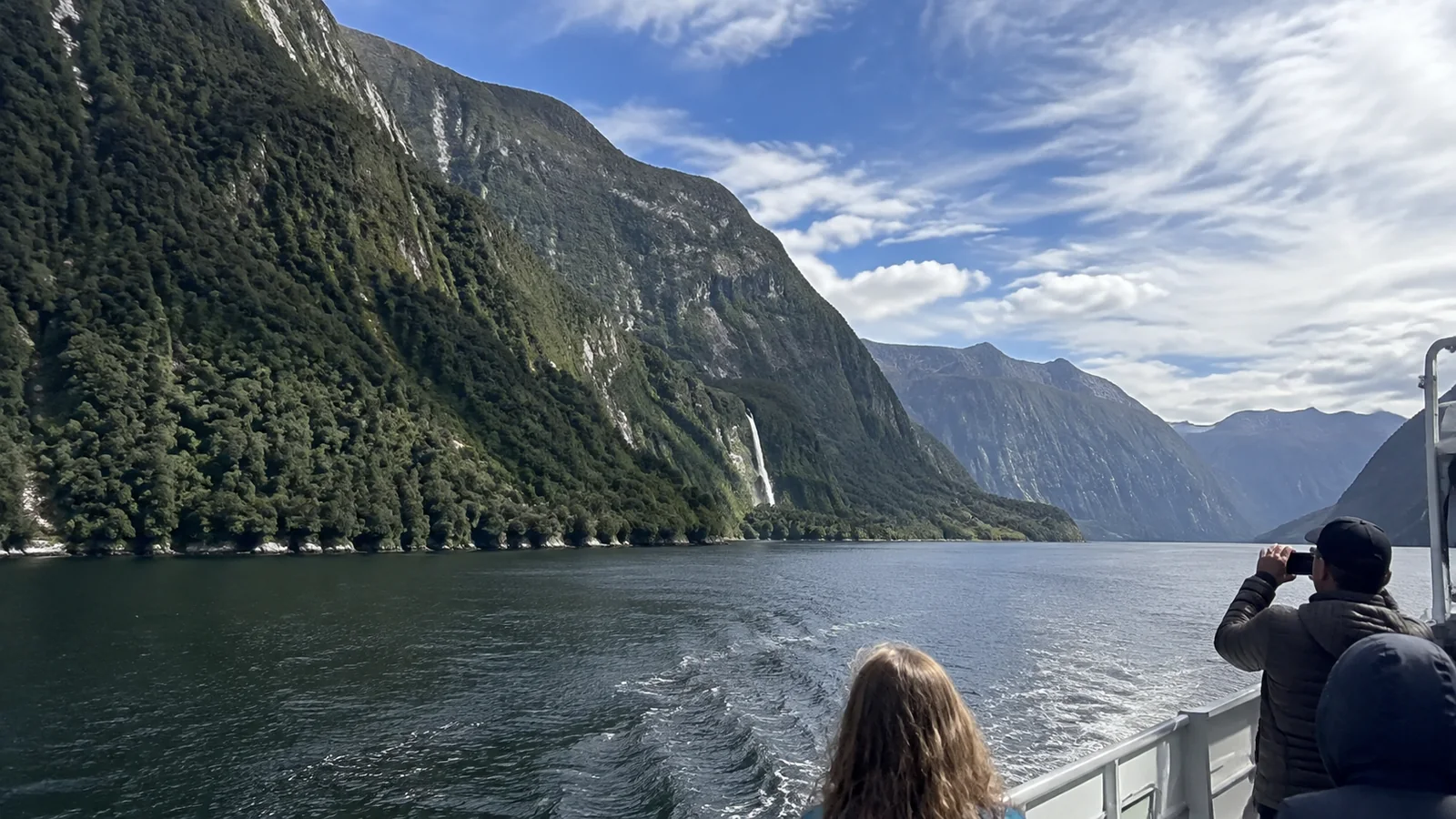
January weather risks people mix up
“Outside hurricane season” applies to the Atlantic calendar, not every ocean and not every kind of disruptive weather. Tropical cyclones can occur in Southern Hemisphere regions while snow and ice interfere with flights thousands of miles from a warm cruise port.
The National Weather Service notes that snow, sleet, and freezing rain can cause major transportation problems, including in southern U.S. cities. A ship in sunshine cannot wait indefinitely for a connection stranded by a storm at your home airport.
- Fly to the embarkation city at least one day early, and consider two before a long-haul or expedition sailing.
- Avoid separate same-day tickets that leave no protection after a delay.
- Keep medicine, documents, a swimsuit, and one dinner outfit in your carry-on.
- Check whether insurance covers weather delay, missed connection, and itinerary change in your circumstances.
- Do not book a nonrefundable post-cruise flight with a razor-thin connection.
How to find real January value
Start with the trip total, not the fare banner. Add taxes and fees, service charges, airfare, airport transfers, pre-cruise hotel, drinks, Wi-Fi, dining, excursions, insurance, and any equipment or cold-weather clothing you need.
Then divide by the number of vacation days you genuinely value. A cheaper repositioning-style itinerary with many sea days is wonderful for a reader who loves the ship, but poor value for someone paying to explore ports.
Compare refundable or flexible terms as part of the price. January winter travel and remote Southern Hemisphere connections make a small flexibility premium easier to justify.
Do not assume booking late always wins after the holidays. Last-minute cruise inventory may appear, but affordable flights, connecting cabins, accessible rooms, and popular excursions can disappear first.
Before paying, use a consistent deck-plan screening method so a low fare does not place a light sleeper under the nightclub. Check the decks above and below, connecting-door symbols, obstructed-view notes, and walking distance to the elevator.
What to pack for a January cruise
Build around the coldest and wettest realistic day, then use layers instead of packing separate outfits for every forecast. The right cruise clothing capsule depends more on route and excursions than the month printed on the calendar.
- Caribbean: breathable basics, swimwear, sun protection, a rain shell, and a light sweater.
- Canaries or Mediterranean: walking shoes, light knit layers, a waterproof outer layer, and one warmer evening option.
- Australia or New Zealand: sun coverage, a wind layer, comfortable walking clothes, and something warmer for southern ports.
- Norway or Antarctica: follow the operator’s technical list, including waterproof protection and insulation, rather than improvising from a city-winter wardrobe.
Check the cruise line’s current dress guidance and any expedition-provided gear before buying anything. A loaned parka or boots can remove bulky, expensive items from your suitcase.

A simple January booking plan
- Write one sentence defining the trip: warm relaxation, culture, scenery, wildlife, or ship time.
- Choose a region whose January tradeoffs support that goal.
- Price two complete itineraries, including flights and hotel nights.
- Check daylight, transfer distances, tender ports, and seasonal closures.
- Review weather-change and cancellation terms before the deposit.
- Select a cabin only after inspecting the decks above and below it.
- Recheck official weather and travel information close to departure.
If your dates can move, compare late January with early February as well as the first week of the month. Our broader look at the best time to cruise helps when destination matters more than keeping January fixed.
Frequently asked questions
Is the Caribbean warm enough in January?
Usually for many travelers, but the Bahamas and northern Caribbean can turn breezy or cool behind a cold front. Choose a southern route if maximizing heat matters, while still packing one light layer.
Are January cruises cheap?
Some post-holiday departures offer attractive fares, but there is no month-wide guarantee. Compare the all-in trip cost because winter airfare and hotel nights can outweigh a cabin discount.
Can a January cruise be affected by a hurricane?
January is outside the official Atlantic hurricane season, though rare off-season systems and ordinary rough weather remain possible. Australia and parts of the South Pacific have a different cyclone calendar, with January inside their season.
Is January a good time for Antarctica?
It is within the main Peninsula tourism season and offers long austral-summer daylight. Ice, wind, wildlife, and landing conditions remain variable, so the exact daily program cannot be guaranteed.
Should I fly in the day before?
Yes, one day is a sensible minimum for most cruises, and two can be prudent for remote or long-haul departures. The extra hotel night buys recovery time when winter weather disrupts a connection.
My January recommendation
Choose the Caribbean for the easiest warm escape, New Zealand for a scenic summer voyage, and Antarctica only when the expedition itself is the priority and the budget can absorb its logistics. Pick the Mediterranean, Canaries, or Norway because you want their winter character, not because a generic deal label says January is cheap.
The calendar narrows the choices, but your nonnegotiable decides the winner. Once weather, daylight, and the full trip price all support that nonnegotiable, you have found your best January cruise.