Best New Zealand Cruises: Routes, Ports & Planning
The best New Zealand cruise is not automatically the one with the newest ship or lowest fare. Start with the route, because a Sydney round trip, an Auckland-to-Sydney sailing, and a New Zealand-focused voyage give you very different amounts of time in Aotearoa.
How to Choose a New Zealand Cruise
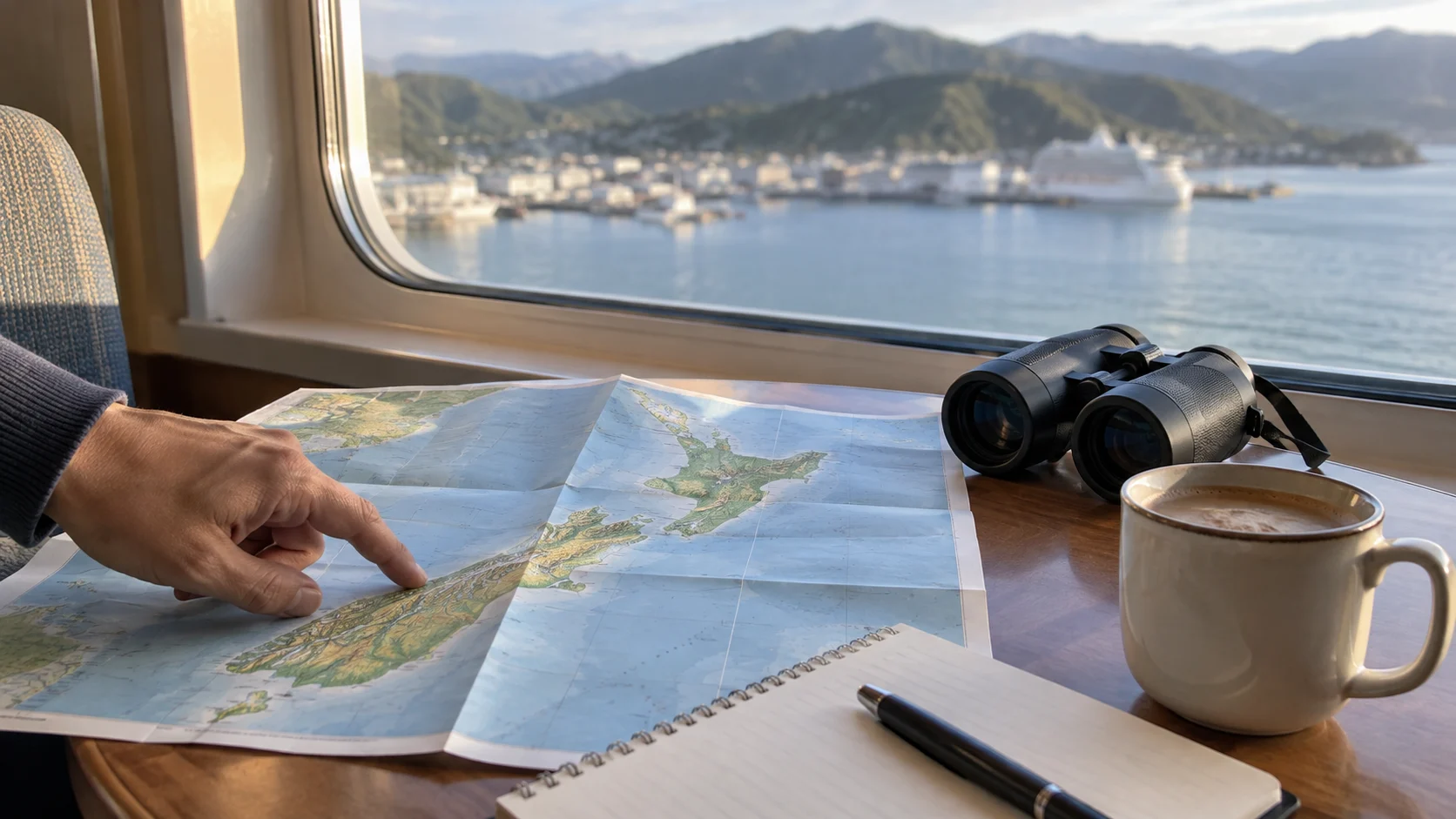
New Zealand rewards port time more than sea-day spectacle. Before comparing cabins, check how many full New Zealand calls the itinerary includes, whether Fiordland is scheduled, and how much time you will spend crossing the Tasman Sea.
- Choose the route first: Open-jaw cruises usually cover more ground, while Sydney round trips make flights easier.
- Count usable port hours: A 10-hour call beats a long port list filled with short days.
- Treat Fiordland as weather-dependent: Scenic cruising is a major prize, but never a guarantee.
- Match the ship to sea days: Larger ships add activities; smaller ships can feel calmer and may reach less common ports.
- Price the whole trip: Add international flights, domestic flights, hotels, transfers, entry requirements, and excursions.
For a first visit, my strongest itinerary has Auckland, Tauranga, Wellington, Lyttelton or Akaroa, Dunedin, and Fiordland, with Napier or the Bay of Islands as a valuable extra. Missing one marquee North Island port is acceptable; skipping the South Island and Fiordland changes the trip completely.
Best New Zealand Cruise Routes
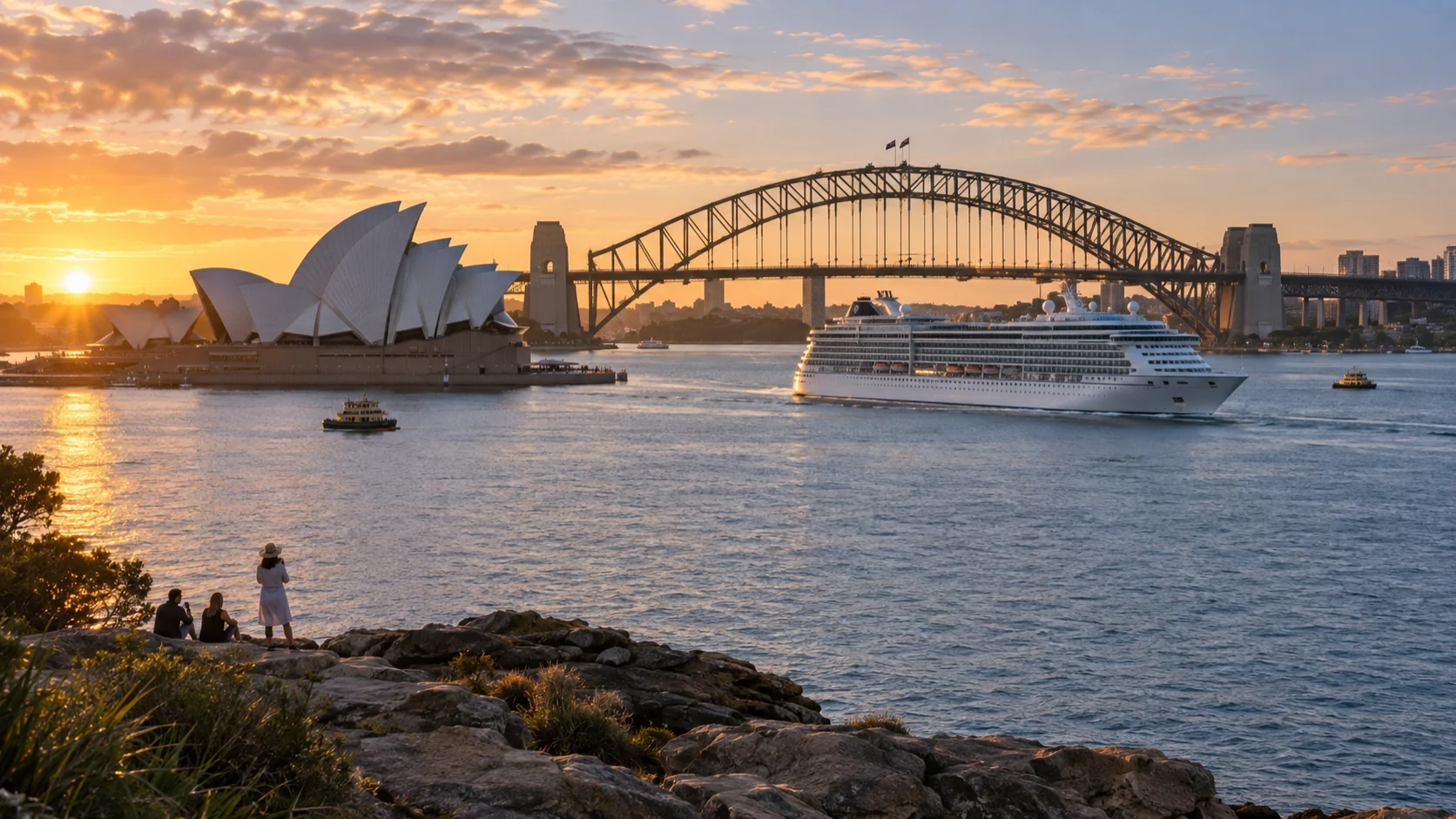
Sydney Round Trip: Easiest Flights and Most Ship Choice
Most mainstream New Zealand cruises leave Sydney, cross the Tasman Sea, loop through several ports, and return to Sydney in roughly 9 to 14 nights. The clean round trip simplifies airfare and works well when Australia is part of the vacation.
The cost is sea time, commonly two days outbound and another two returning. Shorter versions may drop Auckland, the Bay of Islands, or part of the South Island, so judge the actual map rather than the “New Zealand” label.
Best for: Families, first-time cruisers, travelers using round-trip award flights, and anyone who wants two or three Sydney days. Tradeoff: More vacation time goes to the crossing than on an open-jaw route.
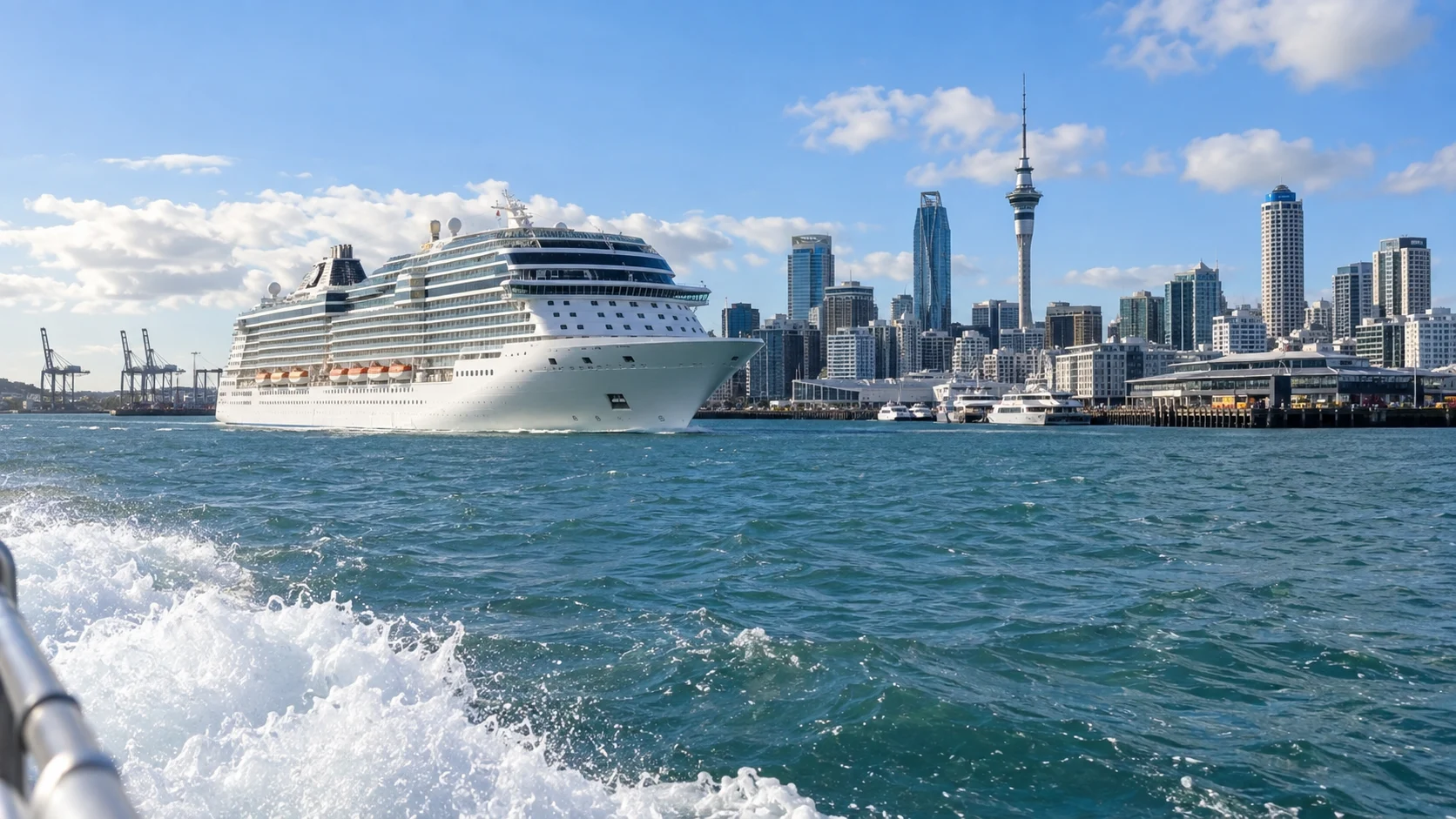
Auckland to Sydney, or Reverse: Best Overall Route
A one-way sailing between Auckland and Sydney is my preferred first New Zealand cruise when the port list is strong. Current schedules show options around 10 to 14 nights, and the route can use those nights more efficiently because the ship does not retrace the entire crossing.
Holland America’s announced 2026–27 season, for example, includes 14-day Auckland–Sydney itineraries on Noordam with eight ports plus Milford Sound and Fiordland. That is a dated deployment example, so verify the live sailing rather than assuming the ship or sequence repeats.
Best for: Destination-focused adults, cruise tours, and travelers comfortable with open-jaw airfare. Tradeoff: Flights and pre-cruise planning are more complicated, and reversing the route can change daylight, port order, and scenic-cruising timing.
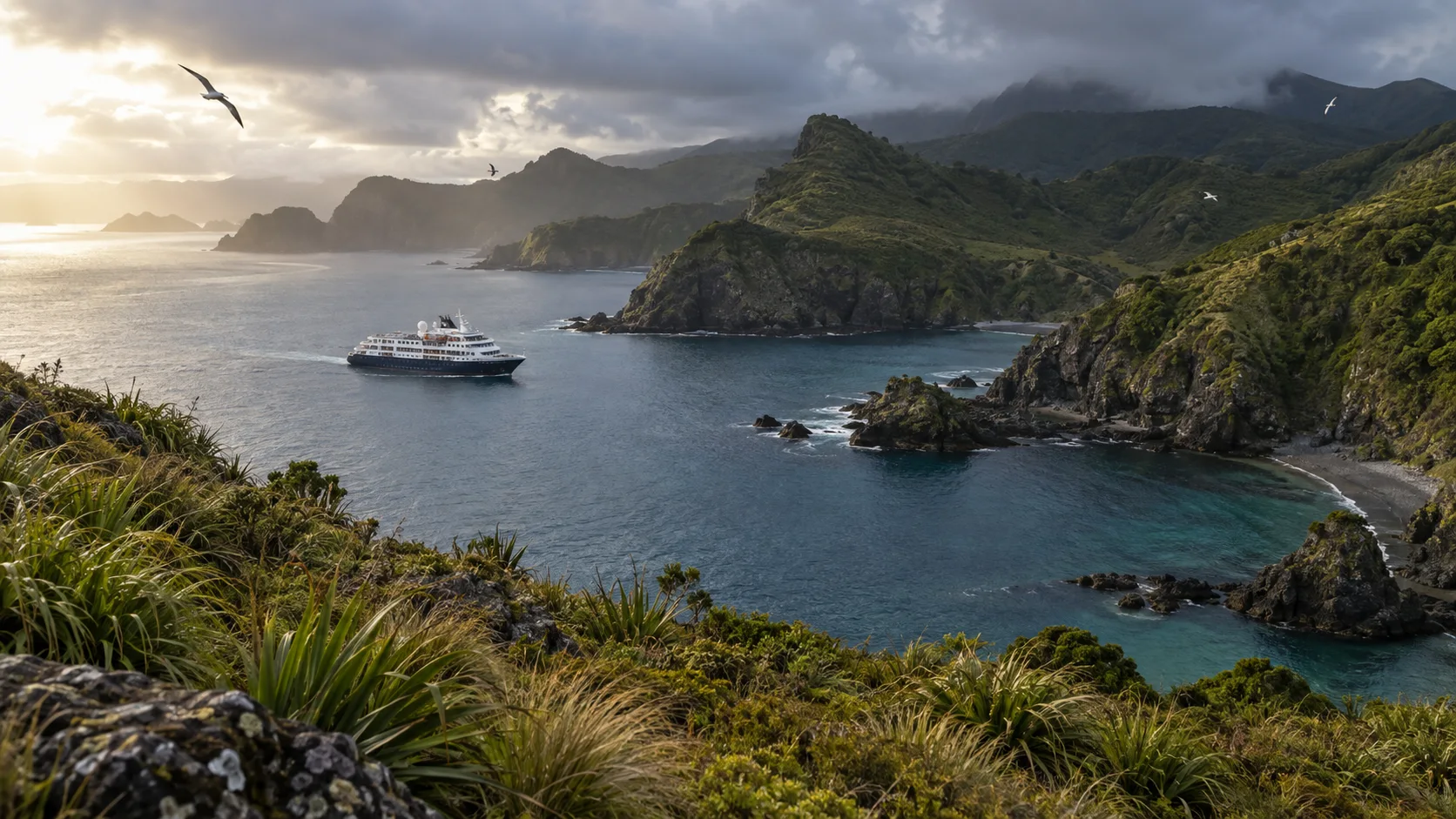
New Zealand-Only and Repositioning Cruises
Round trips from Auckland can reduce Australia time and put the focus on New Zealand, but inventory is smaller and the itinerary may still omit a favorite port. Longer repositioning cruises can add Tasmania, Fiji, or other South Pacific islands, which is excellent for variety but less efficient if New Zealand is the only goal.
Compare the ratio of New Zealand port days to total nights, not simply cruise length. The cruise-length planner helps expose when an 18-night voyage gives you only one more New Zealand call than a well-built 12-night option.
New Zealand Cruise Ports That Matter Most
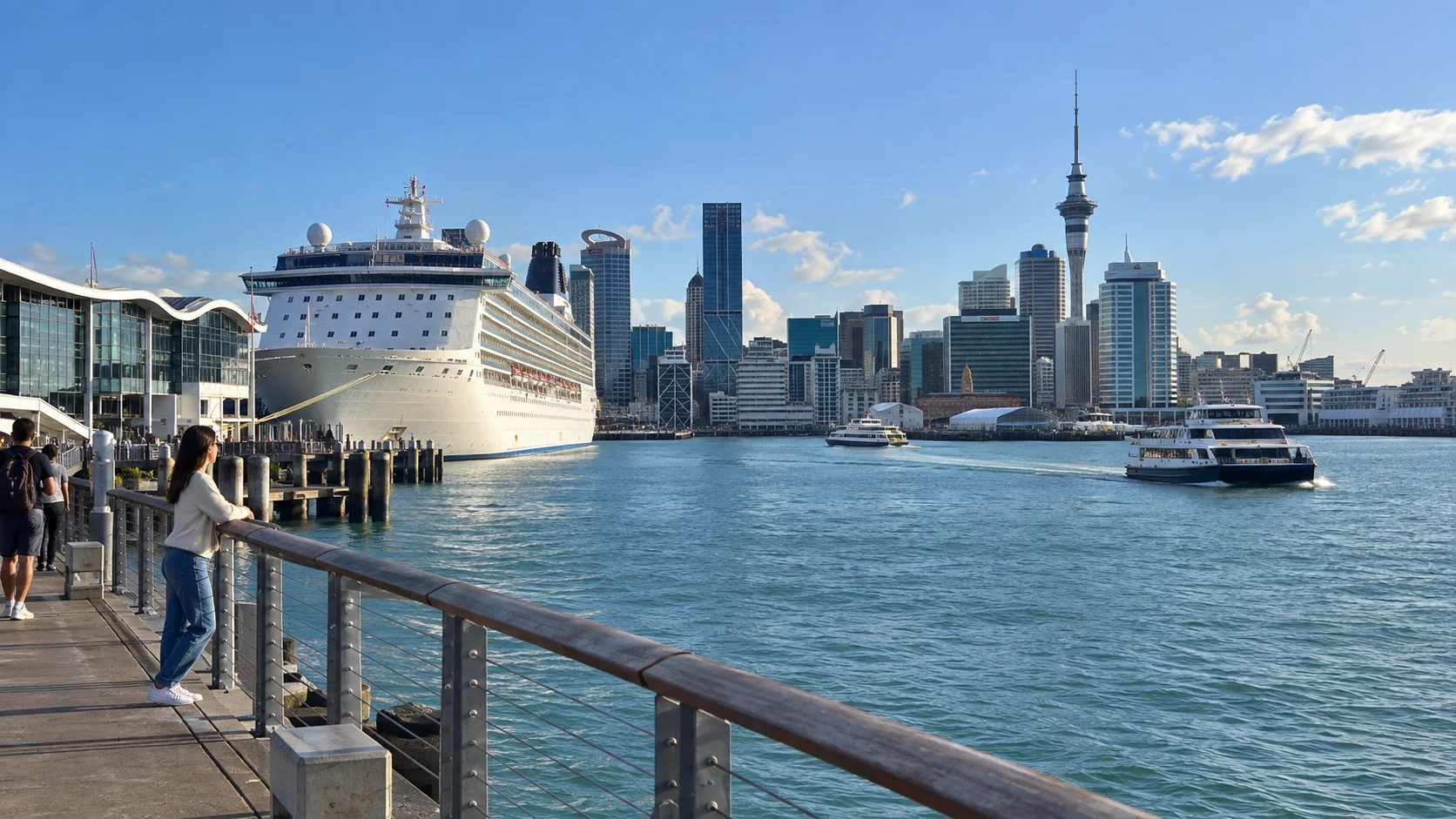
Auckland: Best Embarkation City
Auckland’s Queens Wharf and Princes Wharf sit on the downtown waterfront, opposite or within a short walk of Britomart trains and buses. This is New Zealand’s easiest major turnaround setup because hotels, ferries, restaurants, and the ship can all fit into a compact central stay.
Spend at least two nights before embarkation, with one flexible day for the waterfront, Waiheke Island, or the Auckland Museum. The airport is roughly 18 miles from the wharves, and traffic makes a same-day international arrival needlessly risky.
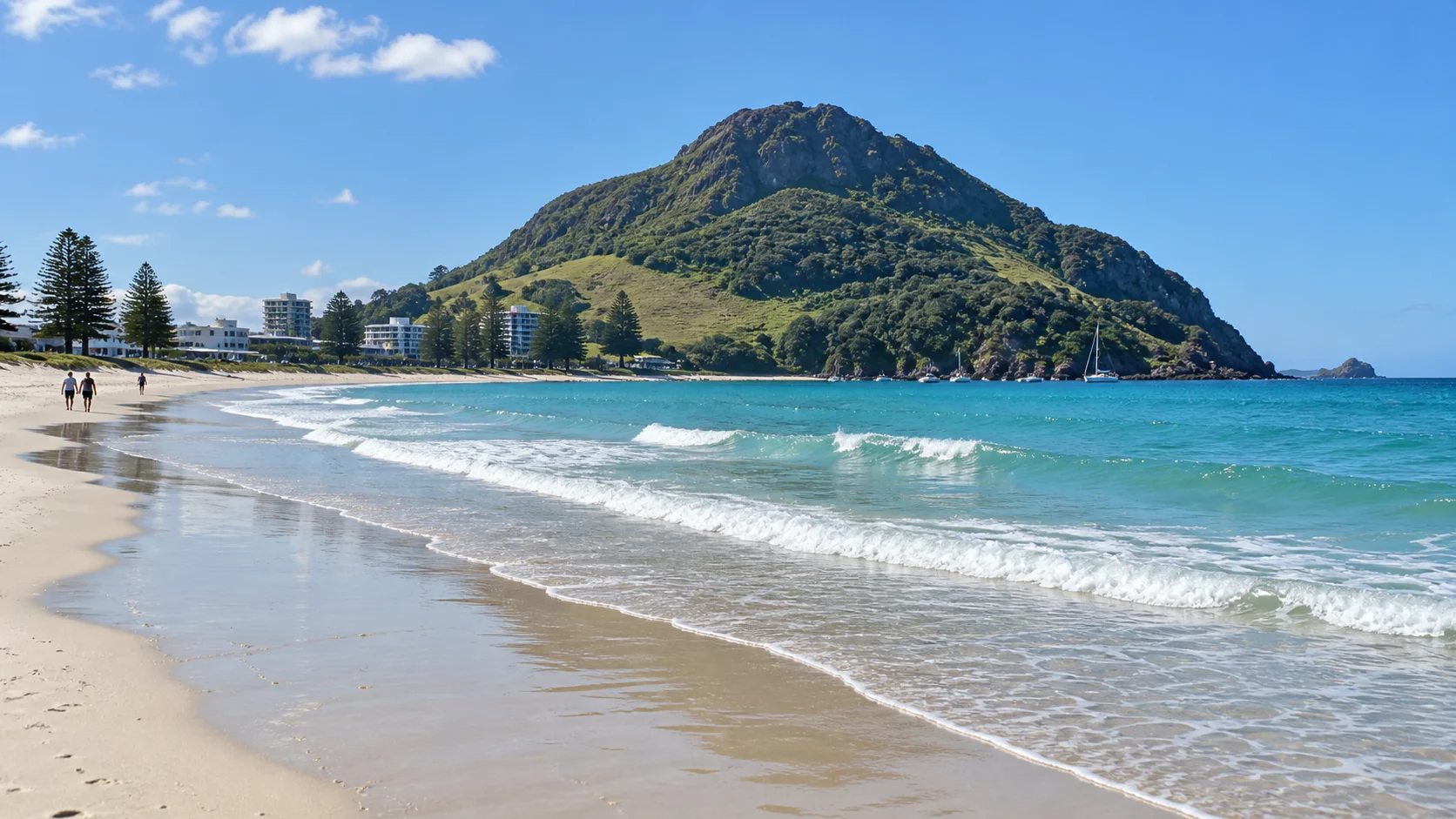
Tauranga: Choose Rotorua or Mount Maunganui
Ships dock at Mount Maunganui, where the beach, cafés, and Mauao base walk make an easy independent day. Rotorua’s geothermal landscapes and Māori cultural experiences are the marquee excursion, but Rotorua is about 53 miles away and roughly an hour by road in favorable conditions.
My judgment: book Rotorua with dependable transportation and a clear ship-return promise, or stay local and enjoy one of the route’s least stressful port days. Trying to combine a full Rotorua program with Mount Maunganui sightseeing usually makes both feel rushed.
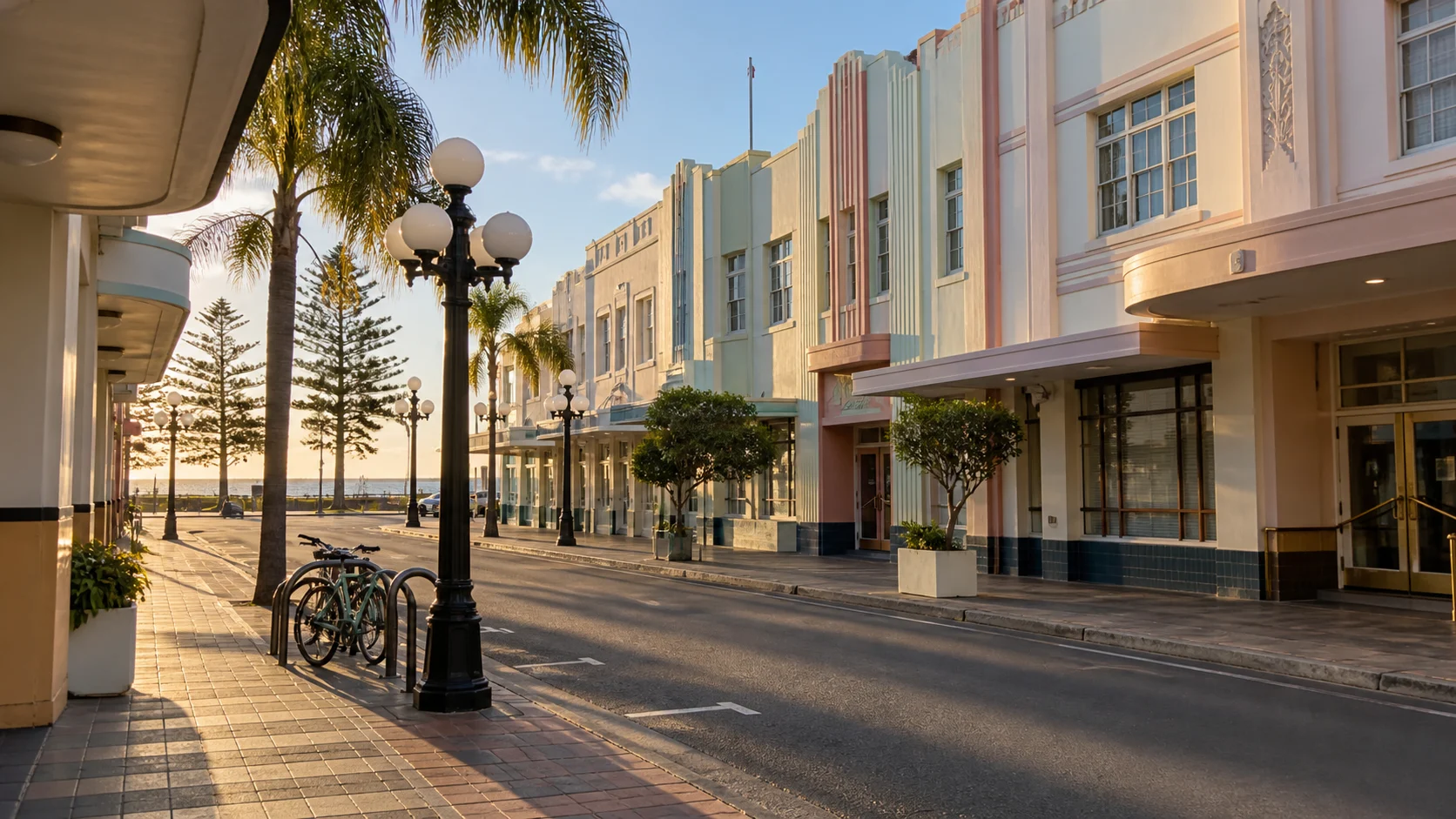
Napier and Wellington: Best Easy City Days
Napier’s working port has no pedestrian exit, so passengers use the port shuttle to reach the compact Art Deco center. Once dropped near Marine Parade, independent sightseeing is easy, while wineries require a tour or driver and enough return margin.
Wellington also requires a shuttle from Aotea Quay, with no walk-off or taxi pickup at the wharf. Te Papa, the waterfront, Cuba Street, and the cable car form an excellent DIY day once you reach the city.
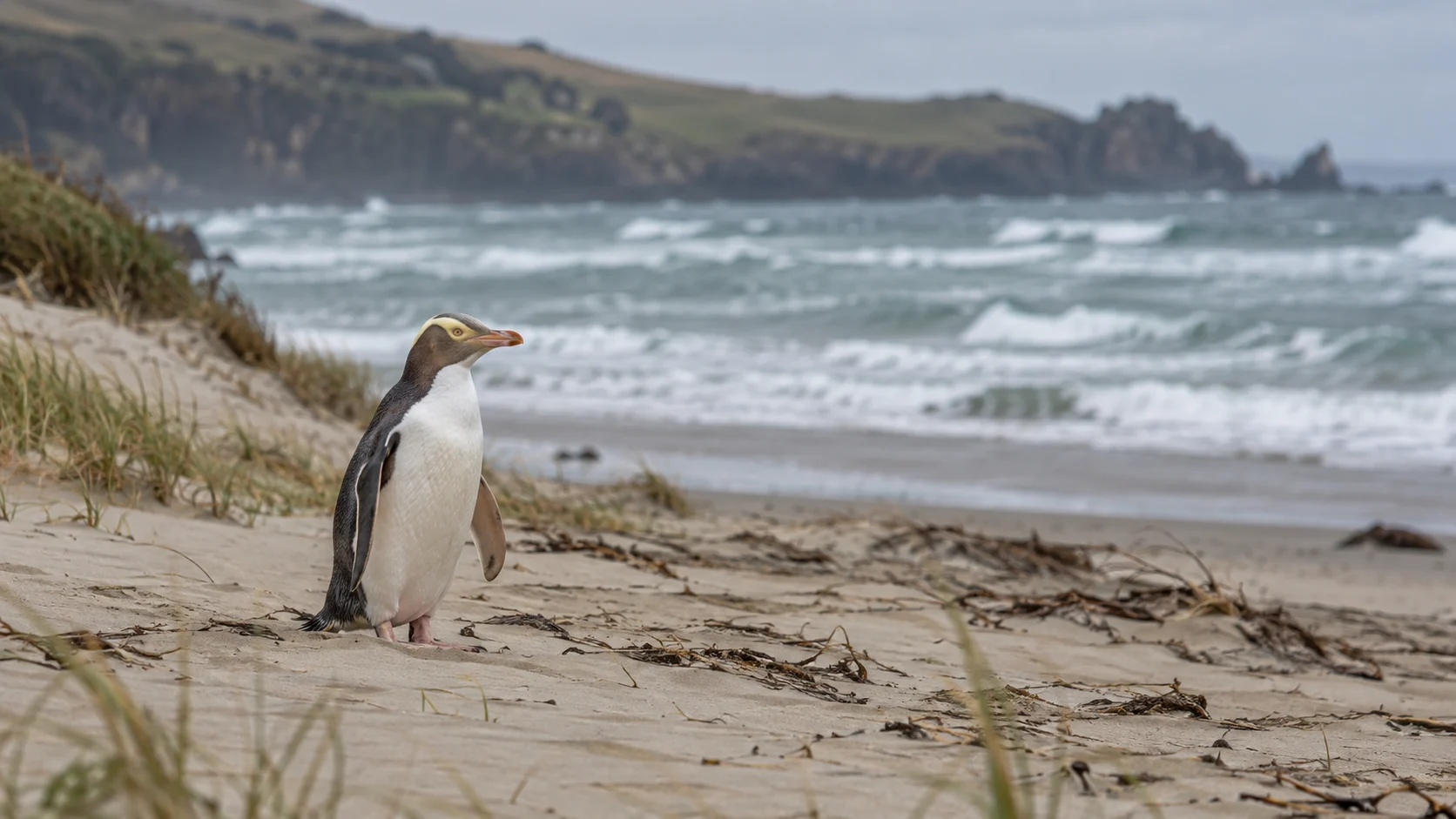
Lyttelton and Dunedin: South Island History and Wildlife
Lyttelton’s cruise berth does not allow walk-off access, and dedicated shuttles serve Lyttelton and Christchurch. Christchurch is the stronger choice for gardens, architecture, and museums; Lyttelton suits travelers wanting a smaller harbor town with less transfer time.
Dunedin ships usually dock at Port Chalmers, about 8 miles from central Dunedin, with cruise-line shuttles commonly taking 15 to 20 minutes. Choose either city heritage and the railway-station area or an Otago Peninsula wildlife outing, because combining both thoroughly is difficult within one call.
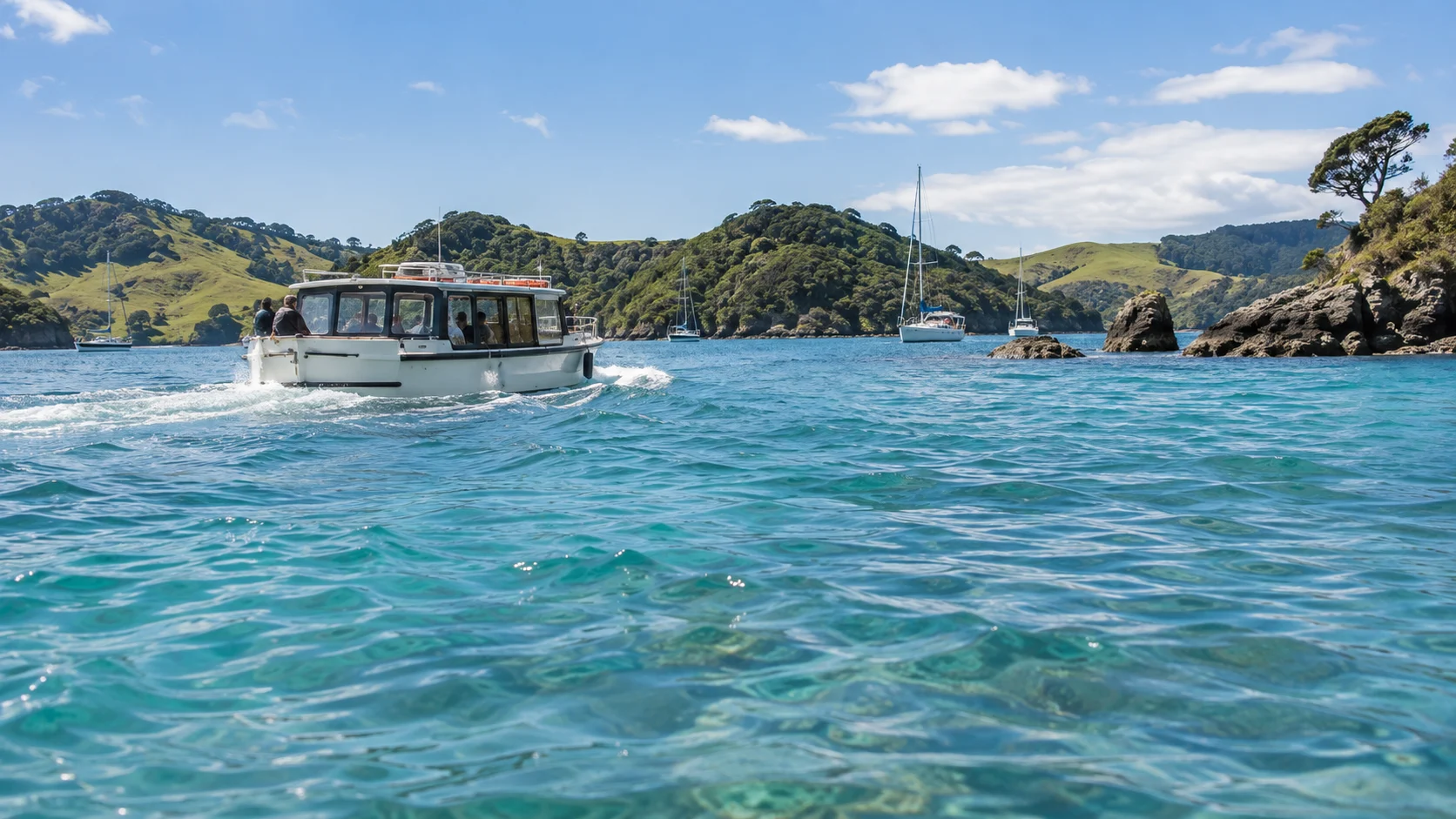
Bay of Islands: Best Tender Port
Bay of Islands is a tender call, normally landing passengers at Waitangi Wharf with a short shuttle into Paihia. Waitangi Treaty Grounds is the most meaningful close-to-port choice, while boat trips add scenery and more weather dependence.
Tender priority and sea conditions can shorten an apparently long day. Do not book a tight independent departure before learning your ship’s tender process, and leave a larger return buffer than you would at a docked port.
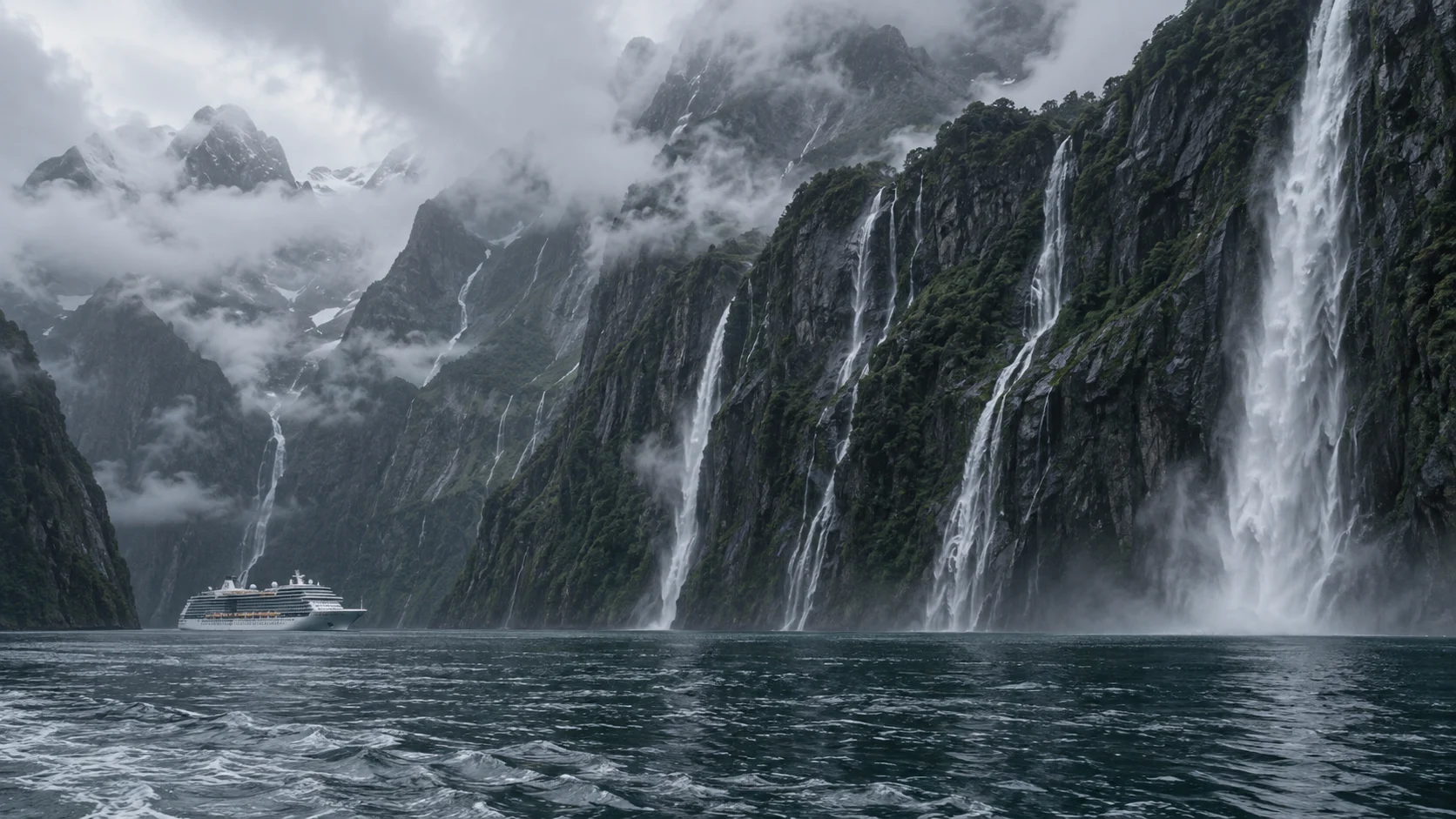
Fiordland: The Scenic Day to Protect
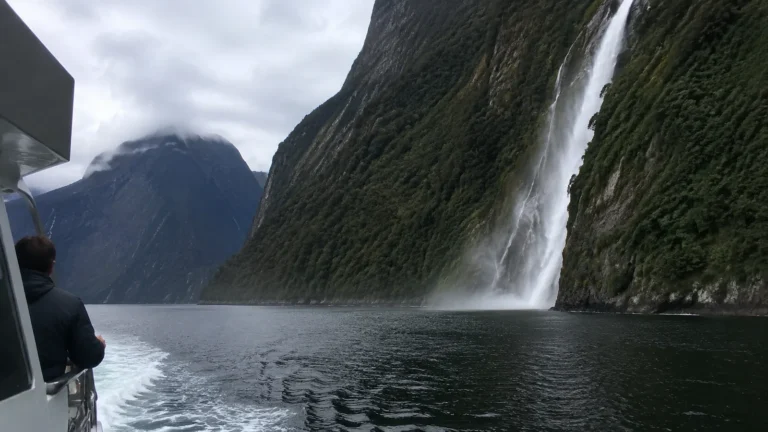
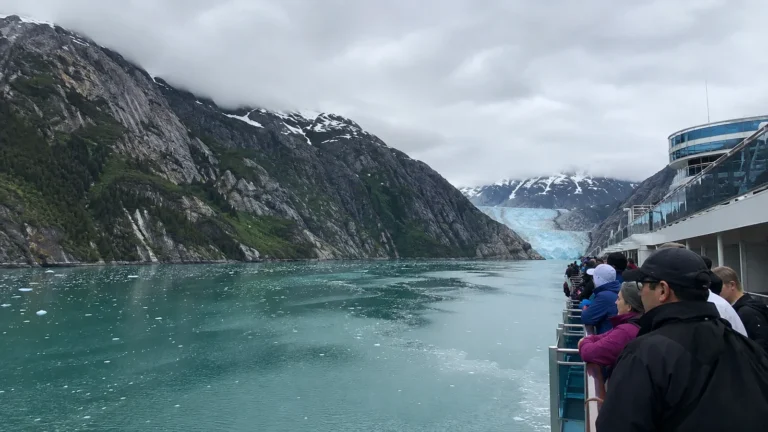
Many itineraries schedule Milford, Doubtful, and Dusky sounds as scenic cruising rather than shore calls. They are not interchangeable, and wind, visibility, or sea conditions can alter or cancel access.
Choose a ship with useful indoor viewing space and open decks that do not require a premium cabin. If Doubtful Sound is central to your decision, the Doubtful Sound planning notes explain why route wording and access type matter.
Which Cruise Line and Ship Style Fit Best?
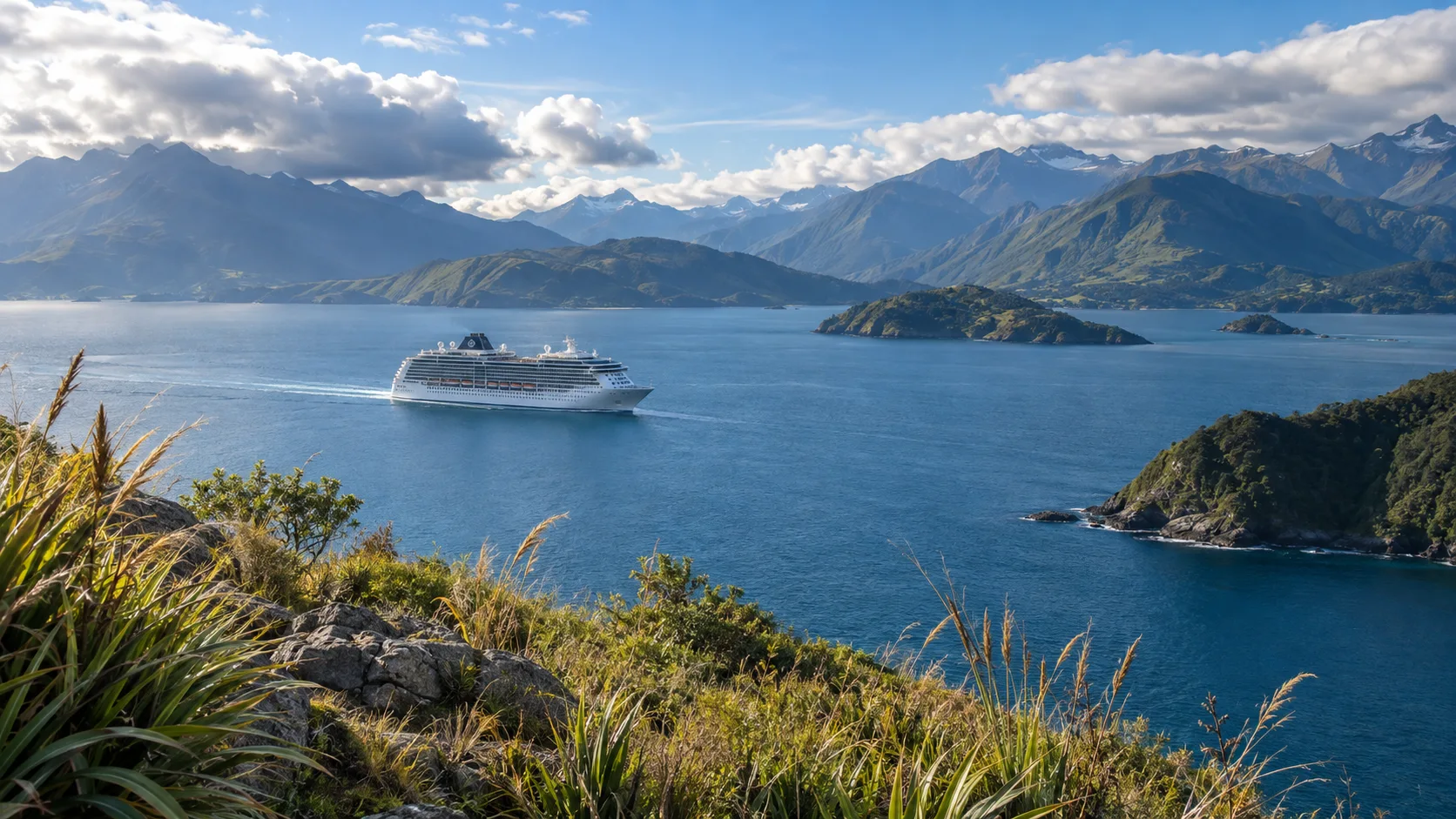
Large Resort Ships
Large Royal Caribbean-style ships suit families and multigenerational groups who want shows, active attractions, and plenty to do during the Tasman crossings. Anthem of the Seas has current 2026–27 examples from Sydney in 9- and 11-night formats, but the shorter route can mean meaningful port omissions.
The downside is passenger volume at shuttles and tenders, plus a ship that may compete with the destination for attention. Pick this style because your group wants the ship, not because “bigger” improves the scenery.
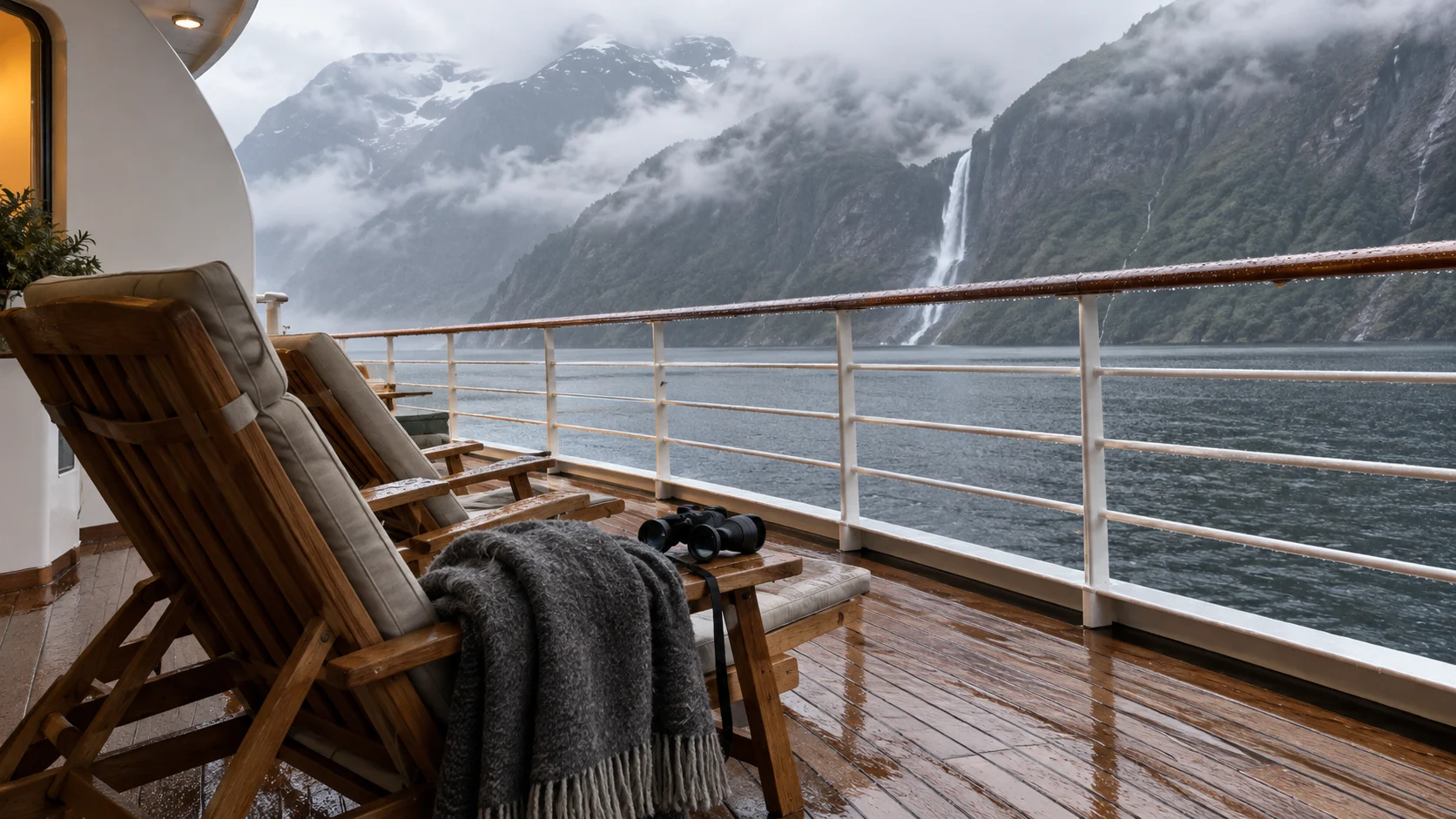
Premium Large Ships
Celebrity’s official 2026–27 regional program names Celebrity Edge and Celebrity Solstice, with departures from Sydney and Auckland in the broader Australia and New Zealand season. This style fits couples and adults wanting contemporary design, stronger dining choices, and a lively ship without a full family-resort focus.
Princess also has deep regional familiarity, while its ship and route mix changes by season. Compare the specific vessel, port hours, and included scenic cruising instead of choosing by brand history alone.
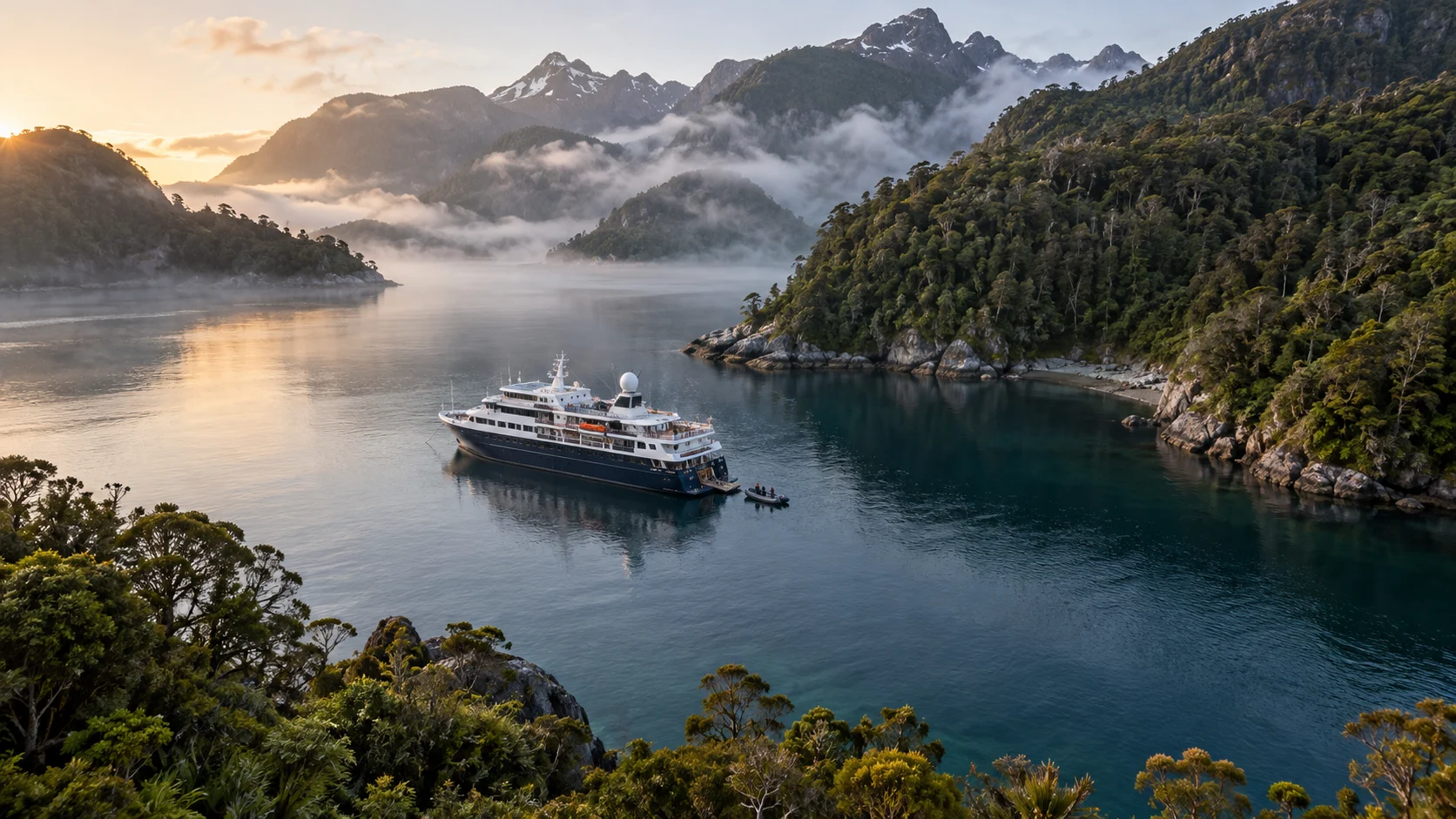
Mid-Size, Luxury, and Small Ships
Traditional mid-size ships such as Noordam generally put more emphasis on destination-rich, longer itineraries and quieter onboard pacing. Luxury and small-ship lines may add less common calls, longer stays, or a more inclusive fare, but prices rise quickly and a small ship does not automatically mean more time ashore.
Use the cruise-line comparison to match dining, entertainment, family facilities, inclusions, and dress style. Then return to the dated itinerary, because the route still outranks the logo.
Best Time for a New Zealand Cruise
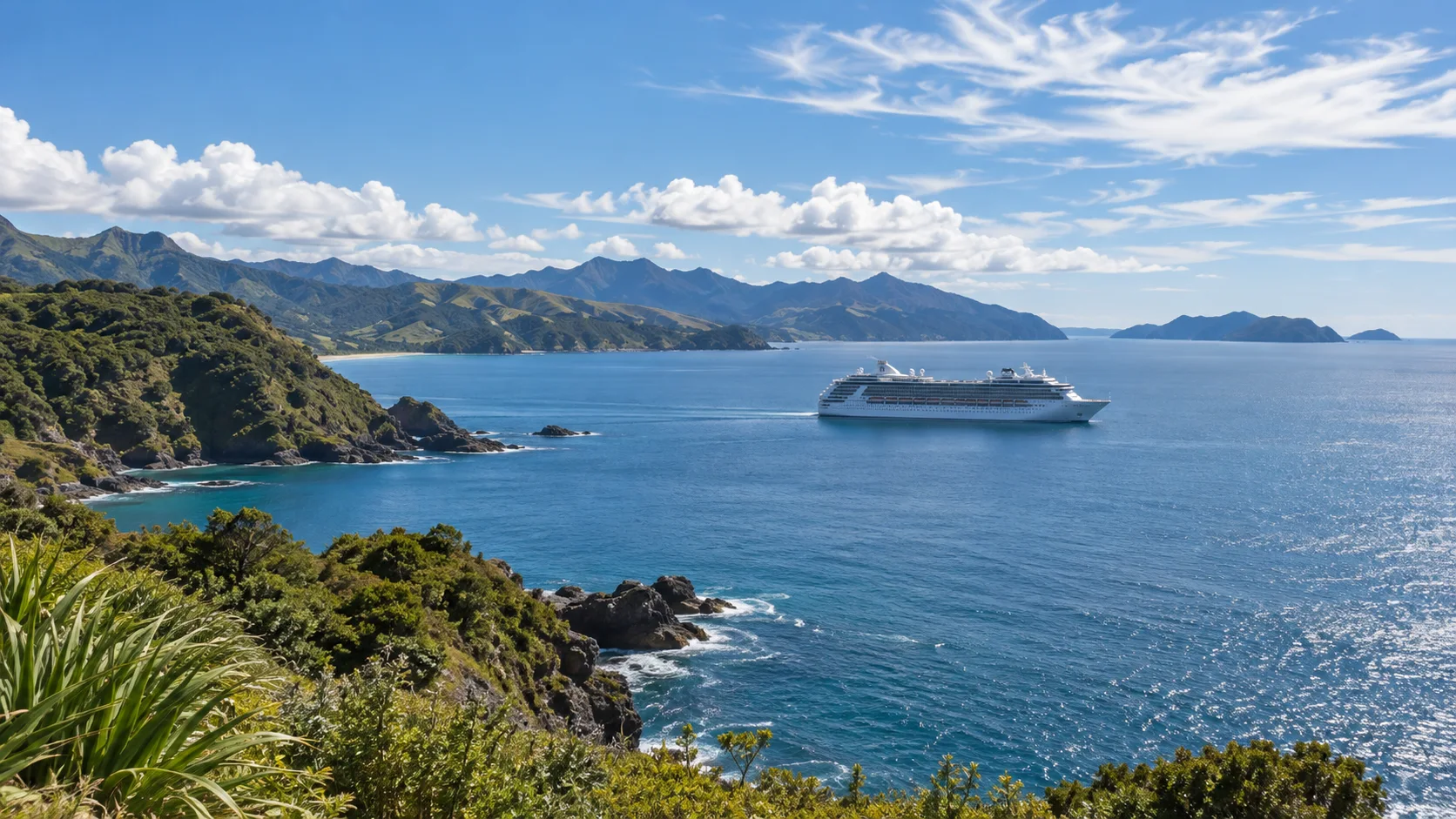
The main season runs through the Southern Hemisphere’s spring, summer, and early fall, broadly October into April. Weather changes by island and coast, while Fiordland is famously wet year-round, so no month guarantees calm seas or clear fjord views.
- October and November: Cooler spring weather, fewer holiday crowds, and a chance of good value, with wind and changeable conditions.
- December through February: Warmest weather and longest days, but also school holidays, higher land prices, and busier attractions.
- March: My favorite balance for mild weather, fewer families, and broad operations, though individual deployments vary.
- April: Cooler fall atmosphere and potentially attractive fares, with fewer ships and a greater need to verify seasonal tours.
January is not automatically “best” just because it is midsummer. Use the broader cruise timing framework to weigh weather, crowds, daylight, and price against your own priorities.
New Zealand Entry and Biosecurity Rules
Most travelers need either a visa or an NZeTA, and many cruise passengers, including U.S. passport holders, should obtain the correct authority before sailing. Immigration New Zealand says travelers arriving by cruise ship must check the current NZeTA requirements; Australian citizens are among the exceptions.
Your passport generally must remain valid for at least three months after your planned departure from New Zealand, although a cruise line may impose a longer rule. Match the NZeTA to the exact passport you will carry.
Every arriving traveler must complete the free New Zealand Traveller Declaration, including passengers transiting or permanently disembarking. Maritime travelers may submit it from 24 hours before the ship leaves its final overseas port for New Zealand, and it must be complete before the first New Zealand arrival.
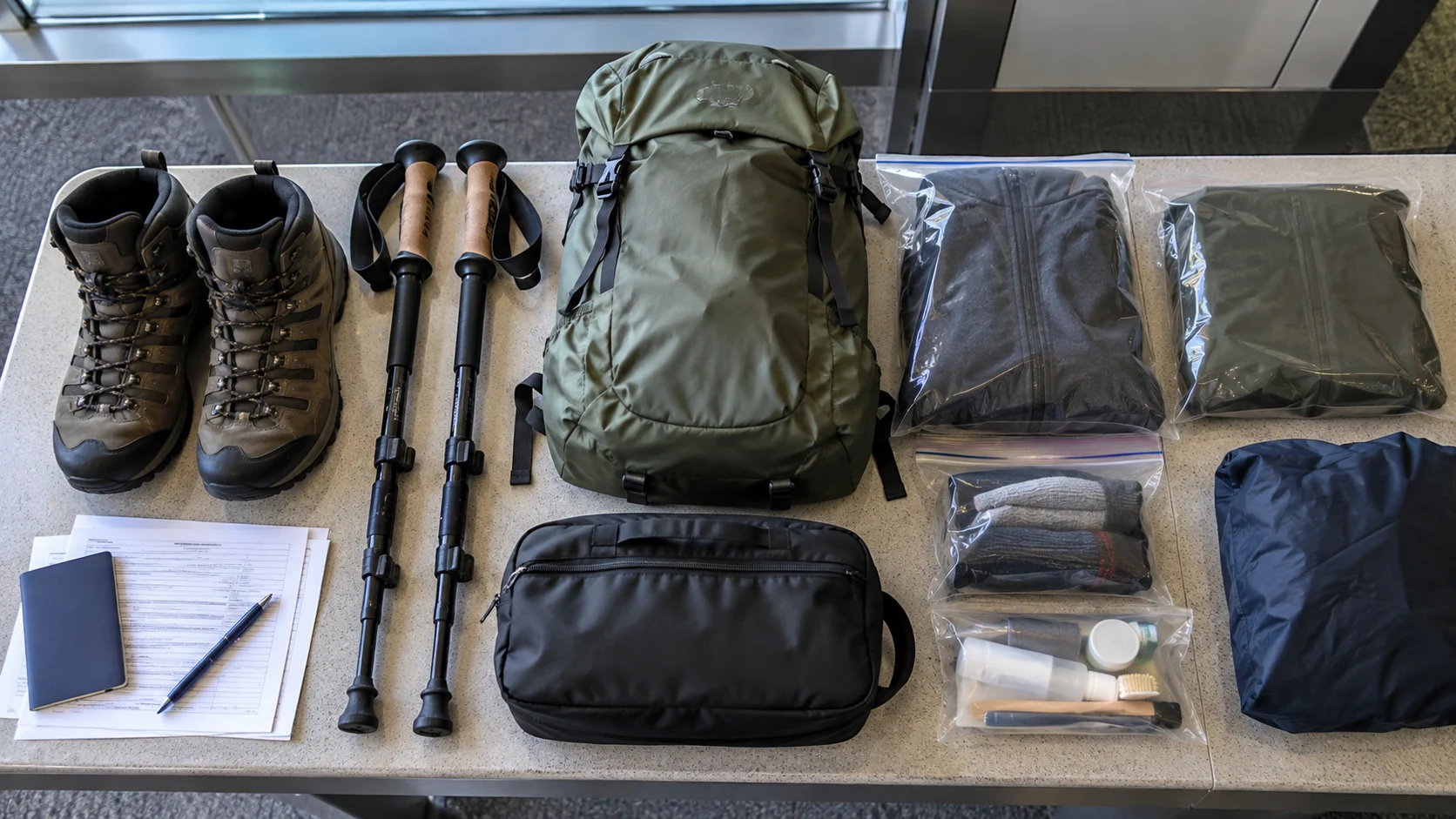
Biosecurity is not a formality. Declare food, plant and animal products, and used outdoor equipment, and follow the Ministry for Primary Industries’ arrival declaration guidance when uncertain.
Clean soil, seeds, and organic debris from hiking shoes, trekking poles, and camping gear before travel. Declaring an item lets officers assess it; hiding or forgetting it creates the problem.
Build a Practical Pre- and Post-Cruise Plan
For a Sydney round trip, arrive at least two nights early and use a central hotel rather than gambling a long-haul flight against embarkation. Add three nights if the Opera House, harbor ferries, or beaches matter beyond a quick orientation.
For an Auckland embarkation, two nights is the minimum I recommend, with three allowing a weather-flexible Waiheke day. Stay downtown for walkable terminal access, but use a taxi, shuttle, or carefully checked public-transport plan from the airport when carrying cruise luggage.
Queenstown is not a casual add-on from a coastal cruise port. Give it at least three nights with a separate domestic flight, and never place that flight on embarkation morning or immediately after a weather-sensitive disembarkation.
My best first-timer formula is a 12- to 14-night Auckland–Sydney itinerary, two or three Auckland nights, and two Sydney nights. If open-jaw airfare is unreasonable, take a Sydney round trip but insist on both islands, at least five New Zealand ports, and scheduled Fiordland scenic cruising.