Best Time to Go on a Cruise: Month-by-Month Guide
The best time to cruise is not one month. It is the month when your destination’s weather, crowds, price pattern, daylight, and wildlife possibilities line up with what you actually want from the trip.
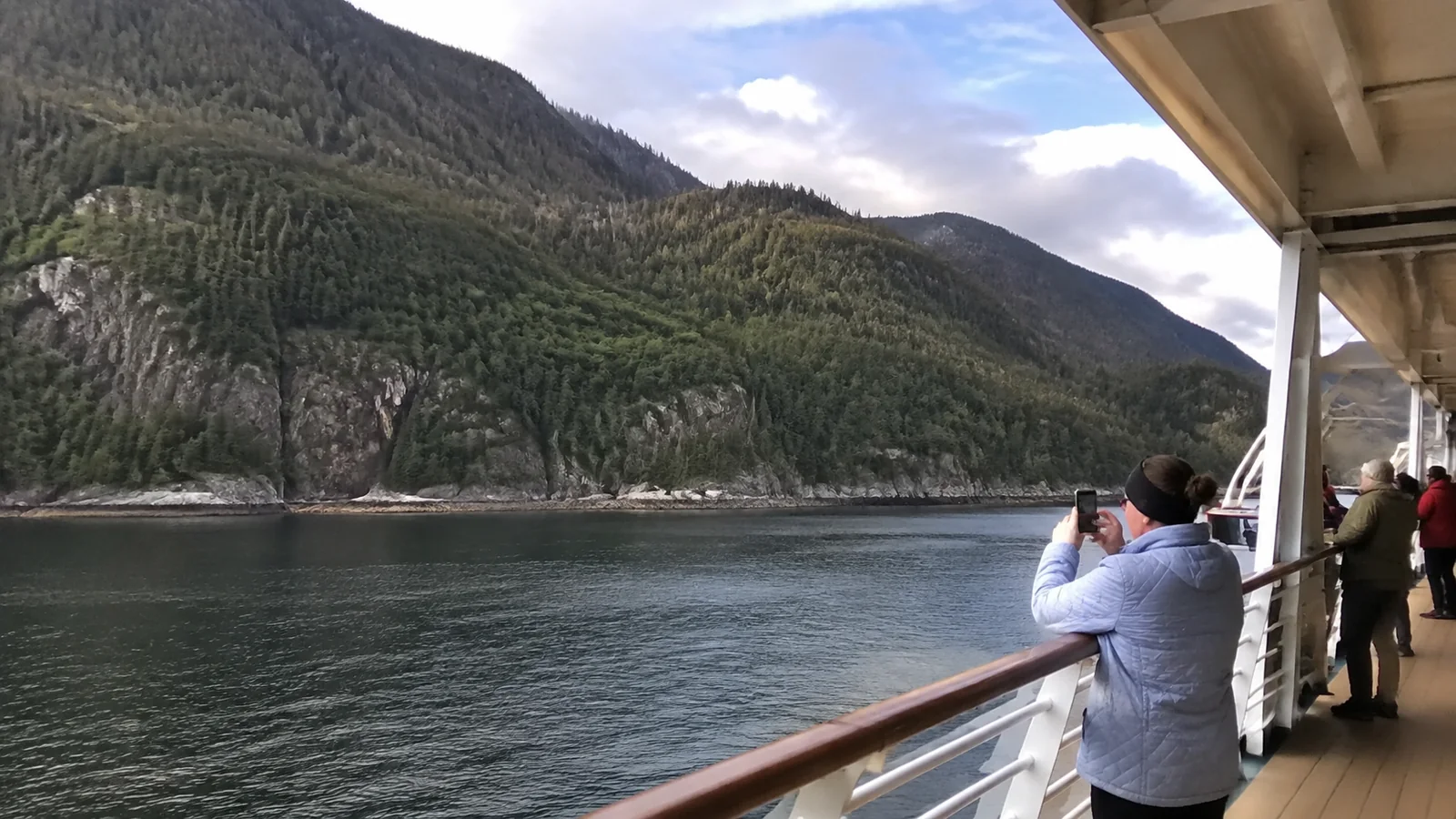
The short answer
If you want a strong balance rather than one perfect variable, start with these windows. Every recommendation has an exception, so use the tradeoffs beside the month.
- Caribbean: January through April for lower tropical-storm climatology, with holiday and spring-break price spikes.
- Alaska: June for long days and broad excursion availability, May for a cooler shoulder-season option, or September for lower demand with wetter, shorter days.
- Mediterranean: May, early June, late September, or October for a better heat-and-crowd balance.
- Northern Europe: June through August for long daylight and the widest seasonal operations.
- Canada and New England: Late September into early October for fall atmosphere, never a guaranteed foliage peak.
- Hawaii: April, May, September, or October for a school-break compromise, or winter for humpback-whale possibility.
- Antarctica: December through February for the heart of the visitor season, with conditions and wildlife changing across the summer.
- Australia and New Zealand: December through February for southern summer, while northern tropical routes face a different cyclone calendar.
For pure price flexibility, look at shoulder seasons and repositioning cruises. For the easiest family calendar, accept that summer, spring break, Christmas, and New Year’s often bring stronger demand.
How to define your own best time
Pick one nonnegotiable before comparing dates. “Warm enough to swim,” “maximum daylight,” “fewer children,” “lowest complete trip cost,” and “possible whale sightings” point to different months.
Then decide what you can trade away. A cooler Alaska shoulder sailing may save money but reduce daylight or excursion choice, while a sunny Mediterranean July trip can bring heat, crowds, and higher airfare.
Finally, price the whole journey. Cruise fare, taxes, service charges, airfare, hotels, transfers, drinks, dining, Wi-Fi, excursions, insurance, and seasonal clothing belong in the same comparison.
Best time for a Caribbean cruise
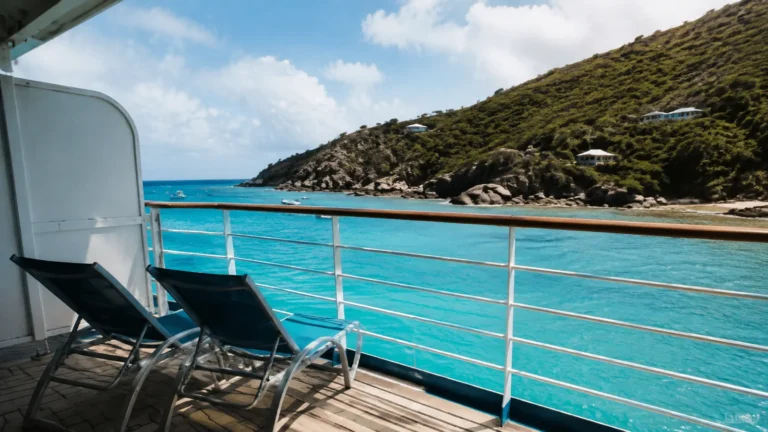
January through April is the easiest recommendation for many Caribbean travelers because it combines winter warmth with lower Atlantic tropical-cyclone climatology. It is also high season in many islands, so better weather odds do not automatically mean lower prices or empty beaches.
The National Hurricane Center defines Atlantic hurricane season as June 1 through November 30, with occasional activity outside those dates. Season dates measure storm climatology, not whether your individual sailing will be sunny or calm.
Choose January or February for a winter escape
These months work well for travelers leaving cold climates, though the Bahamas and northern Caribbean can feel cool behind a front. Southern itineraries reaching Aruba, Curaçao, or Bonaire generally suit heat-seekers better.
Holiday weekends and school calendars can lift prices. Compare the detailed January cruise tradeoffs with February route options before choosing by fare alone.
Choose March or April for warmth with school-break pressure
March and early April can bring appealing beach weather, but spring-break dates may increase family demand and airfare. Couples seeking quiet should check school calendars and ship style rather than assuming every longer sailing is adult-oriented.
Late April can be an attractive compromise as some ships reposition. It can also mean fewer convenient round trips or a route built around sea days.
Choose summer or fall only with flexibility
Summer and fall fares can look tempting, and many cruises operate successfully throughout the season. The tradeoff is tropical-weather exposure, heat, humidity, and possible itinerary changes.
August through October carries greater Atlantic hurricane climatology than early summer, but no date predicts an individual storm. Insurance terms, flexible flights, and enjoying the ship matter more than trying to outguess a future track.
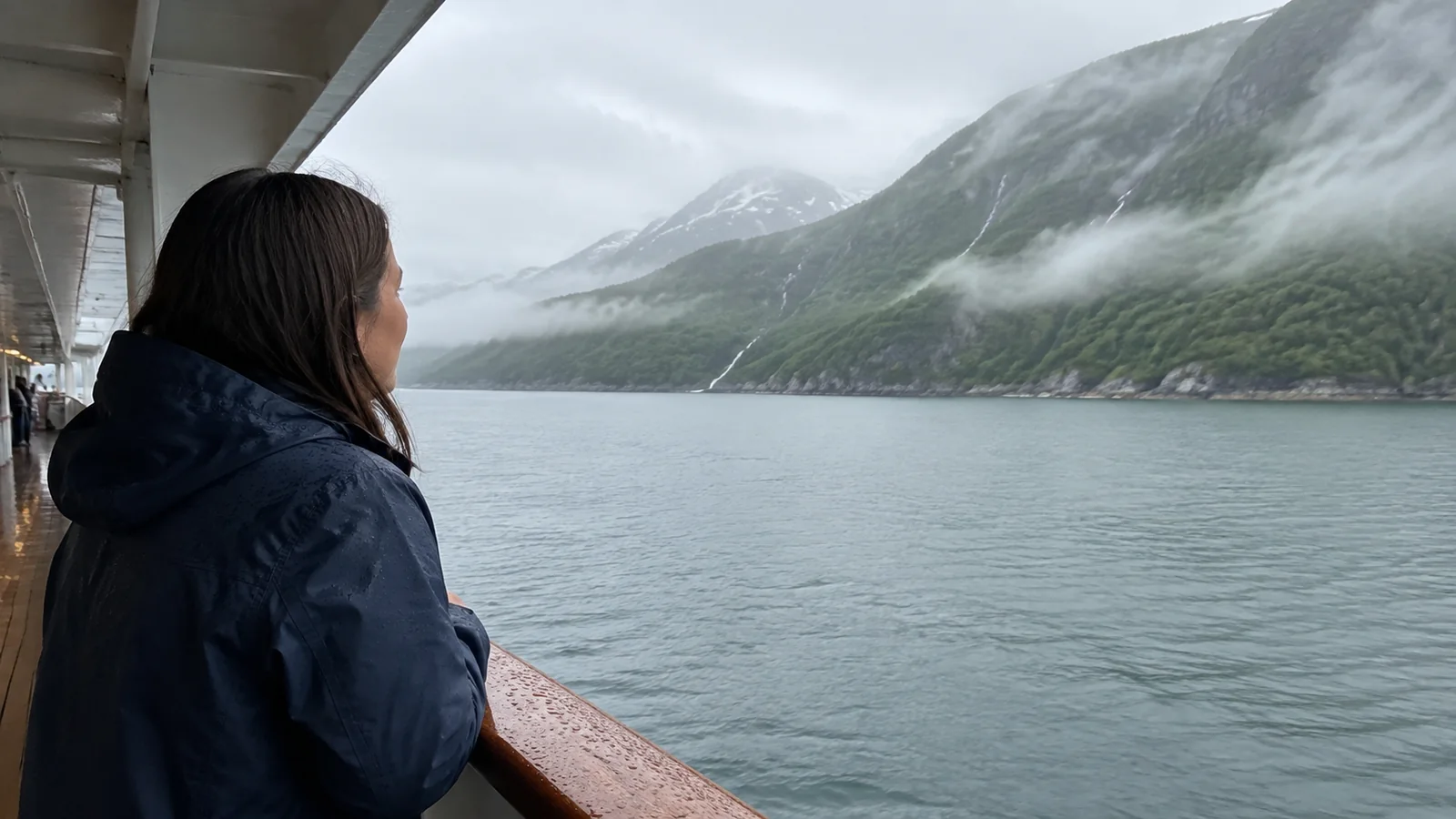
Best time for an Alaska cruise
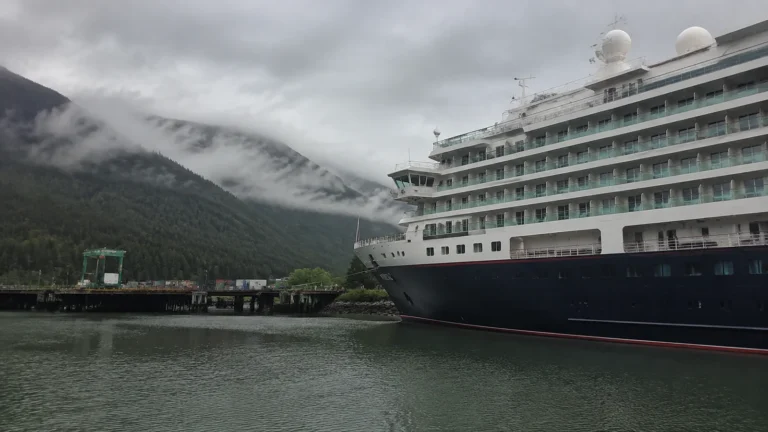
Alaska’s main cruise season runs May through September, with some April and October shoulder operations. Official destination guidance from Travel Alaska identifies June through August as the most popular core.
Choose May for value and drier tendencies
May offers long-growing daylight, snowy mountain scenery, and a chance at lower shoulder-season prices. It can also be chilly, some seasonal operations may be ramping up, and wildlife never follows a reservation calendar.
May is a good match for budget-aware adults who prioritize scenery over the warmest conditions. Check every desired excursion because a low fare is less useful if the one experience you want is not operating.
Choose June for the best all-around balance
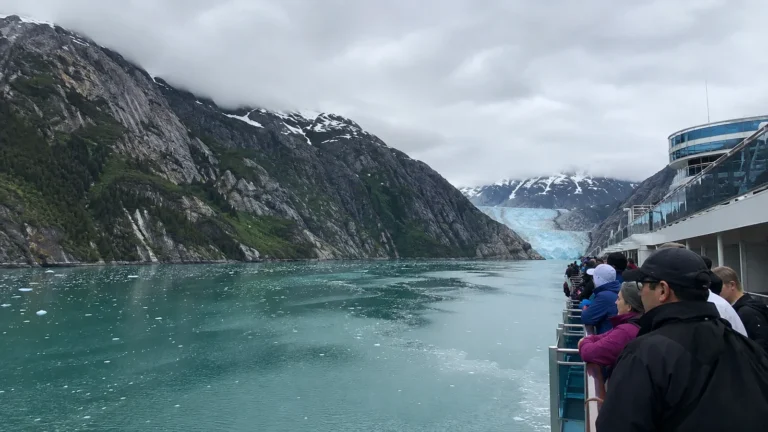
June is my practical Alaska pick for long daylight, broad excursion availability, and summer conditions without automatically choosing the busiest school-holiday weeks. Rain, fog, and cold glacier-viewing weather remain possible.
Families tied to school calendars may find late June easiest. Book high-priority flightseeing, small-group wildlife, and rail add-ons early, then keep expectations flexible for visibility.
Choose July for warmth and maximum availability
July often gives the warmest-feeling version of the cruise season and a wide range of tours. It also tends to bring family crowds, premium pricing, and strong demand for preferred cabins.
Choose July when schedule certainty and excursion choice matter more than finding a bargain. Pack waterproof layers because Southeast Alaska is a temperate rainforest even in midsummer.
Choose August or September for different compromises
August begins a shift toward cooler, wetter conditions while retaining substantial summer operations. September can offer lower fares and autumn atmosphere, paired with shorter days, more rain, cooler temperatures, and end-of-season closures.
No month guarantees bears, whales, clear glaciers, or the northern lights. Select the sailing for landscape and ports first, then treat wildlife and auroras as possibilities.
Best time for a Mediterranean cruise
May, early June, late September, and October usually offer the most useful compromise between heat, crowds, and seasonal availability. This is shoulder-season logic, not a promise of mild weather or bargain fares.
Spring favors walking and longer touring days
May suits travelers who want archaeological sites, cities, and active excursions without peak summer heat. Sea temperatures may feel cool, and Easter-related closures or crowds vary by country and calendar.
Early June adds warmer beach potential and long daylight before some schools release. Prices and heat can climb quickly as the month progresses.
Summer is best for a classic beach trip
July and August make sense when warm water, late evenings, and a family calendar outrank crowd avoidance. Expect strong sun, busy attractions, expensive flights, and heat that can make a long ruins tour exhausting.
Reserve marquee sites and private transfers well ahead. Build shade, water, and a slower midday pace into every port plan.
Fall works for food, cities, and calmer pacing
Late September and October can feel more comfortable for city walks and cultural touring. Rain chances rise in some areas, days shorten, and seasonal beach businesses begin closing.
November through March can reward repeat visitors who prioritize museums and architecture. Expect fewer ships, cooler weather, early darkness, and more seasonal closures.
Best time for Northern Europe
June through August offers the longest daylight and broadest cruise, ferry, and excursion operations across Norway, Iceland, the British Isles, and the Baltic region. Summer still brings rain, wind, cool spells, and fog.
May and September can reduce peak crowds, but weather and daylight become a larger part of the bargain. Remote excursions may run less frequently at the edges of the season.
Norwegian fjord scenery does not require a perfectly blue sky, while an Iceland flightseeing excursion might. Choose a route with strong ground-level alternatives and never make one visibility-dependent tour the trip’s only win.
Winter coastal Norway is a separate product centered on snow, darkness, and possible auroras. Northern lights require solar activity and clear, dark skies, so no date or operator can guarantee them.
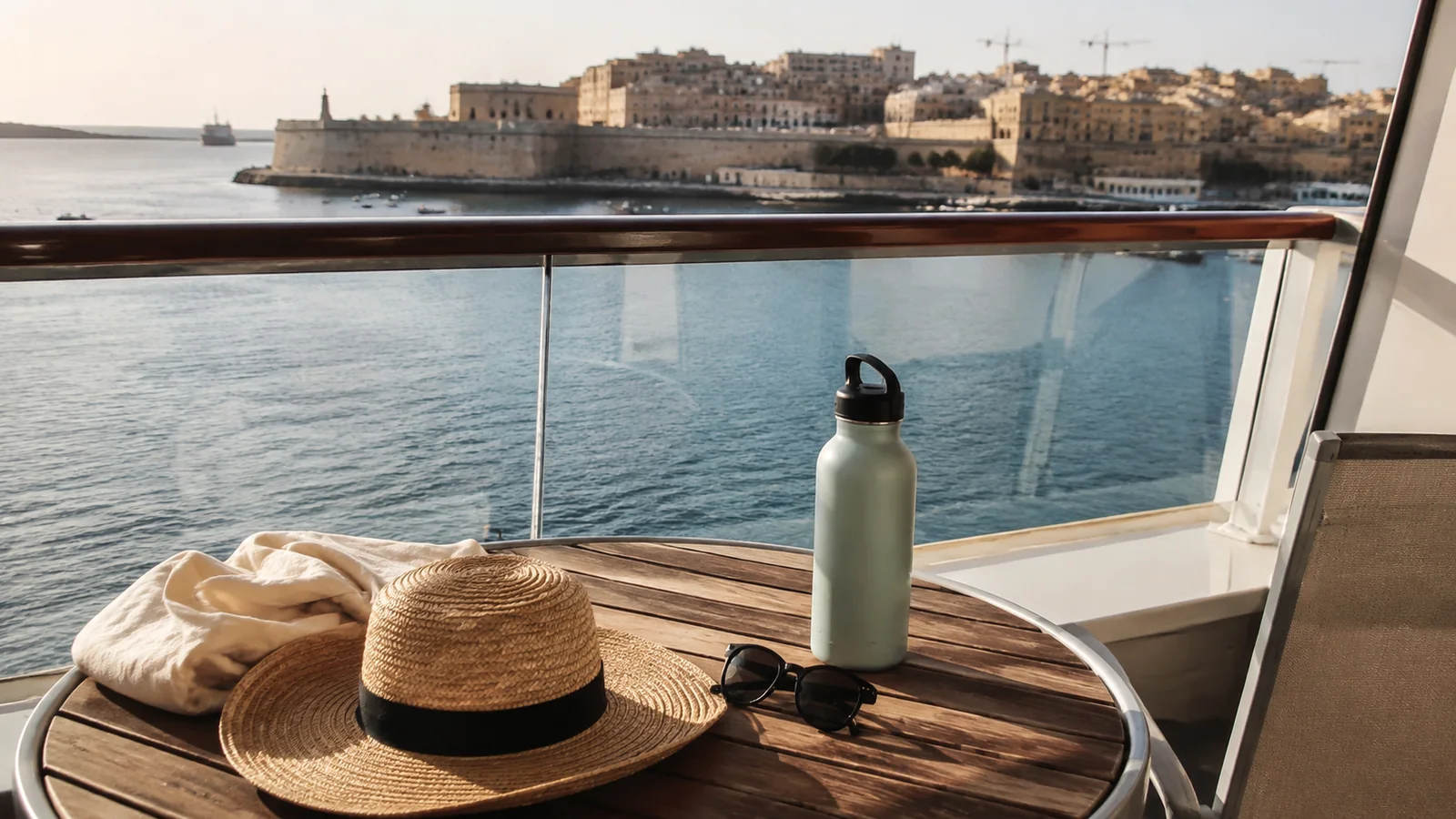
Best time for Canada and New England
Late September into early October is popular for fall atmosphere, but peak color moves with latitude, elevation, and each year’s weather. One itinerary can encounter green leaves, peak color, and bare branches in different ports.
September also overlaps Atlantic hurricane season, while October can bring cold fronts and rough coastal weather. Book because you enjoy historic cities, seafood, and coastal scenery even if foliage or a port changes.
Earlier September usually brings longer daylight and milder conditions. Later dates increase autumn character but also cooling, closure, and weather tradeoffs.
Best time for Hawaii
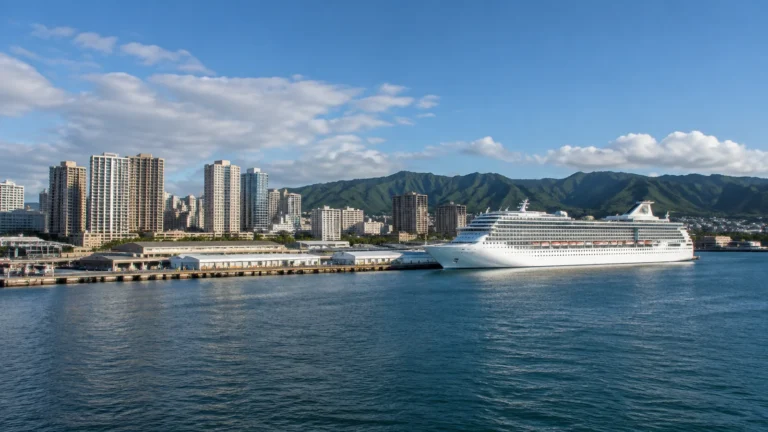
Hawaii cruises operate across much of the year, so the choice is more about airfare, school breaks, rainfall patterns, and sea days than a narrow cruise season. April, May, September, and October can be useful compromise months outside the largest holiday periods.
Winter adds a wildlife reason to consider the islands. NOAA Fisheries explains that migratory baleen whales such as humpbacks are found in Hawaii in winter for breeding, but no sailing or excursion guarantees a sighting.
West Coast round trips include several open-ocean days and cooler weather near California. Inter-island itineraries require flying to Hawaii but devote more of the vacation to the islands.
Choose winter for whale possibility, shoulder months for a crowd-and-price compromise, or summer for a family schedule. Always compare the full air-and-hotel cost because the cruise fare tells only part of this trip.
Best time for Antarctica
The Antarctic Peninsula visitor season centers on austral summer. The Antarctic Treaty Secretariat reports that about 98 percent of Antarctic tourism voyages occur around the Peninsula from October through April.
Choose November for spring conditions
November can bring dramatic ice and a season just getting underway. Conditions may limit access, temperatures feel colder, and exact wildlife stages vary by site and year.
Choose December or January for long daylight
These months sit near the heart of the operating season and appeal to first-time polar travelers. Holiday pricing can be high, while ice, wind, site rules, and vessel traffic still govern each day.
Choose February or March for later-summer change
Later summer may bring different wildlife and ice possibilities, but it does not create guarantees. The right expedition team will change plans rather than force a landing in unsafe conditions.
Across the season, separate true expedition voyages from cruise-by itineraries. Price flights, pre-cruise hotels, medical requirements, technical clothing, and evacuation-capable insurance before comparing berths.
Best time for Australia and New Zealand
December through February provides long summer days in New Zealand and southern Australia, making it the most intuitive window for scenery and outdoor port calls. School holidays, strong sun, and peak domestic travel can increase demand.
November and March can offer shoulder-season value with cooler or more variable conditions. The Tasman Sea, Fiordland rain, and southern temperatures deserve layers in any month.
Tropical northern Australia follows a different risk calendar. The Australian Bureau of Meteorology defines the official tropical cyclone season as November 1 through April 30, with substantial year-to-year variation.
Do not apply a Sydney weather expectation to Cairns, Darwin, or a South Pacific island route. Read the exact ports and buy for the complete itinerary rather than one weather-sensitive call.
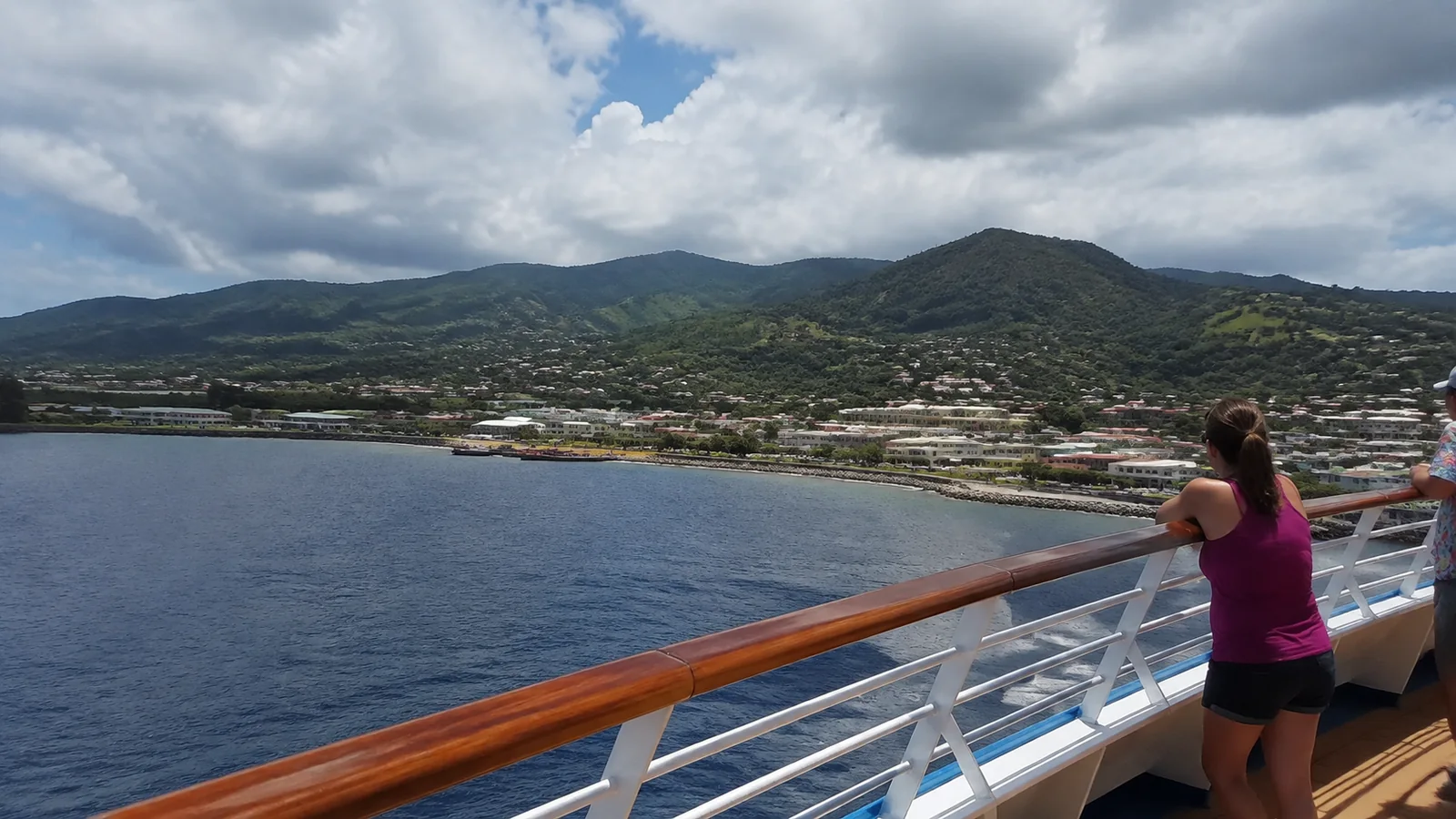
Best time for Asia cruises
Asia is too large for one best month. Japan’s spring blossoms, Southeast Asian monsoons, tropical heat, typhoon exposure, and East Asian winters follow different calendars.
For Southeast Asia, December through February can fit selected Thailand and Malay Peninsula routes, but rainfall patterns differ by coast and city. Singapore remains humid, while central Vietnam can behave differently from southern Thailand.
Japan sailings become popular around spring blossom forecasts and autumn foliage, neither of which is guaranteed far ahead. Golden Week and other holiday periods can increase domestic crowds.
Choose ports first, then consult official climate and event information for each stop. A regional average cannot tell you how a specific day in Tokyo, Hong Kong, Singapore, or Phuket will feel.
Best time for Panama Canal and South America
December through April is a common choice for Panama and Central America as regional rainfall often trends lower, but tropical showers remain possible. The detailed Panama Canal cruise comparison helps separate full transits, partial transits, and lock excursions.
Patagonia and Cape Horn routes favor the austral summer from roughly November through March. Longer days improve opportunity, yet wind, tender conditions, and rapidly changing weather remain defining features.
Amazon river levels and Galápagos wildlife cycles require itinerary-specific research rather than a single South America season. Choose the exact ecosystem experience before choosing the month.
Best time for European river cruises
Spring and fall suit travelers who prefer cooler walking weather, while summer offers long daylight and stronger family demand. Water levels can disrupt river operations in both high-water and low-water conditions, and no month removes that risk.
December is popular for Christmas-market itineraries, but local market dates vary and some close before December 25. The Danube cruise planning approach emphasizes port time, mobility, and what happens when navigation changes.
Ask how the operator handles a river interruption and whether hotels or motorcoaches may replace sailing. The cities should be valuable to you even if the vessel cannot complete the planned water route.
Month-by-month cruise calendar
January
Choose the Caribbean for winter sun, Antarctica for expedition season, or New Zealand for summer scenery. Watch winter flights and Southern Hemisphere cyclone exposure.
February
Consider the Caribbean, Hawaii, Antarctica, or coastal Norway. Valentine’s Day, U.S. school breaks, and moving Carnival dates can affect price and crowds.
March
Caribbean weather can be appealing, while spring break increases family demand. Mediterranean and transatlantic deployments begin expanding, with variable early-season conditions.
April
Look for Caribbean shoulder value, spring Mediterranean routes, and repositioning cruises. Easter timing changes each year and can reshape flights, closures, and crowds.
May
Alaska begins its main season, and the Mediterranean can be comfortable for walking. Some attractions and excursions at seasonal destinations may still be ramping up.
June
Alaska, Norway, Iceland, and the Baltic gain long daylight and broad operations. Family demand builds as schools release, especially later in the month.
July
Choose July for maximum Northern Hemisphere summer energy and availability. Expect heat, crowds, and premium pricing in many family destinations.
August
Alaska and northern Europe remain active, while Mediterranean heat can be intense. Atlantic tropical climatology rises, particularly later in summer.
September
Mediterranean temperatures may ease, Canada and New England begin fall season, and Alaska shifts toward cooler, wetter shoulder conditions. Hurricane-season flexibility remains important.
October
Consider the Mediterranean, late Canada and New England, or repositioning routes. Shorter daylight, seasonal closures, and Atlantic weather all deserve attention.
November
Caribbean options expand, Antarctica begins, and ships reposition toward winter regions. The Atlantic season officially continues through November 30.
December
Choose the Caribbean, Antarctica, New Zealand, or European Christmas-market rivers. The December cruise decision guide separates early-month value from holiday-week demand.

When are cruises usually cheapest?
Shoulder-season sailings, repositioning cruises, and weeks between major holidays often produce lower advertised fares. None guarantees a cheaper total once one-way airfare, hotels, weather risk, and fewer excursion choices are included.
Families should compare the price of missing school against peak-week premiums rather than pretending it has no cost. Retirees and flexible workers can search adjacent weeks and alternative embarkation ports.
Last-minute deals favor travelers who can accept the remaining cabin, buy affordable air, and travel with little notice. They are a weak strategy for accessible rooms, family connections, popular expeditions, or scarce excursions.
Best time for wildlife
Wildlife seasons improve possibilities, never outcomes. Migration timing, food, weather, sea conditions, regulations, and plain luck affect what a guest sees.
Alaska offers wildlife opportunities throughout its cruise season, while Hawaii adds winter humpback possibility and Antarctica changes across austral summer. Choose a responsible operator, keep legal viewing distance, and value the broader ecosystem.
Avoid building an expensive trip around one species on one day. A good wildlife itinerary provides several habitats, multiple observation opportunities, and worthwhile scenery when animals stay out of view.
A seven-step booking method
- Name the destination and one nonnegotiable experience.
- Identify its operating season and weather hazards.
- Choose a core month or shoulder month based on your tradeoff.
- Compare complete prices across three departure dates.
- Check daylight, port hours, tenders, closures, and wildlife uncertainty.
- Inspect the exact cabin and decks above and below it.
- Recheck official forecasts, entry rules, and schedules before travel.
Pack for the route rather than the calendar. A flexible cruise clothing capsule should cover the coldest credible day, rain, sun, and the line’s current dress guidance.
Frequently asked questions
What is the best month for a first cruise?
February or early March in the Caribbean works for many first-timers because routes are plentiful and Atlantic tropical risk is seasonally low. Avoid school-break dates if price and crowds matter more than the calendar.
What is the best cruise month for fewer crowds?
Choose a destination’s shoulder season and avoid holidays, school breaks, and major local events. Accept that fewer crowds may come with cooler weather, shorter daylight, or reduced excursion availability.
What is the best month for calm seas?
No month or region guarantees calm water. Route geography, weather systems, ship design, speed, and daily conditions all affect motion.
Should I avoid hurricane season?
Avoid it if itinerary certainty matters more than price and you would be unhappy with changed ports. Flexible travelers can still cruise successfully, but they should understand insurance, rebooking, and itinerary-change terms.
How far ahead should I book?
Book earlier for school holidays, expeditions, accessible cabins, family configurations, suites, and high-demand excursions. Flexible couples or solo travelers can monitor later inventory if they can also solve airfare affordably.
My recommendation
Choose the destination first and the month second. June is my balanced Alaska choice, late spring or early fall suits Mediterranean touring, winter is the easiest Caribbean window, and December through February anchors a first Antarctic search.
Then pressure-test that answer against price, crowds, daylight, and the one experience you refuse to compromise. The best time is the window whose drawbacks you can accept as readily as its headline benefits.