Seattle to Alaska Cruise Guide: Piers, Routes, and Logistics
A Seattle to Alaska cruise is wonderfully simple once you solve one detail: which pier your ship uses. Pier 66 sits on the downtown waterfront, while Pier 91 is a separate terminal northwest of downtown, and confusing them can turn embarkation morning into an expensive scramble.
Seattle to Alaska Cruise: The Quick Plan
- Fly into Seattle-Tacoma International Airport at least one day before departure.
- Confirm your terminal on the Port of Seattle schedule, not by cruise line alone.
- Stay downtown for sightseeing and Pier 66 convenience, or choose a practical airport hotel after a late flight.
- Use light rail for an easy airport-to-downtown trip with manageable luggage.
- Use a taxi, rideshare, or booked transfer for Pier 91, especially with children or several bags.
- Keep passports and cruise documents in your personal bag, never checked luggage.
Seattle round trips usually package Alaska into seven nights without a one-way flight or long land transfer. They are especially convenient for first-timers, families, and travelers using frequent-flier routes into SEA.
Pier 66 and Pier 91 Are Not Interchangeable
The Port of Seattle operates two cruise terminals about 3 miles apart by road, depending on route. Your boarding pass should name the terminal, and the port’s Find My Ship and Terminal tool is the smartest final check because assignments and schedules can change.
Pier 66: Bell Street Cruise Terminal
Pier 66 is at 2225 Alaskan Way on the downtown waterfront. The official Bell Street terminal page identifies it as the Seattle homeport for Norwegian and Oceania, though you should still verify your exact ship and date.
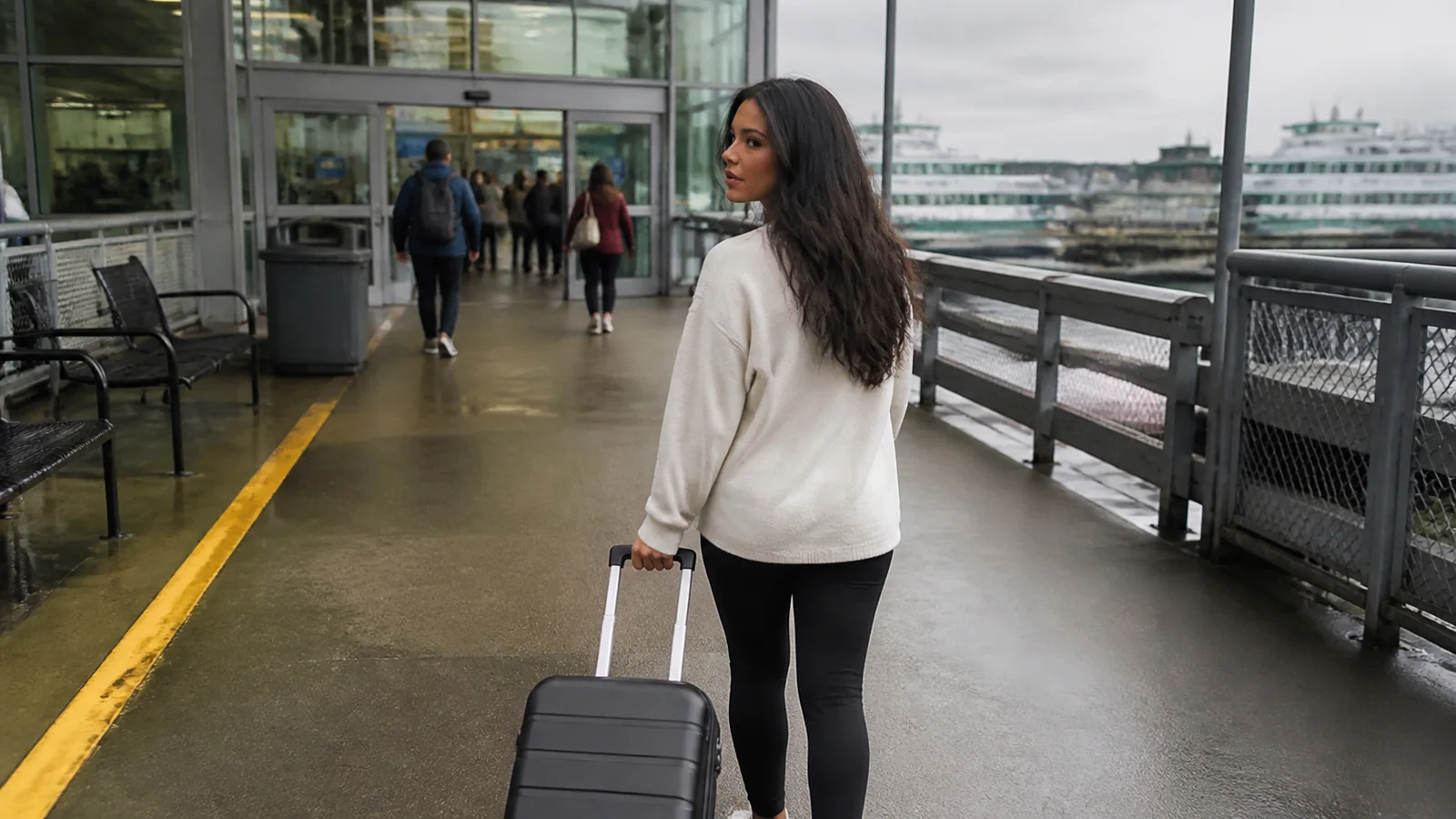
This is the convenient pier for a downtown stay. Pike Place Market, the Seattle Aquarium, and the central waterfront are nearby, but “walkable” only helps if your luggage rolls well and sidewalks, grades, and weather suit your group.
Do not choose a hotel merely because its marketing says “near the cruise port.” Measure the actual walking route to Pier 66, including hills and street crossings, then decide whether a short ride is kinder.
Pier 91: Smith Cove Cruise Terminal
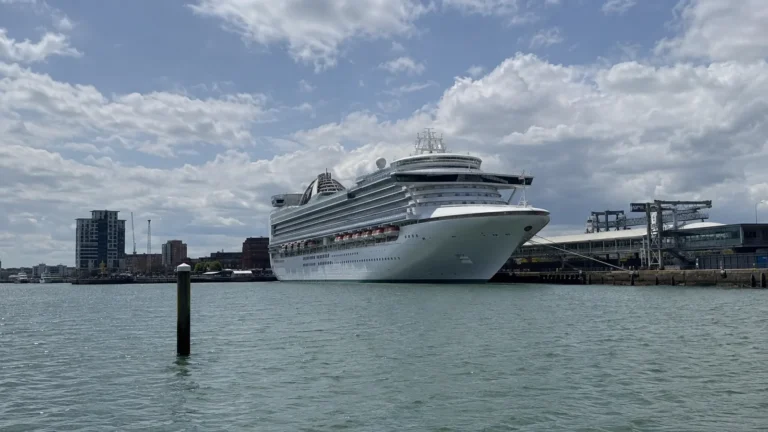
Pier 91 is at 2001 West Garfield Street in the Smith Cove area. The official Smith Cove page lists Carnival, Celebrity, Cunard, Holland America, MSC, Princess, Royal Caribbean, and Virgin Voyages among its homeport users.
Pier 91 is not in the core sightseeing district, and there is no light-rail station at the terminal. Plan a vehicle transfer even if your hotel looks geographically close, because busy roads, industrial approaches, and luggage make walking a poor default.
Traffic around terminal opening and closing periods can slow the last miles. Build buffer time, but do not arrive before your cruise line’s assigned check-in window and create more curbside congestion.
Which Alaska Routes Leave Seattle?
The most common option is a seven-night round trip with Southeast Alaska ports, a glacier-viewing day or scenic passage, and a Canadian call. Specific combinations change by ship and date, so compare line-by-line itineraries instead of shopping only by the words “Alaska cruise.”
Juneau, Ketchikan, and Skagway are common, but Sitka, Icy Strait Point, and Victoria appear in many combinations. Our Sitka cruise-day plan shows how the right port hours can be more valuable than another onboard perk.
Glacier Bay Routes
Glacier Bay itineraries appeal to travelers who want a national park day with ranger interpretation when available. Entry is regulated and limited, so a sailing that names Glacier Bay has a different promise from one that uses vague language such as “glacier viewing.”
Tracy Arm or Endicott Arm Routes
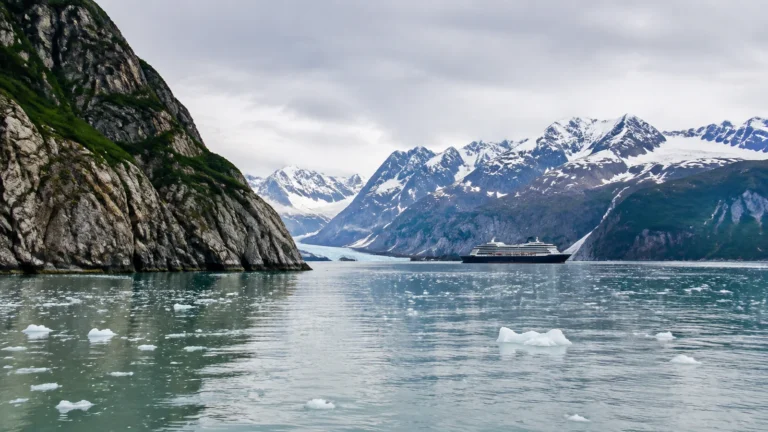
Some Seattle cruises target Tracy Arm and the Sawyer Glaciers or Endicott Arm and Dawes Glacier. Ice, weather, and operational conditions determine how far a ship or excursion vessel can safely travel, so close glacier views are never guaranteed.
A smaller excursion boat may offer a lower, closer perspective when the cruise line sells one, but capacity is limited and pricing can be substantial. Read whether it departs directly from the ship and where it rejoins before booking.
Longer Seattle Itineraries
Longer cruises may add more Alaska ports, a different glacier area, or destinations beyond the standard loop. Judge them by useful port time and route, not simply nights, because extra sea days do not automatically mean deeper Alaska access.
Seattle Versus Vancouver
Seattle is usually easier for U.S. domestic flights and round-trip convenience. Vancouver can offer routing east of Vancouver Island on some itineraries and has more one-way Alaska options, but it adds an international arrival or a border crossing for many U.S. travelers.
Seattle round trips may travel west of Vancouver Island, exposing the ship to more open water than protected Inside Passage segments. Motion-sensitive travelers should compare the mapped route, choose a lower midship cabin, and bring a clinician-approved motion plan.
Neither departure city wins universally. Price the flight, pre-cruise hotel, transfers, itinerary, glacier day, port hours, and cabin together.
When to Cruise From Seattle
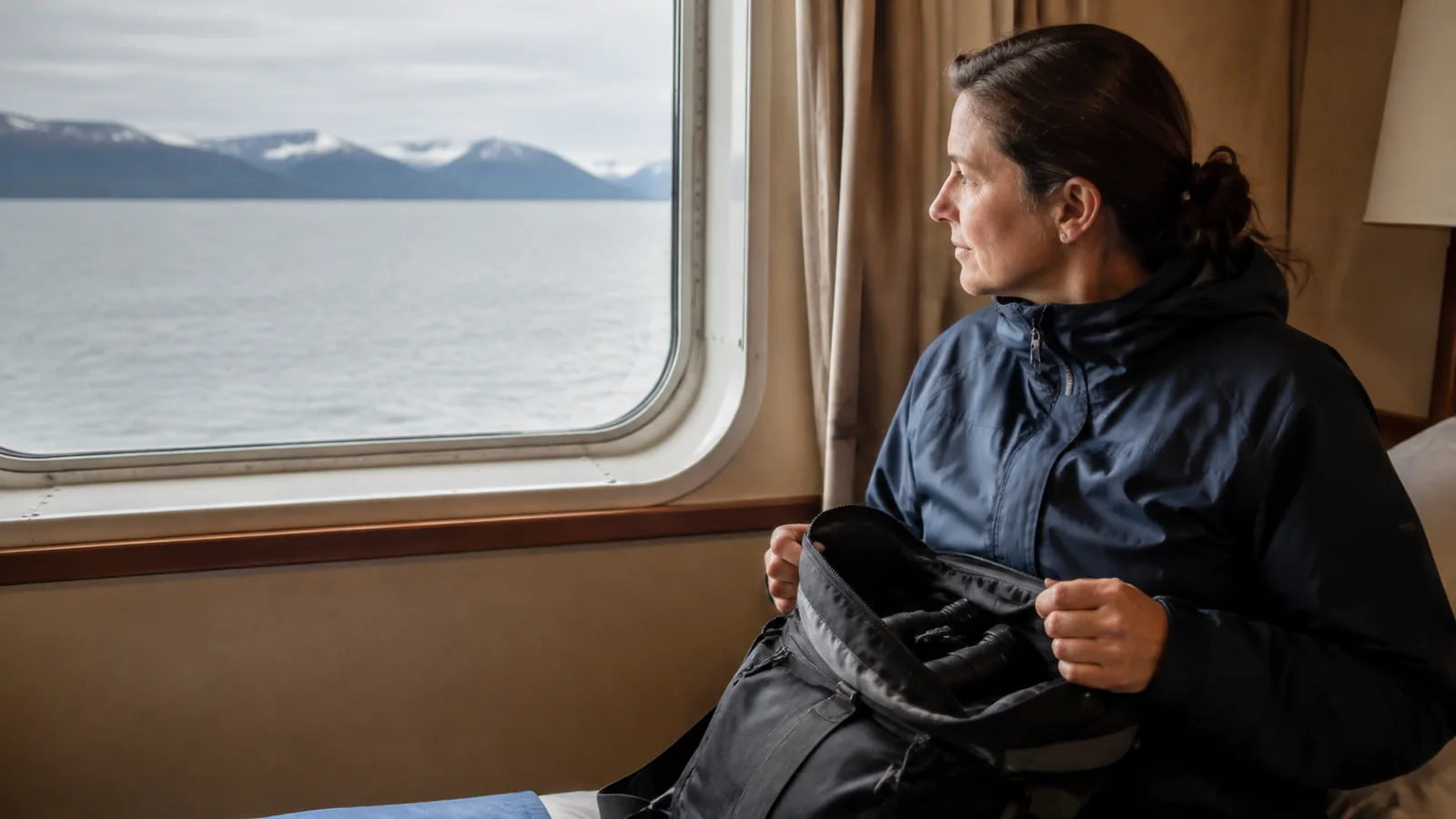
Seattle’s Alaska season generally runs from spring through early fall, with the most choice in summer. June gives exceptional daylight, July offers relatively mild temperature odds and peak demand, while late May and early September can offer value with more weather tradeoffs.
Our month-by-month Alaska cruise timing guide compares weather, daylight, wildlife, and crowds without pretending any week is guaranteed. Pick the route first and use the month as a tiebreaker.
Getting From SEA Airport to Downtown
Link light rail connects SeaTac/Airport Station with downtown Seattle. Sound Transit says trains typically depart every 8 to 10 minutes for most of the day, but riders should check current service alerts and schedules on the official airport transit page.
The station requires a walk from baggage claim through the parking garage connection. Light rail works beautifully with one rolling bag per person, but a car can be saner for mobility needs, young children, late arrivals, or a mountain of cruise luggage.
Light rail does not deliver you to either terminal door. From a downtown station, you may still need to walk or take a short vehicle ride to Pier 66, while Pier 91 requires a separate transfer.
How Early Should You Arrive?
Arrive at least one day before the cruise. Same-day flying leaves no cushion for cancellations, missed connections, baggage trouble, or the simple reality that ships will not wait for an independently booked flight.
Two nights are worthwhile if Seattle sightseeing matters or your flight crosses several time zones. A buffer day also gives checked bags time to catch up before you sail away from easy replacement shopping.
For the flight home, follow the cruise line’s published guidance and add margin. Disembarkation, customs, terminal traffic, the drive to SEA, bag drop, and airport security all sit between your cabin and the gate.
Where to Stay Before the Cruise
Downtown and Belltown
Downtown or Belltown is best for a first visit and especially convenient for Pier 66. You can walk to major attractions, eat without a car, and start vacation before embarkation morning.
For Pier 91, a downtown hotel is still a sensible base because the terminal area is not a vacation neighborhood. Budget for a morning vehicle transfer and confirm that your hotel can store luggage if the room is not ready.
Seattle Center
The Seattle Center area puts the Space Needle and museums nearby and can shorten the road trip to Pier 91. It is less convenient for Pike Place Market and Pier 66 than a true waterfront or Belltown stay, though transit and short rides bridge the difference.
Near SEA Airport
An airport hotel makes sense after a very late arrival, particularly if it offers a confirmed airport shuttle. It does not make sense to assume a complimentary airport shuttle will also travel roughly 15 to 20 miles north to the cruise terminals.
Ask exactly where and when any hotel shuttle runs, whether reservations are required, and whether luggage limits apply. Avoid publishing your plan around an old review because shuttle operations change.
Embarkation Morning Without the Stress
Attach cruise luggage tags after the flight, keep medicine and documents with you, and take a photo of every checked bag. Hand large luggage to authorized terminal porters only after confirming the ship name.
Use the cruise line’s assigned arrival window and complete app check-in before leaving the hotel. Screenshots or printed backups help if cellular service becomes crowded at the terminal.
Keep a waterproof layer accessible because Seattle can be damp even when Alaska’s forecast looks promising. The cruise essentials list can help separate true day-one needs from things safe to leave in checked baggage.
Documents and the Canada Stop
Most Seattle Alaska cruises include a Canadian port because of maritime itinerary requirements. That international call means travelers must check identification, visa, and admissibility rules for every nationality and personal circumstance, even if they plan to stay aboard.
A valid passport is the least complicated document for most travelers, particularly if an emergency forces an international flight. U.S. citizens considering another document should review current Customs and Border Protection guidance and confirm the cruise line’s requirements before payment.
Travelers with criminal records, mixed-nationality families, non-U.S. passports, permanent-resident cards, or unusual custody situations should get qualified guidance early. A cruise line can deny boarding when required documents are missing, regardless of what a social-media group advised.
Planning Your Alaska Port Days
Reserve one high-priority excursion early, then leave breathing room around it. Alaska ports can deliver whales, trails, history, Indigenous culture, food, and glaciers, but trying to stack three timed tours creates a fragile day.
Check whether the ship docks or tenders, the true all-aboard time, and whether an independent operator guarantees a port return. Weather can interrupt boats and aircraft, so keep a satisfying ground-based backup.

My Bottom Line
Seattle is one of the easiest ways to cruise Alaska, especially when a seven-night round trip and straightforward domestic flights fit your life. The smart version begins with the exact terminal, then builds a hotel and transfer plan around Pier 66 or Pier 91.
Arrive a day early, compare the named glacier destination and port hours, and carry the documents required for Canada. Those choices protect the trip far more than chasing the cheapest cabin on the first search screen.