Cruise Planner: A Free 90-Day System You Can Use Today
A useful cruise planner protects the details that can wreck a trip, then leaves the fun parts delightfully unscheduled. This one-page-at-a-time system covers documents, total cost, cabin choice, ports, reservations, packing, and embarkation without asking you to color-code breakfast or form an emotional attachment to a binder.
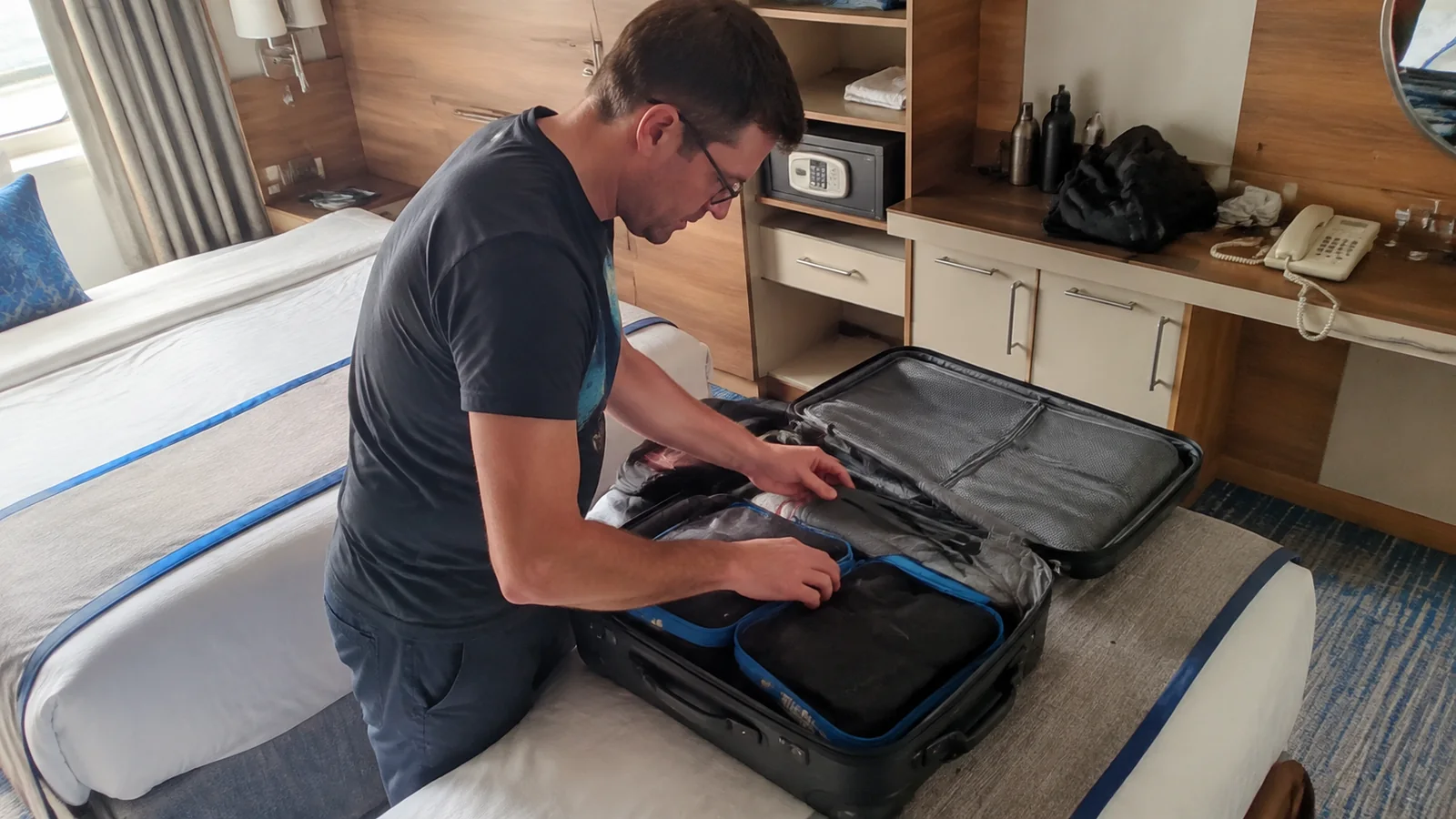
First, a note about the old printable
Copy these complete worksheets into a document, notes app, or spreadsheet, or print this page from your browser. I would keep one editable copy for changes and a printed copy of the final travel details in my carry-on.
The five-page cruise planner
Most travelers need five working sections: trip dashboard, documents, budget, port plans, and packing. Add dining, activities, medical needs, or group details only when they solve a real problem.
1. Trip dashboard
- Cruise line, ship, sailing dates, and booking number
- Embarkation port, terminal name, address, and arrival appointment
- Cabin number, category, deck, occupancy, and bed setup
- Final-payment date and cancellation milestones
- Flight, hotel, transfer, train, parking, and rental details
- Travel-advisor and cruise-line contact information
- Insurance provider, policy number, and assistance number
- Emergency contact at home
Keep this section short enough to scan during a mildly chaotic travel day. A booking number hidden inside 47 emails is technically stored, but it is not what anyone would call available.
2. Documents and health
- Passport number and expiration date
- Required visas, authorizations, and arrival forms for every destination
- Cruise check-in status and boarding documents
- Insurance details and claims instructions
- Prescription list, generic names, doses, and prescriber contact
- Accessibility, dietary, allergy, and medical requests
- Copies stored securely offline and with a trusted contact
3. Total-trip budget
- Cruise fare, taxes, fees, and required service charges
- Flights, baggage, hotel, transfers, parking, and ground transportation
- Travel insurance
- Drinks, Wi-Fi, specialty dining, spa, photos, and paid activities
- Shore excursions, port transportation, meals, and admission
- Pet care, home care, tips, souvenirs, and emergency reserve
4. One sheet for each port
- Scheduled arrival, ship’s all-aboard time, and departure
- Dock or tender operation
- Terminal and distance to the actual destination
- Ship time and local time
- Main plan and weather-proof backup
- Transportation method, tickets, and return buffer
- Operator name, meeting point, phone number, and cancellation terms
- Currency, data access, emergency contact, and required identification
5. Modular packing list
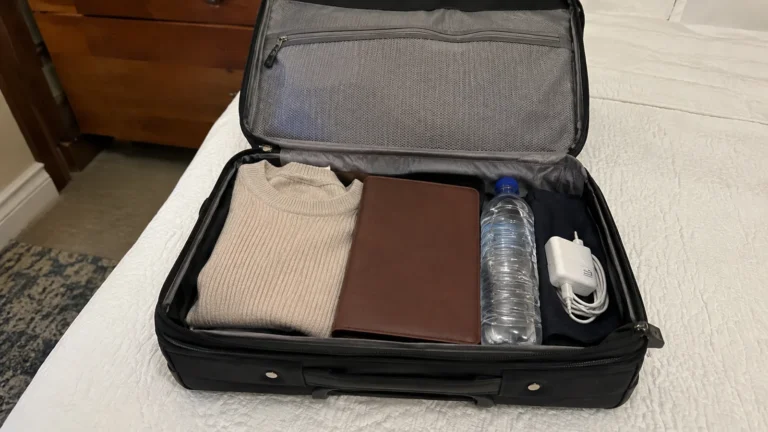
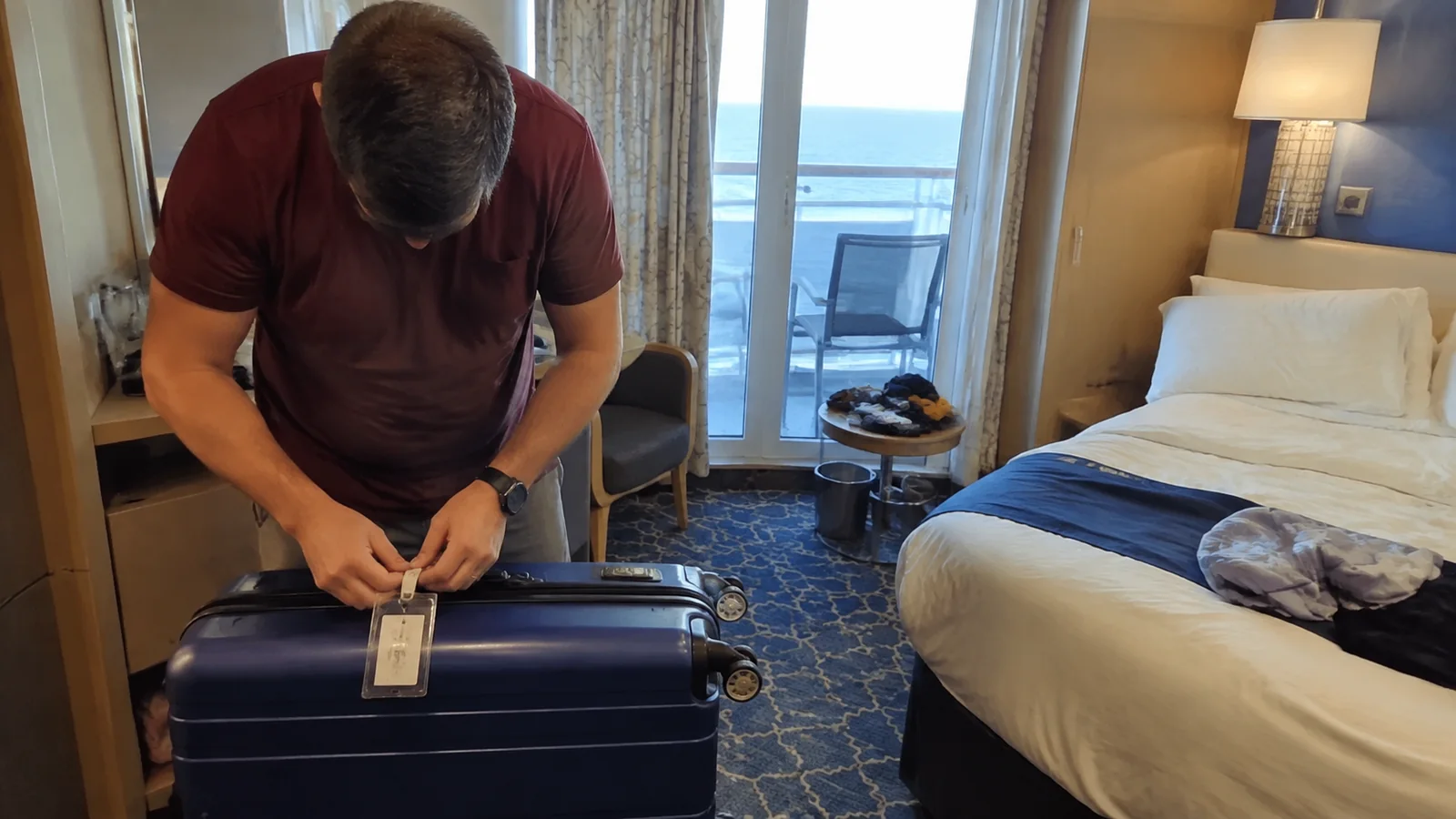
Start with documents, medication, electronics, toiletries, sleepwear, underwear, swimwear, walking shoes, and everyday layers. Then add climate, excursion, dining, theme-night, laundry, family, and accessibility modules from the cruise packing-list builder.
A modular list prevents Caribbean snorkel gear from quietly following you to Alaska and back. It also makes the next cruise easier because the core stays stable while the destination section changes.
The 90-day cruise planning timeline
Ninety days is a useful organizing frame, not a universal booking window. Cruise lines open check-in, dining, shows, and excursions on different schedules, so use the dates in your reservation as the controlling source.
At booking or more than 90 days out
- Confirm names exactly match travel documents.
- Review final-payment, deposit, change, and cancellation terms.
- Select the cabin using the decks above and below.
- Check passports, visas, transit rules, and destination advisories.
- Price flights and a pre-cruise hotel.
- Compare travel-insurance coverage and deadlines.
- Flag limited-capacity excursions and accessibility needs.
Cabin choice belongs early because good inventory can disappear before the ship sells out. Use the evidence checklist in cruise cabins to inspect before booking rather than trusting a category name alone.
About 60 days out
- Rank ports by priority.
- Book essential excursions and transport.
- Reserve dining, shows, child care, or activities when available.
- Compare beverage, Wi-Fi, and dining packages.
- Check prescription refill timing.
- Start the destination-specific packing modules.
Classify each port as must-book, simple DIY, or decide later. This prevents an expensive organized tour in every port merely because a row of cheerful buttons appeared in the cruise app.
About 30 days out
- Complete online check-in when the line opens it.
- Confirm flights, hotel, transfers, and terminal.
- Verify excursion meeting instructions and cancellation terms.
- Recheck entry forms, visas, and travel documents.
- Confirm dietary, accessibility, medical, and child-care requests.
- Review the cruise line’s current prohibited-items policy.
Do not copy a prohibited-items list from another cruise line or an old social post. Surge protectors, steamers, alcohol, drones, sports equipment, and other items can be handled differently by brand and destination.
Fourteen days out
- Check broad weather trends and port alerts.
- Download cruise, airline, map, and translation tools.
- Save bookings and insurance documents offline.
- Finalize medication and packing.
- Arrange pets, mail, plants, and home care.
- Confirm airport parking, rides, or train tickets.
Two weeks is close enough for sensible packing adjustments but still too early to panic over one rain icon. Make final clothing choices during the last several days, with layers and a backup plan for weather-sensitive ports.
Seven days out
- Print or save boarding documents and luggage tags.
- Charge devices and power banks.
- Separate medication and travel-day essentials.
- Verify baggage limits for every airline.
- Check itinerary notices and the exact terminal address.
- Review the first 24 hours from home to cabin.

Documents: plan for the itinerary, not the slogan
Passport and visa requirements depend on citizenship, embarkation country, every port, and whether the voyage returns to the same place. Closed-loop rules can allow certain U.S. citizens to use alternative documents in limited circumstances, but they do not erase foreign-country or cruise-line requirements.
The U.S. Department of State’s cruise passenger guidance recommends a passport book even when it is not required because an emergency flight home cannot use a passport card. It also advises checking visa rules for all stops, including places where a traveler does not plan to disembark.
Write expiration dates in the planner and recheck official country pages before final payment and again before travel. A cruise-line check-in system is helpful, but it is not a substitute for understanding your own eligibility.
Health and medication planning
Review routine vaccination and destination-specific advice several weeks before travel, especially for itineraries crossing multiple countries. The CDC’s cruise travel page directs travelers to individual destination pages for relevant vaccines, medicines, and health risks.
Carry enough prescription medication for the trip plus a reasonable delay margin, usually in original labeled packaging. The CDC’s traveling with medicine guidance notes that destination rules can require a prescription or medical certificate and can restrict substances legal at home.
Put essential medication in the personal item or carry-on, never solely in checked luggage. Record the generic name, dose, prescriber, and insurer contact without leaving sensitive health details loose on a cabin desk.
Build a budget that survives checkout
Compare the full vacation total, not only the advertised fare. A cheaper sailing can lose its advantage after airfare, hotel, transfers, gratuities, drinks, Wi-Fi, dining, excursions, and parking join the party.
Label each cost as per person, per cabin, per day, per package, or one time. That single habit prevents a daily service charge or double-occupancy fare from being multiplied incorrectly.
Keep three columns: estimated, paid, and remaining. Add a cancellation deadline beside every major payment so the planner tracks risk as well as spending.
For more ways to pressure-test packages and onboard purchases, use these cruise money-saving strategies. A discount is only useful when it applies to something you intended to buy.
Choose shore excursions with a return plan
A ship excursion can make sense for a tender port, long transfer, border crossing, remote activity, or day with very little margin. Independent tours and DIY plans can provide smaller groups, flexibility, or better value when transport is simple and the return risk is low.
Write the ship’s all-aboard time in large type because it is earlier than departure. Then create a personal return target that accounts for traffic, ferries, weather, wrong turns, and the special creativity of unfamiliar bus systems.
Before paying, record the operator, meeting point, duration, physical demands, included items, cancellation policy, and emergency number. For a tender port, confirm whether an independent guest can reserve an early tender or must wait for cruise-line groups.
Plan packages and reservations by actual use
For a drink package, calculate the current daily cost, mandatory gratuity, port taxes where applicable, package rules, included drinks, and realistic consumption. Compare the total with paying individually rather than a stranger’s heroic beverage spreadsheet.
For Wi-Fi, decide whether you need messaging, browsing, video calls, streaming, or work access, then check device limits and sharing rules. Port-day cellular service and offline downloads may reduce the amount of shipboard connectivity you need.
Reserve dining and entertainment only when capacity is genuinely limited or timing matters. Keep one morning, afternoon, and evening anchor on sea days, leaving the rest open for activities discovered on board.
Group and family cruise planning
Assign one shared record for booking numbers, cabin locations, dining, excursions, and payment status without exposing passport or card data to the whole group. Each household should still control its own documents, medication, insurance, and private information.
Agree on the handful of decisions that require consensus, then allow separate plans in port or at sea. A family cruise becomes far more relaxing once nobody expects 14 people to desire lunch simultaneously.
For a first sailing, these first-time cruise priorities explain what needs advance action and what can wait. Families should also confirm youth-program ages, registration, hours, capacity, and pickup permissions for the exact ship.
Embarkation-day planner
Write the terminal, arrival appointment, transfer, luggage process, and required documents on one small page. Keep passports, boarding documents, medication, valuables, chargers, one change of clothes, and immediate swim or child-care items with you.
- Complete the required safety process.
- Confirm dining and excursion reservations.
- Check the cabin and report problems promptly.
- Locate guest services, medical center, dining room, buffet, and muster station.
- Put the phone on ship time and review the daily schedule.
- Unpack, eat, and enjoy sailaway.
Embarkation is not a competition to visit every venue before the luggage arrives. Learn two or three useful routes and let the ship reveal itself over the next few days.
What to record after the cruise
- Final spending by category
- Cabin noise, view, storage, and location
- Excursions worth repeating or skipping
- Favorite dining and entertainment
- Items forgotten, overpacked, or never used
- Transfer and port-timing lessons
These notes turn a generic planner into your planner. If dress shoes return untouched for the third voyage, they have filed a persuasive appeal to remain home.
Start with the five core sections and add only the pages your sailing needs. The best cruise planner handles money, documents, timing, and logistics quietly, then gets out of the way so the vacation can feel like one.