What to Pack in a Cruise Carry-On: My First-Day Checklist
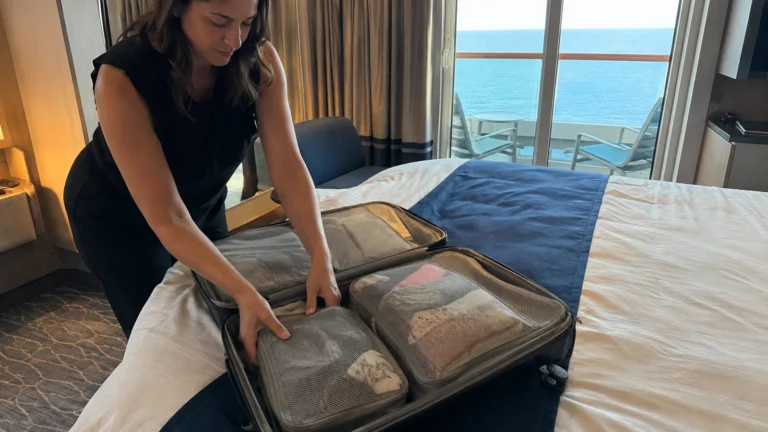
Pack your cruise carry-on for the time between leaving the hotel and receiving your checked luggage, with enough essentials to get through the first evening. I would keep travel documents, medication, valuables, and necessary medical supplies with me, then add a small set of clothes and toiletries.
The best bag is one you can comfortably manage through security, lunch, muster, and any wait for your cabin.
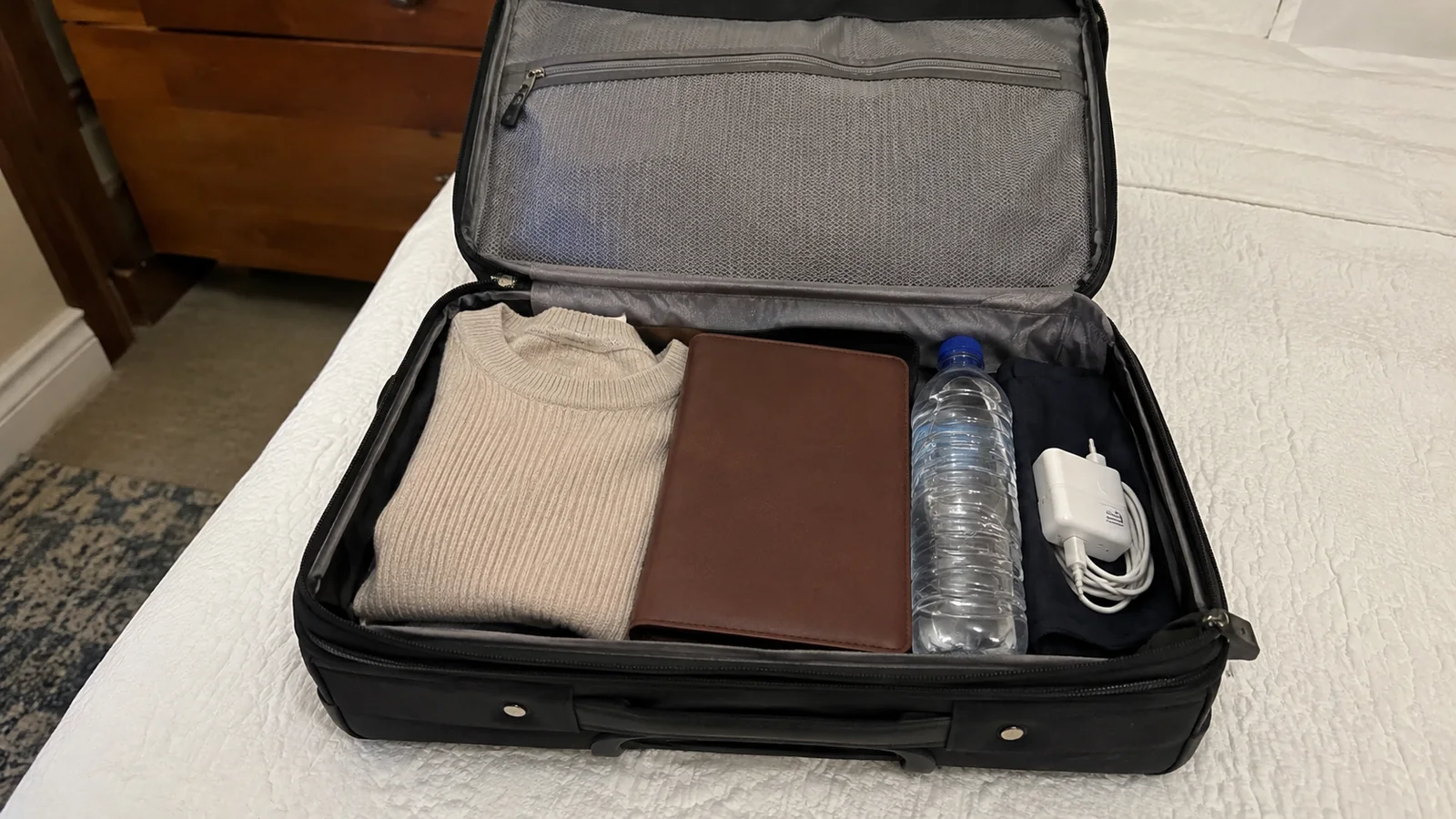
My essential cruise carry-on checklist
- Original travel documents and boarding information.
- Prescription medication and necessary medical supplies.
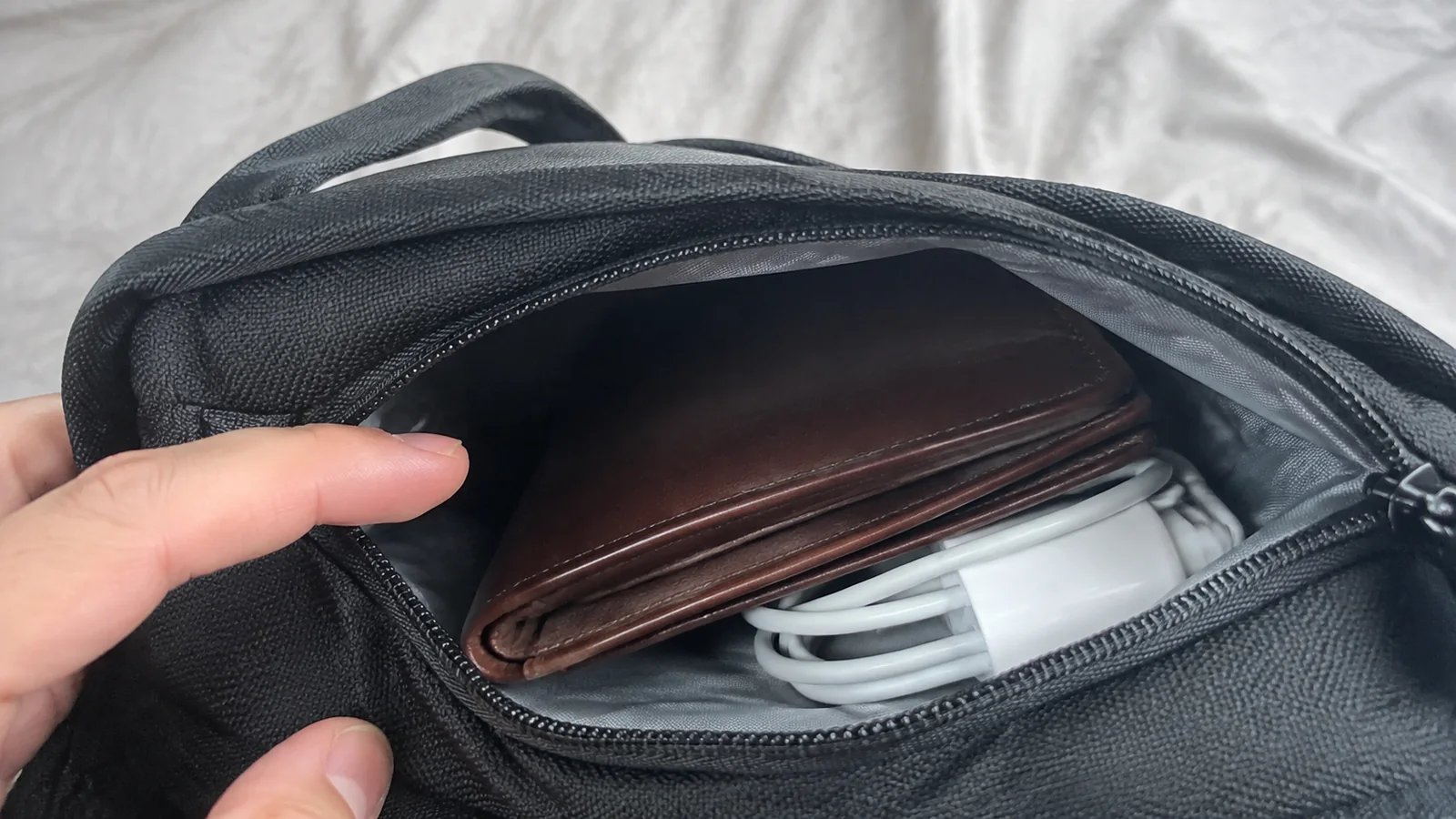
- Phone, essential electronics, charging cables, and a permitted charger.
- Wallet, keys, jewelry, and other valuables.
- A change of clothes and underwear.
- Small toiletries and weather protection.
- Family-specific supplies such as diapers, formula, or a familiar comfort item.
- A swimsuit if you genuinely plan to swim before the suitcase arrives.
I would add to this list for an actual need, not every hypothetical inconvenience. A heavy bag is a nuisance you will definitely experience, while many extra gadgets may never be used.
Documents belong in the most accessible secure pocket
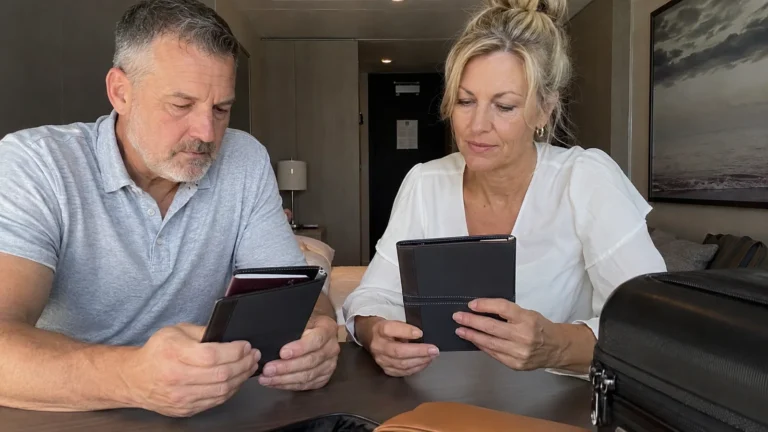
Keep the required physical travel documents where you can reach them without unpacking clothing. Staff may need to inspect them at more than one point before you board.
Save the boarding pass or cruise documents in a supported offline format. I would also keep the booking number, terminal instructions, and travel-day contact details somewhere that does not require an internet connection.
A photo of a passport can help if something is lost, but it is not a replacement for the original document required to board. Keep digital copies separate from the originals rather than treating the phone as the entire document plan.
For Americans, the State Department’s cruise guidance explains why carrying a passport book is useful even on some sailings that permit alternatives. I would check the actual itinerary requirements before deciding what goes in the document pouch.
Medication is more important than a spare outfit
Carry the medication and supplies you need for the trip instead of placing them in a checked suitcase. Keep labels and prescription information available in a form that helps explain the items if staff ask.
Plan the quantity and any extra supply with your clinician or pharmacist when needed. I would not assume the onboard medical center can replace the exact medication, formulation, or device you use at home.
Temperature-sensitive medication needs a travel plan before you reach the port. Ask the cruise line about approved handling and storage, and follow the medication’s own storage instructions.
A cabin minibar or drink cooler should not be assumed suitable for every prescription. If reliable temperature control matters, get a specific answer about the arrangement rather than relying on the word refrigerator in a room description.
Keep essential medical equipment with you and complete any advance accessibility process. Royal Caribbean’s accessible-cruising information is one official starting point, but the requests should go to the line you booked.

Choose a bag you can live with for several hours
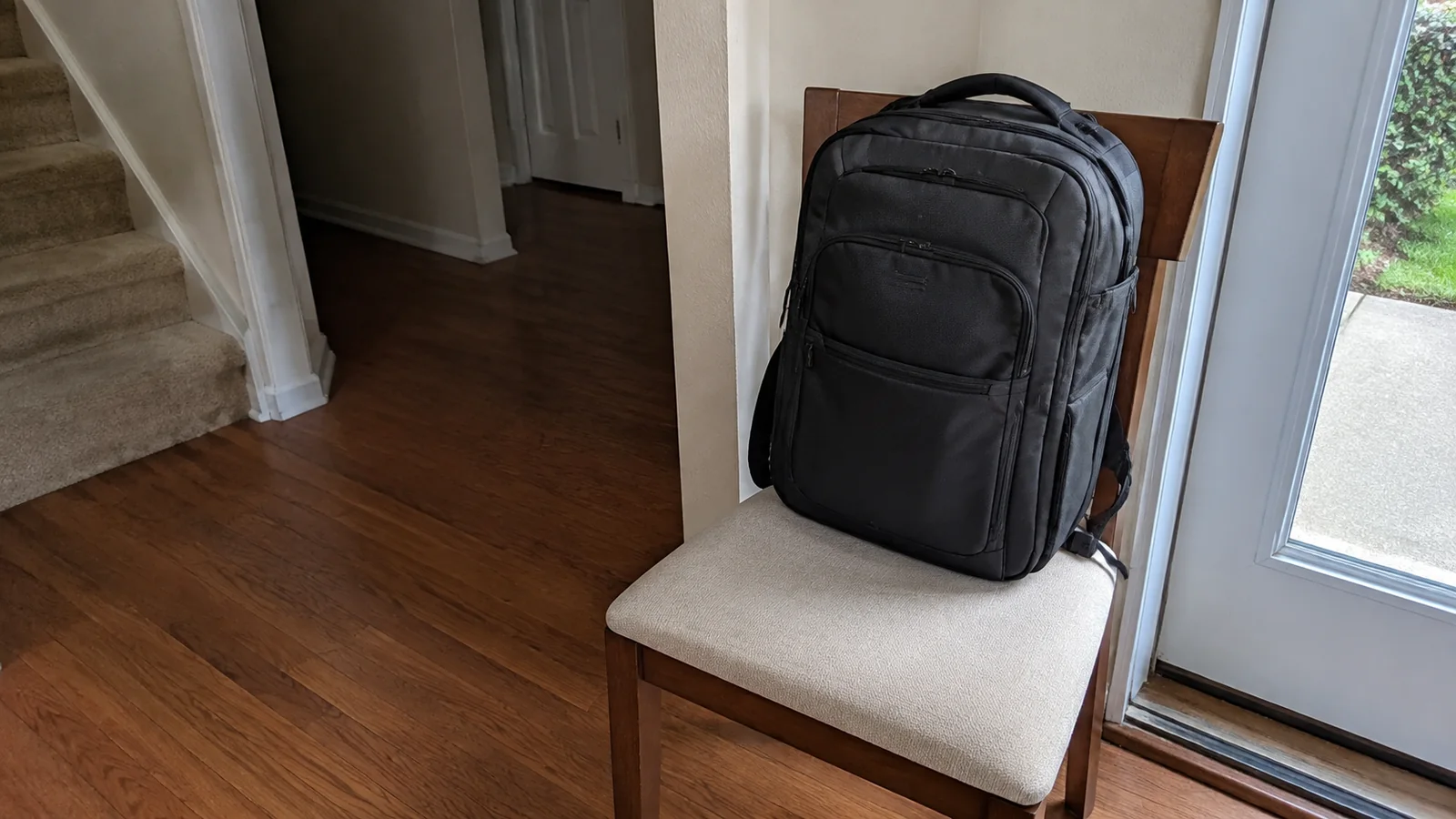
A small backpack, soft overnight bag, or manageable rolling carry-on can work. I would choose according to how far I can comfortably carry it and whether I need both hands free.
A backpack is useful when managing a child or using handrails, but it should not be overloaded. A roller saves shoulder strain on smooth floors but becomes less convenient on stairs or in a packed restaurant.
Check the cruise line’s carry-on rules and the terminal’s screening requirements. Royal Caribbean notes that carry-on bags must fit the port’s X-ray equipment and that staterooms may not be immediately available.
Measure a bag you plan to carry yourself if the line specifies dimensions. Do not assume a suitcase is acceptable simply because an airline once let it into the cabin.
Pack one clothing change that solves a real problem
I would include clean underwear and an outfit suitable for a relaxed first evening. Choose something that also works if a drink spills or your travel clothes become uncomfortable.
If dinner has a dress requirement, look at the actual venue’s guidance before deciding what to carry. You do not need a second full wardrobe, but you may want an easy change that works outside the pool area.
A light layer helps in a cool terminal or air-conditioned lounge. For cold-weather departures, keep the outerwear you need for sail-away accessible instead of burying it in a suitcase.
Pack shoes only if they solve a clear first-day need. An extra pair can take more room than the clothing change, so I would usually board wearing the most practical option.
My cruise packing tips can help coordinate the carry-on with the checked bag. The goal is a useful backup outfit, not duplicating everything you packed.
A swimsuit is optional, not an embarkation requirement
Bring swimwear in the carry-on if an early pool visit is part of your plan. Add the small items needed to make that realistic, such as sunscreen and appropriate footwear.
Check the ship’s pool rules and operating schedule before promising children immediate swim time. Weather, cleaning, safety briefings, and facility restrictions can interrupt the plan.
Think about where you will change while cabins are closed. I would not plan an elaborate pool afternoon if the bag then becomes a pile of wet clothing and valuables with nowhere secure to put it.
For a first cruise, lunch and a short walk around the ship may be the more comfortable choice. You can leave the swim gear in the suitcase if there is no reason to use it before room access.
Keep the electronics list short
Carry the devices you would not want checked, plus the cables needed to use them. A phone charger is only useful if the correct cable is actually in the bag.
Charge everything before leaving the hotel. I would not count on finding a convenient public outlet during terminal waiting or lunch.
A permitted power bank can be useful, but verify the cruise line’s current restrictions as well as any airline rules that apply to your flight. A device accepted by one carrier is not proof that every part of the journey accepts it.
Leave household surge protectors and questionable outlet devices out of the bag unless the line specifically permits the exact item. A retailer’s cruise-approved description is not the ship’s policy.
I would pack one compact, permitted charging setup rather than several alternatives. The often-forgotten cruise items list is helpful for cables and adapters that are easy to overlook.
Toiletries: enough for comfort, not the whole bathroom
Choose the toiletries you would actually use before the suitcase arrives. A toothbrush, toothpaste, deodorant, and any essential personal-care item are a sensible starting point.
Keep items that might leak in a separate pouch. I would rather deal with a small sealed bag than discover sunscreen all over the boarding documents.
Airline carry-on liquid limits still matter if you are flying with the same bag. Cruise screening is a different system, so check both sets of rules rather than assuming they are identical.
For a drive-to-port trip, the lack of an airline liquid limit does not mean every liquid is permitted onboard. Beverage, medical, and prohibited-item policies still need their own check.
Families need a bag that covers delays
Pack enough diapers, wipes, feeding supplies, and spare clothing for the first afternoon and evening. Add a familiar comfort item that will help if lunch or cabin access runs late.
Keep supplies spread sensibly across the adults who will remain with the child. I would avoid making one bag the only place that contains everything the child needs if the group may split during check-in.
Check the line’s baby-food, formula, and water policies in advance. A feeding need deserves a confirmed plan, especially when preparing or storing a particular product is part of the routine.
My family cruise guide helps compare ships by age and youth facilities. On embarkation day, however, I would prioritize the child’s ordinary needs over racing to see every activity.
Bring a small quiet activity for waiting. A book, simple toy, or downloaded entertainment can be more useful than a large collection that children cannot easily carry themselves.
Food and drinks require a separate policy check
Pack only food and beverages the cruise line permits, in the required packaging and quantity. Keep them accessible if staff need to inspect the labels.
Do not assume a water allowance is per person when the rule says per stateroom. Do not put permitted carry-on beverages into checked luggage because the bag has become heavy.
A reusable bottle can be practical if carried empty where required and filled from an appropriate onboard source. Follow posted hygiene instructions rather than placing a personal bottle directly against a shared dispenser.
I would pack a few suitable snacks for a specific need, not enough groceries to replace the ship’s meals. A heavy drink supply can use up the space meant for medication and spare clothes.
What I would leave in the checked suitcase
Most everyday clothes, extra shoes, and nonessential toiletries can wait for delivery. Keep fragile or valuable exceptions with you.
Decorations and organizational gadgets do not need to be in the first-day bag. You can set up the cabin after the luggage arrives, using my practical cabin organization ideas if you want a simple system.
I would also leave spare pool towels at home unless there is a specific reason to bring them. Check what the ship supplies before using valuable carry-on space for a bulky duplicate.
Test the bag before travel day
Pack it fully and walk with it for a few minutes. Try reaching the documents without putting everything on the floor.
If you are managing a stroller, mobility aid, or several children’s bags, test that arrangement too. A bag that feels fine alone may be awkward when you need to control other equipment.
Make the final transfer of essentials before giving checked luggage to a porter. Once the suitcases are handed over, retrieving a forgotten item may not be straightforward.
Do I need enough clothes for the whole cruise?
Not usually. I would carry the valuables and essential supplies for the trip, plus a practical clothing backup for delayed baggage.
Can I drop the carry-on in my cabin immediately?
Only when the ship explicitly permits access or baggage drop-off. Plan to keep control of it while cabins are still being prepared.
Should each person carry a separate bag?
Choose what the group can manage comfortably. One well-organized shared bag may work for a couple, while a family may need separate medical, child, or valuable-item supplies.
The carry-on I would actually take
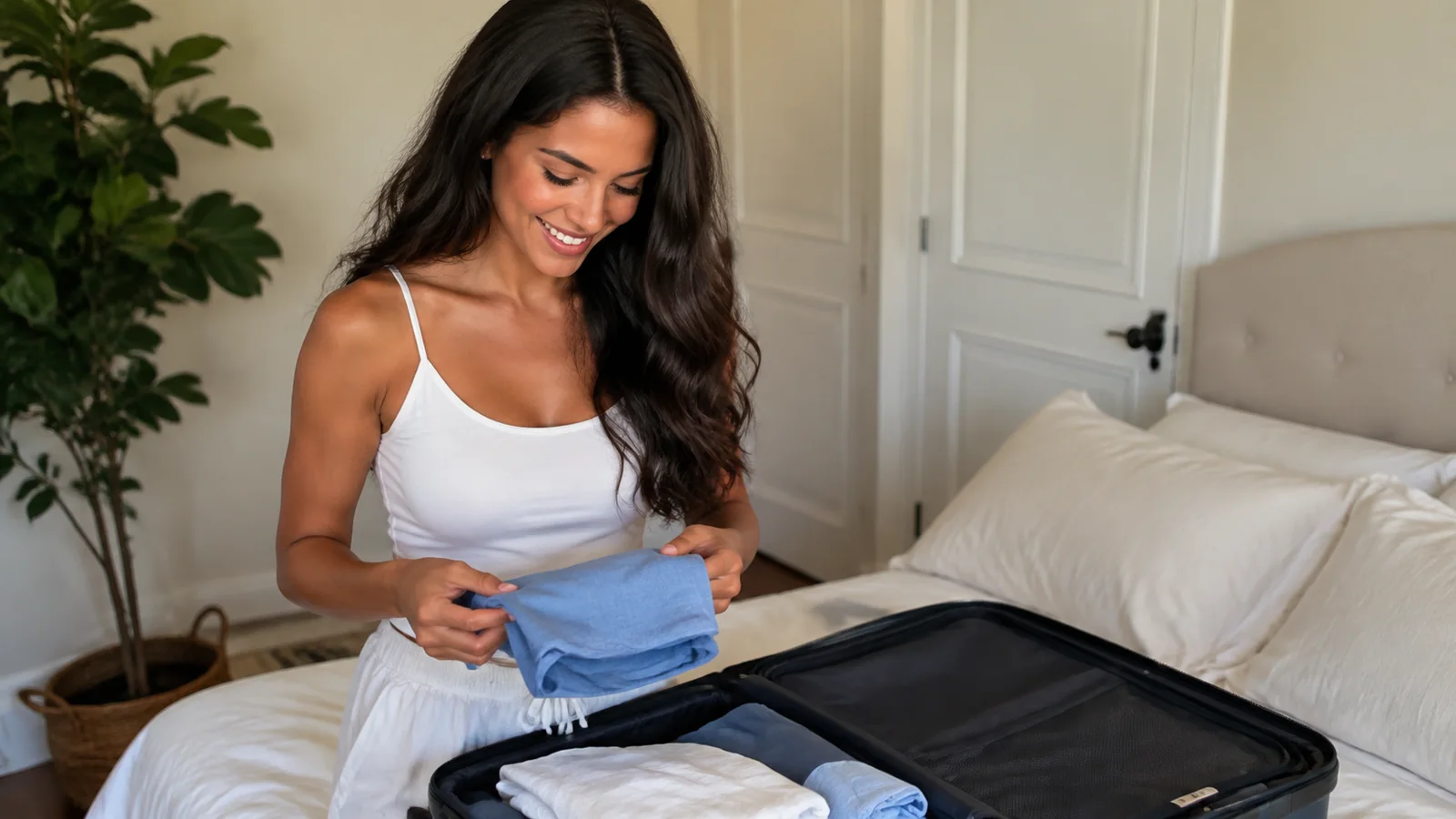
I would carry a small bag that protects the items I cannot replace and covers the first evening without the suitcase. Once those needs are met, I would stop adding things and keep the first afternoon easy to move through.