Medellín Travel Guide: 4-Day Plan and Safety Tips
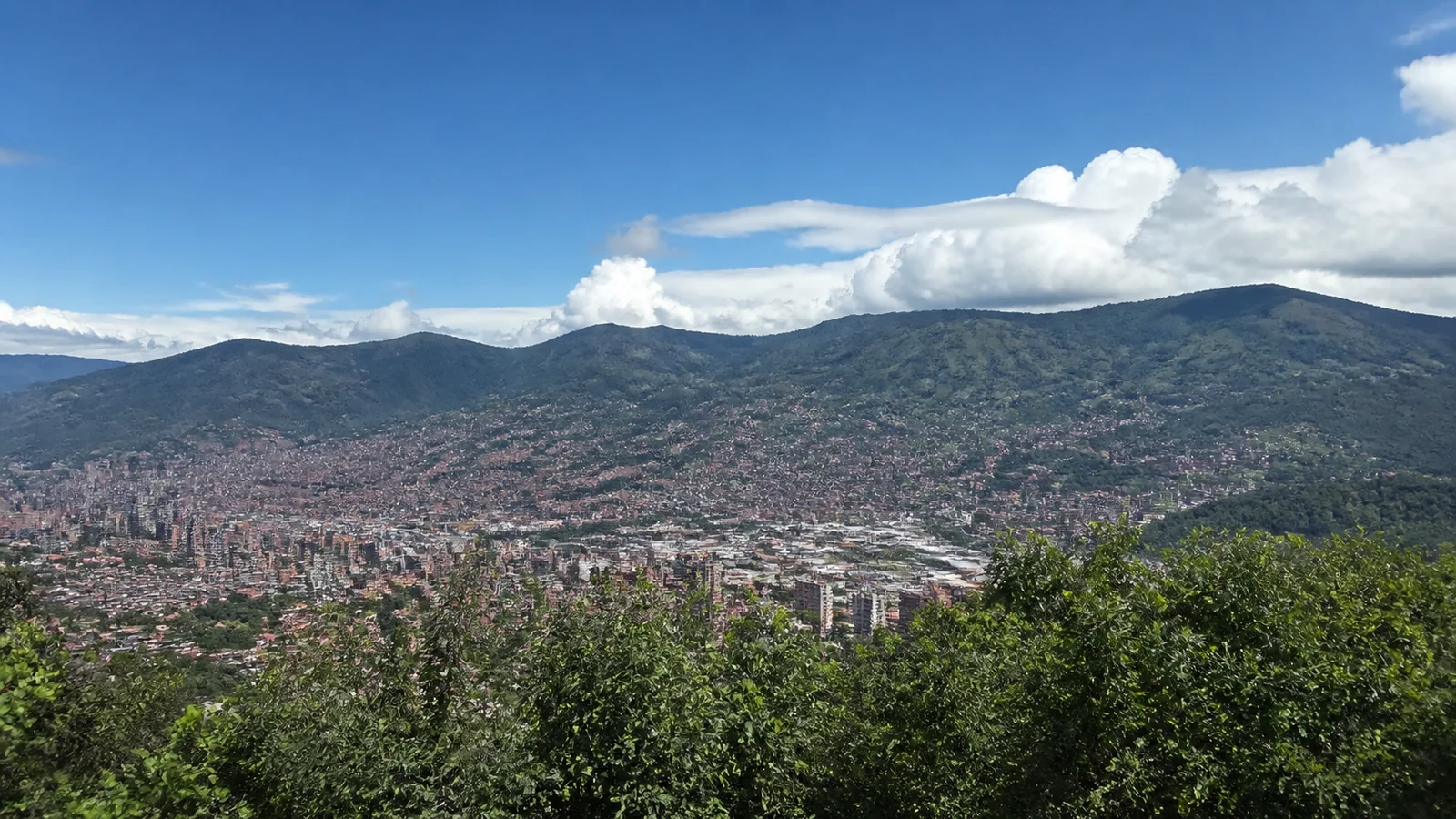
Medellín makes more sense as valley neighborhoods than a landmark checklist. Four days can pair history with public art, green space, cable-car views, leisurely meals, and one evening out.
This first-visit plan starts with a necessary reality check. Colombia currently carries a U.S. Level 3 travel advisory, so smart planning matters.
Medellín at a Glance
- Best first-trip length: Four full days, plus arrival and departure time
- Best base for restaurants and nightlife: El Poblado
- Best base for a more residential feel: Laureles
- Best way to understand Comuna 13: With a responsible local guide
- Best nature break: Parque Arví on a clear operating day
- Biggest mistake: Treating improved tourism infrastructure as permission to stop paying attention
Is Medellín Safe Enough for Your Trip?
The current U.S. State Department advisory for Colombia says to reconsider travel because of crime, terrorism, civil unrest, kidnapping, and natural-disaster risk. Medellín is not named among the advisory’s Level 4 areas, but that does not make the city risk-free.
Use arranged transportation after dark, keep your phone out of sight when you are not actively using it, and avoid carrying every card and document together. If someone demands property, the official advice is not to resist.
Dating-app crime deserves unusually direct wording here. U.S. citizens in Colombia have been drugged, robbed, and killed by criminals posing as dates, so meet only in public, tell someone your plan, control your own drink, and leave if anything feels manipulated.
Demonstrations can interrupt roads and transit with little warning, while heavy rain can trigger landslides in mountainous areas. Check local conditions during the trip instead of assuming yesterday’s route will run normally today.
Where to Stay in Medellín
El Poblado for the Easiest First Visit
El Poblado has the deepest concentration of visitor-oriented hotels, restaurants, cafes, bars, and English-speaking services. It is convenient, polished, and often pricier than other parts of the city, especially around Provenza and Parque Lleras.
Stay closer to a metro station if you plan to use the system daily, because the neighborhood’s steep streets make a short map distance feel longer. Light sleepers should avoid a room directly over a nightlife corridor.
Laureles for Cafes and a Neighborhood Rhythm
Laureles is my stronger fit for travelers who prefer leafy streets, neighborhood restaurants, and less of an international party bubble. The tradeoff is that many addresses require a bus, taxi, or longer walk to reach the metro.
Carrera 70 and the stadium area can be lively on game nights and weekends, so “Laureles” alone does not guarantee quiet. Confirm the exact block before booking.
Centro for Access, Not a Default Recommendation
Centro puts major museums and civic landmarks close by, but its street conditions can change sharply by block and time of day. Most first-time visitors will be more comfortable visiting in daylight and sleeping elsewhere.
The official Medellín visitor FAQ identifies El Poblado, the city center, and the Laureles-Estadio area among common lodging zones. That is useful orientation, not a substitute for checking the recent reviews and exact location of one hotel.
A Four-Day Medellín Itinerary

Day 1: Plaza Botero and Central Medellín
Begin around Parque Berrío and Plaza Botero in the morning, when you have plenty of daylight and energy to stay aware. The plaza’s monumental Botero sculptures are outside, while the neighboring museum supplies the context that a quick photo cannot.
Give the Museo de Antioquia at least two hours for Fernando Botero’s work and broader Antioquian and Colombian collections. Check its current schedule and gallery rules before setting out, since special exhibitions and closures can change the visit.
See the patterned facade of the Palacio de la Cultura Rafael Uribe Uribe, then decide whether you want a guided center walk or a direct ride to lunch. This is not the day to drift into empty side streets while following a map on your phone.
Spend late afternoon at Pueblito Paisa only if a hilltop city view and a compact, deliberately recreated Antioquian village appeal to you. It is touristy, but that is a fair trade for an easy overlook rather than an undiscovered local secret.
Day 2: Comuna 13 With Context
Comuna 13 should be approached as a living community, not a before-and-after spectacle. Book a small local tour that explains displacement, violence, organizing, public investment, music, murals, and the residents still shaping the neighborhood.
The city’s official Comuna 13 page highlights the Graffitour, outdoor escalators, murals, and Las Independencias viewpoint. Those features help visitors navigate steep slopes, but they do not turn every street in the wider district into a tourist route.
Ask before photographing residents, do not pose with imagery you do not understand, and spend some money with neighborhood-run guides, food stands, and artists. A respectful visit leaves room for joy without flattening the area’s history into a redemption slogan.
San Javier is the logical transit gateway on Metro Line B. Meet your guide at an exact, agreed location rather than wandering uphill while trying to interpret directions.
Keep the rest of the afternoon loose, because heat, crowds, rain, and steep walking can drain more energy than expected. Dinner in Laureles makes a comfortable contrast to the daytime route.
Day 3: Parque Arví by Metro and Cable Car
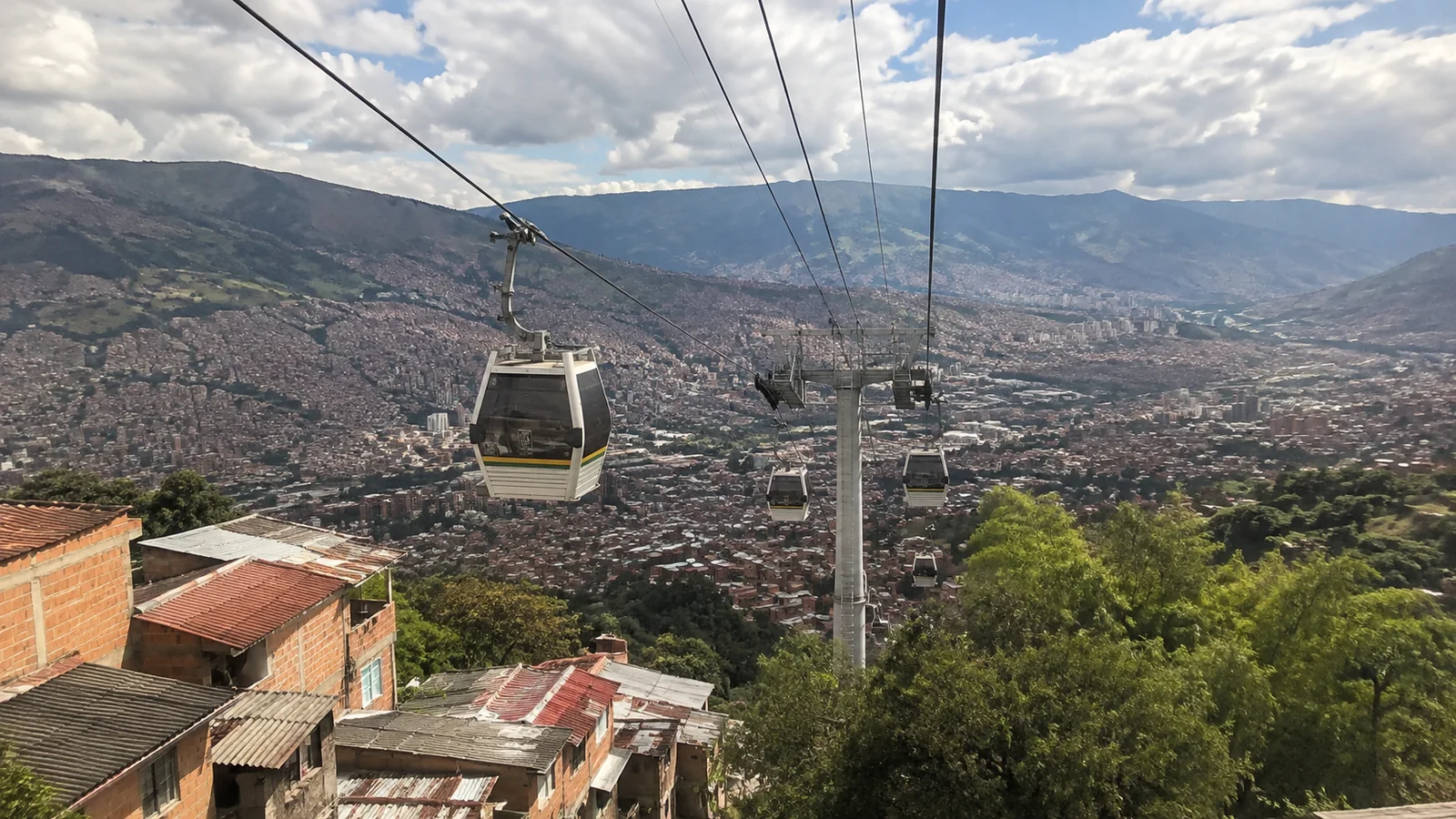
Ride Metro Line A to Acevedo, connect to Metrocable Line K for Santo Domingo, and then take the separate Line L toward Arví when it is operating. This is transportation with remarkable valley views, not a private sightseeing gondola.
Line L has its own schedule and may stop sales when capacity is reached, so verify service before leaving your hotel. The official Metro Line L page is the right place to check current operating information.
At Parque Arví, choose an authorized guided walk or a clearly open visitor route rather than assuming every forest path is available for independent hiking. Bring a light rain layer, water, sunscreen, and a warmer layer because the highlands can feel cooler than the valley floor.
Leave enough time for the final cable-car service, including a buffer for lines and weather. If Line L is not running, swap this day with another rather than forcing an expensive improvised route to a partly closed park.
Day 4: Gardens, Memory, and Your Kind of Evening
Start at the Medellín Botanical Garden near Universidad station for palms, tropical collections, ponds, and a slower morning. Pair it with Parque Explora only if science exhibits or an aquarium genuinely interest you, since both deserve more than a rushed lap.
Then choose Museo Casa de la Memoria for difficult but important context on armed conflict and victims, or give that time to a coffee experience led by a credible local producer. The museum choice makes this itinerary more emotionally complete, while coffee creates a lighter final afternoon.
For the evening, Provenza suits polished restaurants and a high-energy social scene, while Laureles offers a broader neighborhood spread. Solo travelers should arrange the ride home before drinking, and nobody should turn a casual app match into a private first meeting.
How to Get Around Without Wasting Time
Medellín’s integrated system includes trains, cable cars, trams, and buses, with Line A running north to south and Line B reaching San Javier. A reloadable Cívica card can simplify repeated rides, but ask at the station which visitor option is currently available.
Build extra time into transfers because a route can look direct while still involving long station walks, queues, or a cable connection. Rush-hour cars also make luggage and daypacks more awkward.
The U.S. advisory prohibits its government employees from hailing taxis on the street and from using public transportation in Colombia. That is an employee restriction rather than a universal tourist ban, but it underscores the value of hotel-arranged rides, verified apps, matched plates, and sensible routing.
José María Córdova International Airport is in Rionegro, outside Medellín’s urban core. Airport traffic can make the transfer much slower than its mileage suggests, so do not book a tight tour or dinner immediately after landing.
What to Eat and How to Order Well
Bandeja paisa is a generous combination rather than a light sampler, commonly bringing beans, rice, meat, egg, plantain, avocado, and arepa onto one plate. Share one or order a smaller variation if you still want room to explore.
Look for arepas, empanadas, buñuelos, fresh fruit, and regional soups alongside contemporary Colombian cooking. A menu packed only with foreign comfort food is convenient, but it will not tell you much about Antioquia.
Coffee quality varies even in Colombia, because origin alone does not guarantee careful roasting and brewing. A focused cafe or farm visit is more informative than buying the most decorative bag at the airport.
Weather and What to Pack
“City of Eternal Spring” is a pleasant nickname, not a promise of dry afternoons. Pack breathable clothing, walking shoes with grip, a compact rain jacket, sun protection, and one light layer for air-conditioned interiors and higher elevations.
Rain can arrive quickly, and steep pavement becomes less forgiving when wet. A crossbody bag that closes securely is more useful than an open tote, while flashy jewelry creates risk without adding anything to the trip.
If you are still building your practical kit, this travel essentials checklist helps separate genuinely useful items from suitcase clutter. Keep medications in original packaging and verify Colombia’s rules for anything controlled.
How Much Should You Budget?
Medellín can be good value, but an inexpensive restaurant bill does not make the whole trip cheap. Flights, a well-located hotel, airport transfers, responsible local tours, nightlife rides, insurance, and card fees all belong in the real total.
Budget travelers can save by staying near transit, eating a menu del día at lunch, and choosing museums, gardens, and neighborhood walks over packaged excursions. The regional comparisons in these lower-cost South American destinations are useful inspiration, but live prices should settle your current budget.
Do not choose the cheapest room without mapping the block and the late-night route back. Paying a little more for location can reduce ride costs and remove several unnecessary decisions after dark.
Should You Add Guatapé?
Guatapé is the classic day trip for colorful streets, reservoir views, and the steep staircase at El Peñol. It is a long outing, and the climb is not an essential test you must pass to enjoy the town.
Add it if you have a fifth day or prefer scenery to another Medellín museum. With only four days, I would keep the city plan intact unless Guatapé is one of your main reasons for coming to Antioquia.
Travelers pairing regions should remember that Cartagena offers a completely different Caribbean climate and colonial core. These Cartagena landmarks and planning ideas make the contrast clear before you divide your nights.
Who Will Love Medellín, and Who May Not?
Medellín is a strong choice for curious city travelers who enjoy public transit, contemporary urban stories, neighborhood food, street art, and mountain scenery. It works best when you are willing to plan your movements instead of improvising every night.
It is a weaker fit for anyone wanting a carefree beach vacation, an entirely walkable historic center, or nightlife with minimal personal-safety calculation. Cartagena, a resort destination, or a guided group itinerary may better match those priorities.
Solo travel is possible, but independence does not mean refusing help. Use vetted guides where context matters, share your plans, carry only what you need, and apply the same caution to charming strangers that you would to an obvious scam.
The Bottom Line
Four days gives Medellín enough room to show more than its cable-car skyline or troubled past. Base yourself in El Poblado for convenience or Laureles for neighborhood character, visit Centro by day, tour Comuna 13 responsibly, and keep Parque Arví flexible around operations and weather.
The city is rewarding, complicated, and not a place for autopilot. If the current advisory fits your risk tolerance, careful choices can produce a thoughtful trip with excellent food, powerful history, and a much richer picture of modern Medellín.