Five Days in Tokyo: A Smart First-Timer’s Route
Tokyo becomes manageable when you stop treating it like one downtown. Asakusa, Ueno, Ginza, Shibuya, and Shinjuku each deserve a neighborhood block, not a frantic train ride between photo stops.
This five-day Tokyo itinerary gives first-time visitors a strong mix of temples, food, gardens, shopping, city views, and ordinary street life. Keep one choice flexible each day, because the city rewards wandering.
Tokyo at a Glance
- Best first trip length: Five full days, plus arrival and departure time
- Best base for easy rail: Ueno, Tokyo Station, Shinjuku, or Shinagawa
- Best base for nightlife: Shinjuku or Shibuya
- Best traditional atmosphere: Asakusa or nearby eastern Tokyo
- Best transit tool: A rechargeable IC card for ordinary rides
- Biggest planning mistake: Crossing the city repeatedly for reservations
Before You Book: Map the City in Clusters
Eastern Tokyo holds Asakusa, Ueno, Ryogoku, and Tokyo Skytree. Central Tokyo includes Tokyo Station, Marunouchi, the Imperial Palace area, Ginza, and Nihombashi, while the west contains Shibuya, Harajuku, and Shinjuku.
Southern waterfront areas such as Toyosu and Odaiba form another useful cluster. Once you understand those groups, the train map stops looking like a test and starts behaving like a tool.
The official GO TOKYO Asakusa guide lists Tokyo Metro, Toei, and Tobu connections into the neighborhood. That overlap is typical of Tokyo, where several operators serve the same city without one universal “subway company.”
My Five-Day Tokyo Itinerary
Day 1: Asakusa and Ueno
Begin at Sensoji before the shopping street reaches its busiest period. Walk through Kaminarimon and Nakamise, but remember that the temple is an active religious site rather than a themed backdrop.
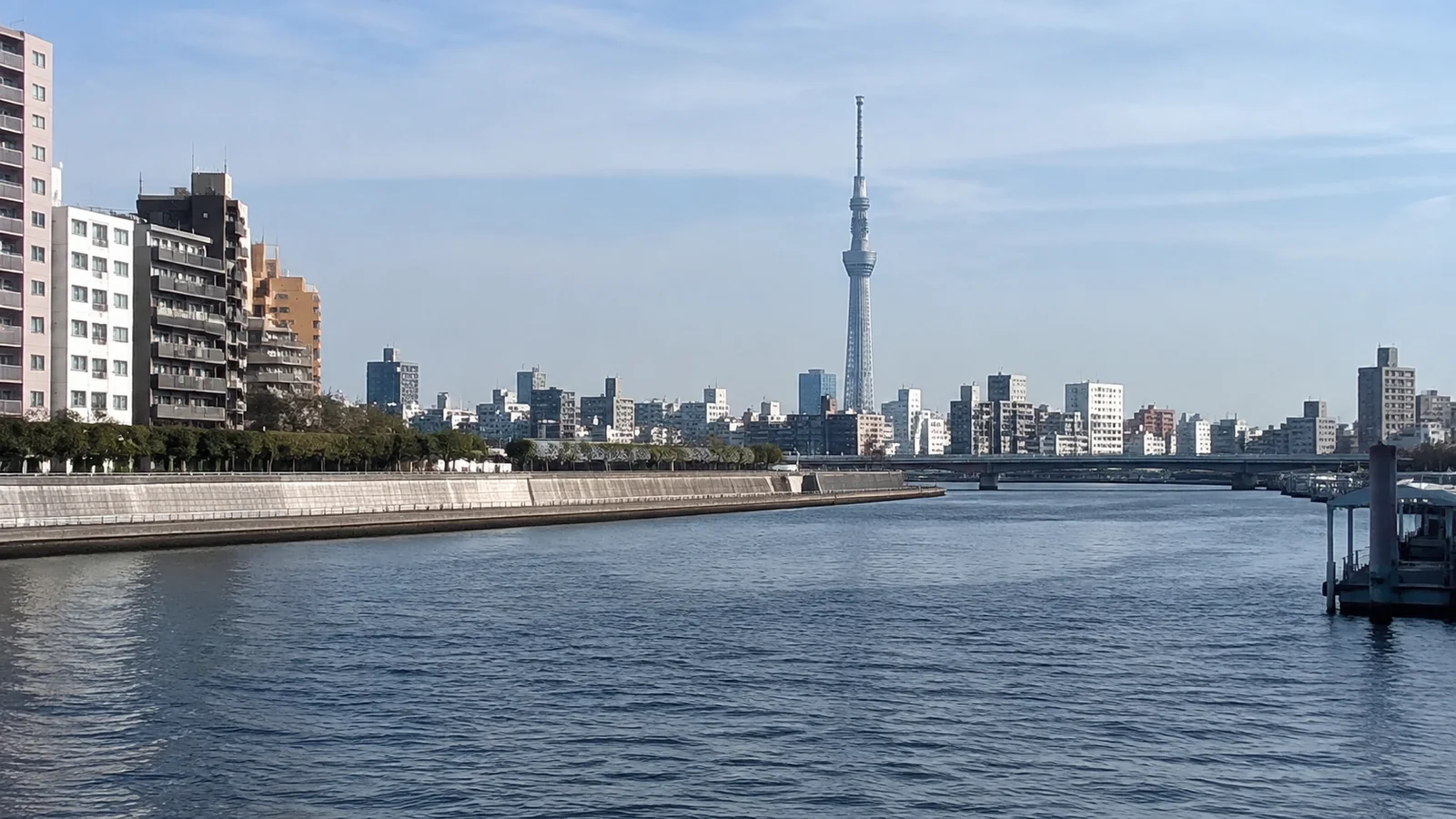
Continue toward the Sumida River for open views and a first look at Tokyo Skytree across the water. Add the tower only if a high observation deck matters more than a relaxed introduction to the neighborhood.
Spend the afternoon around Ueno Park, choosing one major museum rather than rushing through several. The Tokyo National Museum is my strongest first-time choice for Japanese art and cultural history, while the park also suits a lower-cost walk.
Finish at Ameyoko for casual food and shopping beneath and beside the rail lines. If jet lag hits hard, this is the easiest day to end early without sacrificing a timed evening reservation.
Day 2: Tokyo Station, the Imperial Area, and Ginza
Start at Tokyo Station and look at its Marunouchi red-brick exterior before walking toward the Imperial Palace outer grounds. Check current access because gardens, tours, gates, and palace-related closures follow different rules.
The East Gardens can make a calm morning when open, but they should not be confused with freely wandering the entire palace. Keep a backup such as Marunouchi architecture, Nihombashi, or a station food hall.
Continue to Ginza for department stores, galleries, stationery, architecture, and a carefully chosen lunch. The official Tokyo guide describes Ginza as a mix of established department stores and newer luxury complexes, but you do not need a luxury budget to enjoy the streets.
End at Yurakucho or return to Tokyo Station for dinner. Underground passages and commercial levels can be attractions of their own, especially in rain or summer heat.
Day 3: Meiji Jingu, Harajuku, and Shibuya
Enter Meiji Jingu in the morning, leaving time for the long wooded approach rather than treating the shrine as a quick pin. Follow posted etiquette and give ceremonies or worshippers space.
Move through Harajuku according to your interests: Takeshita Street for concentrated youth shopping, Omotesando for architecture and brands, or quieter side streets for cafés and small shops. Trying to do all three thoroughly turns the day into retail endurance.
Walk or ride to Shibuya later in the afternoon. See the crossing from street level first, then decide whether a paid observation deck adds enough value to justify a timed reservation.
Book Shibuya Sky ahead if it is essential, especially around sunset. If weather hides the view, shopping, food halls, live music, and neighborhood wandering still make Shibuya a complete evening.
Day 4: Shinjuku
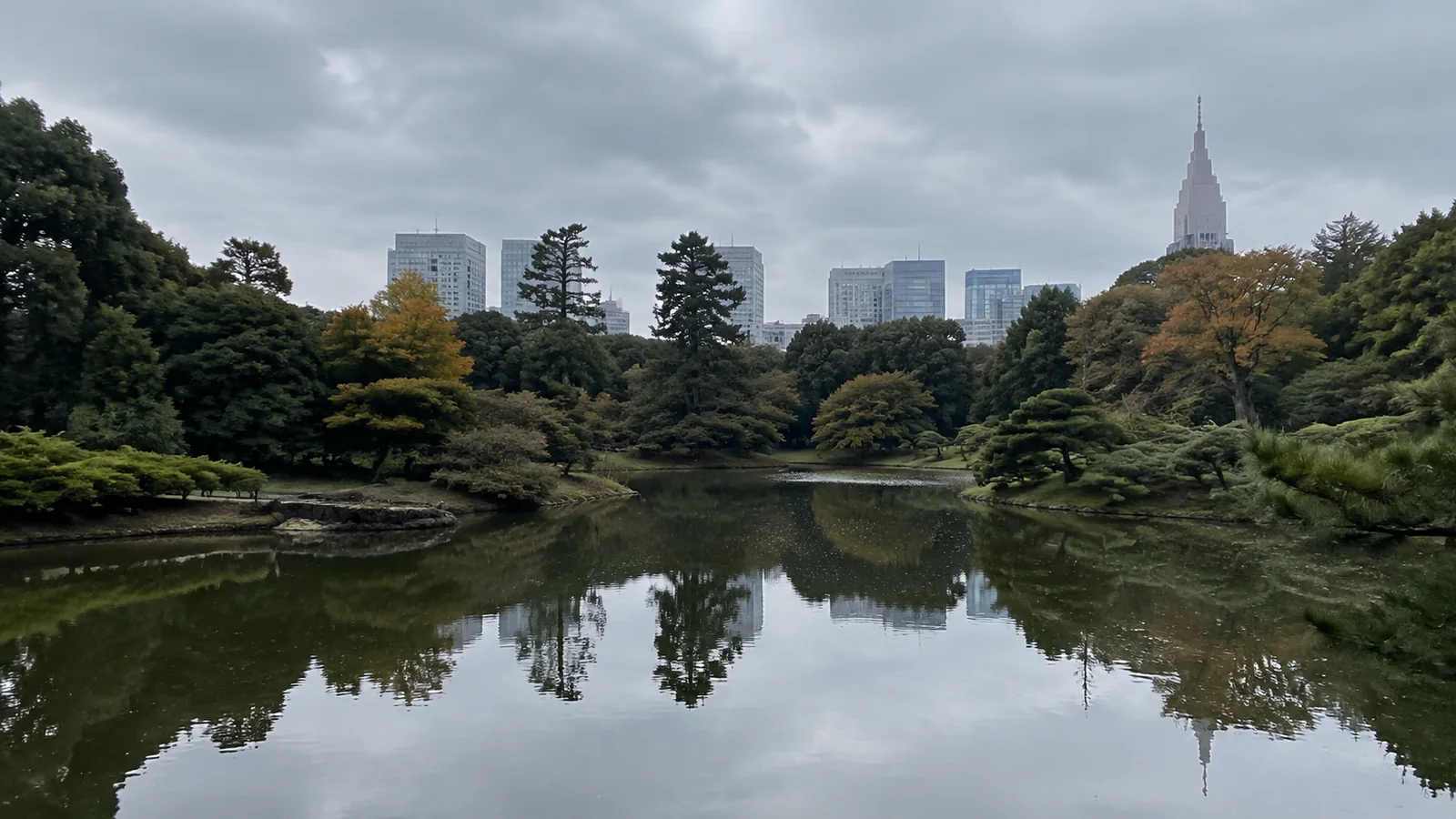
Begin at Shinjuku Gyoen for a break from neon and crowds. Its official listing notes seasonal hours, closing days, admission, and prohibited activities, so check the current Shinjuku Gyoen details before building the morning around it.
Spend the afternoon on the west side of Shinjuku Station for skyscrapers and the Tokyo Metropolitan Government Building. Its observatory is a strong free-view option, but tower closures and waiting time can change the plan.
Save Kabukicho, Omoide Yokocho, or Golden Gai for evening if nightlife appeals. Tiny bars may have cover charges, limited seats, house rules, or a regular-customer atmosphere, so ask before settling in.
Shinjuku Station is enormous and exits matter. Navigate to the named exit or landmark rather than assuming the blue location dot will guide you cleanly through underground levels.
Day 5: Toyosu and Odaiba, or a Day Trip
Choose the waterfront if you want modern architecture, digital art, markets, shopping, and broad Tokyo Bay views. Toyosu hosts the wholesale market, while Tsukiji’s outer market remains in its older central location, so the names are not interchangeable.
teamLab Planets requires a timed ticket and includes installations where visitors may enter water or move through dark, uneven spaces. Review clothing, footwear, locker, child, and accessibility guidance before purchasing.
Odaiba adds malls, waterfront walks, museums, and family entertainment. Do not schedule every indoor attraction, because travel between Toyosu and Odaiba plus queues can consume more of the day than the map suggests.
Alternatively, use day five for Kamakura, Nikko, Hakone, or another destination chosen for one main goal. A “Mount Fuji day trip” is never a guaranteed mountain-view purchase because weather can erase the view entirely.
How to Use Tokyo Trains Without Overthinking Them
JR, Tokyo Metro, Toei Subway, private railways, buses, and walking all matter. A route-planning app can compare them, but always verify the destination, direction, platform, and whether a transfer leaves the paid area.
A prepaid IC card is the simplest default for ordinary rides because it handles fares as you tap in and out. The Japan National Tourism Organization explains that major IC cards work across many transport systems and can also cover small purchases, though acceptance is not literally universal.
Temporary visitors can consider Welcome Suica, which JR East says is valid for 28 days and can be used for transport and shopping in participating areas. Check the current Welcome Suica rules, purchase locations, mobile compatibility, top-up process, and balance conditions before relying on it.
An IC card is not an unlimited pass. Compare a Tokyo subway pass only if your planned rides use the included operators enough to beat pay-as-you-go fares.
Haneda or Narita Airport?
Haneda is generally closer to central Tokyo, while Narita sits farther away in Chiba Prefecture. The better flight can still use either airport once airfare, schedule, immigration time, baggage, and the hotel transfer are compared together.
Airport trains and buses serve different hotel zones. Choose the arrival route after selecting the hotel, not from a generic claim that one train is always fastest.
Do not put an expensive timed attraction immediately after landing. A delayed flight, immigration queue, missed airport train, or wrong station exit can ruin a reservation that looked comfortable on paper.
Where to Stay in Tokyo
Ueno or Asakusa
Ueno is practical for eastern sights and rail access, while Asakusa offers more traditional atmosphere after day visitors leave. Neither is ideal for walking home from late nights in Shibuya or Shinjuku.
Tokyo Station or Ginza
This central base suits polished hotels, shopping, business travel, and rail connections. Prices can be high, and the evening mood is calmer than the major western nightlife districts.
Shinjuku
Shinjuku gives extraordinary transport reach, dining, shopping, and late-night energy. The tradeoff is navigating a huge station and choosing the exact side of the tracks that fits your comfort level.
Shibuya
Shibuya fits nightlife, fashion, music, and travelers who want immediate energy outside the hotel. It can also mean crowds, street noise, and premium room rates.
Shinagawa
Shinagawa is a sensible transport base for some airport and intercity plans. It is less compelling if you want distinctive Tokyo atmosphere directly outside the door.
Reservations Worth Making Early
Reserve only the experiences that would genuinely disappoint you if unavailable. teamLab Planets, Shibuya Sky around sunset, the Ghibli Museum, special restaurants, sumo events, and Tokyo Disney can require advance planning.
Keep at least half of each day unreserved. Tokyo’s weather, walking distance, queues, shopping discoveries, and fatigue make a minute-by-minute itinerary brittle.
Verify every ticket on the official operator site. Third-party listings may add fees, bundle unwanted services, or use photos and availability that do not match the exact product.
Eating Well Without a Restaurant Spreadsheet
Give each day one intentional food priority, then let the other meals stay flexible. Sushi, ramen, soba, tempura, yakitori, tonkatsu, curry, kissaten cafés, depachika food halls, and convenience stores can all belong in the same trip.
Tsukiji Outer Market works for grazing and shopping, while Toyosu serves a different wholesale-market function. Neither requires ordering the most expensive tuna set to count as a meaningful food experience.
Small restaurants may use ticket machines, counter seating, limited menus, or cash. JNTO’s current FAQ notes that cards are common but some smaller businesses still require yen, so carry a reasonable cash backup.
Learn a few useful phrases, point politely when appropriate, and do not linger at a busy counter after finishing. Dietary restrictions need specific ingredient research because a dish that looks vegetarian may use fish-based stock.
Tokyo Etiquette That Actually Helps
- Queue where the platform or floor markings indicate.
- Keep calls and loud conversations off crowded trains.
- Carry trash until you find the appropriate bin.
- Do not block sidewalks or station gates for group photos.
- Ask before photographing people, shops, or small bar interiors.
- Follow shrine and temple signs instead of copying another visitor.
Budgeting for Tokyo
Tokyo can be expensive at the luxury end, yet ordinary transit and casual food offer excellent value. The hotel, observation decks, theme parks, and premium dining usually move the budget more than subway rides do.
Weather, Crowds, and What to Pack
Spring brings blossom interest and heavy demand, but bloom timing changes with weather. Fall can be comfortable and colorful, summer is hot and humid, and winter is generally drier and cooler with shorter daylight.
Rain and tropical weather can reshape outdoor days. Pack comfortable broken-in shoes, blister care, a compact rain layer, a small bag, a power bank, medication, and clothing that works inside strong air conditioning.
My general travel tips help with long-haul logistics, while the travel essentials checklist can be trimmed to the season and your actual needs. Tokyo rewards a light daily bag because station stairs, crowds, and long walking days punish unnecessary weight.
Accessibility and Family Planning
Many stations have elevators, but the most convenient exit may not be step-free and transfers can be long. Use operator accessibility maps and ask staff for the route that works, even when it adds a stop or changes the exit.
Travelers comparing Tokyo with other regional trips can use my Asian destination guide to sort cities by transport, climate, budget, and trip style. Tokyo is especially strong for travelers who value public transit and dense choice.

The Bottom Line
Five days is enough to understand Tokyo if each day stays in one part of the city. Start east in Asakusa and Ueno, move through central Tokyo, then give Shibuya, Shinjuku, and the waterfront their own time.
Book a few high-priority tickets, use an IC card for ordinary transit, and leave room to follow an interesting side street. Tokyo feels less overwhelming the moment you stop trying to finish it.