
Travel Planning Guides: Packing, Budgeting & Practical Tips
Travel planning guides
Plan the practical side without letting it take over the trip
Start with the big decisions, then work through the budget, bookings, packing and final checks. The goal is a trip that feels prepared without feeling overplanned.
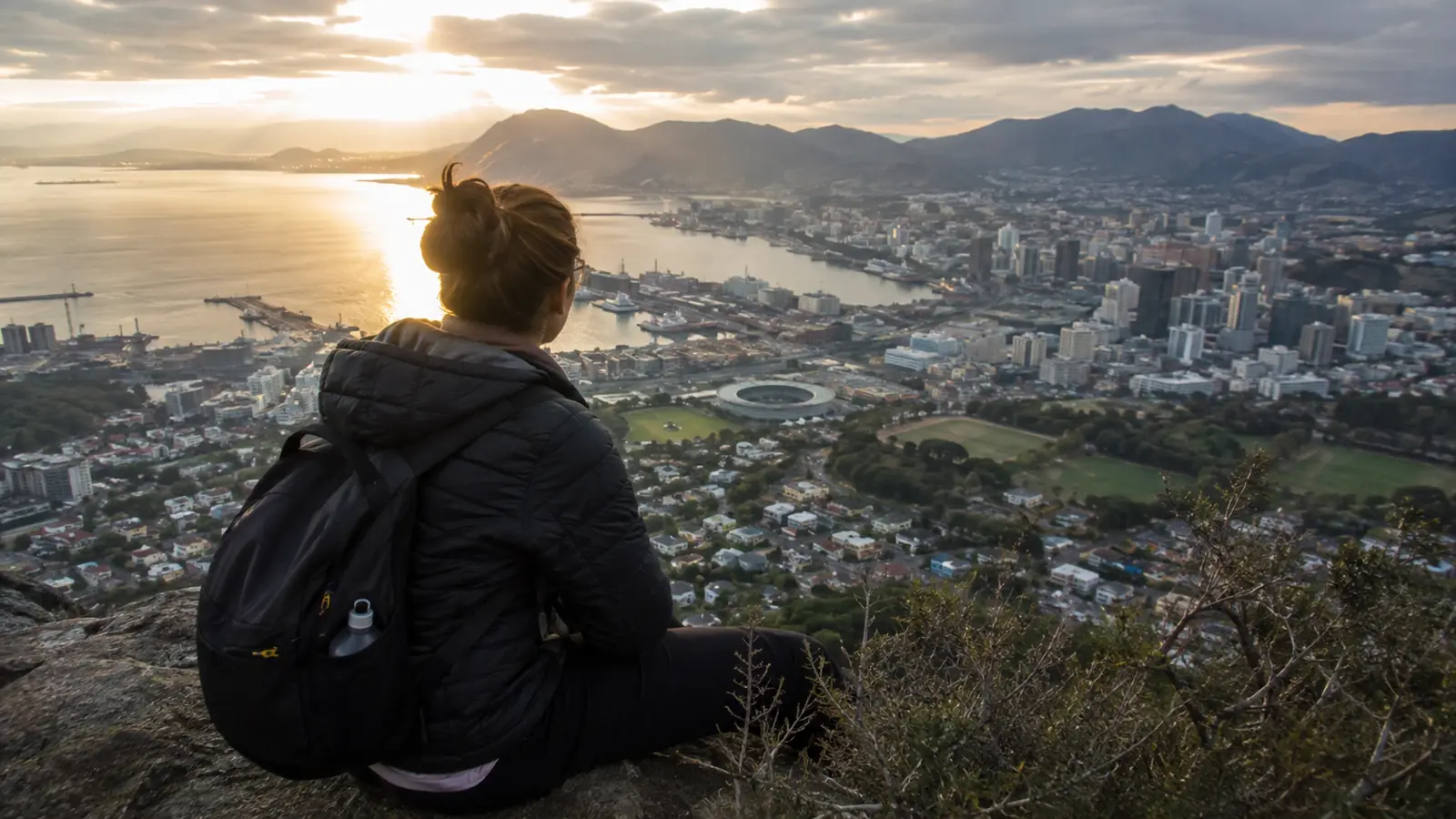
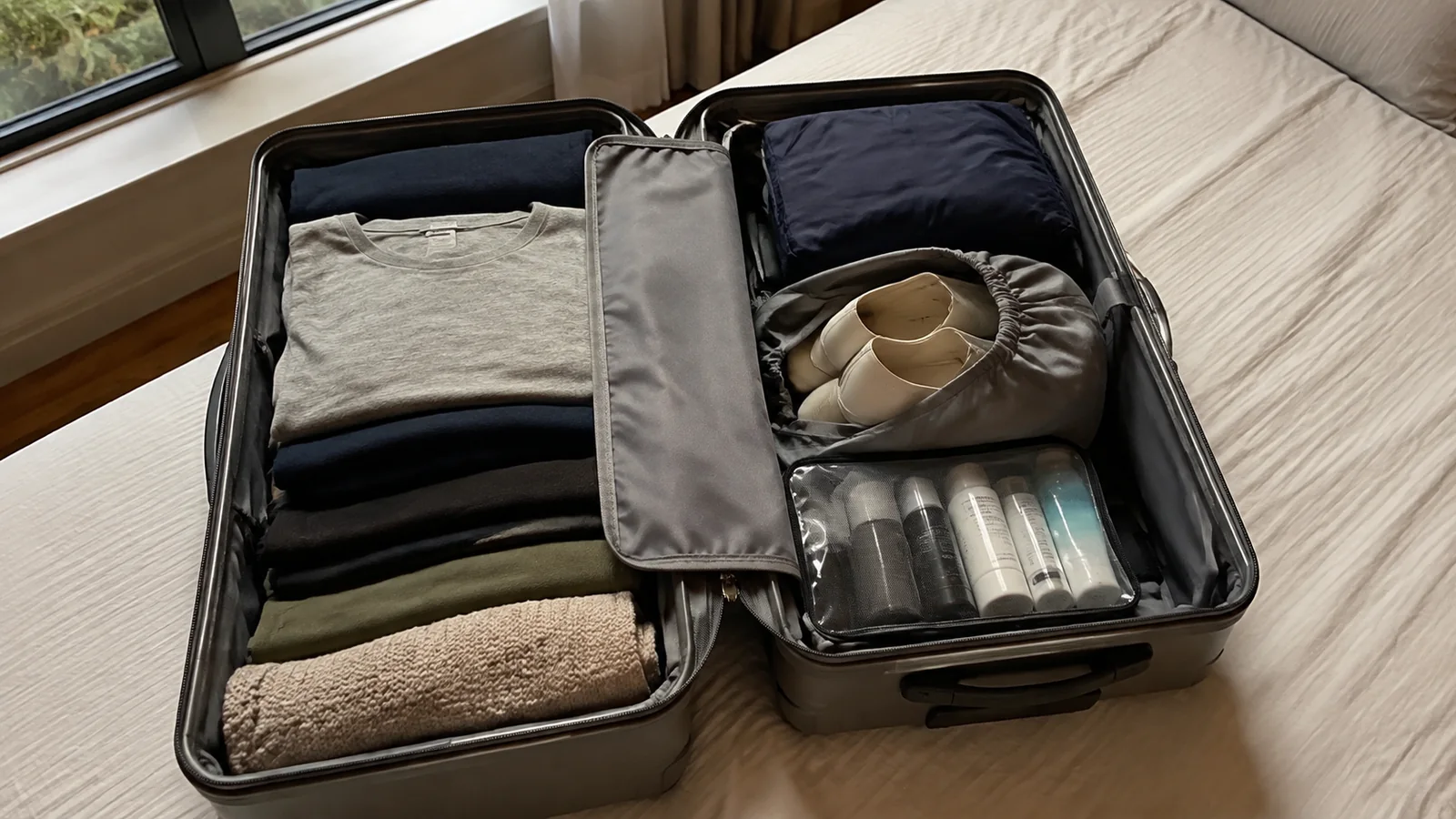
Start with the decisions that change the trip
Six planning questions worth solving first
Most travel planning gets easier once these are settled. You do not need every hour scheduled, just the expensive and hard-to-fix pieces handled early.
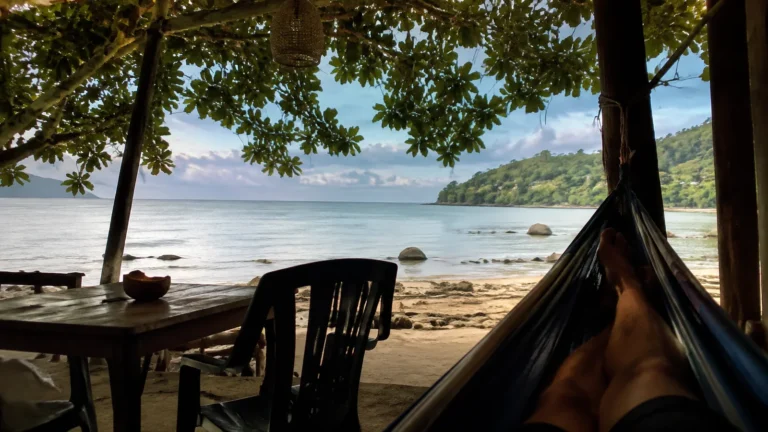
Decide what kind of trip this is
Restful vacation, active travel, road trip, cruise or something in between changes nearly every decision after it.
Choose the trip style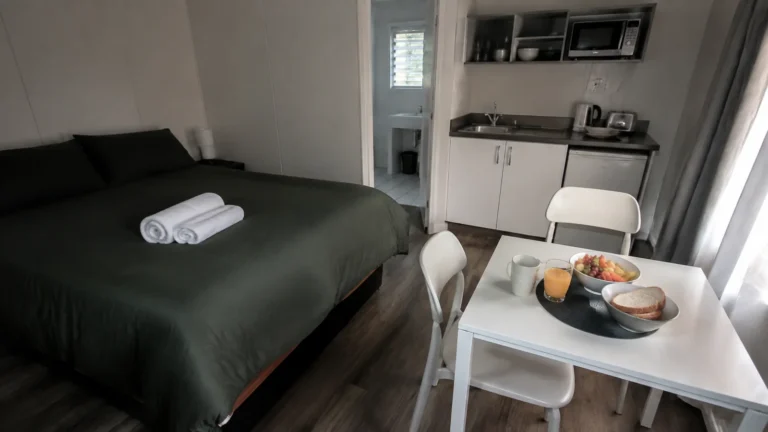
Set the real budget
Price the whole trip before a cheap flight or hotel deal pulls the plan in the wrong direction.
Build the budget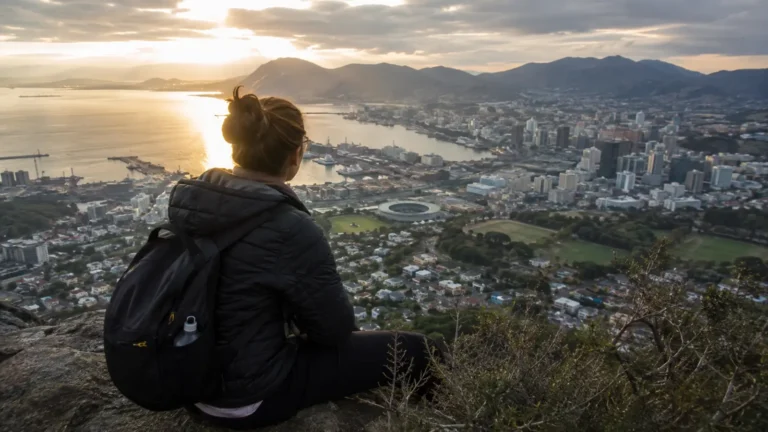
Book the hard-to-change pieces
Lock in the dates, transportation and lodging that shape the trip before worrying about small details.
Use the master guide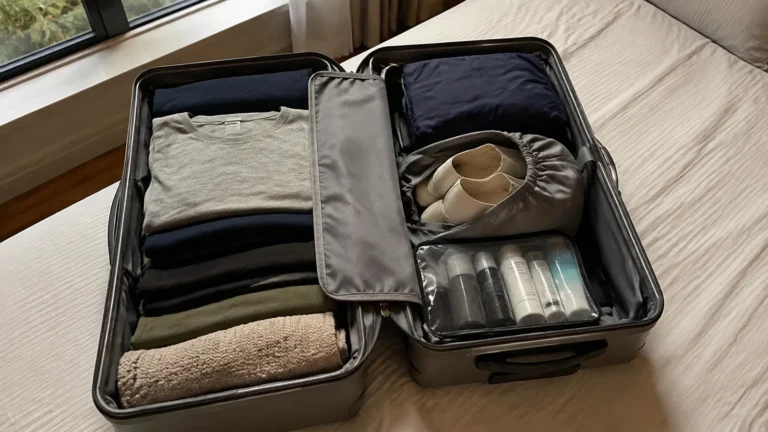
Pack for the actual trip
Start with documents, medication, weather and activities instead of copying a generic packing list.
Pack smarter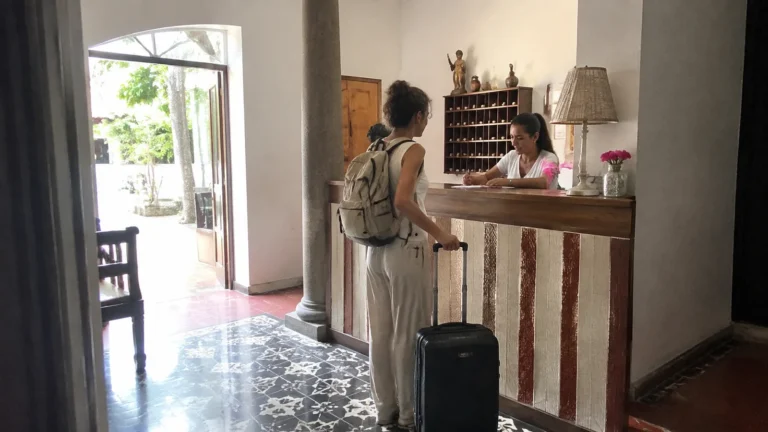
Plan for how you are traveling
Solo travel, pets and unfamiliar transportation all add practical decisions that are easier to solve before departure.
Plan solo travel
Finish the home-side checklist
The last few tasks should make departure calmer and your return home easier.
Do the final checksThe order I would use
Plan the things that are expensive to fix first
Do not start with outfits, restaurants or a perfect daily schedule. Get the trip shape, budget and core bookings right, then move into packing and the smaller decisions.
Open the full planning guideDates, destination, pace and the kind of trip you actually want.
Set the total you can spend before individual deals start making the decisions.
Transportation and lodging that affect every other part of the plan.
Transportation, reservations and anything that can sell out or create a long detour.
Weather, activities, medication, documents and the things that actually earn suitcase space.
Home prep, downloads, confirmations, pet care and the details that make departure smoother.
Budgeting
Build the trip around the total cost, not the first cheap price you see
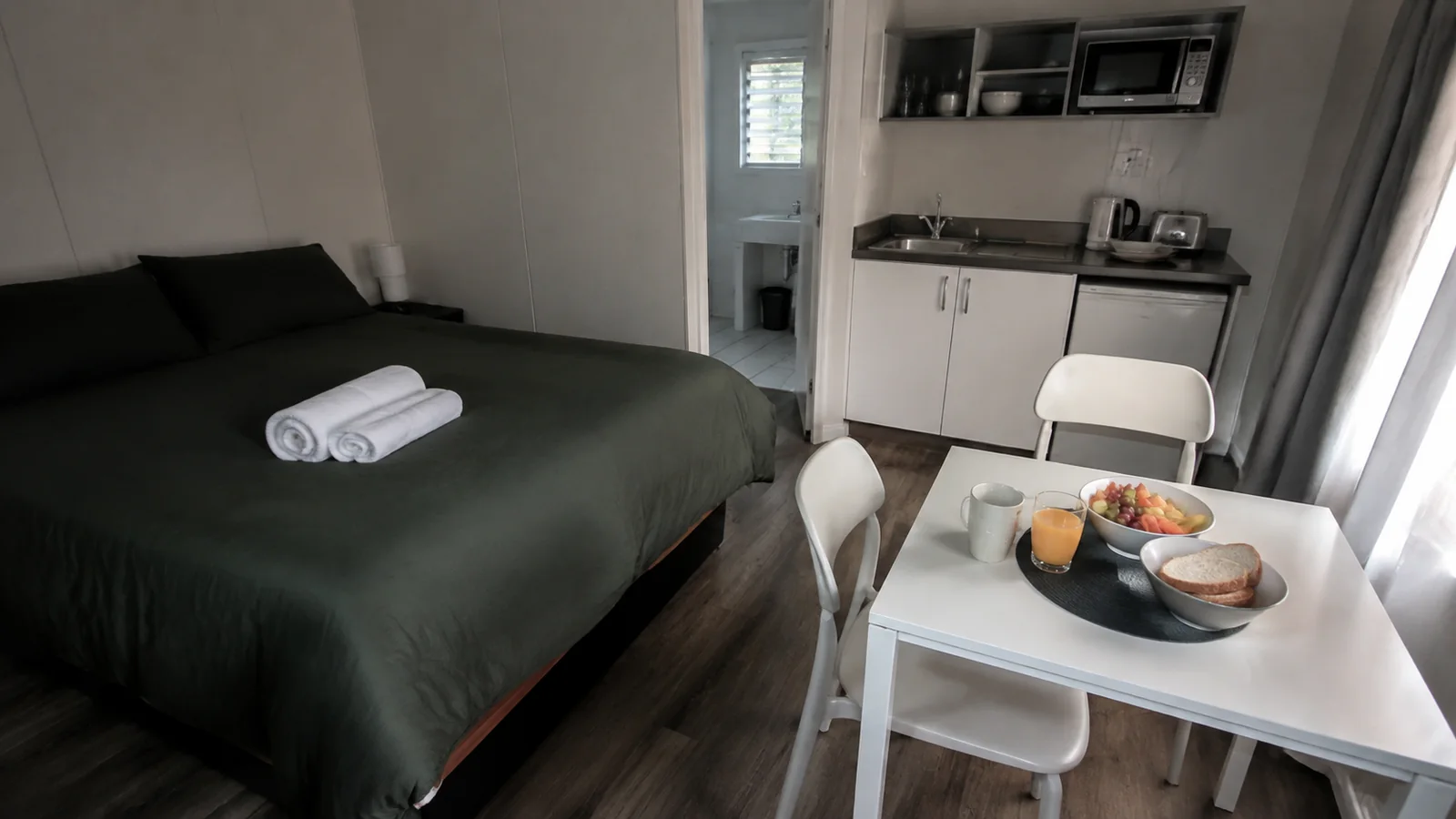
Flights and hotels get the attention, but transportation, meals, activities, baggage and timing can quietly change which trip is actually affordable. I would set the total first, then decide where flexibility is worth paying for.
Before booking
Know what the trip can cost
Give yourself a ceiling before the search results start anchoring you to a destination or date.
During the trip
Spend where it changes the experience
Saving money is useful when it protects the parts of the trip you care about, not when it turns every day into a compromise.
Trip style
Choose comfort deliberately
Sometimes the cheaper option costs you time, sleep or flexibility. Decide which tradeoffs are actually worth it.
Packing & pre-trip prep
Pack for the weather, activities and problems you can realistically solve
I would rather have the right medication, charger, shoes and documents than a perfectly coordinated suitcase. Use a practical list, then cut anything that does not match the trip you are actually taking.
Travel Essentials
Documents, medication, clothing, toiletries, tech and trip-specific items.
Before leavingHome Checklist
Prevent odors, pests, leaks and an unpleasant return home.
Offline accessTravel Ebooks
Keep useful trip information available when reception is unreliable.
PetsPet-Friendly Travel
Lodging, heat, documents, trails, beaches and emergency planning.
Solo travel
Your first solo trip should feel independent, not unnecessarily hard
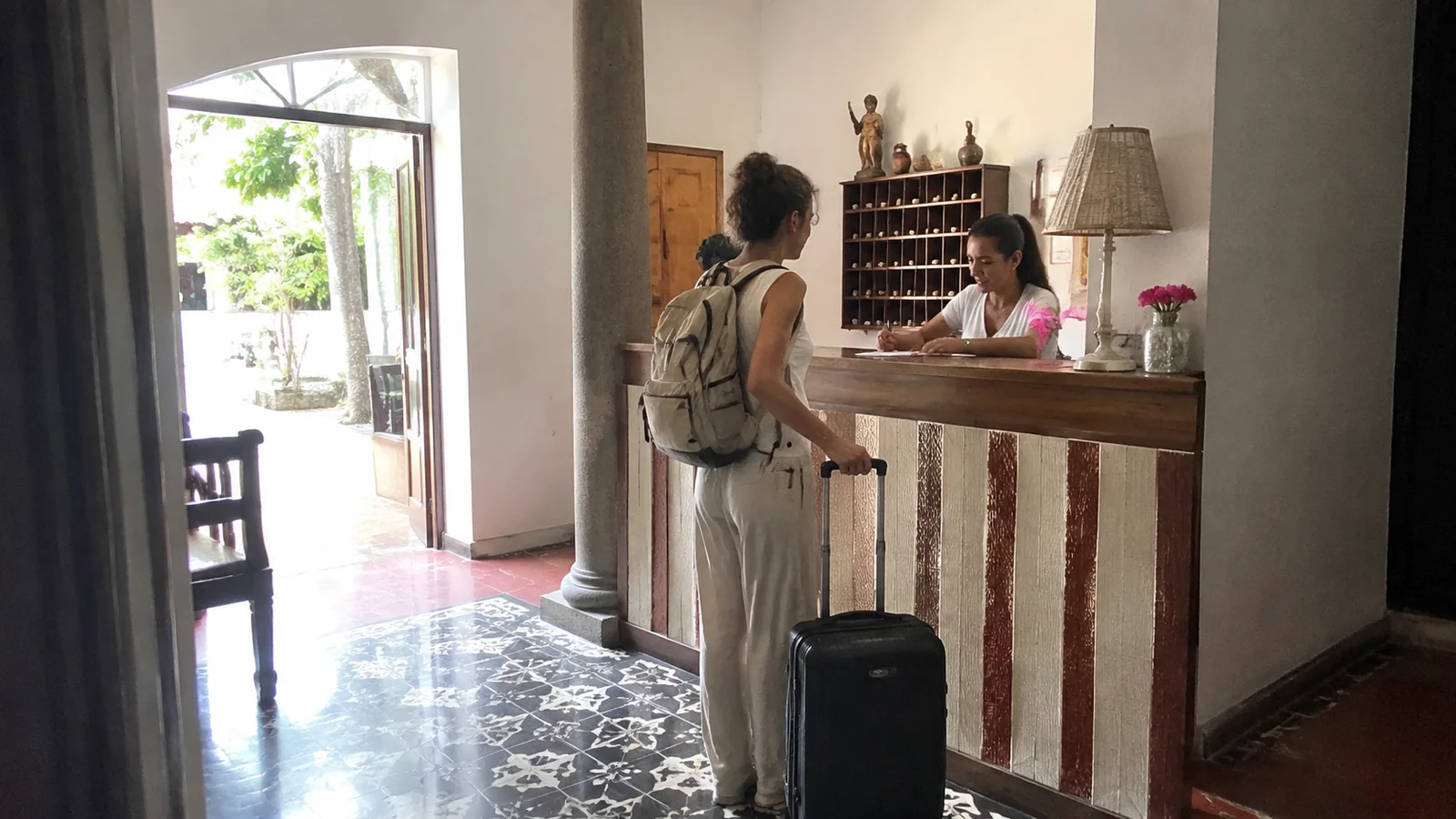
Choose a destination and lodging setup that let you practice traveling alone without adding avoidable friction. The goal is confidence, not proving you can solve every difficult version of the trip at once.
Choose well
Pick the trip before the challenge
A first solo trip is easier when transportation, lodging and daily movement are straightforward.
Keep perspective
Leave room to actually experience the place
Good planning should lower friction without turning the entire trip into a checklist.
Transportation
Understand the system before you arrive
When a pass or network has its own rules, learn the expensive mistakes before the travel day.
Special-trip planning
Some trips need a different checklist
These guides are useful when the trip involves a pet, rail pass, outdoor activity or travel style that adds rules and gear beyond the normal planning sequence.
Eurail vs Interrail
Eligibility, reservations and when a rail pass actually makes sense.
Pet travelPet-Friendly Holidays
Plan around lodging, transportation, weather and your pet’s comfort.
Lower-impact travelEcotourism Activities
Use practical checks for wildlife, guides, communities and greenwashing.
Alternative staysGlamping Pods
What they include, what to pack and how to choose the right setup.
Scuba travelScuba Gear Planning
Decide what is worth owning, renting and carrying on the trip.
Outdoor tripsBackpacking vs Hiking
Compare gear, fitness, permits and the jump to an overnight route.
Travel planning questions
Questions worth answering before you overplan the trip
What should you plan first for a trip?
Start with the trip shape, dates and total budget, then book the transportation and lodging that are expensive or difficult to change. After that, handle reservations, packing and the smaller details closer to departure.
How far in advance should you start planning?
Start earlier when specific dates, limited lodging, expensive transportation or high-demand activities matter. If you are flexible, you can plan later, but the useful question is whether waiting reduces your choices enough to hurt the trip.
How do you make a realistic travel budget?
Price the whole trip instead of only the flight and hotel. Include local transportation, food, activities, baggage, insurance, tips, pet care or parking at home, and a cushion for the things that do not fit neatly into a category.
How much of a trip should you plan in advance?
Plan the pieces that can sell out, cost more later or create a major detour if you get them wrong. Leave flexible time around the parts of the trip that are easy to decide once you are there.
What makes a good first solo trip?
A good first solo trip is one where transportation, lodging and daily navigation feel manageable. Choose a place that gives you independence without forcing you to solve several unfamiliar systems at the same time.
Who writes this
Ellie Simons
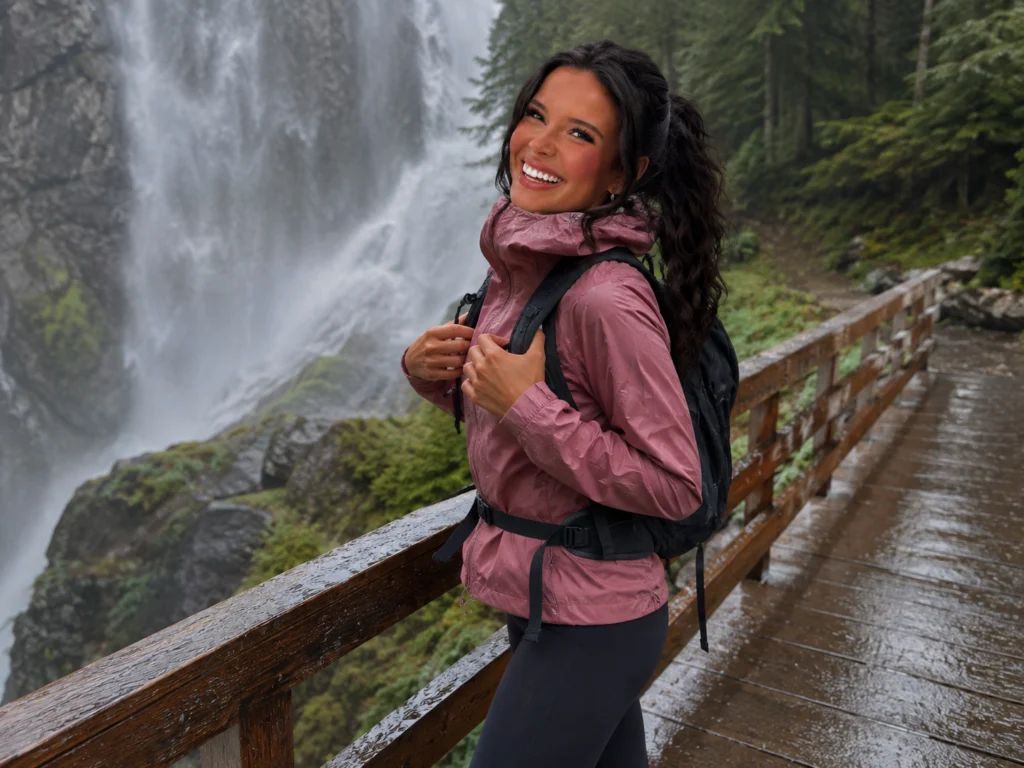
I’m an engineer who likes turning vague trip ideas into plans you can actually use. I care most about the practical decisions that change the trip, not filling an itinerary just because there is room on the page.
More about EllieKeep the planning useful
If a decision is expensive, hard to reverse or likely to derail a travel day, solve it early. If it can wait until you arrive, it probably does not need to take over your planning now.
Ready to get practical?
Start with the master travel tips, or browse the full Travel Planning archive when you already know the specific problem you are trying to solve.