100 Travel Tips for Smoother, Safer Trips
The best travel tips prevent expensive mistakes without turning vacation into a military operation. These 100 ideas cover choosing a trip, booking it, packing, staying healthy, navigating unfamiliar places, and coming home with your wallet and good humor mostly intact.

Choose the right trip
- Name the purpose. Decide whether this trip is for rest, food, family time, outdoor challenge, culture, or celebration before comparing destinations.
- Set three nonnegotiables. A nonstop flight, warm water, accessible transit, or quiet hotel can matter more than a famous checklist.
- Budget the whole door-to-door cost. Include baggage, airport transport, parking, visas, taxes, tips, insurance, meals, and the trip home.
- Price the dates before falling in love. School breaks, festivals, conventions, and holidays can transform an affordable idea into financial slapstick.
- Check climate, not one weather icon. Compare normal temperature ranges, rain patterns, daylight, smoke, storm seasons, and elevation for each stop.
- Match pace to the group. One hotel for four nights can create a richer trip than four hotels and a daily suitcase wrestling match.
- Count usable days. Arrival and departure days may contribute little after immigration, transfers, check-in, and jet lag.
- Research closures early. Seasonal roads, weekly museum closures, renovations, permits, and religious observances can reshape the itinerary.
- Build around the hardest reservation. Secure the limited park permit, rail journey, event, or cruise first, then add flexible pieces.
- Keep a second-choice destination. If flights or lodging surge, a prepared alternative prevents paying too much from pure stubbornness.
Check documents and rules
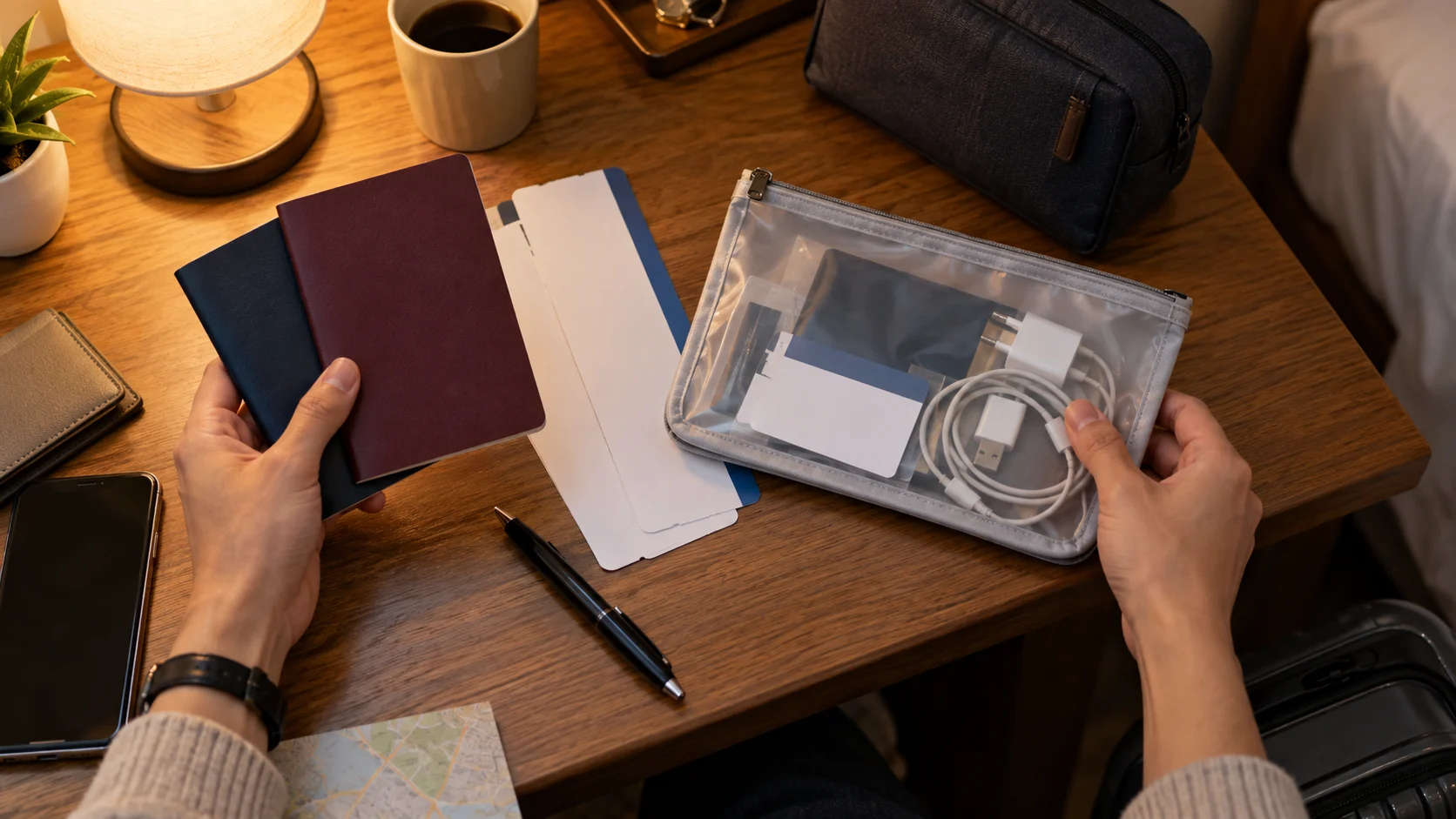
- Check passport validity now. Some destinations require validity beyond the trip, and child U.S. passports expire sooner than adult passports.
- Verify every border separately. A connection, side trip, cruise call, or land crossing may add a visa or electronic authorization.
- Use government sources. The State Department’s international travel checklist links U.S. travelers to destination entry, safety, and emergency information.
- Confirm the allowed activity. Tourist entry may not permit remote work, study, volunteering, journalism, or paid work.
- Check blank-page requirements. A passport can be unexpired and still fail a destination’s entry rules.
- Match every name. Ticket, passport, visa, loyalty account, and cruise reservation should follow the carrier’s required format.
- Review rules for minors. Consent letters, custody documents, birth certificates, and surname differences can require extra evidence.
- Save secure copies. Keep encrypted digital copies and a separate paper set without leaving sensitive documents visible in luggage.
- Record emergency contacts. Store insurer, card issuer, airline, accommodation, tour operator, and consular details offline.
- Recheck shortly before departure. Entry, health, strike, security, and transport information can change after you book.

Book with fewer surprises
- Compare the final price. Add taxes, resort fees, seat fees, luggage, cleaning charges, and mandatory transfers before declaring a winner.
- Read the rate rules. “Flexible” can still carry deadlines, penalties, currency conversion, or nonrefundable portions.
- Screenshot the offer. Save inclusions, room category, cancellation terms, total price, and any promised credit at checkout.
- Verify third-party bookings. After confirmation, check directly that the airline, hotel, rental company, or cruise line sees the reservation correctly.
- Choose connections defensively. Separate tickets, terminal changes, immigration, seasonal weather, and mobility needs demand more buffer.
- Avoid the last flight when stakes are high. An earlier departure leaves more recovery options before a cruise, wedding, or tour.
- Know refund rights. For U.S.-regulated flights, the DOT cancellation and delay dashboard explains refunds and each airline’s controllable-disruption commitments.
- Check the operating carrier. A codeshare’s aircraft, baggage, seat, check-in, and service rules may come from another airline.
- Reserve access needs in advance. Request assistance early, document it, then reconfirm with each carrier and property.
- Leave white space. One unplanned half-day can absorb weather, fatigue, laundry, or a place you unexpectedly love.
Protect the money
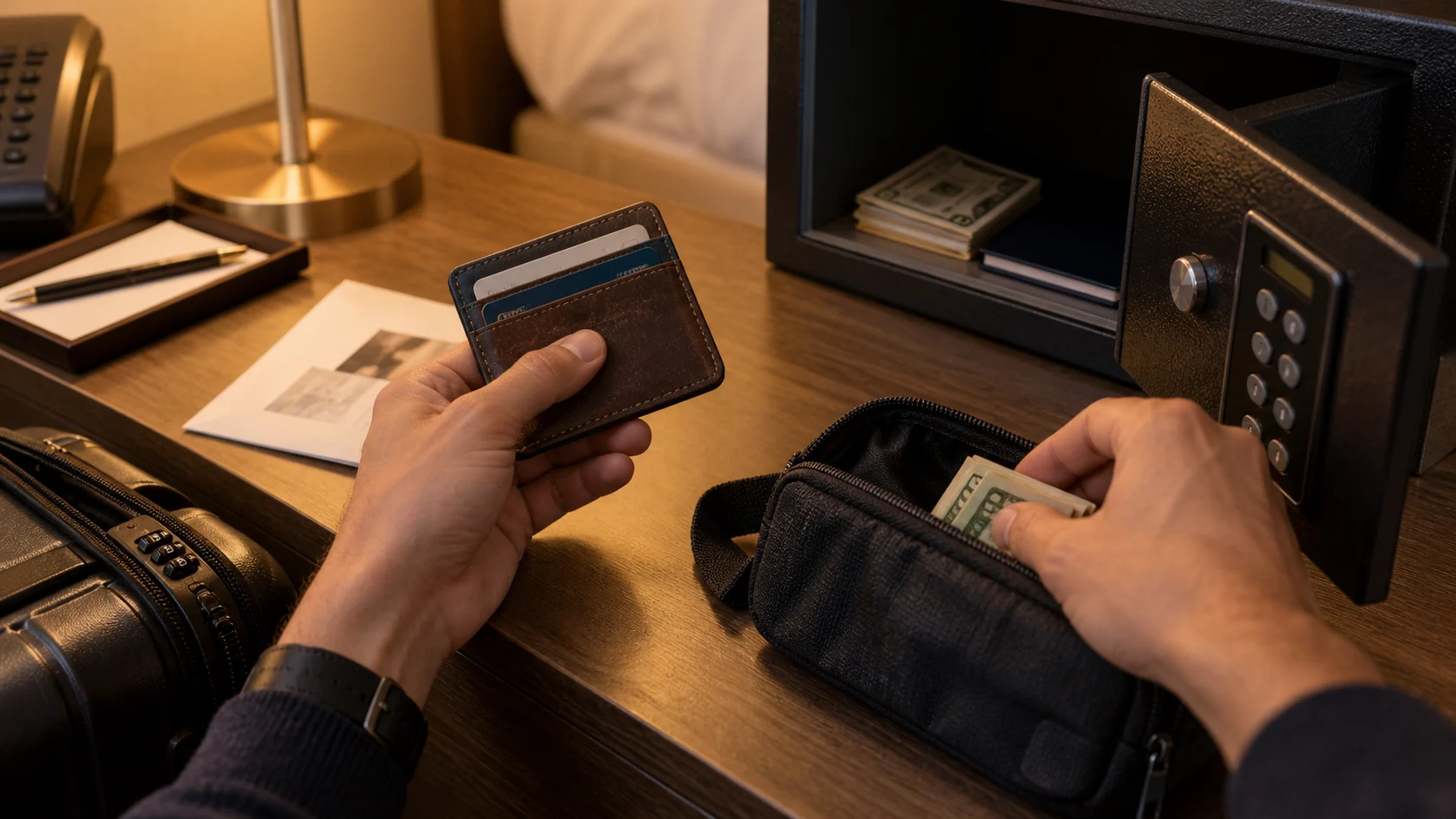
- Separate payment methods. Carry cards in different secure places so one lost wallet does not end the trip.
- Use transaction alerts. Real-time notifications catch both fraud and a merchant’s accidental extra zero.
- Understand card fees. Check foreign-transaction charges, cash-advance treatment, ATM fees, and rental coverage before travel.
- Decline dynamic currency conversion. When offered a choice, paying in local currency usually lets your card network handle conversion.
- Carry modest local cash. Small notes help with markets, transit, toilets, and tips without creating a tempting bundle.
- Count cash privately. Confirm change without displaying the rest of your travel budget at the counter.
- Set daily guardrails. Track food, local transport, attractions, and spontaneous spending separately from prepaid costs.
- Price insurance against the risk. Compare medical, evacuation, delay, cancellation, activity, and preexisting-condition terms, not the friendly product name.
- Buy coverage on time. Some benefits require purchase within a defined period after the first trip payment.
- Keep receipts during disruption. Airlines and insurers commonly require dated proof for reasonable covered expenses.

Pack for function
- Start with documents and medicine. Clothes are replaceable; a passport or critical prescription at home is a different adventure.
- Follow the strictest baggage rule. On multi-airline trips, compare dimensions, weight, and personal-item limits for every segment.
- Check security item by item. TSA’s What Can I Bring database distinguishes carry-on and checked placement, while foreign authorities set their own rules.
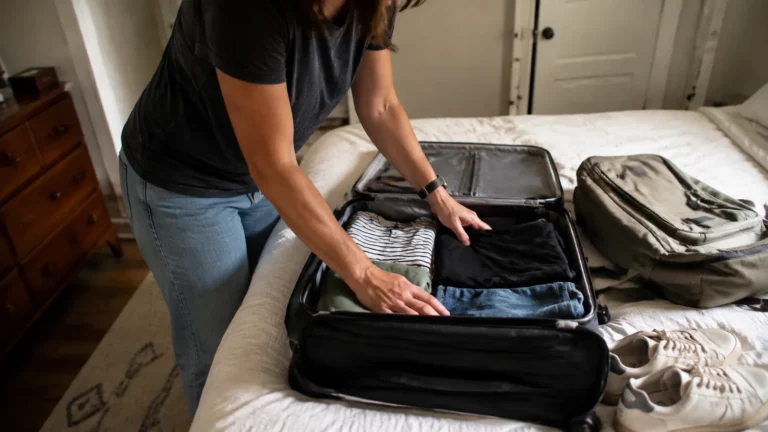
- Keep essentials in the cabin. Carry medication, documents, valuables, chargers, one clothing change, and arrival necessities.
- Build a capsule wardrobe. Choose layers and repeatable combinations that suit the actual weather and activities.
- Pack proven shoes. A new boot should not meet your heel for the first time on mile seven.
- Use a laundry plan. One wash can remove several outfits, but confirm facilities, price, turnaround, and detergent needs.
- Weigh luggage at home. Leave room for uneven scales, shared items, and anything returning with you.
- Label bags inside and out. Put contact information and itinerary details inside without exposing a full home address publicly.
- Pack by modules. Adapt the core-plus-extras method in this cruise packing list to beach, city, cold, formal, or outdoor trips.
Prepare health and medication
- Schedule health advice early. CDC recommends a travel-health visit at least four to six weeks before departure when possible.
- Check the whole itinerary. Health advice can differ by country, region, season, elevation, activity, and rural exposure.
- Review routine vaccines. Destination-specific advice does not replace staying current on ordinary immunizations.
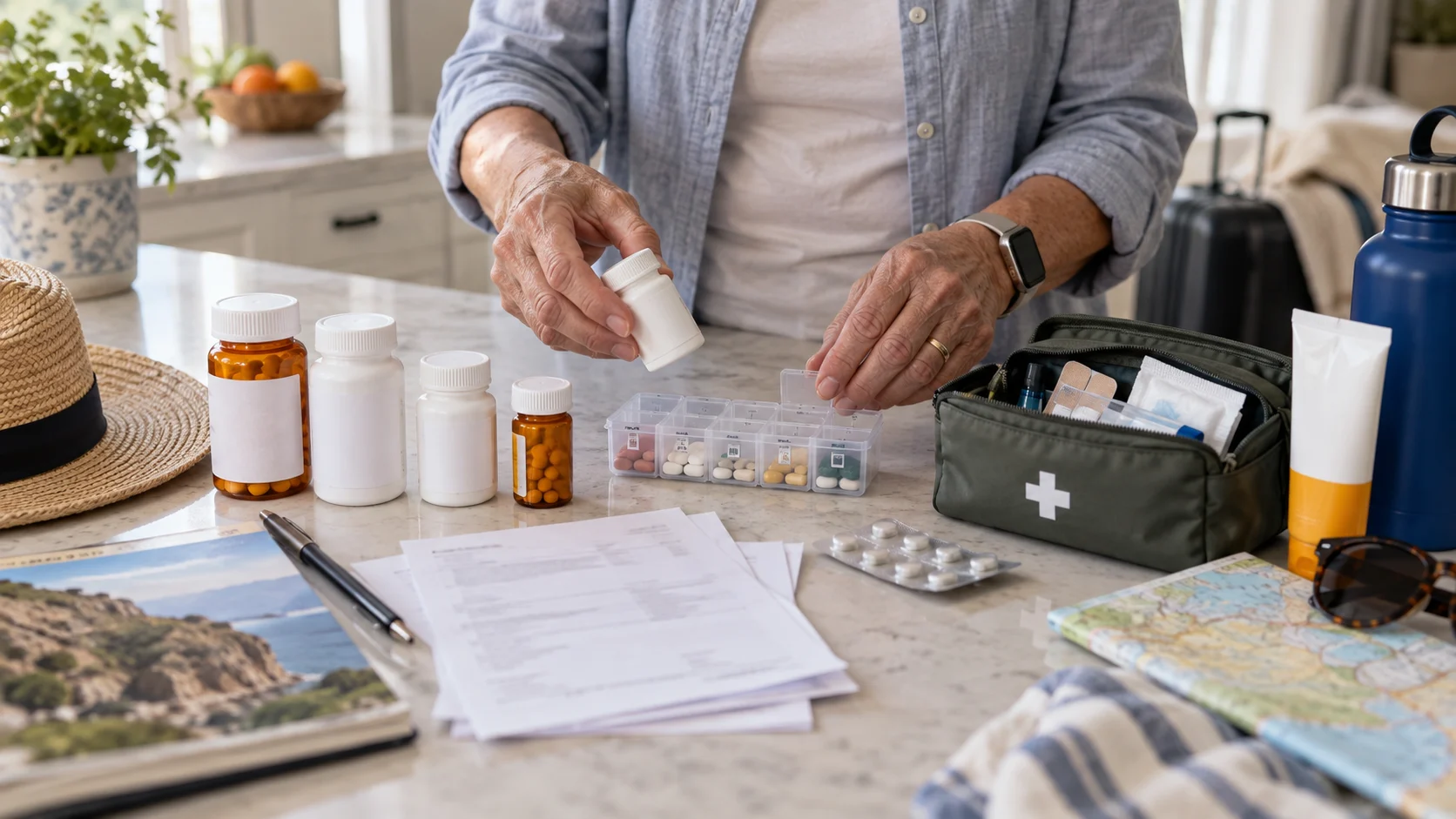
- Carry enough medicine plus delay margin. The CDC’s traveling with medicine guidance recommends original labeled containers and prescription copies.
- Confirm medicine legality. A legal U.S. prescription may be restricted at your destination or transit point.
- Plan time-zone dosing. Ask the prescriber how to adjust medicines where dose spacing matters.
- Protect temperature-sensitive medicine. Verify storage, airline security, power backup, and refrigeration before travel.
- Pack a realistic health kit. Include personal medication, basic wound care, oral rehydration, sun protection, repellent, and activity-specific supplies.
- Do not ignore symptoms to save the itinerary. Rest, seek qualified care, and tell companions when something is wrong.
- Save local emergency numbers. The destination may not use 911, and your insurer may require a separate assistance call.

Make travel days easier
- Check in when the carrier opens it. Confirm names, seats, document details, terminals, and baggage rather than tapping through blindly.
- Recheck the terminal. Airport and cruise-terminal assignments can change even when the city stays the same.
- Allow the slowest traveler enough time. Children, mobility equipment, checked bags, unfamiliar stations, and border control are not rounding errors.
- Download what you need. Save boarding passes, tickets, maps, reservations, translations, entertainment, and insurance details offline.
- Charge before leaving. Bring the correct cable and a compliant power bank, then verify where the carrier requires batteries to travel.
- Photograph checked luggage. Capture the bag, contents, tag, and receipt in case you need to describe a delay or damage.
- Carry an empty water bottle. Fill it after airport security where safe drinking water is available.
- Dress for temperature swings. Planes, buses, ferries, terminals, and outdoor platforms rarely agree on a thermostat.
- Move thoughtfully on long journeys. Follow personal medical advice, hydrate, and avoid blocking aisles while stretching.
- Confirm arrival transport before landing. Know the legal taxi process, pickup zone, transit hours, and backup option.

Navigate a destination respectfully
- Learn five useful phrases. Hello, please, thank you, excuse me, and help go farther than a perfect accent.
- Download an offline map. Pin lodging, stations, clinics, embassy or consulate, and the route back.
- Check directions against landmarks. Similar street names and duplicate hotel brands cause surprisingly ambitious detours.
- Ask before photographing people. Respect refusals, sacred spaces, children, ceremonies, and posted restrictions.
- Dress for the place. Religious sites, government buildings, fine restaurants, beaches, and trails can have distinct expectations.
- Use licensed transport. Follow official airport, port, hotel, or city guidance instead of accepting a persuasive curbside offer.
- Keep valuables low-key. A zipped crossbody and ordinary awareness work better than announcing fear with a neck wallet over your shirt.
- Verify opening hours the same day. Maps, blogs, holidays, weather, and staffing can disagree.
- Respect wildlife distance. Never feed, touch, chase, or crowd an animal for a photograph.
- Buy local with context. Choose legitimate guides, craftspeople, food businesses, and community-run experiences without treating residents as scenery.

Enjoy more and rush less
- Prioritize one anchor each day. Everything else is a bonus rather than a timed audition.
- Start popular sights early or late. Check official hours and reservation rules before building around quieter edges of the day.
- Group places geographically. A neighborhood plan saves transit time and makes room for discoveries between stops.
- Alternate demanding and easy days. Museums, high-elevation hikes, beach days, and overnight transport draw from different energy accounts.
- Eat before everyone is desperate. A small snack can prevent a group decision from becoming international diplomacy.
- Keep weather alternatives. Pair outdoor priorities with museums, markets, cafés, or rest rather than forcing unsafe conditions.
- Let companions split up. Separate interests for a few hours can make the shared dinner considerably happier.
- Make transit part of the plan. A scenic ferry or train can be an experience without adding another attraction.
- Use games on long drives. These road-trip games include spoken, observation, music, and quiet options rather than one endless license-plate contest.
- Write down one detail daily. A smell, joke, meal, or small surprise revives memory better than 400 nearly identical photographs.
Handle trouble and return home
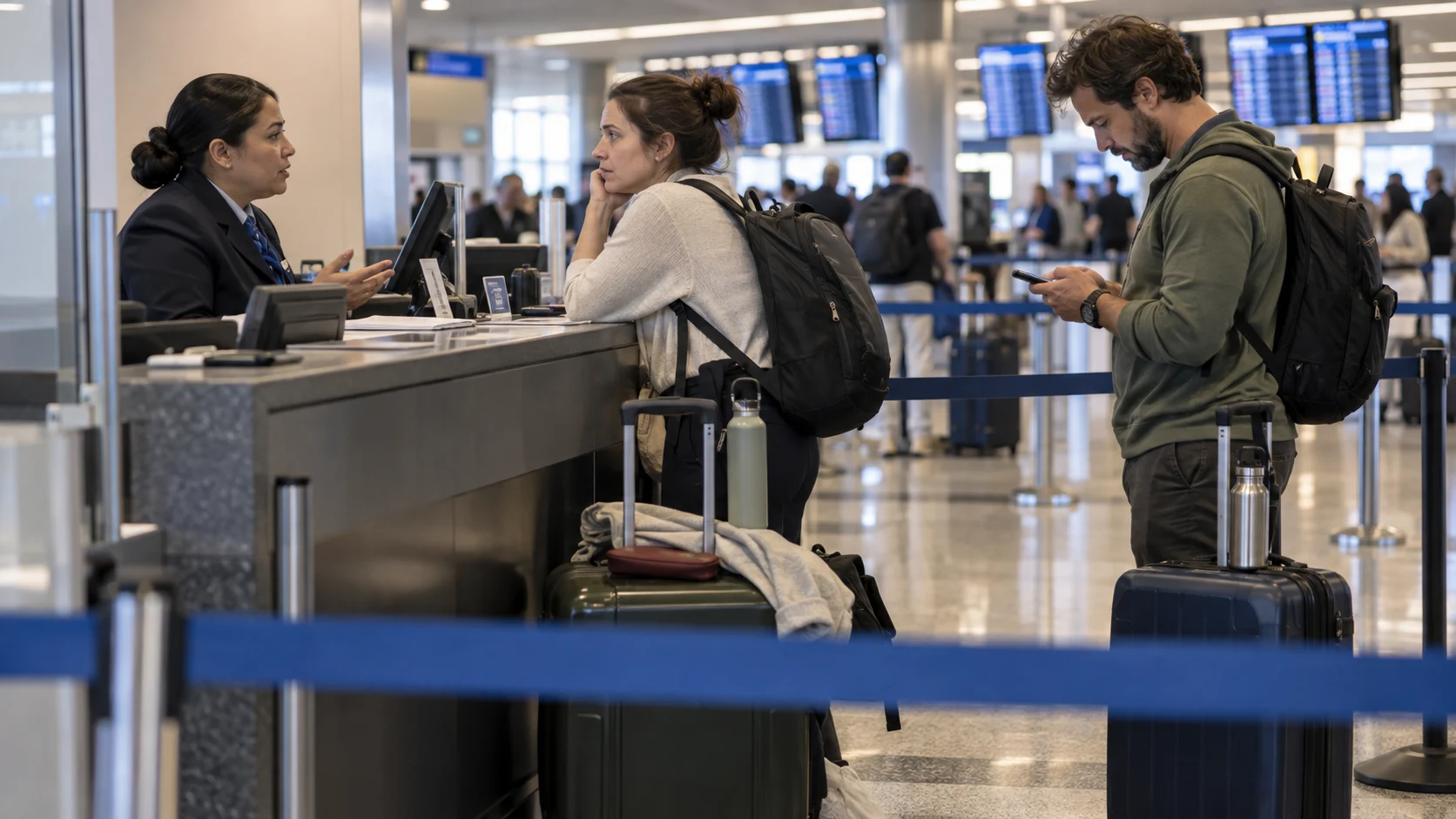
- Pause before reacting. Confirm the problem, deadline, responsible company, and desired solution before making a costly replacement booking.
- Use official service channels. Contact the airline, hotel, insurer, card issuer, police, or consulate rather than a lookalike search advertisement.
- Document everything. Save names, times, photos, messages, receipts, reports, and case numbers while details are fresh.
- Know when to abandon the plan. Flood, fire, illness, unrest, closed roads, or dangerous seas outrank a prepaid reservation.
- Keep one emergency card untouched. It can cover a replacement ticket or hotel when other cards are blocked.
- Report a lost passport promptly. Use the nearest appropriate embassy or consulate and the issuing government’s instructions.
- Declare purchases and food honestly. U.S. travelers can review CBP’s Know Before You Go guidance before returning.
- Inspect bags before leaving. Report airline, cruise, rail, or hotel damage through the required process before evidence disappears.
- Back up photographs. Keep at least one separate copy before deleting cards or wiping a phone.
- Review what worked. Save useful notes on pace, budget, gear, accessibility, and booking choices for the next trip.
How to use these 100 travel tips
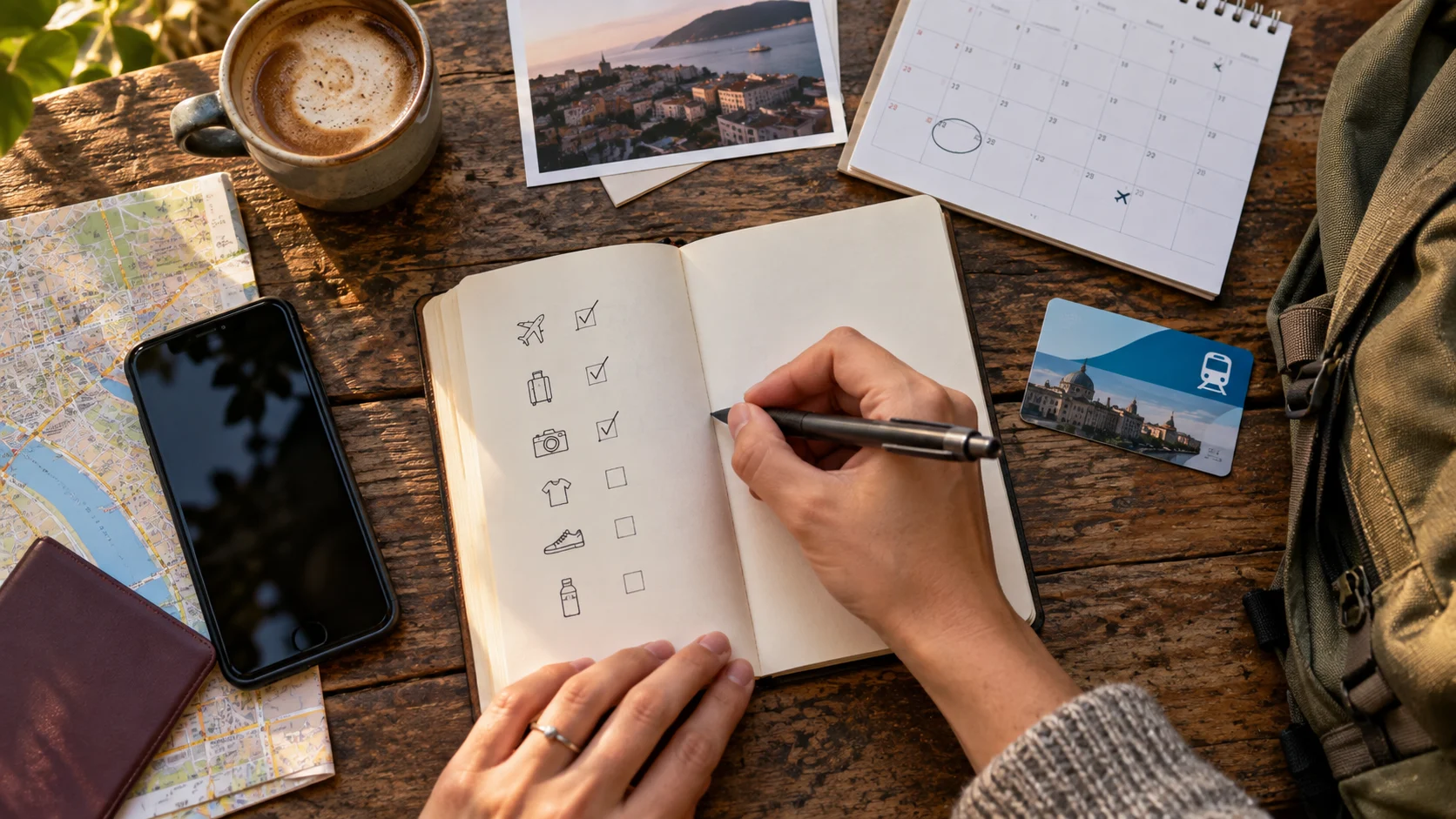
Do not treat all 100 as mandatory homework. Choose the advice that addresses your trip’s biggest costs, health risks, document rules, and timing constraints, then add the smaller comforts.
First-time cruisers can branch into these cruise-specific booking and embarkation tips, while independent travelers should substitute the official authorities for their destination and transport mode. A good checklist bends to the journey without becoming vague.

The bottom line
Smart travel is less about knowing a secret and more about checking the right detail at the right time. Protect documents, health, money, and essential reservations first, then leave enough room for the trip to feel like travel rather than project management in a sun hat.