Home Cleaning Before Vacation: A Safer Checklist
Cleaning before vacation is not about leaving a showroom behind. It is about removing the food, moisture, trash, and small household risks that can turn one week away into a sour refrigerator, pest problem, or musty homecoming.
This checklist puts safety and odor prevention first, then comfort. Start a few days early, and the final walk to the door can take minutes instead of one frantic hour.
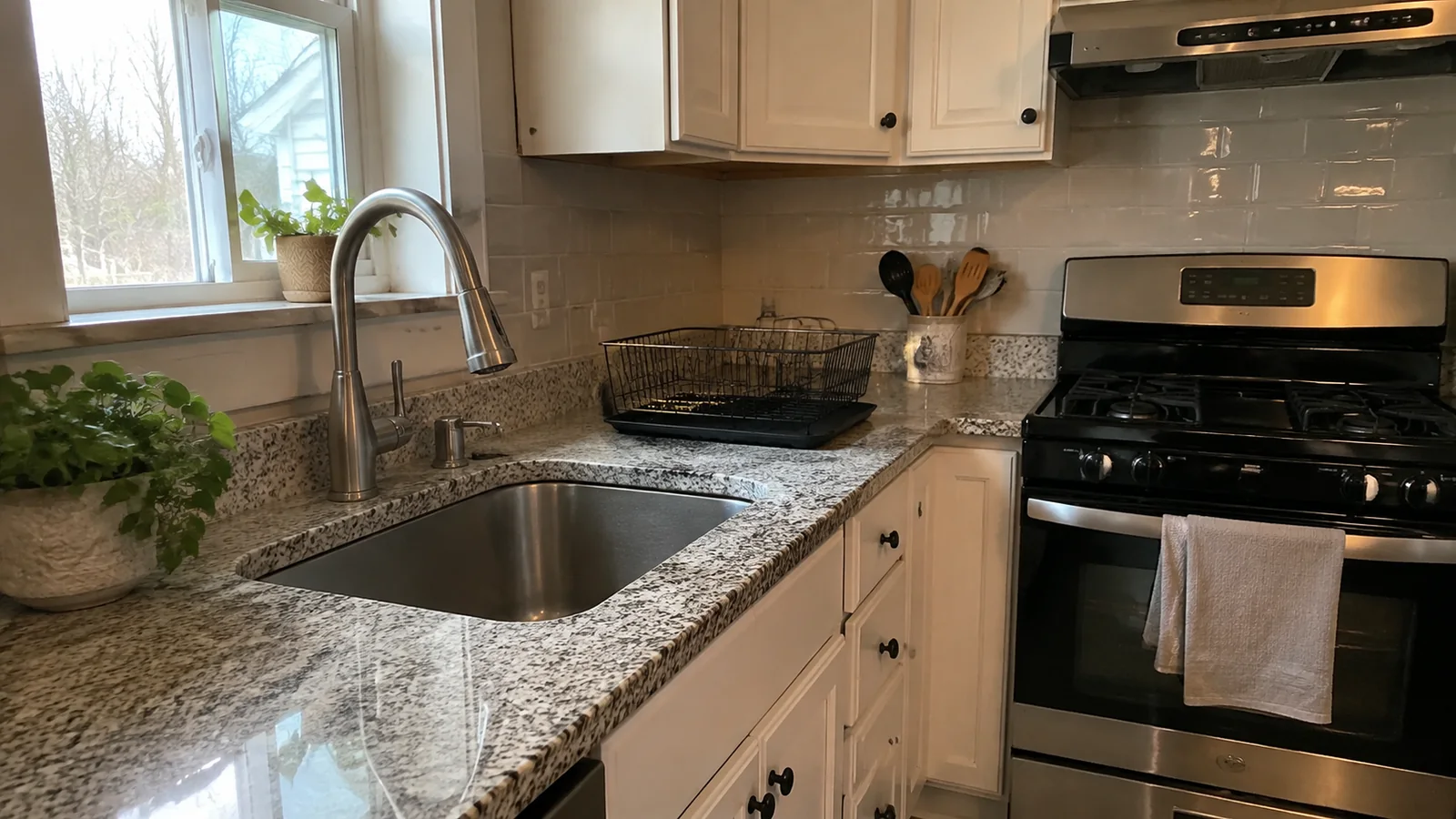
The short version: what you really need to clean
If departure is close, focus on these jobs before polishing mirrors or organizing closets:
- Remove perishable food that will spoil while you are gone.
- Wash dishes and clear the sink, disposal, and dishwasher.
- Take out kitchen, bathroom, diaper, and pet-waste trash.
- Wash or hang every damp towel, swimsuit, and cleaning cloth.
- Wipe crumbs, grease, and sticky spills from counters and floors.
- Clean the toilet bowl and leave bathroom surfaces dry.
- Check under sinks and around toilets, appliances, and the water heater for leaks.
- Set heating, cooling, and humidity controls for an unoccupied home.
- Test alarms, unplug appropriate small appliances, and lock windows and doors.
Dust can wait. Food waste, wet fabric, and plumbing leaks cannot.
Five to seven days before vacation
Make a use-it-first food plan
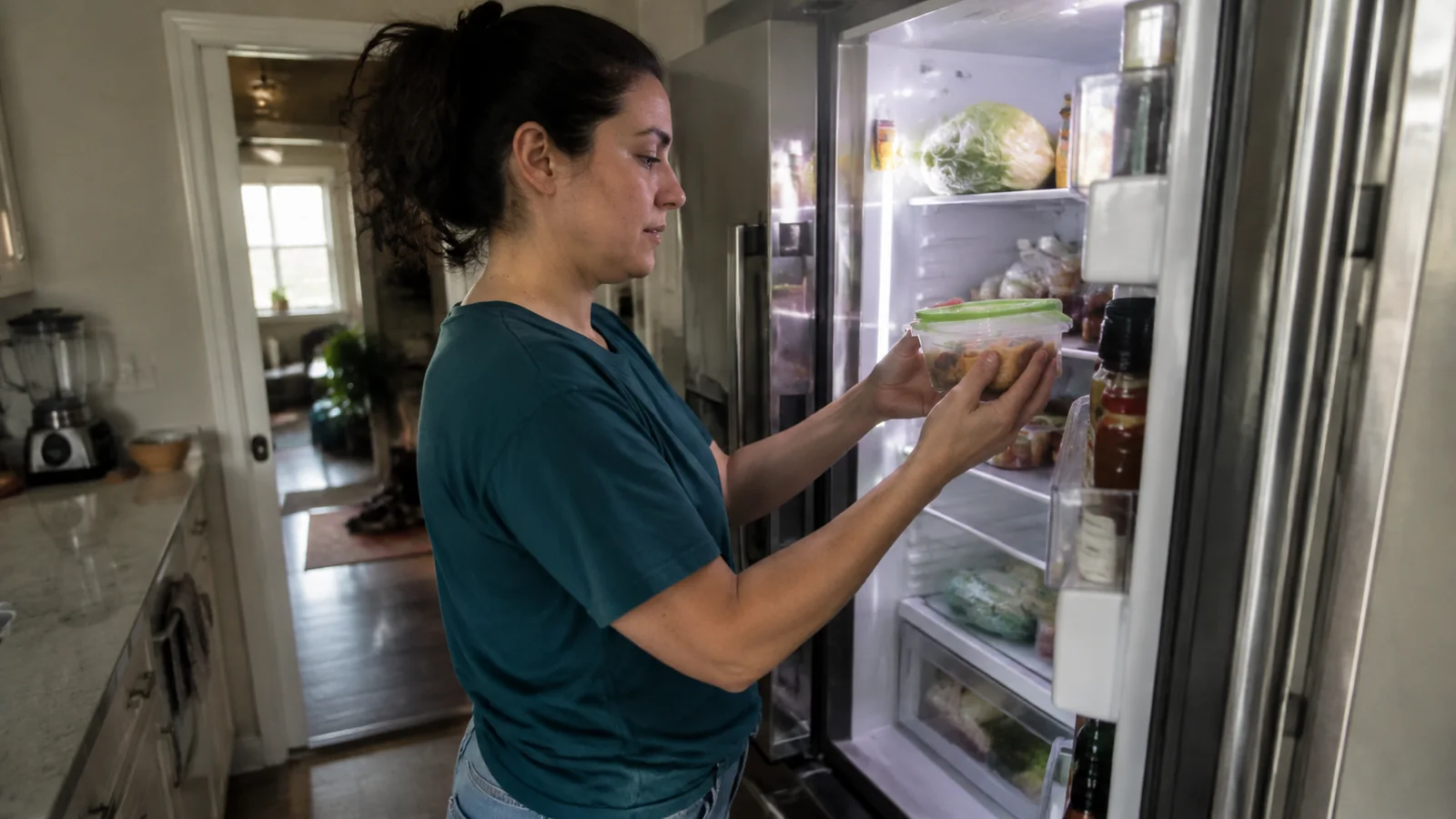
Look through the refrigerator before the final grocery run and build meals around produce, opened dairy, deli meat, leftovers, and anything nearing the end of its safe storage window. Freeze food while it is still good rather than using the freezer as a last-minute hiding place.
Keep the refrigerator at 40°F or below and the freezer at 0°F or below, as recommended by FoodSafety.gov. An appliance thermometer helps you confirm the temperature instead of trusting a dial labeled one through five.
Do not unplug a stocked refrigerator to save a little electricity. If you intentionally empty and shut down a second refrigerator for a long absence, clean and dry it fully and prop the doors open according to the manufacturer’s instructions.
Arrange mail, deliveries, and home checks
Pause subscriptions and recurring deliveries before boxes begin collecting outside. USPS can hold mail for 3 to 30 days; longer absences require forwarding or another plan.
Ask a trusted person to check the home if you will be gone for more than a few days, especially during freezing weather, storm season, or extreme heat. Give them a key, alarm instructions, emergency contacts, and the location of the main water shutoff without handing over a novel of household preferences.
Check insurance and service requirements
Some insurance policies define when a home becomes vacant or require periodic checks during an extended absence. Read your policy or ask the insurer rather than assuming a smart doorbell satisfies every condition.
Schedule lawn, snow, pool, pet, and plant care now. The person caring for an animal needs feeding instructions, medication details, veterinarian information, and written authority for an emergency, not just a bowl on the counter.
Two days before vacation
Clean the kitchen first
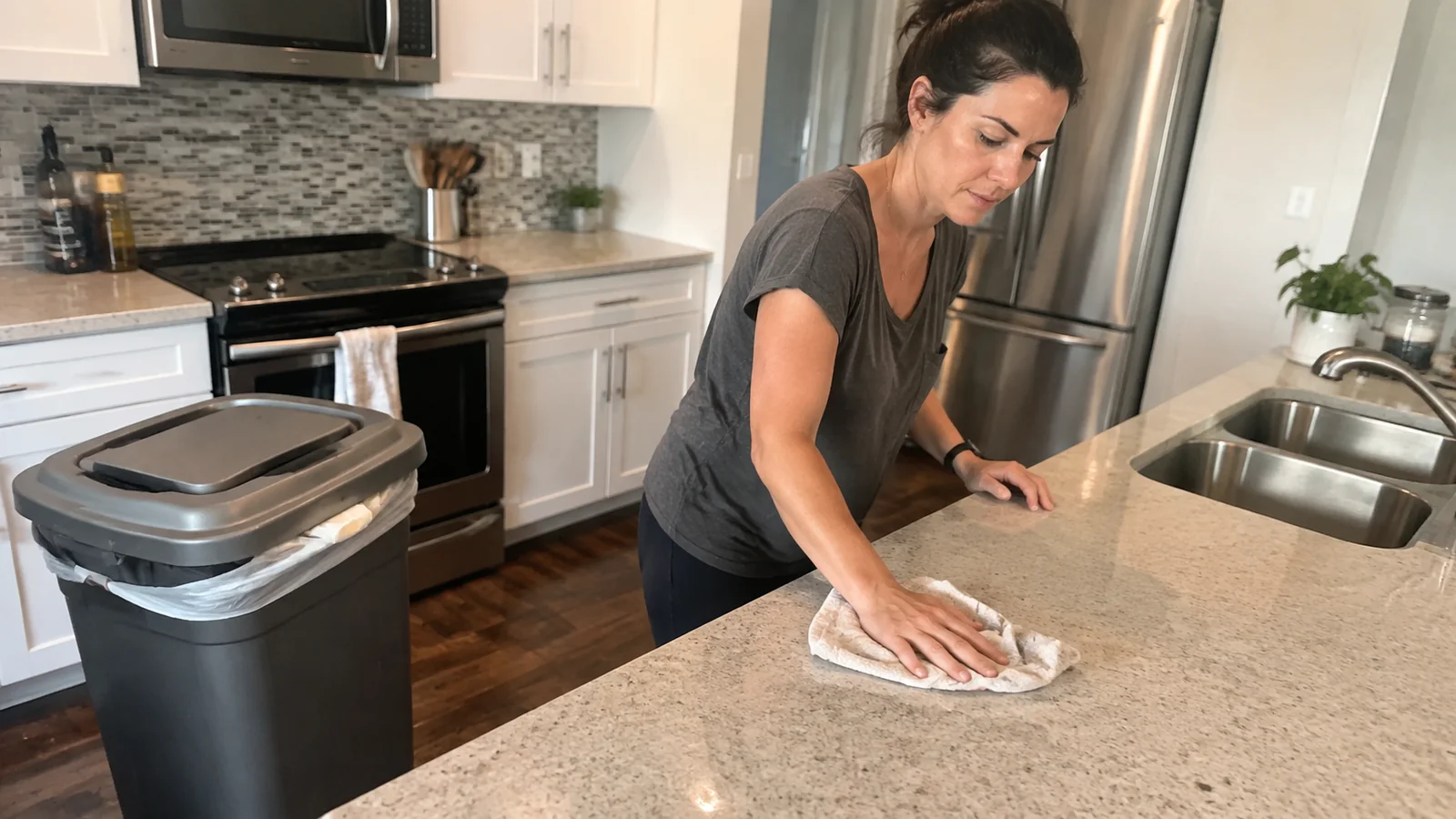
Wash the dishes, empty the sink strainer, and wipe counters, the stovetop, cabinet handles, and the floor around eating areas. Pay special attention to invisible pest invitations such as toaster crumbs, syrup under a bottle, pet kibble beside the bowl, and grease near the range.
Run the dishwasher early enough to unload it before departure. Once the cycle is complete and the dishes are dry, leaving the door slightly ajar can prevent trapped moisture if the manufacturer’s guidance allows it.
Clean the garbage disposal with running water and its normal operation, then clear the drain screen. Do not pour harsh drain cleaner into a quiet house just before leaving, because a reaction, leak, or damaged pipe deserves supervision.
Handle trash without creating new smells
Empty every trash can that contains food, diapers, litter, sanitary products, or damp material. Rinse dirty cans, let them dry, and put in fresh liners so one forgotten drip does not perfume the whole room.
Coordinate the final bag with collection day or ask a neighbor to move the bin. Leaving garbage in a hot garage for a week merely relocates the problem.
Finish wet laundry
Wash towels, dishcloths, workout clothes, swimsuits, and bedding that is already damp or soiled. The clean-clothes basket can wait, but a wet load forgotten inside the washer can smell musty before you reach the airport.
Dry the washer gasket and detergent drawer, then leave the door open if the manufacturer recommends it. Clean the dryer’s lint screen, confirm the dryer is off, and never start a load as you leave.
Dry the bathroom
Clean the toilet bowl, empty bathroom trash, rinse soap residue, and hang towels where air can reach them. Run the exhaust fan during your final shower, then turn it off before departing unless it is designed for controlled continuous operation.
Do not leave bleach sitting in a toilet bowl or tank for days. Use a product as labeled, flush as directed, and store cleaners closed and away from children and pets.
Vacuum crumbs, not the whole universe
Vacuum or sweep the kitchen, dining area, entry, and anywhere pets eat. A full-house deep clean is optional unless dust, litter, or allergies will make your return uncomfortable.
Fresh sheets are a homecoming luxury, not a safety task. Make the bed if it helps after a late flight, but prioritize leak checks and trash removal.
The final 24-hour vacation checklist
Prevent water surprises
Look and feel under each sink, around toilets, behind accessible appliances, near the water heater, and around basement drains. Moisture, staining, a swollen cabinet base, or a running toilet deserves attention before the house is empty.
Whether to close the main water supply depends on plumbing, fire sprinklers, boilers, irrigation, pets, and local conditions. If you do it, learn the correct procedure in advance and follow your plumber, insurer, and equipment manufacturers rather than improvising at departure.
At minimum, verify faucets are off and no appliance is mid-cycle. Homeowners with accessible washing-machine supply valves can ask a plumber whether closing them during absences is appropriate for their setup.
Control temperature and moisture
Use an away setting instead of switching the heating or cooling system off. The correct temperature depends on season, climate, pets, pipes, plants, humidity, and items stored in the home, so a universal number is less useful than a safe range for your property.
Moisture matters as much as temperature in warm climates. The EPA recommends keeping indoor relative humidity below 60 percent, ideally between 30 and 50 percent, in its home moisture guidance.
A programmable or smart thermostat can reduce energy use while maintaining protection, but make sure its schedule and Wi-Fi control work before travel day. The Department of Energy recommends using programmable controls to adjust temperature when a home is unoccupied.
Reduce fire and electrical risks
Turn off the range, oven, curling iron, space heater, candles, and outdoor cooking equipment. Unplug nonessential countertop and personal-care appliances, but keep the refrigerator, sump pump, alarm system, necessary medical equipment, and intentionally connected devices powered.
Press the test button on smoke and carbon monoxide alarms if they are due for testing, and replace a low battery before leaving. The U.S. Fire Administration says to test smoke alarms monthly and replace units when they reach 10 years old on its smoke-alarm guidance.
Do not disable an alarm because cooking set it off last week. Fix the placement or maintenance issue when you are home, and make sure a house sitter knows what to do if an alarm sounds.
Secure the ordinary entry points
Lock doors, windows, garage access, sheds, and any pet door that will not be used. Remove spare keys from obvious outdoor hiding places and close window coverings in the normal pattern for your home rather than making every room look sealed.
Use timers or smart lights if you want occupancy cues, but do not leave every light burning around the clock. Delay public trip posts until you return if they reveal that the house is empty.
A 30-minute cleaning plan for a rushed departure
- Minutes 0 to 5: Throw away likely-to-spoil food and move safe extras into the freezer.
- Minutes 5 to 10: Wash or load dishes, clean the sink, and wipe food spills.
- Minutes 10 to 15: Gather all trash, litter, and diaper waste and take it outside.
- Minutes 15 to 20: Hang damp items, move wet laundry out of the washer, and dry bathroom surfaces.
- Minutes 20 to 25: Check faucets, toilets, visible plumbing, stove controls, and small appliances.
- Minutes 25 to 30: Set the thermostat, lock doors and windows, and photograph the locked door and stove if that quiets travel-day doubt.
Skip dusting, closet organization, oven cleaning, and decorative tidying. Those tasks have almost no effect on how safely or pleasantly the house waits.

Extra steps for a vacation longer than two weeks
A longer absence needs a property plan, not simply a longer cleaning list. Arrange scheduled checks, lawn or snow service, mail forwarding, bill payment, and a local emergency contact who can reach the home.
Run water through little-used drains before leaving so the traps begin full, and ask a plumber about extended-absence steps for your climate and system. Never pour chemicals or oil into drains as a homemade evaporation fix.
Follow manufacturer directions for water-heater vacation mode, ice makers, water filters, pools, humidifiers, and other equipment. Gas, electrical, boiler, and sprinkler systems are not good places for generic internet shutoff advice.
Once the home plan is finished, use these practical travel tips to catch the departure details that belong outside the cleaning checklist. Road travelers can also work through the vehicle and route checks in my road trip tips.
What not to do before vacation
- Do not mix bleach, ammonia, vinegar, drain cleaners, or other household chemicals.
- Do not run the dishwasher, washer, dryer, or self-cleaning oven after you leave.
- Do not shut off climate control without considering pipes, humidity, pets, and your insurance policy.
- Do not leave wet cleaning tools sealed in a bucket or closet.
- Do not hide important shutoff information from the person checking the home.
- Do not post an exact absence window publicly.
The most dangerous cleaning mistake is mixing products in pursuit of one last sparkling surface. Read labels, ventilate as directed, and stop early enough that fumes and wet floors are gone before departure.
Home cleaning before vacation FAQs
Should I turn off my refrigerator?
No if food remains inside. Keep it at 40°F or below, remove food that will spoil, wipe spills, and make sure the door closes fully.
Should I shut off the main water?
It can reduce damage from some plumbing leaks, but it is not right for every home. Check implications for fire sprinklers, boilers, irrigation, water heaters, pets, and insurance, then use a procedure approved for your system.
Should I clean before or after packing?
Do the kitchen, laundry, and bathrooms before final packing, then reserve departure morning for trash, food, water, thermostat, and locks. Keeping tasks separate helps prevent a passport from disappearing under a pile of towels.
What should I do first when I return?
Walk through the home, smell for gas or overheating, look for water, and confirm the refrigerator stayed cold before unpacking. If anything seems unsafe, step outside and call the appropriate utility or emergency service rather than investigating alone.
After the safety check, reset the thermostat and water-heater mode, collect mail, open curtains, and start one load of laundry. My travel essentials checklist can make the unpack-and-replace step easier before the next trip.
Come home to calm, not perfection
The best pre-vacation clean removes perishables, moisture, waste, and preventable hazards. Everything else is a favor to your returning self, and favors should not make you miss the flight.
Start with the refrigerator, sink, trash, wet laundry, plumbing, climate controls, alarms, and locks. If those are handled, close the door and let the vacation begin.