10 Beautiful Waterfalls in the Philippines and How to Visit
The best waterfalls in the Philippines range from turquoise swimming holes in Cebu and Siquijor to highland cascades reached through rice terraces.
The hard part is not finding a beautiful one. It is choosing a waterfall that fits the islands already on your itinerary, your comfort with hiking, and the conditions on the day you visit.
My quick picks for different Philippines trips
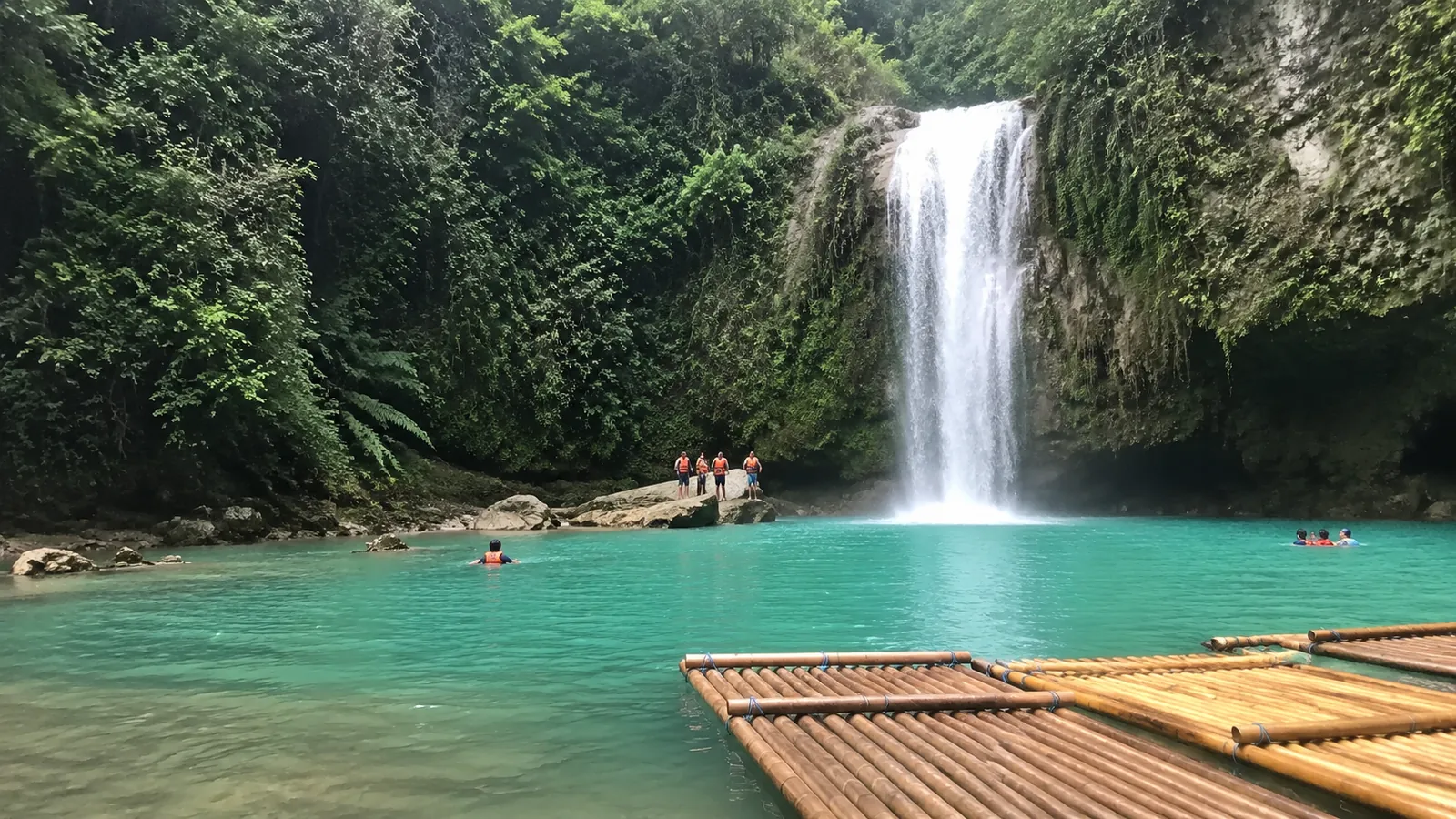
- Best first waterfall experience: Kawasan Falls for a guided canyoneering day in south Cebu.
- Best easygoing swimming stop: Cambugahay Falls on a Siquijor island loop.
- Best option from Manila: Cavinti or Pagsanjan Falls for its famous river journey.
- Best mountain hike: Bomod-ok Falls for rice terraces and Cordillera scenery.
- Best beach-and-waterfall combination: Tangadan Falls paired with San Juan, La Union.
- Best straightforward sightseeing stop: Katibawasan Falls on Camiguin, if current travel guidance works for you.
If this is your first trip, I would build around Kawasan, Cambugahay, or Pagsanjan rather than trying to collect waterfalls across several islands. Transfers in the Philippines take longer than the map suggests, especially when ferries and mountain roads are involved.
If you are deciding whether the Philippines belongs in a longer regional vacation, this guide to the best Asian countries for different kinds of trips gives the country useful context.
10 beautiful waterfalls in the Philippines
1. Kawasan Falls, Cebu
Best for: Travelers who want a guided adventure rather than a quick viewpoint.
Kawasan Falls is the standout choice in south Cebu, with milky turquoise water, jungle-covered canyon walls, and several levels of cascades. Most visitors know it for canyoneering from the Alegria or Badian area, although access arrangements for simply seeing the falls can differ from the full canyon route.
A complete canyoneering trip normally occupies much of a morning or afternoon and can include walking, swimming, scrambling, and optional jumps. Use a properly authorized operator, wear the helmet and life jacket provided, and tell the guide before starting if you are uncomfortable with heights or cannot swim confidently.
I recommend checking out both Kawasan and Badian canyoneering. I would stay in Moalboal or Badian and begin early, because driving down from Cebu City and returning the same day turns an exciting outing into a very long day in traffic.

2. Cambugahay Falls, Siquijor
Best for: Swimming, rope swings, and an easy addition to an island sightseeing loop.
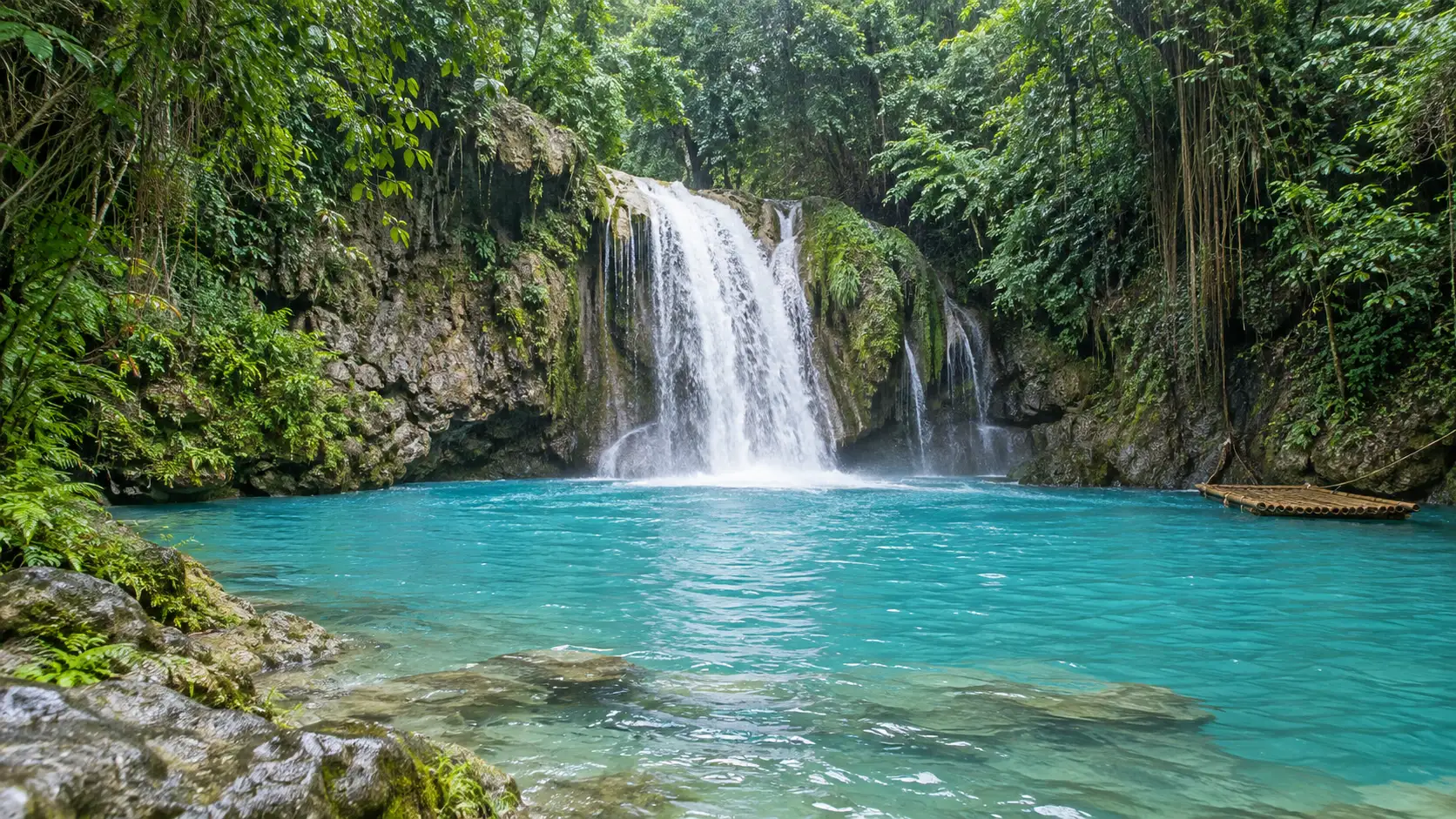
Cambugahay is a three-tiered waterfall near Lazi with clear blue-green pools surrounded by dense tropical vegetation. The official Siquijor destination guide specifically notes the swimming and rope-swing experience.
The walk involves a staircase rather than a long wilderness hike, which makes this one of the more approachable stops in the list. The steps and rocks become slick, however, and the optional swings may have separate charges or queues.
Allow about one to two hours if you want time to swim rather than pose for one photo and leave. Pair it with Lazi Church, the convent, and other southern Siquijor stops, and visit early if avoiding the busiest part of the day matters to you.
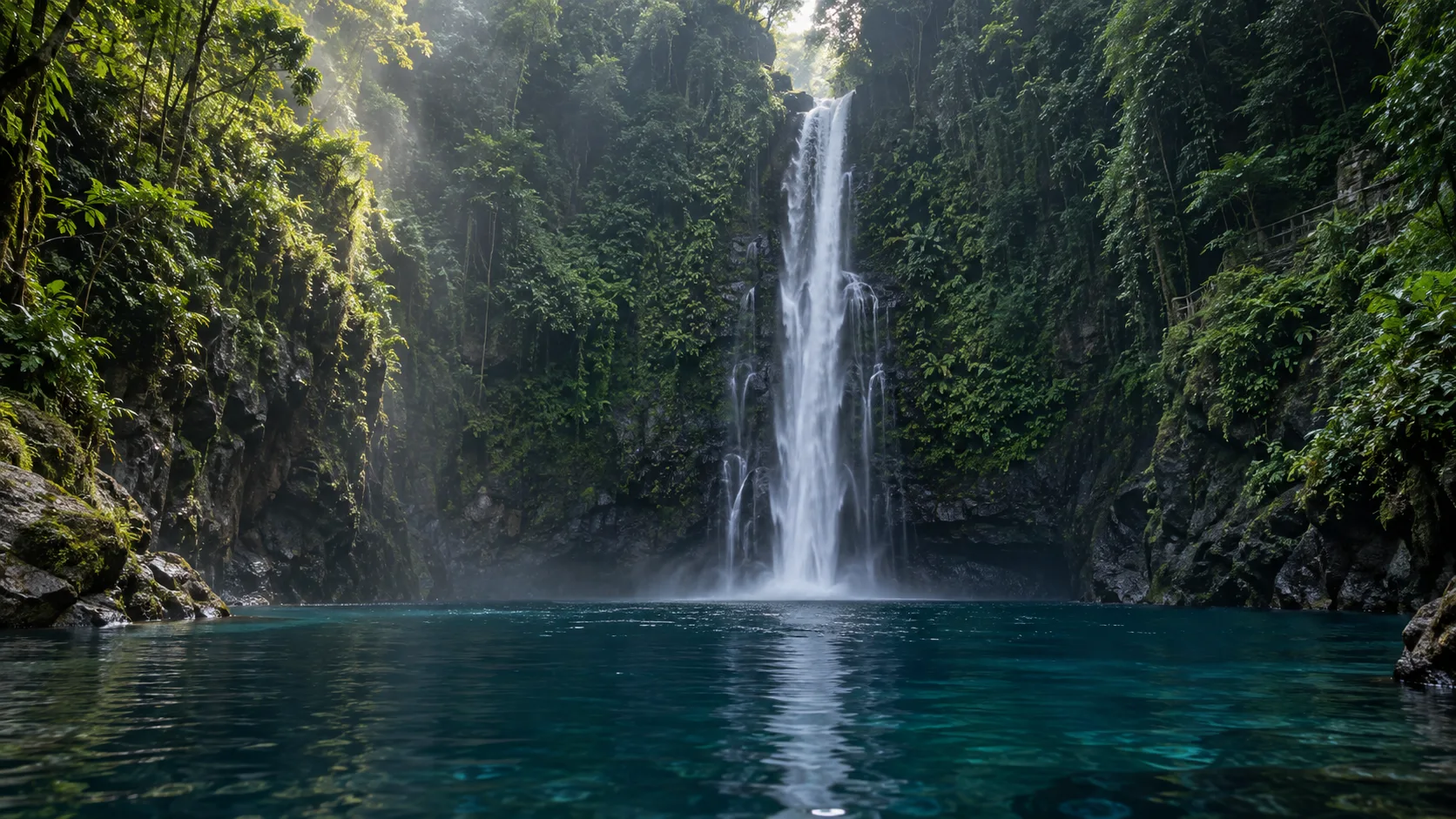
3. Tinago Falls, Iligan
Best for: A dramatic waterfall lagoon and a serious stair workout.
Tinago Falls drops about 240 feet into a deep blue-green basin inside a ravine between Iligan City and Linamon. The enclosed setting makes the waterfall feel far more secluded than its popularity suggests.
Reaching the lagoon requires descending a long concrete staircase, and every step must be climbed again on the way out. Give yourself at least two hours at the site, wear shoes with grip, and carry drinking water for the return climb.
Life jackets, rafts, swimming areas, and guide arrangements can change with local conditions. Tinago is within the Level 3 area discussed above, so the security advisory affects the journey as well as the waterfall itself.
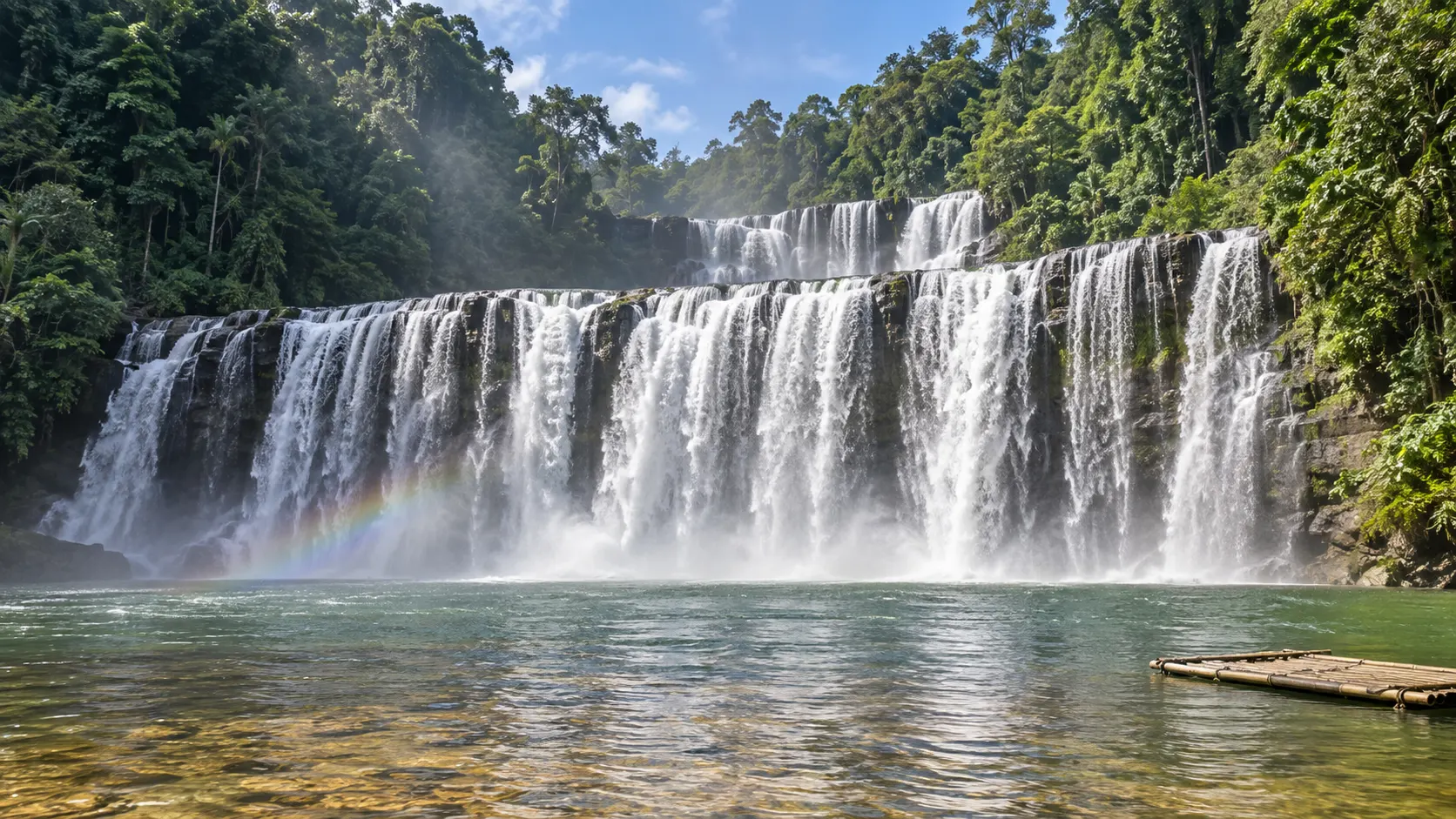
4. Tinuy-an Falls, Bislig
Best for: Seeing a broad wall of water rather than one narrow plunge.
Tinuy-an Falls spreads roughly 312 feet across a series of wooded tiers in Barangay Borboanan, outside Bislig. Its width and layered shape are the attraction, especially when the river is flowing strongly.
This is not a convenient add-on between flights. Bislig is a substantial overland journey from the region’s major gateways, so Tinuy-an makes sense only when Surigao del Sur is already a deliberate part of your route.
Plan roughly one to two hours at the falls, plus the much longer road journey, and ask locally about raft operation, swimming zones, and road conditions. Bislig and the surrounding route fall within the current Level 3 advisory.
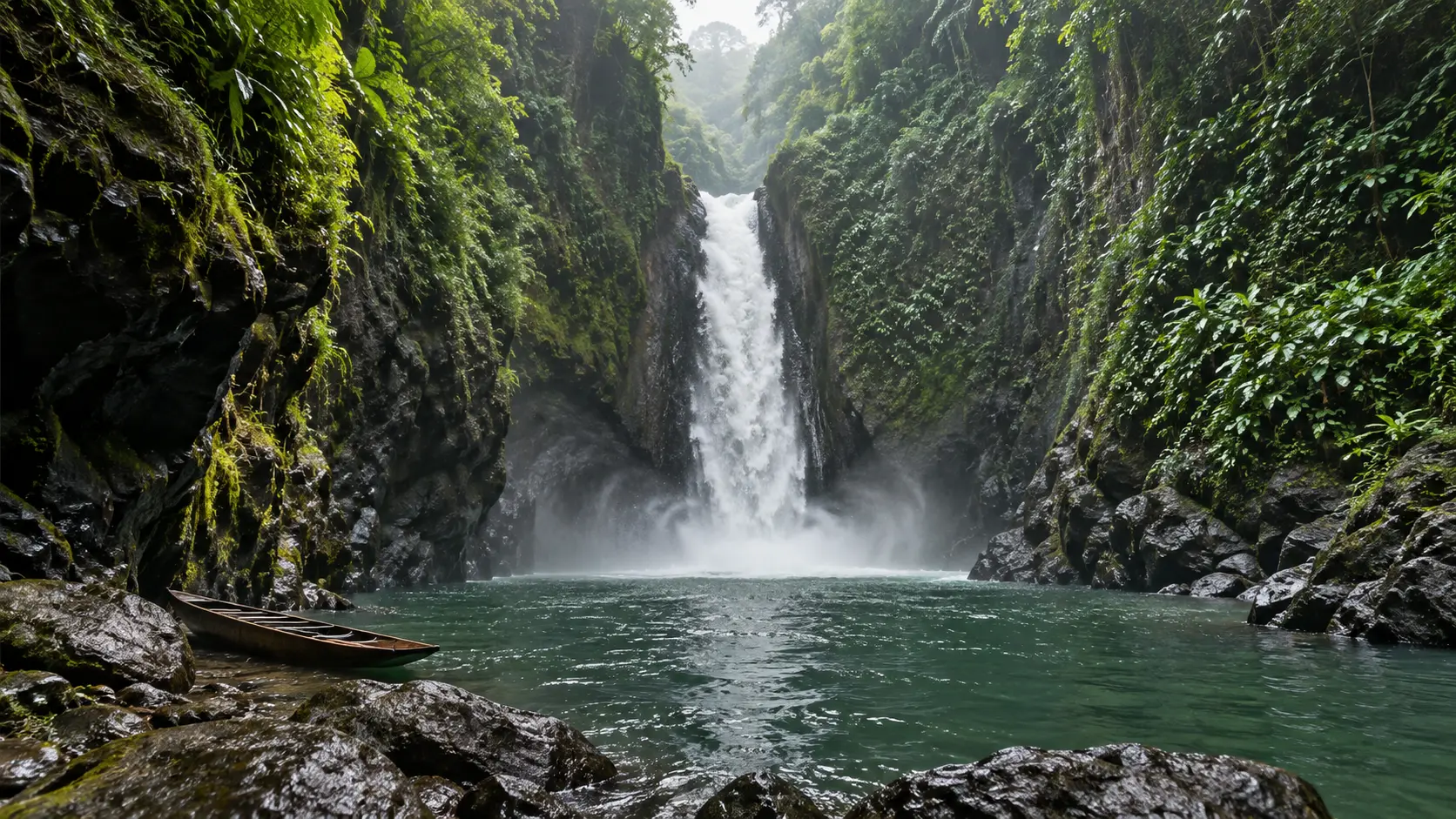
5. Cavinti Falls or Pagsanjan Falls, Laguna
Best for: A waterfall-focused excursion from Metro Manila.
Pagsanjan Falls, also called Cavinti or Magdapio Falls, is physically located in Cavinti even though its best-known approach begins in Pagsanjan. That naming confusion matters because the two common ways of visiting are completely different experiences.
From Pagsanjan, licensed boatmen guide narrow boats upstream through the gorge and rapids before visitors reach the main waterfall area. The river journey is the attraction as much as the falls, and the excursion usually takes several hours once check-in and safety preparation are included.
The Cavinti approach is land-based and may involve a demanding sequence of steep stairs and assisted descents when that route is operating. Confirm which entrance you are booking, exactly what physical effort is required, and whether the waterfall itself is reachable after recent rain.
You can do this as a long day from Manila, but traffic makes the timing unpredictable. An overnight stay in Laguna gives you a calmer start and removes the pressure to rush the river trip.
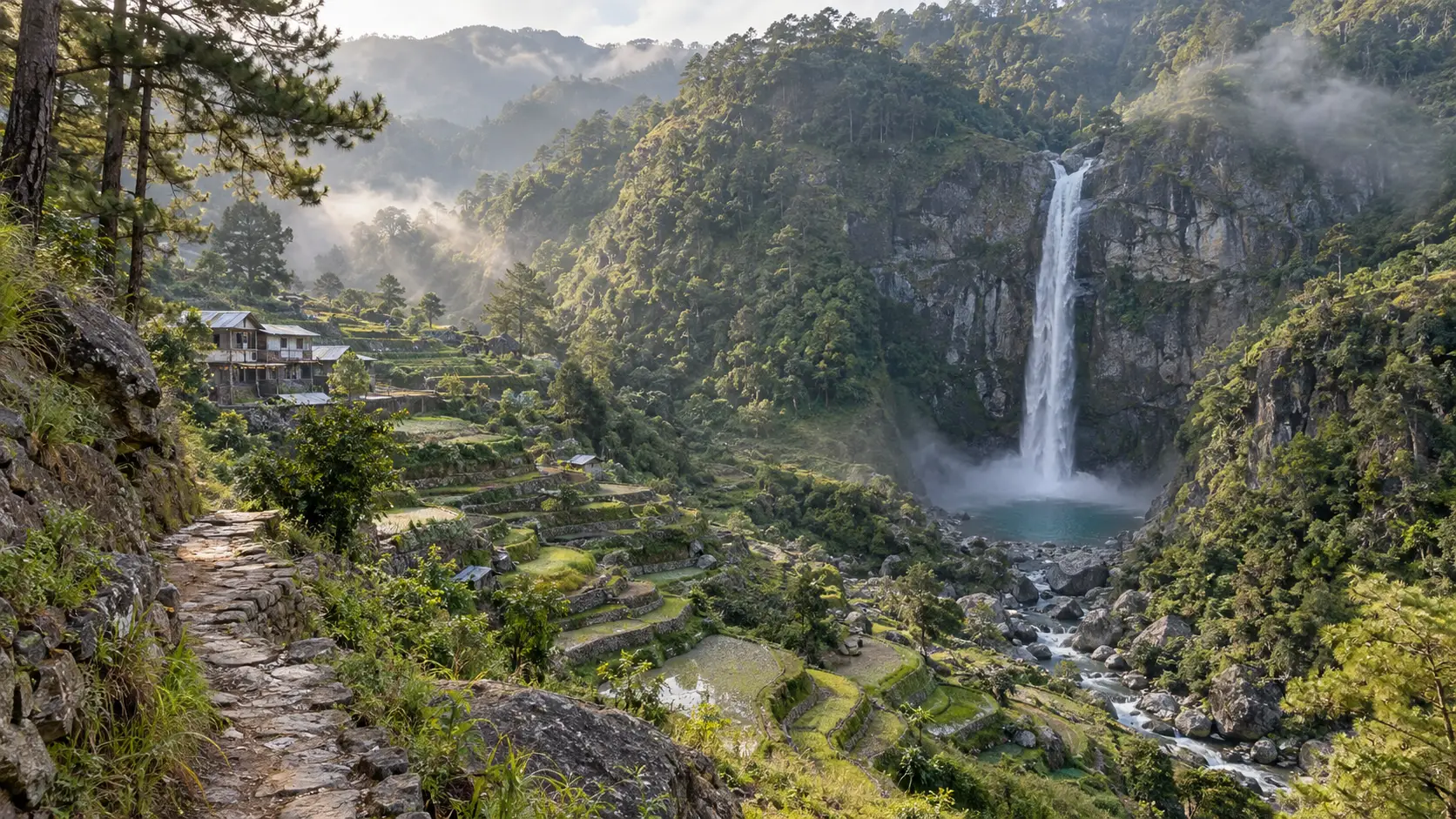
6. Bomod-ok Falls, Sagada
Best for: Travelers who want the hike and mountain landscape to be part of the reward.
Bomod-ok, often called Big Falls, is reached through villages and rice terraces north of Sagada’s town center. The scenery along the route is what separates it from waterfalls reached by a short roadside staircase.
Expect a half-day outing with a sustained descent followed by a tiring climb back, and allow more time in heat or wet conditions. There is limited shade on parts of the route, so water, sun protection, and secure footwear matter.
Visitors must register in Sagada and follow the current community guide system through an accredited organization. The official Sagada Tourism Office publishes registration information, accredited providers, and local notices.
7. Tangadan Falls, La Union
Best for: Adding one active inland day to a San Juan beach or surf trip.
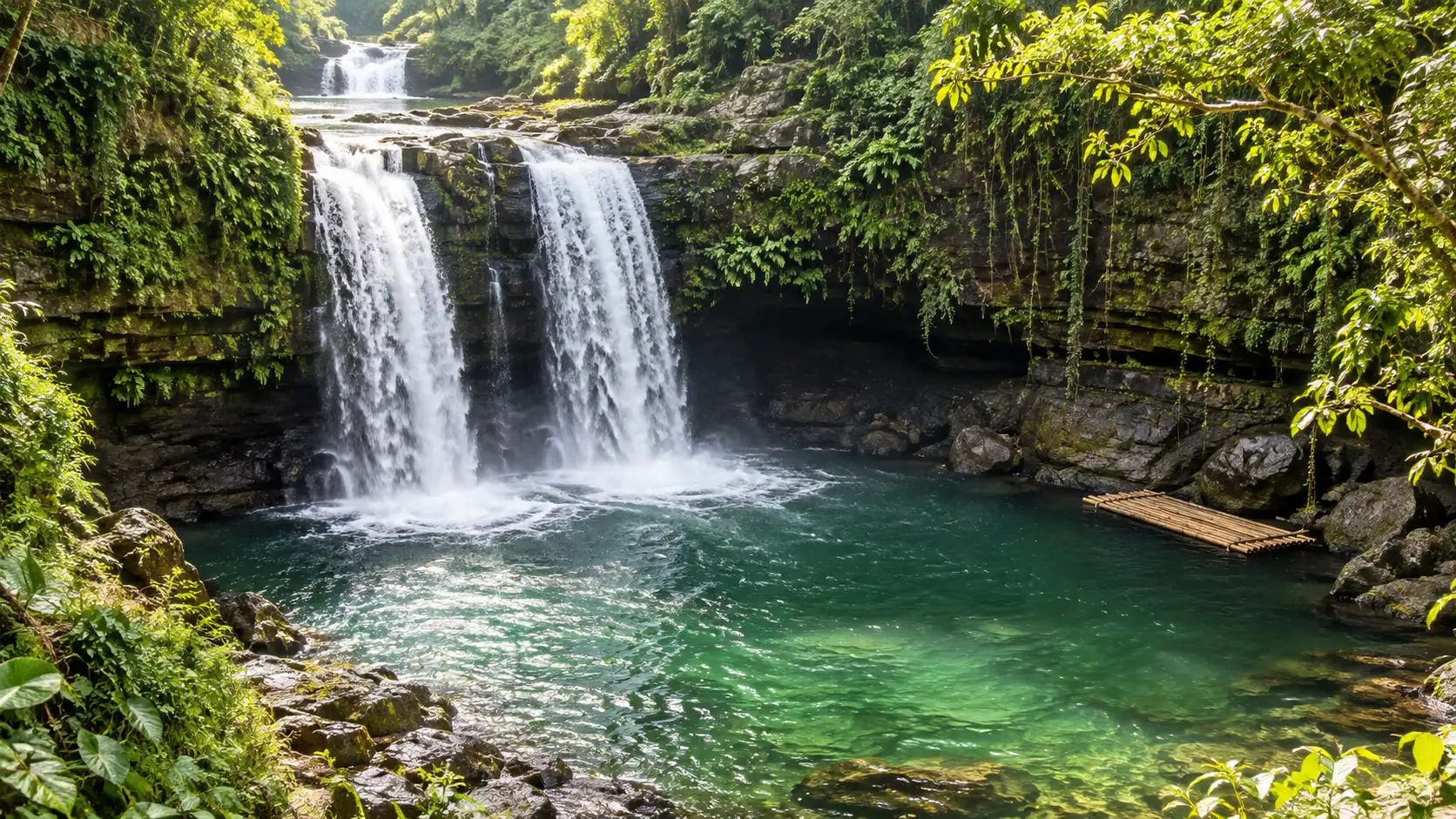
Tangadan Falls is in San Gabriel, inland from La Union’s better-known coastal towns. Its lower pool and forest setting provide a very different day from the restaurants and surf breaks around San Juan.
The current approach can combine registration in San Gabriel, a steep mountain transfer, and a walk to the falls. Longer trekking routes with river crossings have also been used, so do not assume an old online route matches the access system operating when you arrive.
Use the municipal registration and guide process, keep your official receipt, and ask whether swimming or jumping is allowed that day. I would reserve at least half a day from San Juan so the outing does not become a rushed dash back to the coast.
8. Katibawasan Falls, Camiguin
Best for: A quick waterfall stop during a wider Camiguin island tour.
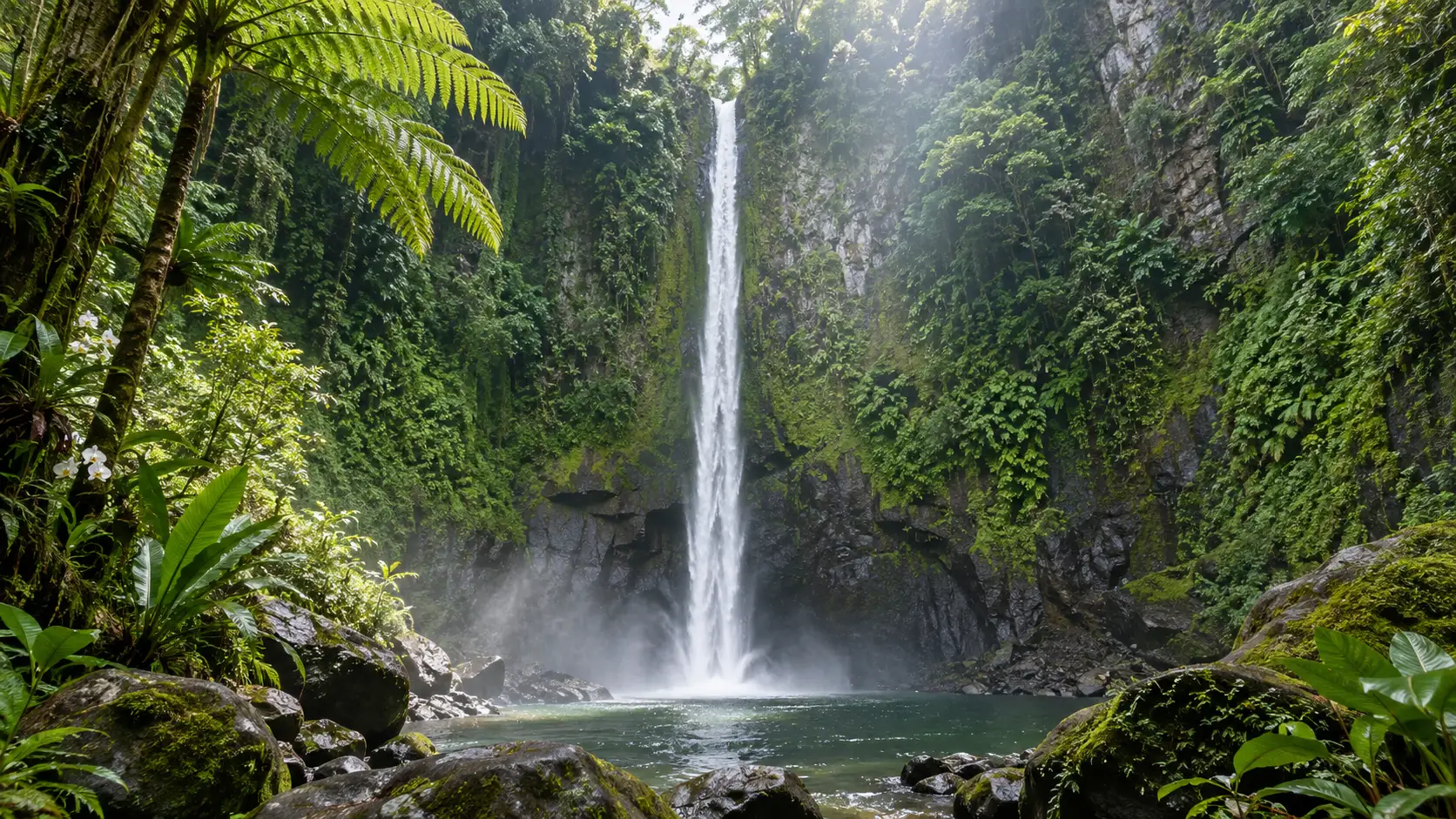
Katibawasan is a slender waterfall of roughly 250 feet near Mambajao, with a developed entrance and a short approach compared with Bomod-ok or Tangadan. It is the easiest waterfall on this list to treat as a straightforward sightseeing stop rather than the day’s main expedition.
Allow about 45 to 90 minutes, depending on whether swimming is permitted and how busy the pool area is. Combine it with Camiguin’s hot springs, volcanic landmarks, or coastal stops instead of traveling to the island for this one waterfall alone.
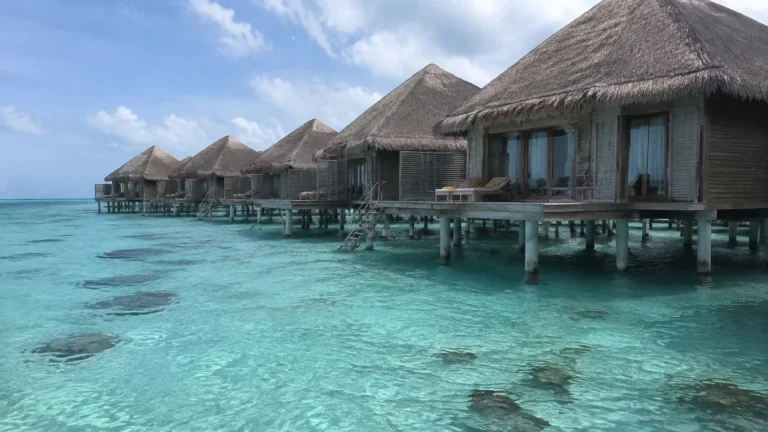
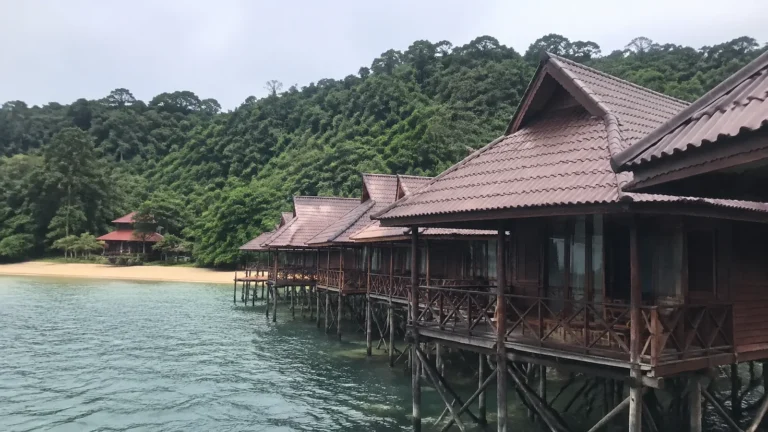
Camiguin requires a flight or ferry plan and is not exempted from the current Level 3 Mindanao advisory. If you are also comparing unusual island accommodations, these overwater stays in the Philippines explain which properties are genuine water villas and which are better treated as separate island experiences.
9. Seven Falls, Lake Sebu
Best for: Waterfall views paired with a Lake Sebu and T’boli cultural itinerary.
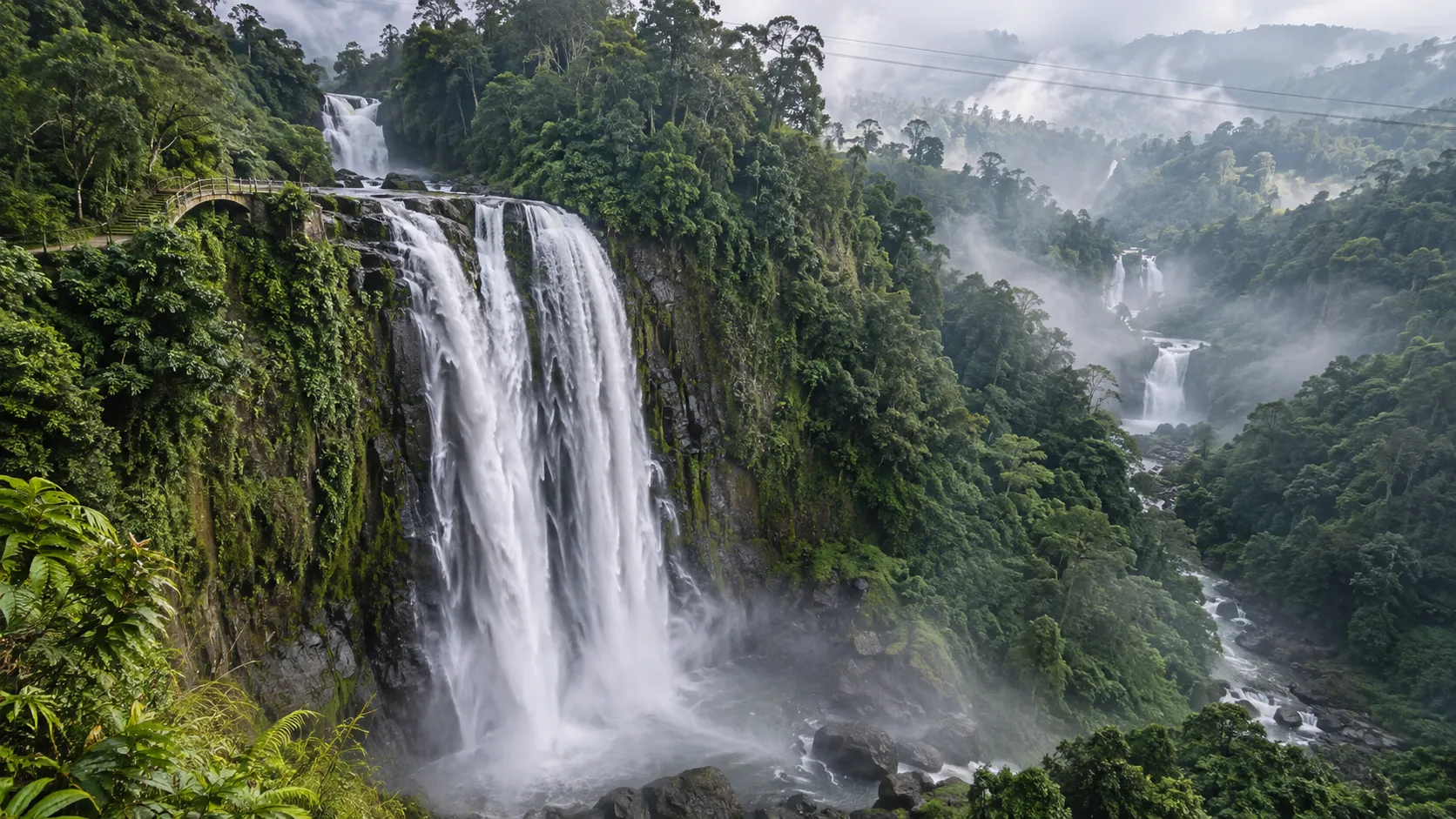
Seven Falls is a connected series of cascades in South Cotabato rather than seven identical roadside viewpoints. Visitors commonly experience the first waterfalls from developed viewing areas, while the zipline is known for giving elevated views across the forested valley and additional cascades.
The zipline, trails, and viewing areas may operate independently, so ask what is open before paying or arranging transportation. Wind, heavy rain, maintenance, and river conditions can all change what is available.
Make Lake Sebu itself part of the trip rather than racing in for the zipline and leaving. Spend thoughtfully with local guides and recognized T’boli artisans, and always ask permission before photographing people, homes, or ceremonies.
10. Aliwagwag Falls, Davao Oriental
Best for: A dedicated Davao Oriental road trip, but only after confirming the park is operating.
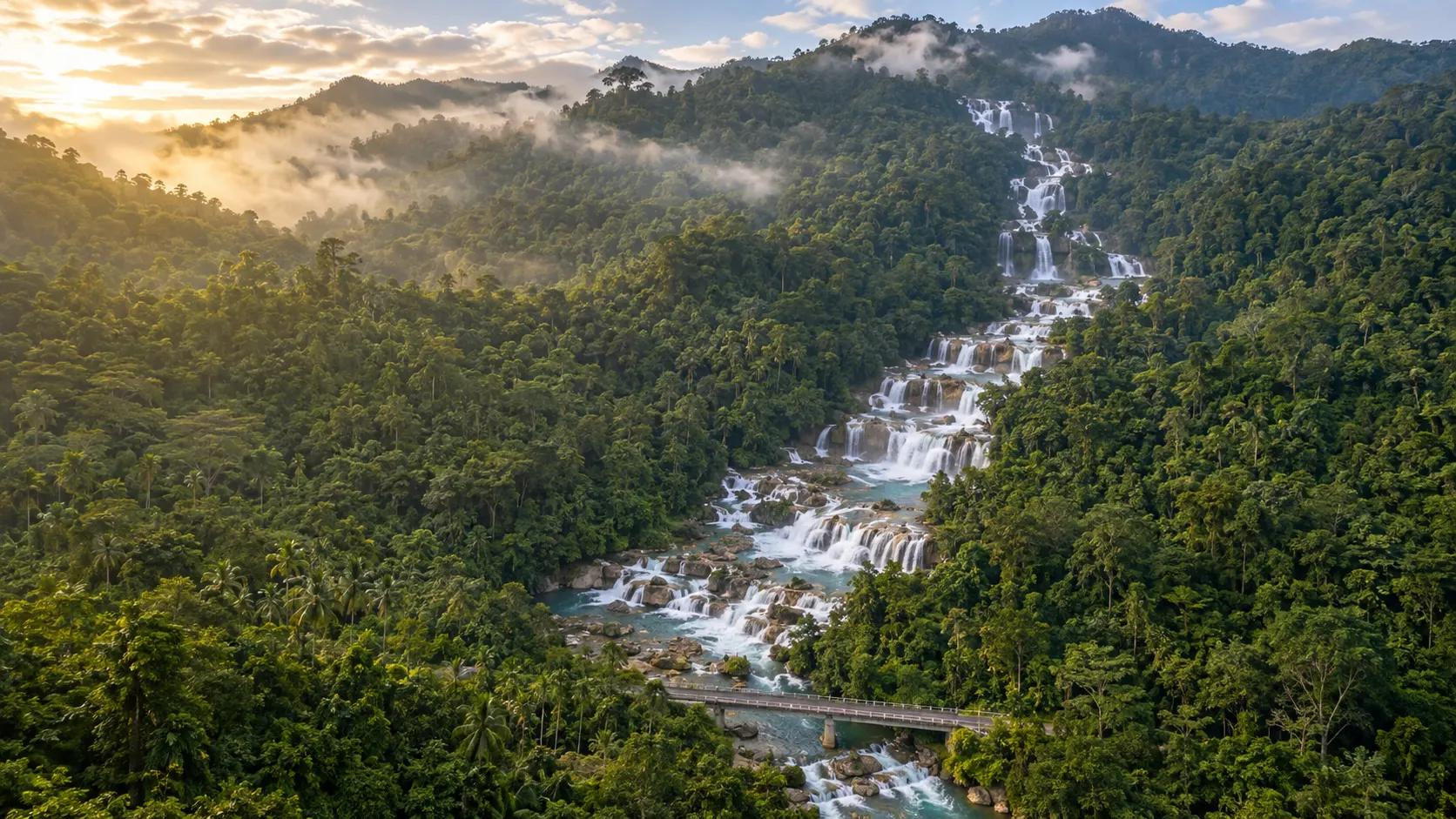
Aliwagwag is a long staircase of cascades beside the road near Cateel. Its scale comes from the number of visible drops flowing down the mountainside, not from one uninterrupted vertical plunge.
Storm damage, repairs, river conditions, and park work have repeatedly affected access. Do not leave Davao City or another distant base based only on a map listing, because the overland commitment is substantial and same-day operating information matters.
Confirm reopening and visitor access directly with Davao Oriental or Cateel tourism shortly before the trip. The destination is also within the Level 3 advisory area, which makes Aliwagwag the most conditional recommendation in this guide.
Two famous waterfalls not to build a trip around
Asik-Asik Falls
Asik-Asik’s curtain of water is beautiful, but Alamada’s municipal information has carried a temporary closure notice while tourism infrastructure is rehabilitated. Leave it out of a nonrefundable itinerary unless the municipal tourism office directly confirms that visitors are being admitted.
Maria Cristina Falls
Maria Cristina Falls is an important Iligan landmark and hydroelectric site, not a conventional attraction with a dependable full flow and daily viewing schedule. Treat it as a possible extra only after confirming access, while Tinago is the more practical waterfall centerpiece near Iligan.
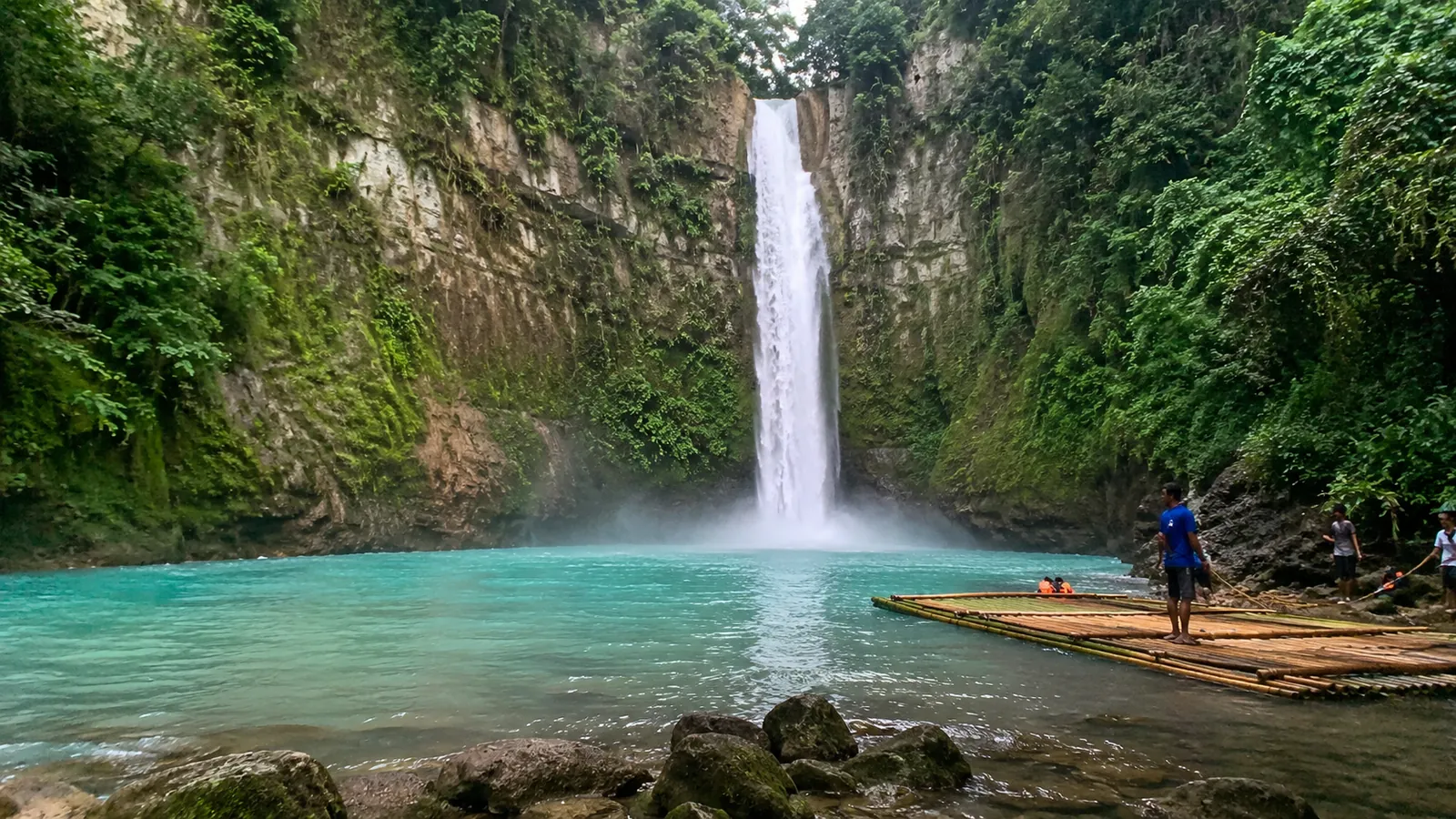
When to visit waterfalls in the Philippines
There is no single perfect waterfall month for the entire country. Rainfall patterns vary across Luzon, the Visayas, and Mindanao, and mountain weather can differ from the forecast at the nearest airport.
Drier conditions often mean easier roads, clearer pools, and safer trails, but the waterfall may have less volume. Rain creates more dramatic flow while also increasing the risk of flash floods, muddy paths, falling debris, rough ferry crossings, and sudden closures.
Check the local forecast and PAGASA weather advisories on the morning of your visit. If local staff close a trail, gorge, or swimming area, change the plan without trying to negotiate your way around the barrier.
Guides, fees, and transportation
Some waterfalls require formal registration, accredited guides, environmental fees, safety equipment, or community coordination. Others have a simple entrance charge but separate fees for parking, rafts, rope swings, or local transportation.
Ask for one written price that explains what is included before sending a deposit. For canyoneering, confirm the operator, meeting point, transport, helmet, life jacket, guide ratio, meal, photos, entrance charges, cancellation terms, and bad-weather policy.
A driver is not automatically a waterfall guide, and a guide cannot make a flooded river safe. Tell the operator honestly about swimming ability, injuries, mobility limitations, children’s ages, and any fear of heights before booking.
What to pack for a waterfall day
- Trail shoes or secure water shoes with dependable grip.
- A small dry bag and a separate waterproof phone pouch.
- Quick-drying clothes plus a dry outfit for the return journey.
- Drinking water, snacks, and any personal medication.
- Broad-spectrum sunscreen, a hat, and insect repellent.
- A light rain shell and compact towel.
- Cash in small Philippine-peso notes for local fees.
- A charged phone, offline map, and portable battery.
Flip-flops are comfortable in the van and miserable on mossy stairs. Keep them for afterward and wear shoes that stay attached to your feet around mud, rock, and moving water.
Swim and photograph responsibly
Wear a life jacket wherever it is required, stay outside roped areas, and never stand directly beneath a powerful fall. Rocks and branches can descend with the water, while submerged ledges and currents are difficult to judge from shore.
Do not use soap in the pools, leave food waste, move barriers, carve rocks, or fly a drone without permission. Keep music low and ask before photographing residents, workers, farms, or cultural activities.
Water conditions can change within hours after rain. A photo of someone jumping safely on another day is not evidence that the same ledge is safe for you.
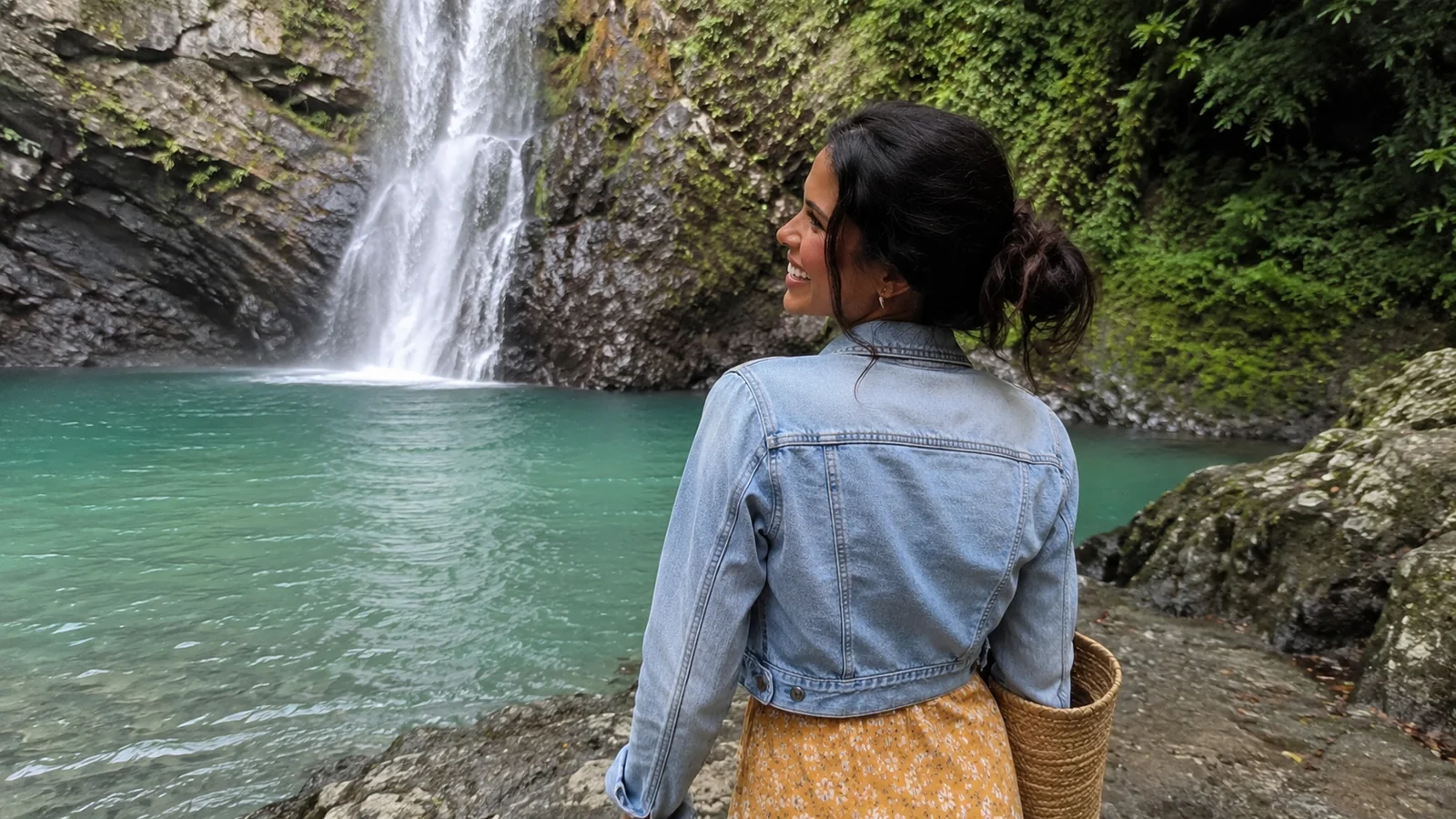
Four realistic waterfall itineraries
Four to five days in south Cebu
Stay near Moalboal or Badian and reserve one weather-flexible morning for Kawasan canyoneering. Use the remaining days for the coast, snorkeling, or another south Cebu outing, and do not schedule the canyon immediately before a flight.
Three to four days on Siquijor
Include Cambugahay in a southern island loop rather than treating it as a separate travel day. Leave a buffer before your onward ferry because a delayed crossing can break a tightly connected itinerary.
A Laguna day trip or overnight
Choose the Pagsanjan river approach if the boat journey is the experience you want, or investigate the Cavinti entrance if you prefer a physically demanding land route. An overnight in Laguna is more relaxed, while a Manila day trip works only with generous traffic allowances.
Six to seven days in Northern Luzon
Tangadan and Bomod-ok can fit into a wider La Union and Sagada itinerary, but they should be separate active days. Mountain-road delays, guide registration, and the climb back from Bomod-ok make this a poor route to compress.
I would not build a first Philippines vacation around the five Mindanao waterfalls while Level 3 guidance applies. Travelers who decide otherwise need extra time, suitable insurance, current local security advice, and confirmation that each attraction is actually operating.
Which Philippines waterfall should you choose?
Choose Kawasan if you want action, Cambugahay if you want an easy island swim, Pagsanjan if the river journey appeals to you, Bomod-ok if you want a true hiking day, or Tangadan if you are already staying in La Union.
The right choice is usually the waterfall closest to the trip you already want, not the most dramatic photo on social media. For more ideas beyond the Philippines, these beautiful waterfalls around the world show how different the experience can be from one destination to another.