10 Most Beautiful Waterfalls in the World
The world’s most beautiful waterfalls do more than move water. They shake the ground, fill entire valleys with mist, and turn cliffs, forests, and canyons into scenes that hardly look real.
From the endless green cascades of Iguazu to the impossible blue of Havasu, these are the waterfalls that make a journey feel small in the best possible way.
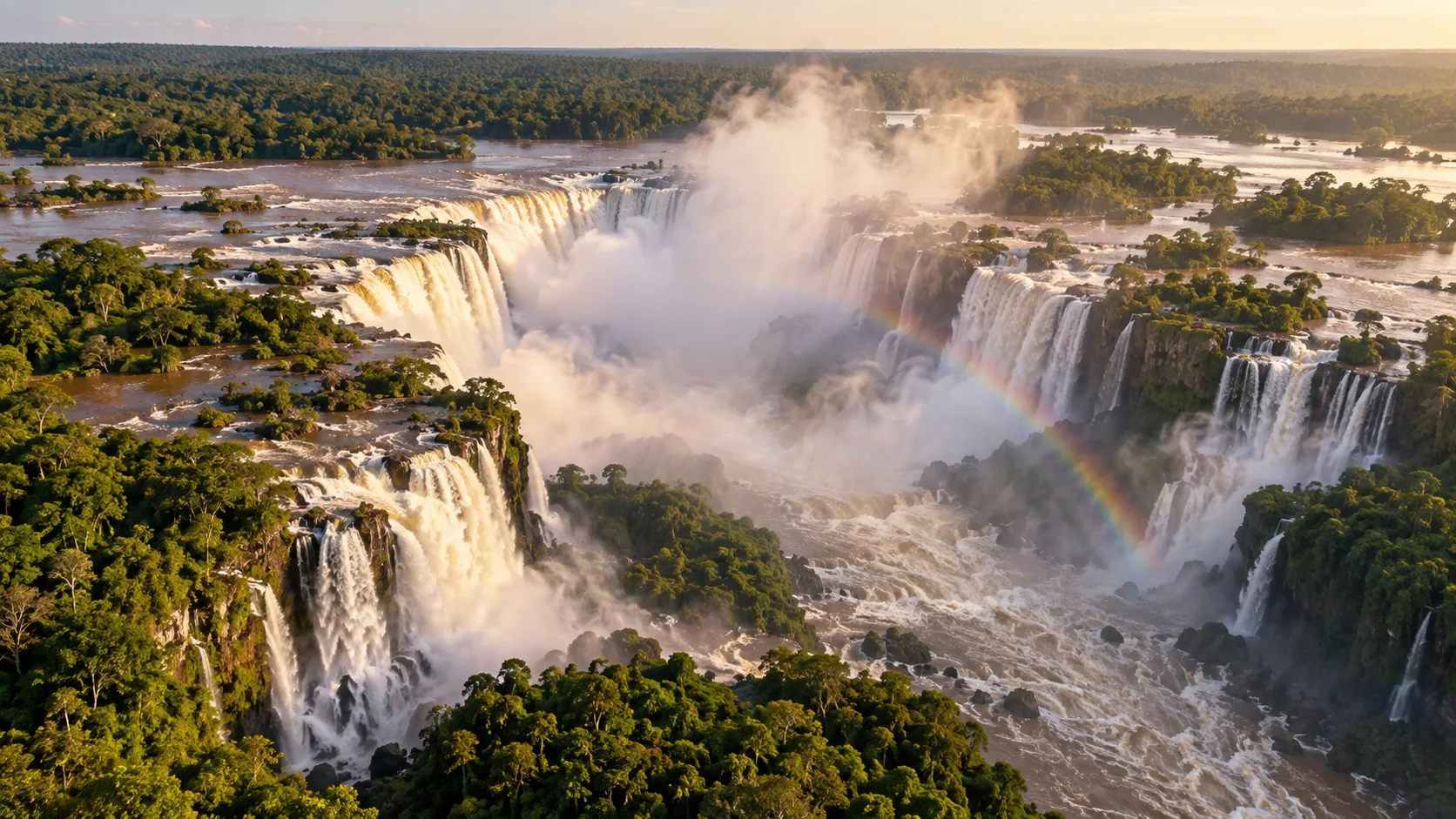
1. Iguazu Falls, Argentina and Brazil
Iguazu does not reveal itself all at once. Water appears between trees, beneath walkways, across distant cliffs, and finally in the vast horseshoe of Devil’s Throat, where the river seems to collapse into a cloud.
Nearly 1.7 miles of cascades cut through subtropical rainforest along the Argentina-Brazil border. Some drops are narrow and graceful, while others merge into enormous white curtains that send mist high above the treetops.
The sound builds as you approach, but it is the scale that stays with you. Even the widest photographs struggle to capture how many layers of water, rock, forest, and sky are visible at once.
The Argentine side surrounds you with close viewpoints, while the Brazilian side delivers the sweeping panorama. Seeing both turns Iguazu from a famous landmark into one of the most complete natural spectacles on Earth.
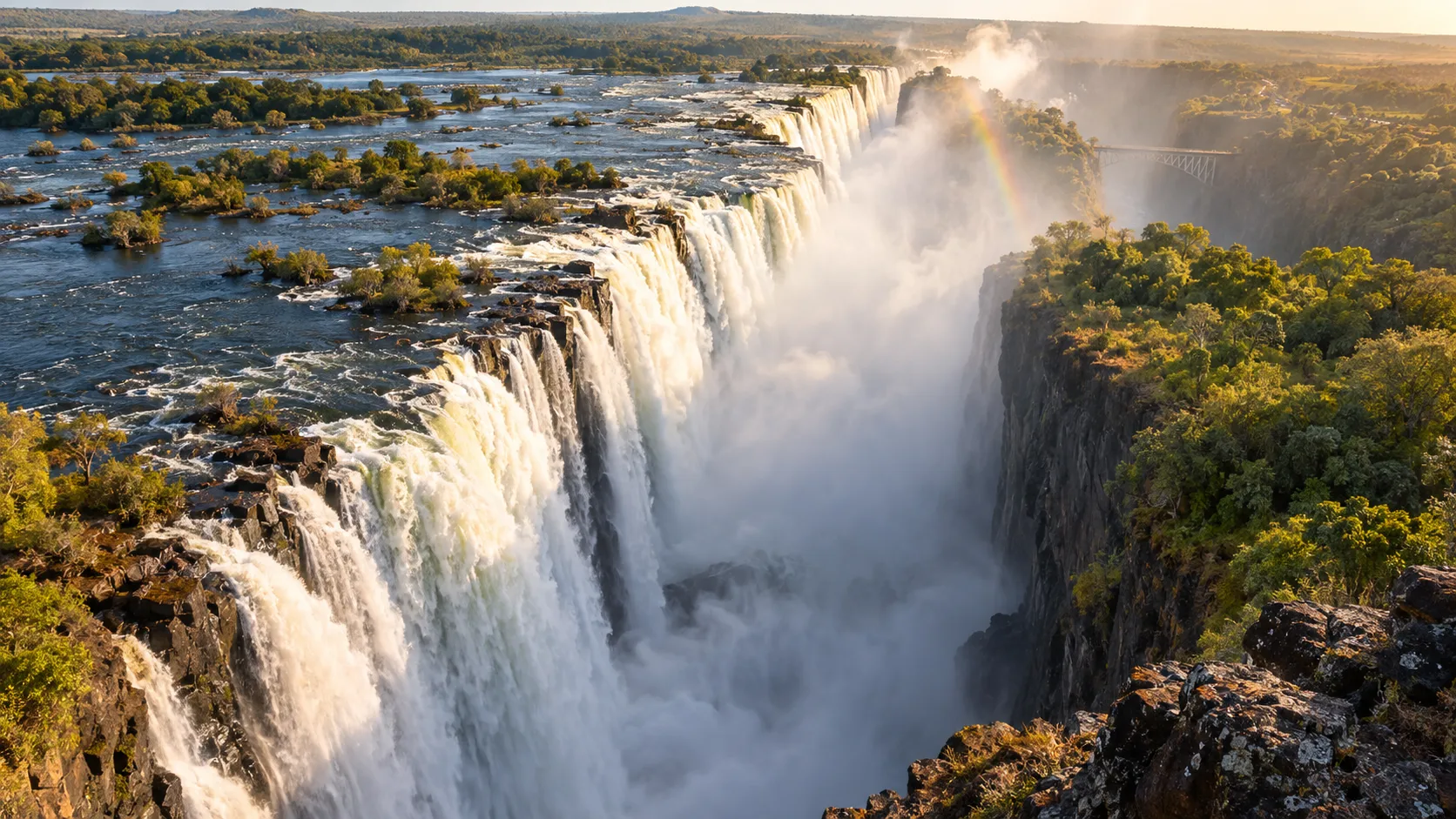
2. Victoria Falls, Zambia and Zimbabwe
Victoria Falls looks as though the Zambezi River has reached the edge of the world. A broad sheet of water disappears into a narrow basalt gorge, sending a column of spray into the sky that can be seen from miles away.
The waterfall stretches about 1.1 miles and plunges more than 300 feet. At high water, the roar becomes physical, the viewpoints vanish in mist, and rainbows appear and disappear as sunlight moves through the spray.
Lower water reveals a different kind of beauty. Dark cliffs, individual channels, and the zigzagging gorges downstream emerge from behind the white curtain, showing the dramatic geology that the flood season can hide.
Iguazu feels expansive and layered, but Victoria Falls feels elemental. It is simply river, rock, thunder, and mist on a scale that makes everyone standing nearby look impossibly small.
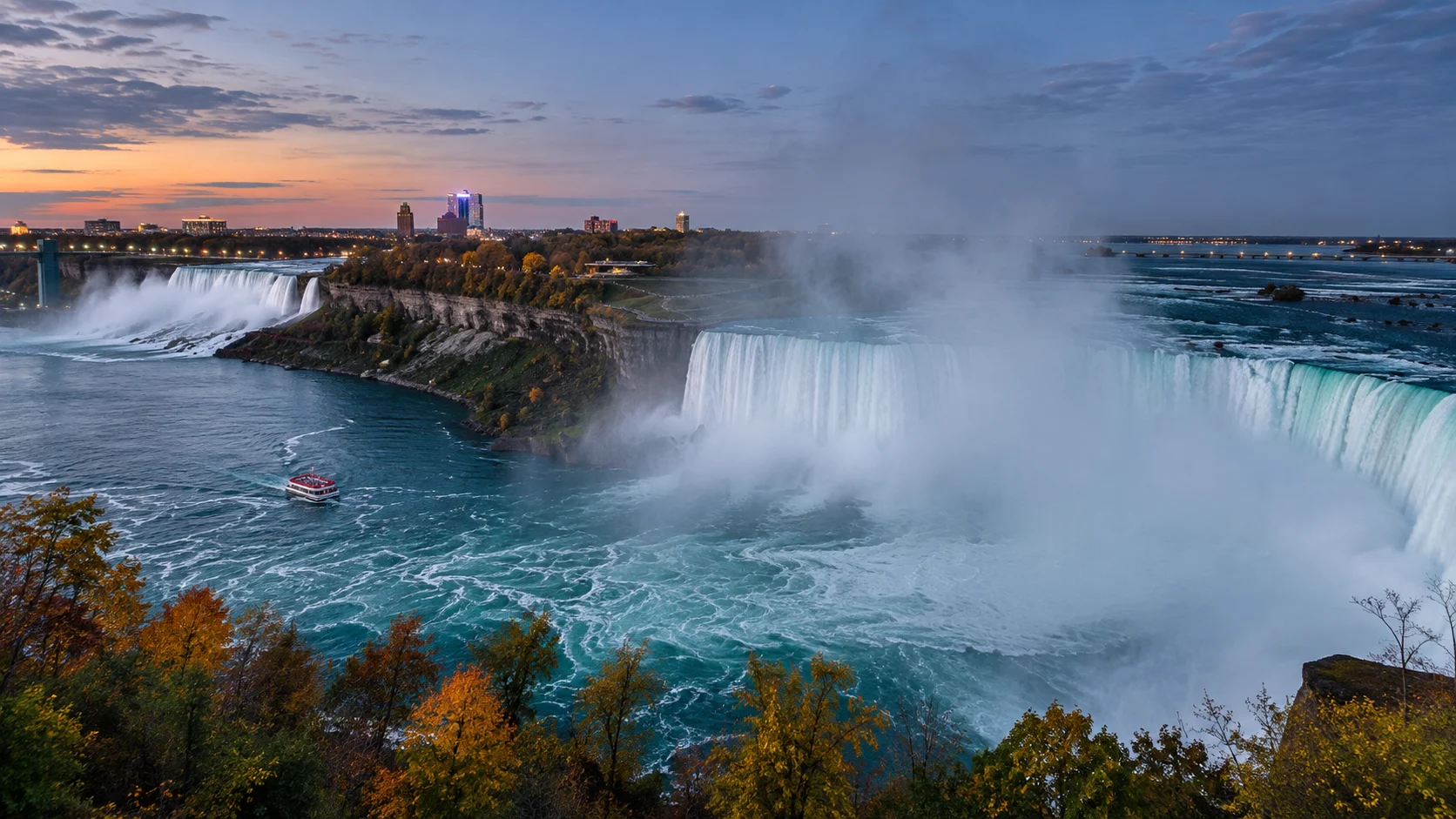
3. Niagara Falls, Canada and the United States
Familiarity has not made Niagara any less magnificent. The river turns an almost luminous blue-green before folding over Horseshoe Falls in one smooth curve, with mist rising continuously from the basin below.
Niagara’s beauty comes from movement as much as height. More than 2,000 feet of Horseshoe Falls seem to pull the entire river forward, while the American and Bridal Veil falls create a second wall of white across the gorge.
The Canadian promenade offers the classic panorama, especially when the evening light softens and the illuminated falls begin to glow. The New York side feels closer and greener, with viewpoints near the rushing water before it reaches the edge.
A boat ride changes the experience from scenic to exhilarating. The skyline disappears, the falls rise like moving walls, and the sound becomes so loud that conversation stops being useful.
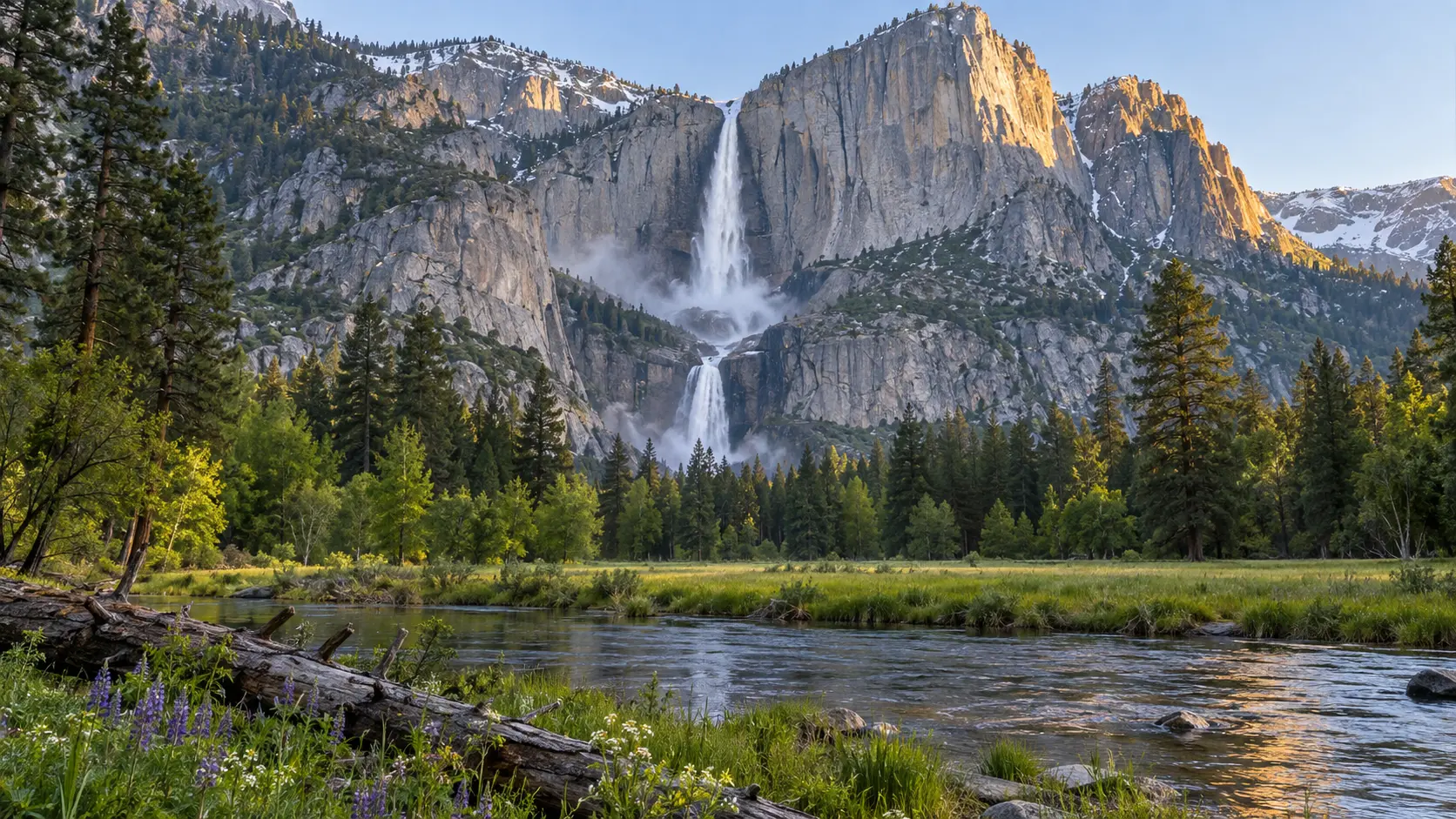
4. Yosemite Falls, California
Yosemite Falls appears almost impossibly high against the granite walls of Yosemite Valley. Its three sections drop a combined 2,425 feet, with the upper fall pouring from a clifftop that seems to touch the sky.
In spring, snowmelt transforms the waterfall into a bright white ribbon visible from meadows, trails, bridges, and the valley road. Wind catches the upper section and briefly pushes the water sideways, making the fall look alive against the still rock.
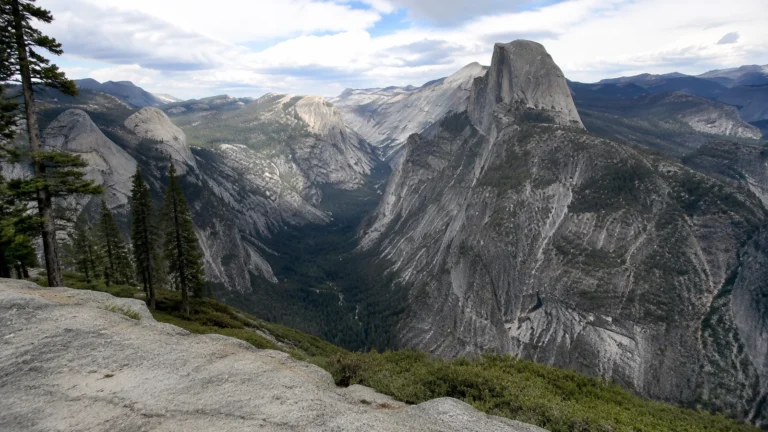
The surrounding landscape is what makes Yosemite Falls unforgettable. El Capitan, Half Dome, pine forest, open meadow, and the Merced River create a natural frame that feels grand even before the waterfall enters the view.
The flow usually weakens dramatically by late summer, so this is one waterfall where timing changes the scene. Its setting also earns Yosemite a place among my most beautiful national parks in the world.
5. Plitvice Lakes, Croatia
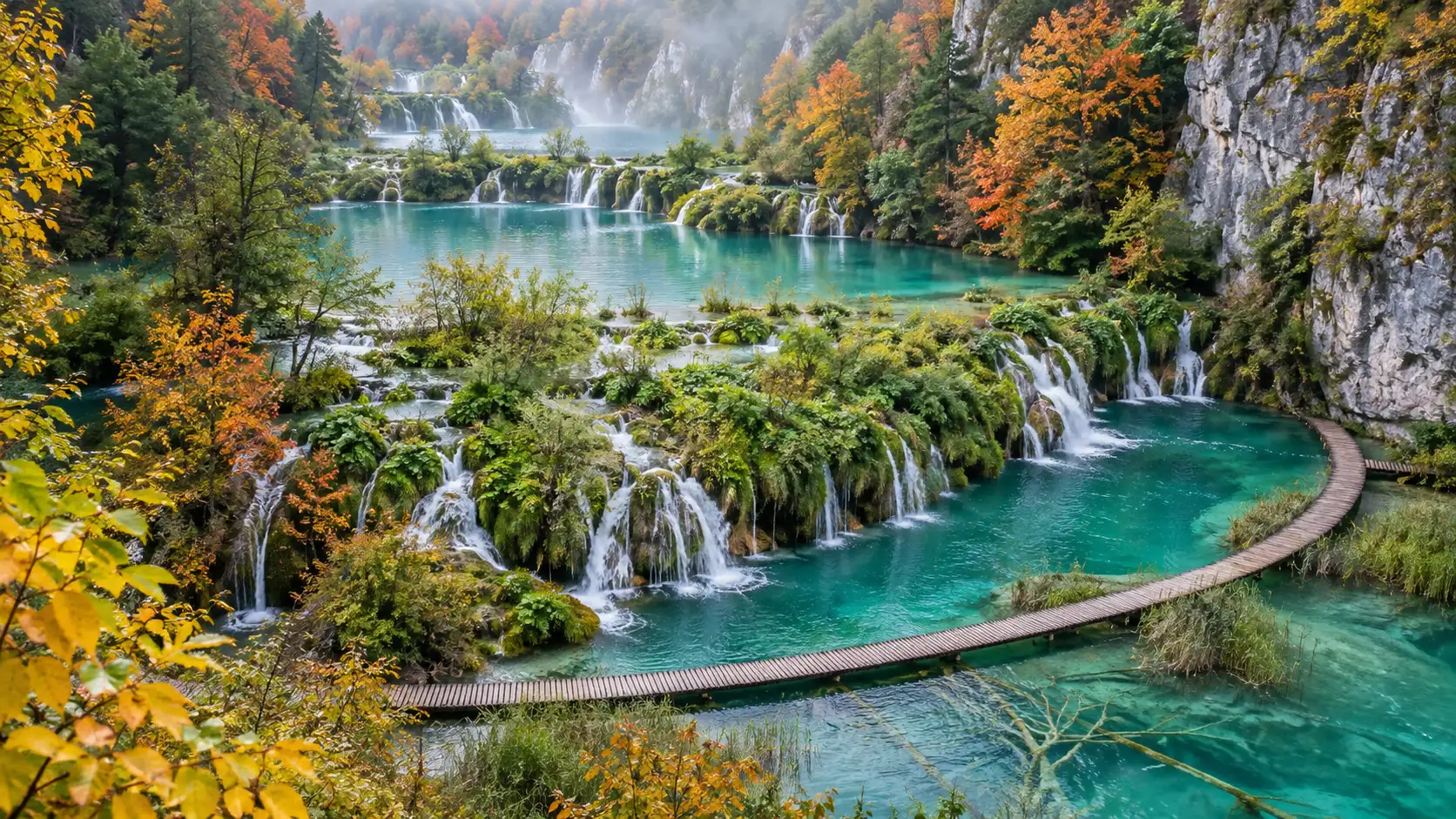
Plitvice looks like a forest imagined in watercolor. Sixteen lakes step down through green woodland, spilling over travertine barriers in hundreds of veils, threads, and shimmering curtains.
The water can appear jade, turquoise, blue, or silver depending on minerals, depth, clouds, and sunlight. Wooden boardwalks cross so close to the lakes that reflections and ripples become as compelling as the larger waterfalls.
There is no single viewpoint that defines Plitvice. Its magic comes from walking deeper into the park and repeatedly discovering another lake, another moss-covered drop, and another cascade half-hidden behind leaves.
Spring emphasizes water and fresh green growth, while fall surrounds the blue lakes with copper and gold. Swimming is prohibited, helping preserve the clarity and fragile formations described in the official Plitvice guidance.
6. Gullfoss, Iceland
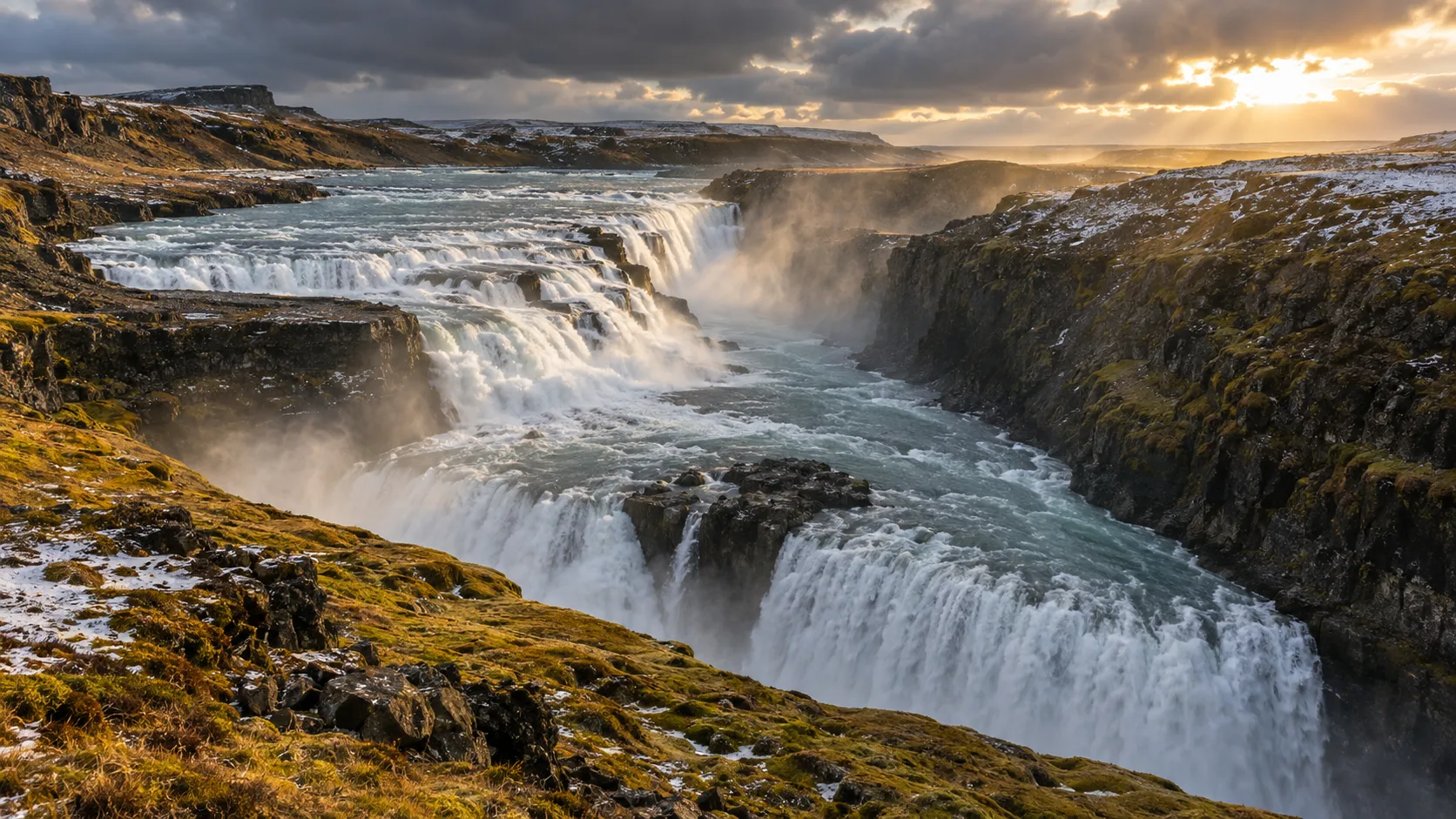
Gullfoss does not fall neatly into one pool. The Hvita River races over a broad shelf, turns sharply through a second drop, and vanishes into a narrow canyon as though the ground has opened beneath it.
The unusual angle makes the waterfall feel different from every viewpoint. From above, the river looks almost level with the surrounding land until it suddenly folds downward into mist and shadow.
On bright days, rainbows hover above the canyon. In colder weather, ice clings to the dark rock and the surrounding landscape becomes a study in white, gray, pale gold, and blue.
Gullfoss is a perfect expression of Iceland’s raw appeal, dramatic without needing a long wilderness approach. My Iceland travel guide connects it with the geysers, lava fields, glaciers, and black-sand landscapes that make the rest of the country just as striking.
7. Kaieteur Falls, Guyana
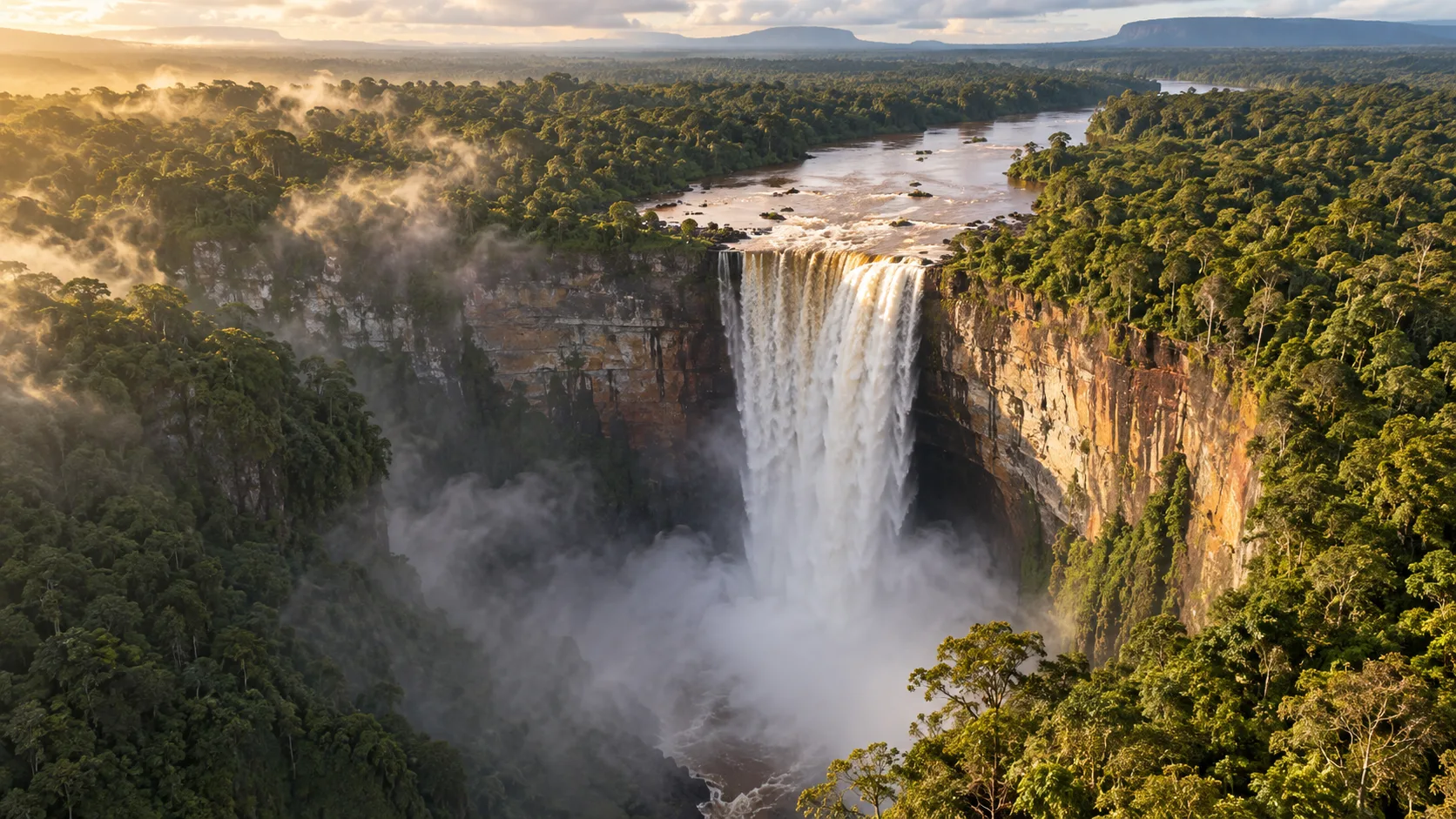
Kaieteur rises from an ocean of rainforest with almost nothing human in sight. The Potaro River gathers at the edge of a sandstone plateau and drops 741 feet in one powerful, uninterrupted plunge.
Its isolation changes the emotional scale of the view. Forest stretches toward the horizon, mist gathers inside the gorge, and the waterfall appears to exist in a world that has been left almost entirely alone.
The water often carries warm gold and brown tones from the river, creating a striking contrast with the deep green canopy. From the air, the straight edge of the plateau and sudden opening of the gorge look almost unreal.
Kaieteur is reached most commonly by a scenic flight from Georgetown, which makes the changing landscape part of the experience. The Guyana Tourism Authority provides the essential park overview, but the reason to go is wonderfully simple: very few famous waterfalls still feel this wild.
8. Sutherland Falls, New Zealand
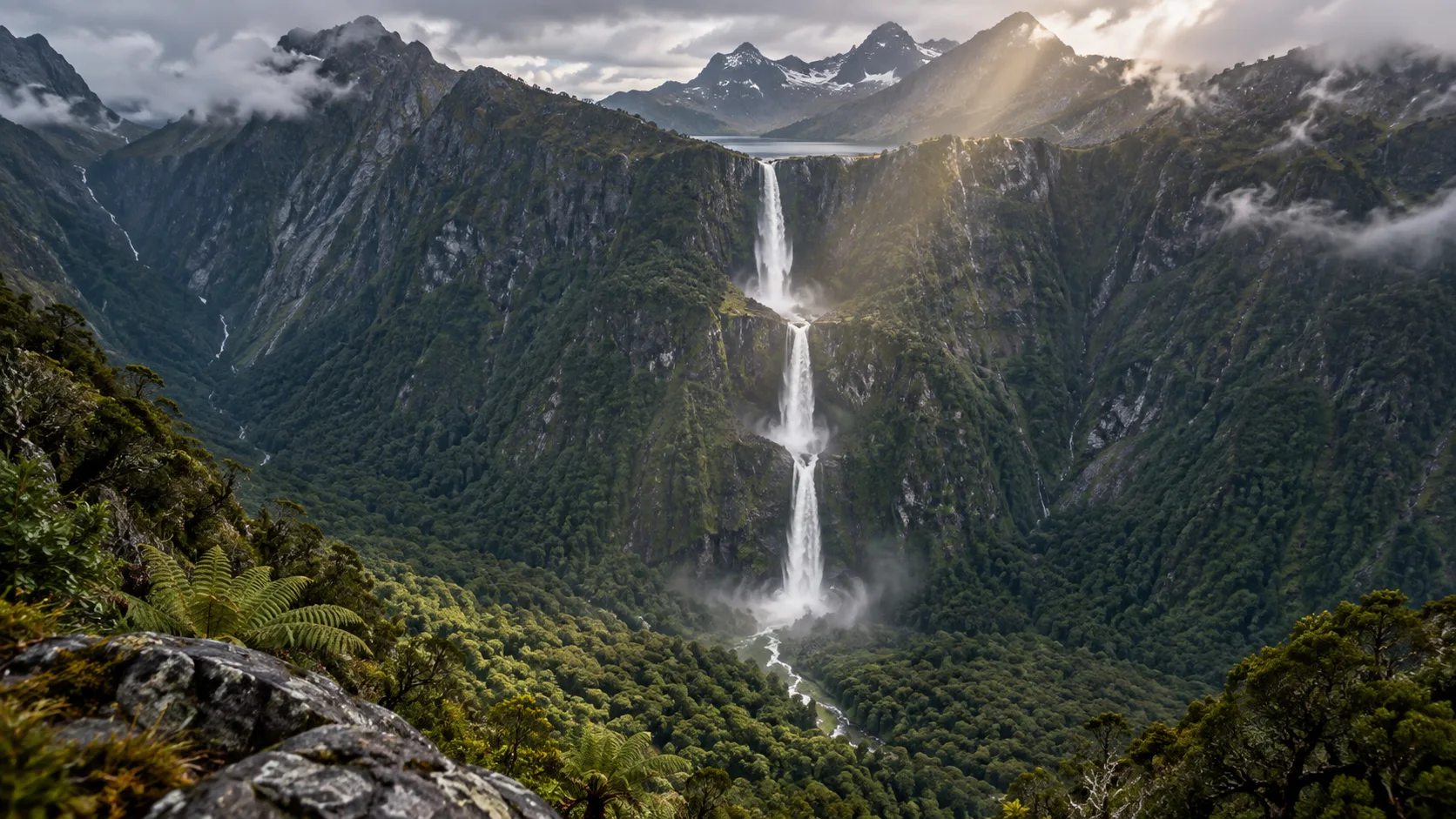
Sutherland Falls descends from a hidden alpine lake in three enormous leaps, dropping 1,903 feet through the mountains of Fiordland. From below, the water seems to begin in the clouds and continue almost without end.
Dense forest presses close to the cliffs, while frequent rain feeds dozens of smaller waterfalls throughout the surrounding valleys. The result is not one isolated attraction but a landscape filled with moving water.
Part of Sutherland’s beauty comes from the approach along the Milford Track. Glacial valleys, fern-filled rainforest, swing bridges, and mountain passes build anticipation before the waterfall finally dominates the view.
The New Zealand Department of Conservation treats it as a side trip from the four-day walk, which keeps the setting feeling earned and remote. Travelers seeking Fiordland’s drama from the water can compare that experience with the scenery covered in my New Zealand cruise guide.
9. Havasu Falls, Arizona
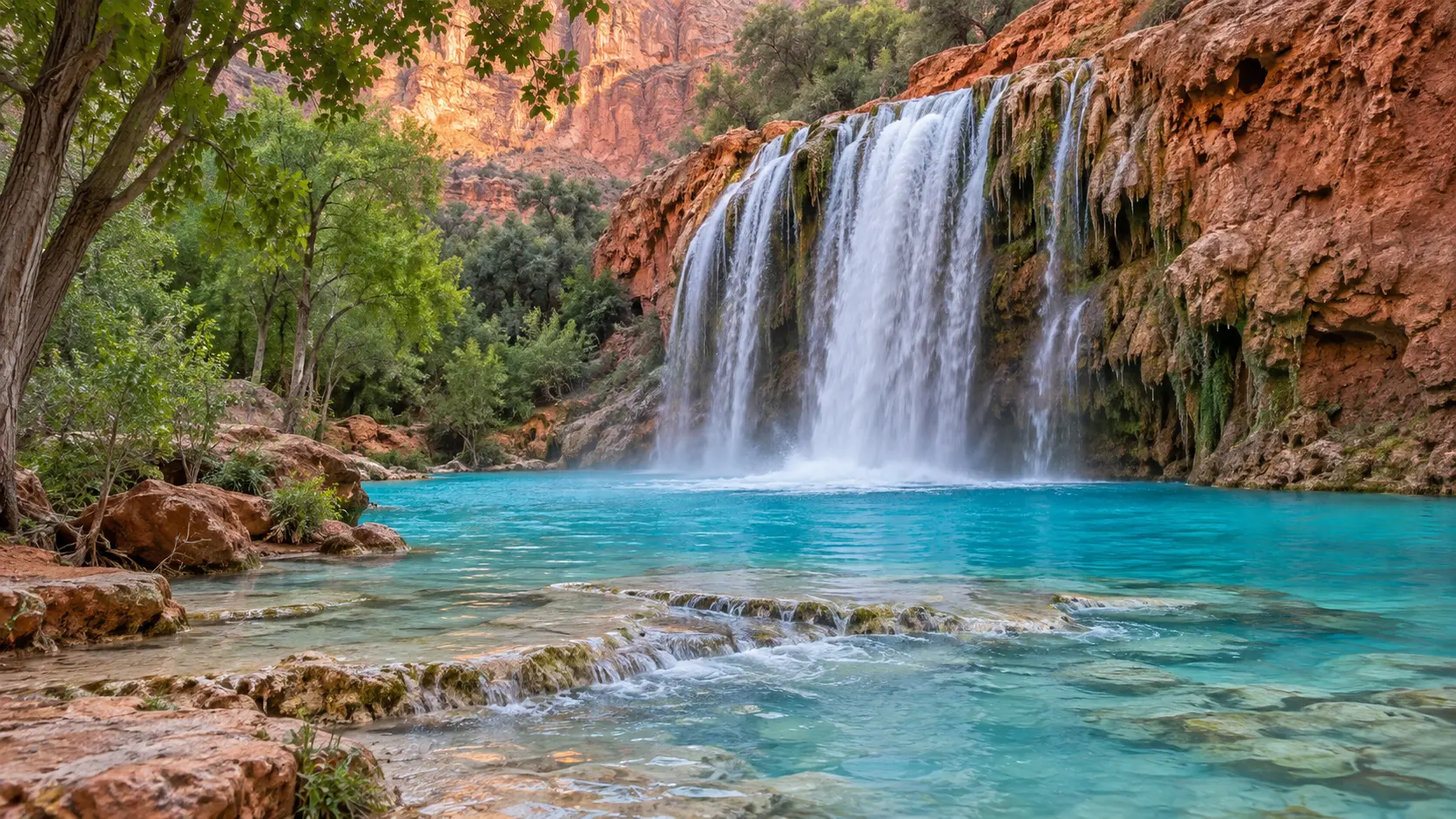
Few places create a stronger color contrast than Havasu Falls. Blue-green water spills over warm red travertine into a luminous pool, while the surrounding canyon walls rise in shades of rust, coral, and orange.
The water’s color comes from minerals that also build the curved terraces beneath the falls. Cottonwood trees add flashes of green, turning the canyon into a scene that looks saturated even under ordinary daylight.
Havasu feels both sheltered and dramatic. The waterfall is substantial, but the pool, trees, layered rock, and shifting desert light create the sense of discovering an oasis far below the dry plateau.
This beauty sits on Havasupai land and requires an advance four-day, three-night reservation. The official Havasupai rules prohibit transfers and resales, so the experience begins with respecting the Tribe’s access requirements.
10. Angel Falls, Venezuela
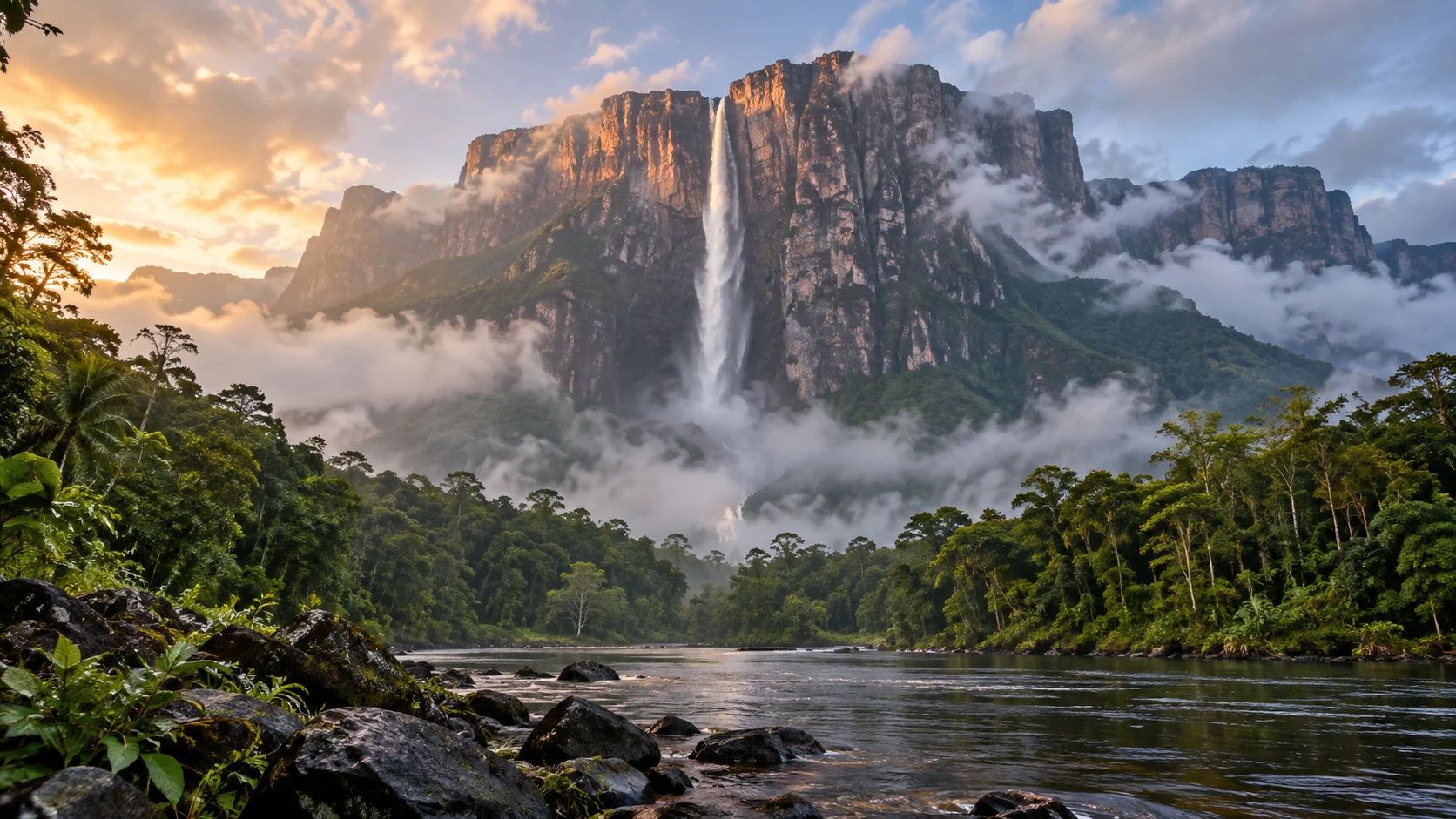
Angel Falls streams from the summit of Auyan-tepui, a flat-topped mountain rising above the rainforest of Canaima National Park. The water drops so far that wind can break it into mist before it reaches the forest below.
The surrounding tepuis make the landscape feel almost prehistoric. Sheer stone walls emerge from endless green, clouds drift across the plateaus, and rivers wind through wilderness with no nearby city to shrink the view.
Its height is famous, but its isolation is what makes the image unforgettable. Angel Falls looks less like a sightseeing stop and more like a glimpse into a separate world.
It belongs on a list of the planet’s most beautiful waterfalls, but it is not a current trip recommendation for Americans. The U.S. State Department advisory warns against travel to rural parts of Bolivar state, so I would keep this one on the future wish list.
What makes a waterfall truly unforgettable?
Height alone is rarely the answer. The most moving waterfalls combine water with a setting that amplifies it, whether that means Iguazu’s rainforest, Yosemite’s granite valley, Havasu’s red canyon, or Kaieteur’s immense wilderness.
Sound matters too. A distant waterfall can look delicate, but standing close enough to feel the air change reveals its power in a way that photographs never quite capture.
Color creates another kind of wonder. Plitvice and Havasu glow with mineral blues, Victoria fills the sky with rainbows, and Gullfoss can shift from earthy summer tones to a nearly monochrome winter landscape.
The best experience is often the one with enough time to notice those details. Pause after the first photograph, watch how the light changes the mist, and look beyond the main drop at the river and landscape that created it.
A short note before you go
Waterfalls are powerful because they are constantly changing. Seasonal flow, weather, trail closures, flood risk, and local access rules can alter the experience, so check the official land manager before leaving without letting planning take over the dream.
Stay behind barriers and away from wet edges or fast water. The most awe-inspiring view is always the one you can enjoy without putting yourself, local guides, or rescuers at risk.
Frequently asked questions
What is the most beautiful waterfall in the world?
Iguazu is my top overall choice because its size, rainforest, mist, wildlife, and constantly changing viewpoints create a complete experience. Victoria Falls is the most overwhelming, while Plitvice feels the most dreamlike.
Which waterfall has the most dramatic scenery?
Yosemite Falls has the strongest mountain setting, with a 2,425-foot drop framed by famous granite cliffs. Kaieteur and Angel Falls feel even wilder because rainforest extends around them with almost no visible development.
Which waterfall has the most beautiful water color?
Havasu Falls is the standout for vivid blue-green water against red canyon walls. Plitvice follows closely with lakes that shift among turquoise, jade, deep blue, and silver.
Which waterfall is most impressive during high water?
Victoria Falls becomes an almost continuous wall of water and mist, while Iguazu fills with hundreds of powerful channels. High flow can obscure some viewpoints, but the sheer force is unforgettable.
Which waterfall is easiest to appreciate without a major hike?
Niagara offers the largest selection of dramatic viewpoints with minimal walking. Gullfoss and the valley views of Yosemite Falls also deliver enormous visual impact without requiring the hardest trails.
The waterfall I would choose first
If I could recommend only one, it would be Iguazu. No other choice on this list combines so many cascades, so much rainforest, and such a wide range of intimate and panoramic viewpoints.
Victoria Falls is the answer when you want to feel nature at its loudest, while Plitvice is the place for quiet wonder around every bend. Havasu, Kaieteur, Sutherland, and Angel prove something equally important: the setting around a waterfall can be every bit as extraordinary as the falling water itself.