Istanbul Travel Tips: Entry, Transit, Neighborhoods and Safety
Istanbul rewards travelers who plan by neighborhood instead of chasing a giant landmark list. Sort out entry rules, airport geography, transit, mosque etiquette, and current safety guidance first, then give the city enough time for ferries, food, and the moments that will never fit neatly into a schedule.
Check Entry Rules Before You Book
U.S. tourists using an ordinary passport currently do not need a visa for stays of 90 days or less. The current U.S. State Department guidance for Türkiye also calls for six months of passport validity beyond entry and at least one blank page.
Those rules do not apply to every nationality, travel document, work trip, or longer stay. Check with a Turkish consulate or the official Türkiye e-Visa system, and avoid look-alike visa websites that add fees or collect sensitive data.
Carry proof of onward travel, your first lodging address, and travel-insurance details. Entry remains an immigration decision, so a visa exemption is not a promise of admission.
Understand the Current Safety Picture
The United States currently rates Türkiye Level 2, meaning travelers should exercise increased caution, while advising against travel within 6 miles of the Syrian and Iraqi borders. Istanbul is far from those border areas, but terrorism, demonstrations, detentions, and sudden security restrictions still deserve attention.
Avoid political gatherings even when they appear calm, and do not photograph police activity, military facilities, checkpoints, or demonstrations. Local law and enforcement can differ sharply from expectations at home.
Register for alerts, keep identification available, and save 112 as the national emergency number. Travel insurance should cover medical care, interruption, and the activities you actually plan to do.
Ordinary city precautions matter too. Keep a phone and wallet secured on packed trams, walk away from persistent invitations to bars or clubs, and treat an unexpectedly dropped shoe brush as the start of a sales routine rather than an obligation.
Choose the Right Airport
Istanbul Airport, coded IST, is on the European side northwest of the historic center. Sabiha Gökçen, coded SAW, is on the Asian side, so the cheapest airfare can become the most tiring choice if it lands across the city from your hotel.
Check the airport code before buying separate tickets or reserving a transfer. A connection that changes airports must absorb immigration, baggage claim, surface travel, traffic, check-in, and security, which makes a tight same-day transfer a poor gamble.
Metro, scheduled airport buses, taxis, and private transfers serve different districts. Compare the complete door-to-door route, not only the fare, because luggage, stairs, late arrival, and a final uphill walk can erase the savings.
Use an official taxi queue or a transfer arranged through a known provider. Confirm how the fare, tolls, bridge charges, and payment will work before moving, and keep the destination written in Turkish.
Pick a Neighborhood That Fits Your Trip
Sultanahmet for a Short First Visit
Sultanahmet puts Hagia Sophia, the Blue Mosque, Basilica Cistern, Hippodrome, and Topkapı Palace close together. It is the easiest base for a history-heavy first visit, but restaurant value, evening energy, and a sense of everyday Istanbul are stronger elsewhere.
Karaköy or Galata for Food and Connections
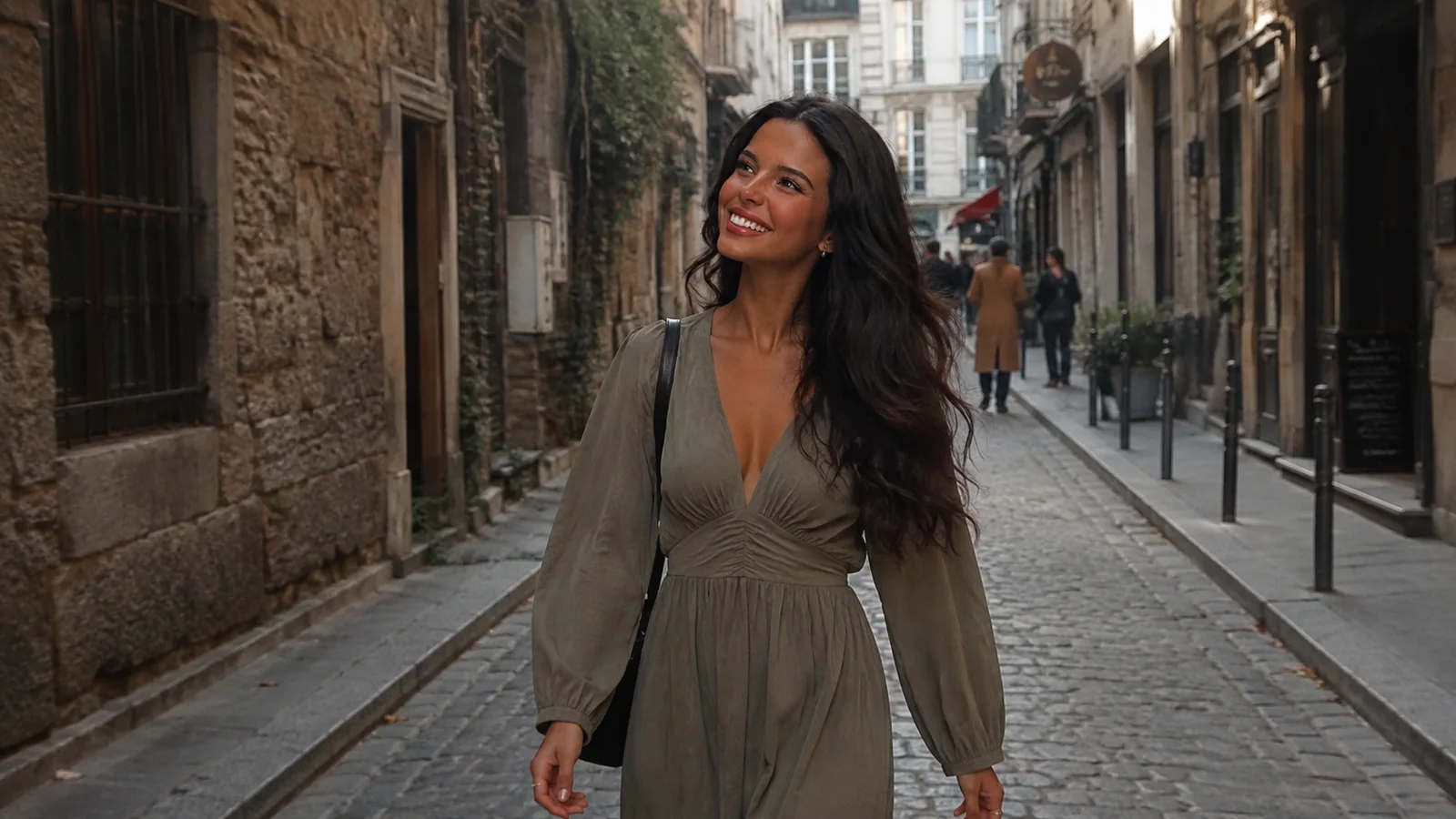
Karaköy offers ferries, the T1 tram, restaurants, and quick access toward Galata and Beyoğlu. Galata’s steep streets and late noise are genuine tradeoffs, so check the exact block and room orientation rather than choosing by neighborhood name alone.
Kadıköy for the Asian Side
Kadıköy is a smart choice for markets, dining, and a more residential rhythm, especially when flights use SAW. The ferry commute is beautiful, but it also adds weather, schedule, and crossing time to every European-side sightseeing day.
Beşiktaş or Beyoğlu for Nightlife
These districts suit travelers who prioritize restaurants, nightlife, Dolmabahçe Palace, or Bosphorus access. They can also bring hills, traffic, street noise, and occasional demonstration-related closures, so a quiet rear-facing room is worth requesting.
Use Transit Instead of Fighting Traffic
Trams, metros, funiculars, buses, and ferries form one practical network, with Istanbulkart widely used for local transport. Buy or load cards through official machines and current transit channels, because fares and transfer rules can change quickly in a high-inflation environment.
The T1 tram is useful for Sultanahmet, Eminönü, Karaköy, and connections toward Kabataş, but it becomes intensely crowded. Avoid boarding with an open bag, allow extra time, and let a packed vehicle go when traveling with children or bulky luggage.
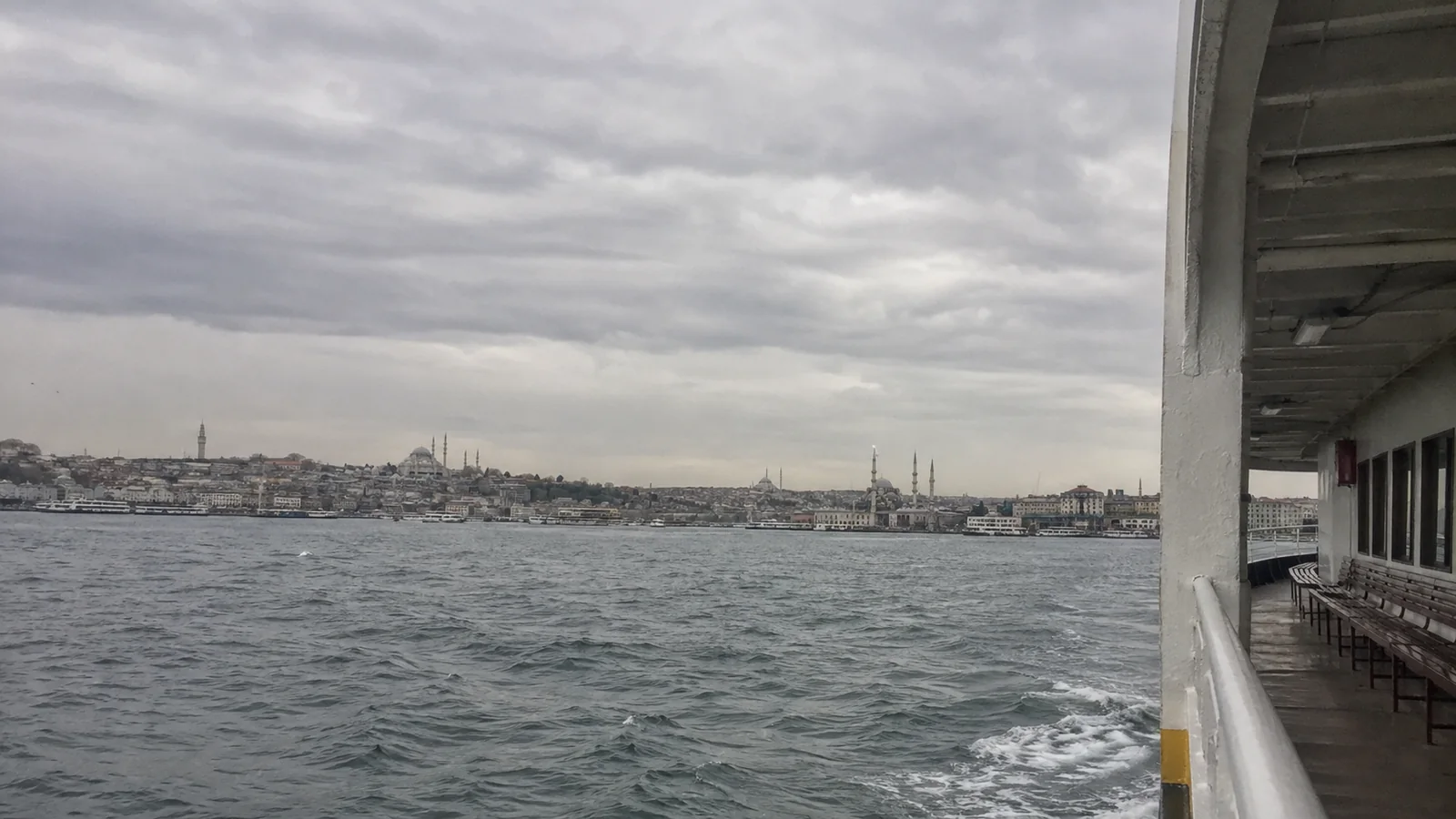
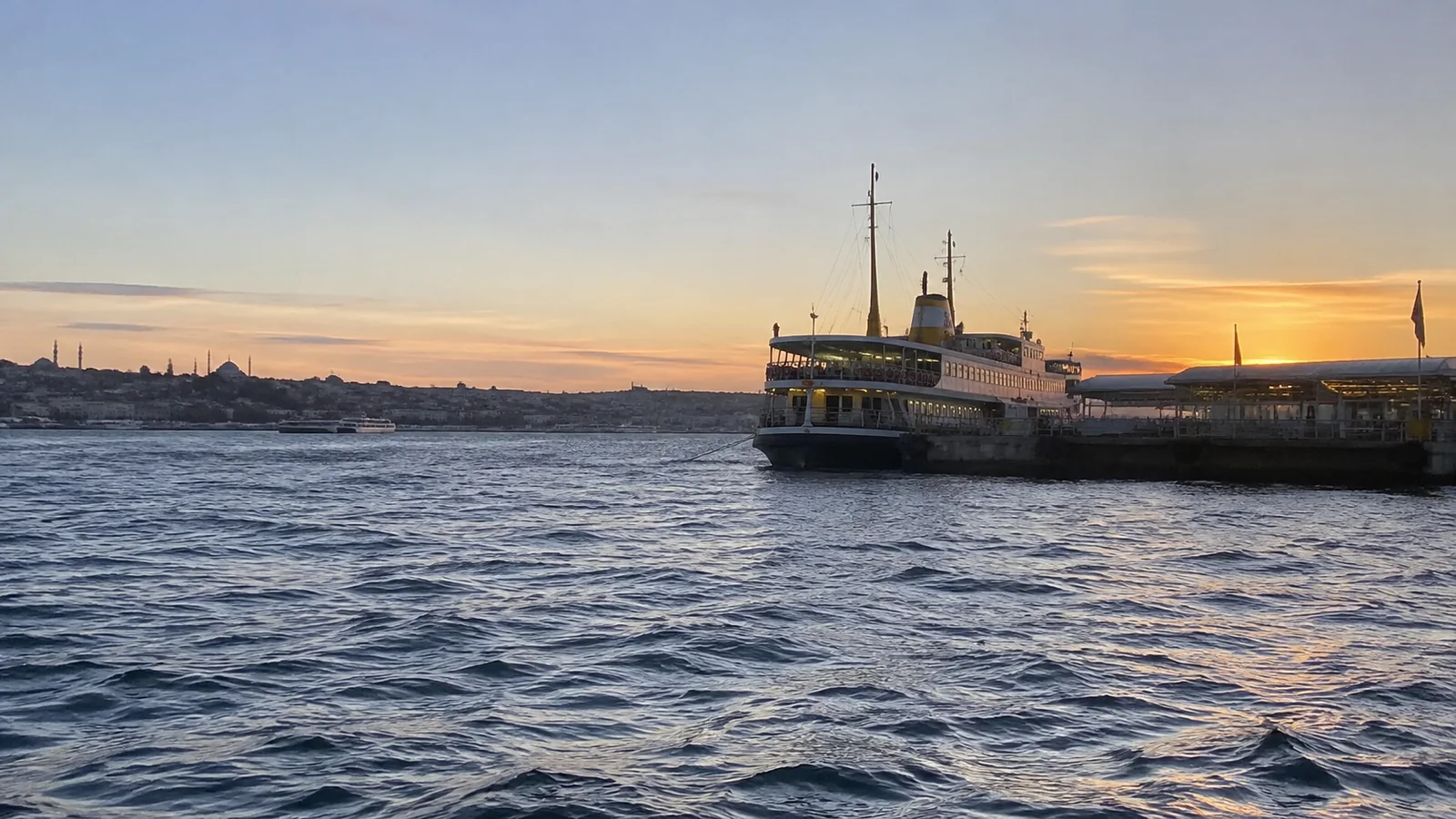
Ferries are transportation, not merely sightseeing cruises. A public crossing between Eminönü or Karaköy and Kadıköy or Üsküdar delivers skyline views while moving you to the next neighborhood for the price of local transit.
Metro Istanbul currently runs Night Metro service on seven participating lines on Friday and Saturday nights, with service extending from Friday morning through midnight Sunday. Check the exact line and current operating notice on the official Night Metro page, since this is not blanket 24-hour service.
Download an offline map and save the Turkish spelling of your stop. A landmark may have multiple gates, and similarly named ferry piers on opposite shores can turn a simple meeting into an expensive detour.
Plan the Historic Core as Two Half-Days
Do not stack Hagia Sophia, Blue Mosque, Topkapı Palace, Basilica Cistern, and the Grand Bazaar into one rushed morning. Security lines, prayer times, ticket queues, heat, and simple visual overload make that checklist less efficient than it appears.
Pair Hagia Sophia, the Blue Mosque, and the Hippodrome on one early outing. Give Topkapı Palace and its grounds a separate half-day, then add the Archaeological Museums only if your attention and walking energy are holding up.
Hagia Sophia functions as a mosque as well as a major historic monument, and access arrangements can change. Check the mosque’s official Hagia Sophia site and current on-site notices instead of relying on an old ticket screenshot.
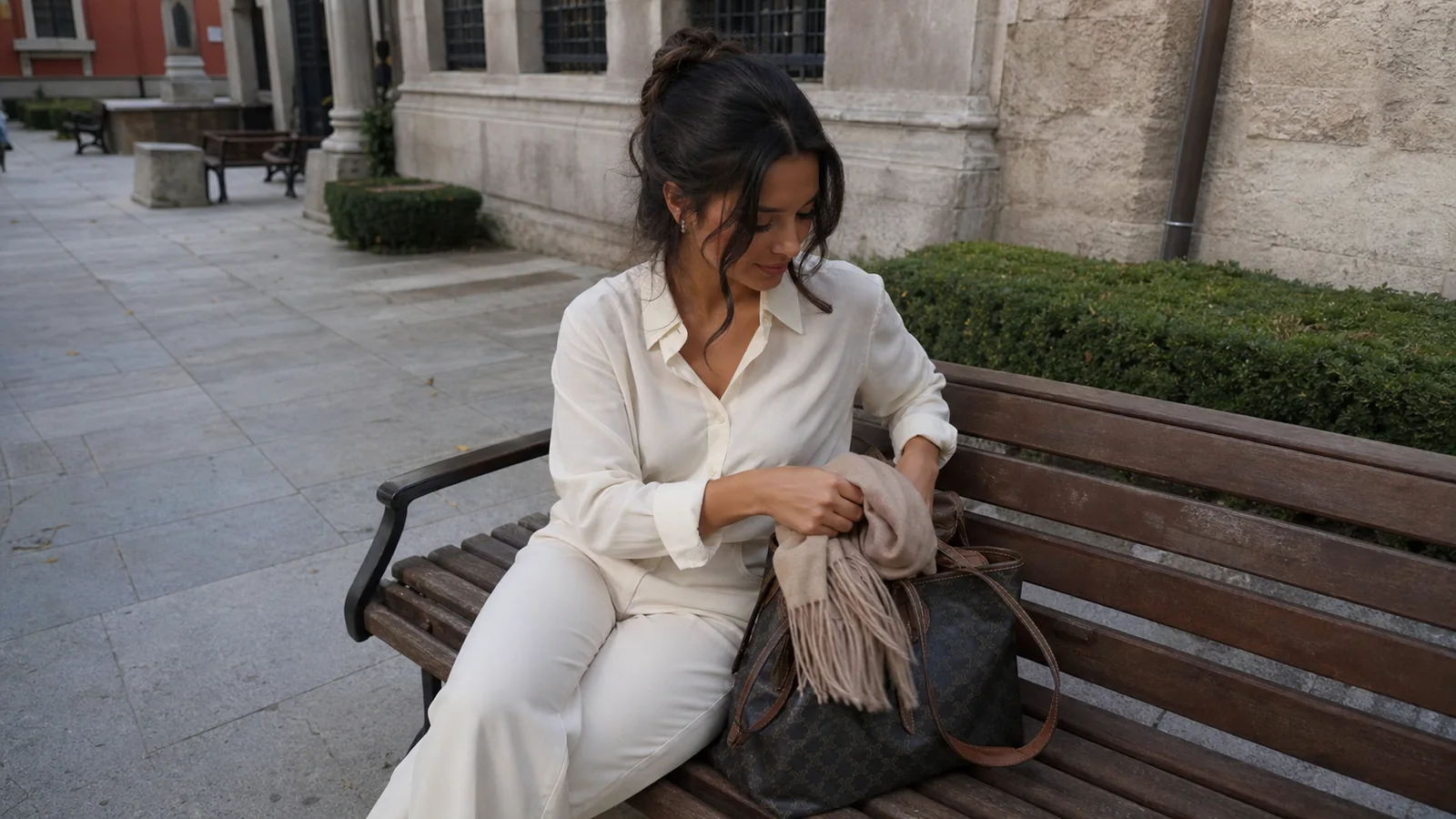
At active mosques, wear clothing that covers shoulders and knees, carry a scarf if needed, remove shoes where instructed, speak quietly, and never cross worshippers during prayer. Friday midday is an especially poor time to plan a casual tourist visit.
Istanbul’s UNESCO-listed historic areas include monuments from Roman, Byzantine, and Ottoman periods rather than one frozen chapter of history. The UNESCO overview is useful background before deciding which sites deserve more than a photo stop.
Be Selective With Tickets and Tours
Attraction pricing and foreign-visitor policies can change, so compare official individual tickets with the current museum-pass rules immediately before purchase. A pass only saves money when it covers your chosen sites, valid dates, and desired sections.
Paying for a strong guide makes the most sense at a layered site such as Topkapı Palace or on a neighborhood walk that connects buildings to history. A guide is less valuable when the day is really a transfer between souvenir shops.
Book through an official attraction, a licensed agency, or a platform with clear cancellation terms. “Skip the line” rarely means skipping security, prayer closures, weather delays, or capacity controls.
Budget for a Fast-Moving Currency
Türkiye uses the lira, and posted prices can move more quickly than guidebook estimates. Build a percentage buffer into the budget and recheck major admission fees, airport transfers, and hotel taxes shortly before travel.
Cards work widely in visitor areas, but carry some small lira notes for simple purchases and places where terminals fail. Use bank-affiliated ATMs when possible, shield the PIN, and decline dynamic currency conversion so your own card network handles the exchange.
Ask for a menu with prices before ordering and review the bill calmly. Bread, water, meze, service, or a cover charge may not work exactly as they do at home, so clarify before eating rather than arguing afterward.
Eat Well Without Turning Every Meal Into a Project
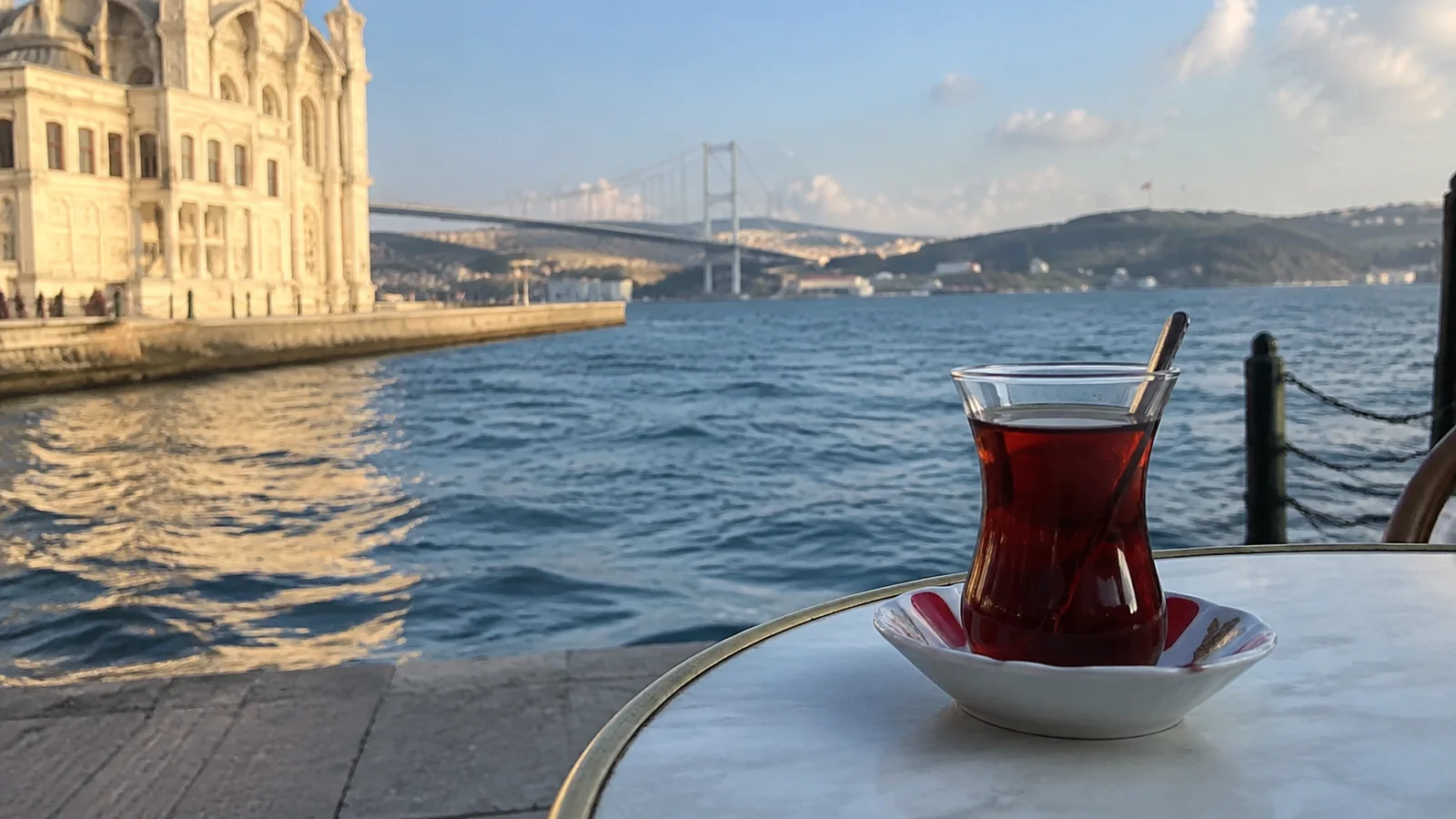
Start with a proper Turkish breakfast only on a day when you have time to enjoy it. On sightseeing mornings, a bakery breakfast of simit, cheese, and tea protects valuable early hours.
Use busy shops for döner, grilled meats, fish, börek, pide, and sweets, and confirm prices for seafood sold by weight. Travelers with serious allergies should carry a professionally translated card because shared grills, oils, nuts, dairy, and sesame are common.
Do not reduce Turkish coffee to a caffeine challenge or mistake every sweet for the same lokum. One focused food walk in Kadıköy, the Spice Bazaar area, or a residential district can teach more than a parade of heavily promoted restaurants.
Handle Taxis and Common Sales Pressure
A taxi is useful when hills, luggage, or a late hour make transit impractical, but traffic can turn a short map distance into a long meter ride. Use the official rank or a reputable local booking channel, follow the route on your phone, and request a receipt.
Decline unsolicited help at ticket machines and ATMs. At carpet shops, restaurants, hammams, and tours, ask for the full price and inclusions in writing before accepting tea, service, upgrades, or transport.
Firm and polite works better than a long explanation. “No, thank you” while continuing to walk closes most interactions before they become uncomfortable.
Build a Three-Day Istanbul Plan
- Day one: Start early in Sultanahmet, tour Hagia Sophia and the Blue Mosque area, visit Basilica Cistern, then finish near Eminönü or the Spice Bazaar.
- Day two: Give Topkapı Palace the morning, cross Galata Bridge or ride the tram to Karaköy, then explore Galata and Beyoğlu with a downhill finish.
- Day three: Take a public ferry to Kadıköy or Üsküdar, eat on the Asian side, and reserve the late afternoon for a Bosphorus cruise or a neighborhood you missed.
Add a fourth day for Dolmabahçe Palace, Balat and Fener, a hammam, or a longer Bosphorus outing. If Istanbul is part of a wider voyage, compare the pace with these long cruise itinerary ideas before treating the city as a disposable embarkation point.
Cruise visitors should confirm the actual Galataport berth, all-aboard time, and terminal walking route. The broader cruise-port planning principles matter here because one traffic jam can erase a seemingly generous return buffer.
Choose the Season for Your Priorities
Spring and fall generally offer the best compromise between walking weather and daylight, but they still bring rain and busy holiday periods. Summer delivers long sightseeing days with heat, crowds, and limited shade around stone plazas.
Winter can mean lower demand, rain, wind, and occasional disruption, yet indoor museums, hammams, cafés, and fewer outdoor queues make it workable. Pack a light waterproof layer and shoes with grip in every season.
For a seasonal city break, Istanbul also appears among these spring-break destination options. It fits culture-first travelers far better than anyone expecting a simple resort week.
Plan Honestly for Mobility and Families
Istanbul’s hills, cobbles, steps, crowds, steep tram boarding, and uneven historic surfaces can exhaust travelers who walk easily elsewhere. Choose lodging close to the transit line you will use most and ask about elevator access from street to room, not merely whether the building has an elevator.
A compact stroller may be manageable, but rush-hour transit and palace surfaces are difficult. Families usually do better with one major historic site, one ferry ride, and one flexible neighborhood block per day.
Travelers with limited mobility should verify accessible entrances directly with each attraction and avoid assuming the main historic gate is step-free. A private vehicle helps between districts, but it does not solve traffic, stairs inside monuments, or narrow pedestrian lanes.
Pack for Mosques, Weather and Long Walking Days
- Comfortable shoes with traction for polished stone, slopes, and wet pavement
- A light scarf and modest layer for active religious sites
- A small secure crossbody bag rather than an open tote
- A refillable bottle, sunscreen, and sun protection in warm months
- A compact waterproof jacket and small umbrella outside the driest stretches
- A portable battery, offline maps, and charging adapter for Türkiye’s round two-pin outlets
- Copies of prescriptions, insurance details, and passport identification page
My Bottom-Line Istanbul Advice
Give Istanbul at least three full days, stay near useful transit, and cap each day at two anchor experiences. The city feels most generous when a ferry, meal, market, or waterfront pause has room to breathe.
Verify entry, security, attraction access, and transport again before departure. Everything else can stay flexible, because Istanbul’s greatest strength is not the number of sights you can claim but how easily one neighborhood changes the direction of the day.