Festivals of Arunachal Pradesh: Dates, Places and Etiquette
Arunachal Pradesh does not have one festival season or one cultural story. Its calendar belongs to many communities, landscapes, faiths, and farming cycles, so the best trip begins with choosing a place and celebration thoughtfully, then confirming the date before booking a heroic chain of flights and mountain roads.
Arunachal Pradesh festival calendar at a glance
The dates below use the state’s official 2026 holiday notice and current event organizers as planning anchors. Fixed community observances often recur on the same date, while Losar, district programs, performance schedules, and tourism festivals can shift.
- January 6: Si-Donyi, associated with the Tagin community
- February 1: Reh, associated with the Idu Mishmi community
- February 26: Nyokum Yullo, associated with the Nyishi community
- February or March: Losar, with dates set locally
- April 5: Mopin, associated with the Galo community
- Around April 14: Sangken, associated especially with Tai Khamti and Singpho communities
- July 5: Dree, associated with the Apatani community
- Early September: Solung, associated with the Adi community
- September 24 to 27 in 2026: Ziro Festival of Music
- October 27 to 31 in 2026: Tawang Festival
The government’s 2026 local-holiday list is the strongest date check for traditional observances, but a holiday date is not a complete visitor program. Ask the district tourism office, host, or organizer what is public, where events occur, and whether guests need an invitation.
1. Si-Donyi: a January celebration in Tagin country
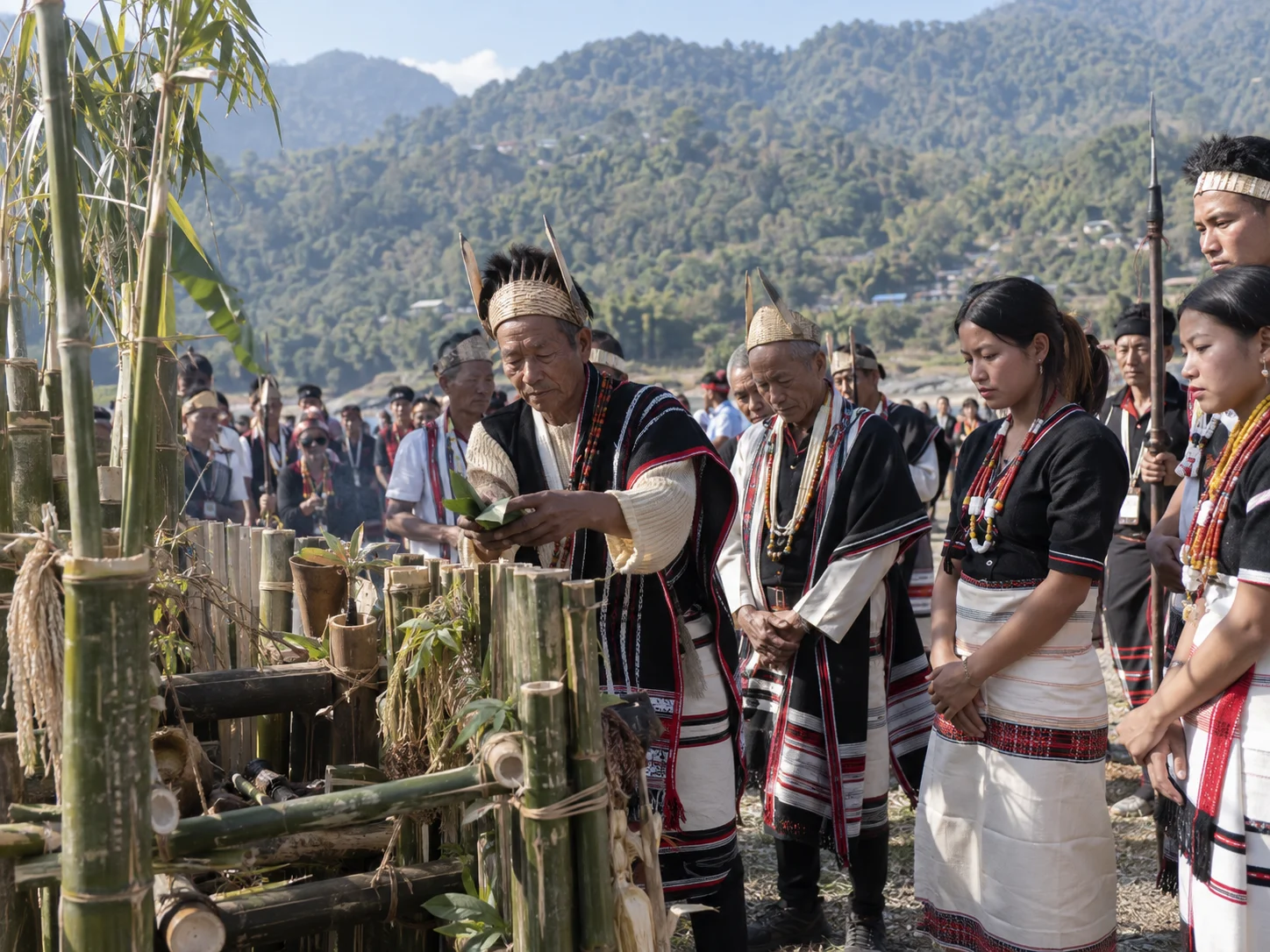
Si-Donyi is a Tagin festival centered on well-being, harmony, prosperity, and the relationship between people and the natural world. Daporijo in Upper Subansiri is the most practical base for travelers who specifically want to understand the celebration in its home region.
Expect community rites and cultural programs rather than a single ticketed show with a guaranteed running order. January is comparatively dry, but nights can be cold and the road journey deserves more buffer than the map’s mileage suggests.
Best fit: Travelers comfortable with long overland transit who value a community celebration over polished tourism infrastructure. Planning caution: Confirm which events welcome visitors and never enter a ritual area simply because someone else is filming.
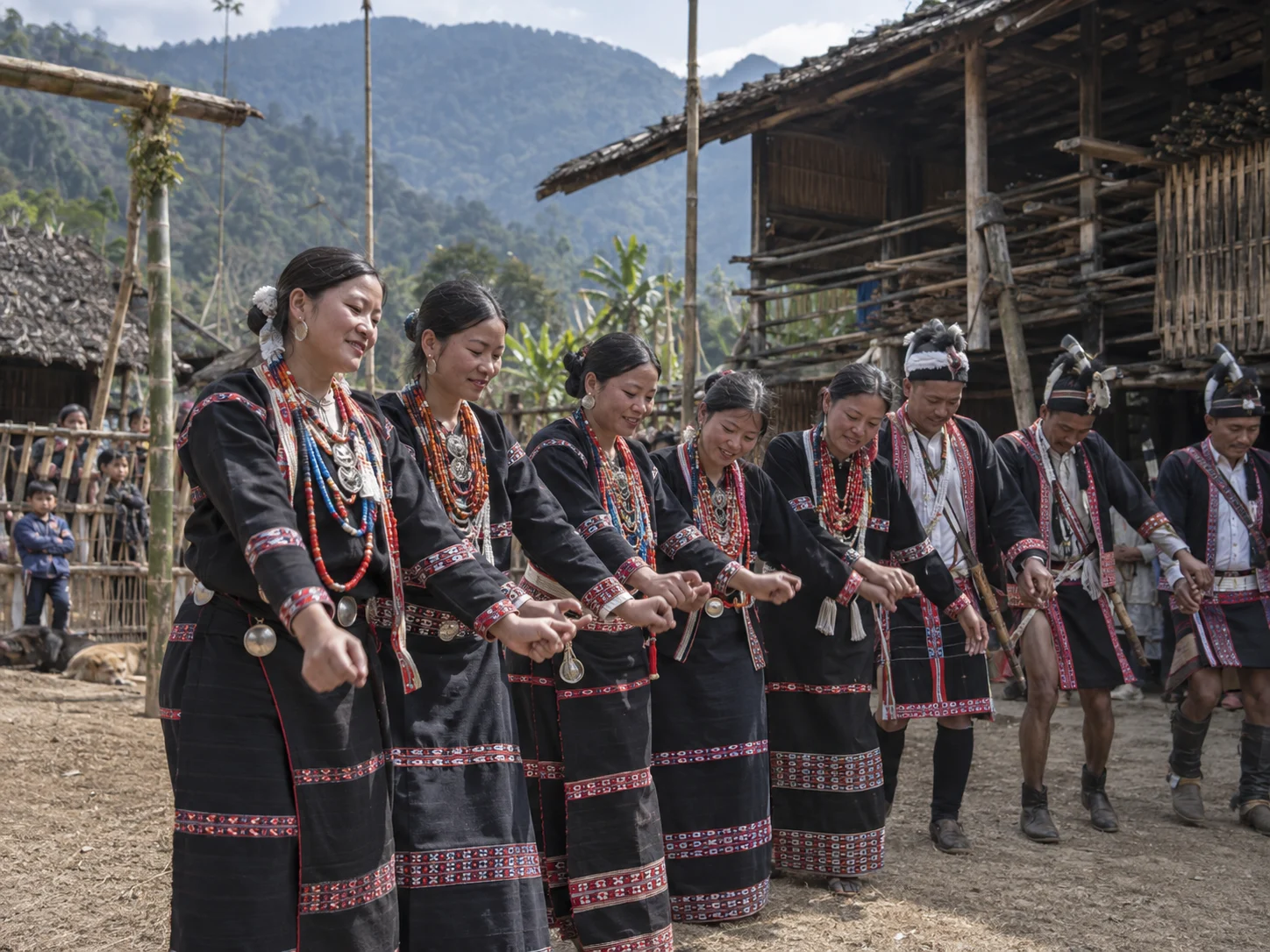
2. Reh: Idu Mishmi identity in the eastern hills
Reh is one of the major festivals of the Idu Mishmi community, commonly associated with February 1. Roing and communities across the Lower Dibang Valley are more logical bases than Tawang or Ziro, which sit in entirely different parts of the state.
Ritual observances, songs, dance, dress, hospitality, and community gatherings can all form part of the period. Some elements carry religious or family significance, so public visibility does not automatically grant permission to photograph faces, sacred objects, or private ceremonies.
Best fit: Visitors building an eastern Arunachal itinerary around Roing, Mayudia, or the Dibang landscape. Planning caution: February weather and road conditions vary sharply with elevation.
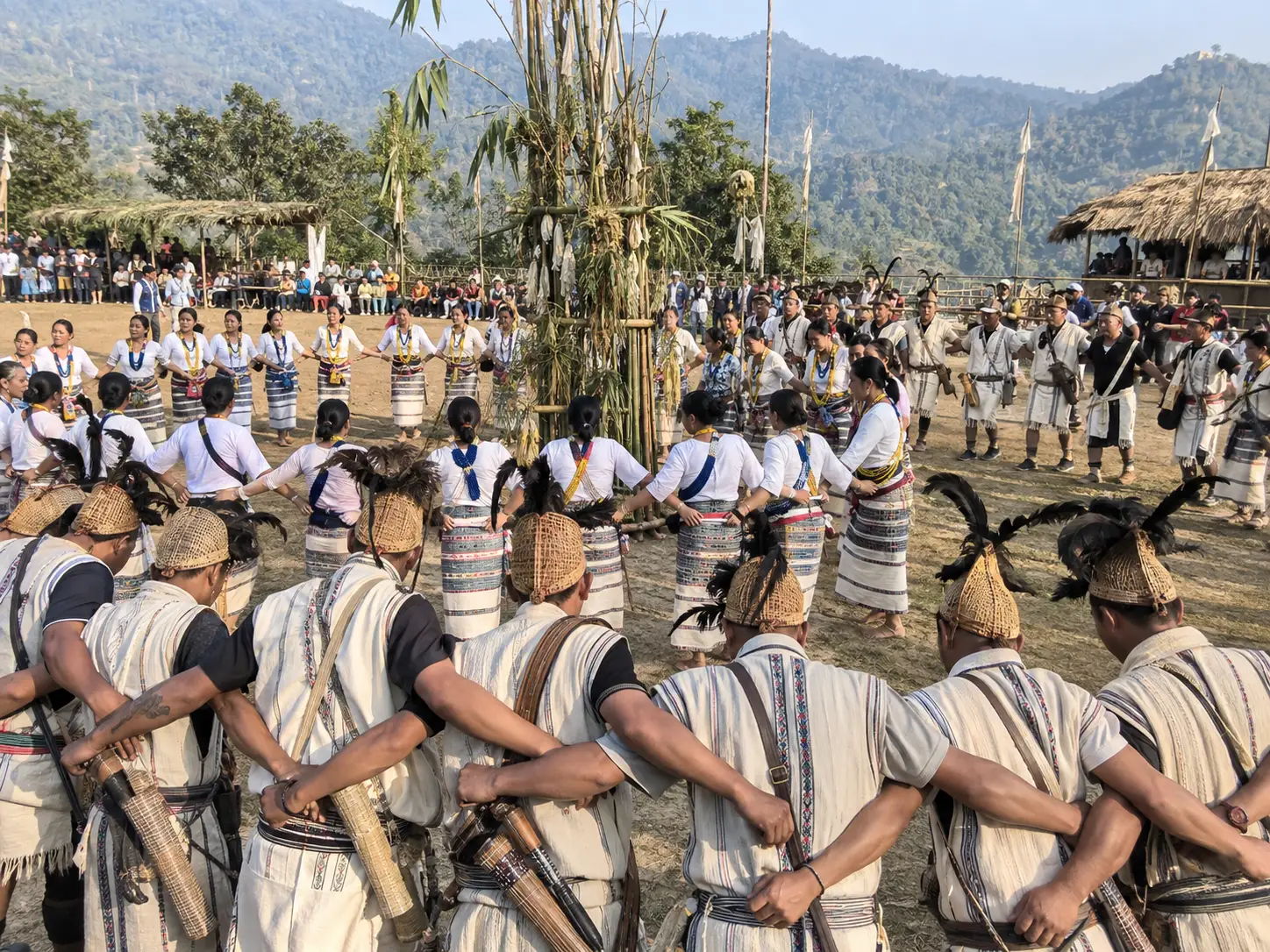
3. Nyokum Yullo: a major Nyishi celebration
Nyokum Yullo is celebrated by Nyishi communities, with February 26 listed in the 2026 state calendar. Celebrations occur in multiple districts and towns, so “Nyokum in Arunachal” is not enough information for a hotel reservation.
Choose your base only after identifying the host committee and public ground. The festival’s prayers, community participation, traditional attire, music, dance, and food are connected to Nyishi life, not props arranged for a visitor’s camera roll.
Best fit: Travelers already routing through Itanagar, Papum Pare, or another Nyishi area. Planning caution: Verify the local program because timing and access differ by celebration.
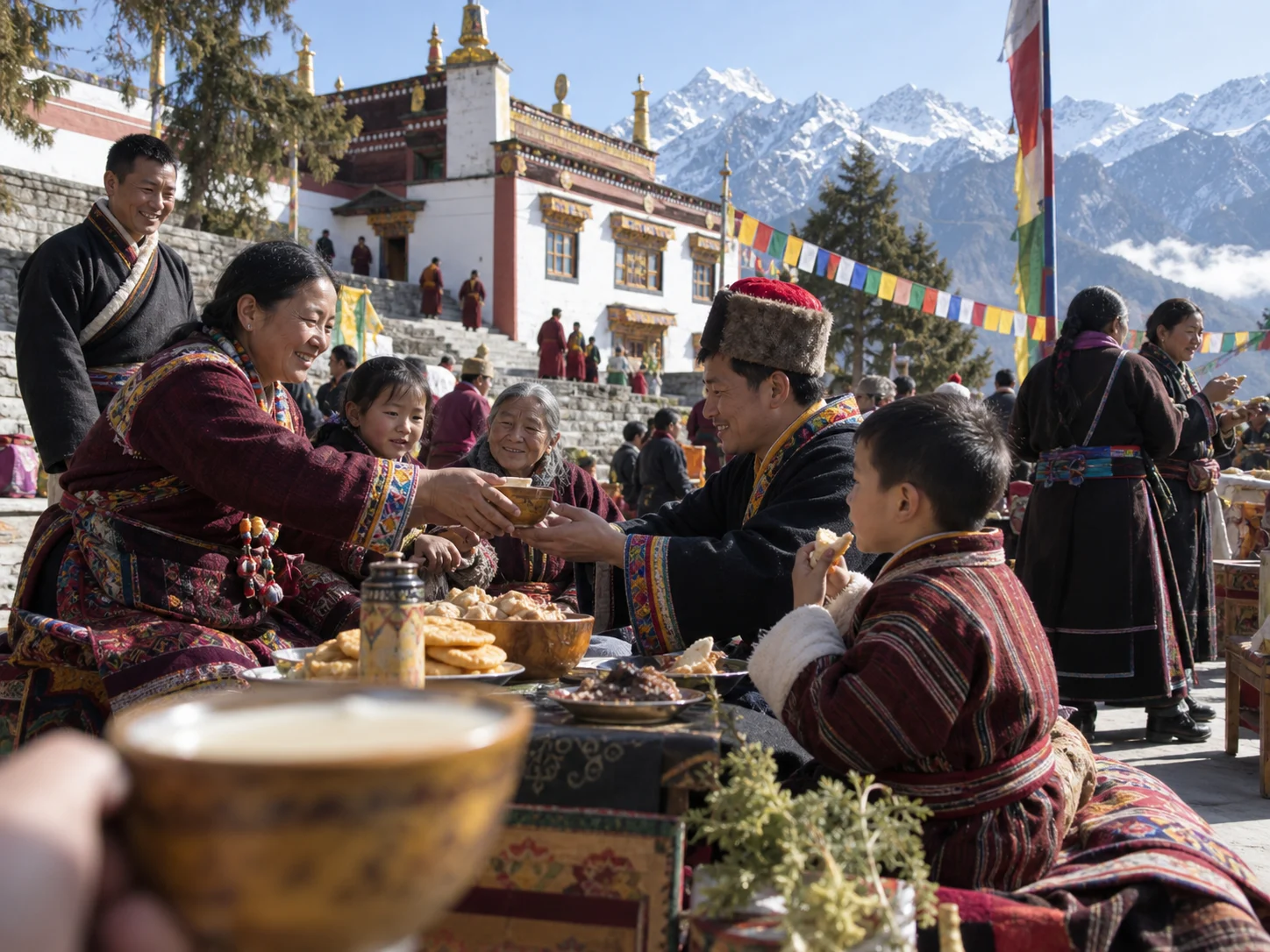
4. Losar: plan around the lunar calendar
Losar marks the Tibetan Buddhist New Year and is especially important among Monpa communities in Tawang and West Kameng, as well as other Buddhist communities in the state. The Arunachal holiday notice leaves its date to the concerned district authority, which is your cue not to trust a recycled travel calendar.
Tawang combines monastery observances, family traditions, prayer, food, and community events in a high-altitude setting. February and March can bring snow, ice, cold, and road disruptions, so build spare days and carry layers that work well below freezing.
At monasteries, dress modestly, follow signs, keep voices low, and ask before photographing monks or worshippers. Walk around sacred objects in the direction indicated locally and do not touch ritual items.
Best fit: Travelers interested in living Buddhist traditions who can tolerate winter transport uncertainty. Our Asia destination comparison is useful if you are still deciding whether a remote mountain journey matches your trip style.
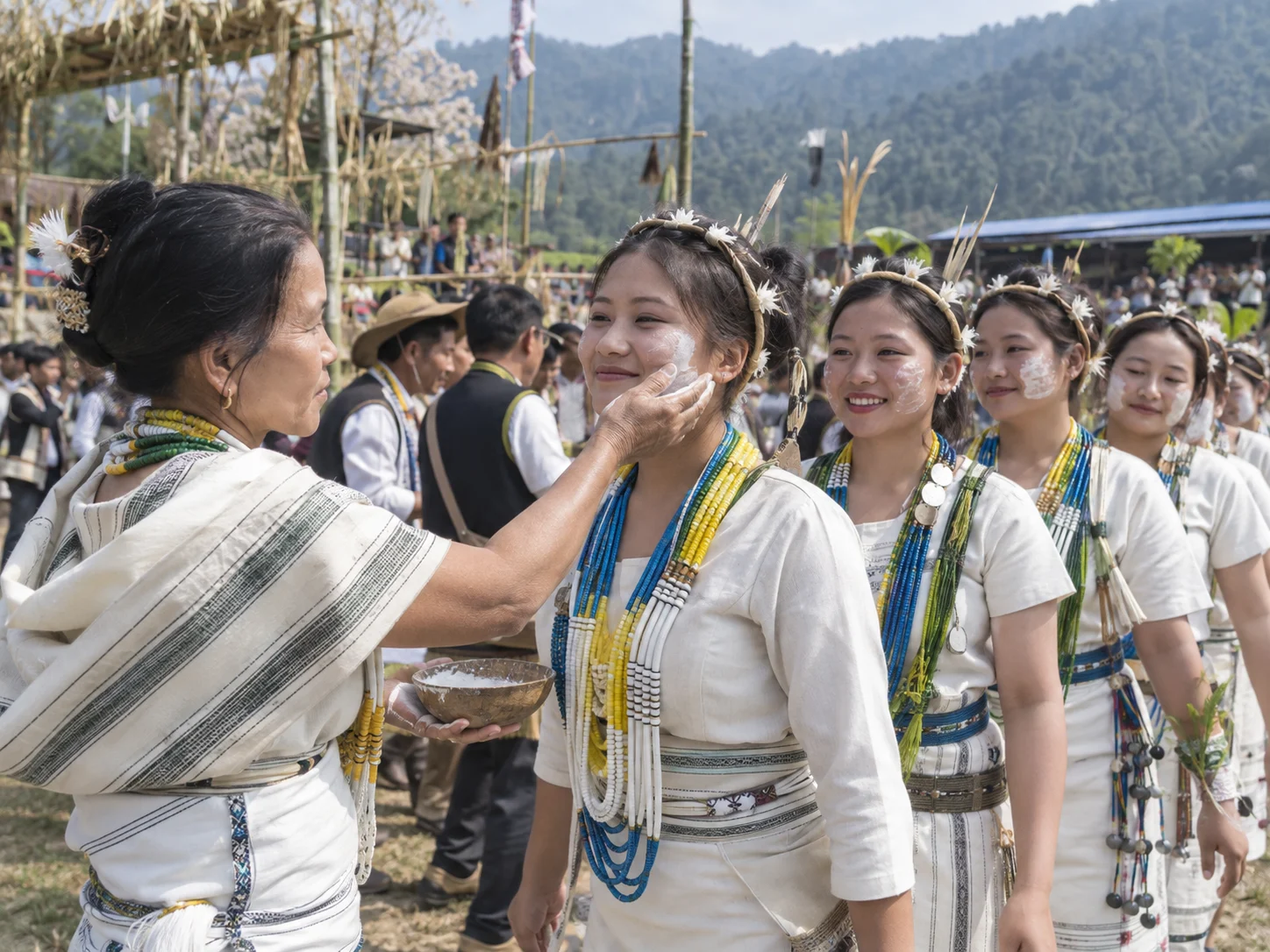
5. Mopin: a Galo festival in early April
Mopin is associated with the Galo community and appears on the state calendar on April 5. Aalo in West Siang is a sensible base, though Galo communities celebrate in other locations too.
Community prayers, feasting, songs, and the Popir dance are widely associated with Mopin. White ceremonial rice paste may be applied during festivities, but wait for a host’s invitation rather than copying what you see.
Best fit: Spring travelers interested in Galo culture and a broader Aalo or Mechuka route. Planning caution: Ask before joining dances, drinking local beverages, or moving into the front of a ceremony.
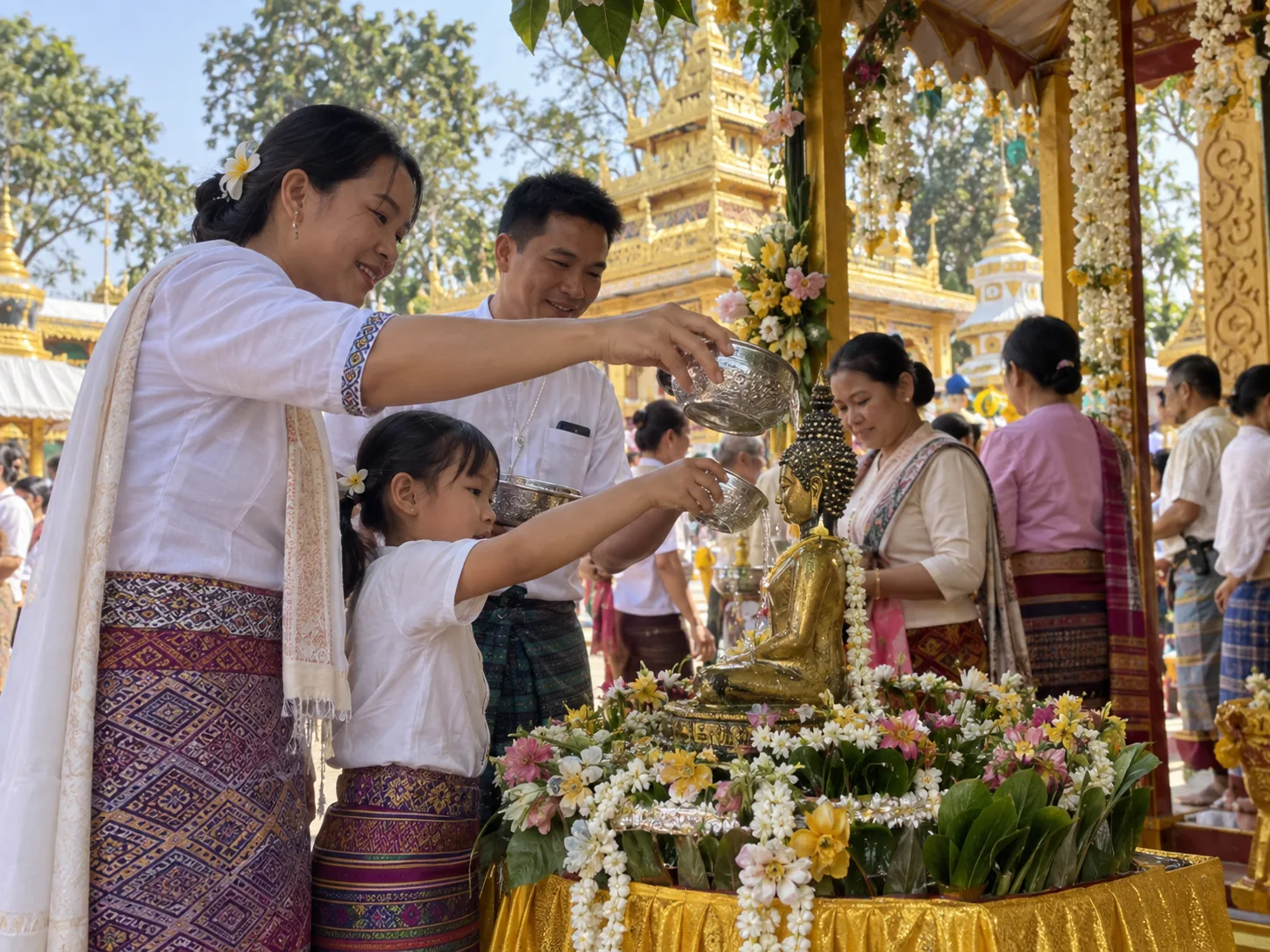
6. Sangken: water, renewal, and Tai Buddhist tradition
Sangken is observed around mid-April, with April 14 appearing in Arunachal’s 2026 calendar. Namsai is the most practical visitor base for learning about the Tai Khamti Buddhist context, while Singpho and other communities also observe the period.
Water is part of the celebration, but this is not permission to launch a surprise bucket at a monk, elder, camera, or unwilling stranger. Follow local cues, protect electronics, and keep temple clothing modest even when the day becomes wet.
Best fit: Travelers who want a warmer lowland route and can spend time in Namsai rather than racing across the state. Planning caution: Ceremonial and playful water activities are not interchangeable.
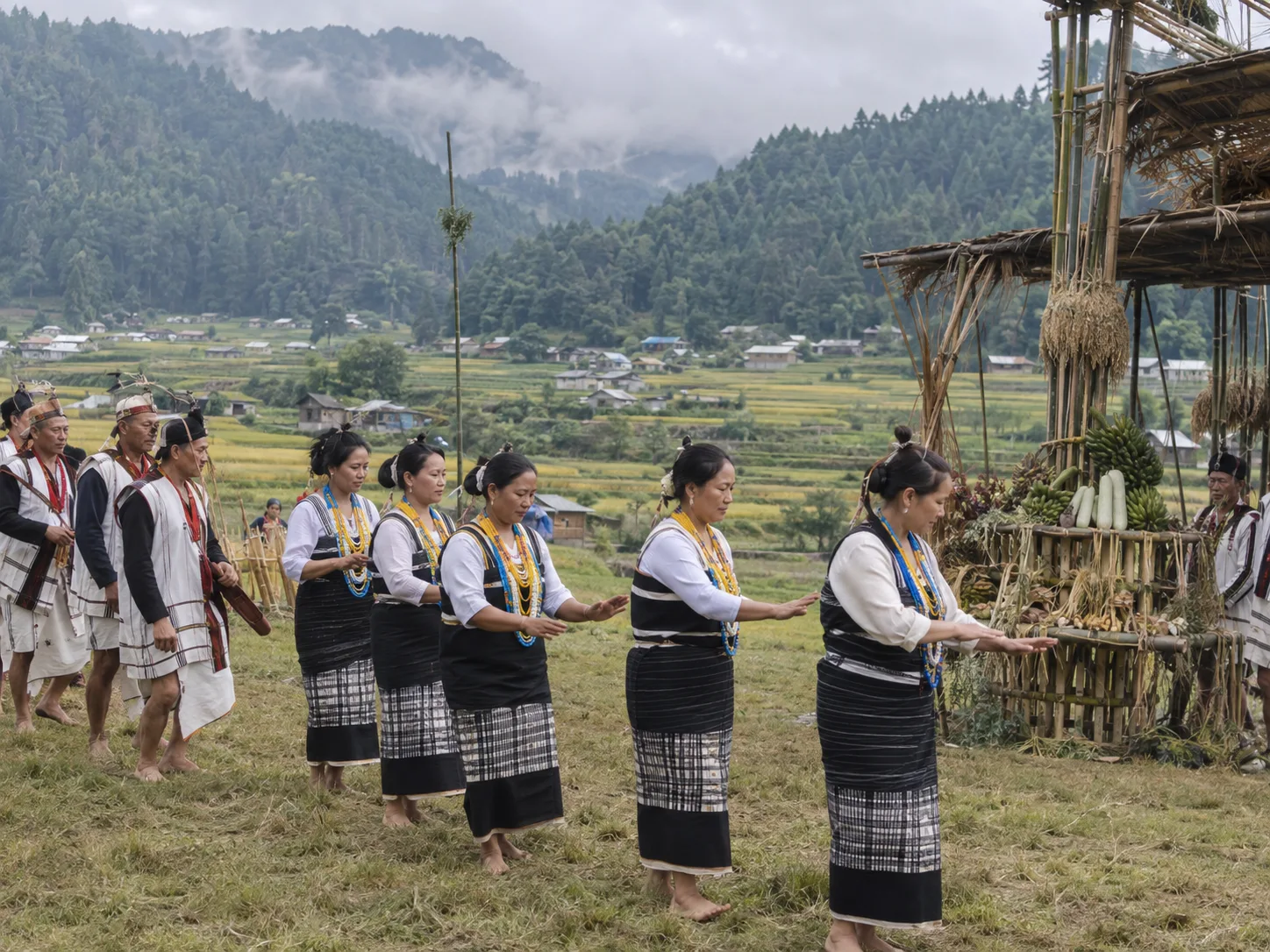
7. Dree: Apatani agricultural traditions in Ziro
Dree is the best-known agricultural festival of the Apatani community and is celebrated on July 5. Ziro is the natural base, with observances connected to cultivation, protection of crops, community well-being, dance, games, and shared food.
July also falls in the monsoon, so lush fields arrive with rain, mud, landslide risk, and slower road travel. Waterproof luggage, shoes with grip, and an extra night are more useful than pretending your schedule can out-negotiate a mountain.
Best fit: Travelers most interested in Apatani culture and agricultural landscapes. Planning caution: Visit villages through respectful local arrangements, and do not turn older residents or distinctive traditions into uninvited portraits.
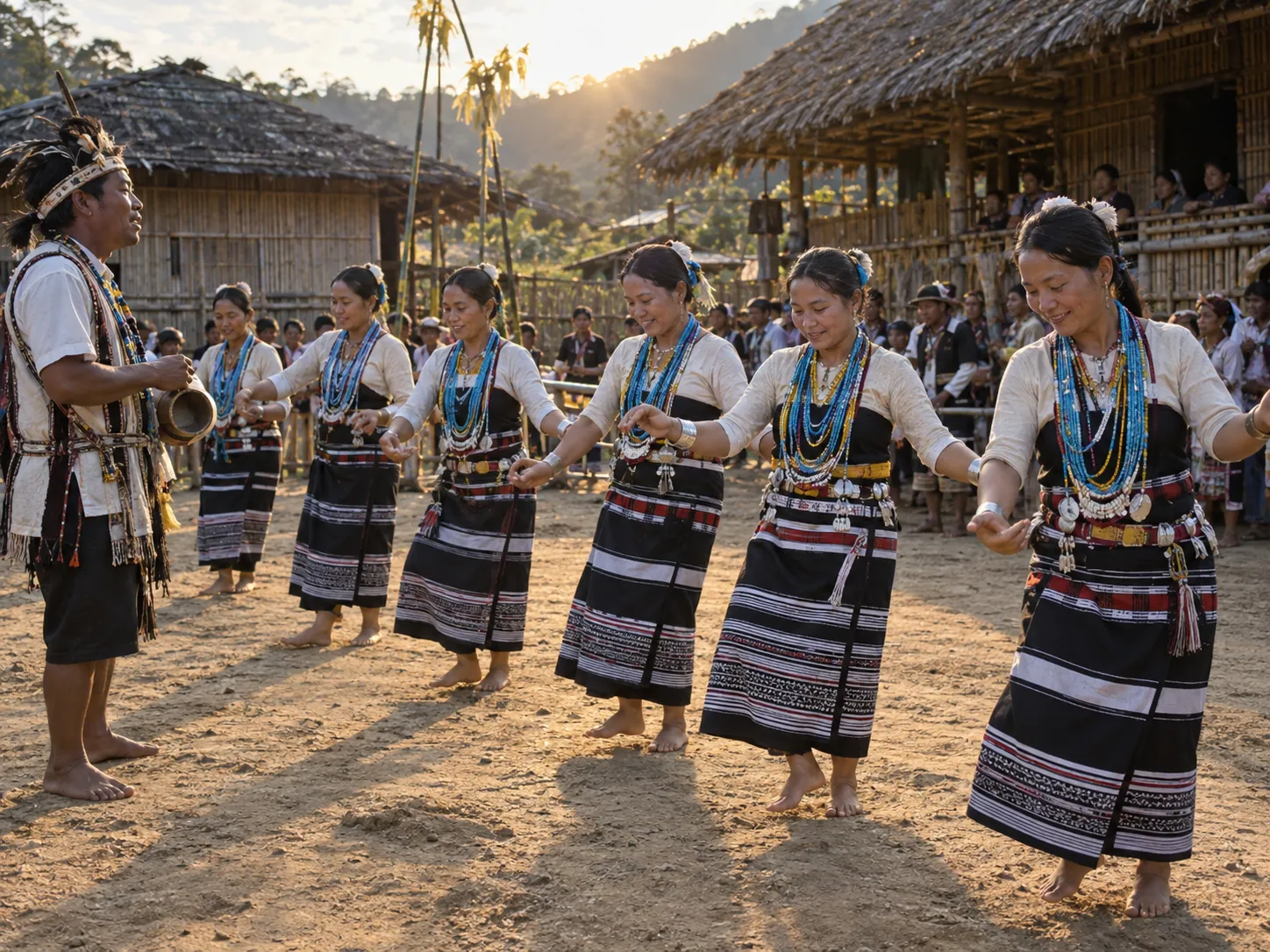
8. Solung: an Adi agricultural festival
Solung is an important Adi agricultural festival generally observed in early September, with local programs unfolding over more than one gathering. Pasighat and the Siang region are logical places to investigate, but the exact public schedule must come from the host community or district.
The celebration includes ritual, oral tradition, song, dance, feasting, and community ties. September can still be wet, and river or road conditions may reshape travel plans even when the festival itself proceeds.
Best fit: Travelers focusing on eastern and central Arunachal rather than combining every famous town. Planning caution: Ask a local guide to explain what you are seeing instead of inventing a tidy meaning for every gesture.
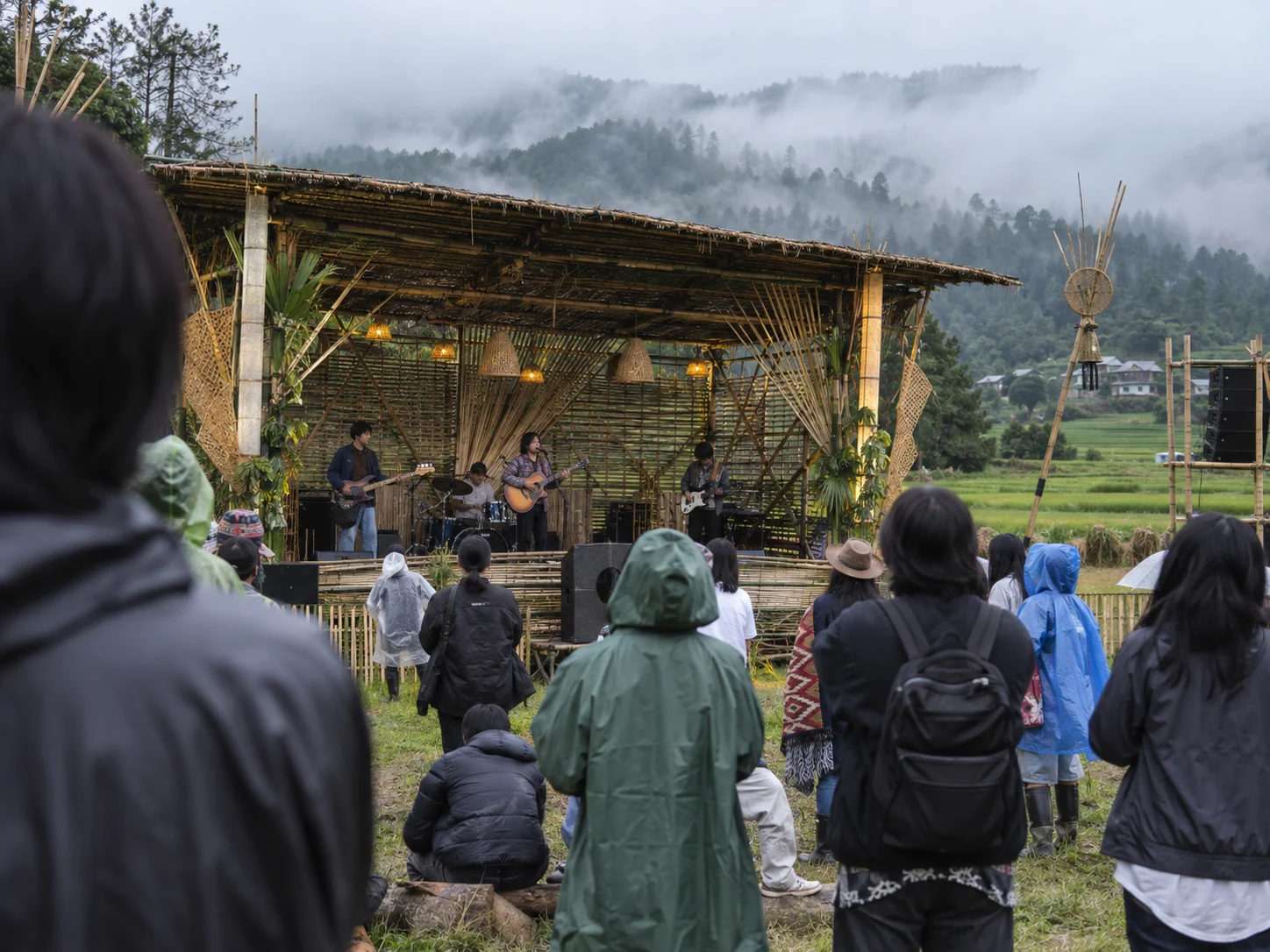
9. Ziro Festival of Music: a ticketed modern event
Ziro Festival is a contemporary outdoor music event, not another name for Dree. The official organizer lists September 24 to 27 for 2026, with independent music, multiple performers, local participation, and a sustainability focus.
Tickets, camping, transport, and permits are separate tasks unless your package states otherwise. Buy through the official channel, check what your campsite actually includes, and carry rain protection because late September does not promise dry festival shoes.
Best fit: Music travelers who want a social event and can handle camping or simple lodging. For cost planning beyond one festival, our budget trips from India comparison explains why transport and entry paperwork belong outside the headline ticket price.
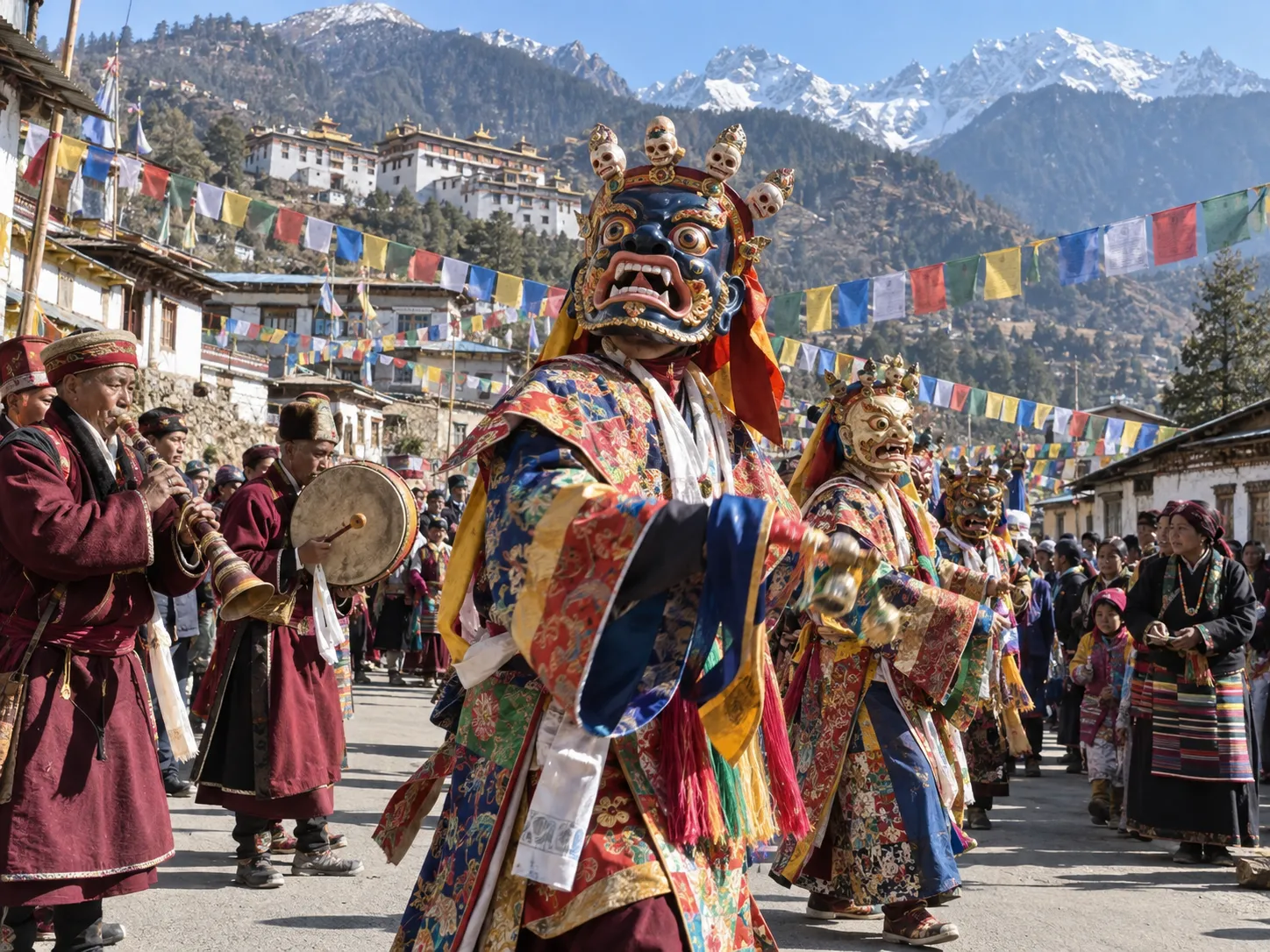
10. Tawang Festival: a curated cultural showcase
Tawang Festival is a tourism-led showcase rather than a household religious observance. India’s official tourism portal lists October 27 to 31 for 2026, with the program designed around Monpa heritage, arts, food, music, and the region’s landscape.
This is the easiest option for visitors who prefer scheduled stages and public programming, but it does not replace respectful visits to monasteries or conversations with residents. Book accommodation early and keep a weather day because Tawang’s road access remains the trip’s bossiest participant.
Best fit: First-time cultural travelers who want a defined event in a major destination. Travelers comparing festival cities elsewhere in Asia may also find the temple etiquette in our Chiang Mai planner helpful.
Permits come before festival tickets
Arunachal Pradesh requires entry permits in addition to India’s ordinary immigration rules. The official Arunachal Tourism permit page says Indian citizens use an Inner Line Permit, with a tourist eILP valid for stays up to 14 days, while foreign nationals use a Protected Area Permit or Restricted Area Permit process.
The tourism department currently directs foreign visitors to apply through an approved local tour operator and lists a government royalty. Confirm the latest nationality rules, route restrictions, group requirements, fee, validity, and processing time directly before paying anyone.
A permit does not guarantee road access to every border area, and a festival booking does not quietly generate your permit. Carry digital and paper copies, keep identification handy, and make sure every stop on your itinerary is covered.
Cultural etiquette that travels well
- Ask before photographing people, homes, rituals, sacred items, or food preparation.
- Accept “no” cheerfully and without trying a longer lens from across the ground.
- Use a local guide or host to understand public and private boundaries.
- Dress modestly for monasteries, prayer spaces, and formal ceremonies.
- Do not touch ceremonial objects, altars, masks, headdresses, or textiles.
- Ask about ingredients before eating if you have allergies or dietary restrictions.
- Buy crafts directly from makers when possible and agree on prices respectfully.
- Pack out trash and follow organizer rules for reusable cups and camping waste.
Traditional clothing is not a costume invitation, and a community festival is not public property. Curiosity lands much better when it arrives with permission, patience, and a willingness to listen.
How to choose one festival
Choose Losar or Tawang Festival for a western route, Dree or Ziro Festival for Ziro, Mopin for Aalo, Reh for Roing, Sangken for Namsai, Si-Donyi for Daporijo, and Solung for the Siang region. Combining neighboring sights is realistic; zigzagging across the state for three festivals in one week is not.
Book at least one buffer day on each side of a fixed event, especially during winter snow or summer monsoon. Confirm permits, road conditions, lodging, fuel availability, and the local program again shortly before departure.
Frequently asked questions
What is the most famous festival in Arunachal Pradesh?
There is no culturally fair single winner. Ziro Festival of Music is widely marketed to travelers, while Dree, Nyokum, Mopin, Solung, Reh, Si-Donyi, Sangken, and Losar hold distinct importance within their communities.
Can tourists attend traditional festivals?
Many public grounds and cultural programs welcome visitors, but some rites and household observances are private. Confirm locally, follow hosts, and ask before recording or participating.
How many days should I allow?
Plan at least five to seven days for one festival region, longer for Tawang or a route with multiple remote stops. Slow roads and weather make a two-night fly-in fantasy fragile.
Final planning advice
Pick the community and region first, then verify the date, public program, permit, and route. Arunachal’s festivals are most rewarding when the trip makes room for context and people, not just a performance time and a departure selfie.