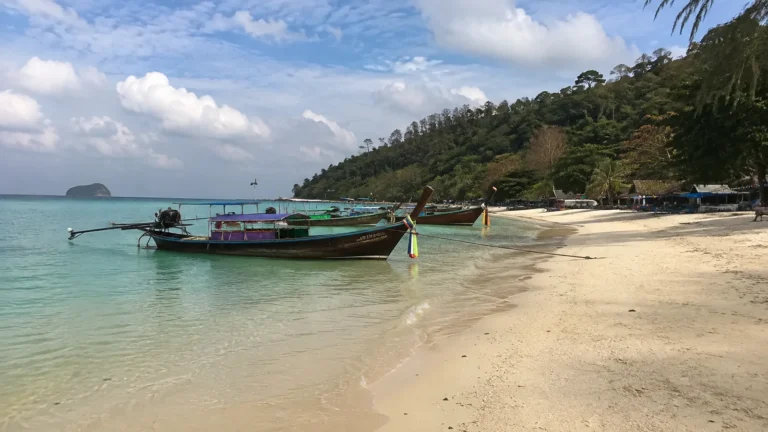
Thailand Long-Tail Boats: Routes, Safety and Booking
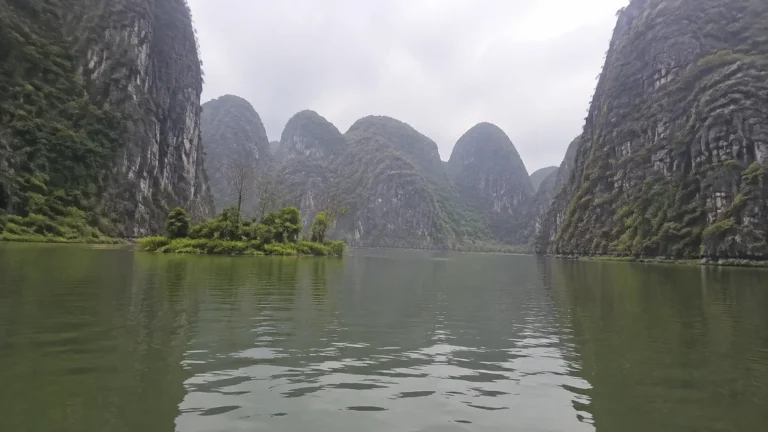
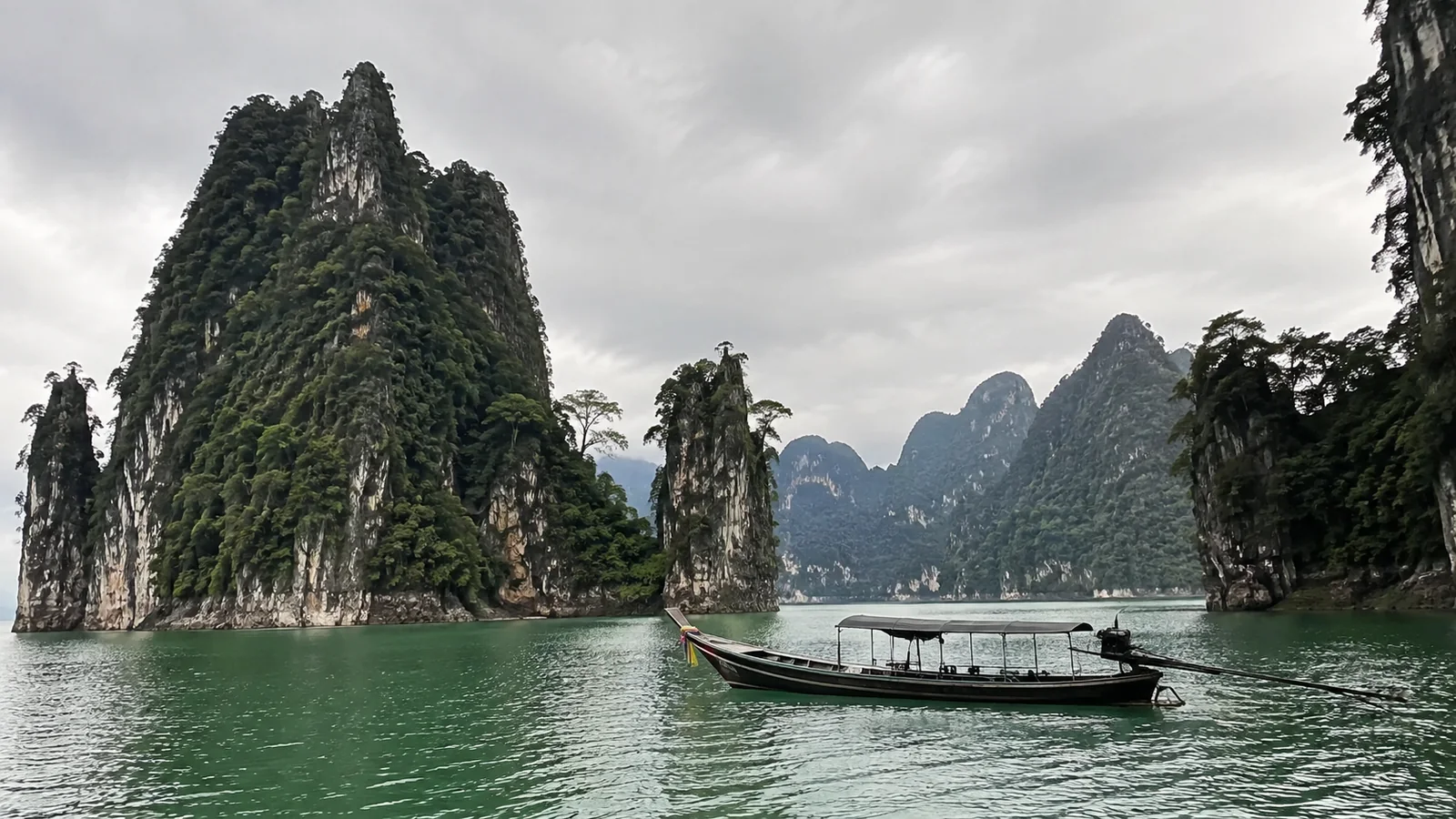
A long-tail boat ride can be Thailand at its most cinematic: limestone cliffs, bright water, and a narrow wooden bow cutting toward a tiny beach. It can also be loud, wet, weather-dependent, and confusing to book, so the best trip begins with choosing the right route rather than the prettiest photo.
What is a Thai long-tail boat?
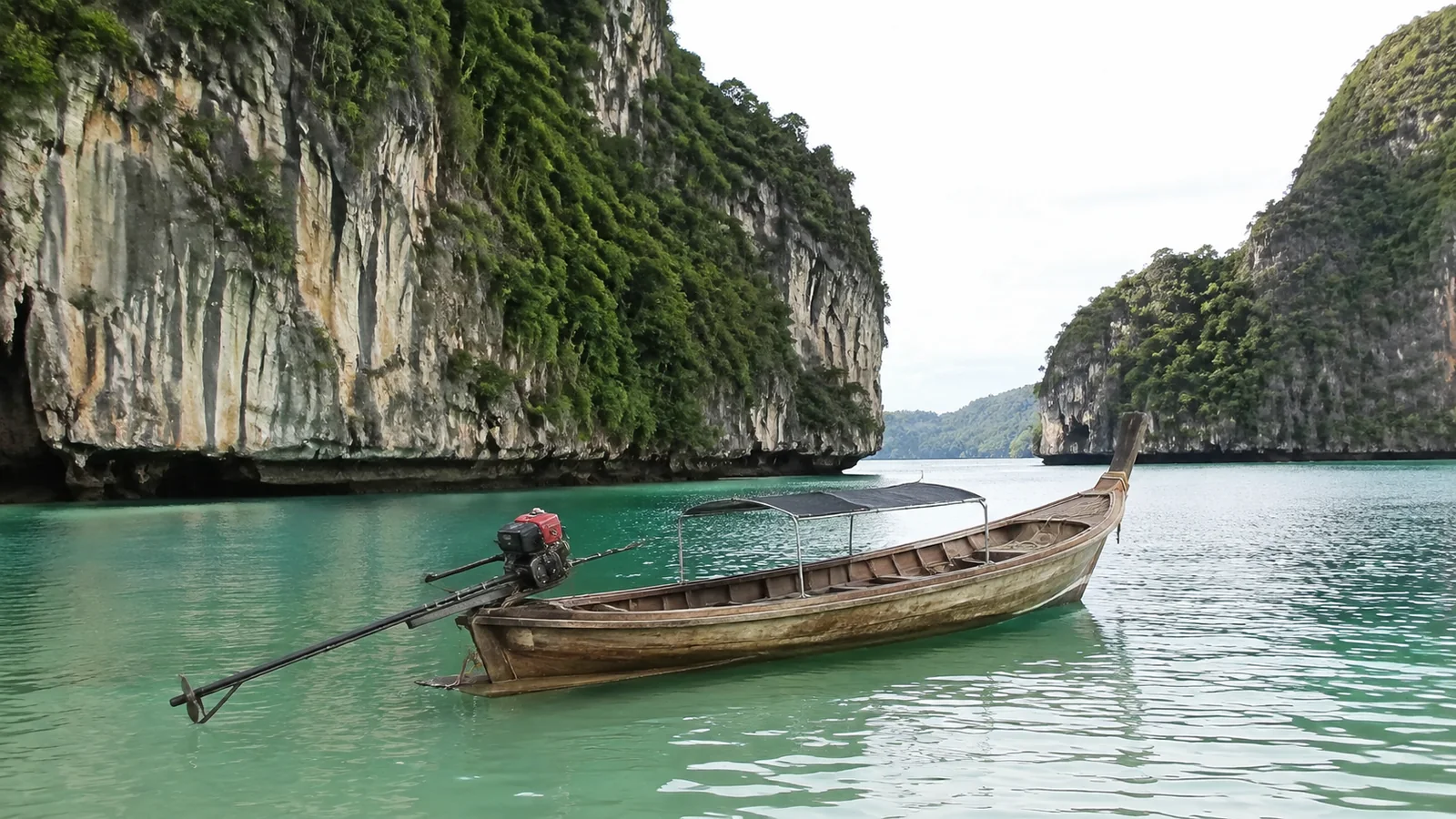
A long-tail is a traditional-style wooden boat powered by an automotive engine mounted at the stern. A long drive shaft extends behind the boat to the propeller, allowing the operator to steer and work in relatively shallow water.
You will see different sizes, canopies, paint schemes, and bow decorations across Thailand. Some operate as local water taxis, while others are set up for private sightseeing, fishing, snorkeling, or canal tours.
They are not speedboats. Long-tails usually trade speed, enclosed seating, and a smooth ride for character, flexible stops, and access to beaches or channels that larger boats may not handle as easily.
The Tourism Authority of Thailand’s transportation overview identifies long-tail boats as important transport on Bangkok-area rivers and canals, as well as vessels used for coastal activities. That variety is why “long-tail boat tour” can mean a one-hour city ride or a full day between islands.
Best places to ride one
Krabi, Ao Nang, and Railay
Krabi is the classic starting point because long-tails connect Ao Nang with Railay and serve island-hopping routes around dramatic limestone scenery. For many travelers, a simple beach transfer delivers the atmosphere without committing to an exhausting day offshore.
Boats commonly leave from designated beach or pier areas once enough passengers gather, or depart at an agreed time for a private charter. Ask where the return boat boards because the arrival point may look completely different after the tide changes.
A private island outing can include places such as Poda, Chicken Island, and nearby snorkeling stops, depending on conditions and park access. “Four Islands” is a tour label rather than a promise that every operator uses the same sequence.
Ko Phi Phi
Staying on Phi Phi Don makes a private long-tail one of the most flexible ways to explore nearby coves and Phi Phi Leh. Starting early can mean softer light and fewer tour groups, though no operator can promise empty water at famous stops.
Maya Bay access has conservation controls, and boats do not simply pull onto the famous beach as they once did. Closures and landing procedures can change, so verify the exact park status and what “Maya Bay” means on the day you go.
A tour might offer a viewpoint from the water, a landing through the approved access point, or a substitute stop during closure. Get that distinction in writing before paying if the bay is the reason you are booking.
Phuket and Phang Nga Bay
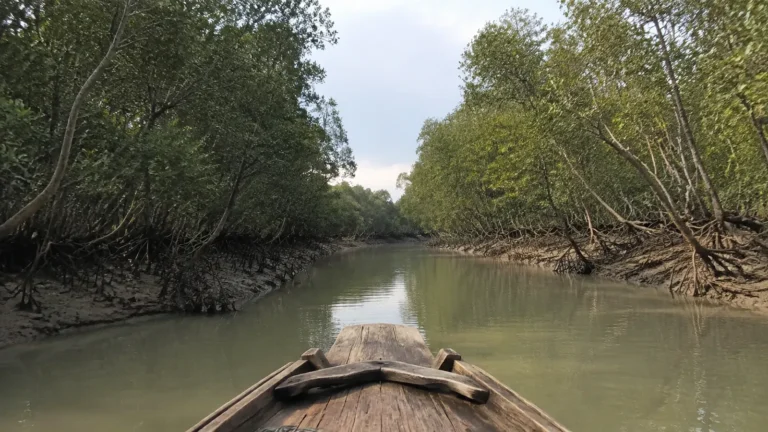
From Phuket-area piers, long-tails can explore mangroves, caves, and limestone formations around Phang Nga Bay. These trips feel more sheltered than an exposed crossing in some conditions, but weather, tide, and boat traffic still matter.
Phuket also serves offshore islands where a speedboat may be more practical for distance. Do not choose a long-tail purely for appearance when the route involves a lengthy open-water crossing and your group is sensitive to motion.
Bangkok and nearby canals
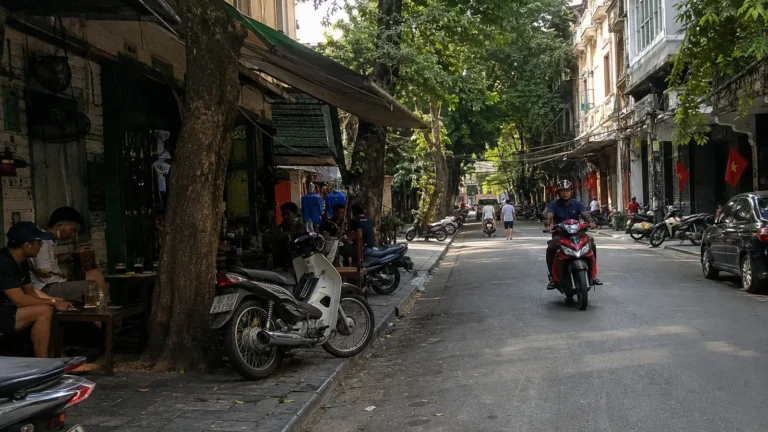
Bangkok long-tails reveal canalside homes, temples, locks, and daily life beyond the roads. They are an especially good choice when you want a compact experience rather than another full-day excursion.
Routes can use the Chao Phraya River and smaller khlongs, with private boats often negotiable by duration and stops. Clarify whether temple admission, guide service, and pier fees are included because the boat driver may not be a guide.
Floating-market trips farther from central Bangkok deserve extra scrutiny. Some markets operate only on certain days or peak in the morning, and a boat ride sold under a famous market name may spend more time in transit than at the market.
Trang, Ko Lipe, and quieter southern islands
Long-tails remain practical for island transfers and local outings around Trang and parts of the far south. They can create a wonderfully unhurried day, but remote routes have fewer backup boats and more reason to confirm return arrangements.
The official tourism site notes that travelers can charter a long-tail from Pak Meng Pier toward Ko Kradan, alongside faster shared options. My Ko Lipe island-planning guide explains why boat schedules and seasonal access need to shape the whole itinerary, not sit in the final footnote.
Private charter, shared tour, or water taxi?
A private charter buys control over departure time, general pacing, and stops within local rules. It is often the best fit for a family, a small group splitting the fare, photographers chasing morning light, or travelers who want a shorter outing.
A shared tour normally costs less per person and may bundle a guide, lunch, snorkeling equipment, transfers, and park arrangements. The tradeoff is a fixed schedule, a larger group, and less control when one stop feels too crowded.
A water taxi is transportation, not a narrated excursion. It may wait for a minimum number of passengers, run only during useful daylight and weather, or quote a whole-boat price when demand is low.
Ask whether the quote is per person or per boat. Also confirm one-way versus round trip, maximum hours, overtime, fuel, waiting time, park fees, pier fees, hotel pickup, food, water, snorkel gear, and insurance.
What should a long-tail boat cost?
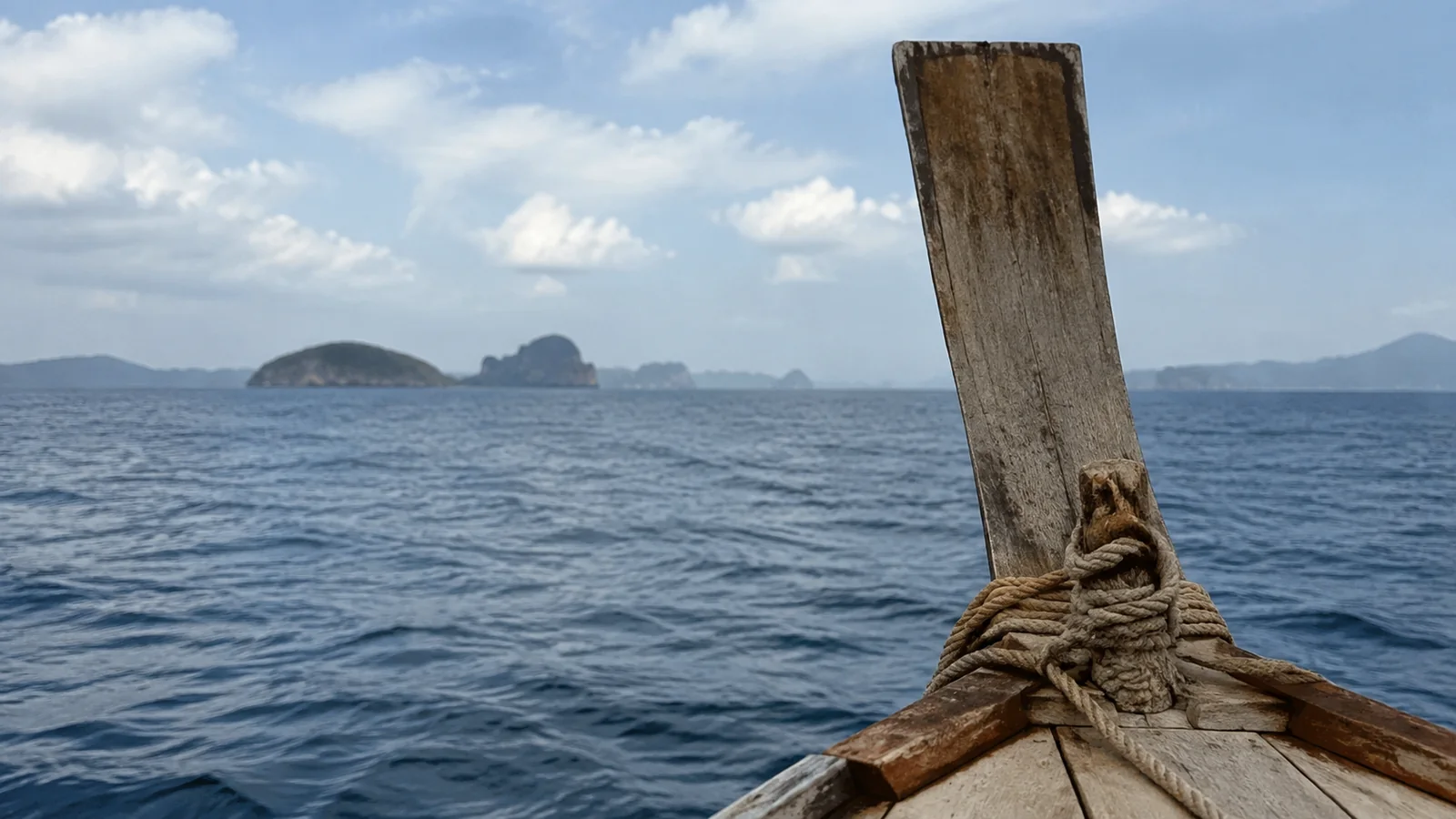
There is no honest nationwide price because a short shared hop from Ao Nang is not comparable with a private day around Phi Phi. Distance, group size, season, fuel, route, park fees, and whether you book at a pier or through a hotel all affect the total.
Look for an official fare board where one exists, then compare two or three like-for-like quotes. A suspiciously low number may exclude fees or describe only the boat ride when the competing quote includes transfers and lunch.
Agree on the total in Thai baht before boarding and save the operator’s name, boat number, route, and return time. Pay through a traceable booking channel when possible, especially for a large advance deposit.
Long-tail boat safety checks
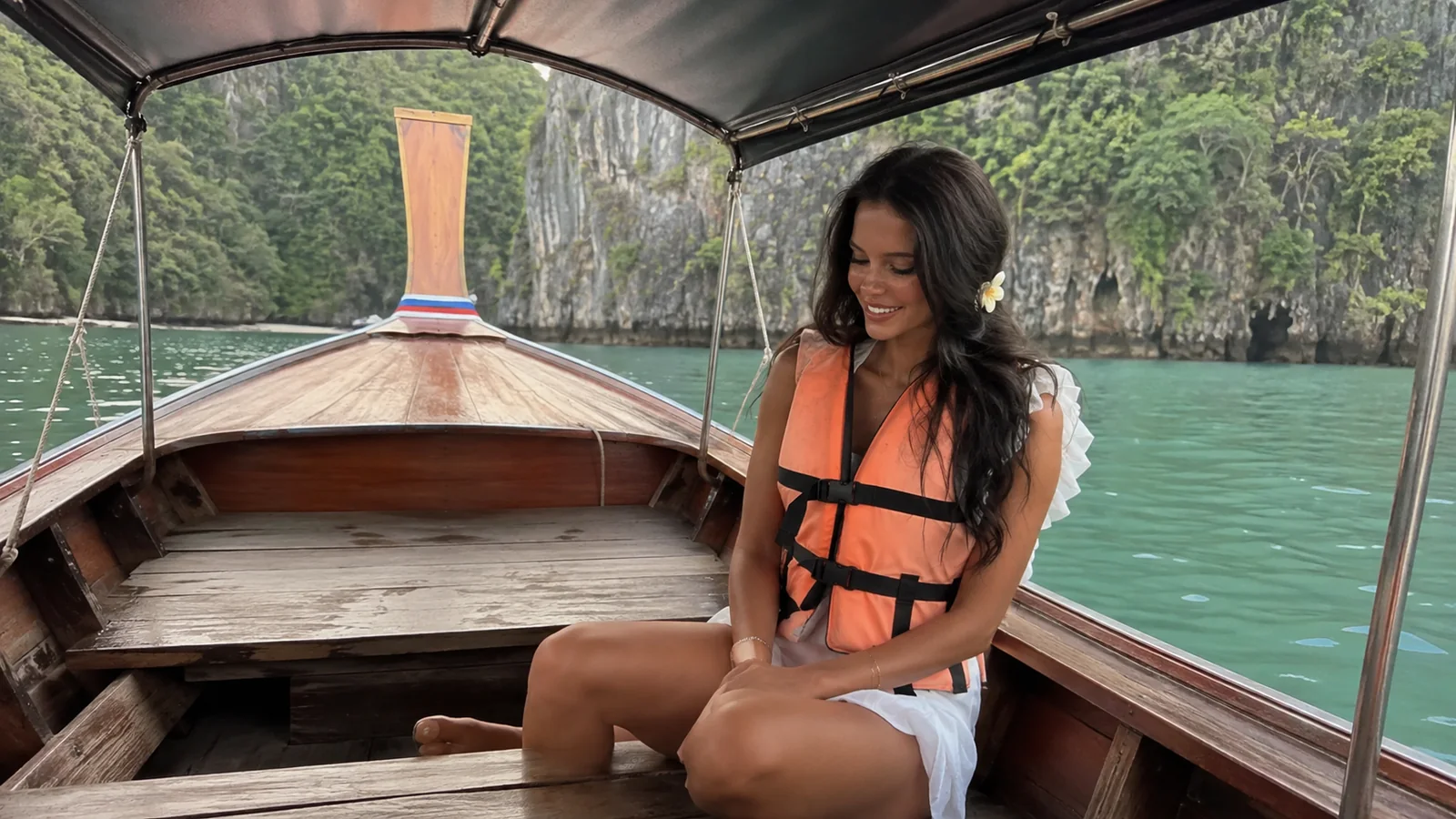
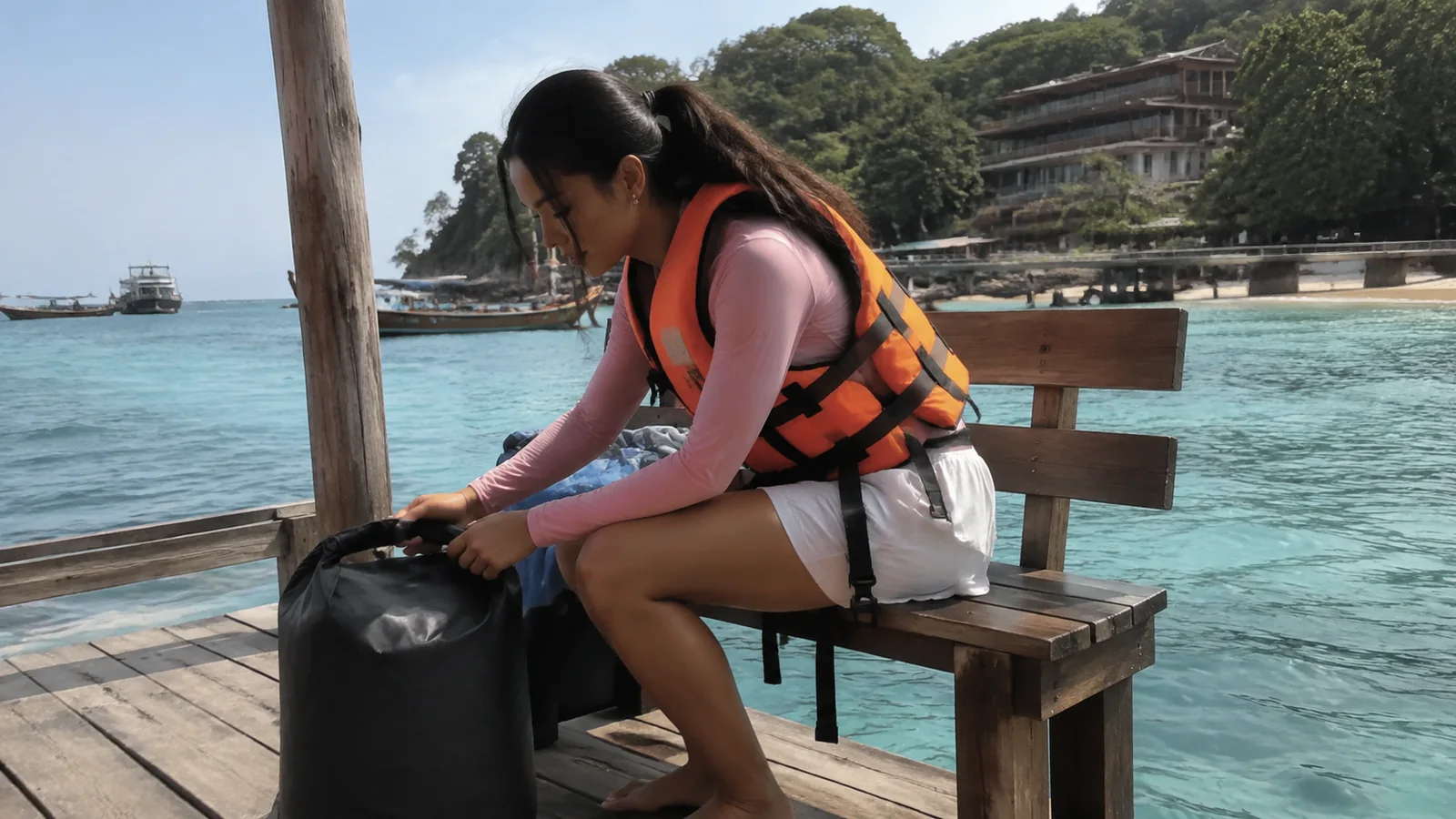
Wear a properly fitting life jacket while the boat is underway, even if the water looks like glass and nobody else seems concerned. Before departure, locate the jackets and confirm there is an appropriate size for every adult and child.
Thailand’s published marine safety guidance says passengers are required to wear life jackets and describes license, capacity, and operator checks. A faded vest buried beneath luggage is not meaningful protection, so inspect the condition and fit.
Do not board an overloaded boat, and do not pressure a driver to leave in unsafe weather. Reputable operators cancel, delay, or reroute when wind, waves, visibility, or tide make the original plan a bad idea.
Check the Thai Meteorological Department shipping forecast on coastal travel days. A general sunny icon for the nearest city does not tell you the offshore wave height or thunderstorm risk.
Keep hands, scarves, loose straps, and hair away from the exposed engine and moving shaft area. Board one person at a time, follow the driver’s balance instructions, and place heavy bags low rather than stacking them where they can shift.
For assistance, Thailand’s Tourist Police provide multilingual support through 1155, according to the Tourism Authority’s current help information. Save the number and your accommodation address before leaving cellular coverage.
Weather and season matter more than the calendar
Thailand’s Andaman and Gulf coasts do not share one perfectly synchronized boating season. A month that suits Phuket may not give the same conditions around Samui, and a calm morning can turn rough later.
National parks and individual attractions may close seasonally for weather, safety, or ecological recovery. The official 2026 national-park closure notice stresses that dates vary and travelers should check current status.
Build a flexible beach day near the front of your stay rather than the final morning before a flight. That gives you room to move the outing if the sea is uncooperative.
What to bring on the boat
- A small dry bag or waterproof phone pouch
- Reef-conscious sun protection, a hat, and a light cover-up
- Drinking water and any necessary medication
- Secure sandals or water shoes for wet landings
- A towel and a change of dry clothing
- Motion-sickness medicine taken as directed before departure
- Small Thai-baht notes for legitimate fees and simple purchases
Expect spray and engine noise. If you are sensitive to sound, well-fitting earplugs can make a long crossing far more pleasant without cutting you off from the operator’s instructions.
Pack lighter than you think because boarding may involve stepping over a gunwale from shallow water. Large rolling luggage is awkward on sand and should be protected from spray during an island transfer.
Accessibility, children, and motion sickness
Many long-tails have a high step, narrow side, low bench, and no fixed boarding ramp. Ask for current photos of the exact boat and describe mobility needs before booking rather than relying on the word “accessible.”
Families should confirm child-size life jackets, shade, trip length, toilet access, and how emergency care would be reached. A private short canal ride or sheltered beach transfer may suit young children better than an all-day offshore loop.
Sit near the boat’s center if the operator agrees, watch the horizon, and avoid a heavy meal if motion sickness is a concern. A long-tail can feel lively in chop, and choosing a speedboat does not automatically guarantee a smoother ride.
How to be a better boat guest
Never touch coral, stand on reefs, feed wildlife, or ask the driver to enter a closed area. Follow park rules even when another boat appears to ignore them because “everyone does it” is not a conservation policy.
Choose refillable water containers when practical, keep every scrap aboard, and avoid blasting music through quiet coves. An electric long-tail is now available in some community-based canal programs, offering a quieter option where the route supports it.
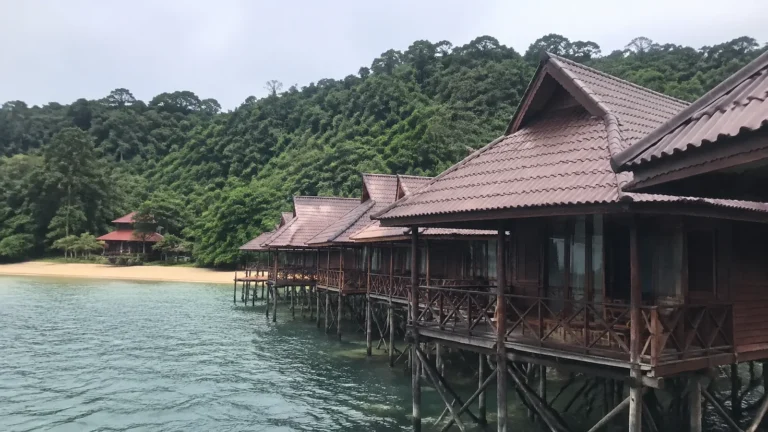
For broader trip decisions, my Asia destination comparison helps match climate and travel style, while these Thailand overwater stays are useful if the boat ride is part of a dreamy coastal escape.
Is a long-tail boat worth it?
Yes, when the route fits the boat and you treat the experience as real transportation on real water, not a photo prop. Krabi and Phi Phi deliver the iconic seascapes, Bangkok provides an easy cultural ride, and quieter southern islands offer a slower local rhythm.
Book the operator as carefully as the scenery. Confirm the exact route and inclusions, wear the life jacket, respect weather cancellations, and leave room for the day to change, because the best long-tail trip is the one that gets everyone back smiling.