Koh Lipe, Thailand: Beaches, Boats and a Practical Island Guide
Koh Lipe is a tiny Thai island with three distinct main beaches, clear-water day trips, and enough food and lodging to make a remote escape feel easy. Getting there still requires a boat, though, so the best trip starts with a flexible transfer plan, realistic weather expectations, and a little more cash than you think you will need.
Is Koh Lipe worth visiting?
Koh Lipe is worth the journey if your ideal days involve swimming, snorkeling, slow beach walks, and choosing dinner by wandering down a pedestrian lane. It is less suitable if you need a resort bubble, effortless airport transfers, big attractions, or city-level medical care.
The island sits in Satun Province in Thailand’s southern Andaman Sea, close to the islands and reefs of Tarutao National Park. That location delivers the scenery, but it also makes wind, waves, park closures, and boat availability part of the trip rather than background details.
Koh Lipe is not an untouched secret anymore. Walking Street gets lively in the main season, boats gather off popular beaches, and development is visible, yet it can still feel wonderfully relaxed once you pick the right shore and stop trying to fill every hour.
How to get to Koh Lipe from Thailand
For the most dependable route, travel to Pak Bara Pier on the Satun mainland and take an authorized passenger boat to Koh Lipe. The Tourism Authority of Thailand’s Satun guide identifies Pak Bara as the main port for Koh Lipe and warns that monsoon conditions can make coastal boat travel dangerous.
Many travelers reach Pak Bara by road transfer from Hat Yai Airport or Hat Yai city. Trang can also work as a regional gateway, but the best connection depends on current flights, road transfers, and the boat departure that actually operates on your date.
Do not build a tight same-day connection around an online travel estimate. Flights arrive late, vans make stops, pier procedures take time, and boats can be delayed or canceled when sea conditions are poor.
Leave a generous buffer and consider a mainland overnight if the timing looks delicate. Missing a boat is annoying, but rushing a driver toward the pier is not a clever vacation strategy.
Through-boats may also be advertised from islands such as Koh Lanta, Phuket, or the Trang island group during the calmer travel season. These routes can be wonderfully convenient, but they are far more seasonal than a map makes them look.
Can you travel from Langkawi to Koh Lipe?
International ferry service between Langkawi, Malaysia, and Koh Lipe may operate seasonally. It should never be treated as a year-round guarantee because operators, departure points, immigration arrangements, sea conditions, and seasonal dates can change.
This is an international border crossing, not a casual inter-island shuttle. You need the correct passport validity, Thai entry permission, Malaysian exit compliance, and any required arrival documentation for your circumstances.
Confirm the sailing with the operator close to departure and check where immigration processing occurs at both ends. Build extra time around baggage handling and border formalities, then keep your passport and documents in a waterproof pouch that stays with you.
If you are combining the two islands, my guide to choosing a Langkawi sunset cruise can help with the Malaysian side of the itinerary. Just keep that activity separate from an international ferry day, especially when the connection matters.
What boat arrival is really like
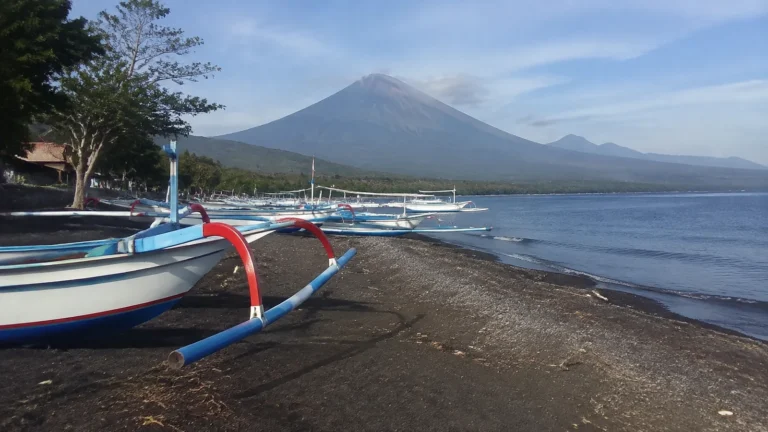
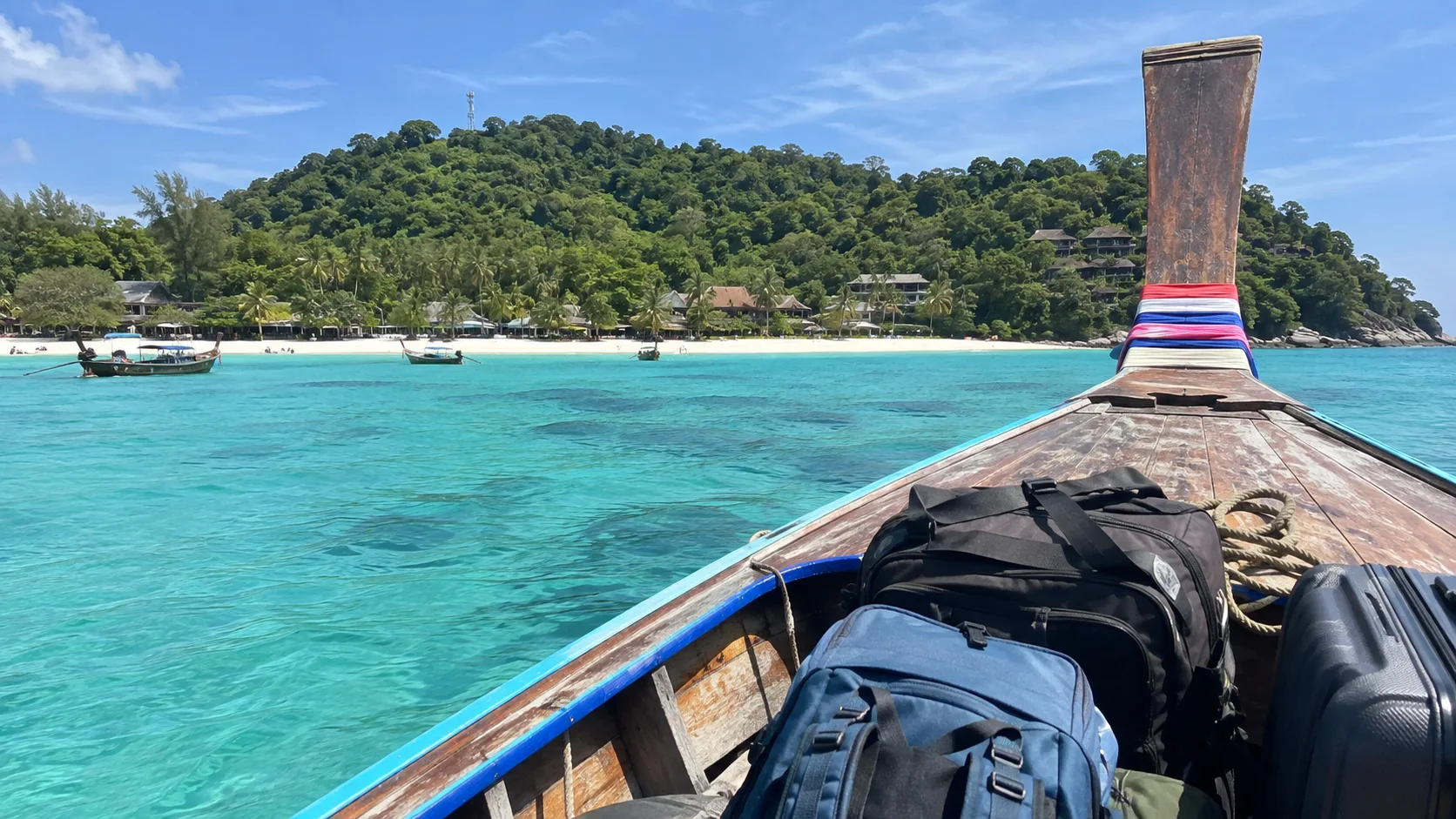
Koh Lipe does not have a bridge or airport, so every arrival includes a boat. Depending on the operator, season, weather, tide, and landing arrangement, passengers may reach shore directly or transfer between a larger boat, floating platform, and local long-tail boat.
Pattaya Beach is a common arrival area in the main season, but a past traveler’s photo does not promise your exact landing point. Follow the crew’s instructions and keep footwear handy because the final steps may involve sand, shallow water, or a moving boat.
Pack as though your luggage will be lifted and moved several times. A manageable suitcase or backpack, waterproof document pouch, and zipped tote are much happier choices than loose bags balanced on top of a giant case.
Wear the provided life jacket even when the water looks calm. For more on boat types, boarding, propellers, and sensible questions for an operator, see my Thailand long-tail boat safety guide.
The best time to visit Koh Lipe
The calmer, drier part of the year is generally the easiest time to visit, with the main travel season commonly running from late fall into spring. This is also when more boat routes, accommodations, restaurants, and excursions tend to operate.
Those pleasant conditions bring higher demand, busier beaches, and less forgiving room availability. Book the essentials early for holiday periods, but keep cancellation terms flexible because weather can still misbehave in a supposedly good month.
From roughly May through October, Thailand’s Andaman coast receives heavier rain and stronger monsoon influence. The official Satun guide specifically warns about dangerous boat travel during this period and publishes seasonal island-park closure guidance.
A rainy-season trip does not mean rain every minute, yet it does mean fewer transport options, rougher crossings, shuttered businesses, and a greater chance that a plan changes. Never pressure a captain to run because your hotel is nonrefundable.
Park and marine-attraction closure dates can be revised for conservation or safety. Check the official Tarutao National Park page, recent park notices, and your operator before paying for a nonrefundable route.
Which Koh Lipe beach should you choose?
Koh Lipe’s three best-known beaches have different personalities, and your hotel location can shape the whole stay. The island is compact, but heat, sand, uneven lanes, and luggage make a short map distance feel longer than it looks.
Pattaya Beach
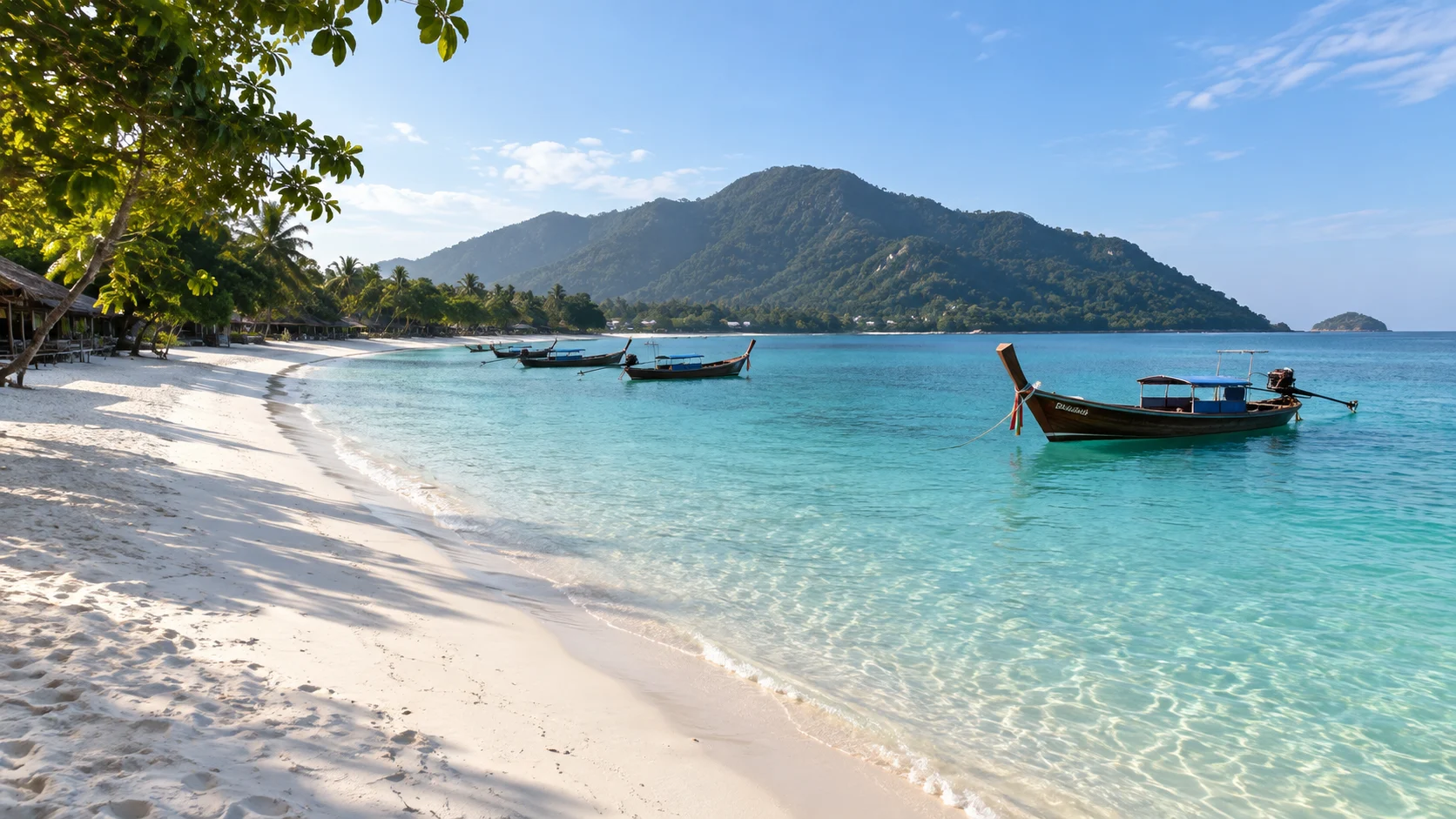
Pattaya Beach is the practical choice for easy access to Walking Street, restaurants, and common arrival activity. It is lively and convenient, although boats and foot traffic can make it less peaceful during busy periods.
Choose it when you value being close to everything and do not mind energy around the waterfront. Ask a hotel about its exact room position because a garden room set back from the sand can feel very different from one beside a busy path.
Sunrise Beach
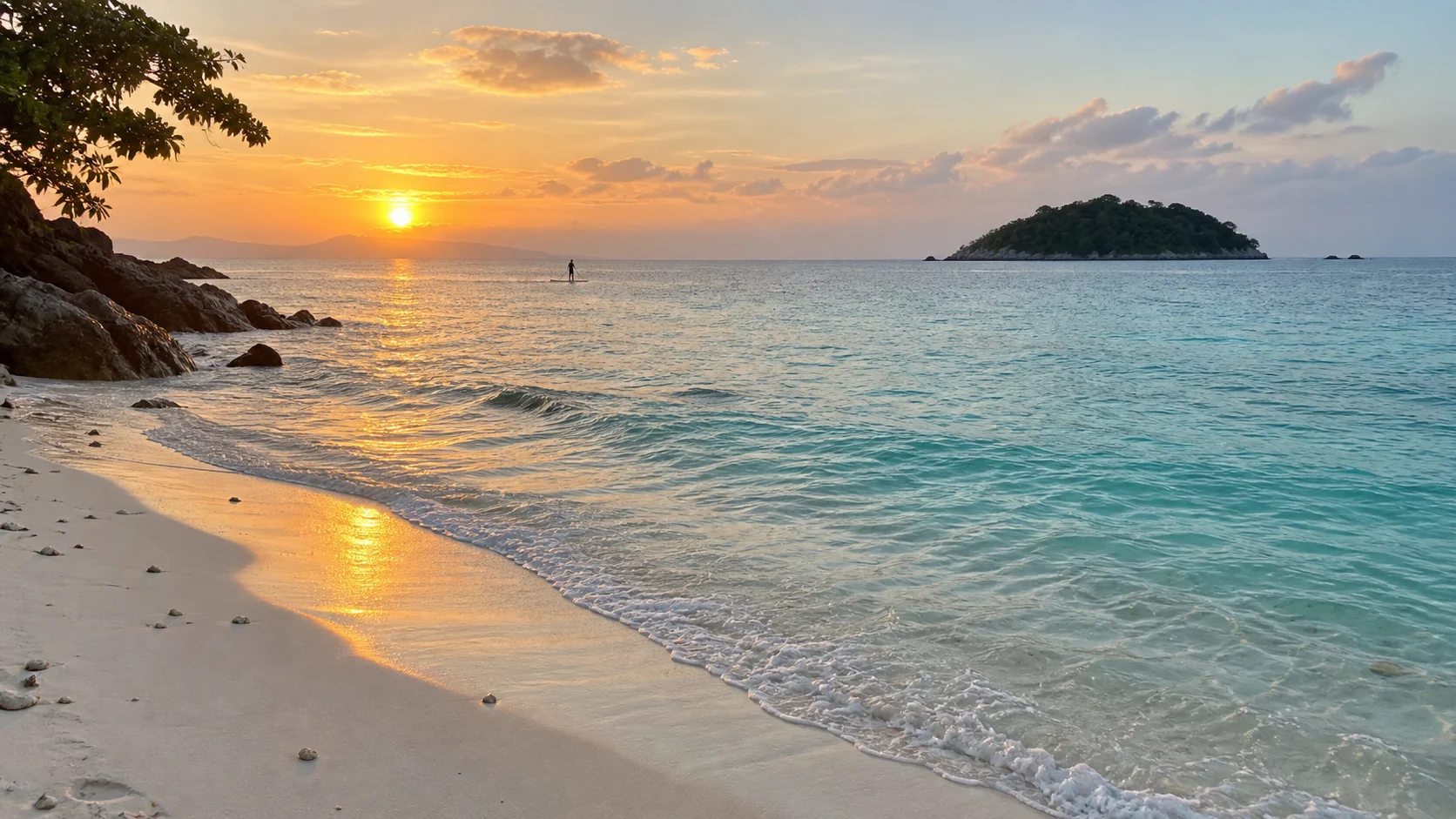
Sunrise Beach runs along the island’s eastern side and offers a long stretch with a mix of accommodations and swimming areas. Morning light is the obvious draw, while wind, currents, tides, and boat traffic still affect where it feels best to enter.
It is a lovely compromise for travelers who want beach time without being far from food and Walking Street. Do not choose a room based only on the beach name, since the northern and southern ends have different access and atmosphere.
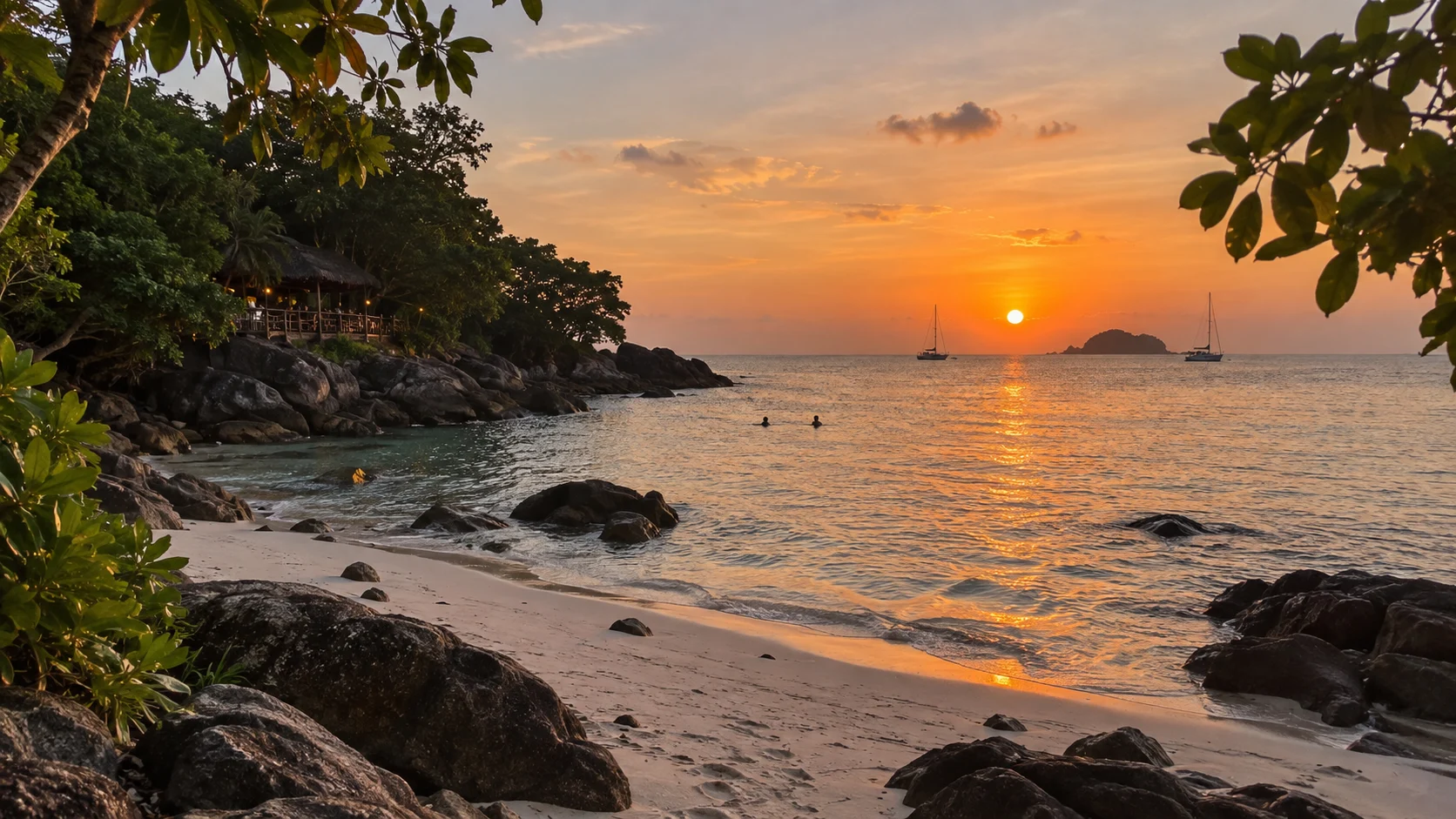
Sunset Beach
Sunset Beach is smaller and generally feels removed from the busiest central strip. It suits travelers who prioritize a quieter setting and are comfortable walking farther or arranging local transportation.
Sunset color is never guaranteed, especially in a humid or stormy season. Go for the slower mood, then treat a glowing sky as the bonus.
Three stays and meal stops to compare
For a simpler Sunrise Beach bungalow, I’d start with a garden room at Castaway Resort. Its published room details include fans and mosquito nets but exclude air-conditioning and hot showers, so the lower-comfort option only saves money if those tradeoffs actually suit you.
Castaway’s restaurant and dive shop make it a practical place to combine a meal with arranging equipment or discussing a boat route. Choose it for a relaxed beach day, while a light sleeper should ask which room sits away from the busiest shared spaces.
For Pattaya Beach convenience, compare Bundhaya Resort, with an on-site restaurant serving Thai, Chinese, and international food. Use its restaurant for an easy arrival lunch and choose the property when being near Pattaya’s arrival activity matters more than a secluded setting.
For a splurge, Serendipity Beach Resort overlooks the southern Sunrise Beach area and offers pool-villa choices. Reserve its On The Rocks restaurant for a scenic meal even if staying elsewhere, but the elevated setting makes stairs and the route back after dark worth checking.
Compare the exact room’s cooling, breakfast, transfer, and cancellation terms rather than assigning a permanent nightly price to any of these. A fan bungalow, a convenient resort room, and a private-pool villa are different purchases even when the booking results place them side by side.
Getting around the island
Walking is the simplest way to move between much of Koh Lipe, and Walking Street links the main commercial area with beach access. Paths vary from paved lanes to sand and uneven surfaces, so supportive sandals are more useful than glamorous shoes.
Motorcycle taxis and local transport services operate on the island, with arrangements and fares subject to change. Confirm the total price before leaving and tell the driver the exact hotel, since similar property names can cause confusion.
Long-tail boats function as water taxis and excursion boats around nearby shores and islands. Agree on the destination, number of passengers, wait time, return plan, park fee situation, and weather fallback before boarding.
Koh Lipe can be challenging for travelers with limited mobility because boats, wet sand, steps, and uneven paths are part of ordinary movement. Ask accommodations very specific questions about the arrival transfer and route from the landing point to the room.
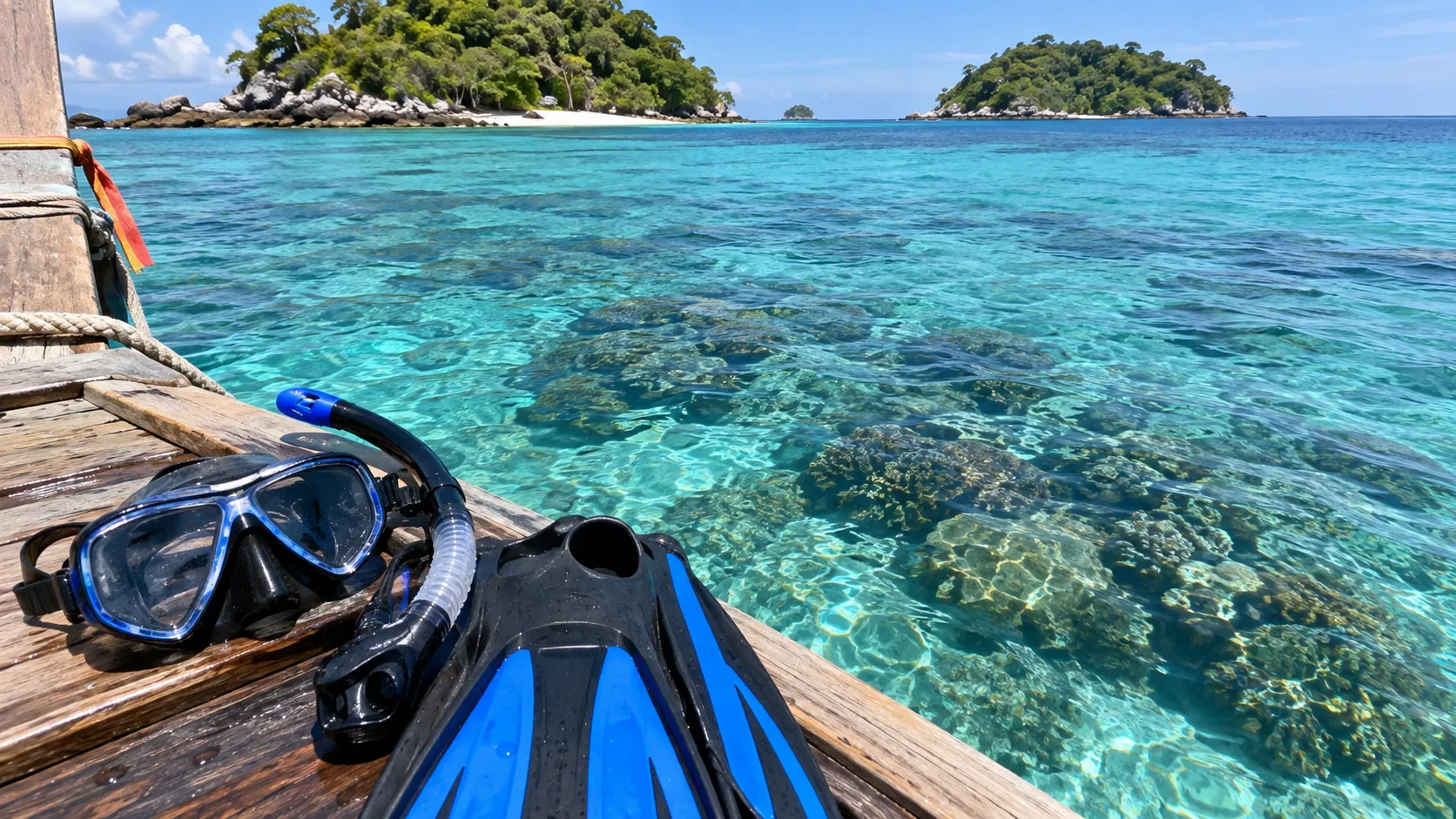
Snorkeling and island trips
Snorkeling is one of the strongest reasons to come, whether from a suitable beach area or on a boat trip among nearby islands. Water clarity, currents, visibility, and access vary by day, so no operator can honestly guarantee perfect conditions or wildlife sightings.
Choose a licensed operator that provides well-fitting life jackets and explains the day’s route, conditions, and emergency plan. A smaller group can be appealing, but safety standards matter more than whether the boat looks photogenic.
Never stand on coral, chase wildlife, collect shells, feed fish, or drop an anchor onto a reef. Keep fins clear of the bottom, give other swimmers room, and listen when a guide closes an area.
Sun-protective clothing reduces both sun exposure and the amount of sunscreen entering the water. If you use sunscreen, follow local park rules and give it time to absorb before swimming.
Boat traffic creates another risk near shore. Use marked swimming areas when available, stay visible, and keep far away from long-tail propellers even when a boat appears stationary.
Tarutao National Park fees and closures
Koh Lipe is the developed base for visiting waters and islands associated with Tarutao National Park. A park admission charge may be collected in connection with arrival or an excursion, depending on the route and the sites visited.
I am deliberately not printing a fixed fee because rates, collection procedures, validity, and exemptions can change. Ask whether a quoted tour price includes admission, pay at an authorized point, and keep the official receipt for the period staff says it remains valid.
Paying a park fee does not mean every island or snorkel site is open. Rangers can restrict access because of seasonal closure, rough weather, conservation work, or another safety concern.
Follow current signs and ranger instructions even if a blog shows someone visiting the same place last year. The reef does not owe us a photo, and closed really should mean closed.
Thailand entry rules for Koh Lipe
Entry permission depends on nationality, passport, trip purpose, length of stay, and route. Check the official Thailand e-Visa website or the Thai embassy responsible for your residence rather than relying on a hotel or ferry seller.
A visa exemption, visa on arrival, and e-Visa are different arrangements. Make sure your onward travel, passport condition, and supporting documents meet the current rule that applies to you.
Thailand also uses the Thailand Digital Arrival Card, or TDAC. The Immigration Bureau’s official TDAC guide says non-Thai nationals must submit it online before entry, including arrival by sea, and currently allows submission within the three-day window that includes the arrival date.
The TDAC is not a visa and does not replace one when a visa is required. Use the free government domain, enter details in English, and save the confirmation offline in case connectivity is weak at the border.
Rules can change after this guide is published. Recheck them shortly before travel, especially if entering from Langkawi because the boat operator cannot waive immigration requirements.
Cash, cards, and everyday costs
The currency is the Thai baht, and cash remains useful for local transport, small restaurants, boat arrangements, park transactions, tips, and businesses whose card terminal is unavailable. ATMs and card acceptance exist on Koh Lipe, but availability, fees, and network uptime are not reasons to arrive empty-handed.
Bring enough baht for the transfer and a sensible emergency reserve without carrying your entire travel budget. Split cash between secure places, decline casual offers to exchange money, and use an ATM attached to a reputable location.
Island prices can be higher than mainland prices because nearly everything arrives by boat. Leave room in the budget for drinking water, luggage transfers, an unexpected extra night, or a revised route after bad weather.
Wi-Fi, mobile service, and power
Hotels, restaurants, and mobile networks provide connectivity, but speed and coverage depend on the property, carrier, congestion, and weather. Ask your accommodation about current Wi-Fi if remote work is important, then have a mobile-data backup and offline files.
Download maps, reservations, insurance details, passport copies, and boat confirmations before the trip. A screenshot is not sophisticated, but it performs beautifully during a power or network interruption.
Bring a power bank and the charging equipment your devices require. Check airline battery rules before flying, and never leave a battery baking in direct sun on the beach.
Food, water, and local culture
Walking Street and the beach areas offer Thai food, seafood, international dishes, bakeries, fruit, and casual bars. Busy does not always mean best, so look for clean preparation areas, steady local trade, and freshly cooked food served hot.
Use sealed or properly treated drinking water and stay hydrated in the heat. Refill where safe filtered-water stations are offered, since reducing single-use plastic is especially meaningful on an island with limited waste infrastructure.
Koh Lipe is home to a Chao Leh, or sea people, community and is not simply a resort set. Dress respectfully away from the beach, ask before photographing people, keep noise reasonable, and remember that homes and working boats are not tourist props.
Thailand’s southern communities include many Muslim residents. Modest clothing and patient, polite communication go a long way when traveling through Satun and its mainland transfer points.
Health and safety on Koh Lipe
Medical services on a small island are limited compared with Hat Yai, Phuket, or Bangkok. Travel insurance should cover treatment, boat transfer or evacuation when medically necessary, and disruption caused by a missed or canceled connection.
Bring required prescriptions in original packaging, a basic first-aid kit, insect repellent, sun protection, and any motion-sickness medicine a clinician says is appropriate. The CDC Thailand traveler page provides current vaccine, mosquito-bite, food, water, heat, and outdoor-safety guidance to discuss with a health professional.
Dengue and other mosquito-borne illnesses make repellent useful even on a beach trip. Cover up around dawn and dusk, use screens or air conditioning when available, and seek medical advice promptly for concerning symptoms.
Heat and reflected sun can catch people surprisingly fast on sand and water. Carry water, seek shade, wear a hat, and schedule the most strenuous walking outside the hottest part of the day.
Currents, waves, jellyfish, boat traffic, and limited lifeguard coverage deserve respect. Obey flags and local warnings, do not swim alone in uncertain conditions, and never assume a calm-looking surface means the water is safe.
How many days do you need?
Three full days is a comfortable minimum for many travelers because it allows a beach day, a weather-dependent boat outing, and time to enjoy the island without turning it into a checklist. Four or five nights creates valuable breathing room when transport takes most of an arrival or departure day.
A one-night stay is risky value after such a long transfer. One delayed boat or rough-weather cancellation can consume the experience you traveled so far to have.
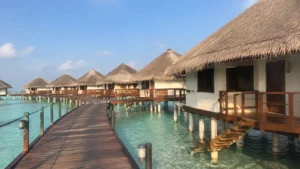
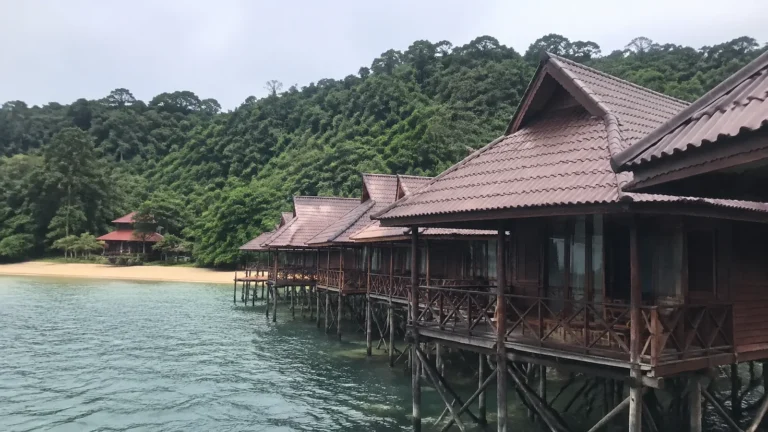
If you want to extend a Thailand beach trip with a very different stay, browse my guide to Thailand’s overwater bungalow options. Those properties are not substitutes for Koh Lipe, but they can help you compare access, comfort, and setting elsewhere in the country.
A relaxed three-day plan
Day one: arrive and learn the island
After check-in, start at the beach entrance to Walking Street on Pattaya Beach and follow the street inland toward the eastern lanes leading to Sunrise Beach. Allow 20 to 30 minutes with stops to learn that cross-island route, then eat at Bundhaya or Castaway depending on which shore is closest to your room.
Day two: take a responsible boat trip
For a competent swimmer in ordinary calm-season conditions, I’d compare the commonly sold Program A longtail route, typically linking Jabang, Koh Hin Ngam, Koh Yang, and a beach stop around Koh Rawi. Allow most of the day, with the exact sequence and permitted stops confirmed at booking rather than guaranteed by the program name.
Jabang is an exposed in-water stop rather than a beach entry, so I’d skip it if current is strong or anyone is uneasy getting back into the boat. Hin Ngam adds a black-stone shoreline stop, but leave the stones in place and watch wet footing instead of climbing around for a photo.
For a shorter alternative, arrange a guided Sunrise Beach house-reef session through Castaway’s dive shop, with a nearby boat outing only if conditions suit. Choose this for a first snorkel or a family that wants an easy exit, and reserve roughly two hours including equipment fitting and the briefing.
These are choices for dates when the relevant areas are open, not a promise of access during monsoon closures. If rangers close the route or the captain cancels it, use a land-based beach-and-meal day and keep the boat budget for a better window.
Day three: enjoy your own beach day
Make Sunrise Beach your morning choice, then have lunch at Castaway or a reserved scenic meal at On The Rocks. If you still want a different shore, walk the inland lanes to Sunset Beach before dusk, leaving enough daylight for the return and time to reconfirm the next day’s ferry instructions.
What to pack for Koh Lipe
- Passport, entry confirmations, insurance details, and waterproof document pouch
- Thai baht in small denominations plus a backup payment method
- Light clothing, modest cover-up, hat, and supportive sandals
- Refillable water bottle and a compact reusable tote
- Well-fitting snorkel gear if you prefer your own
- Sun-protective swimwear, sunscreen that follows local rules, and insect repellent
- Prescription medication, first-aid basics, and motion-sickness supplies
- Power bank, chargers, offline maps, and downloaded reservations
A soft-sided, easy-to-lift bag is especially useful when transfers involve sand and long-tail boats. Pack valuables inside a dry pouch rather than trusting a decorative beach bag with your passport.
The bottom line
Koh Lipe rewards travelers who accept that a beautiful island is still a real, weather-dependent place. Choose your beach carefully, allow time around every boat, carry cash and offline documents, and verify immigration and park information close to departure.
Once those practical pieces are handled, the island becomes delightfully simple. Swim, eat, wander, snorkel gently, and let one of Thailand’s prettiest little corners set the pace.