Chiang Mai, Thailand: A Realistic 3-Day First-Time Itinerary
Chiang Mai rewards a slower plan than its long attraction lists suggest. Three days let you understand the Old City, climb into the Doi Suthep hills, eat northern Thai food, and choose one meaningful day trip without spending the entire visit in a van.
How many days do you need in Chiang Mai?
Three full days are enough for a first visit if you keep the Old City together, reserve one morning for Doi Suthep, and choose only one major excursion. Four or five days are better for a cooking class, craft villages, Doi Inthanon, or a carefully vetted elephant venue.
With two days, keep Day 1 in the Old City and make Day 2 Doi Suthep plus one neighborhood. Do not attempt Doi Inthanon, an elephant program, a cooking class, and every night market in the same 48 hours.
Chiang Mai also fits naturally into a longer regional trip, but “nearby” on a map can still mean a flight or an all-day transfer. Compare the city with these different ways to build an Asia itinerary before treating northern Thailand as a quick Bangkok side trip.
Chiang Mai itinerary at a glance
- Day 1 morning: Wat Phra Singh, Wat Chedi Luang, and Old City lanes
- Day 1 afternoon: Lanna history, a massage, or a cooking-class start
- Day 1 evening: The market that actually runs on your weekday
- Day 2 morning: Wat Phra That Doi Suthep and an optional Wat Pha Lat stop
- Day 2 afternoon: Nimman, Maya area, or a quiet hotel break
- Day 3: Doi Inthanon, responsible elephants, or crafts and food in town
Swap outdoor days when rain, haze, or heat makes the hills a poor choice. The smartest Chiang Mai itinerary has movable blocks, because a mountain view, forest path, and comfortable walk all depend on conditions you cannot book six months ahead.
Day 1: Old City temples, history, and food
Start at Wat Phra Singh
Begin early at Wat Phra Singh, then walk east through the Old City before the heat and tour traffic build. The complex is an active Buddhist site, not an architectural set, so services, ceremonies, and restricted prayer areas take priority.
Cover shoulders and knees, remove shoes where signs require it, and keep feet pointed away from Buddha images and people. Speak quietly, avoid posing with your back pressed against sacred images, and ask before photographing monks at close range.
Visitors may encounter separate local and foreign admission arrangements at some major temples. Carry small Thai-baht notes, but rely on posted terms at the entrance rather than an old online price.
Walk to Wat Chedi Luang
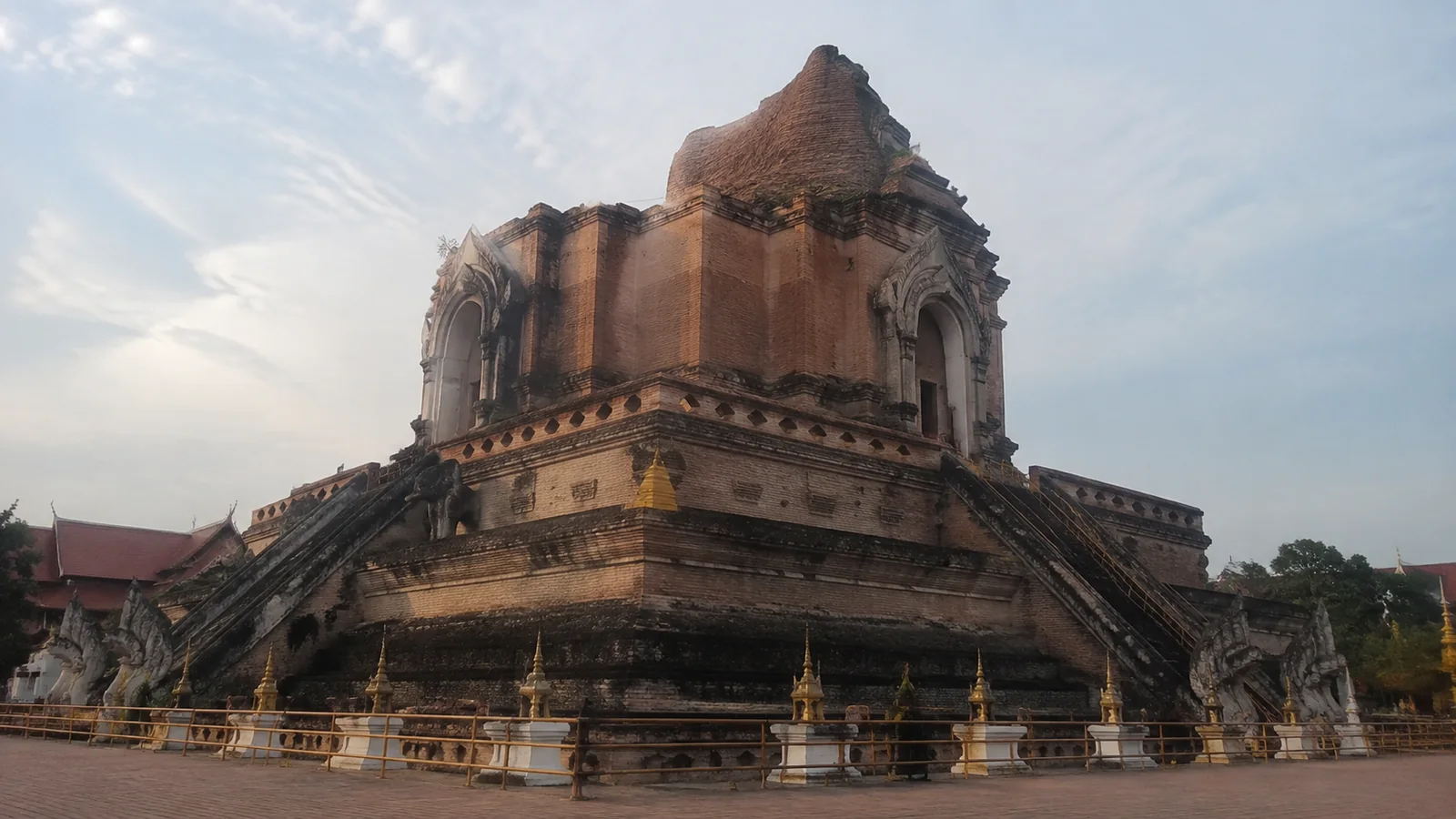
Wat Chedi Luang’s massive ruined chedi gives the morning a visual contrast to Wat Phra Singh’s richly decorated halls. Allow time to walk the grounds and read the posted history instead of rushing straight to the central monument.
Monk-chat programs may be available at certain temples or institutions, but they are not performances on demand. If a current sign invites conversation, join respectfully and remember that the exchange is meant to support language practice and cultural understanding.
Wat Phan Tao sits nearby and can be a short addition if it is open and no ceremony is underway. Two major temple complexes plus one small stop are enough for most people before the carvings begin to blur together.
Pause for northern Thai lunch
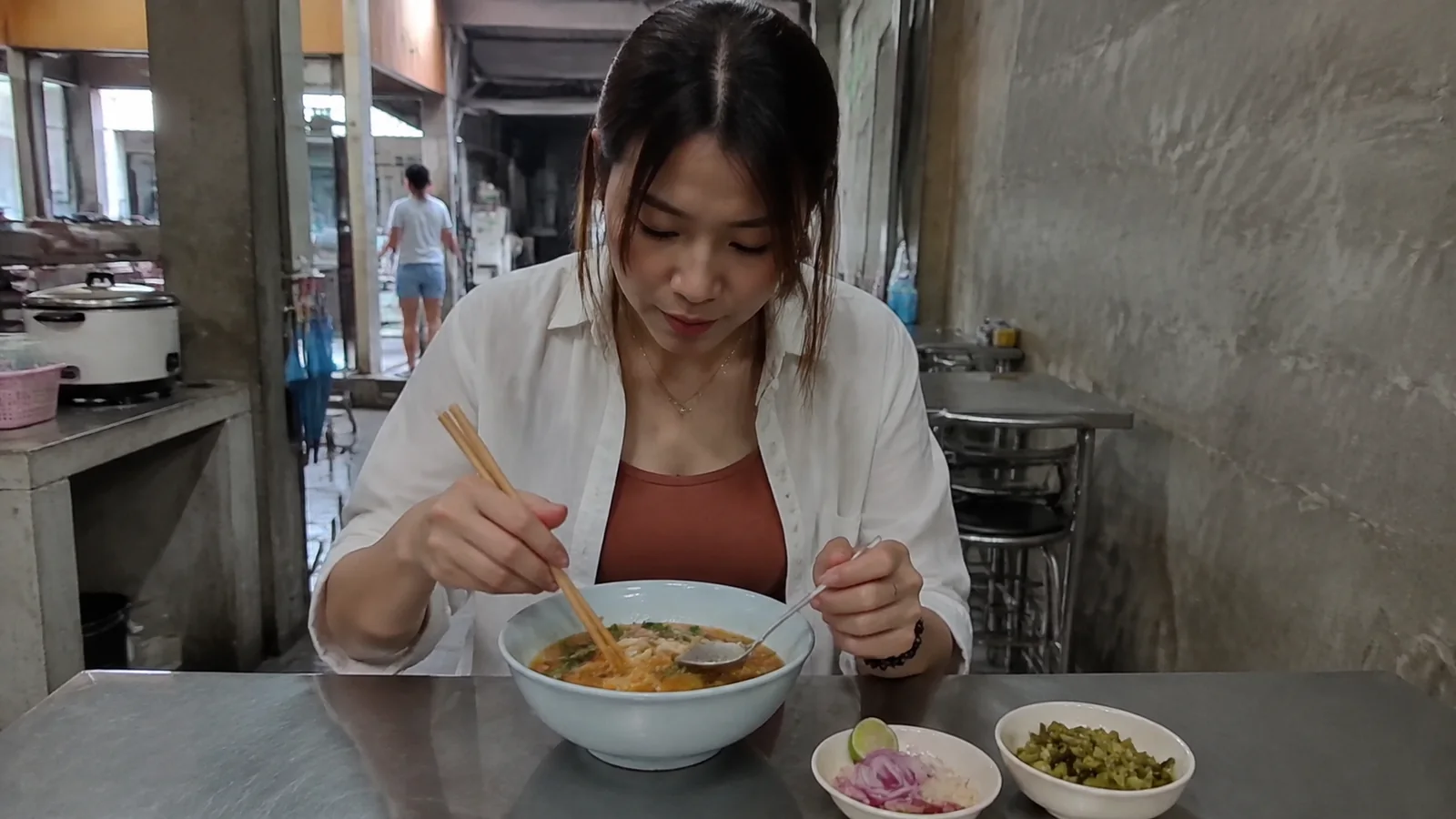
Look for khao soi, sai ua sausage, nam prik dips, or a simple rice-and-curry shop, then order to your real spice tolerance. “Not spicy” can still carry more heat than an American palate expects, and condiments let you add intensity more easily than remove it.
Street food can be excellent, but choose busy stalls where food is cooked hot, ingredients turn over, and raw items are kept appropriately chilled. Drink sealed or safely filtered water and wash or sanitize hands before eating.
Tell a restaurant clearly about allergies, including fish sauce, shrimp paste, peanuts, and coconut. A dish that looks vegetarian may use animal-based seasoning, so a translated allergy card is more useful than hoping the menu icon covers every ingredient.
Choose one afternoon, not three
For history, visit a city museum or cultural center only after confirming its current opening days, because municipal venues commonly have weekly closures. For relaxation, reserve a reputable massage shop and say clearly whether you want gentle oil work or stronger traditional pressure.
A half-day cooking class can also begin with an afternoon pickup and continue through dinner. Book ahead, disclose dietary needs before paying, and confirm whether the advertised market visit is included on your specific session.
If jet lag arrives, go back to the hotel and sleep for 90 minutes. Chiang Mai is far more enjoyable when you are awake enough to cross roads carefully and recognize when a tuk-tuk fare or market purchase needs clarification.
Match the night market to the correct night
The famous Sunday Walking Street centers on Ratchadamnoen Road, while the Saturday Walking Street runs around Wualai Road south of the moat. Neither can be moved to Tuesday because that is the night your itinerary happens to be free.
On other evenings, the Night Bazaar and nearby evening markets provide food and shopping without rearranging the trip. Market footprints, hours, and road closures can change for festivals and public events, so confirm locally on the day.
Carry only the cash you expect to spend, keep your phone secure in dense crowds, and agree on a pickup point away from closed streets. If you dislike shoulder-to-shoulder browsing, arrive near opening or choose a smaller neighborhood market.
Day 2: Doi Suthep and one city neighborhood
Go uphill early
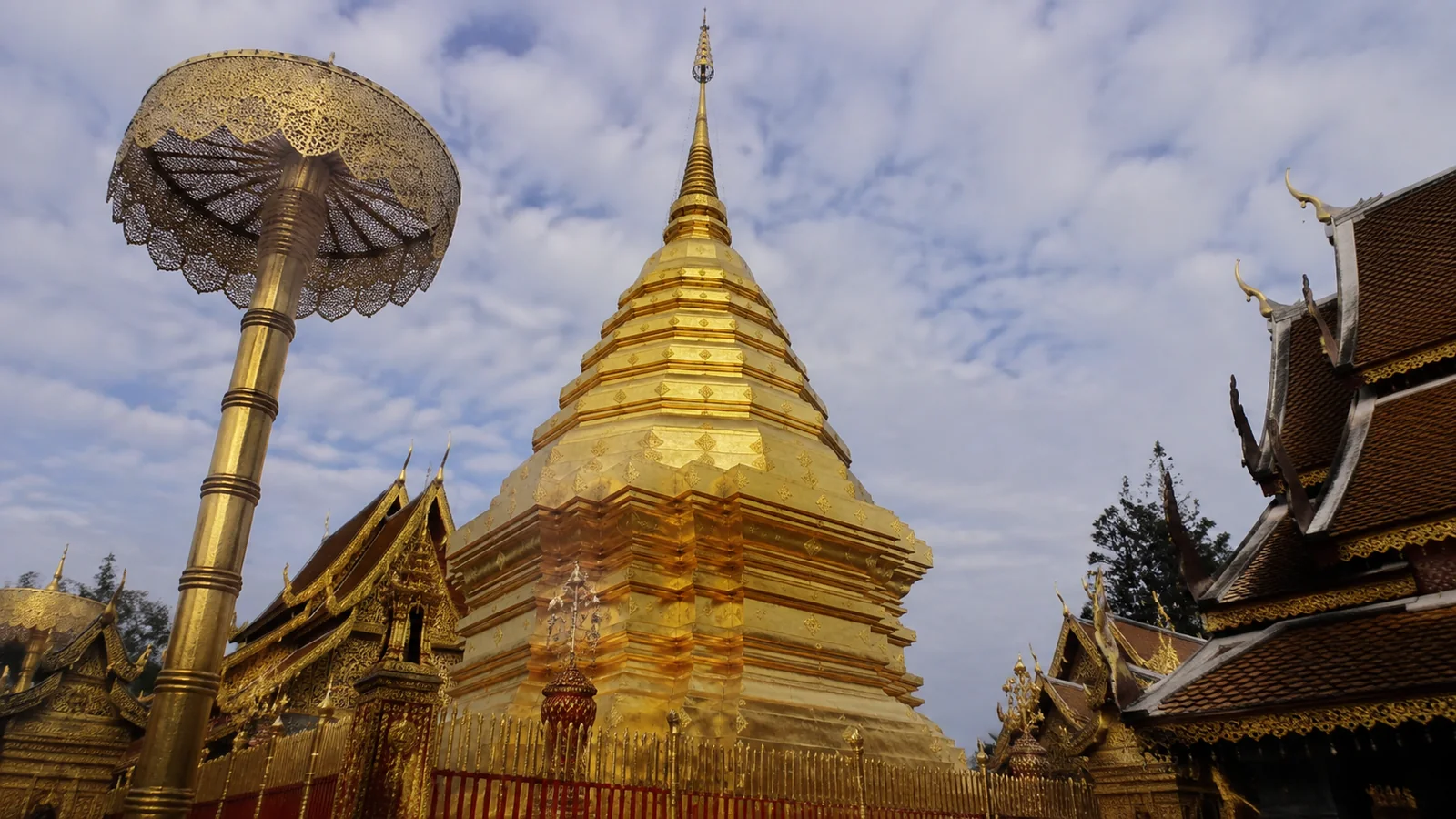
Wat Phra That Doi Suthep is one of the province’s defining landmarks, set on the mountain west of the city. The Tourism Authority of Thailand highlights it among Chiang Mai’s major experiences, but the mountain road and crowds make an early start worthwhile.
Arrange a round-trip driver, join a reputable small tour, or negotiate a red songthaew with the route and waiting time written clearly. Confirm whether the price is per person or for the vehicle and whether stops beyond the temple are included.
The temple is reached by a long stairway, while an alternative lift or funicular arrangement may operate for visitors who cannot manage the climb. Access can change with maintenance and crowds, so ask about the current step-free route before setting out.
Mornings can be cooler, but altitude does not guarantee a clear view. Haze, clouds, rain, or smoke may hide the city completely, and the temple’s religious and artistic value should be enough reason to go.
Add Wat Pha Lat only when conditions fit
Wat Pha Lat is a quieter forest temple lower on the mountain and can be added by road. This is the sensible option during rain, heavy smoke, limited daylight, or any trip where the group is not prepared for a trail.
The Monk’s Trail is a real forest route with roots, rocks, slopes, mosquitoes, and slippery surfaces after rain. Do not start it in sandals or late afternoon, and do not use an old GPS track to override a closure or warning on the ground.
If you hike, wear grippy shoes, carry water, protect against sun and insects, and save an offline map. Turn around when thunder, smoke, heat, fading light, or uncertain navigation changes the risk.
Spend the afternoon in Nimman or recover
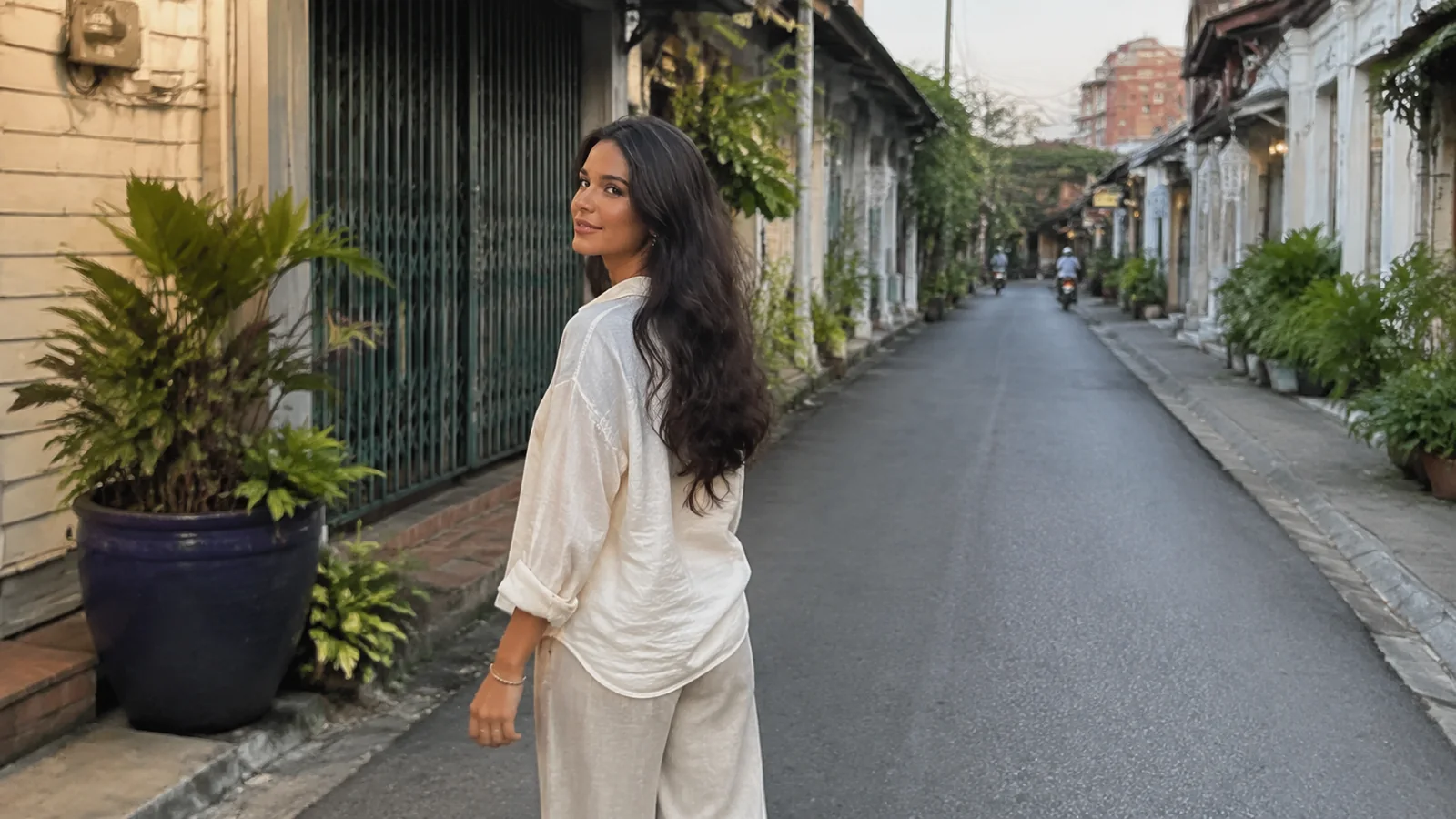
Return to the city for lunch and choose Nimmanhaemin Road, galleries and shops around the neighborhood, or air-conditioned downtime. Nimman offers a contemporary side of Chiang Mai, but cafes and malls are an option rather than a cultural obligation.
Traffic between the mountain, Old City, and Nimman can swell around school dismissal, rush hour, weekends, and festivals. Leave breathing room before a dinner reservation or airport transfer.
If temples are your main interest, use the late afternoon for Wat Suan Dok or another carefully chosen complex outside the square. Check current access and dress standards, then stop when you have lost the attention needed to behave respectfully.
Day 3: pick the excursion that fits your values
Option A: Doi Inthanon National Park
Choose Doi Inthanon for mountain forest, waterfalls, viewpoints, and the highest point in Thailand. It is a full-day road trip from Chiang Mai, not a quick sunrise detour followed by a normal city afternoon.
A private driver or organized tour simplifies the long route, but verify what the price includes: park admission, pagoda access, meals, local guides, waterfall stops, and hotel pickup can be separate. A driver is not automatically a licensed interpretive guide.
Kew Mae Pan Nature Trail normally closes for annual rainy-season recovery for several months, commonly June through October, and reopening dates can shift. Check the Department of National Parks or park’s current official notice, because a tour listing can remain on sale after conditions change.
Mountain weather is cooler and wetter than central Chiang Mai, and waterfalls or paths can close after heavy rain. Bring a light layer and rain protection, wear shoes with traction, and accept substitutions when park staff restrict access.
This option is best for travelers who want landscapes and can tolerate several hours in a vehicle. It is a poor final-day choice if your flight departs that evening.
Option B: an elephant venue you have truly vetted
Choose an elephant visit only after examining what visitors actually do, not the words “sanctuary,” “rescue,” or “ethical” in the name. Responsible observation keeps distance and lets elephants choose their behavior instead of requiring rides, shows, bathing, hugging, or staged touching.
World Animal Protection’s 2026 elephant-friendly guidance favors observation-led venues and explains why direct-contact activities can conceal poor welfare. Ask about chaining, breeding, mahout training, veterinary care, group size, and whether the schedule forces every elephant to meet tourists.
A half-day program can still involve two or three hours of transfers, while a full-day booking occupies almost the whole day. Confirm the exact location, refund policy, clothing, terrain, meals, insurance, and whether the advertised activity changes by season.
If the answers feel evasive, skip the visit. Choosing a craft workshop, food tour, garden, or conservation-focused experience is better than paying for animal contact you are not comfortable supporting.
Option C: crafts, cooking, and a slower city day
Stay in town if long drives, animal tourism, or mountain trails do not appeal. Start at Warorot Market, explore riverside shops, book a craft workshop at a community or studio space, and finish with a cooking class or thoughtful dinner.
Baan Kang Wat and other artisan areas can be lovely, but individual studios set their own opening days. Check the exact businesses that interest you before paying a cross-town fare, especially early in the week.
This option is also the best backup during heavy rain, unhealthy air, or a shortened final day. The goal is not to “make up” for a canceled mountain with six rushed city attractions.
Where to stay in Chiang Mai
The Old City suits first-time visitors who want temples, cafes, and the Sunday market within walking distance. Hotel access can become awkward during market road closures, and rooms facing busy lanes may hear scooters, bars, dogs, bells, or construction.
Nimman works well for cafes, contemporary dining, coworking, and easy airport proximity. It also sits under or near some flight paths, so light sleepers should study recent room-specific comments rather than judging the entire hotel by its lobby.
The Night Bazaar and riverside area suit shoppers and travelers who prefer larger hotels, evening energy, and easier vehicle pickup. They are less convenient for walking to every Old City temple in midday heat.
Check for functioning air-conditioning, window seals, an elevator if needed, and a smoke-free room. During poor-air periods, a properly sized air purifier with true particle filtration is more meaningful than a decorative “wellness” claim.
Getting around Chiang Mai
The Old City looks compact, but broken sidewalks, parked scooters, heat, and wide moat roads slow walking. Use pedestrian crossings where available, look both ways even on one-way streets, and never assume a turning driver has yielded.
Red songthaews operate as shared or negotiated transport, tuk-tuks are useful for short rides, and app-based cars offer a clear digital destination. Agree on a cash fare before boarding non-metered transport, clarify whether it covers the whole party, and save the Thai address or map pin.
Chiang Mai International Airport’s official transport page currently lists airport taxis, metered taxis, a city bus, shuttle service, and designated Grab pickup. Use the current airport signs on arrival because pickup doors and operating hours can change.
Renting a scooter is not a casual money-saving shortcut. Ride only with the motorcycle license and international permit Thailand requires, real insurance coverage, a quality helmet, and experience in dense left-side traffic, otherwise hire a driver.
When to visit Chiang Mai
November through January often brings cooler, drier conditions and strong demand, making it a popular first-visit window. “Cool season” does not mean cold all day, and major festivals can fill hotels and close streets.
February through April can bring severe heat and recurring smoke from regional burning, though timing and intensity vary each year. Check the Pollution Control Department’s Air4Thai monitoring before travel and each morning, particularly if anyone has asthma, heart disease, is pregnant, elderly, or very young.
Do not judge air only by whether the mountain is visible, and do not treat a cloth or surgical mask as fine-particle protection. Follow medical advice, use a well-fitted respirator when appropriate, choose indoor filtered-air activities, and be willing to change destinations if conditions threaten health.
May through October is generally the wetter southwest-monsoon period, bringing greener landscapes, lower demand, high humidity, and sudden heavy rain. Consult the Thai Meteorological Department forecast, and avoid waterfalls, riverbanks, caves, and forest trails when authorities warn about flooding or landslides.
April’s Songkran celebrations are joyful, busy, wet, and disruptive to normal transportation. Protect electronics, expect traffic changes, and remember that temples, elders, infants, monks, drivers, and unwilling participants deserve consideration.
Practical Chiang Mai mistakes to avoid
- Planning the Sunday market on another night: Match each walking street to the calendar.
- Ignoring smoke forecasts: Check measured air quality, not hopeful photos.
- Renting a scooter without legal coverage: Use a songthaew, car, or driver instead.
- Calling every elephant venue ethical: Reject riding, bathing, shows, and forced contact.
- Overloading temple day: Choose a few sites and behave thoughtfully.
- Underestimating mountain weather: Carry layers, rain protection, and flexible expectations.
- Booking a late-return excursion before a flight: Keep departure day close to town.
Keep copies of travel documents, emergency contacts, and insurance details available offline, then secure the originals. These broader travel-planning habits are especially useful when a phone battery, storm, or delayed driver interrupts the neat digital plan.
Is Chiang Mai worth visiting?
Yes, for travelers who want living Buddhist culture, northern Thai food, mountain access, crafts, and a city that reveals itself through mornings rather than headline nightlife. It is less rewarding when reduced to elephant selfies, a rushed temple checklist, and one famous bowl of noodles.
Build the trip around the season you actually have, not the postcard you hoped for. Three thoughtful days can feel generous when you respect heat, rain, smoke, road time, temple etiquette, and your own energy.
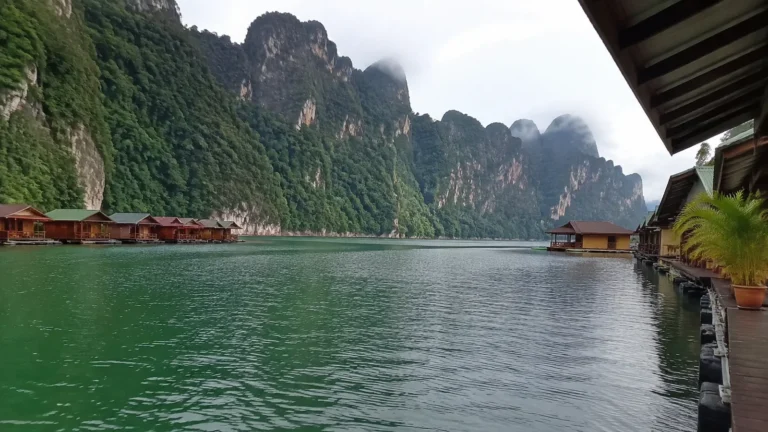
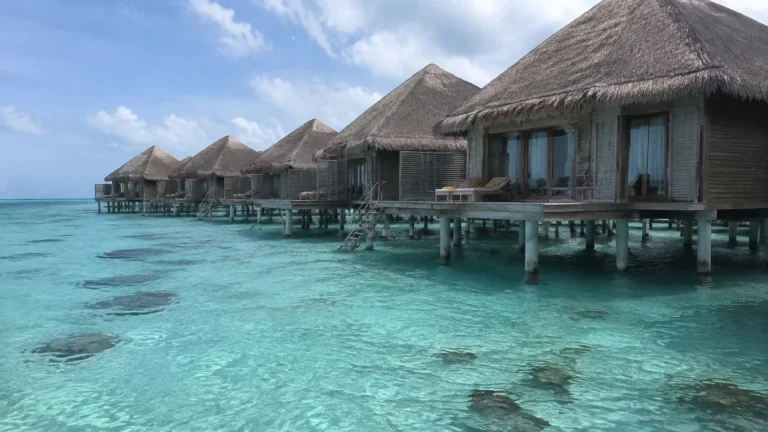
If Chiang Mai is the cultural half of a longer Thailand vacation, add the coast on a separate block instead of commuting back and forth. These Thailand overwater-stay options show how different the logistics and priorities become once the trip shifts south.