Jacques Cartier Beach, PEI: Swimming and Camping Guide
Jacques Cartier Beach is a slim ribbon of PEI sand with a surprisingly useful campground attached. Come for Gulf of St. Lawrence views, supervised swimming on select summer days, sunsets, and an easy base for exploring the island’s quieter western end.
Is Jacques Cartier Beach worth visiting?
Yes, especially if you want a peaceful beach near Alberton or a waterfront campground on the North Cape Coastal Drive. It feels much less like a giant resort beach and more like a simple coastal park where the weather sets the agenda.
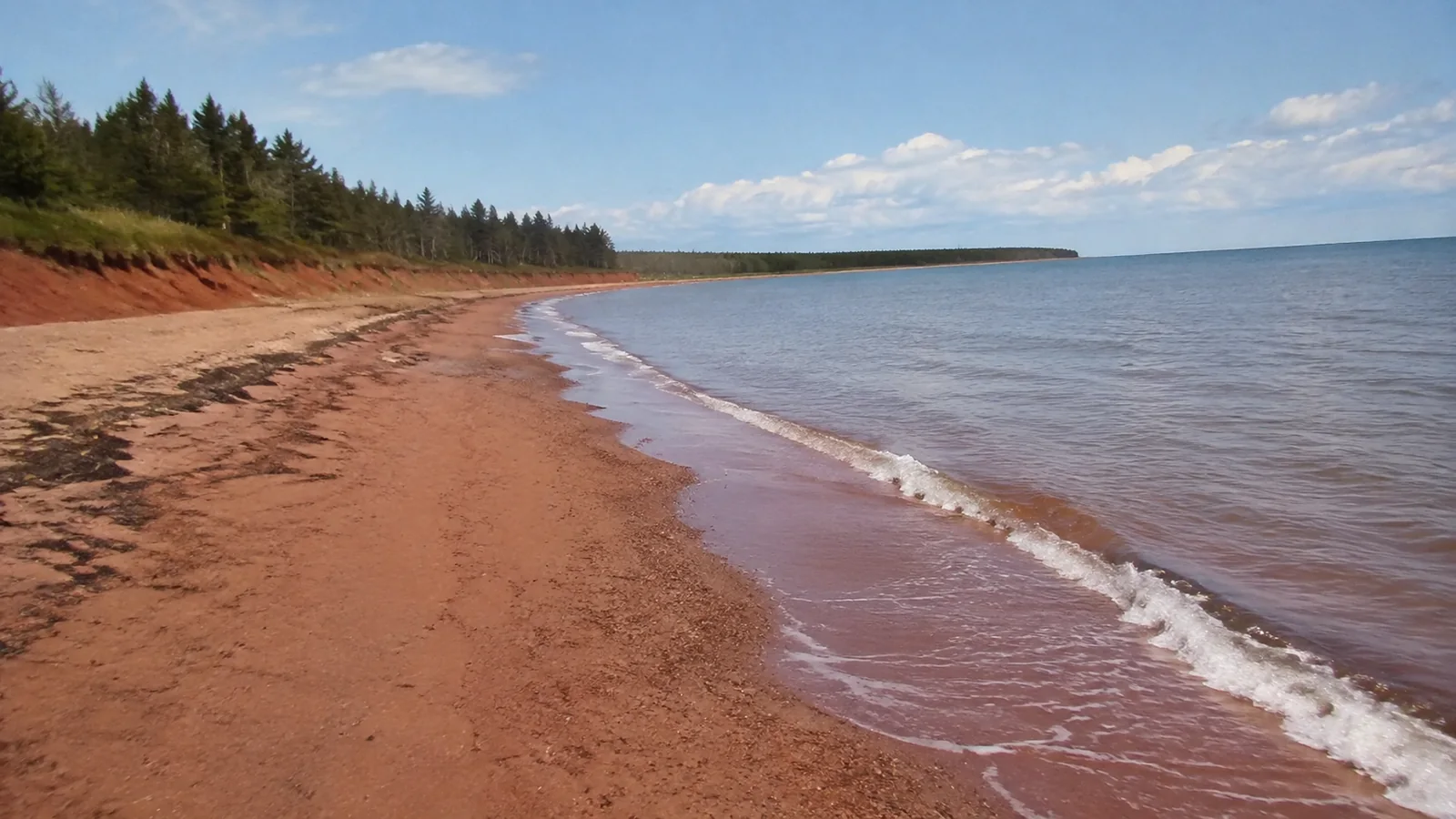
The shore is officially described as slender, so available sand changes with tides, storms, and erosion. If your dream requires acres of dry sand, check current conditions and keep another western PEI beach in your plan.
Jacques Cartier Beach quick facts
- Official name: Jacques Cartier Provincial Park
- Address: 16448 Route 12, Prince Edward Island
- Region: North Cape Coastal Drive
- Water: Gulf of St. Lawrence
- Beach: Narrow sandy shoreline
- Lifeguards: Seasonal and only during posted hours
- Camping: Unserviced, two-way, and three-way sites plus camp cabins
- Amenities: Restrooms, showers, playground, dump station, and seasonal programming
- Dogs: Permitted on leash under current park guidance
The official Tourism PEI park page should be your final check for operating information and contact details. The park is generally listed as open from June through September, but campground dates and individual services can be narrower.
Where is Jacques Cartier Beach?
The park sits on Route 12 in western Prince Edward Island, roughly five to ten minutes from Alberton. Tourism PEI places North Cape about 20 scenic minutes away, making the beach a natural stop on a western coastal loop.
Do not confuse it with Parc national de la Jacques-Cartier in Quebec or Jacques Cartier State Park in New York. Navigation apps need the full PEI park name and 16448 Route 12 address.
A car is the practical way to reach the park and explore nearby communities. Fill the tank and buy groceries before settling in because western PEI services are more dispersed than those around Charlottetown.
What the beach is really like
The appeal is the meeting of sand, open Gulf, big sky, and campground lawn rather than dramatic cliffs or a commercial boardwalk. On a calm day it invites a slow swim, beach walk, picnic, and sunset without much scheduling.
On a windy day, the same exposed position can mean rougher water and blowing sand. Pack a warm layer even when inland temperatures look summery, and anchor light belongings before they become beach litter.
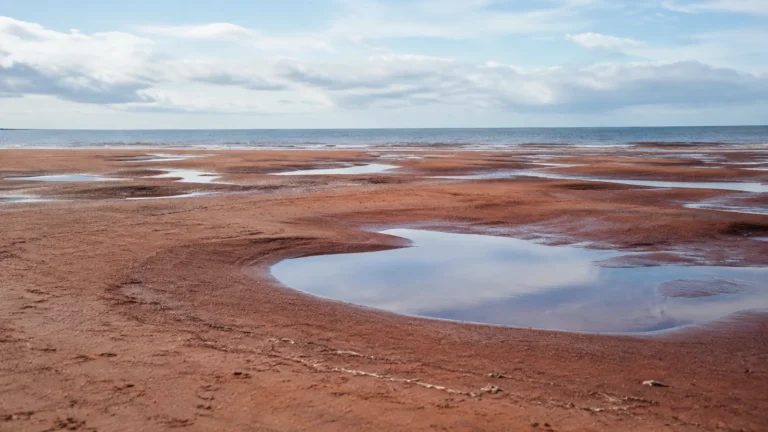
The sandy strip may feel generous at lower tide and cramped when water rises. Check the day’s tide and leave belongings well above wet sand instead of assuming yesterday’s dry line will hold.
Swimming and lifeguard coverage
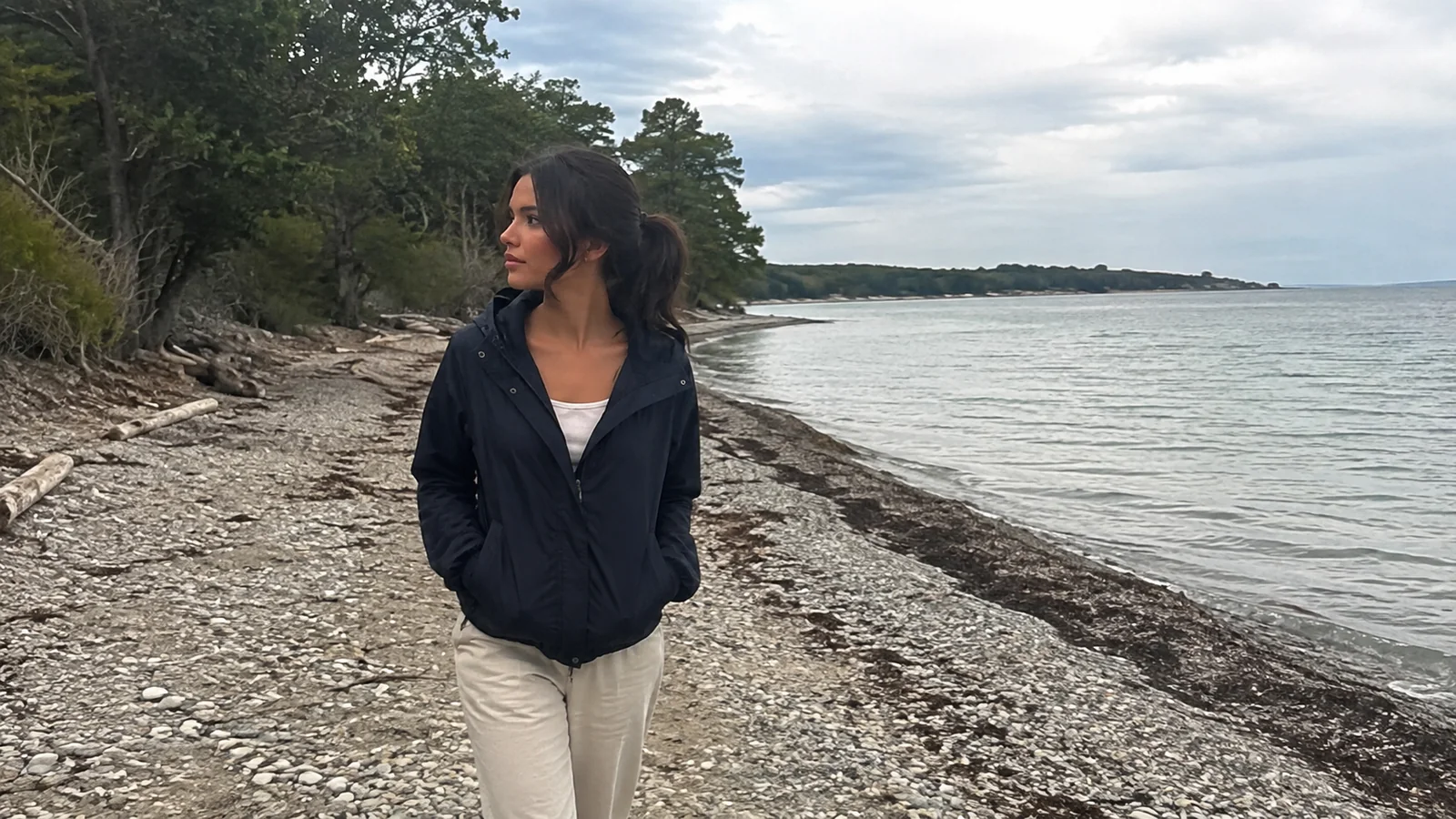
Jacques Cartier is classed as a supervised beach, but that phrase does not mean a lifeguard is present every day or all season. Days and hours vary, and swimmers enter at their own risk when no guard is on duty.
Check Tourism PEI’s live beach safety report shortly before leaving. It publishes lifeguard status, surf observations, water and air temperatures, and tide information during the reporting season.
Ocean swimming is different from a pool, even when waves look small. Swim with a buddy, keep children within immediate reach, and use a properly fitted life jacket for young or weak swimmers.
Tourism PEI discourages floatable devices because offshore winds can carry them away. An inflatable unicorn is entertainment, not safety equipment, and it can travel much faster than the person chasing it.
What to do in a rip current
If a current pulls you from shore, stay calm and do not exhaust yourself swimming straight against it. Swim parallel to shore to leave the current, then angle back toward the beach.
If you cannot escape, float or tread water and signal for help. Teach children the plan before anyone enters because safety instructions are harder to absorb during panic.
Walking, beachcombing, and sunsets
A walk works best when the tide leaves enough firm sand, but the usable distance can change after storms. Wear shoes if broken shells, driftwood, cold water, or uneven access make bare feet uncomfortable.
Leave living creatures, occupied shells, plants, and natural shoreline structure in place. If local rules permit collecting, take only a tiny souvenir and never remove cultural material or anything you cannot identify.
Sunset is the park’s simplest pleasure because the western exposure lets evening light spread across the Gulf. Bring a layer, flashlight, and insect protection, then keep campground roads clear while choosing a viewing spot.
Cliffs, dunes, and erosion
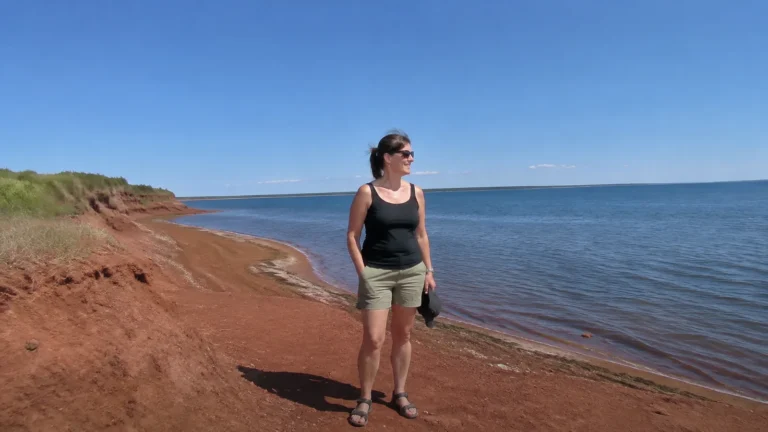
PEI’s soft sandstone coastline erodes, and apparently solid edges can be undercut. Stay back from cliff tops and bases, follow barriers, and never climb an eroding face for a photograph.
Use established beach access instead of cutting over vegetation. Marram grass holds dune sand together, and repeated footsteps can open a blowout that wind enlarges.
Camping at Jacques Cartier Provincial Park
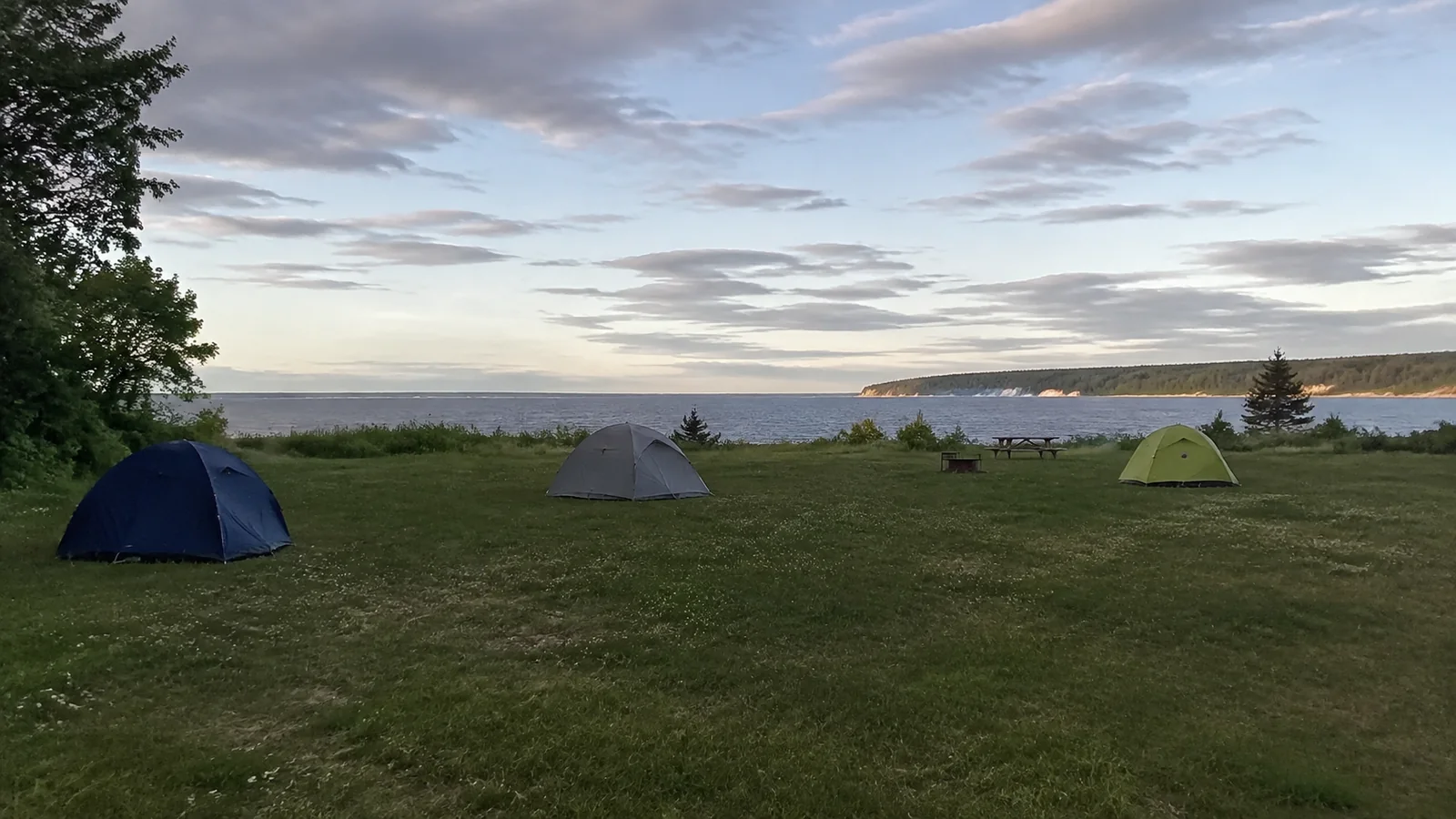
The beachfront campground offers unserviced, two-way, and three-way campsites as well as camp cabins. Restrooms, showers, a dump station, a playground, recreational programming, and special events are listed among its services.
Use the live PEI Provincial Parks reservation page for current dates, prices, equipment limits, and site attributes. Inventory changes, so an old blog’s campsite count is less useful than the booking map.
Choosing a campsite
A waterfront label or map position does not guarantee an unobstructed view from every chair. Compare site photos, driveway length, hookups, grade, exposure, restroom distance, and equipment restrictions.
Coastal sites trade scenery for wind, while more sheltered sites may feel warmer and quieter. Tent campers should prioritize drainage and strong stakes, while RV travelers need the correct electrical and sewer setup for the selected service level.
Camp cabins
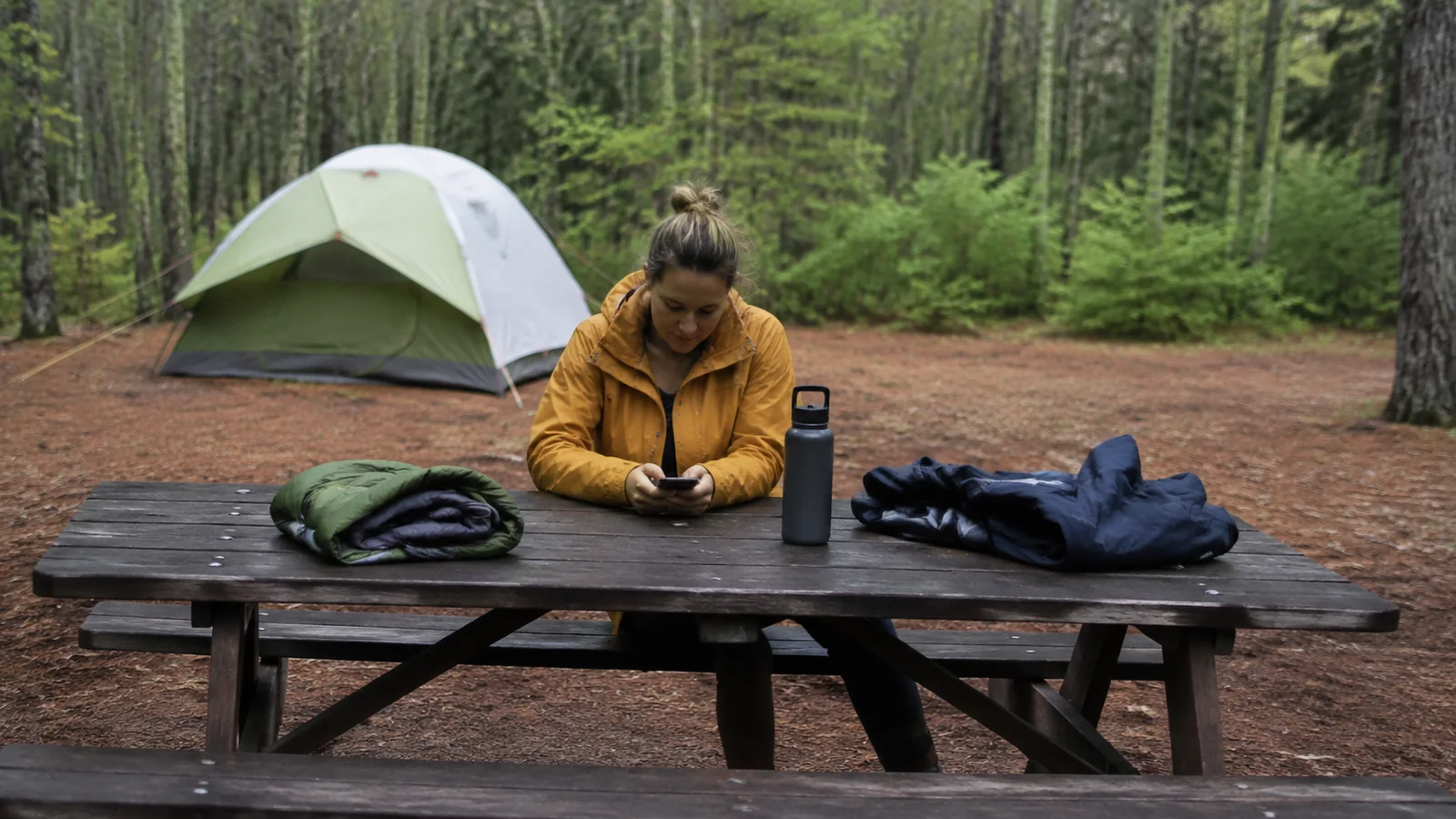
Camp cabins can make the park accessible to travelers without an RV or full tent kit, but they are not automatically hotel rooms. Confirm beds, linens, cookware, heat, electricity, water, bathrooms, pets, and cleaning expectations before packing.
Cabins are limited enough that summer availability can disappear early. Book first, then build the rest of the route around the confirmed reservation.
Campground etiquette
Observe quiet hours, keep lights modest, and secure food and trash. A gorgeous ocean view does not stop smoke, music, or loose pets from affecting neighboring sites.
Seasonal programs and events can be a fun bonus, but schedules vary by date and weather. Check at the park rather than promising children a specific activity months ahead.
Visiting for the day
Day visitors can enjoy the shore without booking a campsite, subject to current park hours and rules. Park only in designated spaces and keep campsite roads, cabin areas, and emergency access clear.
Bring lunch, water, shade, and layers because the park is intentionally simple. Alberton is close enough for forgotten supplies, but leaving mid-picnic is rarely anyone’s favorite activity.
Dogs at Jacques Cartier Beach
Tourism PEI currently says pets are permitted on leash at the park. Keep the leash short enough to prevent wildlife chasing, campsite visits, and tangles with running children.
Hot sand, salt water, sun, and limited shade can tire a dog quickly. Bring fresh water and waste bags, never leave a pet in a vehicle, and verify any beach-area or cabin-specific restriction when booking.
Accessibility planning
A campground with restrooms and a maintained day-use area is not automatically barrier-free from parking space to water. Sand, slope, erosion, wet surfaces, thresholds, and seasonal mat installation can each change access.
Call the park at the number on its official page and describe the exact need. Ask about parking dimensions, path surface, restroom layout, shower access, cabin entry, picnic tables, playground features, and beach mobility equipment.
When to visit
Late June through August offers the best chance of full campground operations, programs, and scheduled lifeguard coverage. It is also the busiest window, so reserve lodging early and still check the day’s report.
September can bring quieter sand and beautiful light, but cooler water, shorter days, reduced services, and storms require flexibility. Lifeguard coverage may have ended before the general park season does.
Outside the operating season, never assume gates, restrooms, showers, or maintained access are available. Confirm whether day access is permitted and leave if weather or shoreline conditions feel unsafe.
The history behind the name
Tourism materials say French navigator Jacques Cartier came ashore in this area in 1534, which explains the park name. That European-arrival story is only one chapter in a much longer island history.
The Mi’kmaq are the First Peoples of Prince Edward Island and have lived on Epekwitk for more than 12,000 years, according to Tourism PEI’s Indigenous culture overview. Understanding that context avoids the false impression that the island was “discovered” when Europeans arrived.
What to do nearby
Alberton is the practical nearby stop for meals, groceries, fuel, and local services, while North Cape adds exposed coastal scenery farther along the drive. The regional North Cape Coastal Drive listing can help place the park within a longer western PEI day.
Do not cram every western landmark between breakfast and sunset. The roads may look short on a map, but beach walks, small museums, food stops, and weather decisions add time quickly.
These Prince Edward Island beach options help you keep a flexible backup for wind or tide. Cedar Dunes Provincial Park pairs another western shore with lighthouse scenery, while Panmure Island Beach suits a completely different eastern PEI day.
What to pack
- Swimsuit, towels, and dry clothing
- Properly fitted life jacket for anyone who needs one
- Reef-safe sunscreen, hat, and portable shade
- Windbreaker and warm evening layer
- Drinking water and picnic food
- Water shoes or sturdy sandals
- Insect repellent and tick-check supplies
- Trash bag for everything you bring
- Flashlight for a sunset return
- Strong stakes and weatherproof storage for camping
A relaxed one-day plan
Check the beach report in the morning, then arrive with enough time to see the actual water before anyone changes into a swimsuit. Walk the shore first, choose a safe base above the tide line, and swim only within the day’s conditions.
Have lunch at the park, give children time at the playground, and take a quiet afternoon rather than racing away. Continue to Alberton or North Cape later, then return for sunset only if park access and energy allow.
Jacques Cartier Beach FAQs
Is Jacques Cartier Beach supervised?
It has seasonal lifeguard service on selected days and hours. Check the live Tourism PEI report because “supervised beach” is not a daily guarantee.
Can you camp beside the beach?
The provincial park has a beachfront campground, but exact views vary by site. Reserve through PEI Provincial Parks and confirm equipment fit and hookups.
Are dogs allowed?
Tourism PEI currently permits pets on leash. Confirm any specific campground, cabin, or signed beach restriction when you visit.
Is it a good beach for children?
The sand, playground, and seasonal guards can work well for families, but ocean conditions decide whether swimming is appropriate. Direct adult supervision remains essential even when a lifeguard is present.
Final thoughts
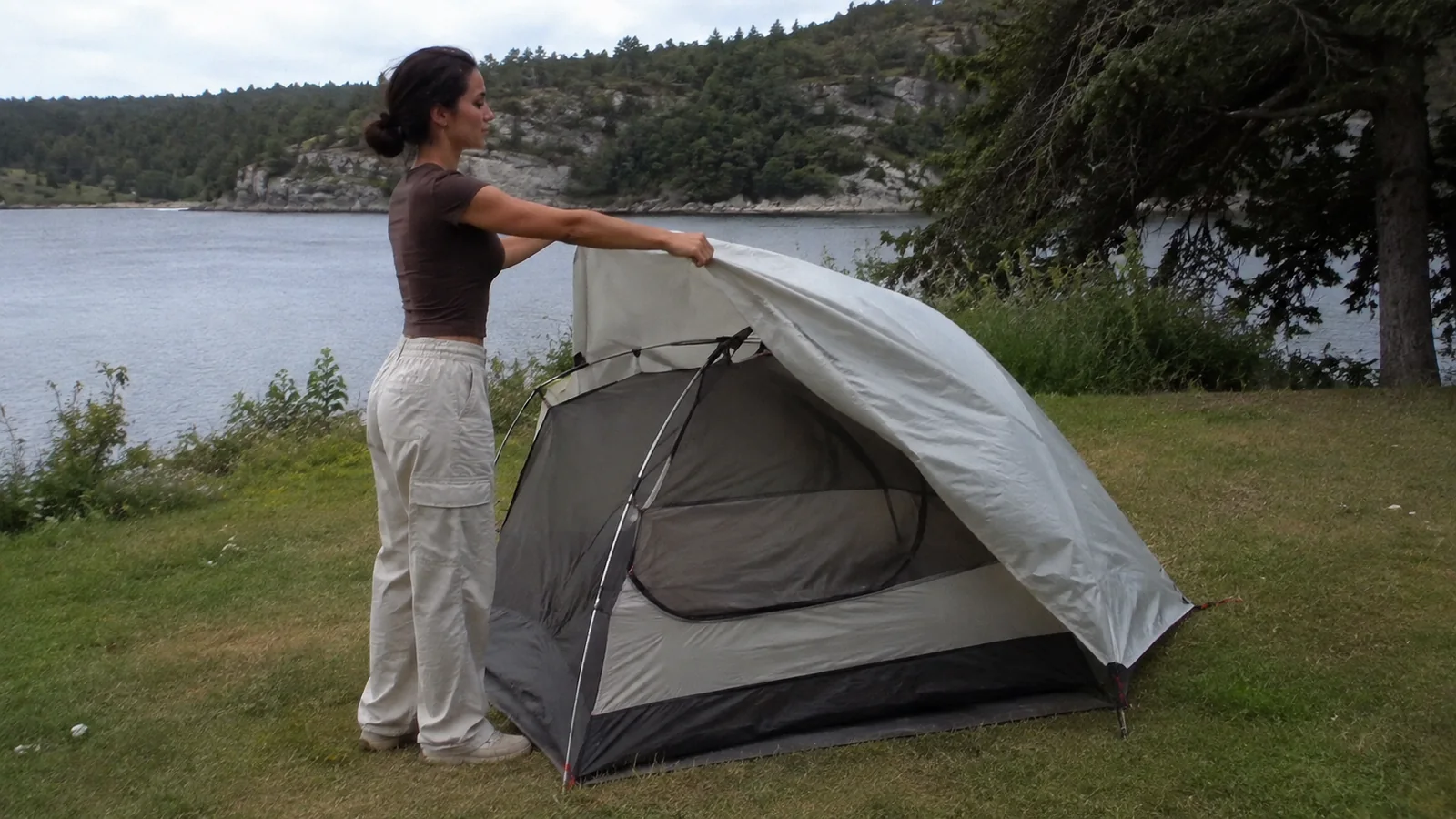
Jacques Cartier Beach is best when you let it be uncomplicated. Check the lifeguard and surf report, arrive around a useful tide, and give the breeze, sand, playground, and Gulf view time to do their work.
Campers gain the sweetest version because sunset does not come with a long drive afterward. Day visitors still get plenty by packing well, respecting the changing shoreline, and leaving the schedule loose enough for western PEI to surprise them.