Panmure Island Beach: A Practical Guide to PEI’s East Coast
Panmure Island Beach is the rare Prince Edward Island shore that works for swimmers, campers, lighthouse fans, and families who need real facilities. The white-sand beach feels wonderfully removed, yet Montague is only about 20 minutes away, so here is how to plan the day without confusing seasonal services with year-round access.
Start with the right Panmure Island
Panmure Island Provincial Park sits along Route 347 on PEI’s Points East Coastal Drive. The drive onto the narrow causeway is part of the appeal, with water visible on both sides before the road reaches the park and island.
Do not confuse it with Panmure Island in Scotland or assume the park covers every shoreline around the island. For navigation, use the official park address at 350 Panmure Island Road and follow posted signs rather than dropping a pin on an empty stretch of sand.
Tourism PEI lists Panmure as a campground park with a supervised beach and a June through September operating season. That season refers to staffed facilities and services, so check current notices before driving out in the shoulder months.
Who will enjoy Panmure Island Beach most?
Choose Panmure if your group wants a long sandy beach but feels more comfortable with change rooms, showers, flush toilets, food nearby, and scheduled lifeguard coverage. It also suits anyone building an eastern PEI day around Montague, Georgetown, or a lighthouse stop.
Look elsewhere if your perfect beach means storefronts, rentals, nightlife, or attractions within walking distance. Panmure is a rural park, and the freedom comes with needing your own transportation and a backup plan when seasonal concessions are closed.
If you are comparing shore types across the island, this PEI beach chooser separates provincial parks, national park beaches, and unserviced access points. Panmure’s advantage is the combination of a white-sand ocean beach and developed provincial-park amenities.
What the beach is actually like
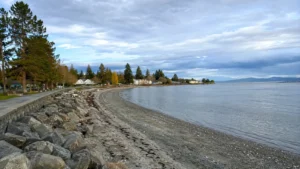
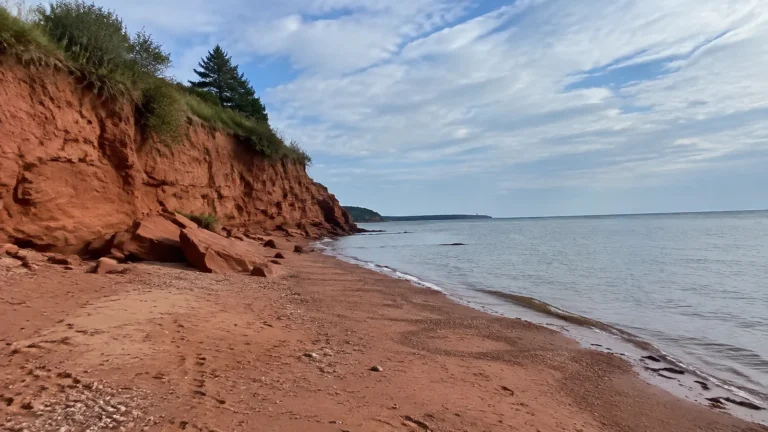
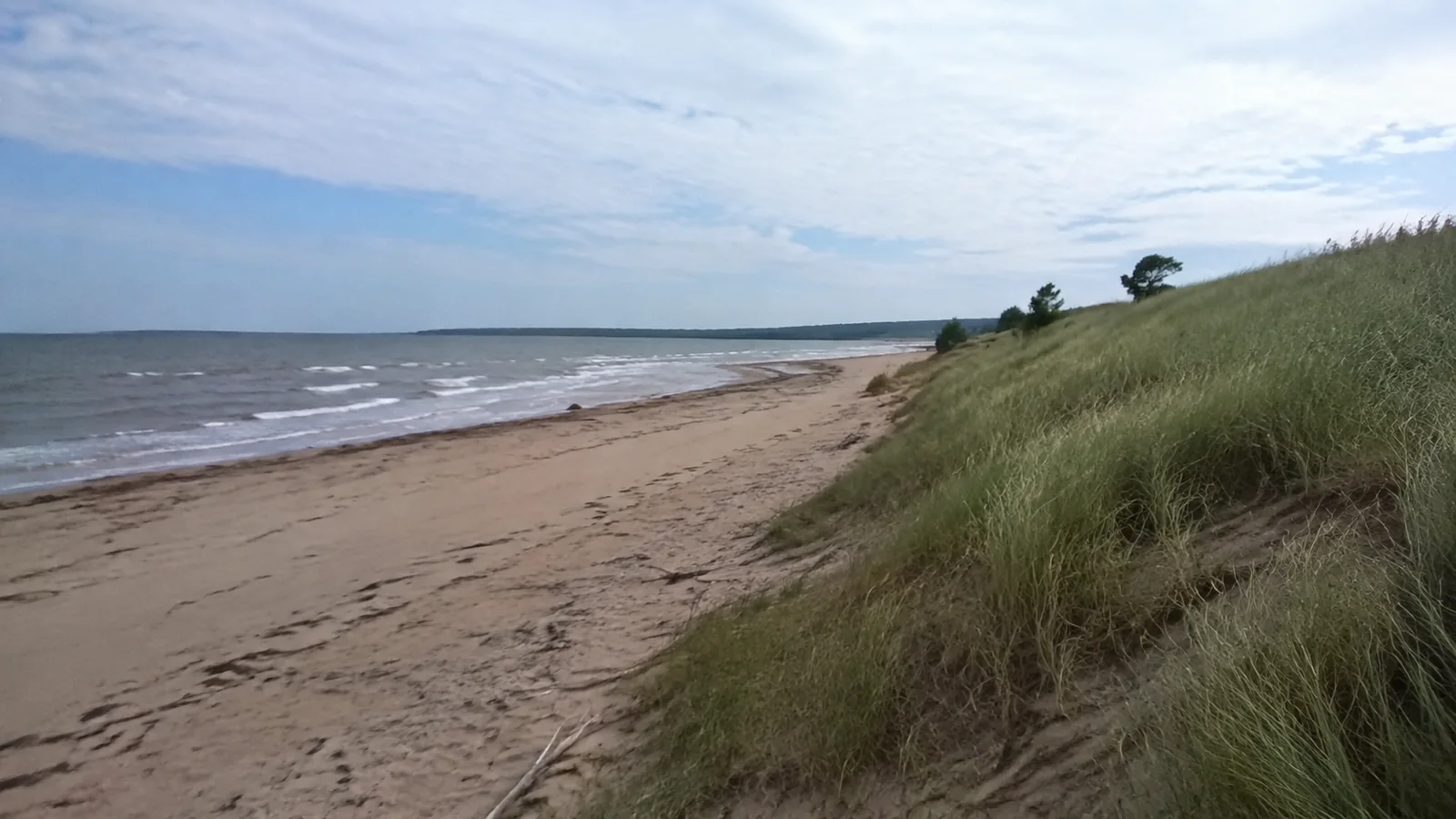
The main ocean beach faces the Gulf of St. Lawrence and gives you a broad, pale strand rather than PEI’s better-known red-cliff look. The sand, grassy dunes, open horizon, and lighthouse views make it easy to spend several hours without building an elaborate itinerary.
Beach width changes with the tide, wind reshapes the surface, and storms can shift access from one visit to the next. Treat online photos as a mood, not a promise about exactly how much dry sand you will find.
The park also has a bay side, but do not assume two bodies of water mean two equivalent swimming zones. Use the designated beach area, watch posted signs, and ask park staff where swimming is appropriate that day.
Swimming and lifeguard coverage
Panmure is one of PEI’s provincially managed beaches with seasonal lifeguard service, but coverage is not an all-day, all-summer guarantee. Days and hours vary, and weather, staffing, or water conditions can change the schedule.
Check the province’s current beach report and lifeguard schedule on the morning you go. Swim only in the supervised zone while guards are present, keep children within reach, use a buddy, and recognize that a green-looking ocean can still have wind and current.
Inflatable floats are a poor choice when offshore wind can carry them away from shore. A properly fitted life jacket is more useful for a weak swimmer, but it does not replace close supervision or a conservative decision when the water is rough.
Cold water can also surprise visitors on a sunny day. Enter gradually, stop before shivering or numbness begins, and bring dry layers even when the parking lot feels warm.
Use the tide instead of fighting it
Low tide can reveal more room for walking and beachcombing, while a rising tide can erase the generous buffer you saw on arrival. Check an official marine forecast and local tide prediction, then keep bags well above the wet-sand line.
Never let a low-tide sandbar tempt you into treating exposed ground as a permanent route. Water can return around shallow features, and changing weather may make the walk back less comfortable than the walk out.
For young children, beachcombing around the main access may be a better plan than a long shoreline walk. Shells, stones, seaweed, and driftwood are interesting enough without climbing dunes or approaching nesting wildlife.
Protect the dunes
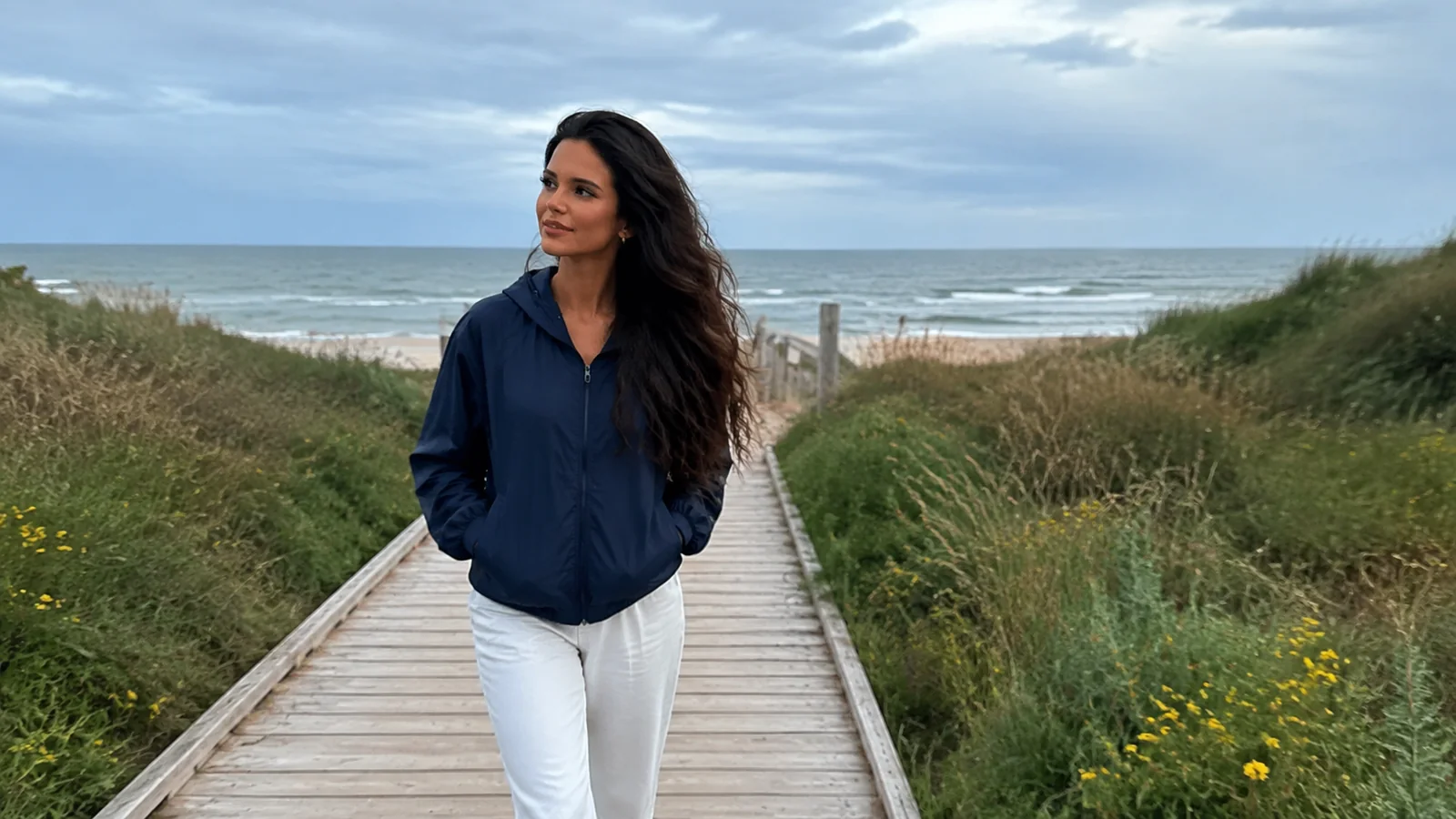
Use the boardwalks, stairs, and marked access points instead of cutting across dune grass. Those plants stabilize loose sand, and one shortcut can encourage dozens of people to widen the same scar.
Do not remove plants, disturb birds, dig into dune faces, or build a fire unless the park explicitly provides and permits a place for it. Pack out food scraps and lightweight wrappers before the coastal wind does it for you.
If you like quieter, less-developed sand, Blooming Point Beach offers a useful contrast. It lacks Panmure’s predictable park infrastructure, which is exactly why matching the beach to your needs matters.
Facilities that make a full day easier
The park’s official listing includes a beach house with change rooms, showers, and flush toilets, plus a kitchen shelter and seasonal restaurant. Campground amenities also include laundry, a dumping station, and a scenic viewing tower.
Facility presence does not mean every door or counter is open at every hour. Bring drinking water, snacks, sun protection, and any essential medication rather than depending on the restaurant or shop.
Partially accessible facilities are listed, but the final route over loose sand may still be difficult. Ask the park directly about the current path, parking, washroom configuration, beach access, and any equipment before promising an easy beach day to someone with mobility needs.
Camping at Panmure Island Provincial Park
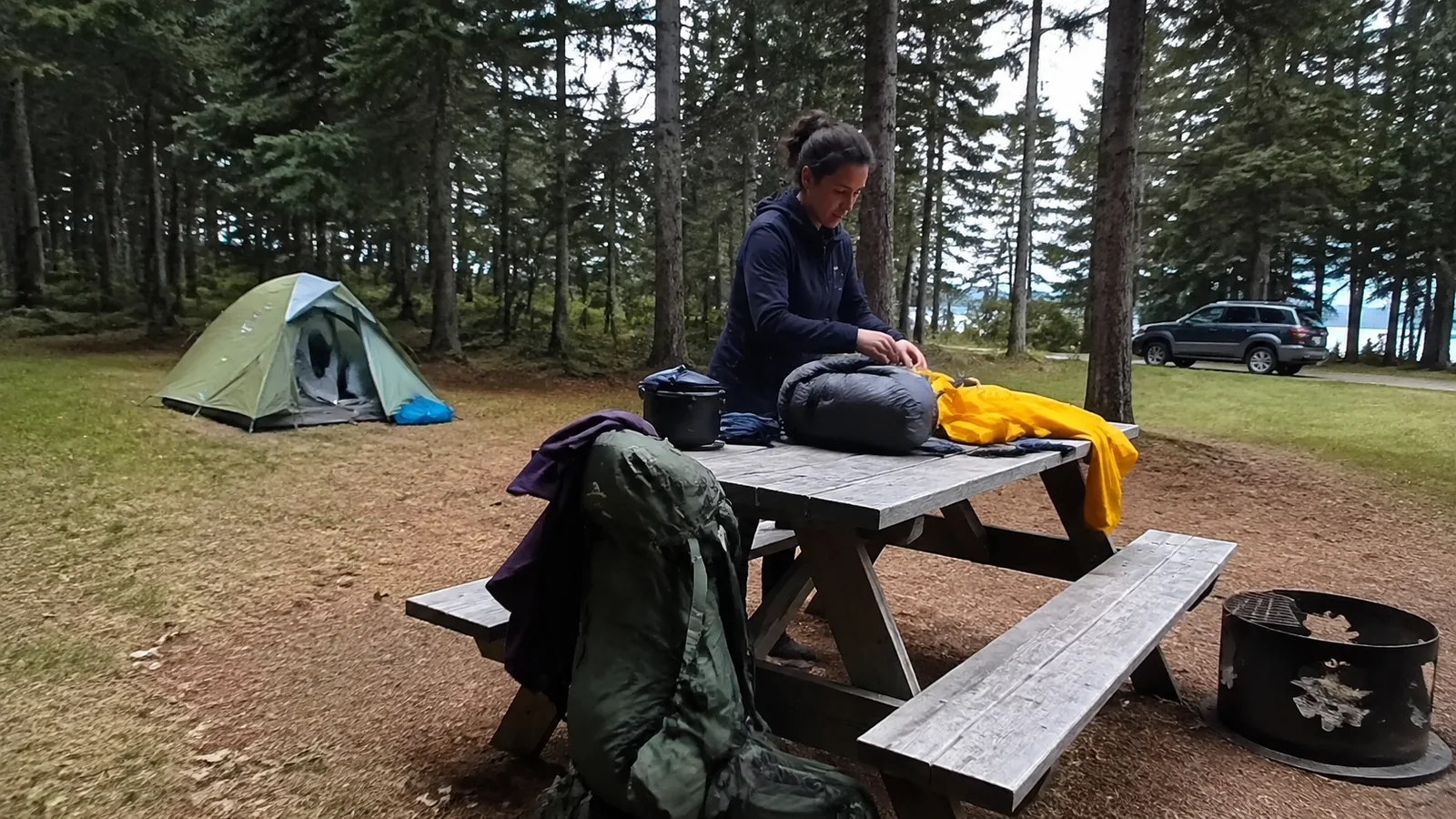
The provincial campground has serviced and unserviced sites, allowing tent campers and RV travelers to stay beside the coast. A campsite reservation is separate from simply arriving for day use, and the best weekend dates can disappear early.
Use the official provincial booking page to compare site length, hookups, shade, proximity to washrooms, and current rules. In 2026, reservable arrivals ran from early June into late September, but next season’s booking launch and operating dates must be reconfirmed.
Coastal camping rewards preparation. Bring sturdy tent stakes, a groundsheet, warm sleep layers, insect protection, and a way to secure anything that can blow across a neighboring site.
RV drivers should review the site dimensions rather than assuming every serviced site fits every rig. Also confirm electrical service, water connection, dump facilities, generator hours, check-in time, and pet rules for the exact reservation.
Can you bring a dog?
Tourism PEI’s campground listing says pets are permitted on leash. That does not mean dogs can roam the swimming area, approach wildlife, enter every building, or ignore temporary beach restrictions.
Keep a short leash, carry waste bags, provide shade and fresh water, and leave if the sand or vehicle becomes dangerously hot. Call the park before traveling if beach access with a pet is the deciding factor, because operational rules can change.
Add Panmure Island Lighthouse
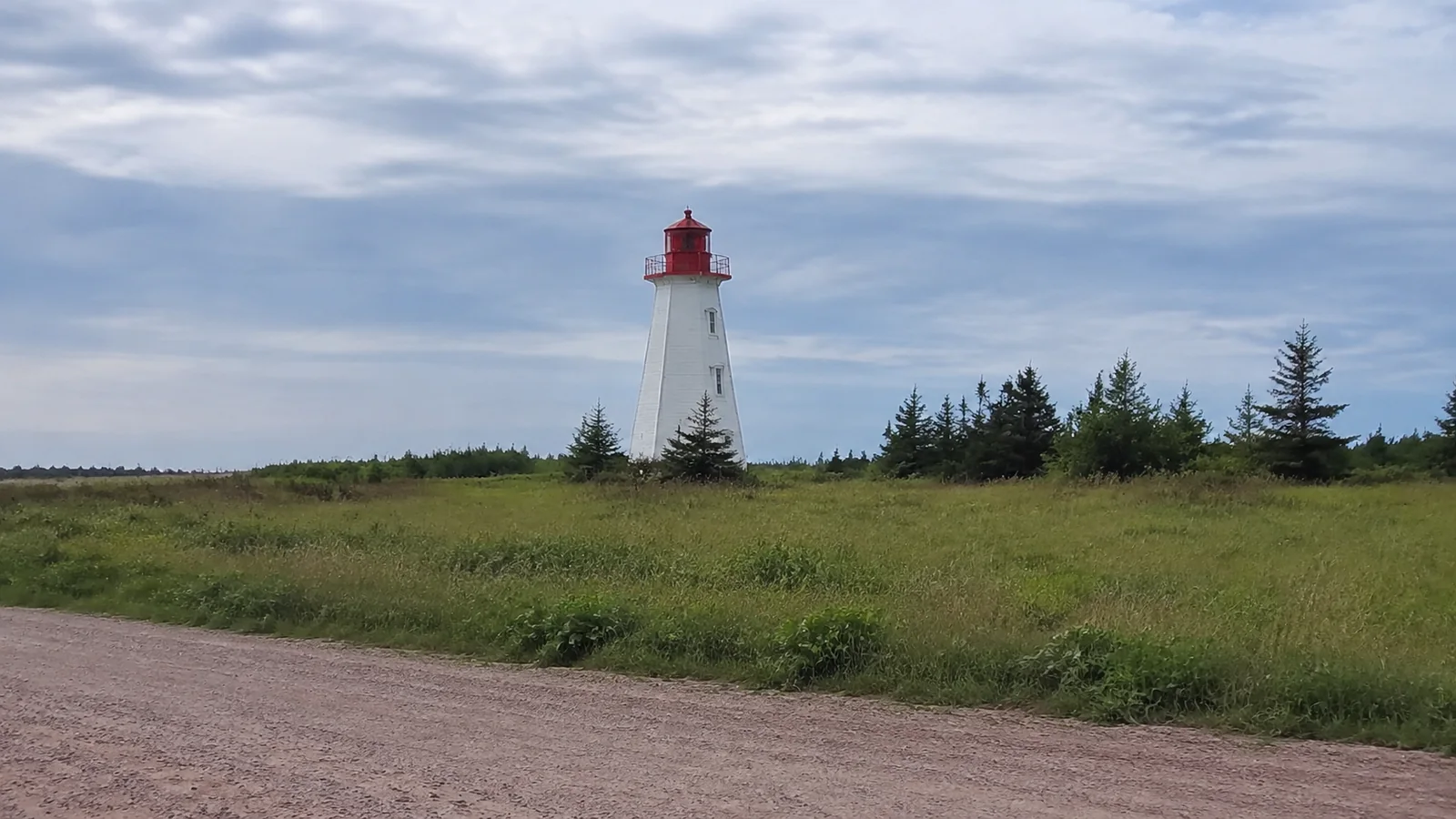
The lighthouse is a separate attraction north of the park, not an automatic part of beach admission or campground services. It marks the entrance to Georgetown Harbour and is a 58-foot tapered wooden tower.
The lighthouse’s own site posts its seasonal opening information and contact details. Interior access, tower climbing, admission, gift-shop hours, and weather closures should all be checked directly before you make the climb the centerpiece of your day.
The tower has stairs and confined upper levels, so the view is not an accessible experience for everyone. Travelers who skip the climb can still appreciate the structure and coastal setting from the permitted grounds.
A lighthouse visit works best before the beach if you want predictable energy and dry shoes for the stairs. It works well after lunch if the morning is cool or overcast and the afternoon swimming forecast improves.
A simple Panmure Island day plan
Arrive in midmorning, confirm the lifeguard zone and facility hours, then walk the main beach before spreading out your gear. That first look tells you what the tide, wind, and water are actually doing.
Swim while supervision and conditions are favorable, then use the picnic or restaurant option for lunch. Save the viewing tower or lighthouse for the part of the day when everyone needs a break from sun and salt water.
Do not schedule a fixed sunset dinner far away immediately after a beach day. Sand cleanup, lighthouse browsing, slow rural roads, and one more shoreline walk have a habit of making a tightly timed departure unpleasant.
What to pack
- Swimsuit, towel, and a full change of dry clothes
- Broad-spectrum sunscreen, hat, sunglasses, and shade
- Refillable water bottles and backup snacks
- Properly fitted personal flotation devices for weak swimmers
- Water shoes if sensitive feet make shells or cool water uncomfortable
- Wind layer and light rain shell
- Insect repellent for calm evenings
- Small trash bag and dog supplies if needed
- Binoculars and a camera with a strap
Leave speakers, glass containers, oversized inflatables, and anything difficult to control in wind at your lodging. A lighter setup is easier to move when the tide or weather changes.
Best time to visit
July and August give you the strongest chance of warm beach weather and full seasonal services, but they also bring the highest demand. June and September can be peaceful and beautiful if swimming is optional and you verify what remains open.
Choose a weekday morning for easier parking and more open sand. Choose a warmer afternoon for swimming, but arrive before the best part of the day if your group needs a particular parking or picnic setup.
Fog, rain, wind, and cool water are normal coastal variables, not reasons the destination failed. Build a backup around Montague or Georgetown so the drive still works when a long swim does not.
Nearby stops that fit without rushing
Montague is the practical supply and meal base, about 20 minutes from the park according to Tourism PEI. Georgetown can pair naturally with the lighthouse side of the outing, while Murray River and Murray Harbour suit a broader Points East road day.
One beach plus one town is usually enough for a relaxed day. If you want another provincial shoreline, Argyle Shore Provincial Park belongs on a separate south-coast route rather than a frantic cross-island checklist.
Panmure Island Beach FAQ
Is Panmure Island Beach free?
Day-use arrangements and fees can change, while campground reservations and lighthouse admission are separate. Check the current provincial park and lighthouse pages rather than relying on an older review.
Is the beach supervised?
It has scheduled seasonal lifeguard service, but not necessarily every day or hour. The provincial beach report is the deciding source for your visit date.
Can I visit without camping?
Yes, the beach and day-use facilities are not limited to overnight campers during normal park operation. Follow day-use parking and facility signs when you arrive.
How long should I stay?
Allow three to five hours for swimming, walking, lunch, and the park, then add more time if the lighthouse interior is open. Campers should protect at least one full day so a windy morning does not erase the entire beach experience.

Is Panmure Island Beach worth the drive?
Yes, especially for travelers who want beautiful white sand with more support than an informal beach access provides. The lighthouse, campground, facilities, and short drive from Montague make Panmure one of eastern PEI’s easiest shores to build a day around.
Its one catch is seasonality. Verify lifeguards, facilities, camping, lighthouse access, weather, and water conditions, then let the beach determine the pace.