25 Nunavut Facts That Change How You Plan a Visit
Nunavut is not an empty white expanse waiting for adventurers. It is a vast Inuit homeland with 25 living communities, modern government, several languages, extraordinary art, five national parks, complex air links, and Arctic conditions that reward local knowledge over improvisation.
Quick facts about Nunavut
- Country: Canada
- Territorial capital: Iqaluit
- Established: April 1, 1999
- Communities: 25
- Official languages: Inuktut, English, and French
- Access: Primarily by air, with seasonal sea access
Nunavut covers an area larger than many countries, so a fact about one community rarely describes the whole territory. Weather, dialect, wildlife, daylight, time zone, transport, and visitor services all change by location.
1. Nunavut means “our land”
Nunavut means “our land” in Inuktitut, a name that states relationship and belonging rather than marketing remote wilderness. Inuit have lived, traveled, hunted, raised families, and sustained knowledge across this region for generations.
Visitors should begin with that human reality. A landscape photograph becomes more meaningful when local language, stories, place names, and current community priorities remain attached to it.
2. Nunavut became a territory in 1999
Nunavut officially separated from the Northwest Territories on April 1, 1999. Its creation followed decades of Inuit political organization and the 1993 Nunavut Agreement, not a sudden administrative redraw.
That makes Nunavut Canada’s newest province or territory. “Newest” describes the government boundary, not the age of the people, cultures, or history.
3. It is Canada’s largest jurisdiction by area
Nunavut covers more than 770,000 square miles, about one-fifth of Canada’s land area. It stretches across mainland tundra, the Arctic Archipelago, enormous islands, ice caps, bays, channels, and thousands of miles of coast.
The scale defeats ordinary itinerary logic. Iqaluit, Cambridge Bay, Rankin Inlet, Pond Inlet, and Resolute are not neighboring stops just because they share a territorial label.
4. Nunavut is also Canada’s least populous territory or province
Fewer than 40,000 people were counted in the 2021 Census, spread across 25 communities. Population estimates change, so an evergreen travel article should not pretend one current number will remain exact.
Small population does not mean unused land. Travel routes, harvesting areas, cultural sites, cabins, research work, and community relationships extend far beyond municipal streets.
5. Most Nunavummiut are Inuit
Nunavummiut is the term for people who live in Nunavut, and Inuit make up the large majority of the territorial population. Statistics Canada counted 30,865 Inuit in Nunavut in 2021, more than two-fifths of Canada’s Inuit population.
Inuit are contemporary people, not characters frozen in a pre-contact past. Visitors may encounter artists, pilots, hunters, teachers, public servants, entrepreneurs, elders, students, guides, and families whose lives connect technology with land-based knowledge.
6. The territory has 25 communities
Iqaluit is the largest, while communities such as Grise Fiord, Kugaaruk, Kimmirut, Naujaat, and Resolute are much smaller. Each has its own geography, travel links, accommodations, local government, and visitor capacity.
Book lodging before airfare when inventory is thin, then confirm meals, airport transfers, and tours. A daily flight on a route does not guarantee a spare hotel room after weather strands passengers.
7. There is no highway into Nunavut
Communities have local roads, but Nunavut is not connected to southern Canada by highway and communities are not joined by an intercity road network. Destination Nunavut puts it plainly: travel into the territory is by air or sea, and moving between communities usually means flying.
The territory’s official tourism facts are a useful correction to road-trip assumptions. Snowmobile and boat routes are specialized, seasonal local travel, not rental-car substitutes.
8. Air travel is part of the itinerary, not dead time
Many flights connect through Ottawa, Montreal, Winnipeg, Yellowknife, Rankin Inlet, or Iqaluit depending on the destination. Multi-stop routes, weather holds, baggage restrictions, and cargo priorities make tight separate-ticket connections risky.
Carry medicine, warm layers, documents, chargers, and one change of clothing in the cabin within airline limits. Purchase insurance only after confirming that remote-weather delays and the full cost of interrupted arrangements are covered.
9. Iqaluit means “place of many fish”
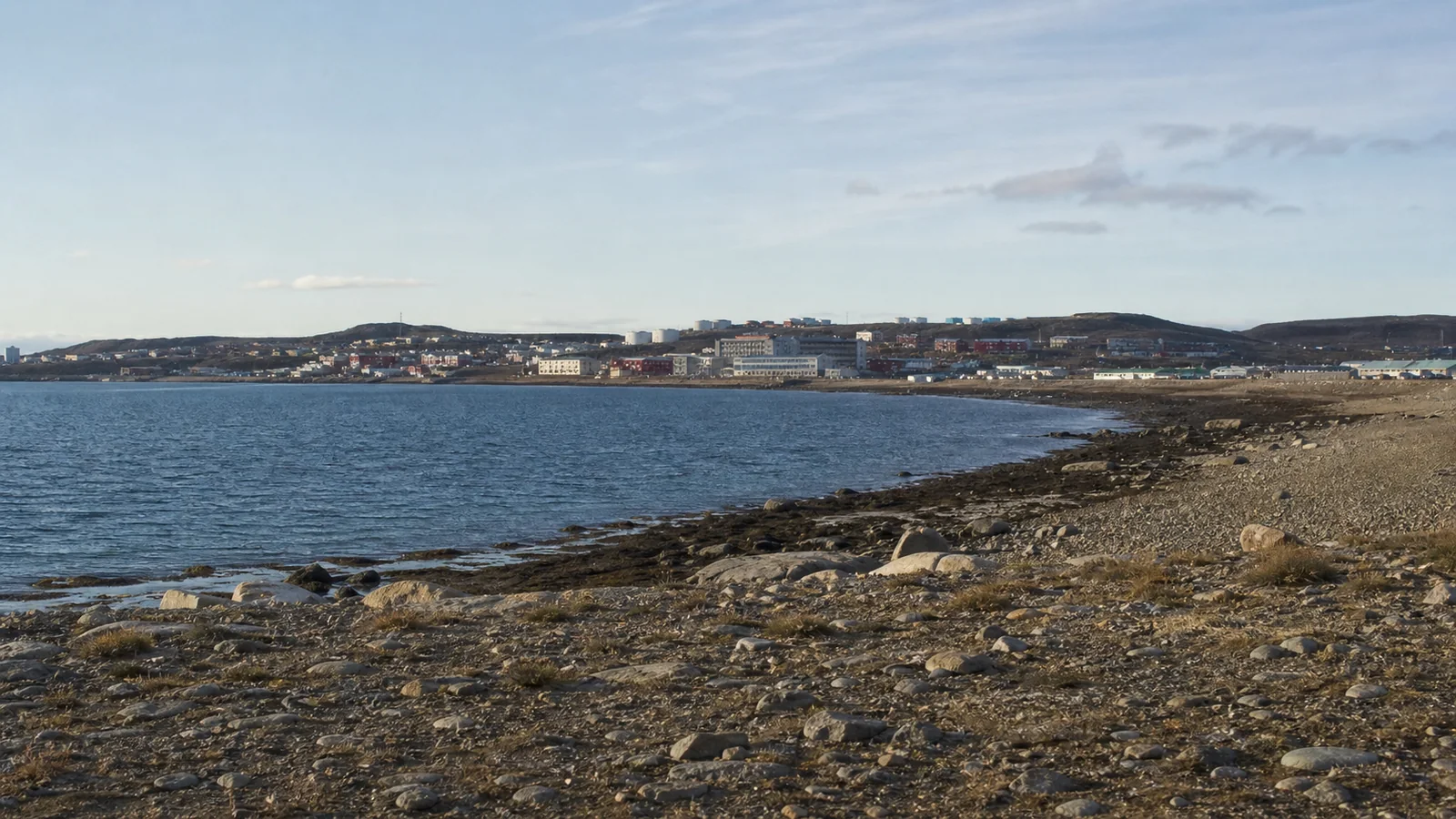
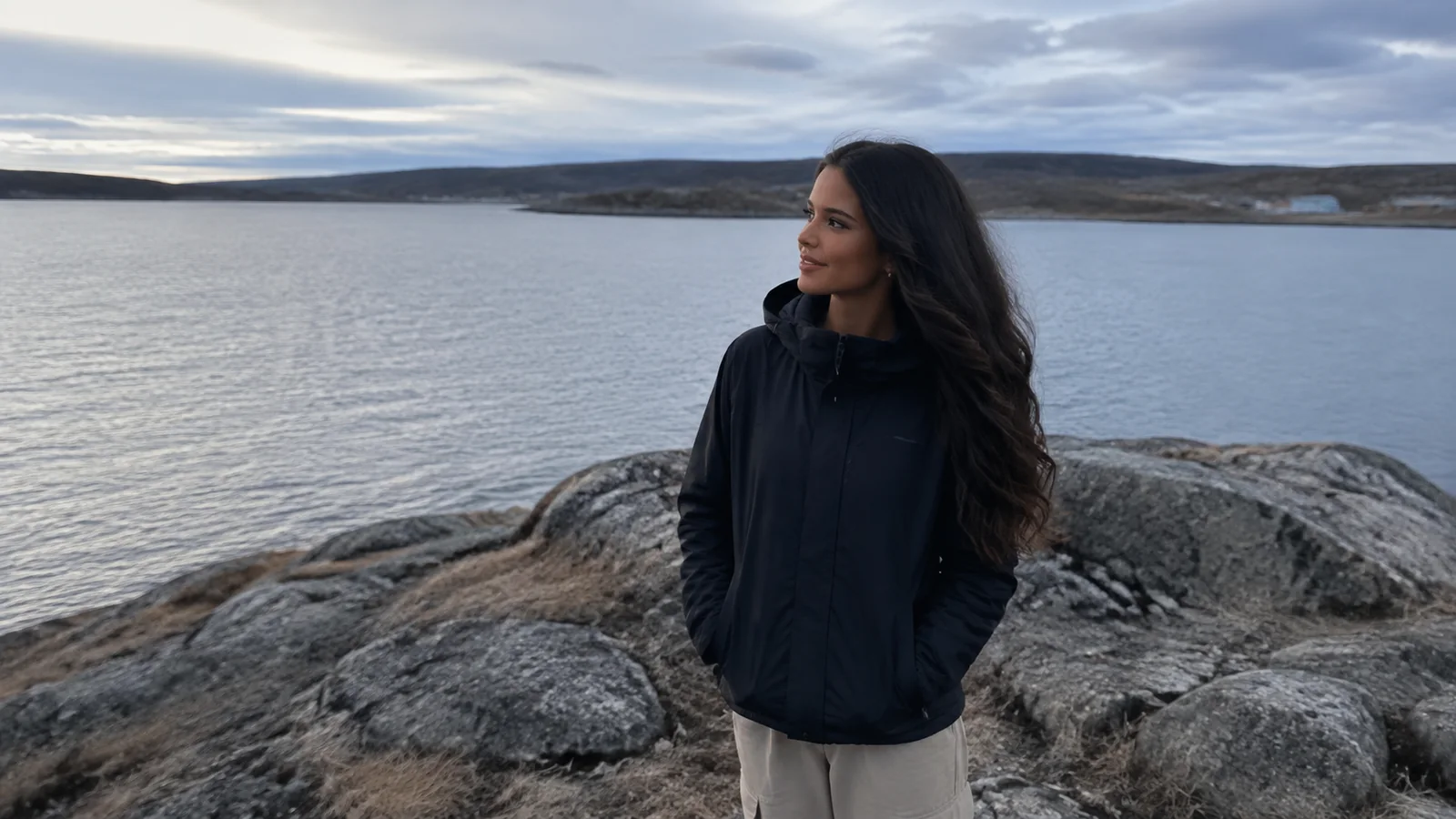
Nunavut’s capital sits on Frobisher Bay on southern Baffin Island. Its Inuktitut name reflects fishing and place, while the community serves as a government, transport, education, art, and service hub.
A first visit can include the Nunatta Sunakkutaangit Museum, Legislative Assembly, local galleries, waterfront, and a guided land experience. Tides, ice, polar bears, weather, and private or culturally sensitive areas make unguided shoreline wandering a poor default.
10. Nunavut crosses three time zones
Eastern, Central, and Mountain time are used in different parts of the territory, and local daylight-saving practice can complicate the picture. Confirm the time for the departure community, arrival community, airline, and tour.
A phone may update late or display a southern gateway’s time after landing. Write the pickup time with its community and time zone instead of relying on one calendar notification.
11. Nunavut has three official language categories
Nunavut’s official languages are Inuktut, English, and French. Inuktut includes Inuktitut and Inuinnaqtun, which is why some simplified lists describe four languages.
The territorial government publishes and provides services under its language laws, but language use varies among communities and generations. Learn a greeting from a reliable local source, listen to pronunciation, and never demand that someone teach you.
12. Inuktut remains central and faces real pressure
Inuktut is spoken at home, in public life, on radio, in art, and across government, but colonial policies and English-dominant systems have affected transmission. Statistics Canada’s 2021 Inuktut findings show different knowledge rates by age and setting.
That makes signs in multiple languages more than a novelty for photographs. They represent rights, communication, revitalization, and the practical work of governing a multilingual territory.
13. Inuktitut can be written in syllabics or Roman letters
Eastern Nunavut commonly uses syllabics alongside Roman orthography, while Inuinnaqtun is generally written in Roman letters. Dialects, regional practice, and standardization matter, so one online phrase card is not universal.
Do not call syllabics “hieroglyphics” or treat them as decorative symbols. They represent sounds and living communication.
14. Nunavut uses consensus government
Members of the Legislative Assembly run as independents rather than under territorial political party banners. After an election, members choose the premier and cabinet from among themselves through a consensus process.
The circular legislative chamber reflects that approach, but consensus does not mean everyone always agrees. Check the current assembly calendar before expecting public gallery access.
15. The Nunavut Agreement reshaped land and governance
The 1993 Nunavut Agreement is a modern treaty between Inuit and the Crown covering land ownership, wildlife management, resource participation, and other rights. The new territory followed in 1999 as a related but distinct political outcome.
Visitors still need to know whether land is Inuit-owned, municipal, territorial, federal, leased, restricted, or culturally sensitive. Hire local guides and ask before hiking, camping, filming, or collecting anything outside clearly public areas.
16. Nunavut has Canada’s longest coastline
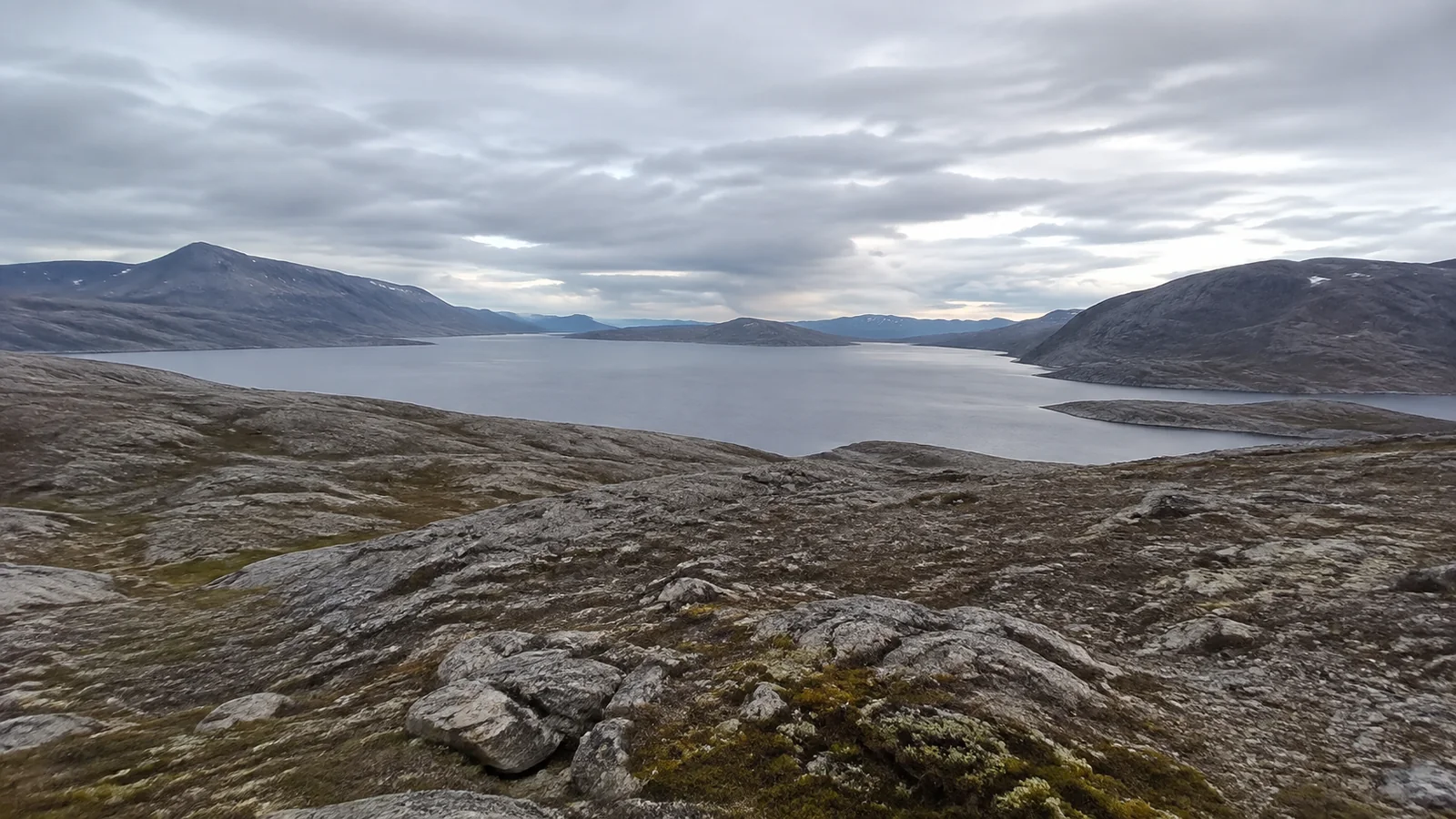
The territory’s mainland and more than 36,000 Arctic islands create Canada’s longest coastline. That coast includes fjords, tidal flats, sea ice, polynyas, cliffs, beaches, and channels that remain difficult to reach.
Coastline length does not translate into casual beach access. Cold water, extreme tides, moving ice, fog, wildlife, and sparse rescue capacity demand local knowledge.
17. Five national parks protect very different Arctic regions
Auyuittuq, Quttinirpaaq, Sirmilik, Ukkusiksalik, and Qausuittuq are Nunavut’s five national parks. They represent mountain, glacier, tundra, island, wetland, coastal, wildlife, archaeological, and living cultural landscapes.
Most require flights to a gateway community plus licensed boat, snowmobile, charter aircraft, or guided transport. “Open year-round” on a park page describes legal operation, not easy access or safe conditions every day.
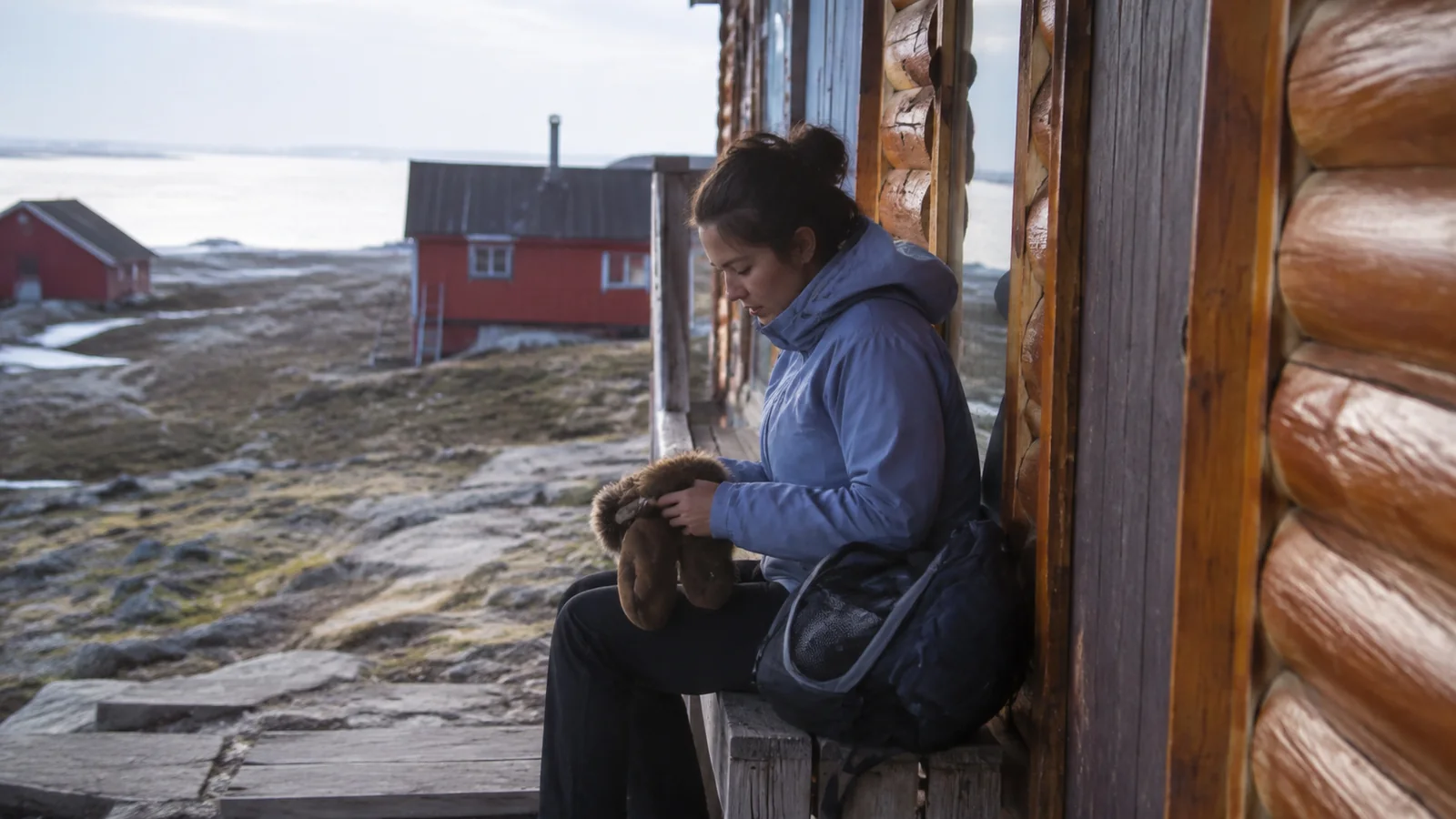
18. Auyuittuq means “land that never melts”
Auyuittuq National Park on Baffin Island protects the Penny Ice Cap, mountains, glaciers, and long fjords. The Akshayuk Pass route is a serious remote expedition, while guided day trips from Pangnirtung or Qikiqtarjuaq offer a more realistic first encounter.
Parks Canada requires visitors to register before entering and deregister after leaving. Review the current park visitor rules, emergency limitations, river conditions, polar bear advice, and outfitter requirements before booking transport.
19. Quttinirpaaq is Canada’s northernmost national park
Quttinirpaaq occupies a vast High Arctic area on Ellesmere Island, with mountains, glaciers, polar desert, archaeological sites, and very limited access. Its Inuktitut name means “land at the top of the world.”
This is not an add-on from Iqaluit. Travelers need specialized flights or expedition logistics, park coordination, emergency planning, and a budget that recognizes remote aircraft costs.
20. The floe edge is a seasonal living boundary
The floe edge is where land-fast sea ice meets open water, creating feeding and travel opportunities for marine mammals and birds. Trips from communities such as Pond Inlet depend on ice formation, breakup, weather, and local expertise.
Book an Inuit-owned or locally based operator with proper communications, shelter, safety equipment, and wildlife practices. Never walk or snowmobile onto sea ice because a satellite image or social post looks promising.
21. Narwhals really do use Nunavut waters
Large portions of the world’s narwhal population migrate through and summer in Nunavut waters. The famous tusk is usually an elongated tooth, most commonly seen in males, rather than a horn.
Floe-edge and boat trips may encounter narwhals, but timing, ice, weather, distance, and animal behavior control sightings. Choose operators who avoid chasing, crowding, or interrupting whales.
22. Polar bear country extends beyond one famous town
Polar bears occur across much of Nunavut’s coast and islands, including areas near communities and parks. They are powerful predators, not distant symbols guaranteed to remain on the horizon.
Follow the community or park’s current bear-safety protocol, travel with qualified local guidance, store food correctly, and know how communications work. Parks Canada publishes specific polar bear guidance for Auyuittuq, but each destination’s rules and risk context still matter.
If Churchill is the wildlife destination you had in mind, these travel-ready Manitoba facts explain why its access, seasons, and bear management are different. Nunavut should not be planned as a more northerly copy.
23. The tundra is not empty
Arctic tundra supports flowers, lichens, mosses, insects, birds, caribou, muskoxen, Arctic foxes, wolves, hares, and other life adapted to short seasons. Small plants can take years to recover from one careless boot or vehicle track.
Walk on durable surfaces, pack out waste, and never stack stones into an inuksuk for a photo. Existing stone structures may have cultural, navigational, archaeological, or personal meaning.
24. Inuit art is both globally important and locally specific
Kinngait is internationally known for drawing and printmaking, while communities such as Pangnirtung, Baker Lake, and others have distinctive textile, carving, graphic, and design traditions. “Inuit art” is not one timeless style.
Buy from artists, cooperatives, reputable galleries, or documented sellers and ask for the artist’s name and community. Wildlife materials can trigger export, import, marine-mammal, or airline restrictions, so verify legality before purchase.
Do not bargain as though art is a mass-produced souvenir. Shipping from a remote community may be safer than forcing a fragile carving into cabin baggage.
25. Country food connects culture, harvest, and sharing
Country food can include caribou, seal, Arctic char, muskox, whale, birds, berries, and other locally harvested foods, depending on community and season. Harvesting connects food security, skill, family, law, environment, and culture.
Accept an invitation with respect, ask how to eat an unfamiliar food, and never turn a meal into a judgment about someone else’s culture. Visitors must follow wildlife, export, airline, and border rules rather than carrying meat south casually.
Nunavut daylight facts
Communities north of the Arctic Circle experience periods when the sun does not set in summer and does not rise in winter, with duration increasing farther north. Iqaluit lies south of the Arctic Circle, so it has extremely long summer days but not months of true midnight sun.
Continuous daylight does not eliminate cold, fog, or fatigue. Pack a sleep mask in summer and schedule rest instead of treating sunlight as permission to travel around the clock.
Winter darkness creates aurora opportunities, but clouds and solar activity still decide the show. Stay several nights and make culture, community, food, and land activities the trip’s foundation.
When is the best time to visit Nunavut?
March through May can suit snowmobile, dogsled, spring-light, and sea-ice experiences when local conditions allow. This is still severe cold-weather travel requiring guided logistics and clothing rated for the real forecast.
June through August brings long daylight, community events, hiking, boating, and wildlife opportunities. Mosquitoes can be intense, fog delays flights, sea ice affects boat access, and “summer” may still demand insulated layers.
September and October can bring autumn color on tundra, early snow, darkness, and transition-season uncertainty. November through February suits culturally grounded winter travel and aurora goals, but cold, wind, closures, and very limited daylight narrow plans.
How to plan a first Nunavut trip
Choose one gateway community and one main reason to go. Iqaluit works for a first cultural and landscape visit, Pangnirtung for art and guided Auyuittuq access, Pond Inlet for selected Sirmilik and floe-edge trips, and Cambridge Bay for western Arctic history and community experiences.
Use Destination Nunavut’s current operator and accommodation directory, then verify territorial licensing and local references. Book flights, lodging, tours, meals, and weather-buffer nights as one system.
Carry no assumptions from a Yukon road trip. The Yukon planning guide includes highways and fuel corridors that simply do not exist between Nunavut communities.
What should a Nunavut trip cost?
Airfare, cargo limits, small lodging supply, guides, charter transport, food freight, and weather buffers make Nunavut expensive. A low airfare means little if it reaches the wrong community or leaves no legal, safe way into the landscape you want to see.
Request written inclusions for guided packages: meals, outerwear, transfers, park fees, equipment, emergency communications, and disruption policies. Travel insurance should be evaluated against the full prepaid cost and remote medical evacuation exposure.
Spend locally where possible through Inuit-owned guides, artists, shops, and accommodations. That does not erase the impact of flying, but it improves who benefits from the visit.
Nunavut travel mistakes to avoid
- Planning a road trip: Communities are reached primarily by air, not an intercity highway.
- Calling the land empty: Respect Inuit ownership, use, history, and contemporary life.
- Booking airfare before lodging: Small-community inventory can disappear first.
- Walking onto sea ice alone: Conditions require current local expertise.
- Expecting wildlife on command: Build a trip that still works without a sighting.
- Ignoring baggage limits: Remote aircraft may enforce weight and size strictly.
- Leaving no weather buffer: Fog, wind, snow, and mechanical issues can alter flights.
- Buying undocumented wildlife products: Export and import restrictions may apply.
What makes Nunavut worth visiting?
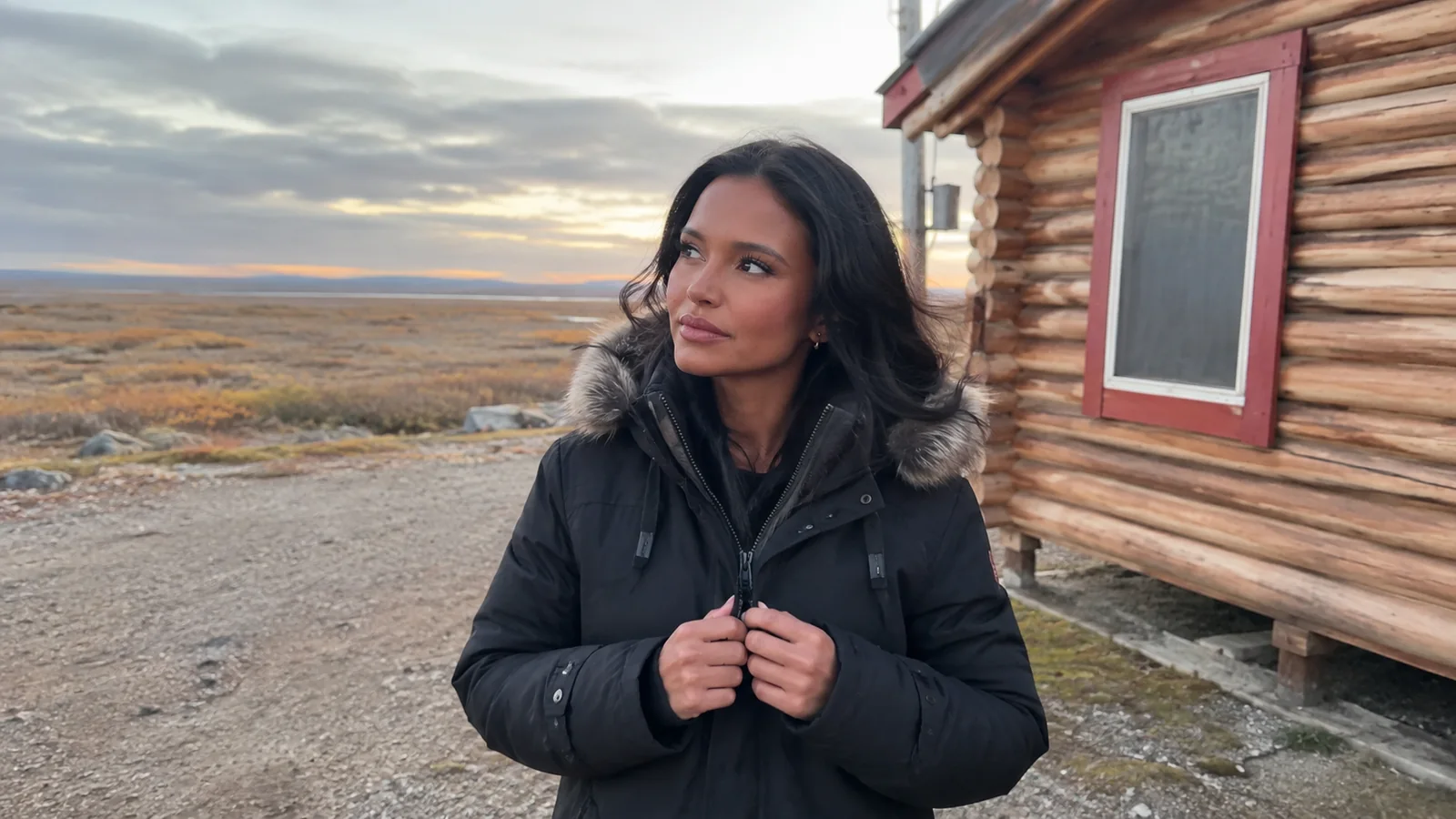
Nunavut offers encounters with Inuit art, language, food, governance, community, mountains, tundra, sea ice, whales, birds, and light on a scale that changes your sense of Canada. The experience is powerful precisely because it cannot be consumed as an easy checklist.
Plan less territory and more connection. One community, one excellent local guide, and enough buffer to listen will teach you far more than three hurried airport stops.
For another northern island perspective, these Iceland lighthouse routes show a far more road-connected destination with its own weather and land-access limits. Similar latitude never means identical logistics.