British Columbia Travel Guide: Pick Your Best Route
British Columbia is too large and geographically complicated for one tidy highlights loop. Vancouver, Vancouver Island, the Okanagan, the Canadian Rockies, and the north each deserve their own trip pace.
This guide helps you choose the right region, build a realistic route, and handle ferries, park reservations, road conditions, wildfire season, and costs. The goal is a beautiful vacation, not an endurance test.
British Columbia at a Glance
- Best first city: Vancouver for food, neighborhoods, parks, and flight access
- Best coast trip: Victoria plus central or west-coast Vancouver Island
- Best food-and-lake route: The Okanagan Valley
- Best mountain route: Revelstoke, Golden, Yoho, and Kootenay country
- Best time for a broad road trip: Generally June through September
- Biggest mistake: Combining island ferries, Vancouver traffic, and Rocky Mountain mileage too tightly
First, Pick One British Columbia
British Columbia stretches from the Pacific and island archipelagos to interior valleys, high mountain passes, and remote northern highways. A place can be inside the same province and still require a ferry, full driving day, flight, or seasonal road.
The official Destination British Columbia site divides the province into distinct travel regions for good reason. Start with the landscape you want most, then add stops along a logical corridor.
For seven to 10 days, choose the coast, the southern interior, or a focused Rockies route. Two weeks can connect Vancouver with the Okanagan or selected mountain towns, but Vancouver Island plus the Rockies still creates a lot of transit.
Route 1: Vancouver, Victoria, and Vancouver Island
This is my strongest first-time route for travelers who want a city-and-coast mix. Plan two or three nights in Vancouver, two in Victoria, and at least three in one additional island region.
Begin in Vancouver
Use one day for Stanley Park, the seawall, and the West End, then another for Granville Island and a neighborhood such as Mount Pleasant or Commercial Drive. Do not call every Metro Vancouver attraction “downtown” when bridges and traffic can add substantial time.
A car is unnecessary for a central city stay and can create parking costs. Pick it up when leaving for a road trip unless your hotel location and day-trip plans clearly justify keeping one.
If Vancouver is also your cruise gateway, my Alaska cruises from Vancouver planner separates the hotel, airport, Canada Place, and sailing decisions. Keep at least one buffer night before embarkation.
Continue to Victoria
Victoria suits harbor walks, museums, gardens, food, and an easier urban pace. Give it two nights rather than reducing the provincial capital to a hurried ferry turnaround.
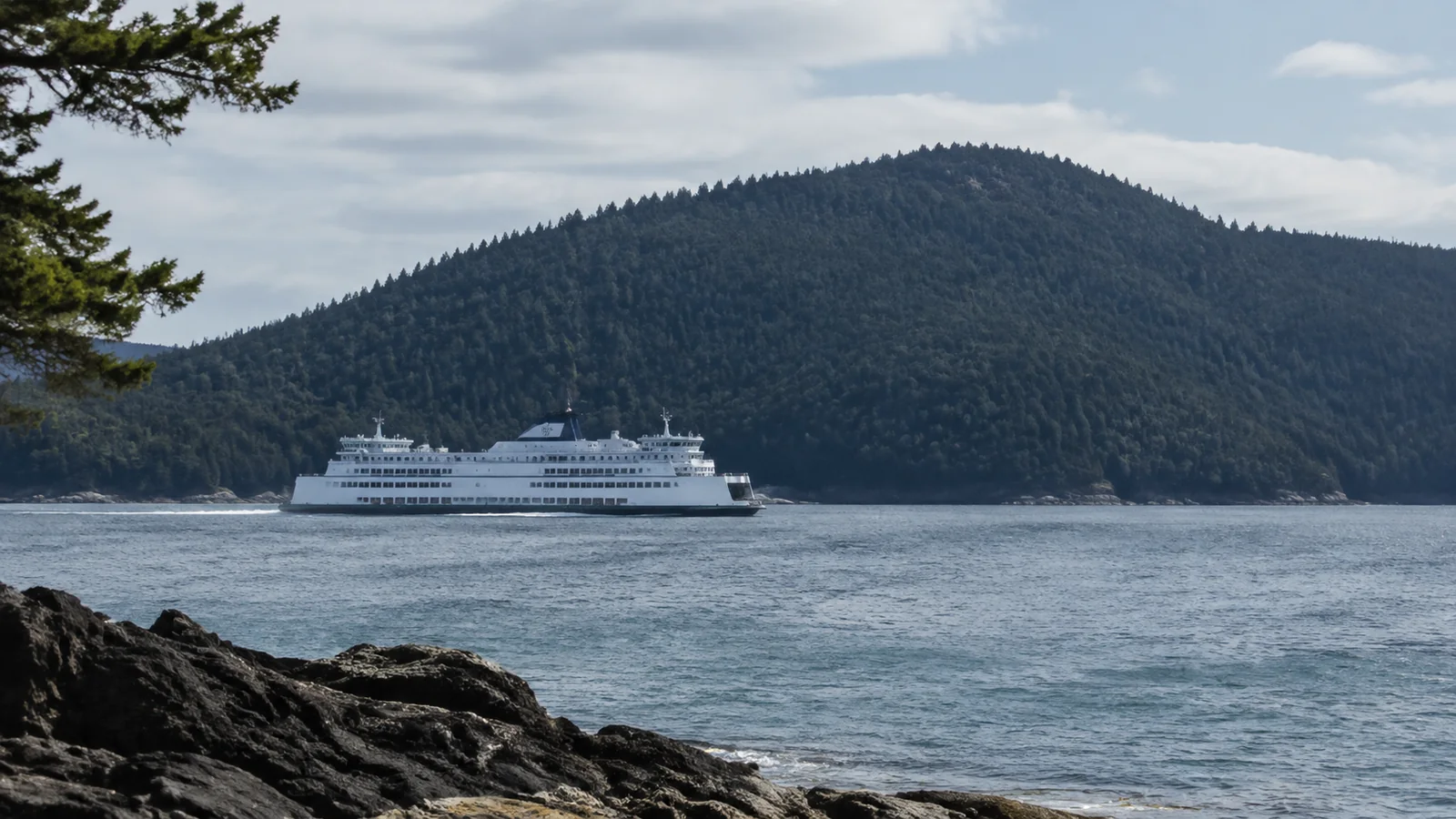
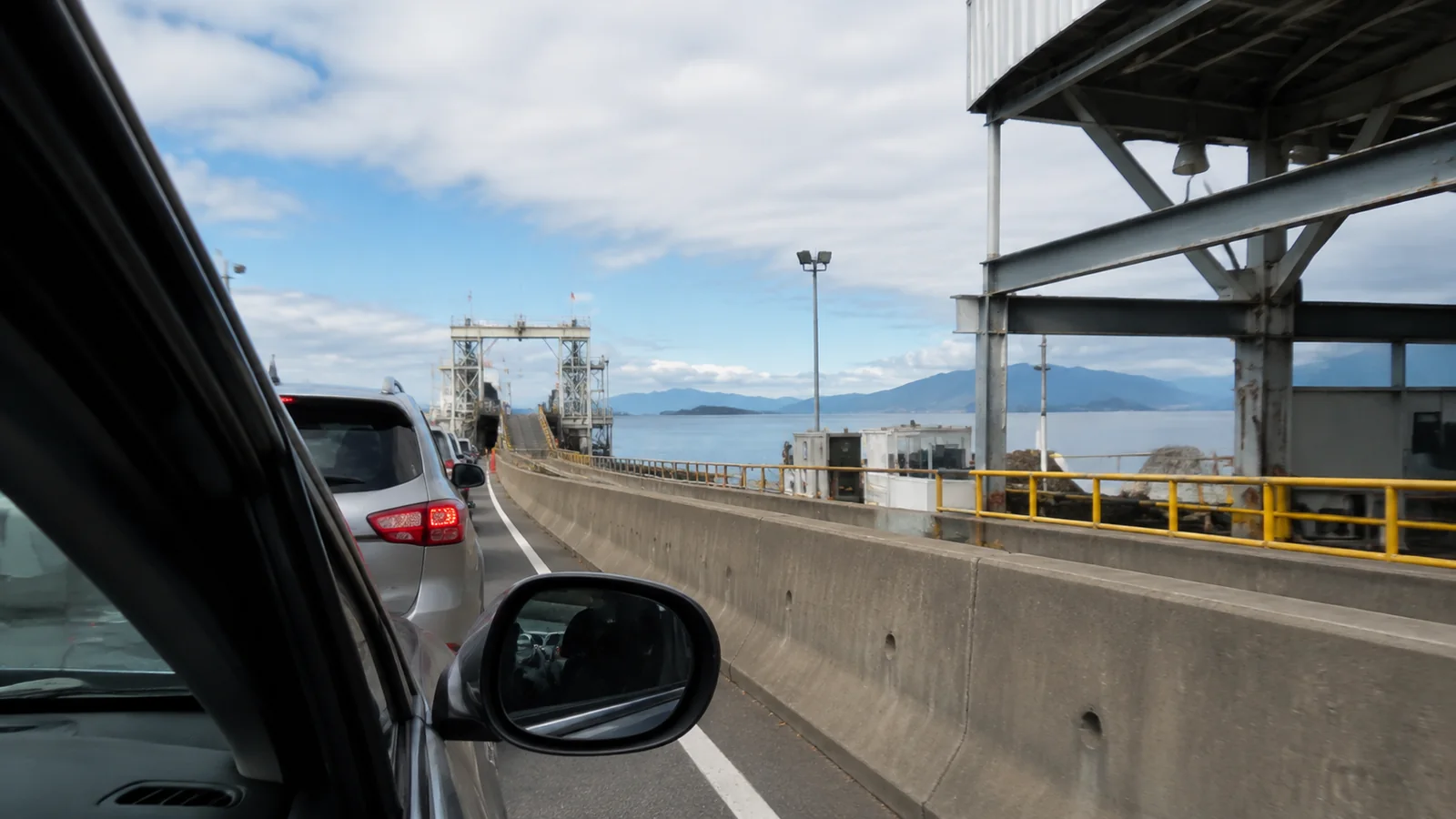
The Victoria route depends on where you board, whether you bring a vehicle, and where the ferry actually lands. Terminals sit outside the central tourist districts, so the sailing itself is only one part of the transfer.
Use BC Ferries to compare current schedules, reservations, check-in rules, vehicle dimensions, and service notices. A reservation is not permission to arrive after its specified check-in window.
Choose One More Island Base
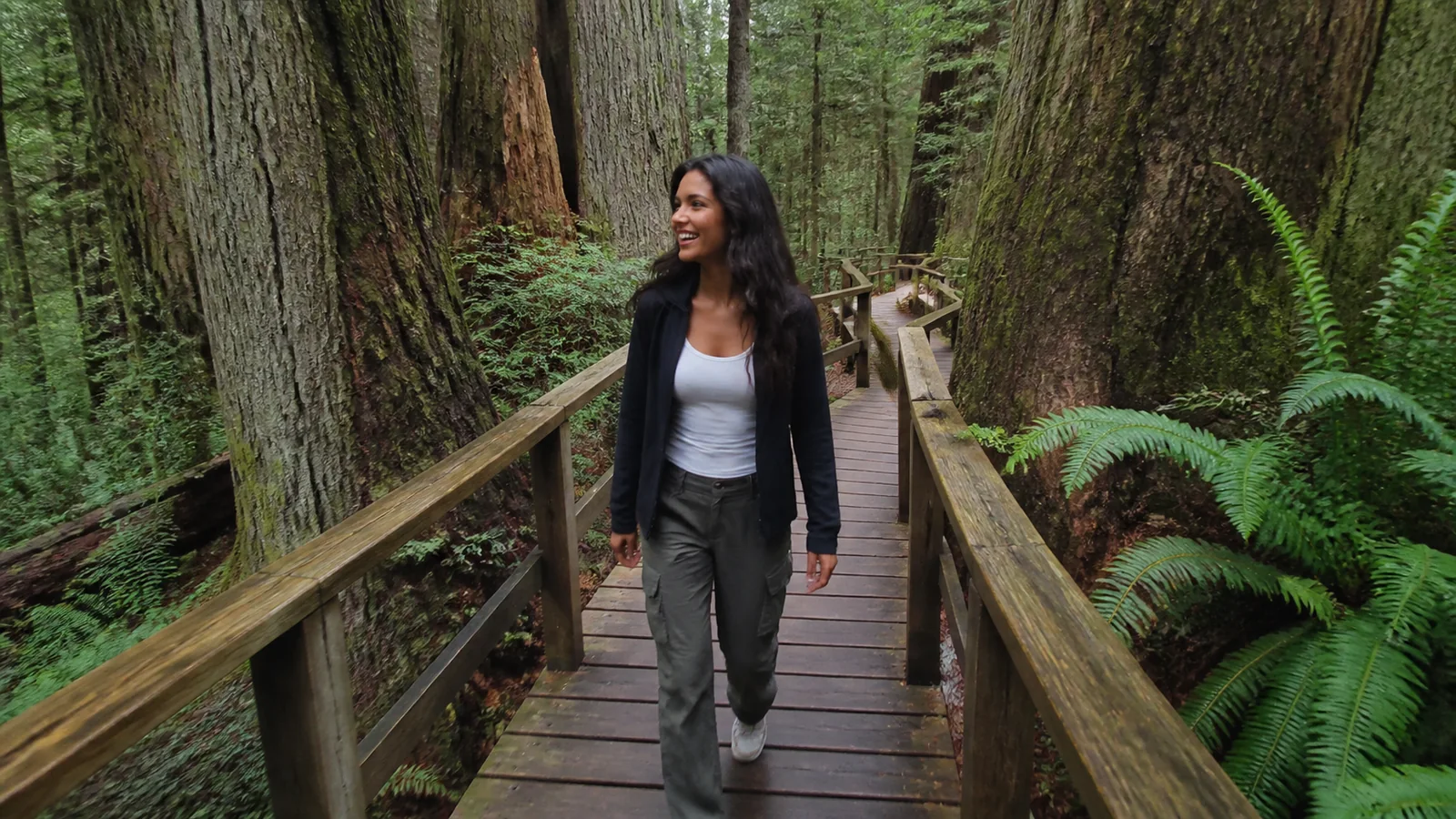
Pick Tofino and Ucluelet for Pacific coast, rainforest, surf culture, and a longer cross-island drive. Choose Nanaimo, Parksville, Qualicum Beach, or the Comox Valley for easier central-island access and a mix of shore, forest, and town time.
Campbell River and Strathcona Provincial Park fit travelers prioritizing hiking, waterfalls, paddling, or responsible wildlife viewing. Northern Vancouver Island is another trip layer, not an empty afternoon on the way back to Victoria.
My Vancouver Island waterfall planner distinguishes developed park walks from remote and condition-dependent objectives. A pin beside a logging road does not establish public access.
Route 2: Vancouver, Whistler, and the Okanagan
This eight-to-10-day route combines city, mountains, lakes, orchards, and wine country. Spend two or three nights in Vancouver, two in Whistler, and three or four around Kelowna, Penticton, or Osoyoos.
The Sea-to-Sky Highway is scenic, but the driver still needs to watch traffic, curves, construction, and weather. Use established viewpoints instead of stopping on a shoulder for a photograph.
Whistler is not only a ski village, yet its summer lifts, trails, bike operations, and alpine access remain date and weather dependent. Decide whether you want resort convenience, hard hiking, biking, or a soft-adventure day before paying resort-level prices.
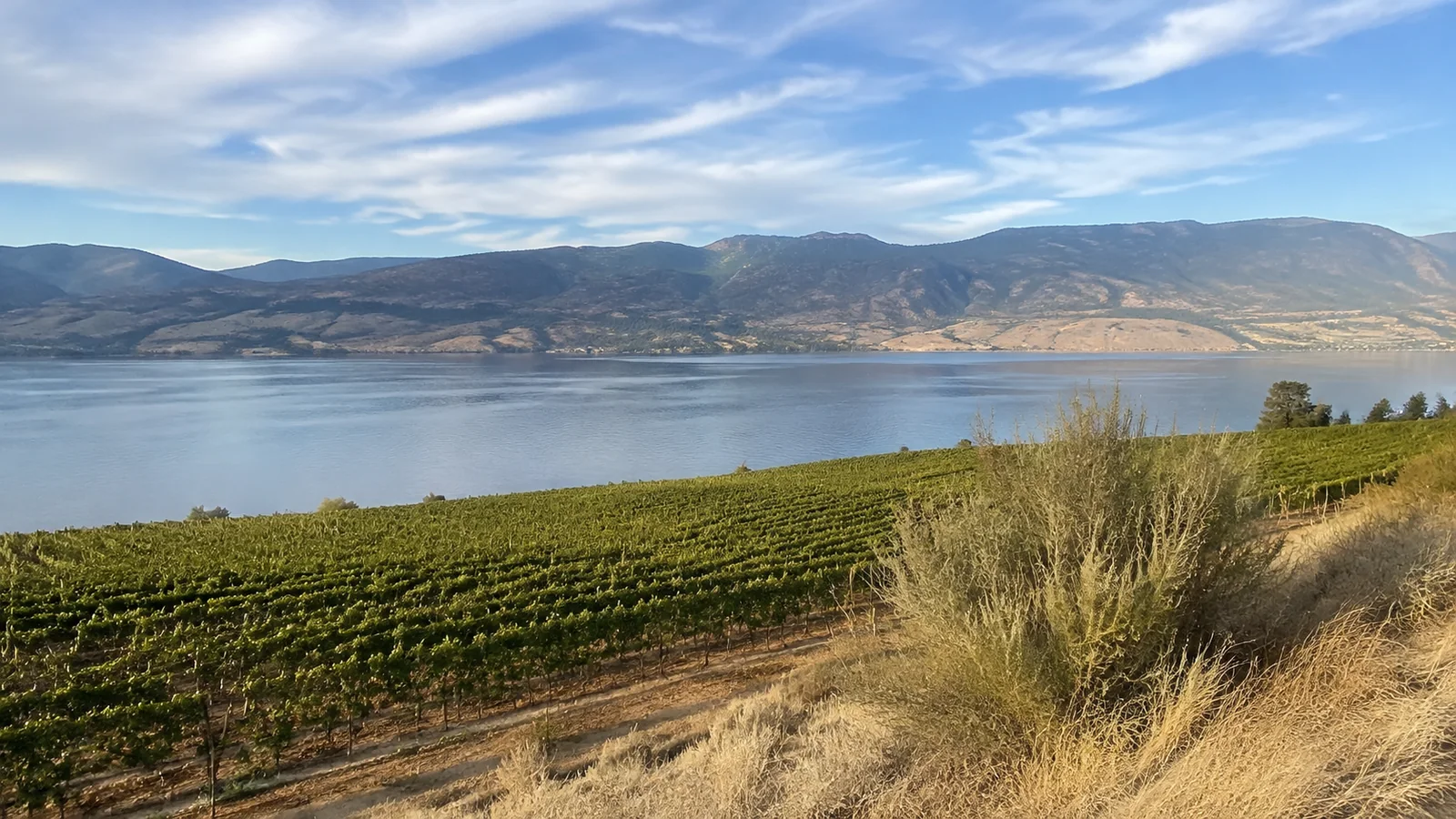
In the Okanagan, choose one compact cluster each day rather than hopping between tasting rooms around the entire lake. Book a driver or tour if drinking, eat properly, hydrate, and make room for farms, beaches, and nonalcoholic producers.
Summer heat and wildfire smoke can disrupt this route, while shoulder seasons change tasting-room and attraction hours. Make lodging cancellable when possible and keep one flexible indoor or lower-exertion day.
Route 3: The British Columbia Rockies and Mountain Parks
A focused mountain trip can link Revelstoke, Glacier National Park, Golden, Yoho National Park, and the Columbia Valley. Kootenay National Park can extend the route, but Banff and Jasper are in Alberta even when they appear on the same Rockies vacation.
Allow at least seven days and more if Vancouver is your starting point. Mountain highways can face construction, closures, winter conditions outside summer, and delays that make map estimates unreliable.
Revelstoke works well for rail history, river and valley scenery, mountain access, and a break between longer road sections. Golden is a practical base for Yoho-area planning, but famous lakes, waterfalls, and trailheads can involve limited parking or shuttle systems.
Keep the official park pages open for each national park because admission, camping, shuttle, trail, pet, and seasonal rules differ. A BC Parks reservation does not cover Parks Canada sites, and the reverse is also true.
Destination BC’s official Rainforest-to-Rockies drive is about 1,363 miles and suggests seven to 10 days for seven destinations. I would treat even that timetable as brisk if hiking, weather buffers, or relaxed town evenings matter.
Route 4: Northern British Columbia
Northern BC fits travelers drawn to long roads, quieter parks, Indigenous-led experiences, fishing, wildlife, and communities far beyond the southern tourism circuit. It requires more research, time, and emergency readiness than a Vancouver-to-Whistler weekend.
Prince George can anchor an inland trip, while Highway 16 links communities toward Prince Rupert on the coast. The Alaska Highway corridor leads north through places such as Fort St. John, Fort Nelson, and Muncho Lake toward Yukon.
If Yukon is the real goal, my Yukon route guide explains why Whitehorse, Kluane, Dawson, and the Dempster need separate day counts. Do not treat northern BC as scenery to rush through between fuel stops.
Read rental agreements for gravel, geographic limits, tire damage, towing, and cross-border travel. Carry food, water, layers, a paper map, vehicle emergency supplies, and communication appropriate to gaps in cell service.
Respectful Travel on Indigenous Lands
Every British Columbia route crosses Indigenous territories with distinct Nations, languages, laws, histories, and living cultures. A generic land acknowledgment is not a pass to enter a closed site, photograph ceremonies, or ignore community instructions.
Indigenous Tourism BC’s responsible-travel guidance asks visitors to respect community guidelines and seek understanding of cultural and historical differences. Choose Indigenous-owned tours, cultural centers, accommodations, food, and art where they match your route.
Use the names requested by the host Nation or land manager, including restored Indigenous park names. Ask before taking close photographs of people, cultural objects, fishing activity, or private spaces.
Park Reservations Are Not One System
Provincial parks, national parks, regional parks, municipal sites, and private attractions have different systems. Check the exact manager before assuming a campground booking includes a day-use pass or that open gates mean a trail is safe.
The BC Parks day-use page lists the current parks, dates, release rules, and exemptions for required passes. In 2026, Pipi7íyekw/Joffre Lakes Park requires passes across a stated seasonal window and also has planned closure periods, which shows why old blog instructions fail quickly.
Popular campgrounds and backcountry routes can book early, while some sites remain first come, first served. A reservation secures only what the confirmation describes, not weather, road access, smoke-free air, or a parking space outside its terms.
Roads, Ferries, Wildfires, and Weather
Check DriveBC before each travel day for incidents, closures, construction, weather, and highway cameras. Recheck during long drives because conditions can change after breakfast.
Wildfire status, evacuation orders, air quality, ferry disruptions, rockfall, and winter tires can all alter a route. Follow government and operator notices rather than driving toward a closure because a map app still shows a road.
Ferry reservations are especially valuable on popular vehicle routes and peak dates, but weather and operations can still cause delay. Avoid a same-day ferry-to-flight connection when missing either would be expensive.
Mountain conditions can turn cold and wet in summer, while interior valleys can be intensely hot. Pack layers and plan for the region’s actual elevation and exposure rather than the forecast in Vancouver.
Best Time to Visit British Columbia
Summer
June through September provides the broadest road-trip and hiking opportunities, but it is also peak season for prices, reservations, traffic, heat, and wildfire risk. Book the structural pieces early and preserve cancellation options.
Spring and Fall
Late spring and early fall can mean lighter crowds and comfortable city travel. Alpine trails, campgrounds, lifts, ferries, and tourism businesses may be limited, while snow can affect mountain passes.
Winter
Winter is excellent for skiing, snowboarding, storm watching, and city food weekends when planned deliberately. It demands appropriate tires, mountain-driving judgment, shorter daylight expectations, and room for highway closures.
Budget for the Whole Route
British Columbia can become expensive through accommodation, rental cars, fuel, ferries, parking, park reservations, lift tickets, and guided wildlife tours. Calculate the trip by day and transport segment, not by the first attractive hotel price.
Save by staying longer in fewer bases, using transit in Vancouver and Victoria, carrying picnic supplies, and choosing free waterfronts or low-cost trails between paid experiences. Cutting one major transfer often saves more than chasing a cheaper room far from your route.
For a wider cross-country plan, my Canada road-trip guide helps divide time by region. British Columbia alone can fill two weeks without feeling repetitive.
What to Pack
- Waterproof shell, insulating layer, and breathable clothing
- Walking shoes or hiking footwear matched to the trail
- Sun protection, insect repellent, and refillable water bottle
- Offline maps, charging cable, and power bank
- Reusable food container and compact picnic supplies
- Small emergency kit for road trips
- Passport or other documents required for your route and nationality
Bear spray, camping fuel, and other hazardous items have transport restrictions. Do not bring them onto a flight or ferry without checking the carrier and legal requirements.
The Bottom Line
For a first British Columbia vacation, I would choose Vancouver plus Vancouver Island for coast and culture, or Vancouver plus the Okanagan for mountains, food, and lakes. Travelers who care most about alpine scenery should give the Rockies their own trip.
The province becomes more beautiful when you stop trying to conquer it. Pick one regional story, leave weather space, reserve the scarce pieces, and let the road between major stops count as part of the experience.