Grise Fiord, Nunavut: An Honest High Arctic Travel Guide
Grise Fiord is not a place to visit on impulse. Canada’s northernmost public community sits on Ellesmere Island amid mountains, sea ice, immense weather, and a living Inuit history that deserves far more care than a quick “remote bucket list” label.
Should you visit Grise Fiord?
Visit if you are ready to plan far ahead, hire local expertise, accept weather delays, and behave like a guest in a very small community. The High Arctic landscape can be extraordinary, but the people who live here are not an attraction.
This is not a conventional vacation with daily tours, abundant hotel rooms, rental cars, and backup flights. It is expensive, logistically fragile, and best suited to flexible travelers who value learning, local guidance, and quiet observation.
Grise Fiord quick facts
- Inuktitut name: Aujuittuq, also written Ausuittuq in tourism listings
- Location: Southern Ellesmere Island, Qikiqtaaluk Region, Nunavut
- Status: Canada’s northernmost public community
- Airport code: YGZ
- Access: Air or occasional expedition-ship itinerary, with no road connection
- Services: Extremely limited compared with southern Canadian towns
- Language and culture: Inuit community where Inuktitut and English are used
- Essential approach: Arrange lodging, transfers, and local activities before arrival
Travel Nunavut’s Qikiqtaaluk regional information is a useful starting point for operators and cultural context. Confirm every critical detail directly because a listing is not the same as live availability.
How to get to Grise Fiord
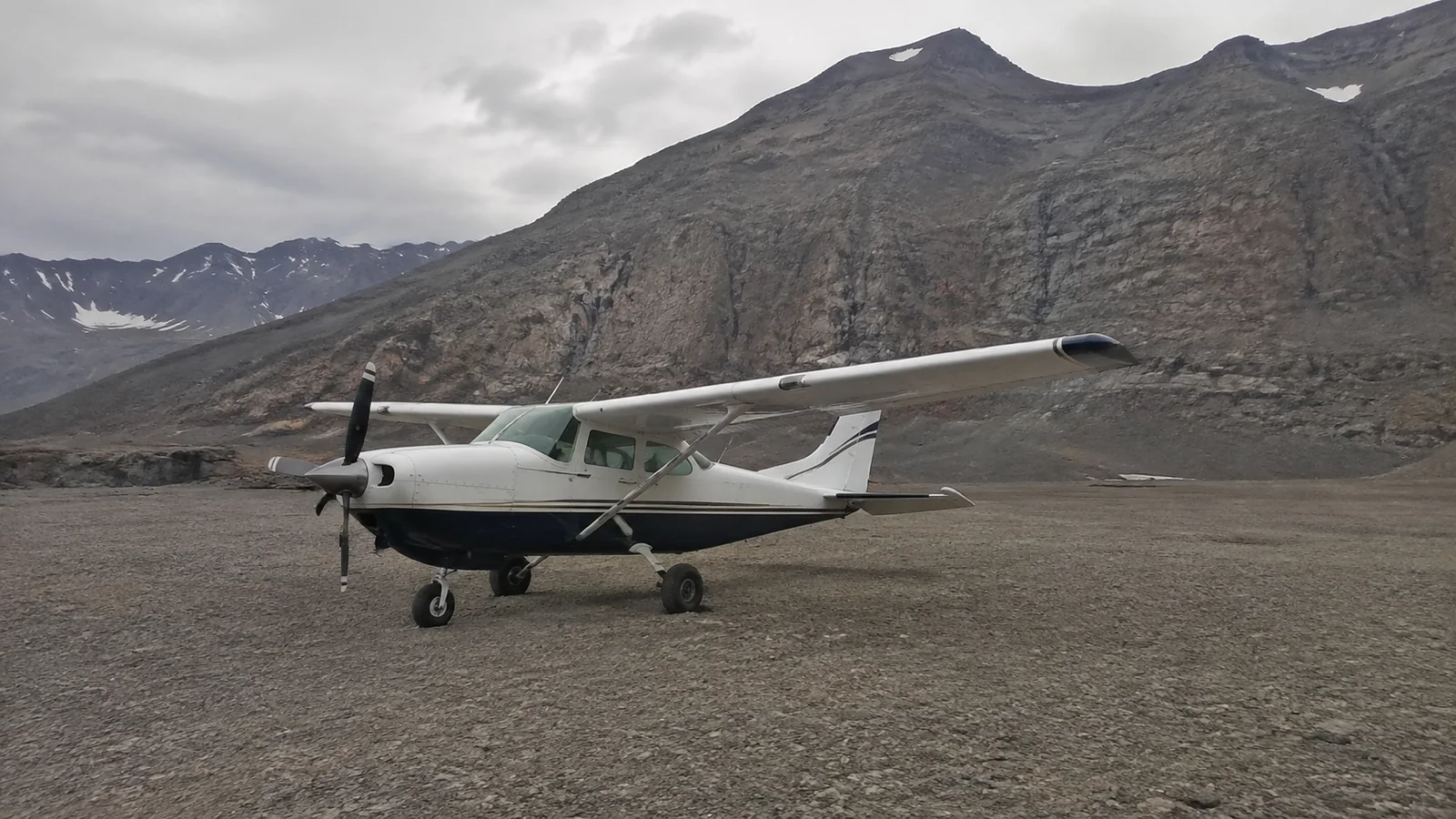
There is no road or ferry from Canada’s southern provinces to Grise Fiord. Most independent visitors reach the community by a sequence of flights through Nunavut, commonly involving Resolute Bay, but routings and operating days can change.
Use Canadian North’s current flight schedule for planning and then reconfirm directly. The airline explicitly notes that its online schedule is a guideline because seasonal changes occur.
Build buffer days before any nonrefundable connection, international flight, or major obligation. Fog, wind, mechanical needs, runway conditions, and knock-on disruption elsewhere in the network can all rearrange a carefully planned itinerary.
Travel insurance needs close reading, not a quick checkbox. Verify coverage for weather delay, missed connections, remote medical evacuation, trip interruption, and the full value of prepaid arrangements in Nunavut.
Why booking the flight is only step one
Contact the community and accommodation before buying a ticket. Parks Canada publishes the Grise Fiord Hamlet Office and cooperative contacts among its High Arctic visitor resources, which is a sensible place to begin asking who currently welcomes travelers.
Arrange an airport pickup because “it looks close on the map” is not an arrival plan in severe weather. Share your flight number, baggage needs, mobility requirements, and backup contact.
Freight capacity and baggage rules matter more here than on an ordinary city break. Check allowances for every aircraft segment and ask how delayed baggage is handled before packing vital medication or cold-weather gear in a checked bag.
Where to stay
Lodging inventory is tiny, so a confirmed room should come before airfare. Travel Nunavut currently lists Grise Fiord Lodge contact details, but the listing does not guarantee dates, meals, accessibility, airport transfers, or response time.
Ask exactly what the nightly arrangement includes and when payment is due. Questions about meals, dietary needs, internet, shared bathrooms, laundry, cancellation terms, and storm extensions can prevent expensive misunderstandings.
Do not arrive expecting informal camping to solve a full lodge. Land ownership, wildlife risk, sanitation, weather, and community permission make casual tenting inappropriate without locally arranged support.
Things to do in Grise Fiord
Explore with a local guide
A local guide is the key to understanding routes, weather, wildlife, sea ice, cultural boundaries, and what is feasible that day. Book through a current local operator or a contact recommended by the hamlet rather than asking a resident for free guiding after arrival.
Possible activities depend on season, equipment, conditions, and provider availability. A walk, boat outing, wildlife excursion, or journey on snow and ice may be practical on one visit and completely unsuitable on another.
See the High Arctic landscape
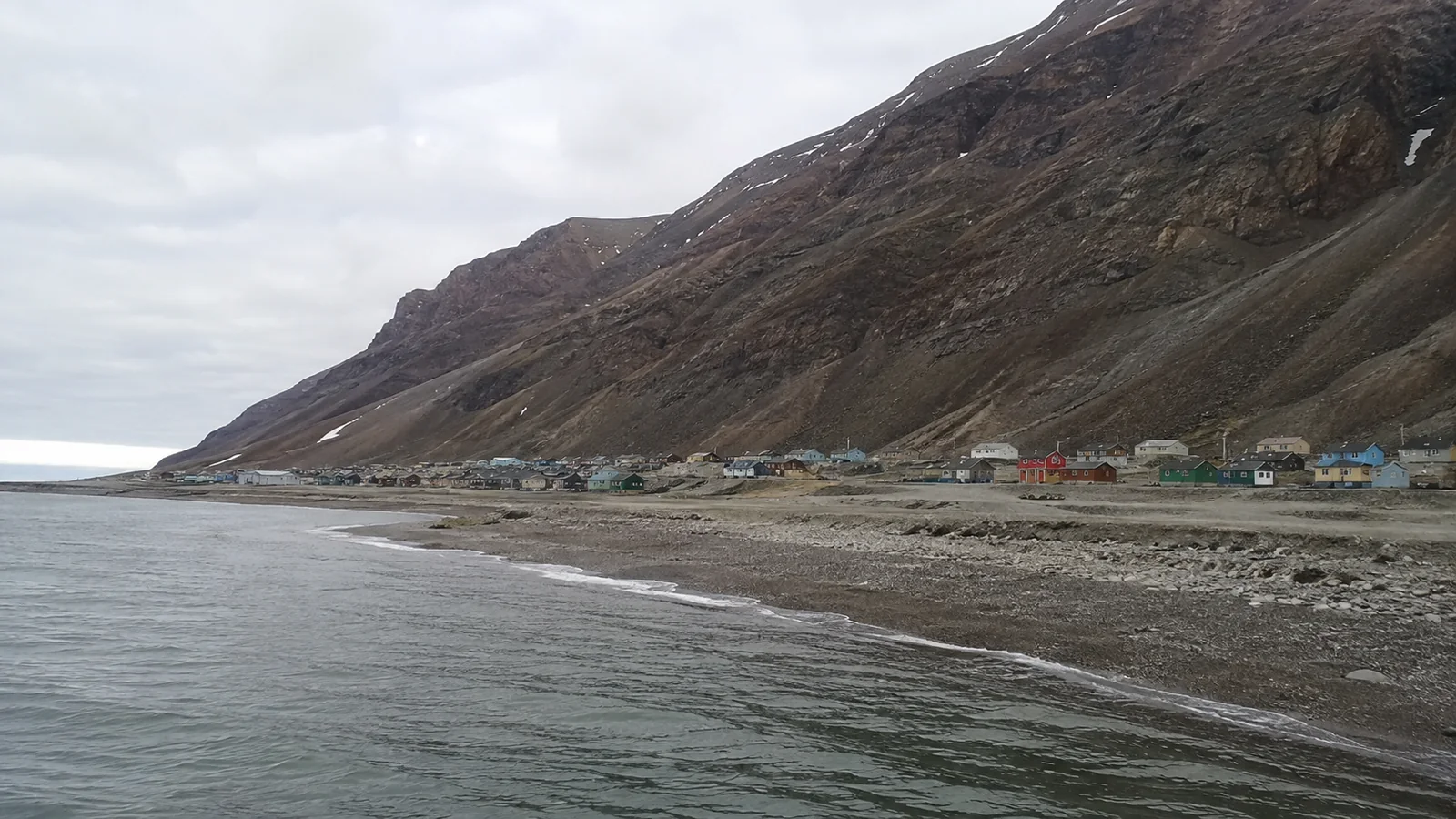
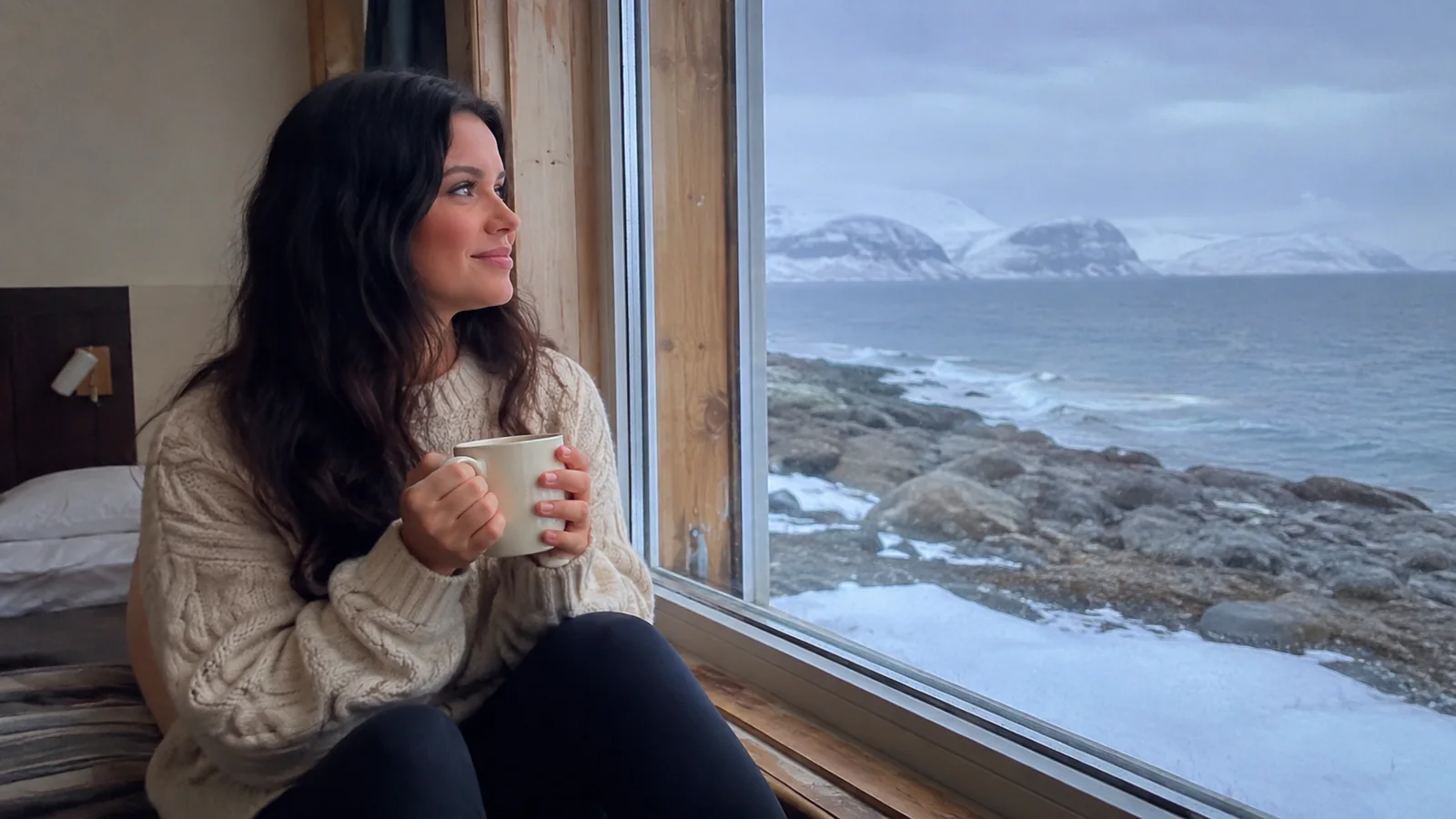
The community’s setting between steep terrain and the fiord is the visual centerpiece. Even a locally approved walk near town can deliver huge proportions, changing light, and the clear realization that weather controls the day.
Do not wander onto hills, shorelines, or ice simply because they look empty. Tell your host where you are going, follow local boundaries, carry communication appropriate to the plan, and turn back early.
Visit the relocation monument respectfully
The monument to the High Arctic relocatees is not a quirky photo stop. It represents families moved north by the Canadian government in the 1950s, separated from familiar land and support, and forced to endure broken promises and profound hardship.
The Government of Canada issued a formal apology for the High Arctic relocation in 2010. Read it before your trip, then approach the monument quietly and let local interpretation lead whenever it is available.
Purchase local art thoughtfully
Carvings and other work may be available through local artists or the cooperative, but selection and hours are never guaranteed. Ask permission before photographing an artist, their work, or the transaction.
For wildlife materials, confirm the rules for taking an item out of Nunavut and importing it into your home country before paying. A legal local sale does not automatically satisfy every border requirement.
Understanding Grise Fiord’s history
Any responsible guide must say plainly that the modern community is tied to forced relocation. Inuit families from northern Quebec were moved to Resolute Bay and Grise Fiord in 1953, with additional relocation in 1955, as part of a government program that caused severe suffering.
The government’s apology acknowledges mistakes, broken promises, and the perseverance of the relocatees and their descendants. Grise Fiord today is also a living home shaped by Inuit strength, family, language, knowledge, and contemporary life.
A visitor can respect both truths without turning trauma into dramatic travel content. Learn the history, pay for local expertise, avoid intrusive questions, and never present community members as if they exist to explain the North to outsiders.
Wildlife safety
Polar bears can occur in the region, and no visitor should leave the settled area without current local safety direction. Bear spray alone is not a complete plan, especially when airline carriage rules, extreme cold, visibility, and response distance complicate its use.
Never approach or pursue a bear for a photograph, and do not treat tracks as an invitation to follow. Stay with the guide, obey instructions immediately, secure food and waste, and keep far more distance than a phone camera makes tempting.
Muskoxen and other Arctic animals also need space. Wildlife sightings are never guaranteed, and ethical viewing means accepting a distant glimpse or no sighting at all.
Sea ice and water safety
Sea ice is travel terrain only for people with current local knowledge and the right equipment. Thickness varies around currents, tides, cracks, shorelines, and changing weather, while climate shifts make inherited calendar assumptions less reliable.
Never step onto ice independently, even when tracks are visible. A guided trip may require specialized clothing, flotation, communication, emergency shelter, and a route chosen that morning.
When to visit
There is no single best month because the desired experience determines the season. Summer brings long daylight and greater potential for open-water travel, while colder periods bring darkness, snow, and possible ice travel under expert direction.
The midnight sun and polar night are extended seasonal realities at this latitude, but exact sunrise and sunset dates should be checked for your year. Northern lights require darkness, clear sky, solar activity, and luck, so never plan the entire budget around one photograph.
Ask your local operator what activities are realistically offered in your proposed week. “Spring” in a southern brochure does not describe High Arctic travel conditions.
Weather and what to pack
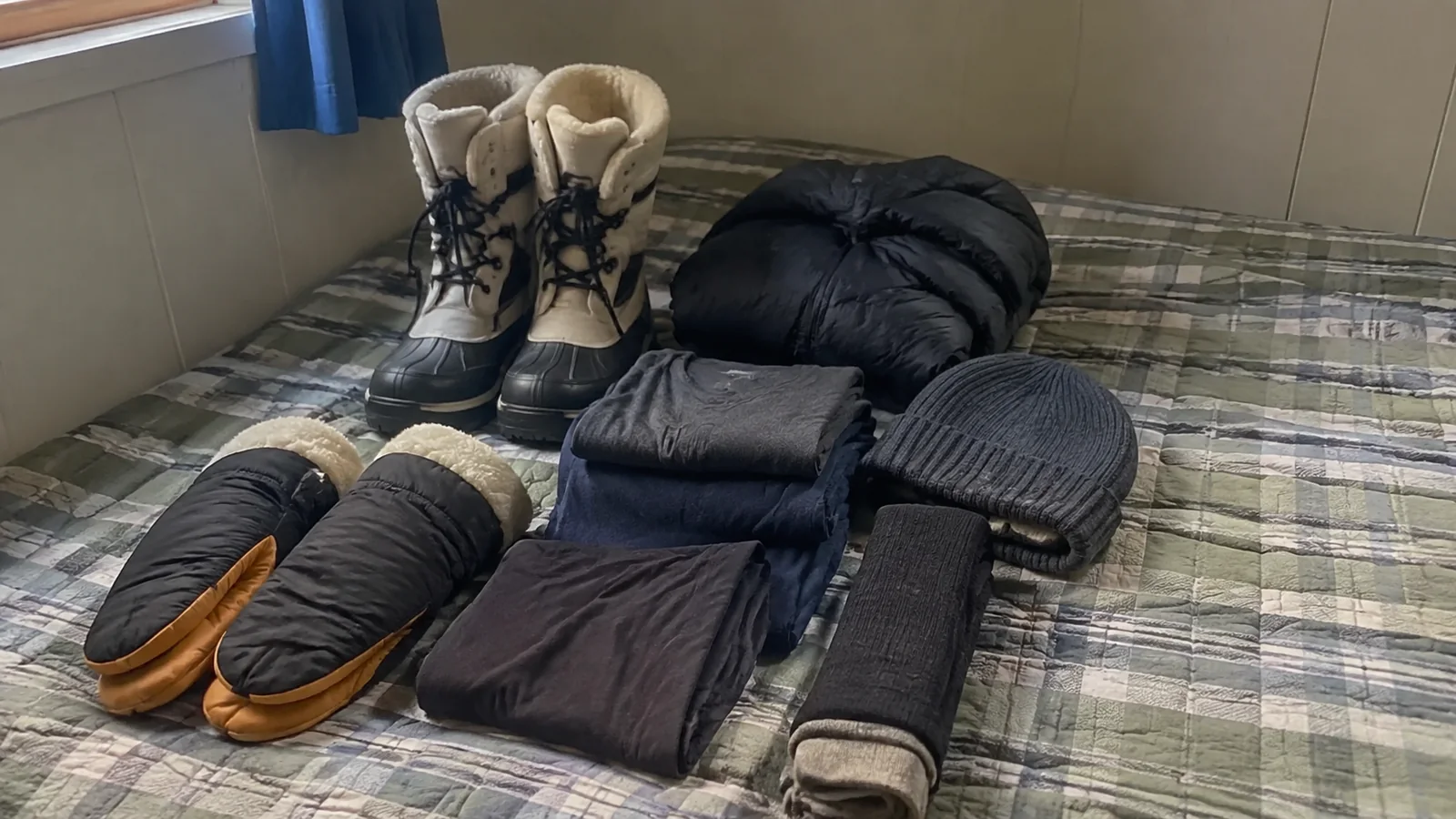
Pack for cold, wind, and fast changes even in summer. Your host or guide should provide the final equipment list because ordinary winter clothing may not suit prolonged exposure, boat travel, or snow-machine conditions.
- Insulated, windproof outer layers appropriate to the season
- Moisture-managing base layers and warm midlayers
- Insulated waterproof boots with room for warm socks
- Warm hat, neck protection, and spare gloves
- Sunglasses and sunscreen for intense reflected light
- Sleep mask for summer’s long daylight
- Prescription medication plus delay buffer in hand luggage
- Power bank, charging cables, and protected camera batteries
- Printed confirmations and emergency contacts
Batteries lose capacity quickly in cold conditions, so carry spares inside an inner pocket. Do not let gadget needs displace survival layers, medication, or the baggage capacity required by your host.
Food, money, and connectivity
Expect limited selection and high prices because supplies travel enormous distances. Ask whether lodging includes meals and communicate dietary restrictions early, since a small local store cannot function like an endlessly stocked southern supermarket.
Carry more than one payment method and some Canadian cash, while confirming what your providers accept. Internet and phone connections can be slower or less consistent than visitors expect, so download documents and maps in advance.
How to be a respectful guest
- Ask before photographing people, homes, children, art, or community events.
- Use local guides and businesses whenever services are available.
- Do not enter buildings, land, boats, or work areas without permission.
- Follow alcohol rules and community expectations.
- Pack out waste and avoid leaving unwanted equipment behind.
- Listen more than you perform your own Arctic adventure.
This northern Canada planning perspective can help with distance and weather mindset, although Nunavut is a separate territory with distinct communities and logistics. The Canada road-trip ideas are deliberately a contrast because no highway reaches Grise Fiord.
Travelers approaching on a ship may also find the practical expectations in this expedition-style voyage guide useful, while remembering that ship calls depend on conditions and community arrangements. Never assume a published itinerary guarantees a landing.
How long should you stay?
A rushed one-night visit leaves no resilience for delay and little room to understand the place. Discuss a realistic stay with the local provider, then add buffer nights elsewhere in the flight chain.
More time does not entitle a visitor to more access or guaranteed wildlife. Its real value is flexibility to accept weather, follow local availability, and experience ordinary quiet without forcing a checklist.
Grise Fiord FAQs
Can you drive to Grise Fiord?
No. There is no road connection to southern Canada or between Nunavut communities, so visitors generally arrive by air or on an organized ship itinerary.
Can you visit independently?
You can arrange your own flights and lodging, but going onto the land or ice independently is unsafe and disrespectful. Plan meaningful activities with current local guidance.
Is Grise Fiord a gateway to Quttinirpaaq National Park?
Grise Fiord can be part of broader Ellesmere Island logistics, but Quttinirpaaq is not a casual day trip from town. Park access requires separate Parks Canada planning, permits, transport, substantial cost, and expedition-level preparation.
Will you see polar bears?
Perhaps, but no ethical operator can guarantee a wild sighting. Treat bear country as a safety responsibility, not a wildlife promise.
Final thoughts
Grise Fiord can change a traveler’s sense of scale, distance, and hospitality, but it asks for humility in return. The most important preparation is not buying a warmer coat; it is arranging the trip around local capacity and respecting that this is someone’s home.
Book every essential piece, leave generous weather margins, learn the relocation history, and follow local leadership outside town. If that slower, more responsible approach sounds appealing, you are beginning with the right mindset.