Cruise Tender Tickets: Priority, Timing and Return Boats
A tender ticket usually controls when you can leave the ship by small boat, not when the ship arrives in port. I would get the day’s instructions before booking an early independent tour and build the return around the last tender time.
Priority can shorten the queue, but it cannot make unsafe seas suitable for boarding.
What I would check the night before
- Whether the ship expects to dock or use tenders, also called water shuttles.
- Where and when tickets are distributed, and whether one person can collect them for the whole group.
- Whether a ship excursion has its own meeting point and boarding arrangements.
- The ship’s time, the last tender from shore, and the port agent’s contact details.
- Any accessibility restrictions affecting the boat, landing platform, or shore-side pier.
I would screenshot the instructions and keep a written return time as a backup. A tender morning is a poor time to discover that the app needs a connection or a family member has the only copy.
A tender ticket is not a timed attraction ticket
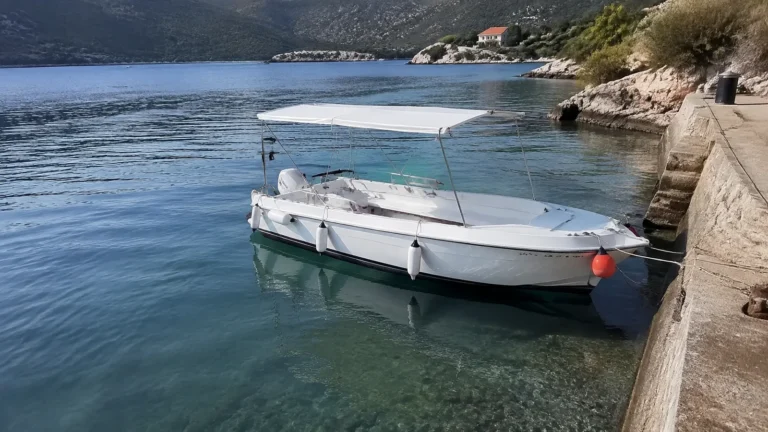
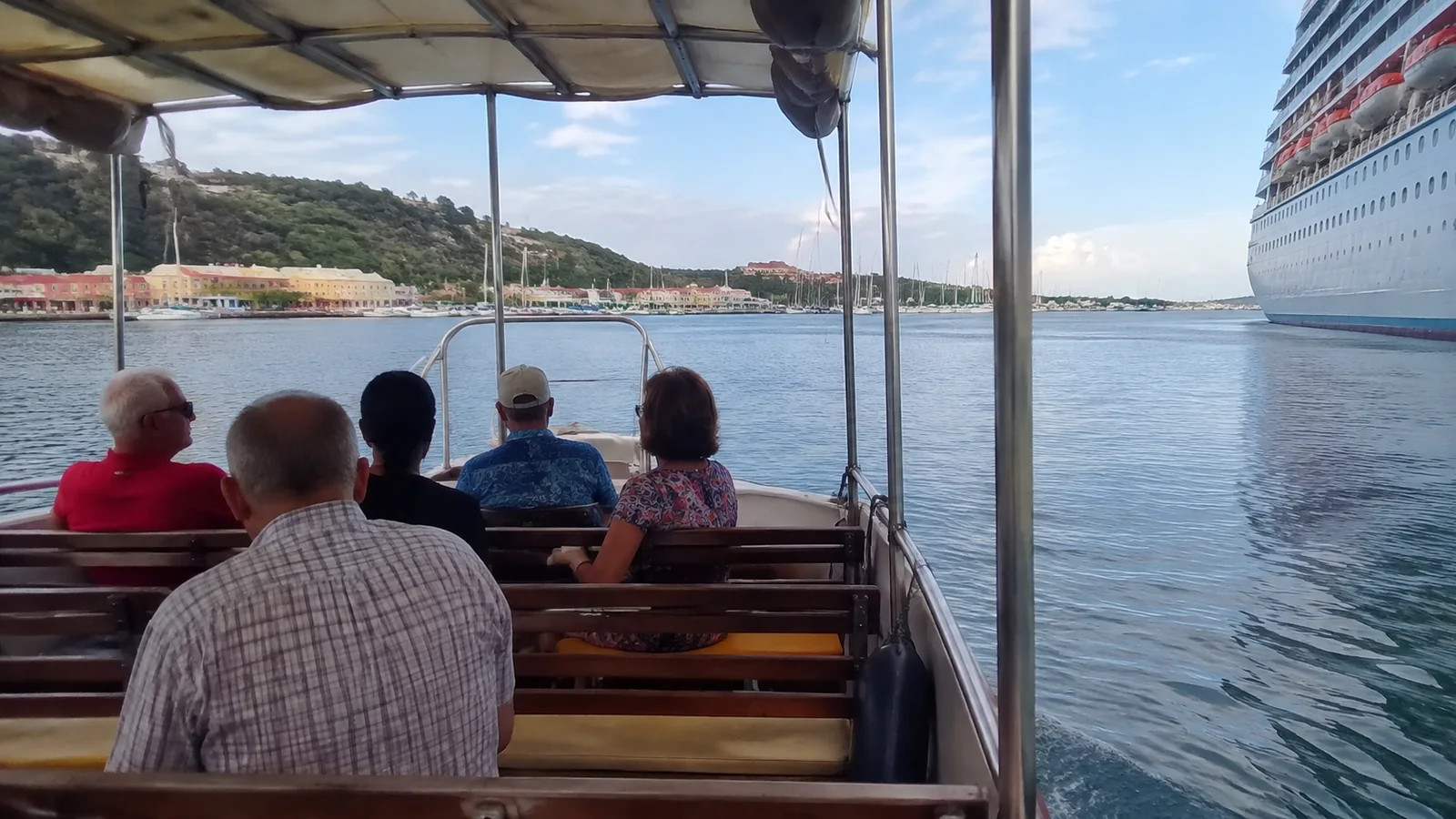
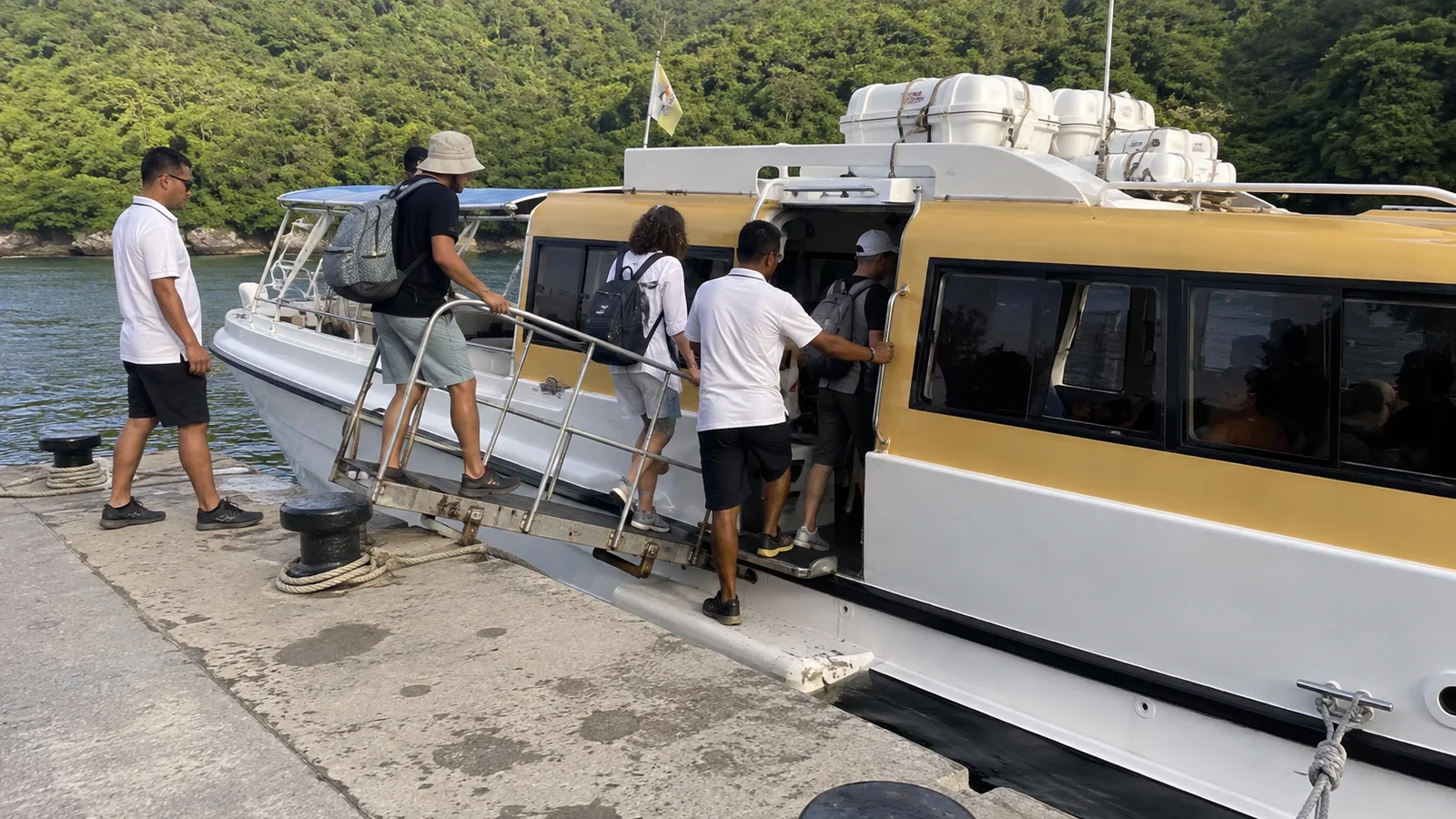
Ships use tenders when passengers cannot step directly onto a dock from the ship. The transfer might use the ship’s boats, locally operated boats, or another authorized water shuttle.
Some ports use numbered tickets during the busy departure period, while others organize boarding differently. Celebrity’s explanation of tender ports describes ticketed departures and separate arrangements for cruise-line excursions.
A ticket number typically identifies your boarding group. It should not be read as a promise that you will reach shore at an exact minute.
The crew still has to run a safe transfer operation, including loading passengers and handling boats at both ends. Weather, harbor traffic, and the capacity of the landing area can all affect the pace.
I would wait for the official call rather than stand at a restricted gangway because my number seems close. Crowding the access point does not create another boat.
Arrival time is not your tour meeting time
An itinerary showing arrival at 8:00 AM does not mean independent passengers will be ashore at 8:00 AM. Clearance, boat preparation, boarding order, the crossing, and disembarking all come before you reach a meeting point.
Ask an independent operator how its meeting time accounts for your ship’s tender process. I would favor an operator that tracks the ship and gives a clear written late-arrival policy.
A blanket instruction to “take the first tender” is not enough when you cannot control access to it. If the tour leaves without you and offers no refund, the risk belongs in your booking decision.
I would be especially cautious with an activity that requires a second boat, a flight, or a long drive immediately after landing. Each additional connection leaves less room for the tender process to run late.
For a real example of this kind of port day, my Grand Cayman cruise port guide explains how the landing location shapes your plans. Research the particular port rather than treating every tender stop as the same short crossing.
Collect tickets according to that sailing’s procedure
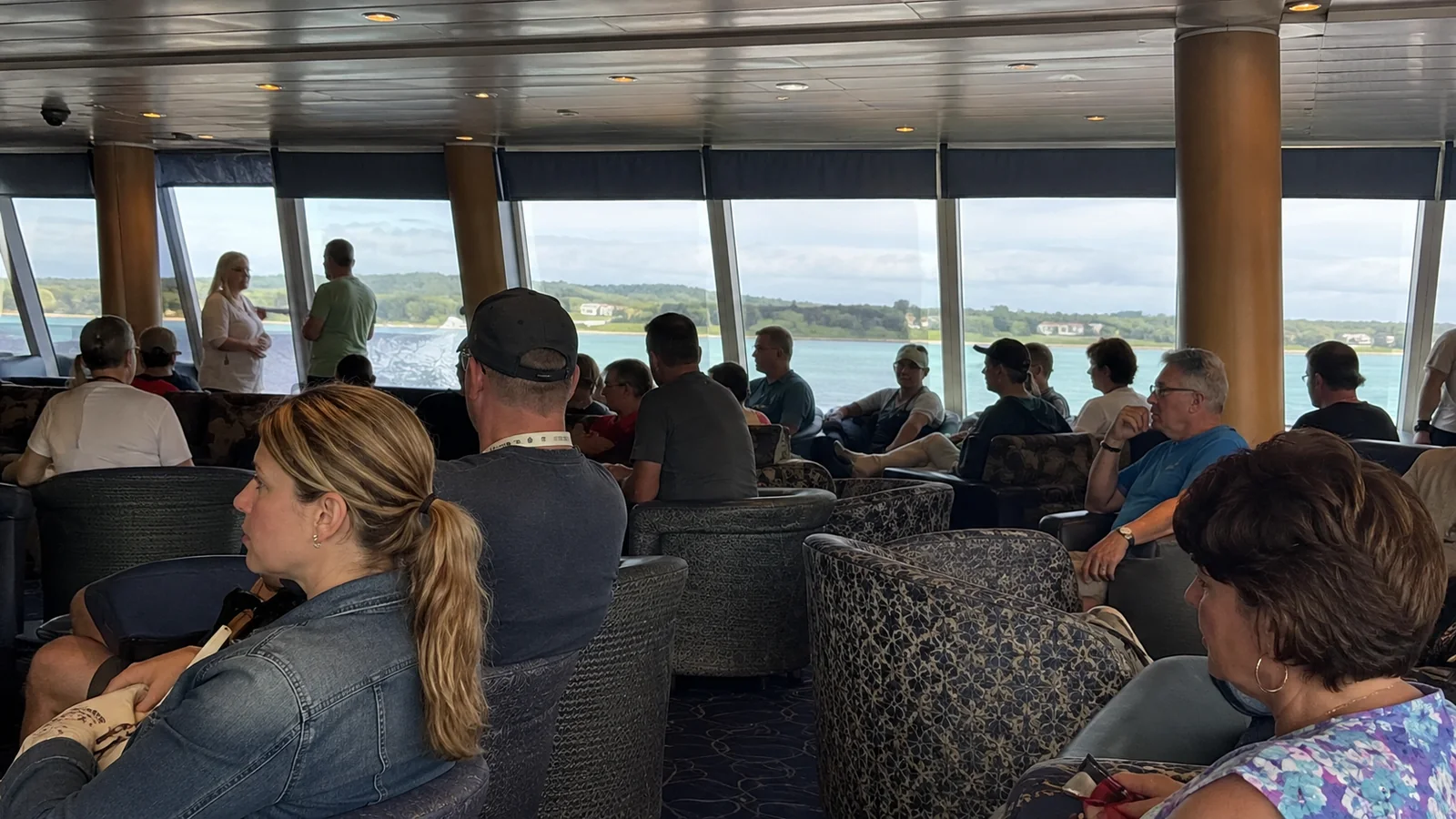
Read where distribution happens and what each passenger needs to bring. Some ships may allow one person to collect tickets for a party, while others ask the full group to be ready.
If one person can collect them, agree on the group size beforehand. Adding another traveler after collecting tickets may create a problem if they receive a later number.
Do not collect an early ticket while the rest of the group is still planning a long breakfast. I would be dressed, packed, and close enough to respond when boarding is called.
If you miss your group, ask the crew what to do. Do not assume the number is permanently invalid or that you can bypass the line at any later time.
Once demand eases, the ship may announce open boarding without tickets. For a relaxed beach or town visit, waiting can be a better use of the morning than competing for the earliest departure.
Priority tendering has a direction and a scope
A suite, loyalty tier, or paid package may include priority tender access, but the details vary. Check the named benefit rather than equating priority embarkation at the homeport with priority boats in every destination.
Royal Caribbean’s The Key benefits specifically describe priority departure from ship to shore at tender ports. That wording should not be expanded into a promise of priority return boarding.
I would ask where eligible guests should meet and whether companions outside the benefit can come with them. A benefit attached to one passenger or cabin may not extend to the whole family group.
Priority does not mean a private boat or permission to board before operations start. A safety delay applies regardless of what you paid for your cabin.
I would not buy an expensive package solely to protect a tightly timed independent tour. Choosing a later tour often fixes the underlying problem more reliably.
Ship excursions may use a separate boarding process
If you booked through the cruise line, follow the meeting instructions on that excursion ticket. Your group may assemble aboard before being escorted to the tender.
Do not assume you must also collect general tender tickets. Ask the excursion desk if the instructions are unclear, because joining the public queue could mean missing your assigned group.
Confirm whether the tour ends at the tender landing, elsewhere in town, or back aboard. A transfer that finishes near a shopping area may leave you responsible for walking to the return boat.
I would also check whether tender delays change the excursion itinerary or meeting time. Let the excursion staff coordinate rather than arranging a separate departure without telling them.
A ship tour can be convenient when the tender process and a distant attraction need to fit together. It is less compelling for a simple walk around a town that starts beside the landing.
The last tender matters more than sailing time
The ship may post a last tender from shore earlier than its departure time. That is the relevant deadline when you are returning by boat.
I would photograph the sign or confirm the time with crew as I leave. If the app, printed program, and an old screenshot disagree, ask for the current instruction before continuing into town.
Plan to reach the authorized tender queue before the last-boat cutoff, with time to handle transport delays. I would not aim to arrive at the landing at the exact minute the final boat is supposed to leave.
A long queue does not justify wandering away for another drink because “the ship has to wait anyway.” Join the correct line, follow crew directions, and stay where staff can account for returning passengers.
Keep your ship card and required identification accessible. Having to search a beach bag during boarding slows everyone behind you.
Use ship time deliberately
Your phone may change to local time automatically when it connects ashore. The ship may follow that time or continue using a different one.
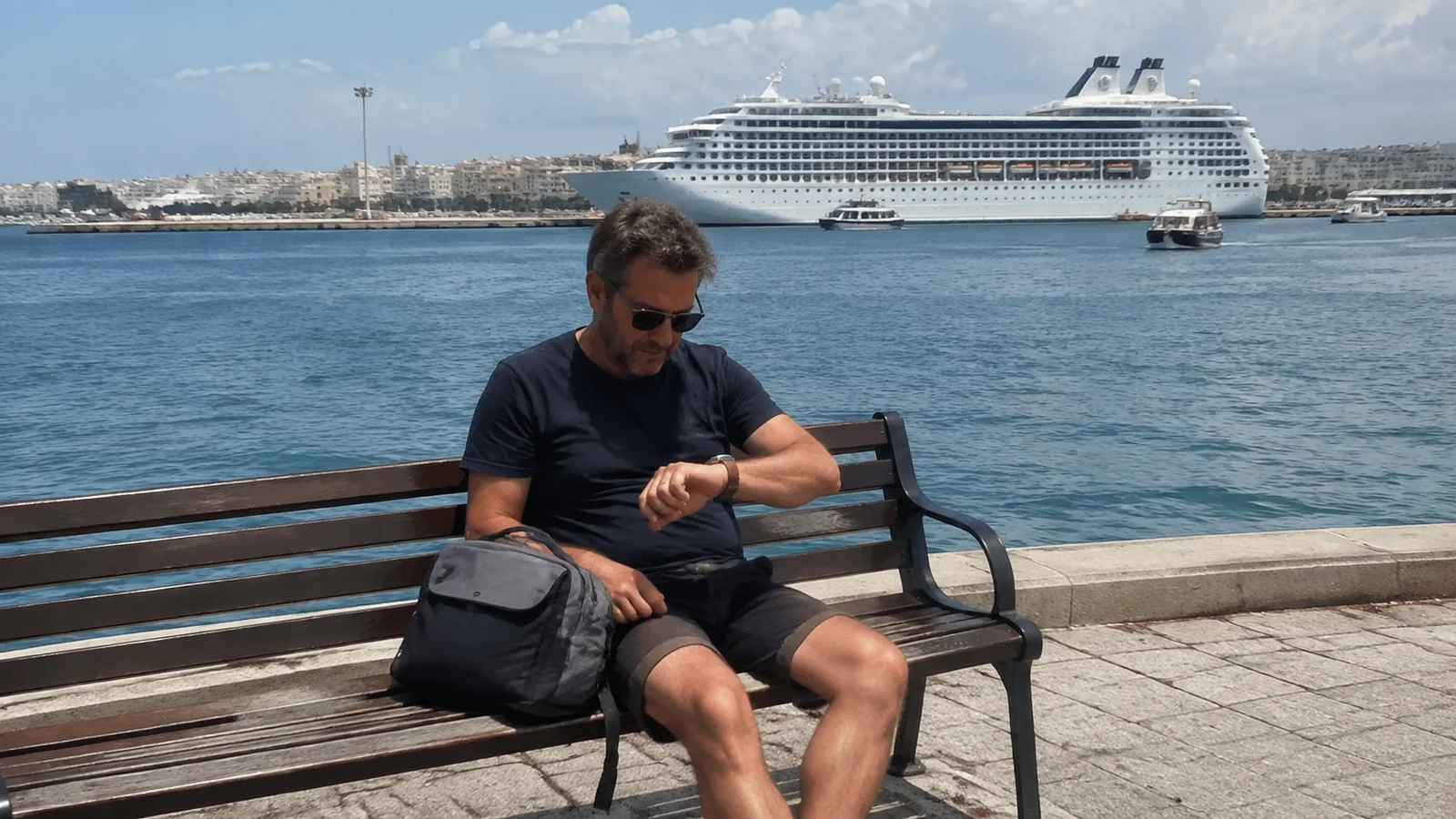
Before leaving, compare your phone with the official ship clock and write down any difference. Set alarms that correspond to the required ship-time return rather than trusting a device setting you have not checked.
If you use a separate watch, verify it too. A watch that stayed on yesterday’s time is no better than a phone that changed unexpectedly.
I would give everyone in the group the same instruction, such as the exact meeting place and the ship-time deadline. “Meet an hour before we leave” invites confusion about which departure you mean.
My often-forgotten cruise packing items include the small practical backups that help when a phone runs low. A charged power bank and offline contact details earn their space on a port day.
Check accessibility beyond the boat entrance
Being able to board the ship at the homeport does not establish that you can use every tender. Steps, moving gaps, weight and size limits, boat configuration, and the landing ashore may affect access.
Princess’s accessibility information notes that some ports lack wheelchair access even if a passenger can board the water shuttle. Contact the line’s accessibility team with your specific mobility device and itinerary before buying a nonrefundable tour.
I would ask about the transfer both ways, including whether you must stand or step independently and whether the device can travel with you. Do not rely on another passenger’s experience on a different ship or in calmer conditions.
The crew’s decision on the day can still change with conditions. Have an onboard alternative you can enjoy if tendering is not safe or feasible.
If independent movement is essential, consider the number of tender ports while choosing the cruise itself. That is a more useful planning decision than hoping a cabin upgrade will solve a physical access barrier.
Make the crossing manageable
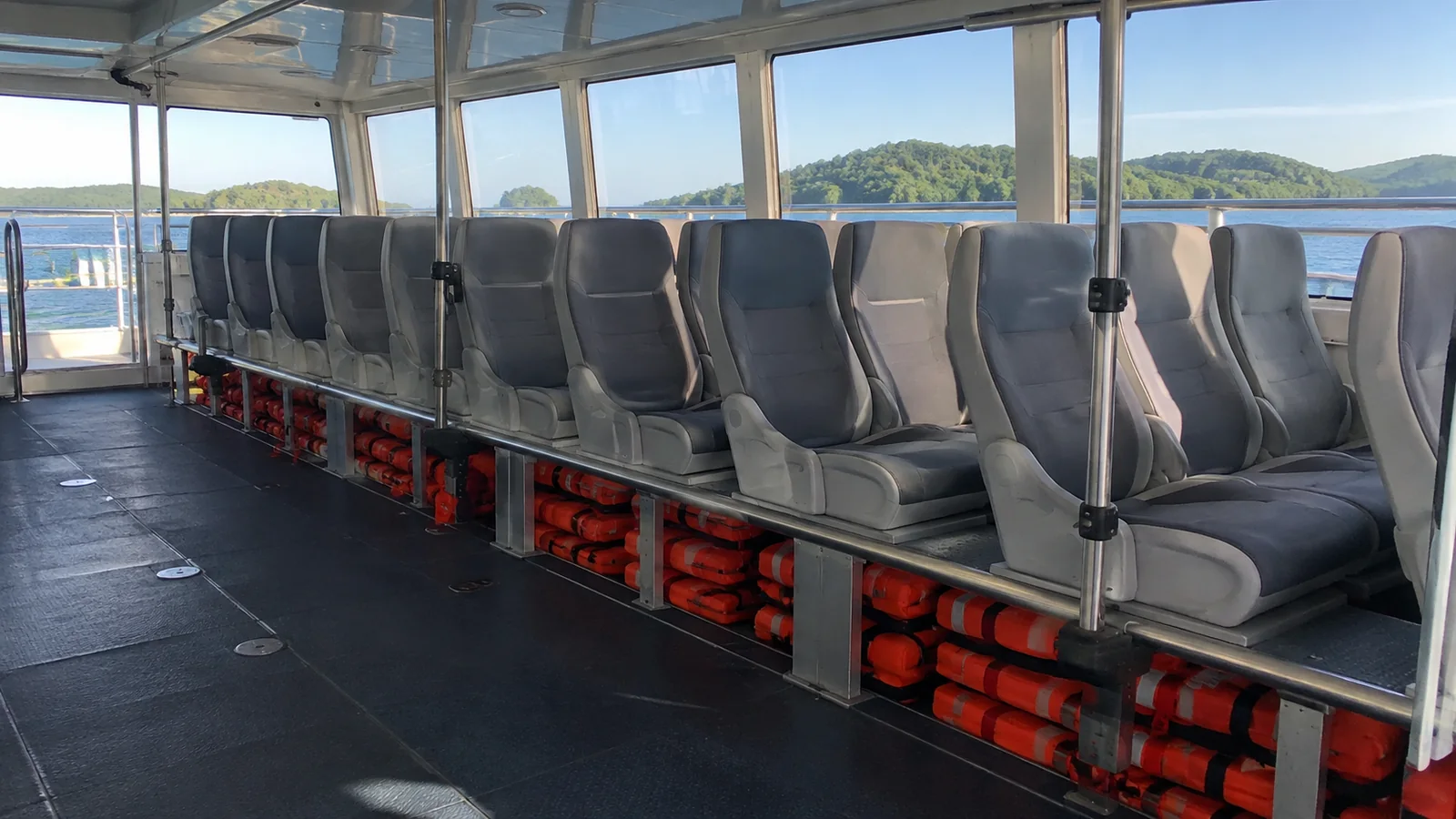
Pack a small bag that leaves your hands free for railings and crew assistance. Wear shoes that stay secure, and wait for instructions before stepping across the gap.
A tender can move differently from the larger ship, especially while waiting near a platform. If motion is a concern, discuss an appropriate plan with your clinician before travel and see my seasickness guide for general preparation.
I would keep water, sun protection, and necessary medication with me. A delayed return is much less comfortable if every useful item is back in the cabin.
Stay seated where directed and keep passageways clear. Getting the best photograph is not worth interfering with boarding or moving around while the crew needs passengers settled.
If tender operations change or stop
Listen for official instructions before committing to new transportation or paying for a replacement tour. The ship may delay departure, shorten the port call, use a different landing, or cancel the visit.
Contact an independent provider promptly and keep the cancellation notice. Its missed-port and late-arrival terms determine your options, so save those terms when you book.
If you are already ashore and the return arrangement changes, contact the port agent or cruise-line staff at the landing. Do not hire an unofficial boat to chase the ship.
My guide to missing the ship covers the next steps if you cannot return as planned. Calling early gives the line more useful information than waiting until departure.
What I would book for a tender day
For an easy independent visit, I would choose a flexible start, stay realistic about travel distance, and return to the landing comfortably before the cutoff. That leaves room to enjoy the port without spending the day checking a queue number.
For a distant, tightly scheduled activity, I would compare the ship excursion closely and read its actual protections. The best tender ticket is still only one part of a workable port day.