Seasickness on a Cruise: Prevention, Treatment, and Safety
Seasickness can happen on a tiny tender or a giant stabilized ship, and nobody can promise you will avoid it. The best plan starts before sailing: choose a sensible cabin, understand your history, discuss medication when appropriate, and know what to do at the first yawn, sweat, or unsettled stomach.
Before choosing medicine: This is a travel-planning guide, not a personal treatment plan. Ask a pharmacist or clinician which options fit your health history, other medicines, and the product’s instructions.

What seasickness feels like
Motion sickness is thought to arise when the brain receives conflicting signals from the eyes, inner ear, and body. Inside a moving cabin, your balance system may report motion while your eyes see a room that appears still.
Symptoms often build gradually, so it helps to recognize your early warning signs. Early signs can include stomach awareness, yawning, warmth, increased saliva, pallor, sweating, dizziness, fatigue, difficulty concentrating, and appetite loss before nausea or vomiting.
People vary widely in susceptibility, and prior experience is useful but not a guarantee. A calm first cruise does not prove immunity, while one rough crossing does not mean every future sailing will be miserable.
The CDC’s 2026 Yellow Book motion-sickness chapter notes higher susceptibility among children ages 7 to 12 and people with migraine, vertigo, or vestibular disorders. Hormonal factors and pregnancy can also influence susceptibility.
Prevention begins with the itinerary
Open-ocean stretches, seasonal weather, storm swell, ship size, speed, and heading can all affect motion, but none predicts your exact experience months ahead. A route marketed as calm can meet a front, and a famously rough passage can occasionally behave itself.
If motion strongly affects your travel, compare the number and length of sea days, exposed waters, tender rides, and seasonal storm patterns. The Drake Passage planning guide shows why operator flexibility and weather uncertainty matter on a route known for open-ocean conditions.
Do not book a high-stakes event immediately after a notorious crossing or tightly connect the cruise to an inflexible flight. A little schedule margin will not settle the sea, but it can lower the cost of feeling unwell.
If this is your first sailing, these first-time cruise tips put health preparation beside documents, embarkation, and port timing. Seasickness is one planning module, not the whole vacation.
Choose a cabin with less motion in mind
A cabin lower and closer to the ship’s middle may feel less movement than one high or far forward, although no room is motion-free. Forward cabins can experience more pitching, while higher positions can trace a larger arc when the ship rolls.
Balance motion against fresh-air access, natural light, elevator distance, noise, and your budget. A midship inside cabin may reduce some movement yet remove the horizon view that helps certain travelers.
Modern stabilizers can reduce roll in suitable conditions, but they do not eliminate every movement or control the ocean. Do not pay a premium because a salesperson implies a particular ship cannot move.
Use the current deck plan to verify the exact room rather than trusting a category nickname. A guarantee cabin may save money but give you less control over location.

Make a prevention plan before sailing
If you have previously had strong motion sickness, a complex medical history, or concerns about medication, speak with a clinician or pharmacist before the trip. Prevention works better when the plan exists before the ship leaves the harbor.
Ask about:
- Your prior motion-sickness pattern and migraine or vestibular history
- Pregnancy, breastfeeding, age, and chronic medical conditions
- Glaucoma, urinary retention, prostate problems, breathing conditions, or heat risk
- Prescription, over-the-counter, sleep, anxiety, and allergy medicines
- Alcohol use and activities requiring alertness, driving, or balance
- The safest product, timing, and backup plan for you
Read the active ingredient and full label, not only a familiar brand name. Products sold under similar branding can contain different drugs, and “less drowsy” does not mean nondrowsy.
Non-drug prevention strategies
Get adequate sleep before embarkation because sleep deprivation can worsen motion sickness. Avoid excess alcohol and nicotine, both of which the CDC identifies as factors that can make symptoms worse.
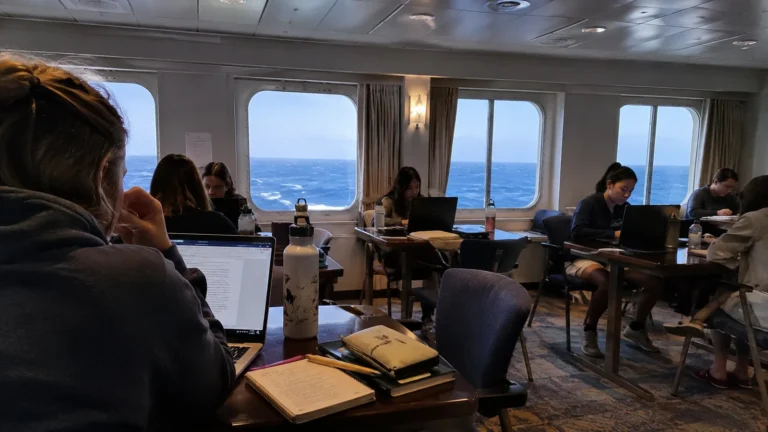
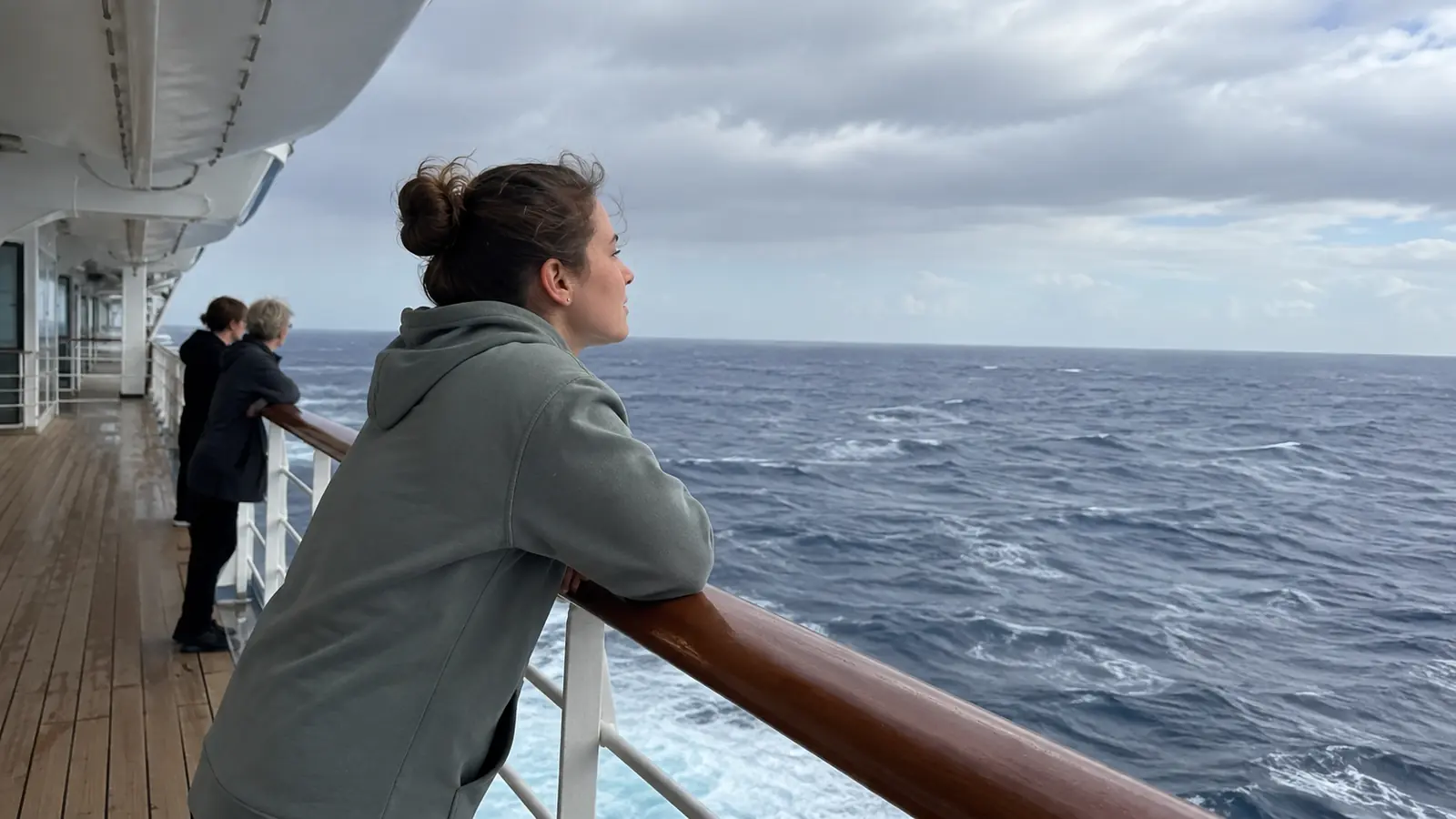
When the ship moves, look toward a stable horizon if one is visible and avoid prolonged reading, scrolling, or detailed visual work. Keep your head supported and limit unnecessary head movement.
Fresh air on the face, calm music, a comfortable posture, and controlled regular breathing may help. If symptoms begin, lying on your back can reduce head movement for some people.
Eat whatever light, familiar foods you tolerate and keep fluids available, but do not promote a particular diet as a cure. CDC describes evidence for special diets, vitamins, supplements, and ginger as weak or contradictory.
Acupressure bands are low-risk for many adults, yet controlled trials cited by CDC found them no more effective than placebo. Use one if it feels helpful, but do not let it replace a medically appropriate plan.
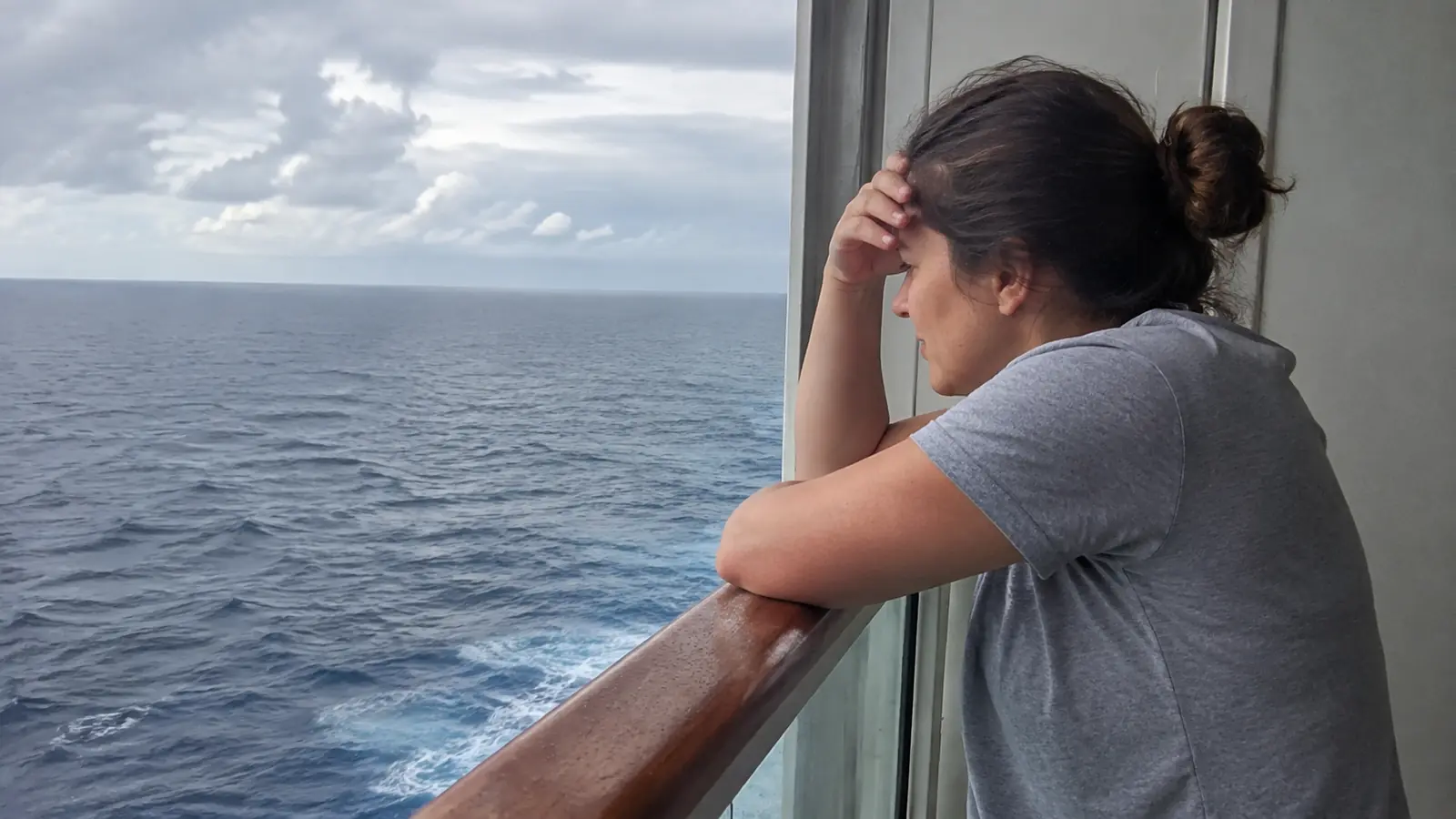
Medication is usually better before symptoms
Effective motion-sickness medicines generally work best when taken before exposure. Once nausea develops, slowed stomach emptying can make oral medication absorb less reliably.
Timing differs by active ingredient and formulation, so follow the package label or prescription rather than a generic internet schedule. Never take an extra dose early because the sea looks ambitious.
Trying a clinician-approved product before travel can reveal drowsiness, blurred vision, dry mouth, dizziness, or an unexpected reaction. Do the trial when you do not need to drive, supervise water activities, or make an important decision.
Over-the-counter antihistamines
Meclizine and dimenhydrinate are common U.S. over-the-counter options for preventing or treating motion-sickness symptoms. Formulations, ages, directions, and availability vary, so use the exact current label.
Official DailyMed labeling for meclizine warns that drowsiness can occur and that alcohol, sedatives, and tranquilizers can increase it. The label also advises caution with driving or operating machinery and directs pregnant or breastfeeding users to a health professional.
Dimenhydrinate can also cause significant drowsiness and has condition- and age-specific warnings. Do not combine it with sleep aids, allergy medicines, or another motion product without checking for duplicate ingredients and interactions.
Newer minimally sedating antihistamines such as loratadine, cetirizine, and fexofenadine are designed to enter the brain less readily and are not considered effective motion-sickness treatment by CDC. An allergy label is not a seasickness label.
Prescription scopolamine patch
In the United States, the transdermal scopolamine patch is prescription medicine approved for adults to prevent motion-related nausea and vomiting. It is applied behind the ear and designed to deliver medicine over as long as three days, but individual suitability belongs to a prescriber.
Do not cut the patch, wear more than directed, touch your eyes after handling it, or share it. Scopolamine can cause dry mouth, drowsiness, dizziness, blurred vision, confusion, and urinary problems, and it should not be used by people with angle-closure glaucoma.
In 2025, the FDA added a serious hyperthermia warning after reports of increased body temperature and reduced sweating, particularly involving children and adults age 60 or older. The FDA says to remove the patch and contact a healthcare professional if body temperature rises or sweating stops in warm conditions.
The patch is not FDA-approved for children, and CDC advises avoiding scopolamine in children because dangerous effects can include hallucinations and mental confusion. Ask your child’s clinician which prevention option, if any, is appropriate before you sail.
Other prescriptions
A clinician may consider other prescription medicines for a particular traveler, but sedation and additional side effects can be substantial. Promethazine, for example, is described by CDC as more sedating than common alternatives.
Ondansetron treats some other forms of nausea but does not act at the vestibular centers responsible for motion sickness, and CDC does not consider it effective for this purpose. Do not repurpose a leftover prescription without medical advice.
What to do when symptoms start
Stop reading and put away the close-up screen. Move safely to a location with a horizon or fresh air if practical, keep your head still, sit or lie down, and use slow regular breathing.
Follow the preplanned medication instructions if they allow treatment after symptoms begin. Do not double a dose, mix products, or add alcohol because the first dose feels slow.
Sip fluids as tolerated after vomiting, since maintaining fluid and electrolyte intake matters. If you cannot keep fluids down or symptoms become severe, call the ship’s medical center promptly.
Ask a companion to stay nearby if you are dizzy, sedated, or unsteady, especially on stairs and open decks. Avoid driving in port, swimming, climbing, or operating equipment while impaired by symptoms or medicine.
Not every upset stomach is seasickness
Motion sickness usually builds with movement and may improve when motion eases or sensory conflict is reduced. Fever, diarrhea, severe abdominal pain, symptoms shared by cabin mates, or continued illness in calm conditions can point to another cause.
CDC advises cruise travelers with gastrointestinal illness to contact the ship’s medical center promptly, even for mild symptoms, and follow isolation instructions. That helps the team treat you and manage a possible communicable illness.
The CDC cruise-health guidance also notes that ship medical capabilities and costs vary. Before departure, verify insurance for onboard care, overseas treatment, and medical evacuation.
Seek urgent help for confusion, fainting, chest pain, trouble breathing, a severe or unusual headache, blood in vomit or stool, signs of serious dehydration, or any rapid decline. Do not label a new neurological or cardiac symptom “just seasickness.”
Seasickness planning for children
Start with horizon views, reduced screen time, adequate sleep, fresh air, and a comfortable position. Ask the child’s clinician about age-appropriate options before sailing and follow the exact pediatric label.
Some antihistamines can cause paradoxical agitation, while oversedating a young child can be life-threatening. Never give medicine simply to make a child sleep through rough water.
Pack spare clothes, sealable bags, cleaning supplies allowed by the cruise line, and familiar fluids or snacks. Tell the medical team promptly if vomiting is repeated, the child is not urinating normally, or behavior and alertness change.
What to put in the carry-on
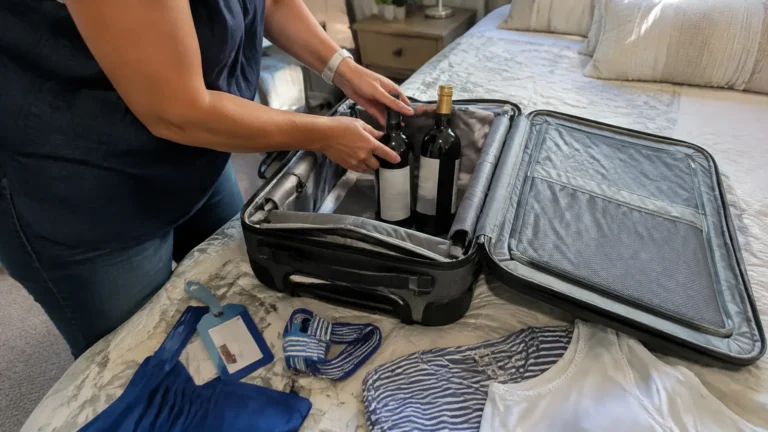
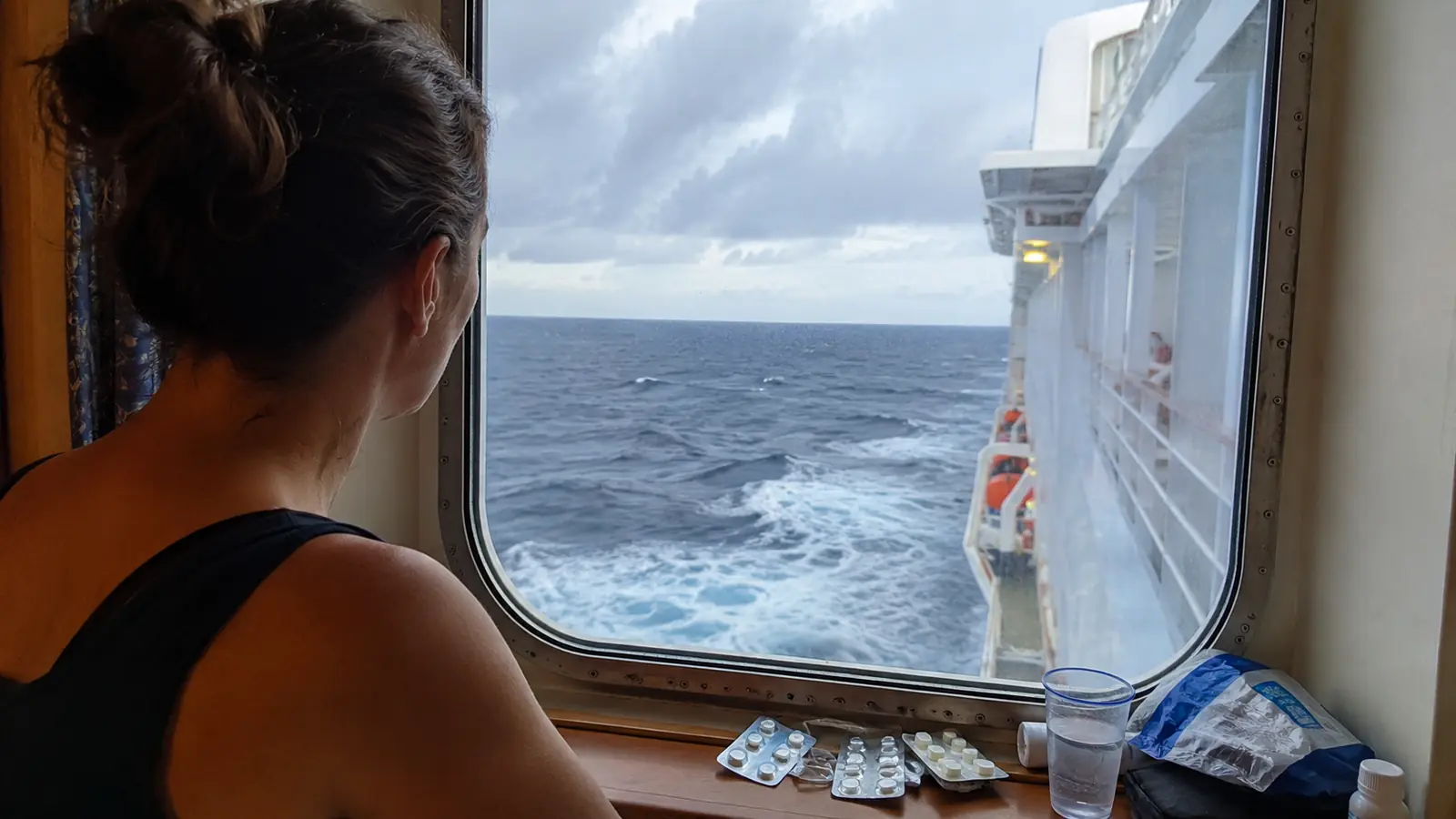
Keep your chosen medicine in its original labeled package with the prescription if required. Add water access, oral rehydration supplies recommended for you, a sealable bag, tissues, and a change of clothing.
Medicine should stay in the embarkation carry-on, not a checked suitcase that may arrive after sailaway. The health and documents modules in this cruise packing list help keep essentials ahead of optional extras.
Bring a written medication list, allergies, relevant conditions, clinician contact, and insurance details if your health needs are complex. Also confirm whether any prescription is restricted in embarkation or port countries.
Common seasickness questions
Will a bigger ship prevent seasickness?
No ship can guarantee a motion-free sailing. Size, design, stabilizers, speed, heading, waves, and your individual susceptibility all interact.
Is a balcony always best?
A balcony can provide horizon and fresh-air access, but its deck and fore-aft position also matter. A lower midship room may move less, so choose based on the tradeoff that helps you most.
Can I wait until I feel sick to take medicine?
Some products include treatment directions, but CDC says motion medicines are generally most effective before exposure. Decide timing with the exact label, pharmacist, or prescriber before sailing.
Can I drink alcohol with motion medicine?
Common antihistamine labels warn that alcohol can increase drowsiness, and CDC says alcohol itself can worsen motion sickness. Follow your product’s instructions and clinician advice.
Will I get my sea legs?
Habituation can develop with exposure and is highly effective for some people, but it can take time and is specific to the motion. Do not assume adaptation will arrive before the next rough night.
Why do I still feel rocking after the cruise?
A brief rocking sensation after disembarkation can occur and often resolves within hours. Persistent or severe symptoms deserve medical assessment, particularly when they affect balance or continue for days.
The bottom line
Preventing seasickness is easier than chasing established nausea, but no cabin, band, pill, or patch guarantees success. Plan early with a clinician or pharmacist when needed, follow the exact label, use horizon and head-stability strategies, avoid risky medication combinations, and contact the ship’s medical center when symptoms are severe, unusual, or possibly infectious.