Can You Bring Food on a Cruise? Rules and Smarter Packing
You can bring some food on many cruises, but the safest ordinary choice is a small amount of shelf-stable, commercially packaged food that meets your line’s rules. I would leave homemade meals, leftovers, and anything needing uncertain refrigeration at home.
Medical nutrition and infant feeding need a separate plan, and permission to bring food onboard does not mean you can take it into every port.
Food I would consider packing
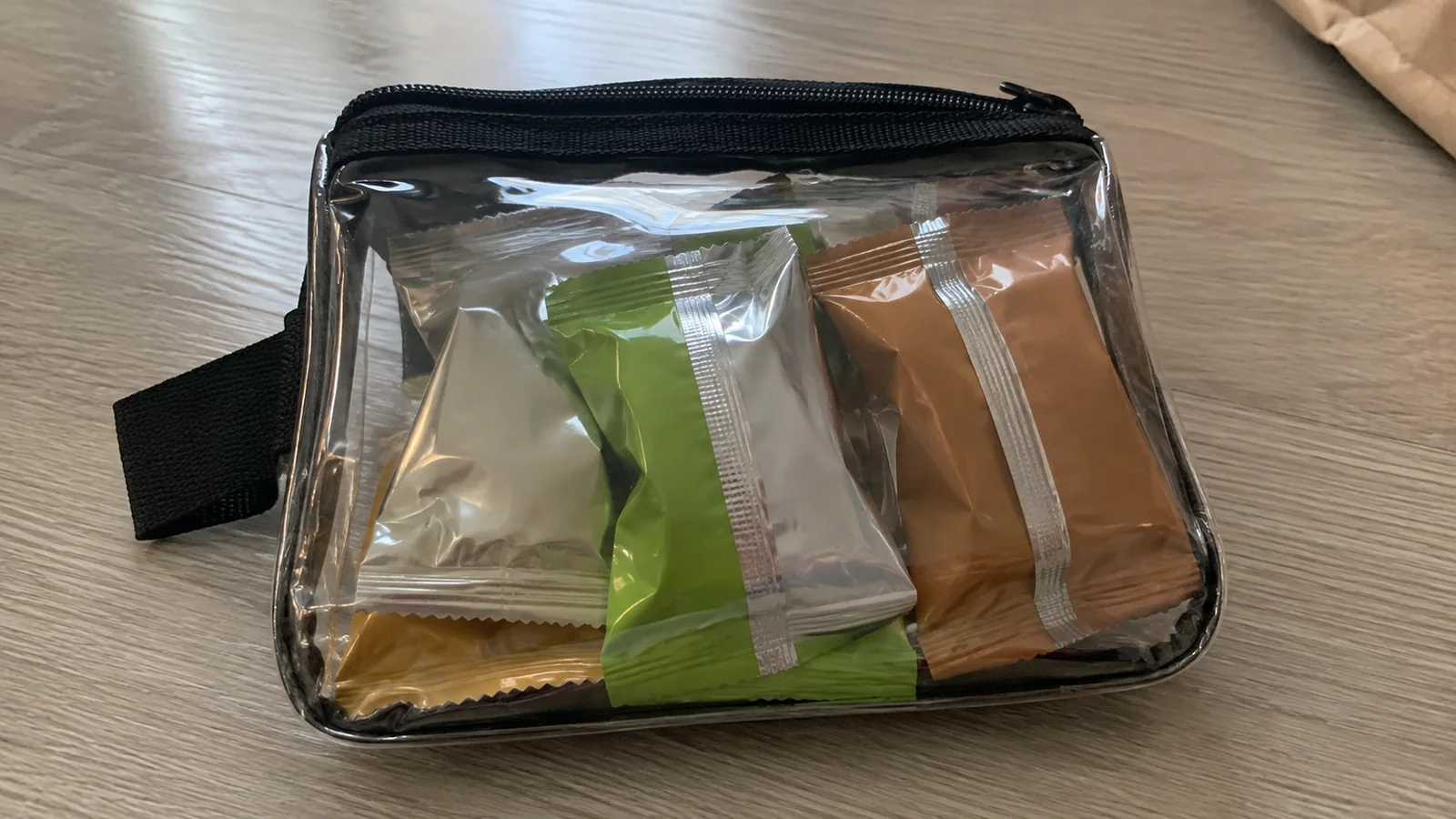
- A few factory-sealed snacks you know your family will eat.
- A permitted specialty product that is difficult to replace onboard.
- Approved infant food or nutrition supplies for an actual feeding need.
- Clearly labeled dietary items discussed with the line when necessary.
I would not bring an entire grocery bag simply because snacks are allowed. Cruise food is already part of the trip, and the bag should solve a specific problem rather than duplicate several meals.
Carnival: keep ordinary food packaged and unopened
Carnival’s official food-item guidance calls for prepackaged, factory-sealed, unopened items and excludes homemade and precooked foods. It also says the line cannot provide refrigeration, storage, or preparation for personal food.
I would choose simple shelf-stable snacks and keep their labels intact. A deli sandwich or homemade cake does not become suitable because it fits inside a sealed plastic container.
Do not expect the dining team to heat a meal you brought from home. If a particular diet depends on that service, obtain a workable arrangement before booking rather than pack the meal and hope.
For ordinary snacks, the practical question is what you will actually eat during a delay or between meals. I would bring a few familiar choices and leave the bulky extras out.
Royal Caribbean: limited quantities of prepackaged food
Royal Caribbean’s food and beverage policy permits nonperishable prepackaged food in limited quantities. I would treat that as permission for personal snacks, not an invitation to carry a large pantry onboard.
Choose items that can stay safe at room temperature and do not require the ship to prepare them. Keep the packaging clear enough for staff to identify what is inside.
The food allowance and beverage allowance are separate. A packet of crackers does not tell you whether the bottled drink beside it meets the line’s container and quantity limits.
If your product is unusual, send the actual name, ingredients, packaging, and intended quantity to the line before travel. A specific question is easier to answer than asking whether all special food is allowed.
Norwegian: shelf-stable snacks are permitted
Norwegian’s dietary-requirements guidance explicitly permits factory-sealed, shelf-stable, nonperishable snacks. That gives a clearer answer than relying on an older summary of its prohibited-items list.
I would keep the products in their original packaging and pack only a reasonable personal supply. Do not use a snack allowance as permission for food that requires refrigeration or cooking.
Norwegian also directs guests with dietary and medical needs through its accessibility process. If a particular item is essential to your diet, explain that need before sailing rather than expect the terminal team to arrange meal service.
The line’s strict rules about bringing beverages remain a separate issue. A permitted snack does not make a bottle of water or juice permissible alongside it.
Disney: factory-sealed nonperishable snacks
Disney’s prohibited and restricted items guidance identifies nonperishable snacks in original factory-sealed packaging as an allowed category. I would choose recognizable, unopened products that do not need special handling.
Homemade food, perishable meals, and open containers are not ordinary snack exceptions. A cooler does not automatically change that.
For a celebration, I would ask about ordering an appropriate cake through the line instead of arriving with a bakery box. That is easier than discovering the outside cake cannot be brought onboard or stored as you expected.
Disney also has specific dietary-request guidance explaining that crew cannot store, prepare, cook, or reheat food brought aboard by guests. Work out any essential feeding arrangement before travel.
Why original packaging matters
A factory seal helps staff distinguish an unopened commercial product from food packed at home. The label also identifies ingredients and may show the product’s origin.
I would leave snacks in their original wrappers rather than portion them into anonymous bags before boarding. If the packaging is large, choose smaller factory-packaged portions instead.
Do not assume placing a homemade item in a commercial container makes it acceptable. What matters is the food and the policy, not whether the container looks familiar.
Packaging also helps you decide what can safely remain in a warm carry-on. A product sold refrigerated should not be treated as shelf-stable simply because the lid has never been opened.
Baby food and formula need a feeding plan
Check the line’s current rules for formula, baby food, water, and any preparation equipment. These categories may have specific exceptions or handling instructions.
Carry enough permitted supplies for the first afternoon and evening, plus the travel buffer appropriate for your child. I would not depend on checked luggage arriving before the next feed.
Ask about the exact product and preparation method if your routine needs heating, sterilizing, or refrigeration. The ship may have arrangements for some needs, but they should be confirmed rather than assumed.
Keep any required approval with the supplies. If security asks a question, the product label and a clear description of the need are more useful than a general statement that you are traveling with a baby.
My guide to cruises for kids helps compare family facilities. Feeding needs deserve their own conversation with the line, especially for an infant or a child who relies on a narrow set of foods.
Food allergies and medical nutrition
Tell the cruise line about allergies or medical dietary needs through its official process. Bringing a snack bag does not replace discussing safe meals and cross-contact with the dining team.
I would ask what the ship can reliably provide, what you may bring, and what storage or preparation is possible. The answers need to work together as a complete meal plan.
For a medically required formula or nutrition product, confirm the permitted quantity and handling requirements. Keep the label and any relevant documentation available during boarding.
Do not assume a cabin drink cooler meets the temperature needs of a medical nutrition product. Verify the storage arrangement with the line and follow the product’s own instructions.
If the proposed arrangements cannot meet an essential need, resolve that before committing to the sailing. A general promise that the ship accommodates diets is less useful than a clear answer about the food you actually depend on.
Pack snacks where they help
I would keep first-day snacks in the carry-on, subject to the line’s instructions. A useful snack is not useful if it is in a suitcase still being delivered.
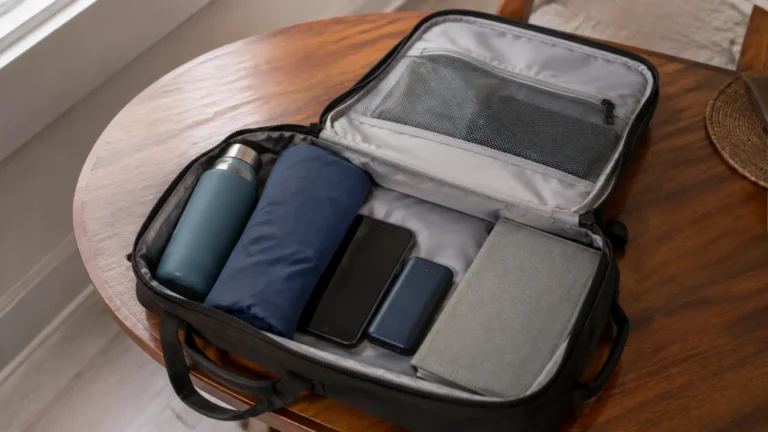
Separate food from documents and keep anything that might leak in suitable packaging. Leave enough room in the bag that staff can inspect an item without unpacking the whole contents.
My cruise packing tips help keep the carry-on manageable. Food should fit around medication, documents, and essential supplies, not displace them.
Choose snacks based on the people traveling and the expected wait. I would carry a small familiar option for a child with a limited appetite rather than several unfamiliar products chosen only because they pack neatly.
Taking food off the ship is a different question
Countries restrict food imports to protect agriculture and prevent pests or disease. The fact that food came from the ship’s buffet does not make it exempt.
I would not pack buffet fruit, meat, cheese, or sandwiches for a port day without explicit permission under the destination’s rules. Listen to the ship’s announcements and follow local signs.
Even a factory-sealed snack can be subject to restrictions or declaration requirements. Keep the packaging and check the actual destination rather than assuming all sealed food is universally allowed.
For a long excursion, plan a permitted lunch or ask the operator about food stops. If a medical or child-feeding need requires food ashore, resolve it with the line and relevant authorities before leaving the ship.
Returning to the United States with food
The USDA’s guidance for travelers arriving from another country requires declaration of agricultural and wildlife products. Officials determine whether an item meets entry requirements.
I would declare food purchases and keep receipts and original packaging. Do not assume a gift-shop label or unopened wrapper removes the need to declare.
Fresh produce is particularly restricted, including fruit supplied on an aircraft or cruise ship. Leave questionable buffet items behind instead of carrying them through disembarkation because they seemed like a convenient breakfast.
A declaration is a request for officials to assess the item, not a guarantee that you can keep it. I would budget for the possibility that a food souvenir cannot enter.
What I would leave at home
- Homemade meals and leftovers.
- Fresh food that depends on unconfirmed refrigeration.
- Large quantities with no clear personal need.
- Appliances needed to cook or reheat the food unless specifically approved.
- Products you cannot identify or explain from their packaging.
The forgotten cruise items checklist is a better place to spend your final packing attention once the essentials are covered. Extra groceries rarely solve as many problems as the documents, chargers, and medical supplies people overlook.
Can I bring protein bars or crackers?
They are common examples of shelf-stable packaged snacks, but the line’s packaging, ingredient, and quantity rules still apply. I would choose unopened commercial products and verify anything unusual.
Can I take a birthday cake?
Ask the line before buying it. An onboard cake order is usually the simpler plan when outside prepared food is restricted.
Can the crew heat my personal food?
Do not assume so. Check the line’s specific dietary and food-preparation rules before relying on that service.

The snack bag I would pack
I would bring a small amount of permitted shelf-stable food for a real first-day or dietary need, with labels intact. For meals, infant feeding, or medical nutrition, a confirmed arrangement with the line matters more than fitting more food into the suitcase.