Best Whale-Watching Cruises: Where and When to Go
The best whale-watching cruise is not necessarily the biggest ship sailing through famous whale country. It is the trip that matches the right species and season with enough time on deck, knowledgeable naturalists, responsible viewing rules, and a backup plan for the day wild animals ignore your itinerary.
Whale-watching cruise or regular cruise?
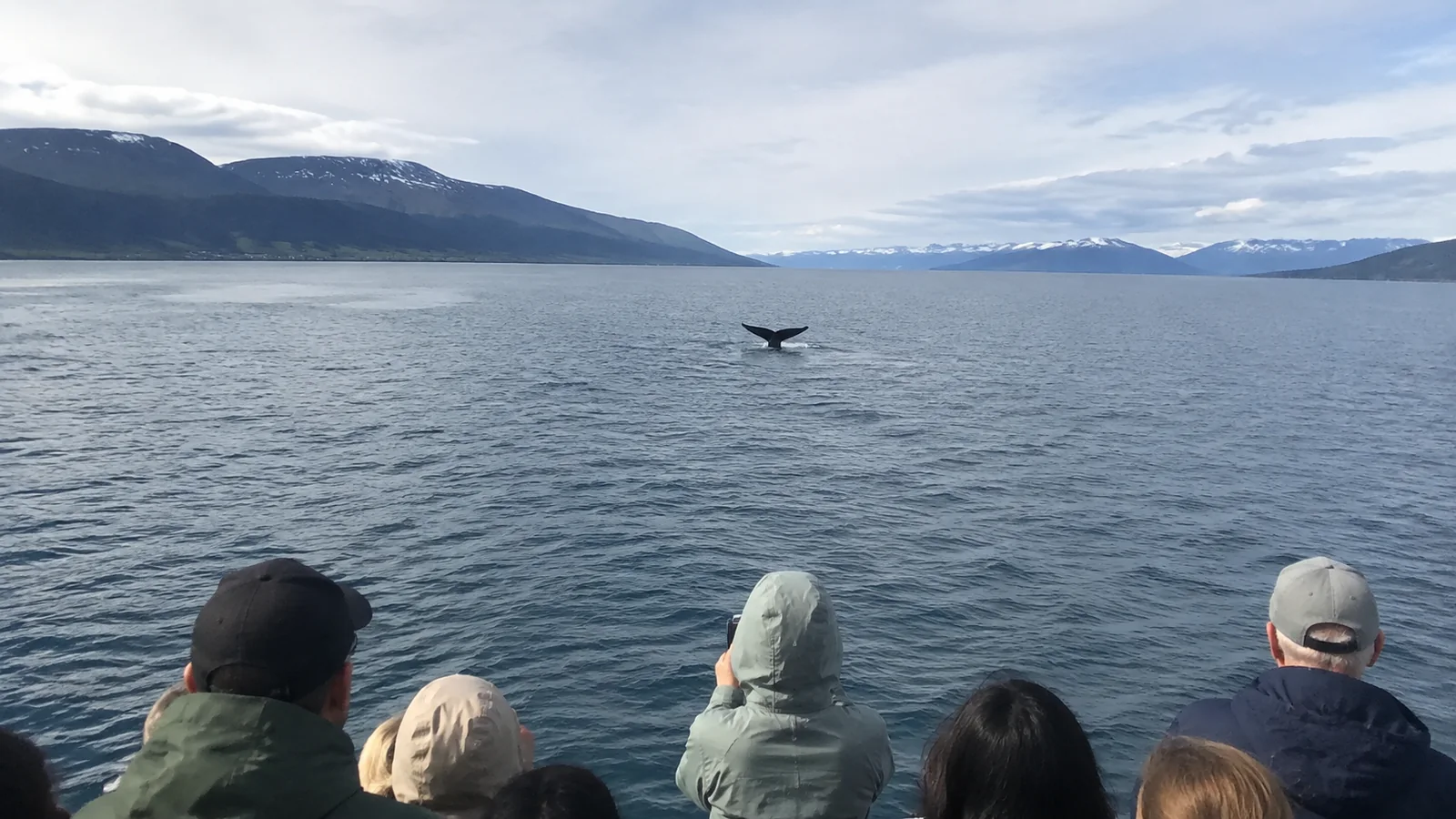
A dedicated whale watch usually lasts a few hours and uses a vessel designed to search locally. The captain can adjust direction and speed within regulations, while a naturalist interprets behavior and helps passengers spot blows, backs, fins, and flukes.
A mainstream ocean cruise follows a fixed itinerary and cannot chase whales. You may see animals from the ship, but the better plan is to choose ports with reputable local excursions and treat any balcony sighting as a fabulous bonus.
Small expedition ships sit between those models. They travel through wildlife-rich regions, carry guides, and may use smaller boats for closer observation, yet sightings remain dependent on weather, ice, permits, and the whales themselves.
The International Whaling Commission’s Whale Watching Handbook offers current country profiles, species information, and responsible-management guidance. It is a much stronger planning tool than one operator’s highlight reel.
1. Alaska: best whale watching on a classic cruise
Best general window: May through September, with strong humpback opportunities through the main summer cruise season.
Southeast Alaska combines reliable cruise infrastructure with summer feeding grounds for humpback whales and chances to see killer whales. Juneau, Icy Strait Point, Sitka, and sometimes Ketchikan offer dedicated excursions, while Glacier Bay and other scenic passages can produce shipboard sightings.
Choose an itinerary for port time, not simply the word “Alaska.” A six-hour call can become tight once docking, tendering, transportation, and the excursion’s check-in window are removed.
Smaller tour boats often provide a lower viewing angle and quicker maneuvering, while larger vessels can offer more shelter, restrooms, accessibility, and deck space. Ask about passenger capacity, indoor seating, naturalists, viewing decks, and the operator’s no-sighting policy.
My Alaska July weather guide explains why layers and rain protection belong in the day bag even during peak summer. Cold spray can make a supposedly mild afternoon feel impressively Alaskan.
2. Baja California Sur: best for gray-whale lagoons
Best general window: January through March, sometimes extending into early spring depending on the lagoon and year.
Gray whales migrate to protected lagoons along Mexico’s Baja California peninsula to mate, calve, and nurse. San Ignacio Lagoon, Laguna Ojo de Liebre, and Bahía Magdalena offer distinct access and logistics rather than one interchangeable “Baja whale cruise.”
These experiences often combine land transportation or expedition ships with locally regulated small-boat outings. A remote lodge package can deliver more lagoon time than a larger cruise with a single call, so compare hours in the viewing area instead of brochure length.
Whales may choose to approach a stopped local boat, but touching should never be promised or forced. Select an operator that follows lagoon permits, local guide requirements, capacity rules, and whale-led encounters.

3. Hawaii: best warm-weather humpback trip
Best general window: November through May, with abundance usually highest from January through March.
Humpback whales migrate to Hawaiian waters to mate, give birth, and care for calves. Maui, particularly the waters shared with neighboring islands, is a popular base for dedicated morning trips and excellent shore watching.
The Hawaiian Islands Humpback Whale National Marine Sanctuary confirms the general season, January-to-March peak, and a 100-yard vessel approach rule. A whale may surface closer on its own, but the boat should not manufacture that moment.
Hawaii inter-island cruises can create several chances, but a hotel-based Maui trip often provides more control over which weather day you sail. Book early in the vacation so a canceled outing can potentially move.
4. New England and Atlantic Canada: best summer city pairing
Best general window: Late spring through fall, varying by departure port and feeding conditions.
Massachusetts whale watches reach productive feeding areas from ports such as Boston, Gloucester, Provincetown, and Plymouth. Humpback, fin, and minke whales are common targets, while critically endangered North Atlantic right whales require exceptional space and protection.
Farther north, Bay of Fundy and Gulf of St. Lawrence trips can pair whales with Atlantic Canada scenery. Large fall foliage cruises arrive late in parts of the biological season, so verify whether local whale operators are still running on your exact port date.
Fog, wind, and open-water travel can cancel excursions even when the ship docks. Keep the whale tour as the priority excursion and let seafood, lighthouses, or a harbor walk become the backup.
5. Iceland: best mix of whales and a road trip
Best general window: Trips run in multiple seasons, with summer offering long daylight and broad itinerary choice.
Reykjavík, Húsavík, and Akureyri are major bases, with possible sightings including humpback and minke whales, white-beaked dolphins, harbor porpoises, and occasional blue whales or killer whales. Species and success vary meaningfully by bay and month.
An Iceland cruise can offer whale excursions in more than one port, but a land trip provides flexibility to move between operators. Choose by current sightings, sea conditions, boat design, and drive time rather than declaring one town the permanent whale capital of the universe.
6. Northern Norway: best for winter killer-whale expeditions
Best general window: Late fall into winter for killer-whale trips, with timing and location following herring movements.
Northern Norway can deliver dramatic killer-whale and humpback encounters amid cold, dark, mountainous scenery. The viewing area has shifted over time as prey distribution changes, so choose an operator based on the current departure base rather than an old Tromsø itinerary.
This is specialist travel with limited daylight, winter roads, freezing spray, and rapidly changing weather. A heated cabin, flotation suit, competent crew, and honest cancellation policy matter more than a sleek social-media reel.
7. Australia: best long coastal migration
Best general window: May through November for humpback migration, with direction and peak timing varying by coast and latitude.
Australia offers whale watching from Sydney, Hervey Bay, the Gold Coast, Western Australia, and many smaller ports. On the east coast, most humpbacks move north from June through August and south from September through November.
The Australian government’s eastern humpback migration overview stresses that timing can change with water temperature, prey, sea ice, and other conditions. Use it to choose direction and region, not just “Australia in winter.”
Hervey Bay is known as a stopover rather than a simple pass-by point, while Sydney makes a convenient city-and-sea combination. Land-based headlands can be excellent too, providing a weather backup without another ticket.
8. South Africa: best whale watching from land and sea
Best general window: June through November or December along the south coast, varying by species and location.
Southern right and humpback whales use South Africa’s southern waters seasonally, with Hermanus famous for close shore viewing. Cape Town, Gansbaai, and towns along the Garden Route can support boat trips or scenic land-based searches.
This is the rare destination where skipping the boat does not mean surrendering the experience. Cliff paths and viewpoints can be more comfortable for motion-sensitive travelers, while licensed marine trips add a different perspective when conditions cooperate.
9. Antarctica: best expedition-scale whale journey
Best general window: Austral summer, with stronger whale activity often later in the expedition season.
Antarctic Peninsula voyages may encounter humpback, minke, and killer whales among ice, seabirds, seals, and vast scenery. These are expensive multi-day expeditions where whales are part of a complete polar ecosystem, not a guaranteed daily show.
Later-summer voyages can offer more feeding activity, while earlier departures may deliver fresher snow and different ice conditions. Choose the ship for expedition staff, small-boat operations, passenger numbers, environmental standards, and actual time off the vessel.
Drake Passage conditions can be rough, and medical evacuation is complicated. Read insurance exclusions, disclose health needs, and treat seasickness planning as essential rather than pessimistic.
How to choose a responsible operator
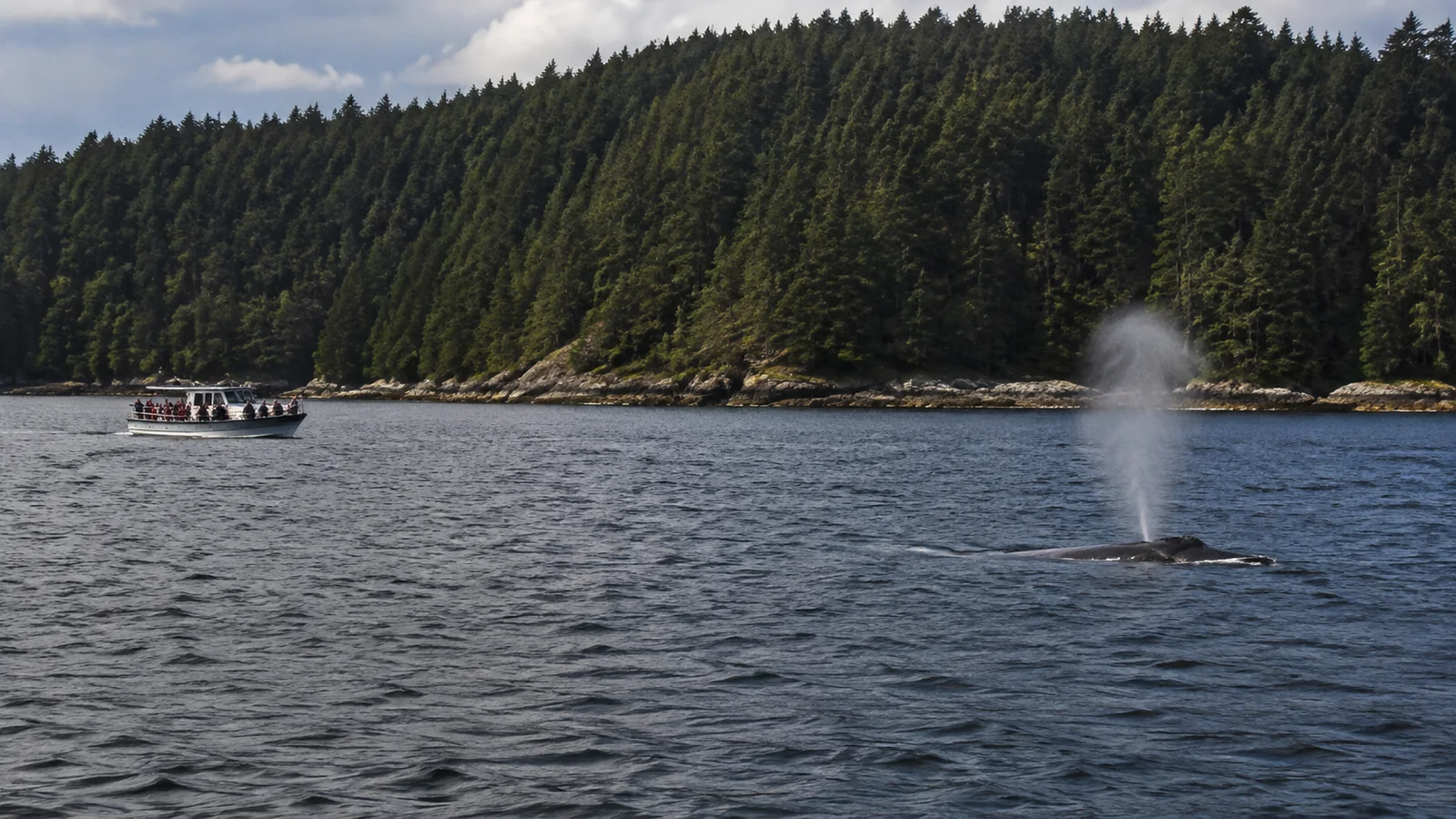
A good operator explains approach rules before anyone asks, slows near animals, limits viewing time, and avoids boxing whales between boats. Naturalists should teach behavior and conservation rather than shout only when a tail appears.
In the United States, NOAA’s current marine-life viewing guidance recommends at least 100 yards from whales unless stricter species rules apply. Federal rules require 500 yards from North Atlantic right whales and special distances for humpbacks and killer whales in named waters.
Whale SENSE recognizes participating operators in the U.S. Atlantic and Alaska regions that commit to training, education, stewardship, and responsible practices. Participation is useful evidence, though travelers should still read current reviews and ask direct questions.
- Does a trained naturalist sail on every departure?
- Which local approach rules and permits apply?
- How does the captain respond when many boats find one whale?
- Is the sighting guarantee a refund, a repeat trip, or nothing?
- What happens if weather cancels the cruise?
- Does the company contribute sightings or funds to research?
Small boat or large boat?
Rigid inflatable and other small boats can feel fast, close to the water, and thrilling, but often have limited toilets, shade, mobility support, and weather protection. They can also be physically jarring for travelers with back, neck, balance, or pregnancy concerns.
Larger catamarans and passenger boats usually provide indoor seating, restrooms, rail space, and a steadier platform. They carry more people, so the best view may require moving patiently between decks.
Ask about step height, ramps, wheelchair tie-downs, accessible toilets, seating, and the route from check-in to vessel. “Wheelchair friendly” is too vague when tides and floating docks can change the boarding angle.
What to pack for whale watching
- Warm layers and a waterproof outer shell
- Secure hat, gloves, and sunglasses for cold regions
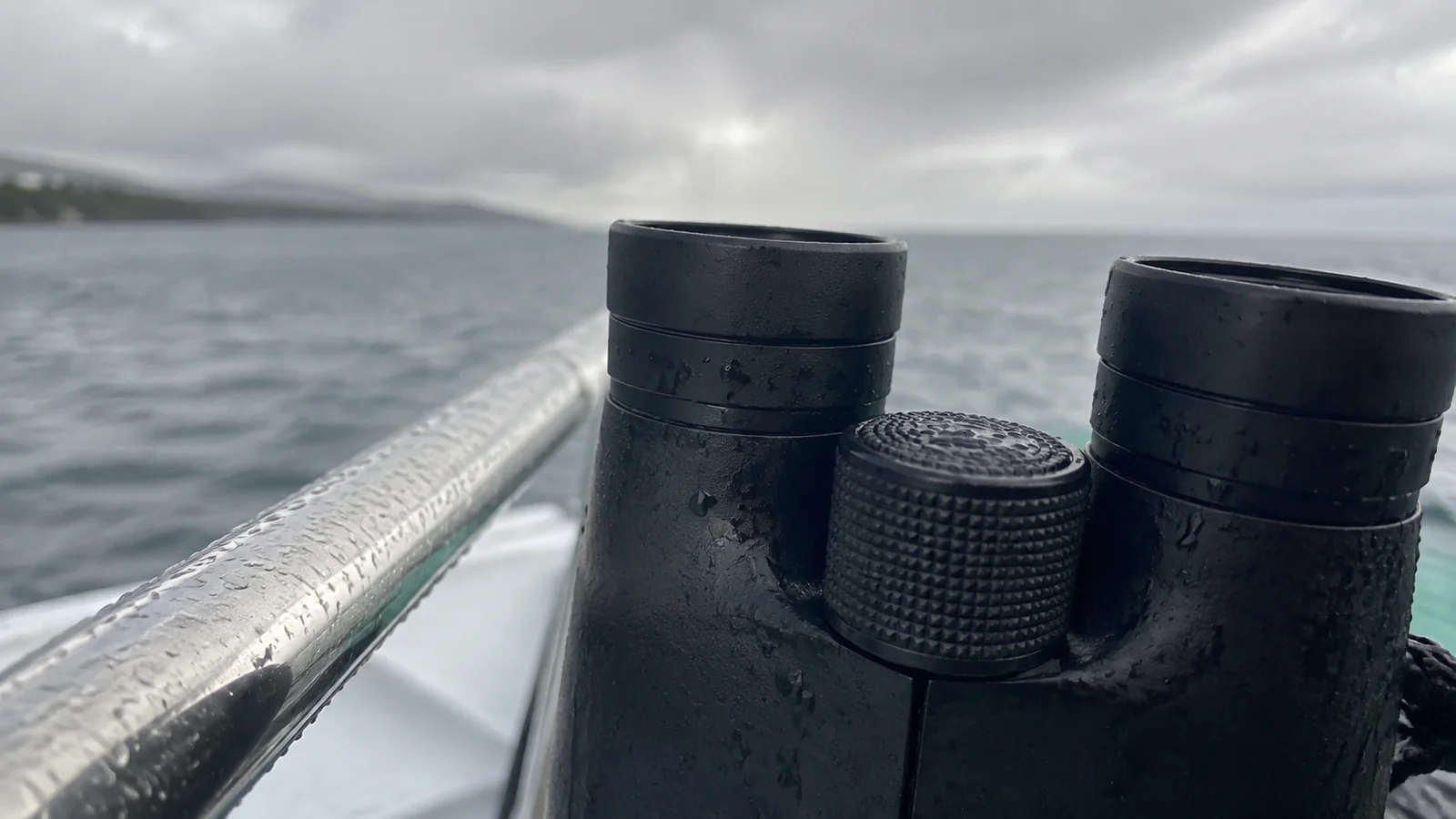
- Binoculars with a neck strap
- Camera with a secured strap and spare battery
- Reef-conscious sun protection for warm destinations
- Water and a light snack if the operator allows them
- Motion-sickness medication used as directed
Dress for the water, not the parking lot. Even Hawaii can feel windy offshore, while Alaska and New England can turn a sunny departure into a cold return.
Keep the camera ready but spend time watching without it. A blurry breach still happened, and experiencing it through your own eyes is much nicer than arguing with autofocus.
How to reduce seasickness
Choose the largest suitable vessel, sit near the middle, face forward, watch the horizon, and stay in fresh air when safe. Eat lightly, hydrate, avoid excess alcohol, and follow a clinician’s or medication label’s timing advice before departure.
Morning seas are often calmer in some destinations, but that is not universal. Ask the local operator about the forecast and reschedule instead of assuming determination can flatten waves.

Is a whale-watching cruise worth it?
Absolutely, when the trip would still be worthwhile without a breach beside the boat. Alaska is the easiest match with a conventional cruise, Baja is the gray-whale specialist, Hawaii adds warmth, and Antarctica delivers a full expedition ecosystem.
Use my cruise-timing framework to balance wildlife, weather, crowds, and cost, then compare regions in these best cruise destinations. Choose the responsible operator and right season, then let the whales decide the rest.