Upper vs Lower Cruise Decks: How I Would Choose
I would start with a middle passenger deck where cabins sit directly above and below the room. Then I would move lower for motion concerns or closer to particular venues when that would make the trip easier.
A high deck is not automatically an upgrade, and a low deck is not automatically a poor location.

The deck choice I would make first
- For sleep, prioritize the actual spaces above and below the room.
- For motion sensitivity, consider a lower cabin nearer the middle of the ship.
- For pool-focused days, look near the upper amenities without automatically choosing directly beneath them.
- For easier daily movement, choose the useful elevator bank and route before comparing deck numbers.
- For a view, inspect the exact window or balcony rather than assume higher always means clearer.
Those priorities can point to different decks on different ships. I would not carry a recommendation for Deck 7 or Deck 10 from one vessel to another without checking its layout.
Deck numbers are labels, not a universal quality ranking
Ships vary in the number of passenger decks and where they place accommodation. A deck considered high on a smaller ship can be nearer the middle of the passenger accommodation on a much larger one.
Some ships also skip particular deck numbers. That means the numerical difference between two labels may not equal the number of physical levels separating the rooms.
I would open the whole-ship deck overview first. Identify the lowest and highest guest accommodation, main public decks, and the actual sequence between them.
Royal Caribbean’s official deck-plan explanation shows why these maps are useful for room selection. My cruise floor-plan guide helps with the next step of comparing neighboring levels.
Lower and central is the direction I would investigate for motion
A room’s height and its position along the ship both affect the location comparison. I would not choose a very low cabin at the extreme bow and assume the lower number cancels out the end-of-ship position.
The CDC’s motion-sickness guidance recommends avoiding areas with maximum movement, including the bow, and discusses the benefit of a horizon reference. I would use that as part of a broader comfort plan rather than expect one cabin to prevent every symptom.
If I am sensitive to movement, I would compare lower central rooms before high forward or aft accommodation. The ship, sea conditions, and individual response still matter.
My seasickness guide covers preparation beyond choosing a deck. I would settle those arrangements before sailing instead of relying on a room-location promise that cannot be absolute.
The deck immediately beneath a pool deserves closer inspection
Being one short trip from the pool is convenient. It can also place the cabin beneath loungers, walking areas, cleaning activity, or other features of the open deck.
I would locate the particular room under the plan above it. A cabin beneath another stateroom or a quiet enclosed area is a different proposition from one directly under movable outdoor furniture.
Do not reject an entire deck just because a pool occupies part of the level above. Move outside the relevant footprint or compare one more cabin deck down.
For a light sleeper, I would usually prefer the room with cabins overhead when the fare is otherwise similar. For an early riser spending most days by the pool, proximity could reasonably matter more.
The same check applies to outdoor restaurants, buffets, sports areas, and fitness spaces. Their activities differ, so I would identify what happens above the bed rather than use a single warning for every public venue.
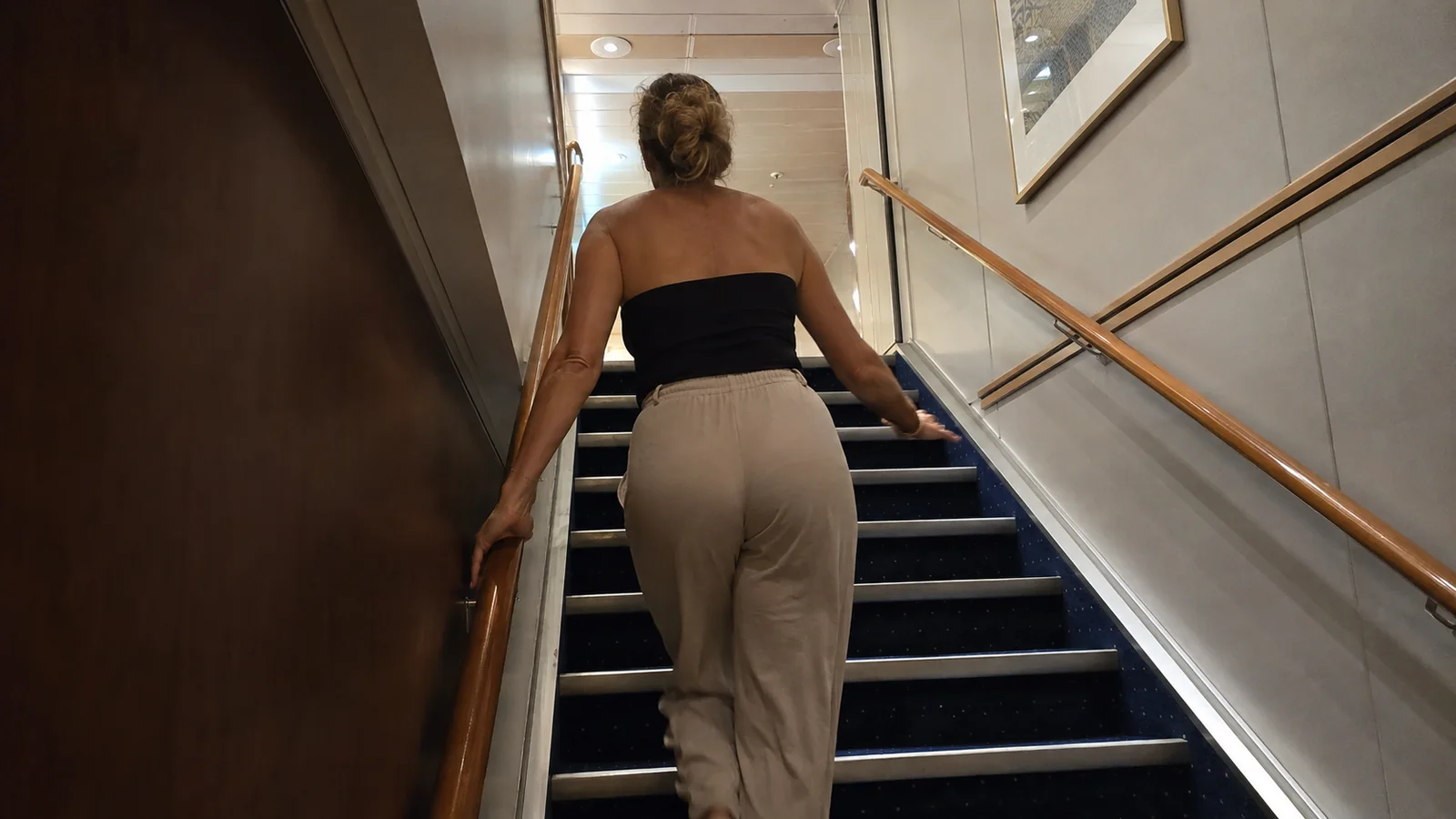
Lower rooms can sit beside busy public spaces too
Lower accommodation can be close to dining rooms, theaters, lounges, embarkation routes, or operational areas. That can make the room convenient while creating a reason to inspect its immediate neighbors.
I would not assume that a lower room is noisy simply because machinery exists somewhere beneath the passenger decks. Look for a specific relationship or consistent exact-room evidence before drawing that conclusion.
If a cabin sits directly above entertainment, check the venue’s footprint and the hours relevant to your bedtime. A public deck containing a theater at one end does not condemn cabins above the other end.
My cabin-location checklist helps separate these different concerns. The goal is a good room on a suitable deck, not winning an argument that high or low is always better.
Compare the daily routes you will actually use
Mark breakfast, dinner, the pool, theater, and any other place you expect to visit repeatedly. Then compare how each candidate deck connects to those destinations.
If most of your time will be spent around upper-deck pools, being closer can reduce repeated elevator trips. If your evenings revolve around lower-deck entertainment and dining, a lower or middle room may make more sense.
I would count journeys across an ordinary day rather than choose based on one dramatic feature. Returning for sunscreen, a sweater, a nap, or a forgotten item can make location more noticeable than the brochure suggests.
A middle deck can provide a useful compromise when your activities are spread throughout the ship. It may let you use stairs for some shorter trips while keeping longer elevator journeys manageable.
Do not assume every bank reaches every deck or that every public level offers a continuous route across the ship. Trace the actual path, including any required changes of elevator or direction.
Accessible routes matter more than a generic deck rule
For a traveler using a wheelchair or scooter, the best deck starts with suitable accommodation and a workable route. I would not trade those needs for a theoretical reduction in hallway noise.
Royal Caribbean’s accessible-cruising guidance notes that many accessible cabins are intentionally near elevators. That is a design benefit worth retaining when it supports your routine.
Ask which elevator bank serves your regular venues and what happens if your preferred route is temporarily unavailable. Compare the cabin’s actual distance from that bank rather than only the number of decks between activities.
I would also check doorways, bathroom layout, and equipment storage within the room. A convenient deck cannot compensate for accommodation that does not meet the traveler’s physical requirements.
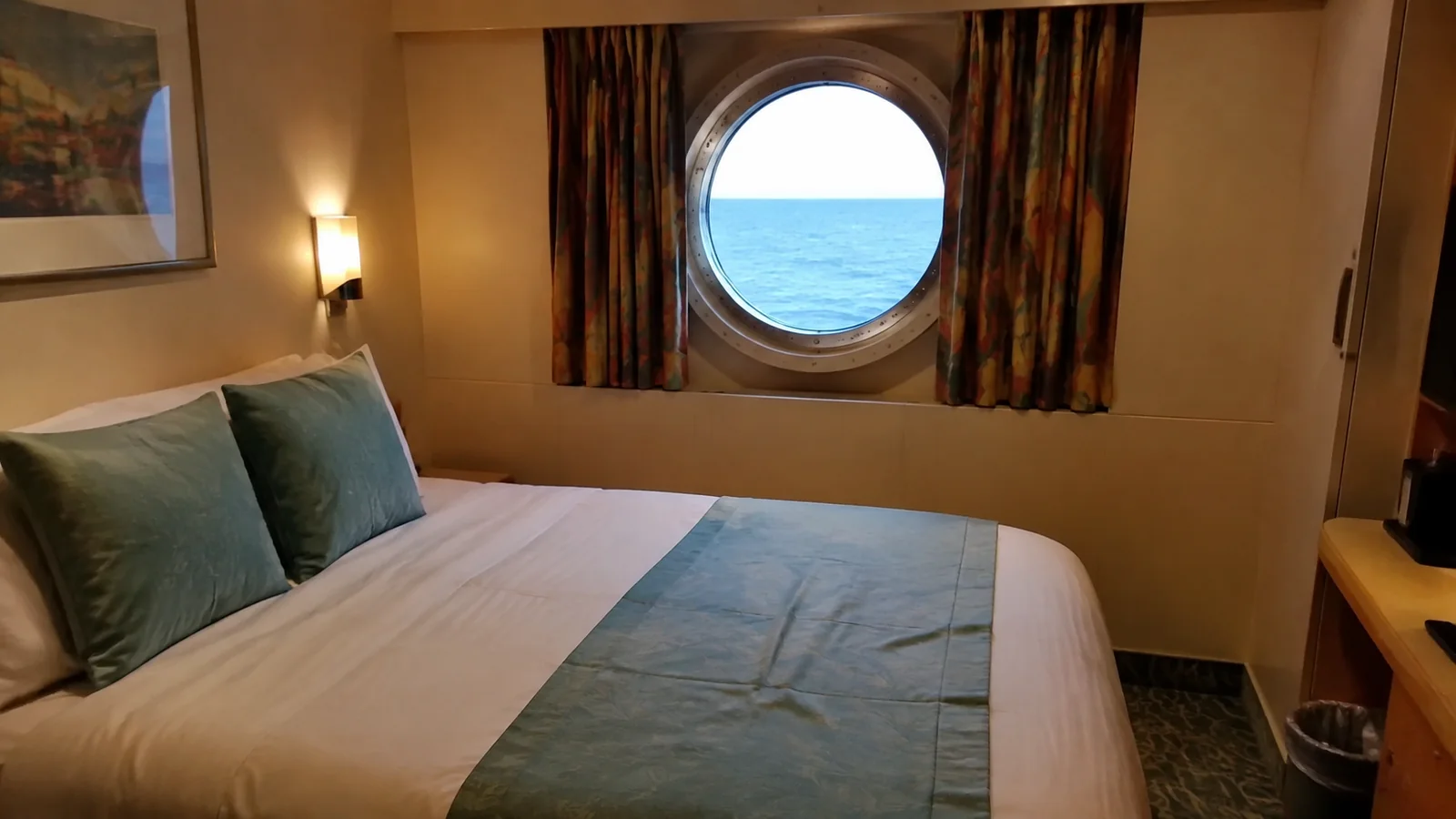
Port-heavy itineraries can favor a different location
A lower cabin may shorten the vertical journey to a gangway level, but the gangway used can vary with the port and operating conditions. I would not book a room on a promise of being beside the exit every day.
Instead, compare access to the likely elevator banks and the routes back from the main public areas. A practical location should work even when a particular port uses a different exit.
For an itinerary with frequent early excursions, I would prioritize a room where I can sleep well and prepare without difficulty. Saving a short walk is less valuable if the neighboring space repeatedly interrupts the night.
If sea days dominate, the balance may shift toward proximity to pools, lounges, or outdoor viewing areas. I would choose for the whole itinerary rather than a single embarkation morning.
Higher views can be appealing without being universally better
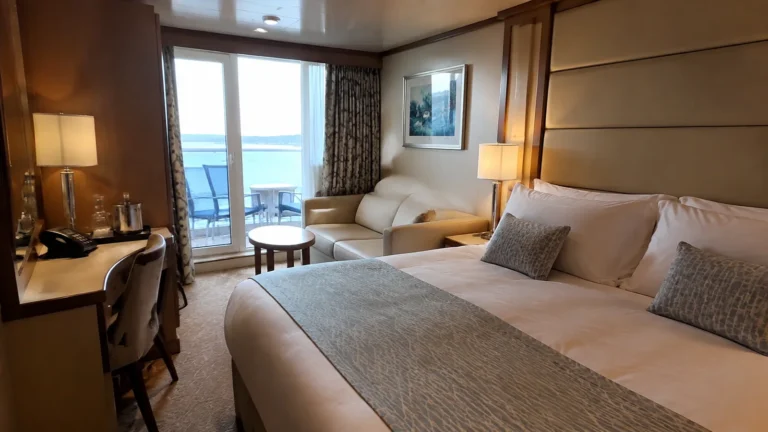
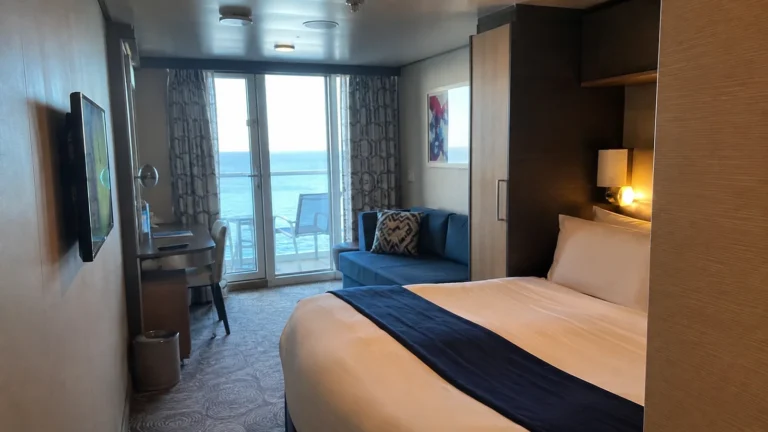
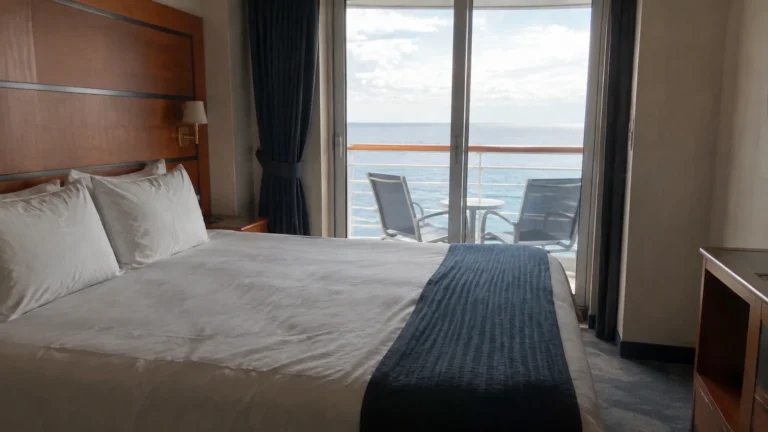
An elevated balcony gives a broad perspective over the surroundings. A low balcony can make the passing water feel closer, which some travelers prefer.
The actual obstruction matters more than height alone. Lifeboats, structural framing, deep overhangs, and nearby public decks can affect different parts of the view on different levels.
I would look at photographs from the supplied chair as well as from a standing position. A higher room with a solid railing may offer a less useful seated water view than another room lower down with different framing.
Shade is another separate consideration. A deep overhang can be welcome on a hot itinerary, while someone who wants open sky may prefer a more exposed balcony.
I would not promise consistent sunshine or wind based on deck height. The ship’s heading, weather, and the specific balcony structure all affect the experience.
Do not assume premium categories have better surroundings
Spa rooms, suites, and private-neighborhood accommodation may cluster on particular decks because of the facilities attached to them. That location can be valuable if you will use the included amenities.
It does not prove the room is the best choice for motion, quiet, or a short route to every venue. I would check the same neighboring spaces that I would inspect for a standard cabin.
A suite beneath a busy outdoor area can have an overhead concern despite its size and service level. A modest room on a middle accommodation deck may be better suited to an early sleeper.
I would pay for the actual benefit of the premium category, not assume its height guarantees a superior stay. If the feature I want is quiet, I would spend on a known location first.

Compare two rooms with a simple daily scenario
Imagine one room is two levels below the pool, with cabins above it, while another sits immediately beneath outdoor seating. If the first is only slightly farther from the elevator, I would probably choose it for a sleep-focused trip.
Now imagine the lower room is far from the elevator and that extra distance creates a daily mobility burden. I would investigate a different nearby option rather than follow the cabins-overhead rule at any cost.
The comparison changes again if the upper room is beneath accommodation rather than the pool itself. That is why the exact footprint resolves more than a blanket recommendation to move down.
I would write one practical reason for each candidate room: better sleep surroundings, shorter route, clearer view, or more suitable motion position. If the only reason is a higher deck number, I would question the premium.
How much would I pay to move decks?
For a hypothetical $105 whole-trip difference on a seven-night cruise, the premium is $15 per room per night. I would consider paying that to remove a specific overhead problem or meaningfully improve a daily route.
I would not automatically pay it just to move from a lower to a higher deck with otherwise comparable surroundings. The new number needs to buy something useful.
Compare the same category, guest count, and fare conditions when possible. If changing decks also changes the balcony design or included benefits, separate those differences before deciding which feature deserves the extra cost.
Five-minute deck check
- Locate the room within the ship’s actual passenger-deck range.
- Check the physical deck immediately above and below, including skipped numbers.
- Pair deck height with forward, midship, or aft position.
- Trace the routes to your most-used venues.
- Inspect the window or balcony’s actual view and cover.
- Pay a location premium only for a benefit you expect to notice.
Upper and lower deck questions
Is there one best deck number?
No, ship layouts differ too much for that shortcut. I would choose the room’s surroundings and route before attaching importance to the number.
Are lower rooms only for budget travelers?
No, lower accommodation can be a deliberate choice for location, motion considerations, or a closer-to-water perspective. Price and preference do not have to move in the same direction.
Should I avoid every room beneath the top deck?
No, inspect the exact space above it. A public area elsewhere on that level does not tell you what happens over your cabin.
Will a high balcony give me more privacy?
Not necessarily, because neighboring structures and sightlines determine privacy. I would check the actual balcony rather than assume height removes visibility from other rooms or public areas.
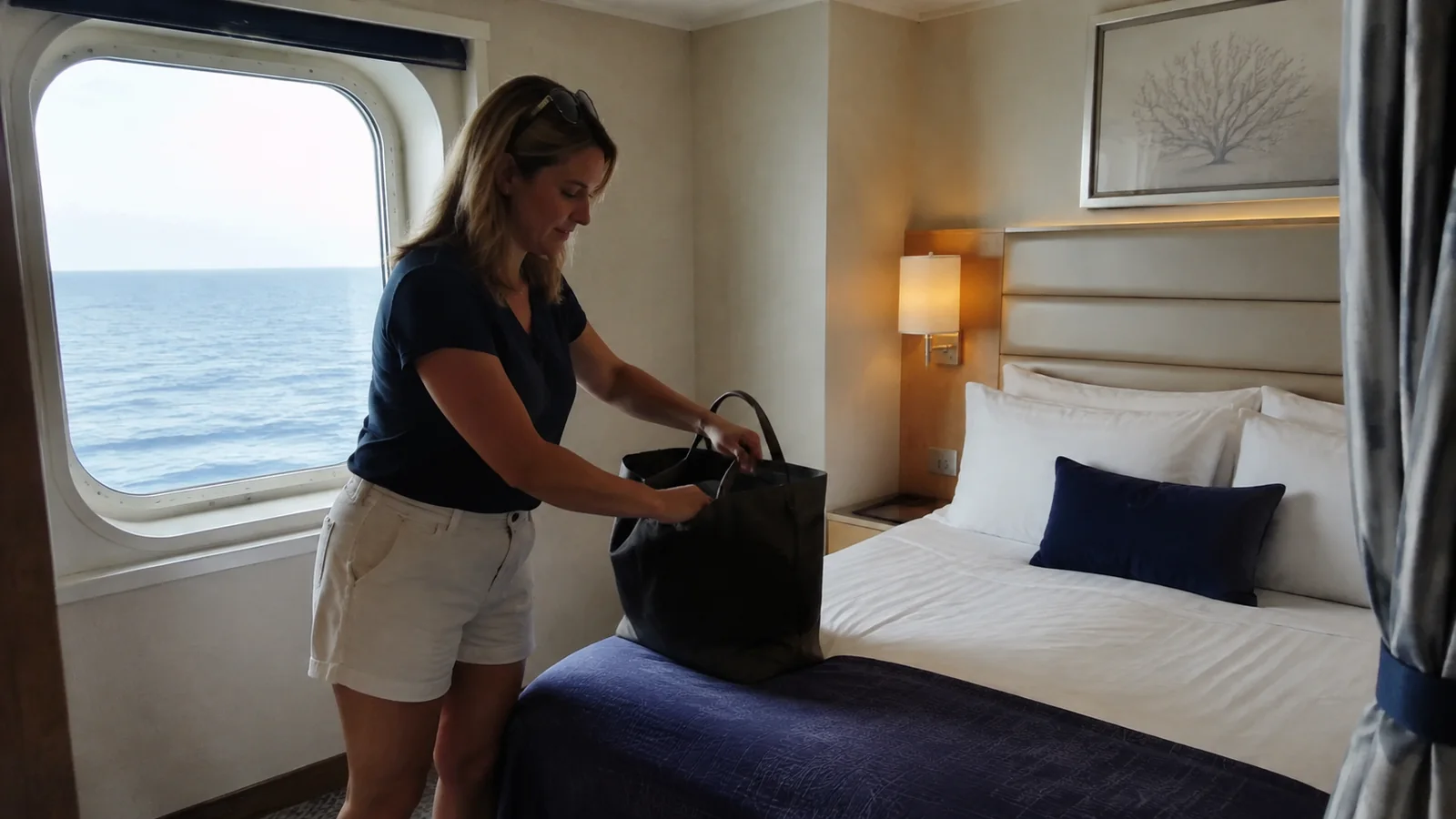
The deck I would book
I would start with a middle passenger deck, cabins above and below, and convenient access to the elevator bank I will use most. Then I would move lower, higher, forward, or aft only for a specific benefit that outweighs the new room’s tradeoffs.