Patagonia Road Trip: El Calafate, El Chaltén, and Torres del Paine
Glacier views and mountain trails are a very convincing reason to come to Patagonia, but I would leave room for warm meals and weather-enforced lazy mornings too.
I would give El Calafate, El Chaltén, Puerto Natales, and Torres del Paine at least ten days, keep the Argentina-Chile border day deliberately light, and let Patagonian wind have veto power over anything that seemed perfectly reasonable from home.
The Ten-Day Patagonia Route
- Day 1: arrive in El Calafate
- Day 2: Perito Moreno Glacier
- Day 3: El Calafate to El Chaltén
- Days 4 and 5: El Chaltén hiking and weather buffer
- Day 6: El Chaltén to El Calafate or a repositioning night
- Day 7: cross into Chile and stay in Puerto Natales
- Day 8: Puerto Natales to Torres del Paine
- Day 9: Torres del Paine
- Day 10: another park day or return toward Puerto Natales
This is not a grand tour of all Patagonia. It is a focused southern route through two of the most spectacular national-park landscapes in Argentina and Chile, with enough time for the border and weather to behave like the real-world variables they are.
If mountain road trips are your thing, my Canadian Rockies road trip has a similar stay-longer, drive-less philosophy. Patagonia feels more remote and makes flexibility even more important.
Day 1: Arrive in El Calafate
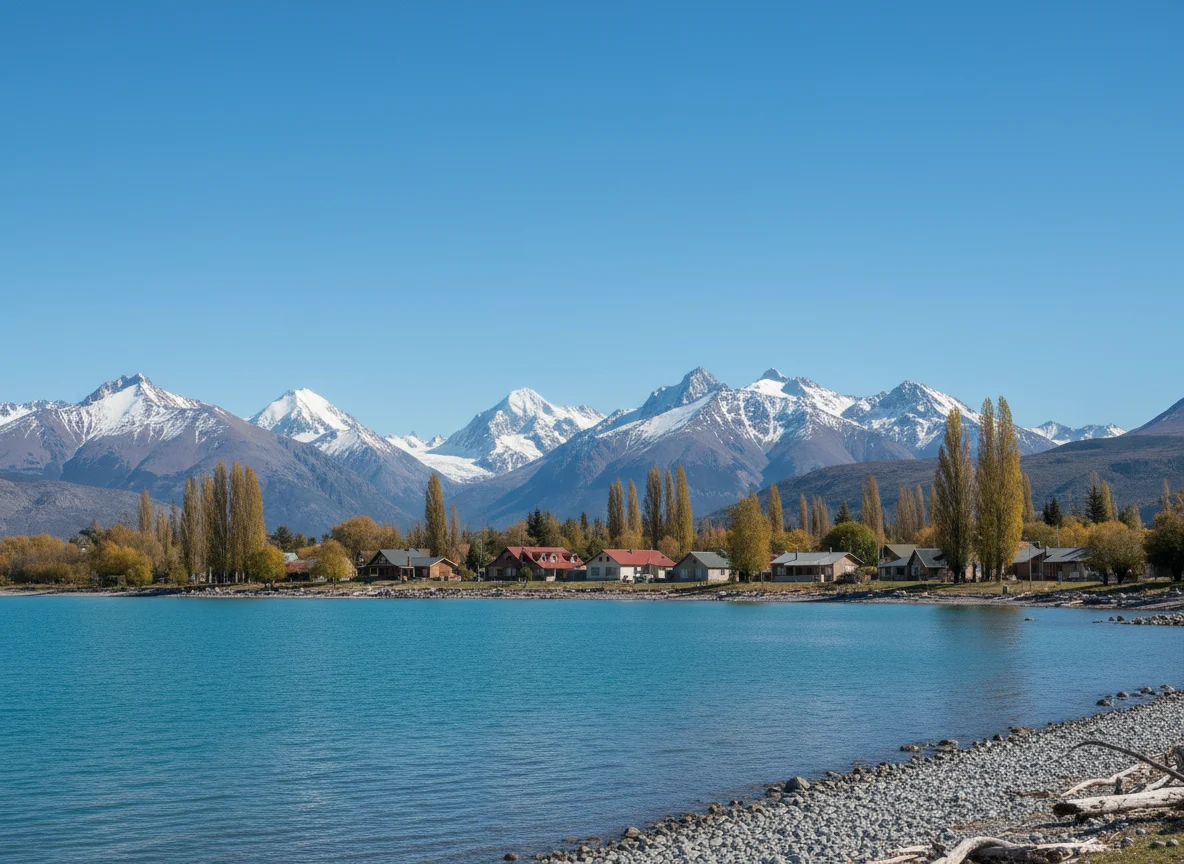
Use El Calafate as the practical beginning because it has the region’s main airport, rental-car services, restaurants, and easy access to the southern portion of Los Glaciares National Park. Do not plan a major glacier excursion immediately after a long international journey.
Get the boring logistics done
Confirm fuel, cash or payment options, park tickets, and your rental company’s cross-border paperwork before leaving town. Patagonia becomes much less charming when you discover an insurance or border document problem hundreds of miles from the counter.
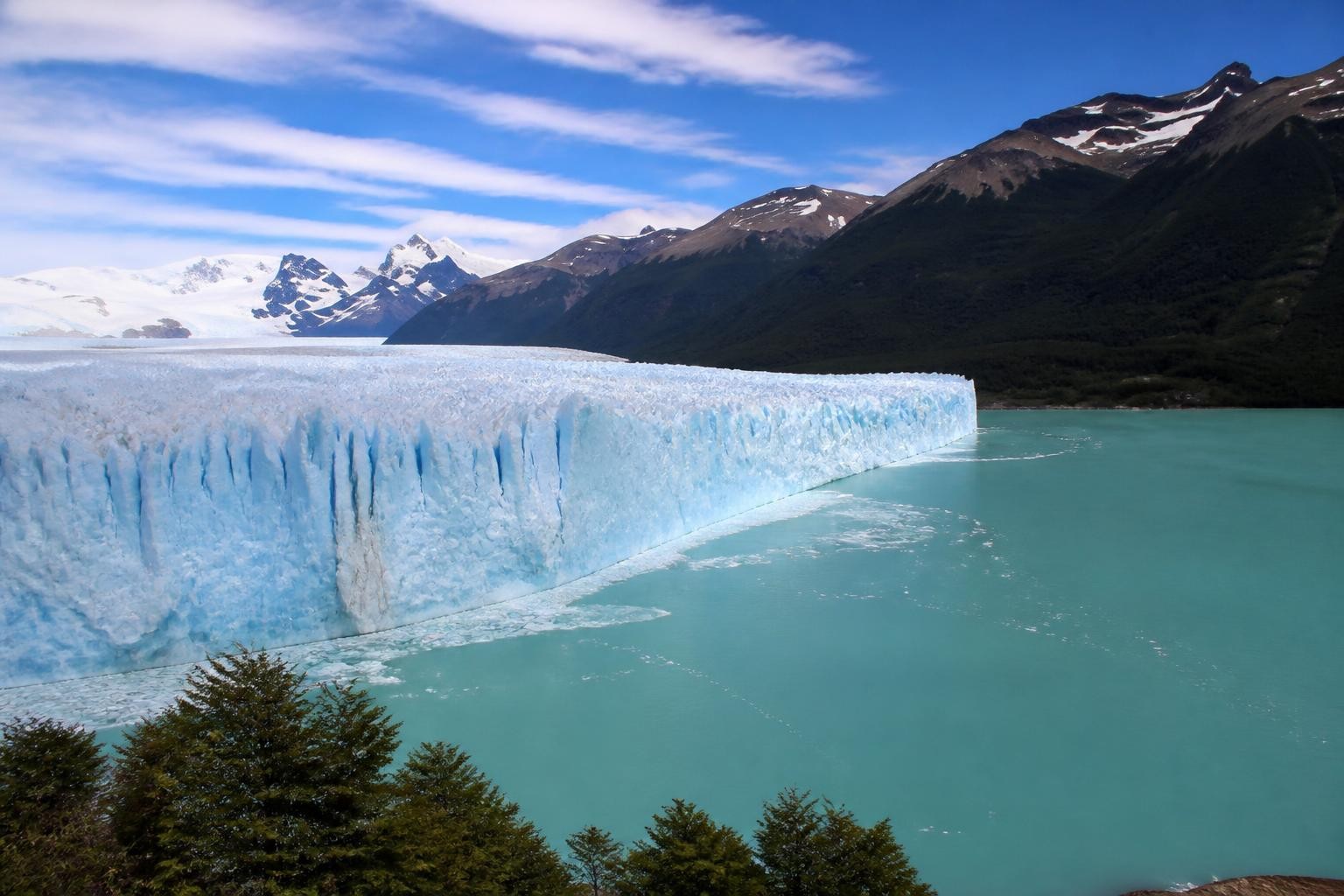
Day 2: Perito Moreno Glacier
Give Perito Moreno Glacier most of the day. The road from El Calafate reaches the glacier sector of Los Glaciares National Park, where a large network of boardwalks and viewpoints gives you different perspectives on the ice.
Buy the current park entry
Argentina’s National Parks Administration currently charges admission for Los Glaciares, with 2026 rates and multi-day passes available through its official national park ticket page. Prices change, so I would link to the live source rather than hard-code a peso amount into the trip budget.
Wear real walking shoes
The park specifically recommends trekking footwear for the glacier boardwalk system because the metal-grate surfaces, stairs, and changing weather can be slippery. Bring a warm and waterproof layer even when El Calafate looks sunny.
Ice trekking requires an authorized guide
Walking on the glacier is a specialized guided activity, not something to improvise from a viewpoint. Book with an authorized operator and make sure the physical requirements match your group.
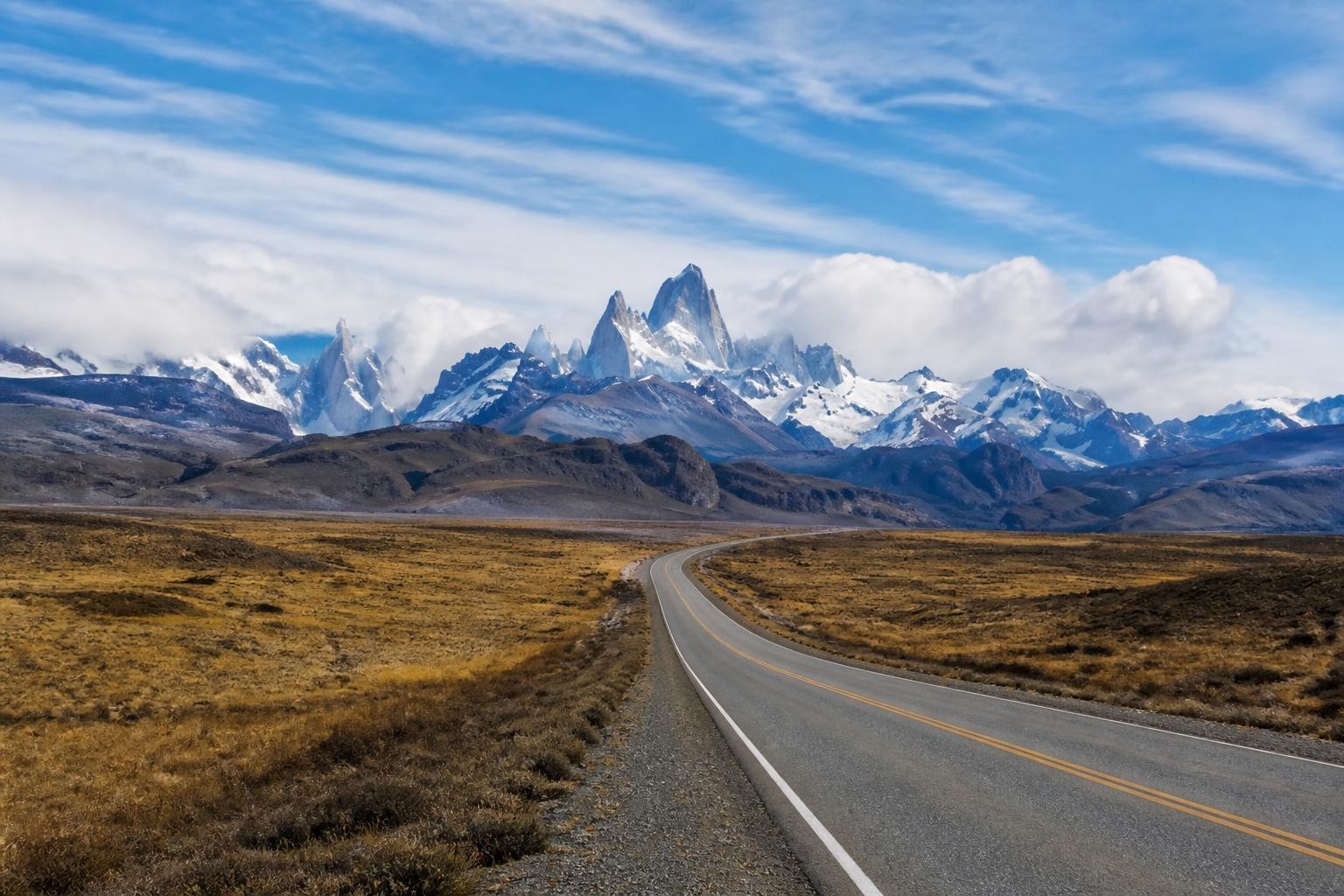
Day 3: El Calafate to El Chaltén
The drive north through open Patagonian steppe is one of the simplest major transfers on this route. Fill up before leaving and take the road slowly enough to handle wind and wildlife.
Stop legally for the Fitz Roy views
On clear days, the approach to El Chaltén can reveal the Fitz Roy massif long before you reach town. Use designated or genuinely safe pullouts instead of stopping unpredictably on the road because the mountains suddenly appear.
Stay at least three nights
El Chaltén is a hiking town, and mountain weather does not care which day you reserved for the famous trail. Three nights gives you two full days and a much better chance of matching your biggest hike with the best conditions.
Days 4 and 5: El Chaltén
Choose your hikes based on current trail conditions, wind, cloud cover, and your fitness. The north sector of Los Glaciares National Park surrounds the town, with park information available from the ranger center at the entrance to El Chaltén.
Use one day for the big hike
If Laguna de los Tres or another long route is your goal, make it the day with the best forecast rather than automatically day four. Start early, carry appropriate layers and food, and understand the elevation and distance before leaving town.
Keep the second day gentler
A shorter trail, viewpoint, waterfall, or slow town day can be every bit as useful. Patagonia is much more enjoyable when every leg of the itinerary does not require recovering from yesterday’s hike.
Argentina’s park service advises visitors to check trail and route status because conditions can change at any time of year. Its Los Glaciares recommendations also emphasize warm waterproof clothing and trekking footwear.
Day 6: Reposition for the Border
I would use today to return toward El Calafate or another sensible stop before crossing into Chile. Technically, you can build a very long El Chaltén-to-Puerto-Natales day, but I do not think an international border crossing improves when attached to hours of extra driving.
Confirm the rental car can cross countries
A rental car cannot simply cross from Argentina into Chile because your itinerary says so. The company must authorize international travel and provide the documentation and insurance required for the vehicle.
Arrange this when booking, not at the border booth. If your rental company does not permit the crossing, use separate rentals and bus transfers instead.
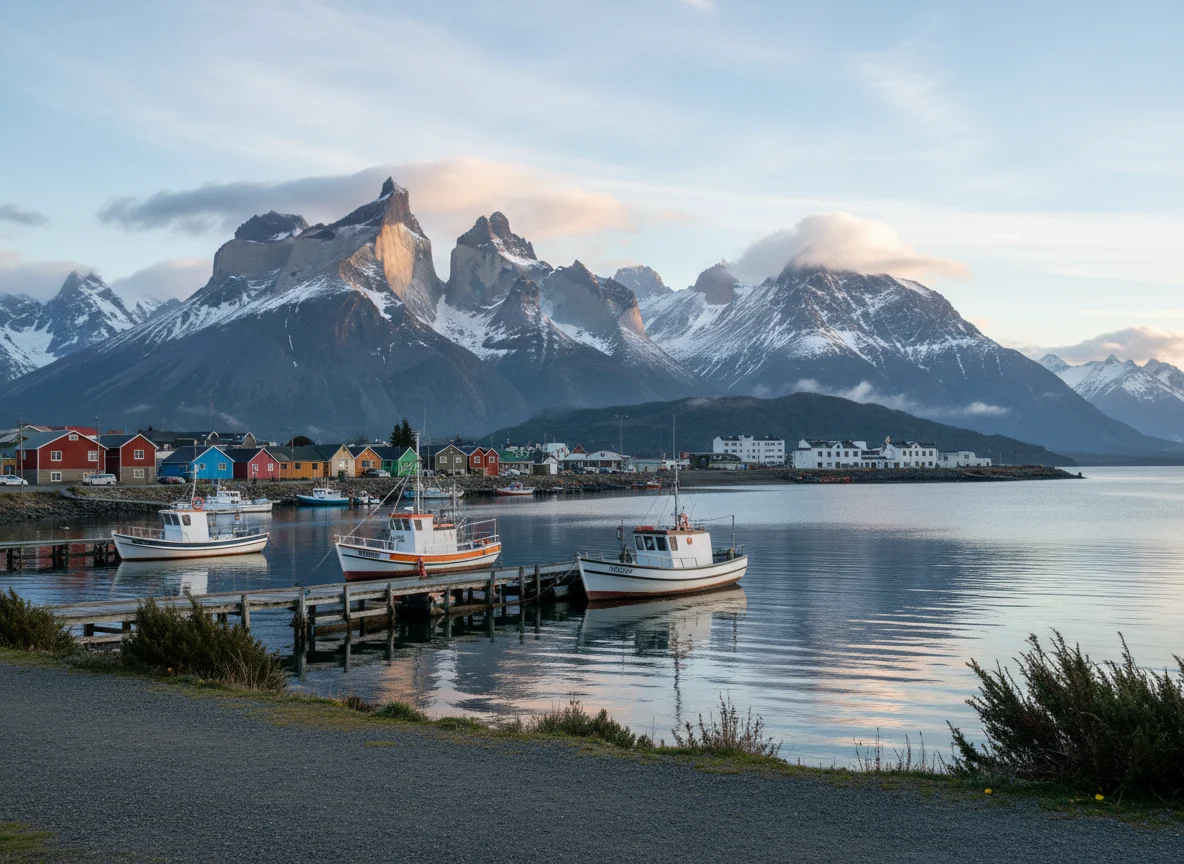
Day 7: Cross Into Chile and Reach Puerto Natales
The Río Don Guillermo border complex near Puerto Natales handles all types of vehicles, but operating hours and status can change. Check Chile’s official border-crossing service shortly before departure.
Do not carry restricted food casually across the border
Chile has strict agricultural controls, and fresh food, animal products, seeds, and plant material can require declaration or be prohibited. Read the current Chilean customs and agriculture rules before packing a picnic for border day.
Stay in Puerto Natales
Puerto Natales gives you fuel, restaurants, groceries, lodging, and the easiest place to organize the park portion. I would spend the night here instead of crossing the border and immediately pushing onward to Torres del Paine.
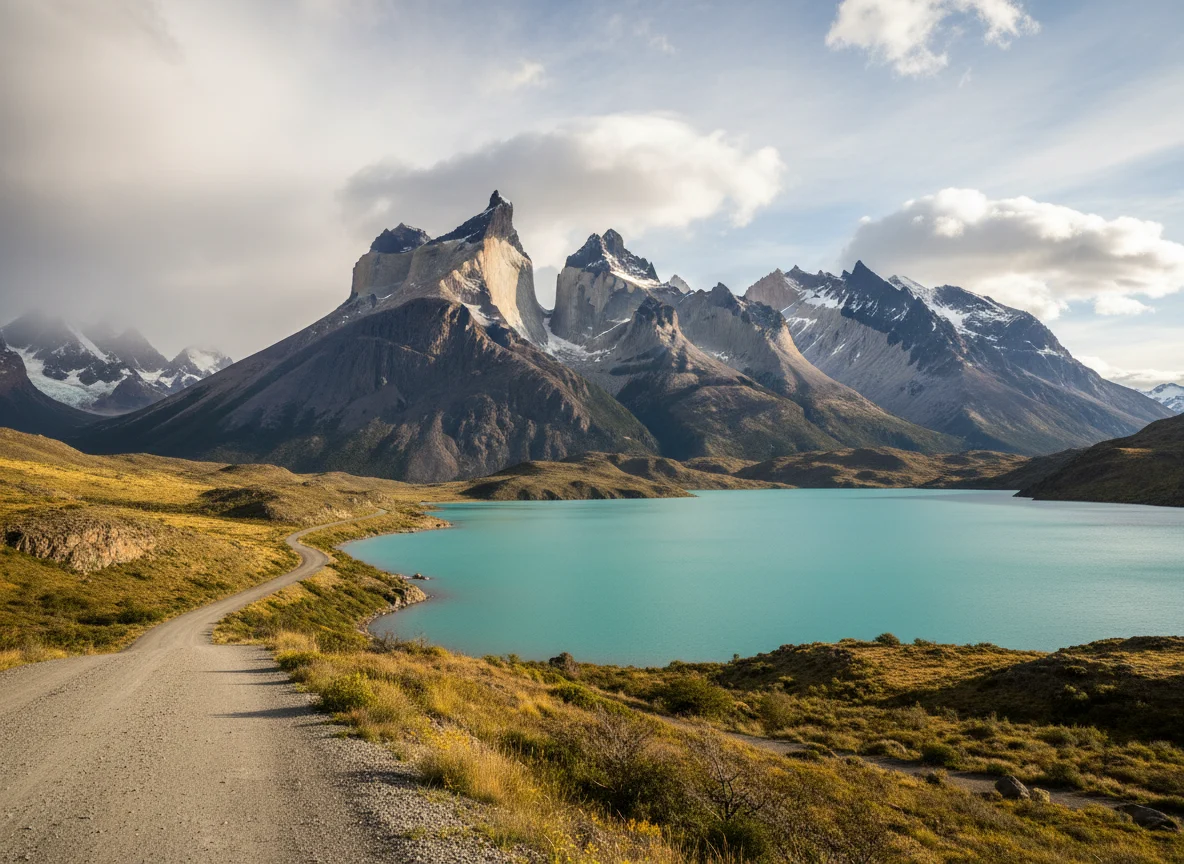
Day 8: Puerto Natales to Torres del Paine
Chile Travel currently describes Puerto Natales as the main land gateway to Torres del Paine, with private vehicles reaching the park via Route 9 and connecting roads. Some sections near the park are gravel, so slow down and protect the rental car.
Buy your park ticket before arriving
Chile Travel says visitors should arrive with park entry purchased in advance, and CONAF currently sells Torres del Paine tickets online. In May 2026, CONAF also changed the park’s tariff structure, which is another reason to check the live system instead of budgeting from an old blog post.
Choose lodging by what you want to do
Staying inside or immediately beside the park can be expensive, but it dramatically reduces driving on two full park days. Puerto Natales is cheaper and has more dining options, though using it as a daily base adds substantial road time.
Day 9: Torres del Paine
Give the park a complete day and choose one main activity. Scenic drives, shorter walks, lake viewpoints, wildlife, the Base Torres hike, and the famous multi-day circuits all require very different levels of effort.
Do not turn the W Trek into a casual add-on
The W and O circuits are multi-day trekking routes that require lodging or camping reservations and specific planning. Chile Travel currently notes that confirmed refugio or campsite reservations are mandatory when staying overnight on the trail system.
For a road trip, scenic day hikes are enough
If you are not backpacking, choose one trail and several viewpoints that work from your lodging. You can have an extraordinary Torres del Paine experience without carrying your life on your back for five days.
Respect Patagonian weather
Chile Travel warns that weather can change within minutes and storms can be strong enough to keep visitors at their accommodation. Pack a waterproof windproof shell and let park rangers, closures, and current conditions overrule the itinerary.
Day 10: Another Park Day
Use the final day for the part of Torres del Paine that yesterday’s weather did not allow, or make it a much gentler lake-and-viewpoint day after a long hike. This is exactly why I prefer two full park days to a one-day dash from Puerto Natales.
Leave time for the road back
Gravel, wind, wildlife, and photo stops can all slow the return. Do not plan an inflexible evening flight immediately after leaving the park.
Should You Drive the Entire Route in One Rental Car?
Only if the rental company explicitly permits Argentina-Chile crossings and supplies the required paperwork. Cross-border rentals can be more expensive and involve advance notice, which is worth it only when the convenience genuinely improves your trip.
Another perfectly good strategy is to use buses between El Calafate, El Chaltén, and Puerto Natales, then rent locally for whichever section benefits most. A road trip does not become less legitimate because you skip one tedious international rental-car problem.
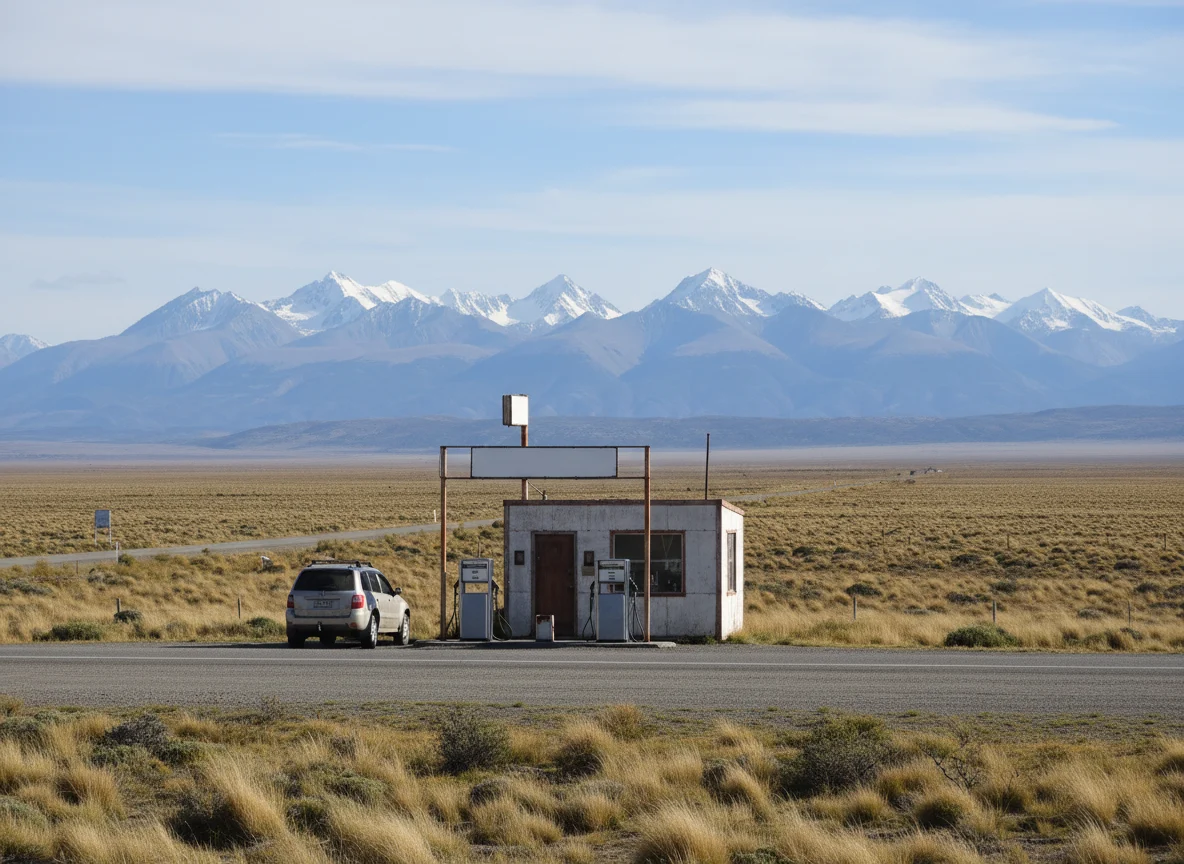
Gas Stations Are Not Everywhere
Start long driving days with a comfortable fuel margin and refill in major towns. Patagonia has long stretches of steppe and park road where “I’ll get gas at the next exit” is not a useful strategy.
Carry food, water, a car charger, and offline maps as well. Wind and road conditions can stretch a normal transfer far beyond the navigation estimate.
Best Time for This Patagonia Road Trip
December through February
Austral summer brings the longest daylight and broadest trekking access, along with strong winds and the largest crowds. Book distinctive lodging and park accommodation well ahead.
October, November, March, and April
Shoulder season can offer fewer visitors and beautiful conditions, but cold snaps and snow become more likely. Some services operate on reduced schedules.
Winter
This exact self-drive itinerary needs major changes in winter. Argentina’s park service notes that snow and ice can require studded tires or approved chains on park roads, while trail and service availability is much more limited.
What to Pack
- Waterproof windproof shell
- Warm insulating layers
- Trekking shoes or boots
- Sun protection
- Reusable water bottle
- Offline maps
- Car charger and power bank
- Food for long remote driving sections
My road trip tips cover normal car preparation. Patagonia is where I would care much more about fuel, wind, border paperwork, and waterproof layers than an elaborate trunk-organization system.
Keep the Car Gear Easy to Reach
My road trip packing list is useful for Patagonia because wind layers, food, water, and border documents should not disappear beneath the luggage. The more remote the driving day, the more I want the important things accessible without unloading the trunk.
My Favorite Patagonia Pace
The ten-day route uses nine nights: two in El Calafate, three in El Chaltén, one more in El Calafate before the border, one in Puerto Natales, and two near Torres del Paine. Add an eleventh day for a third park night rather than squeezing another stay into the ten-day itinerary.
Patagonia is not a place I would try to out-plan. Give the wind, clouds, trails, and border enough breathing room and the trip starts feeling adventurous instead of fragile.