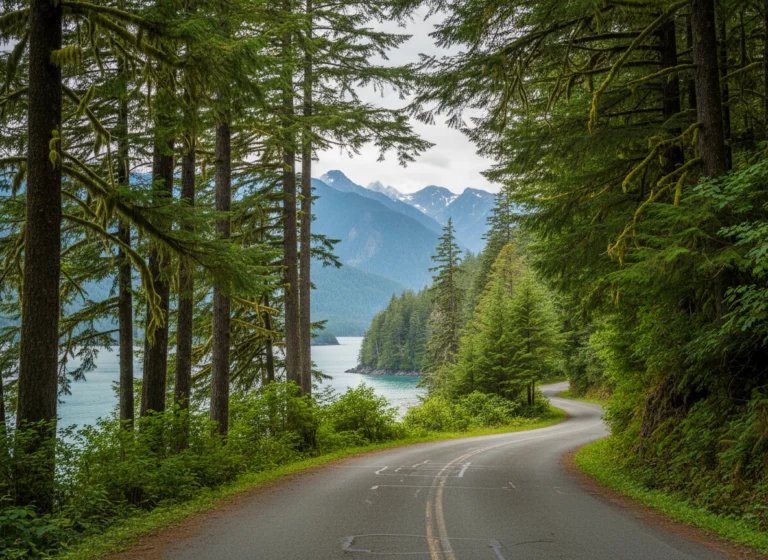
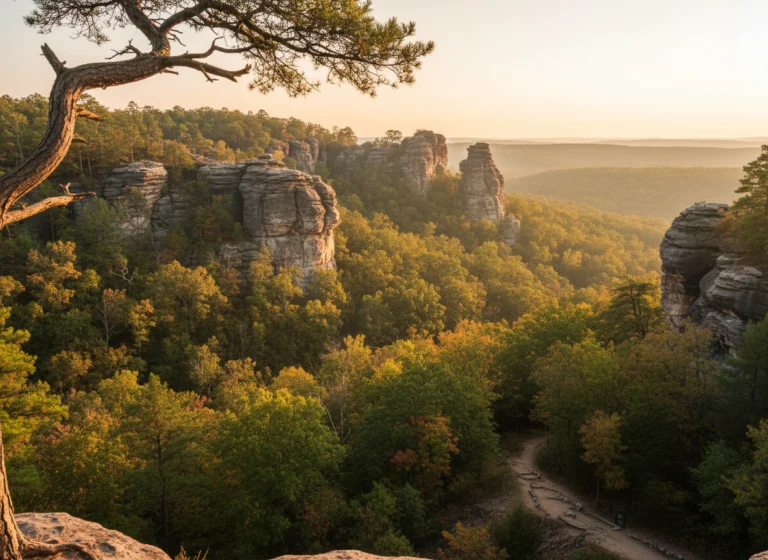
Wisconsin Fall Road Trips: Choose Your Route by Region
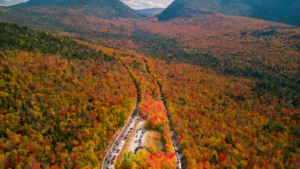
Wisconsin’s trees do not hold a meeting to choose one perfect fall weekend, which is inconvenient for calendars and wonderful for road trips.
Pick the region that fits your free days, leave room for a good lunch, and let the color help choose the smaller stops instead of making the whole vacation a leaf-chasing emergency.
Choose One Region, Not a Statewide Foliage Marathon
The Northwoods is my pick for forest-and-lake scenery, Door County for a mix of villages and shoreline, and the Great River Road for a linear bluff-country drive. Choose the Driftless Area for winding roads and small towns, or Lake Superior when you have enough time for a longer northern trip.
Start with the Wisconsin Fall Color Report, then check the date attached to the particular local report. A forecast and a recent observation are useful in different ways; neither is a guarantee that every road in a county will look identical.
My Wisconsin road trips guide covers the year-round regional choices. The fall versions below are self-contained plans, so you can choose a weekend without needing to assemble an itinerary from several other articles.
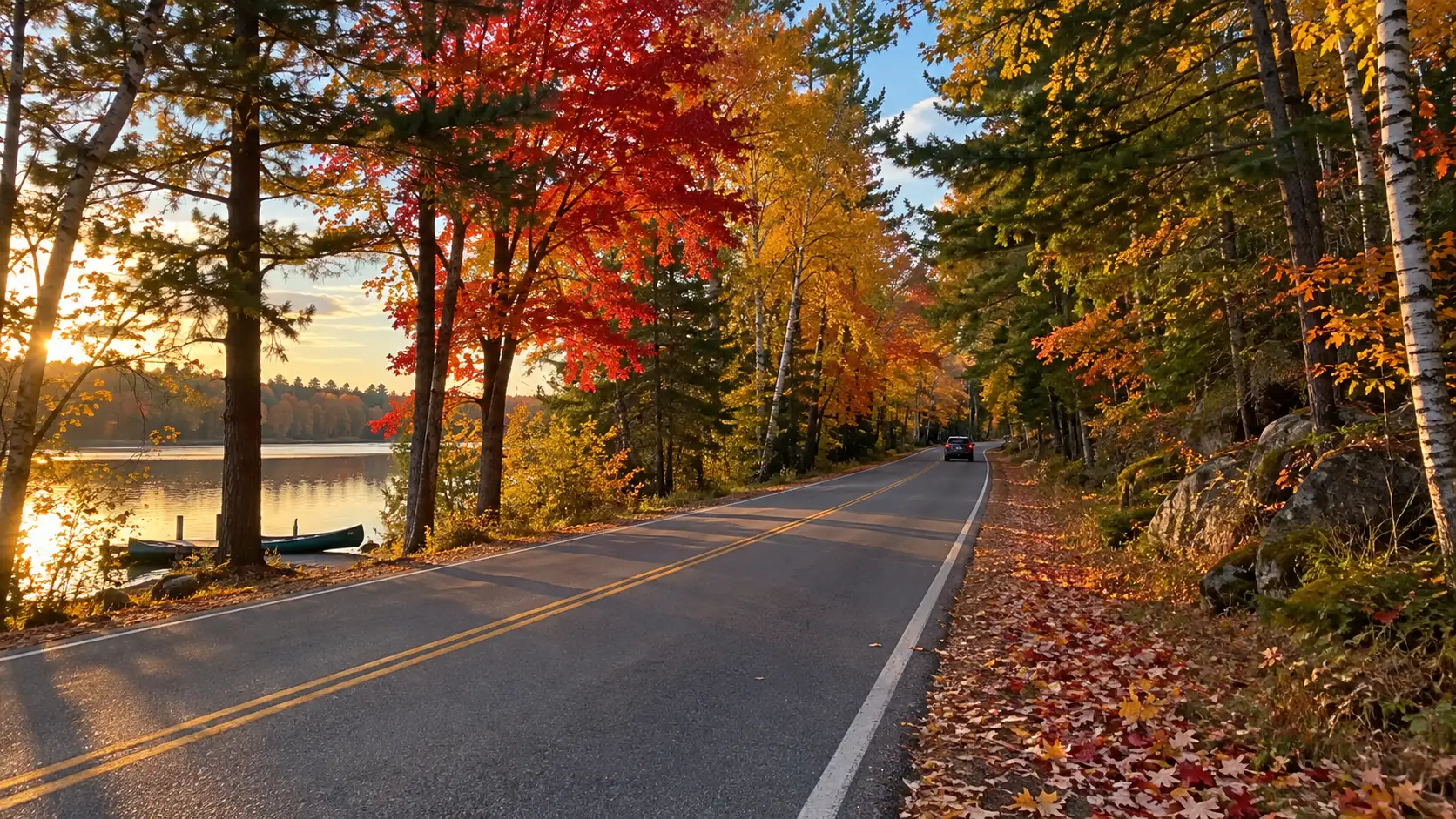
1. Northwoods: A Minocqua-Based Weekend
Use two nights in Minocqua and make a Saturday loop toward Trout Lake and Boulder Junction, returning to the same room. On Sunday, choose Eagle River before departure only when that direction fits your journey home; otherwise enjoy a short local walk and leave without adding a cross-region detour.
North Trout Trail is a useful named choice for a shorter forest-and-lake walk, followed by lunch in Boulder Junction. For a paved alternative, consider Tom Roberts Memorial Trail after checking its admission and pet restrictions rather than assuming every state forest path works the same way.
The state forest trail descriptions help you choose the actual outing. Select one short route and let the forest drive provide the rest of the scenery instead of spending the day relocating between trailheads.
Norwood Pines is a supper-club option for the evening, with a lake-and-pines setting that suits this region. Confirm its operating days and reserve when appropriate; dinner should be close enough to your base that nobody faces a long, unfamiliar road afterward.
This is the best choice for a group that likes a cabin or lakeside hotel as much as sightseeing. Add a third night for an Eagle River boat outing when operating, or simply for another relaxed day beside the water.
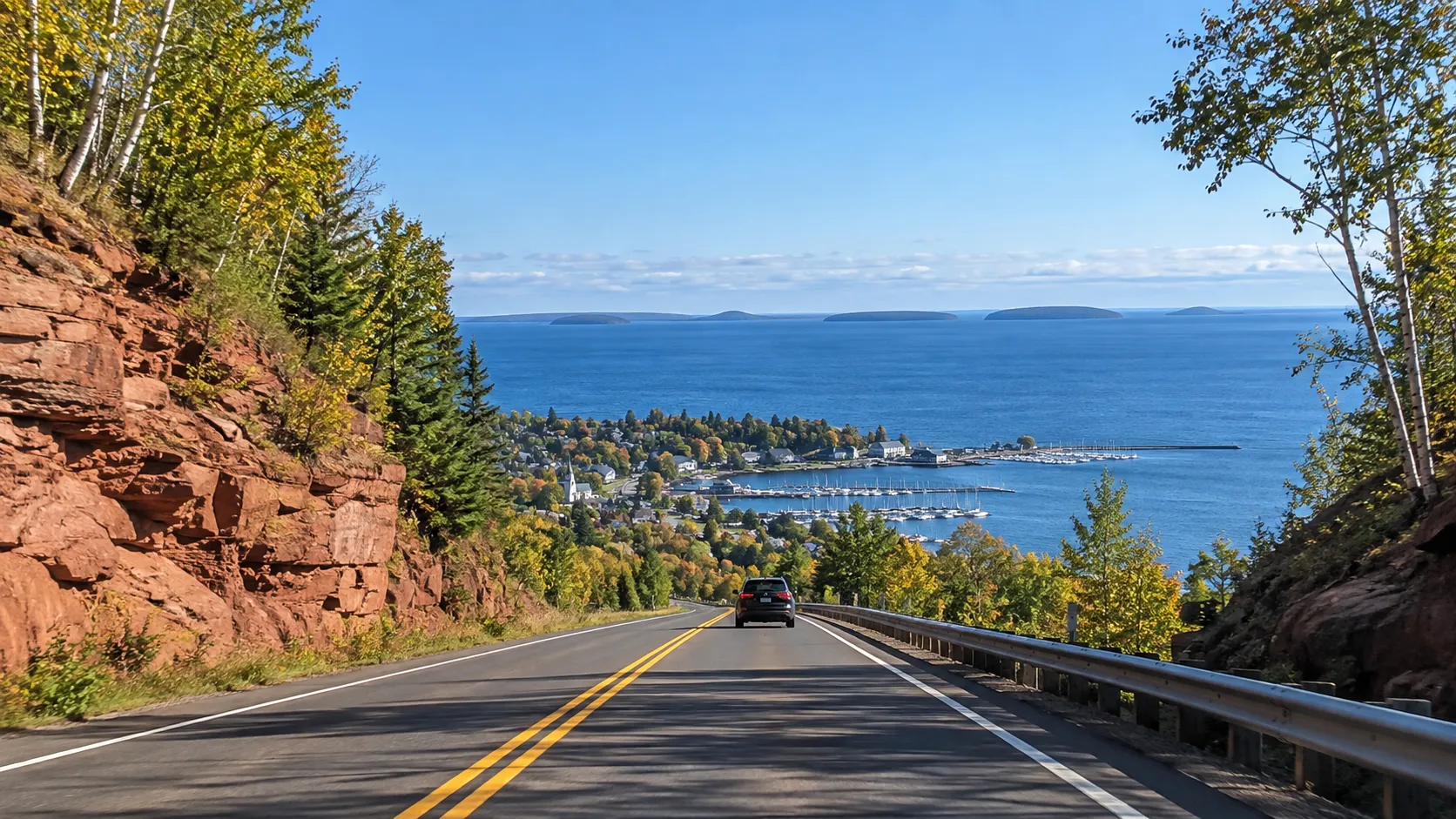
2. Lake Superior: Superior to Bayfield and Ashland
Give this route four days and three nights: one near Superior and two in Bayfield, finishing through Washburn and Ashland. From southern Wisconsin, a normal two-day weekend can become mostly arrival and departure driving, so choose a closer region when that is all the time available.
Start with Amnicon Falls or Pattison State Park, choosing one according to your arrival time. Follow the shoreline through Port Wing and Cornucopia the next day, then use Bayfield as the base for a full island, cruise, or mainland day.
Apostle Islands Cruises is the straightforward sightseeing choice when a suitable trip is operating, while a Madeline Island ferry visit is a different day with different transport needs. Fall sailing dates and weather matter, so book the actual product you want rather than assuming every summer departure continues through the foliage season.
Keep the mainland alternative appealing: Bayfield town time, a seasonal museum or gallery, and a meal at Manypenny Bistro can make a good day without a boat. Copper Falls is a worthwhile inland extension near the Ashland end, but it needs a real walking block rather than the last twenty minutes before your drive home.
The lake makes this route worthwhile even when the trees are not at their brightest. Choose it for the complete mix of water, waterfalls, and towns, not only because a foliage map has assigned one area a better color.
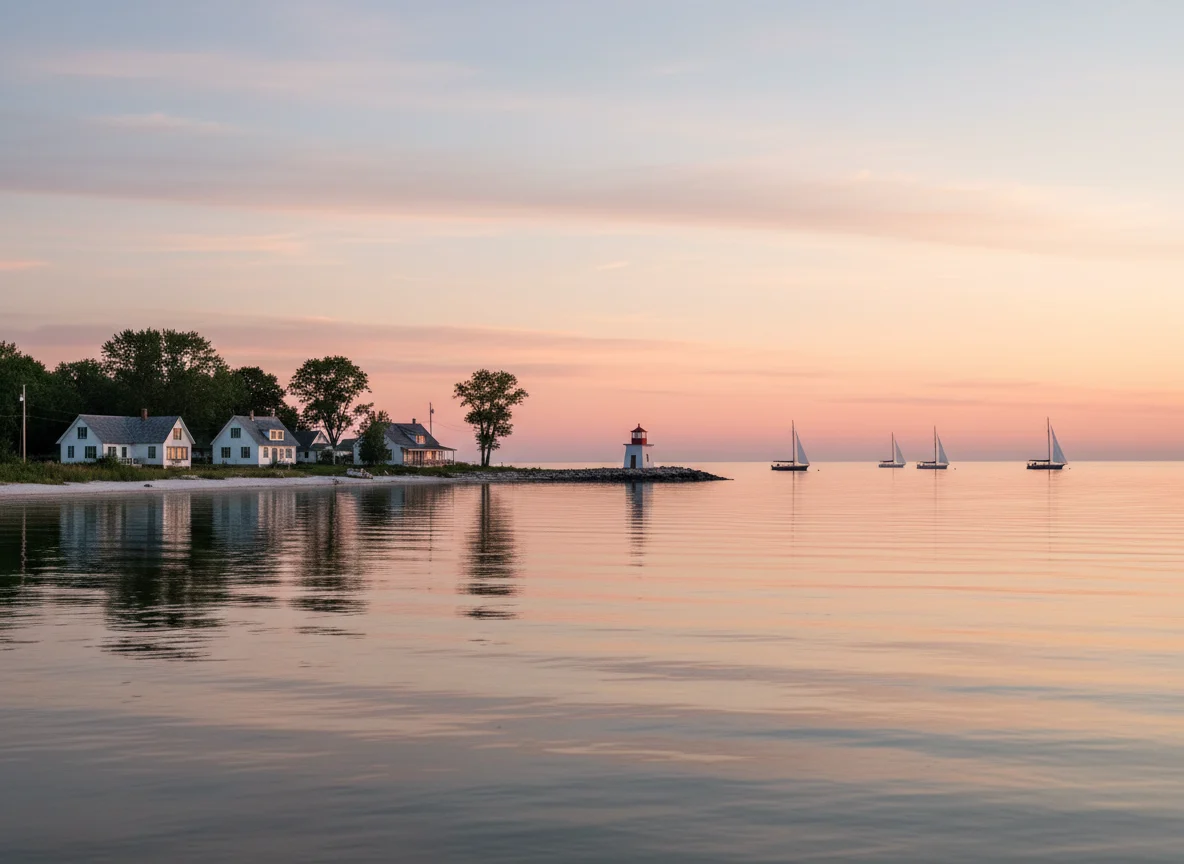
3. Door County: Two Sides of the Peninsula
For a three-day, two-night trip, choose a base around Fish Creek, Ephraim, or Sister Bay. Use the arrival day for one village, Saturday for Peninsula State Park and the Green Bay side, and Sunday for a Lake Michigan-side stop before traveling south.
The Door County Coastal Byway provides a useful framework for the peninsula roads. It is not an instruction to drive every branch in one day, especially when traffic and full parking lots slow the popular fall stretches.
Choose a shorter Peninsula State Park walk or a viewpoint visit as Saturday’s outdoor anchor, then leave time for Ephraim and Sister Bay. Treat a tower visit separately from a trail when mobility, pet rules, or wind conditions make a difference.
On Sunday, choose Cave Point for a short, cautious shoreline visit when conditions are safe, or a longer Whitefish Dunes outing instead. These are alternatives to balance against the trip home, not two automatic stops followed by every town you missed yesterday.
Door County suits mixed-interest groups because meals, shops, and villages provide alternatives when outdoor plans change. The shoreline remains part of the attraction even without perfect leaves, which is a much sturdier weekend plan than one built around a single famous road photograph.
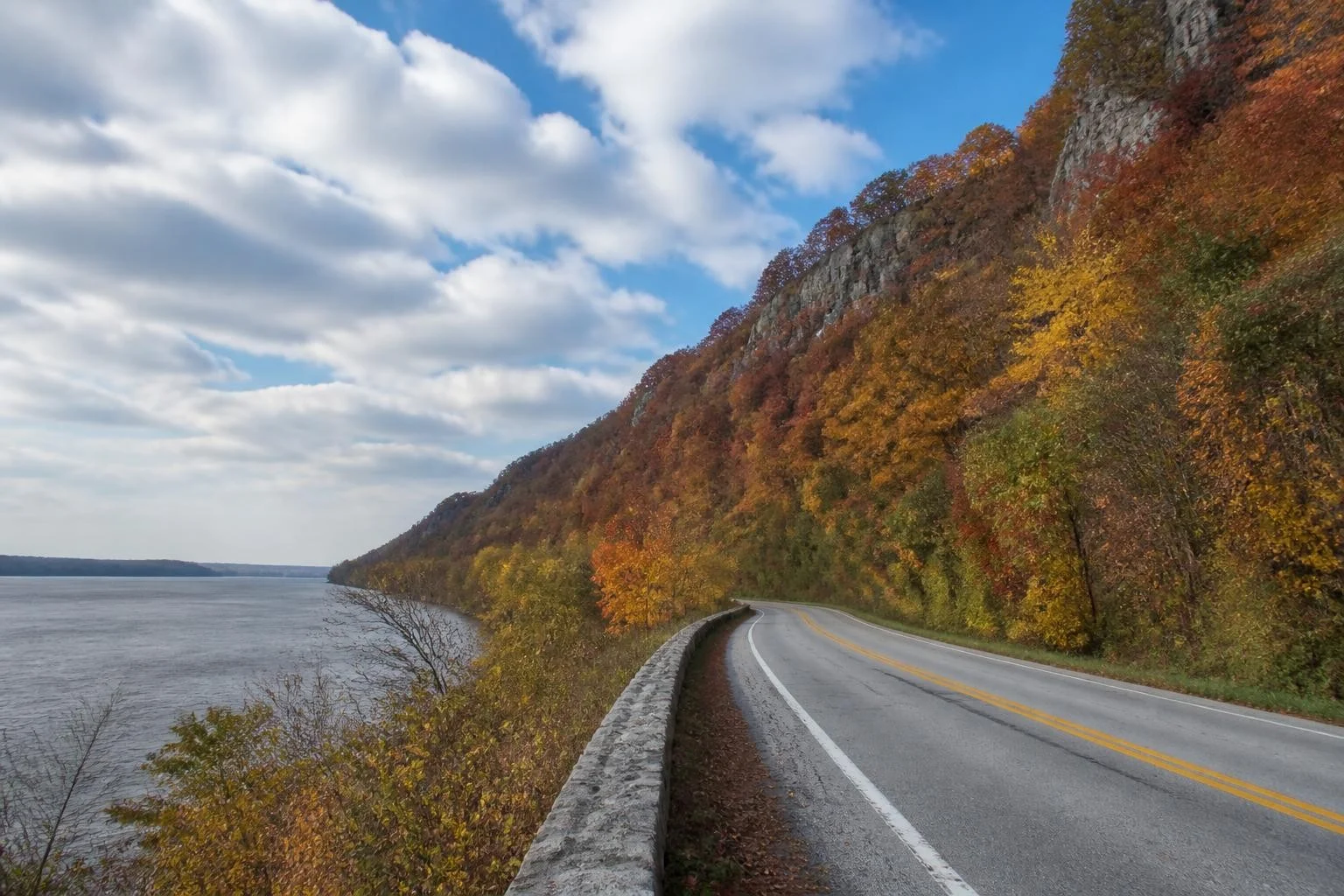
4. Great River Road: Lake Pepin to La Crosse
For a manageable weekend, choose the Lake Pepin-to-La Crosse section instead of claiming the whole Wisconsin byway. Spend one night near Pepin or Alma and another in La Crosse, then use the third day for the city and your onward drive.
Make Stockholm Pie the food stop, Buena Vista Park in Alma the shorter bluff-view stop, and Perrot State Park the substantial outdoor outing. That gives the trip a useful progression rather than several almost-identical riverfront walks.
At Perrot, Brady’s Bluff is the steeper choice, while a shorter Riverview Trail outing is better for someone who wants less climbing. Wet leaves and steps can change the difficulty, so choose from the actual map and current conditions instead of judging the walk by mileage alone.
Finish with Riverside Park or Grandad Bluff in La Crosse, depending on what you have already seen. The official river communities guide identifies the named stops and also shows the continuation toward Prairie du Chien and Grant County for a longer trip.
This is the route for travelers who enjoy a drive that keeps changing from water level to bluff country. Add another day for Wyalusing rather than assuming the southern extension is a tiny extra at the end of the weekend.
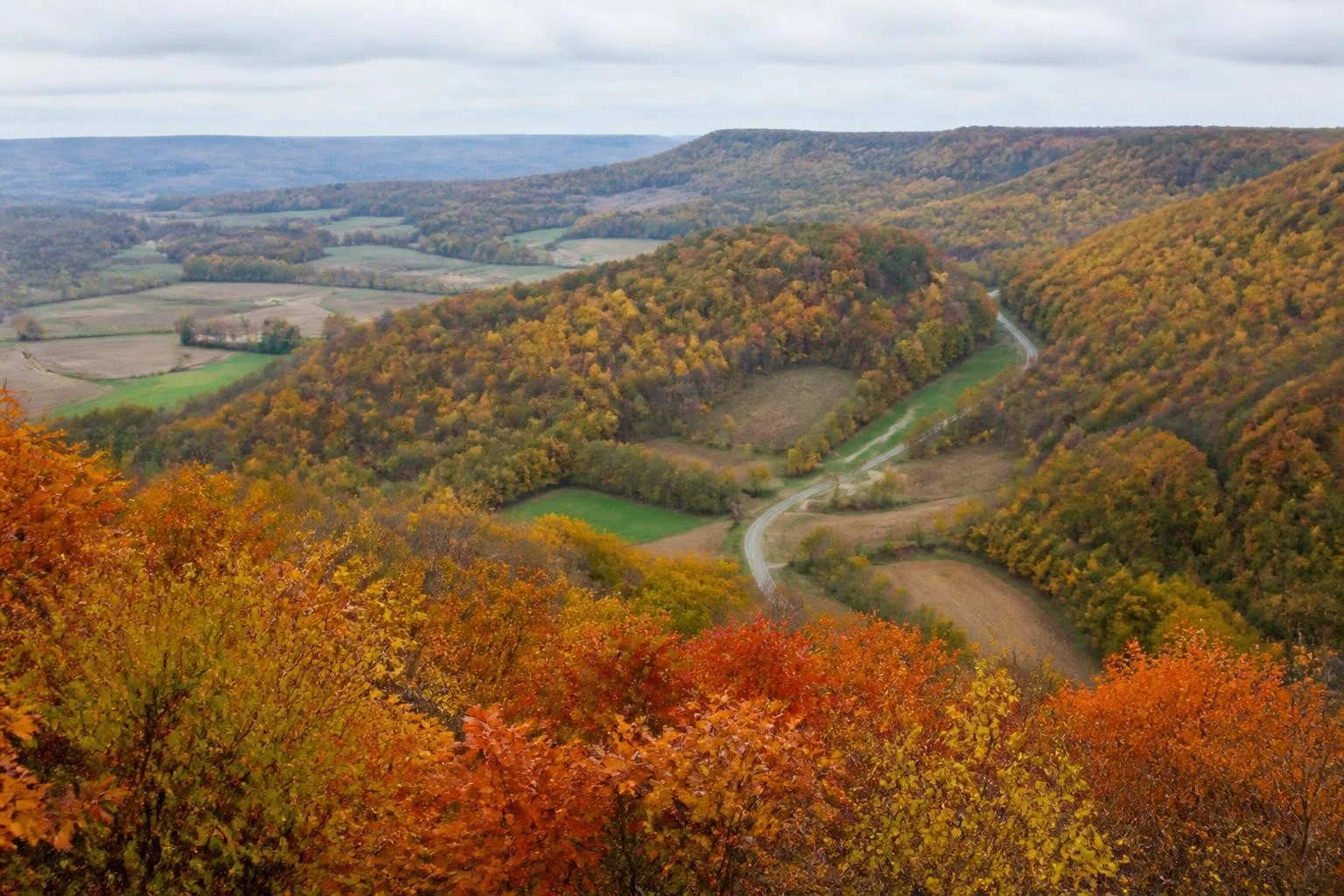
5. Driftless Wisconsin: Spring Green, Viroqua, and Mineral Point
For a Madison-based three-day loop, travel through Spring Green on day one and spend two nights in Viroqua. Use Saturday for the Kickapoo Valley area, then return through Mineral Point on Sunday as a deliberate scenic detour rather than the fastest route home.
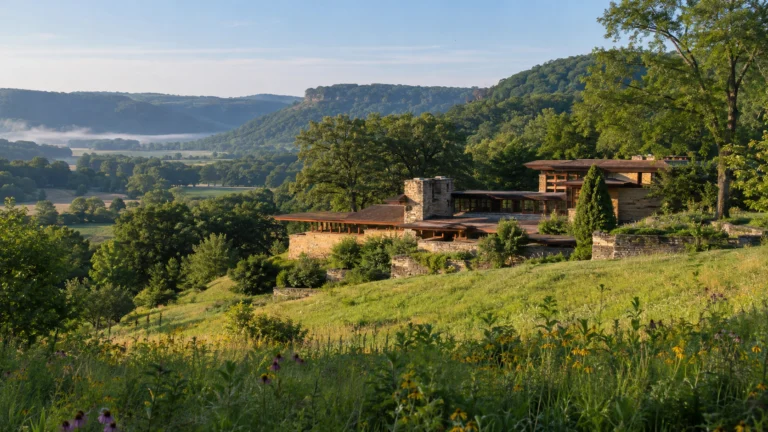
Spring Green is the architecture-and-town stop, while Viroqua makes the food-and-lodging base. Choose a booked Taliesin tour only when its duration fits the arrival day; otherwise enjoy the town and save the longer visit for a trip with more room.
On Saturday, build the day around a chosen public walk and the roads through the Kickapoo Valley rather than wandering onto farm lanes because they look picturesque. A farmstand or local market belongs in the plan when it is open to visitors, not simply because a map marks a farm.
Mineral Point provides the final change of pace with stone buildings, galleries, and a walk through the historic streets. My Spring Green guide adds detail at the beginning of the loop without sending you to an unpublished itinerary.
Choose the Driftless route when your group values a good small town and an interesting road as much as a famous viewpoint. It is particularly satisfying when you leave time for lunch instead of turning every county road into a shortcut.
How to Compare Driving, Lodging, and Weather
Keep the arrival and departure drives visible in your plan before comparing the five routes. A weekend based in Minocqua is not equally practical for someone starting in Madison and someone already staying nearby.
Once you choose a region, favor two nights in one base unless the route is naturally linear, as on the Great River Road. Check the actual driving legs before adding scenic side roads, and use a half-day block for a drive with several planned stops rather than just its fastest map time.
Compare a recent color report with the forecast and hotel availability, but do not abandon a good route over a small difference in a predicted percentage. A pleasant walk under clear skies can be more enjoyable than theoretically better leaves in driving rain.
A Few Details That Make the Weekend Better
Keep layers, a rain shell, shoes with traction, binoculars, and a small cooler in easy reach. My road trip packing list is a useful starting point, especially when warm afternoons turn into chilly evenings beside the water.
Leave rural scenic driving for daylight when possible and use legal pullouts rather than stopping in a lane for a photograph. Shorter days, wet leaves, fog, and wildlife are reasons to keep the final driving block modest.
If the forecast brings snow or freezing rain, switch from foliage planning to a road-safety decision. My winter driving tips cover the preparation, but postponing or shortening the trip may still be the better answer.
Build the weekend around scenery, food, and places you will enjoy even without perfect color. The trees can provide the surprise; your job is to leave enough room to notice it.