Cruise Packing List: A Practical Core Plus Trip Modules
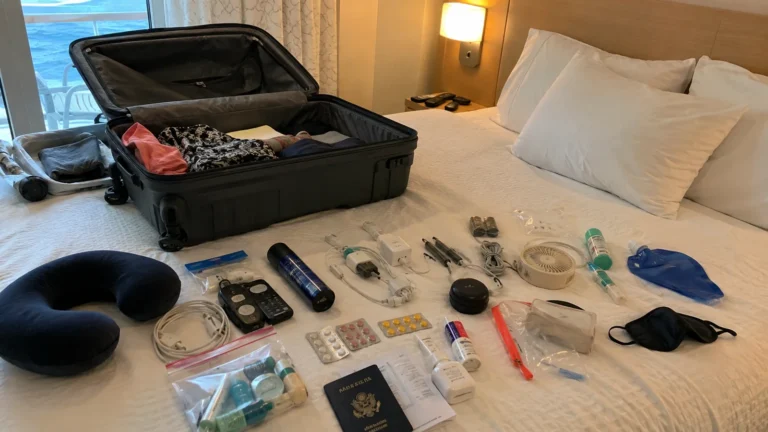
The best cruise packing list is not the longest one. It is a compact core that covers every sailing, followed by small modules for your climate, ports, activities, medical needs, and ship dress code.
Build your list from the trip outward
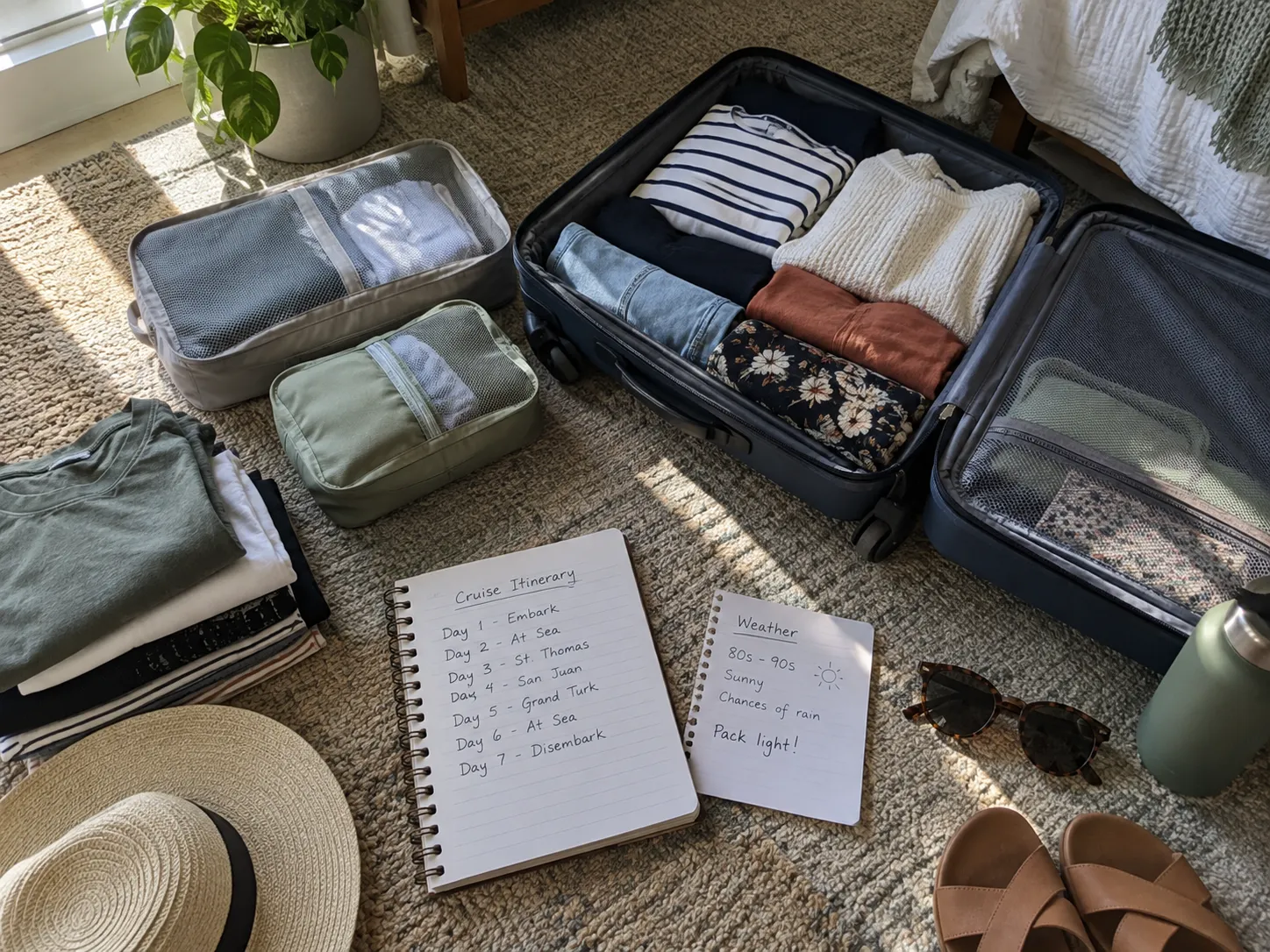
Start with the itinerary, not a pile of “cruise essentials” from the internet. A three-night Bahamas trip, a two-week Alaska voyage, and a Mediterranean cruise with ten walking-heavy ports should not produce identical suitcases.
Write down the number of travel days, sea days, dressier evenings, shore activities, and realistic laundry opportunities. Then check airline baggage limits, cruise-line rules, forecast ranges, and excursion requirements before choosing quantities.
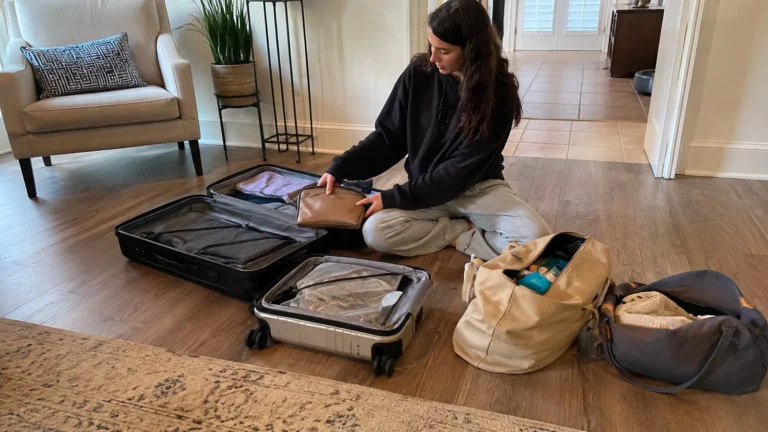
Your nonnegotiable embarkation carry-on
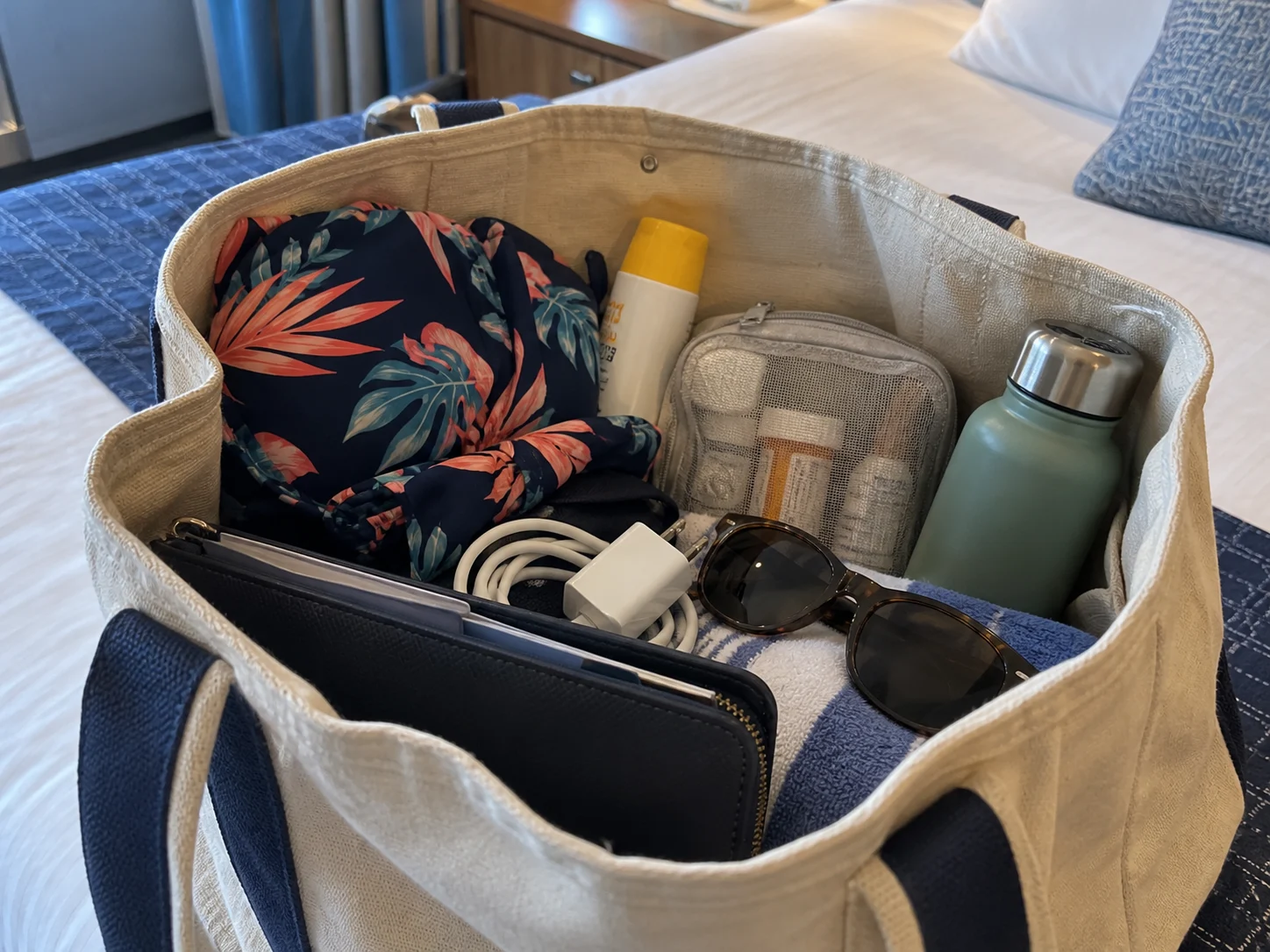
Checked bags may reach your cabin later, so the carry-on should support your first several hours and an unexpected luggage delay. Keep it small enough to manage through security, lunch, and crowded elevators.
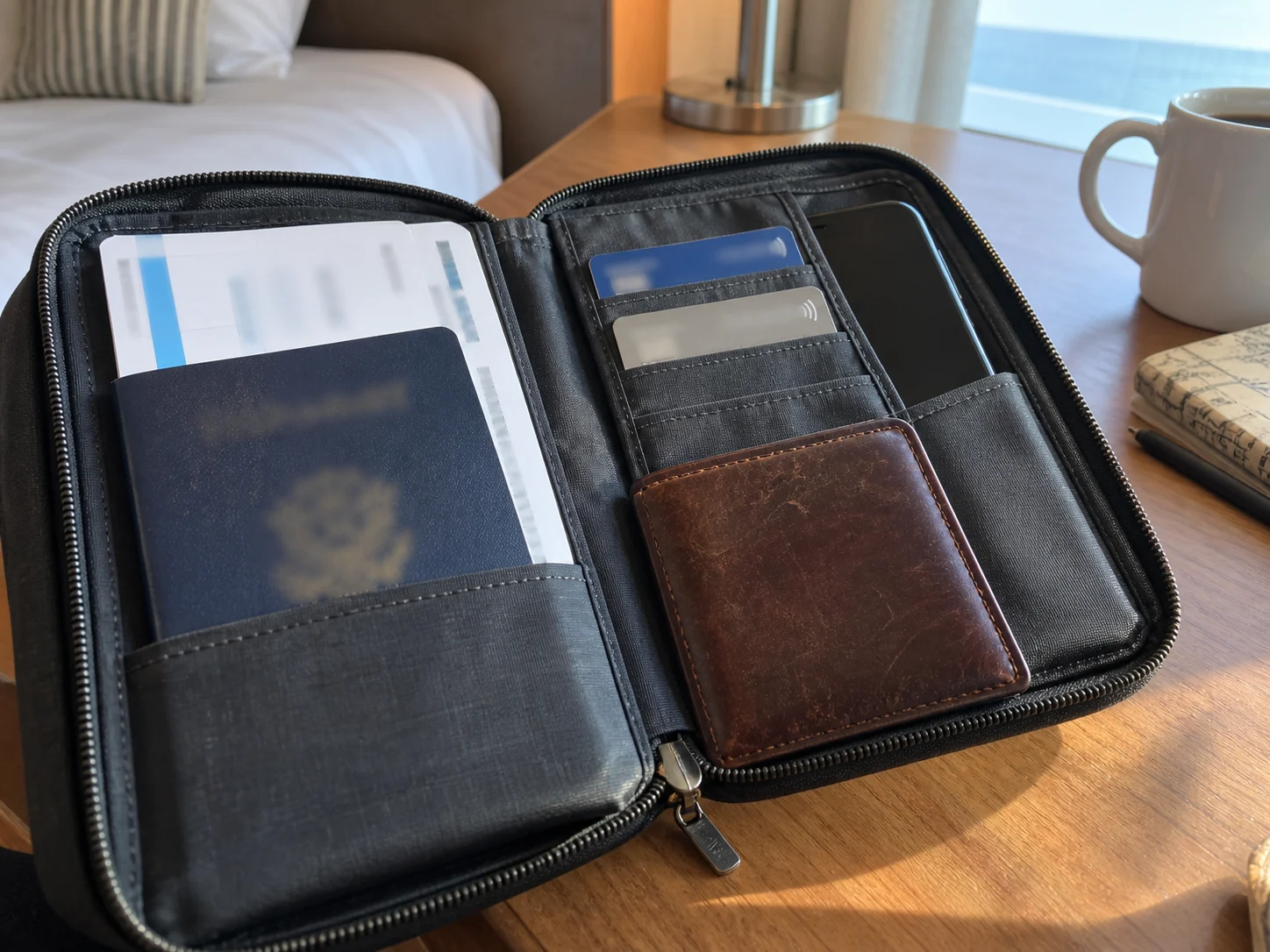
- Passport and any required citizenship or visa documents
- Cruise confirmation, boarding information, and luggage-tag backup
- Wallet, cards, a little destination currency, and valuables
- Prescription medicine and medically necessary supplies
- Phone, charging cable, and approved power bank
- Glasses, hearing devices, batteries, and mobility essentials
- One change of underwear and basic toiletries
- Swimsuit and cover-up for a warm-weather sailing
- Weather layer needed immediately after boarding
- Anything a child needs before bedtime
Never place passports, daily medication, jewelry, electronics, house keys, or irreplaceable items in a porter-handled bag. If losing it would prevent you from sailing, treating a condition, or getting home, carry it yourself.
Documents and money
Requirements depend on citizenship, itinerary, transit countries, and cruise-line policy. The U.S. State Department’s current cruise travel guidance recommends preparing for emergencies, and its industry guidance recommends passports for cruise passengers even when an exception may apply.
- Valid passport book when required or chosen
- Visas, travel authorizations, and vaccination proof when required
- Government photo identification
- Minor consent or custody documents when applicable
- Travel insurance details and emergency contacts
- Copies stored separately and securely offline
- Two payment methods kept in different places
Confirm that reservation names match identification exactly and check passport validity rules for every destination. A photo of a document can help with replacement, but it does not replace the original at boarding.
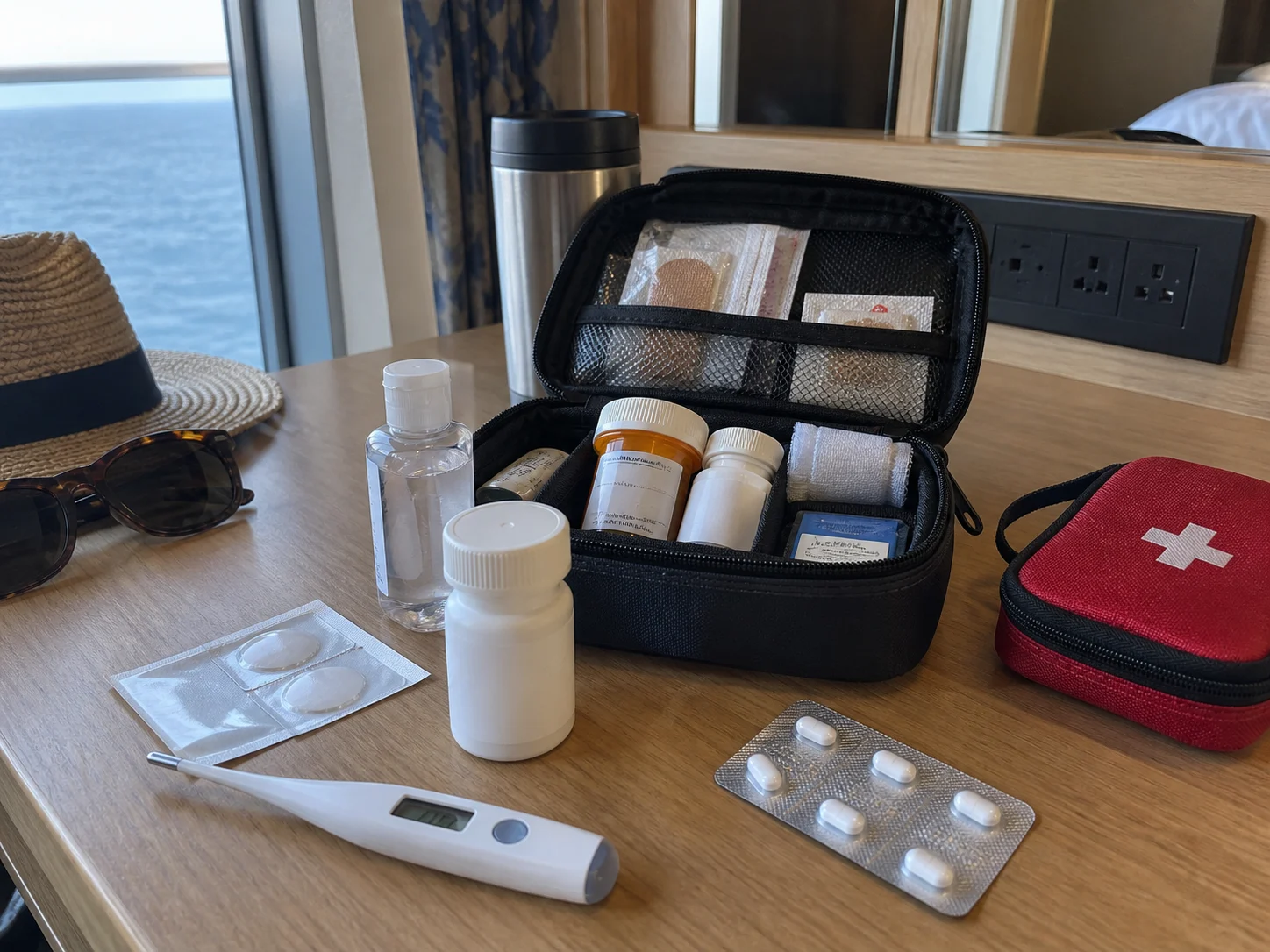
Medicine and a sensible health kit
Pack prescriptions in your carry-on, preferably in original labeled containers, with enough for the trip plus a delay buffer. CDC’s Pack Smart guidance also recommends copies of prescriptions, insurance information, and a destination-appropriate health kit.
- Daily prescriptions and copies listing generic names
- Motion-sickness treatment already discussed with a clinician
- Pain reliever and personal stomach remedies
- Small first-aid supplies and blister care
- Sunscreen, lip protection, and insect repellent as appropriate
- Spare contacts, glasses, and lens supplies
- Medical alert information and clinician letter if needed
- CPAP or other declared medical equipment
Check each country’s medication rules, especially for controlled substances, stimulants, sleep aids, or injectables. TSA’s current liquid-medication guidance permits reasonable quantities of medically necessary liquids for air travel but requires them to be declared for screening.
Airline security rules and ship rules are separate gates. Approval at the airport does not guarantee a medicine, battery, device, or accessory is legal in every port or accepted by the cruise line.
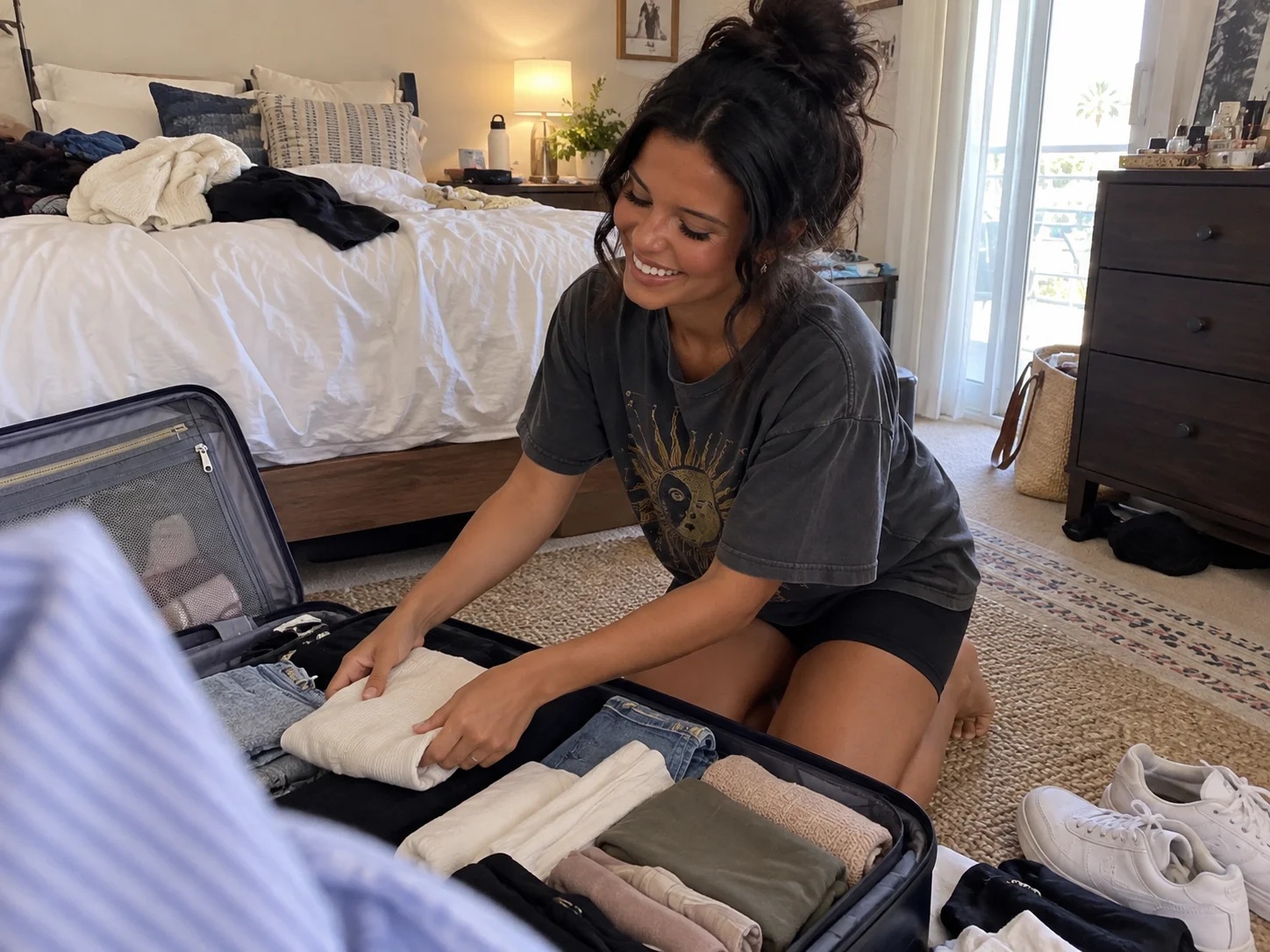
The clothing core
Choose a small color palette so nearly every top works with every bottom. For a seven-night cruise with one laundry opportunity, a practical starting point is five daytime tops, three bottoms, one or two evening outfits, sleepwear, underwear, and layers.
Adjust for sweat, spills, children, formal nights, and how often you will rewear clothing. Nobody aboard is maintaining a spreadsheet of your shirts, and anyone who is has misunderstood vacation.
- Comfortable daytime tops and bottoms
- One casual evening outfit beyond travel clothes
- Dressier pieces only for events you will attend
- Underwear, socks, sleepwear, and swimwear
- Light sweater or wrap for strong air-conditioning
- Exercise clothes only if you expect to use them
- Packable rain protection suited to the route
Read your line’s current evening-attire wording because “formal,” “elegant,” and “dress your best” do not always mean the same thing. Specialty restaurants may also have their own minimum dress standards.
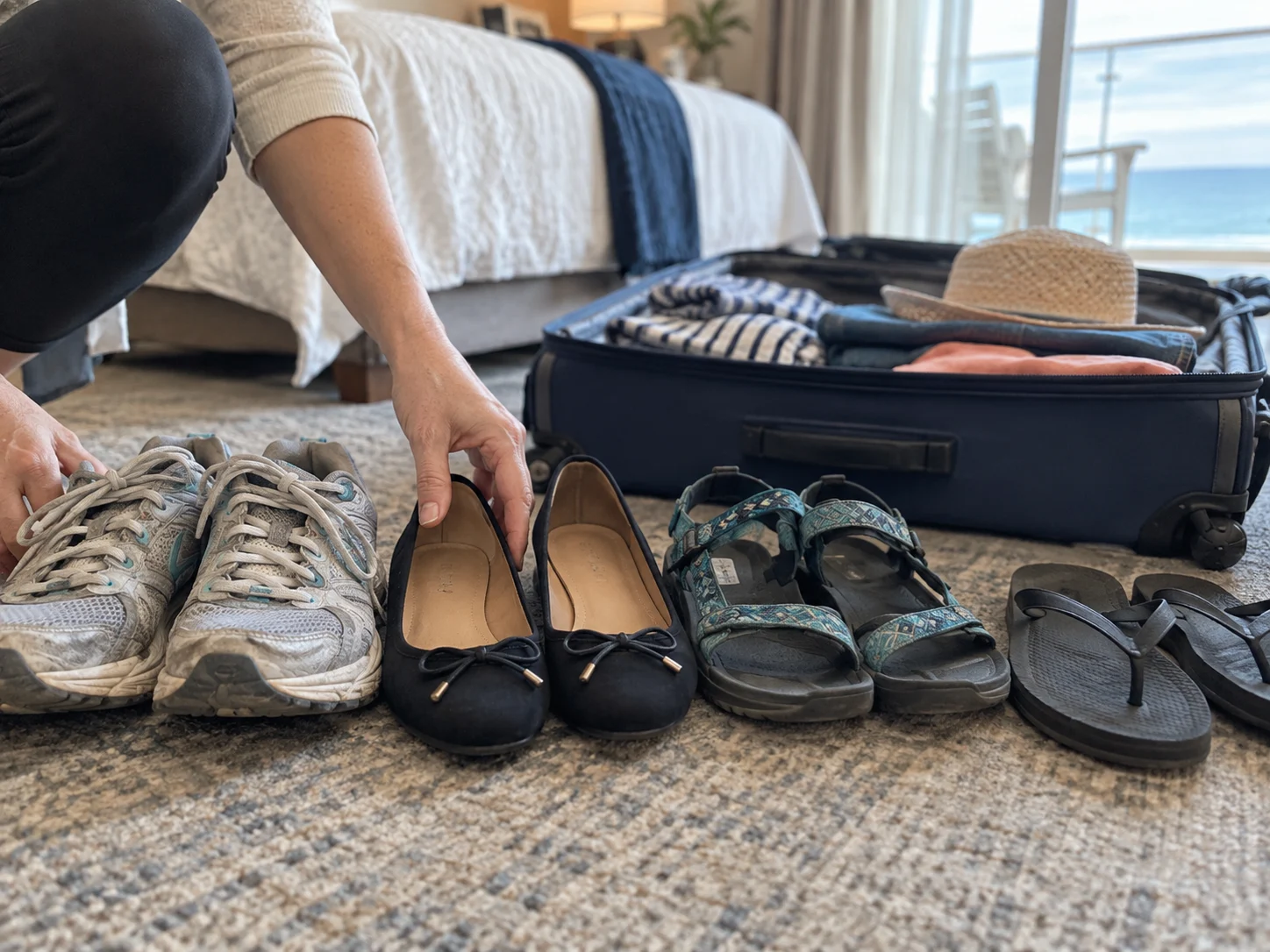
Shoes: pack by job
Most travelers need three jobs covered: long walking, pool or beach, and dinner. One shoe can handle two jobs, which is how you prevent footwear from staging a hostile takeover of the suitcase.
- Broken-in walking shoes with reliable traction
- Sandals or water shoes if the itinerary needs them
- One dinner-appropriate pair if walking shoes do not qualify
- Closed-toe shoes for excursions or ship attractions that require them
Check excursion descriptions for closed toes, ankle support, or wet landings. Brand-new shoes belong at home until they have demonstrated peaceful intentions.
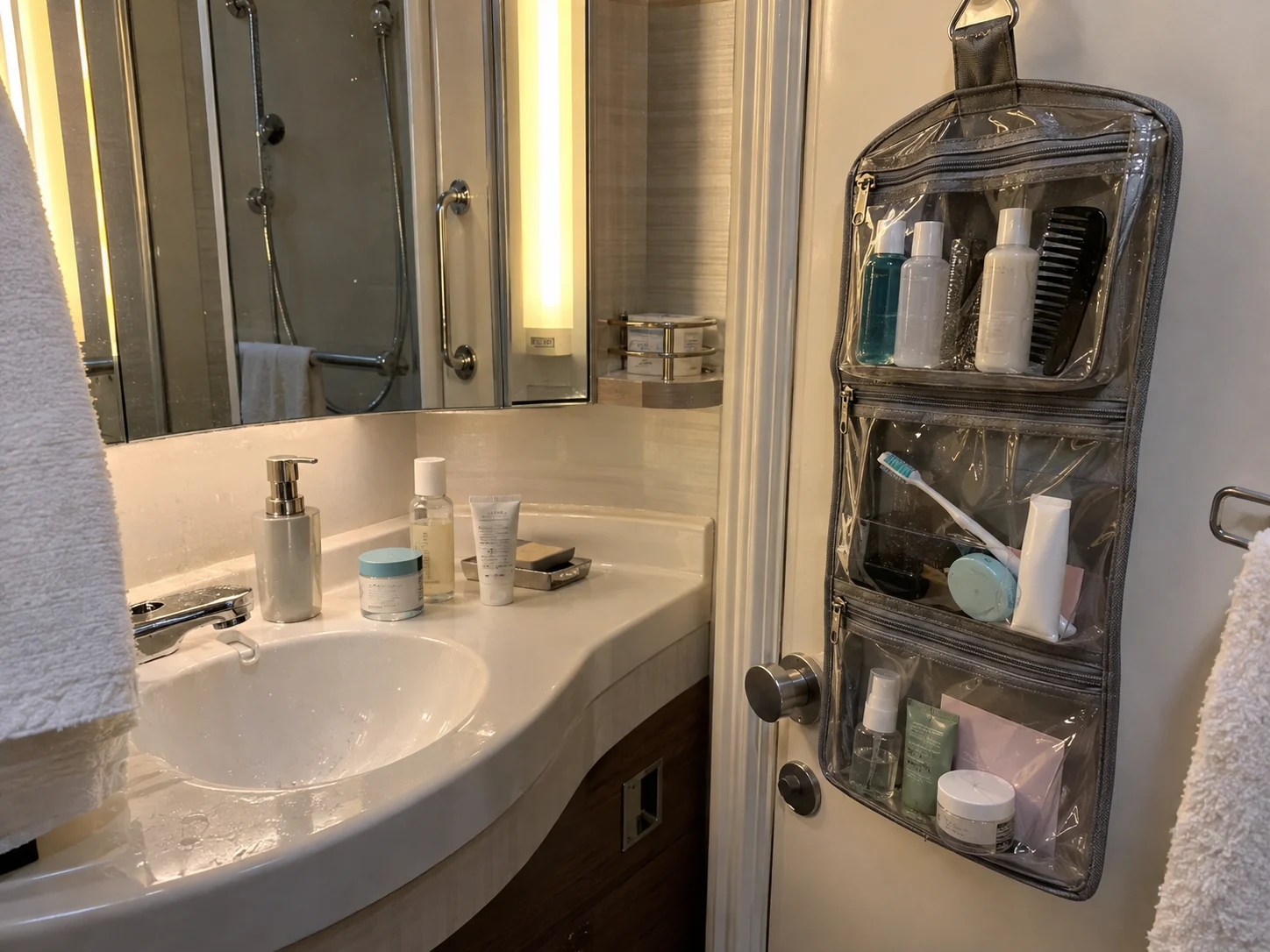
Toiletries without bringing the bathroom
Cabins usually provide basic soap and shampoo, but the formula and included products vary. Bring personal essentials in leak-resistant containers and skip the full-size backup products you rarely finish at home.
- Toothbrush, toothpaste, floss, and deodorant
- Hair, skin, shaving, and menstrual products actually used
- Reef- or destination-compliant sunscreen when required
- Small stain treatment and laundry soap if self-service is available
- Minimal makeup and grooming tools
Confirm whether your cabin has a hair dryer and whether the line permits heated styling tools. Irons and garment steamers are commonly restricted because of fire risk, so use ship laundry, wrinkle-release spray, or a steamy bathroom instead.
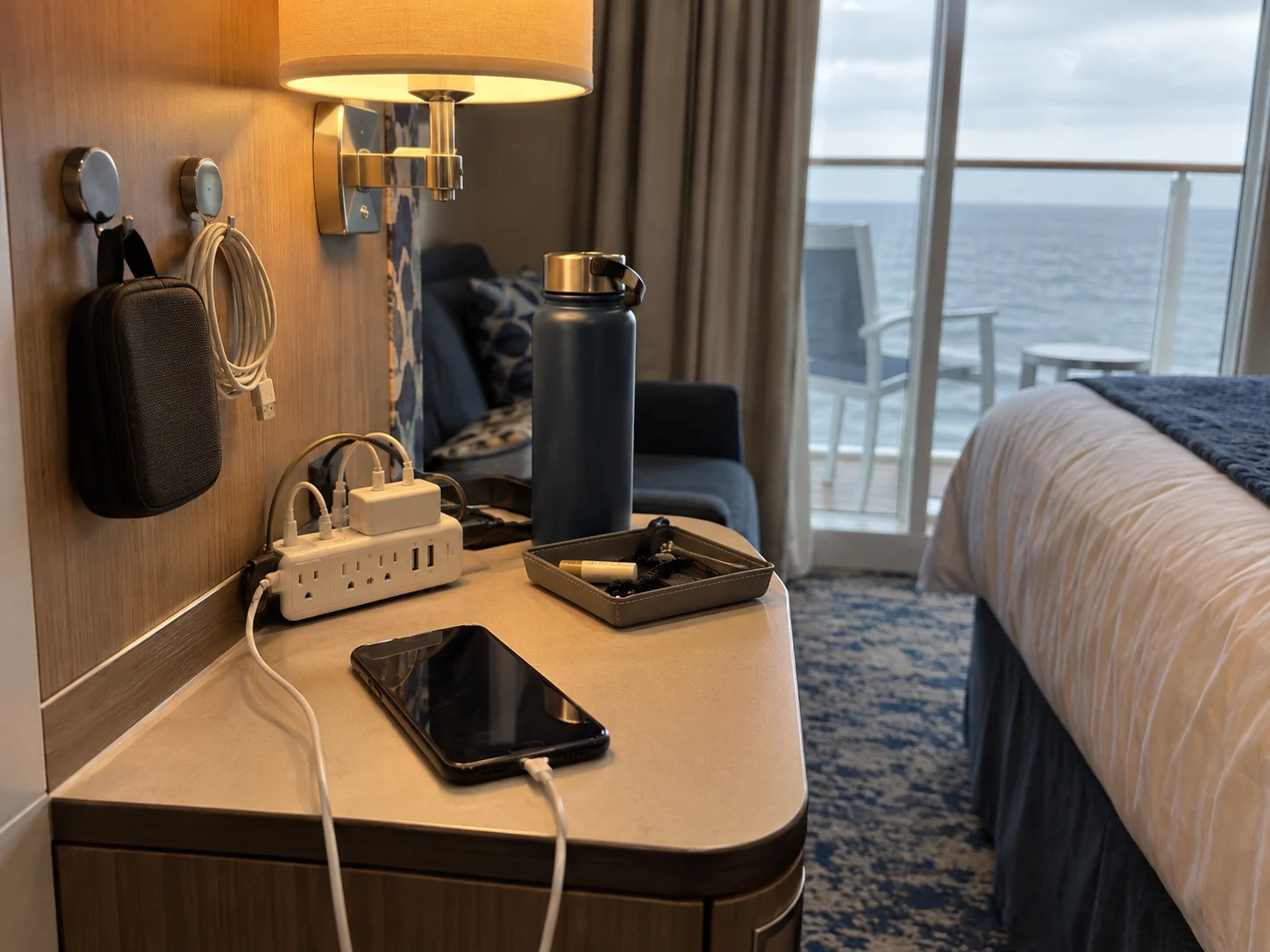
Tech and cabin organization
Bring the few devices you will use, download apps and entertainment before sailing, and label chargers. Ship outlets vary by vessel, while power strips, multi-outlet adapters, extension cords, and surge protection face line-specific rules.
- Phone and its charging cable
- Camera only if it adds value beyond the phone
- Headphones for shared spaces
- Approved plug adapter for the specific ship and hotel
- Approved power bank carried according to airline and line rules
- Water-resistant pouch or dry bag when useful
- A few reusable zip bags for wet or small items
Carnival’s current prohibited-items guidance, for example, distinguishes acceptable electrical accessories from surge-protected or heating devices and sets carry-on rules for power banks. Do not generalize one line’s list to another ship.
A couple of magnetic hooks may help if the cabin walls support them and the line allows them, but an entire hardware aisle is unnecessary. The most useful cabin organization ideas create a home for cards, chargers, shoes, and damp swimwear.
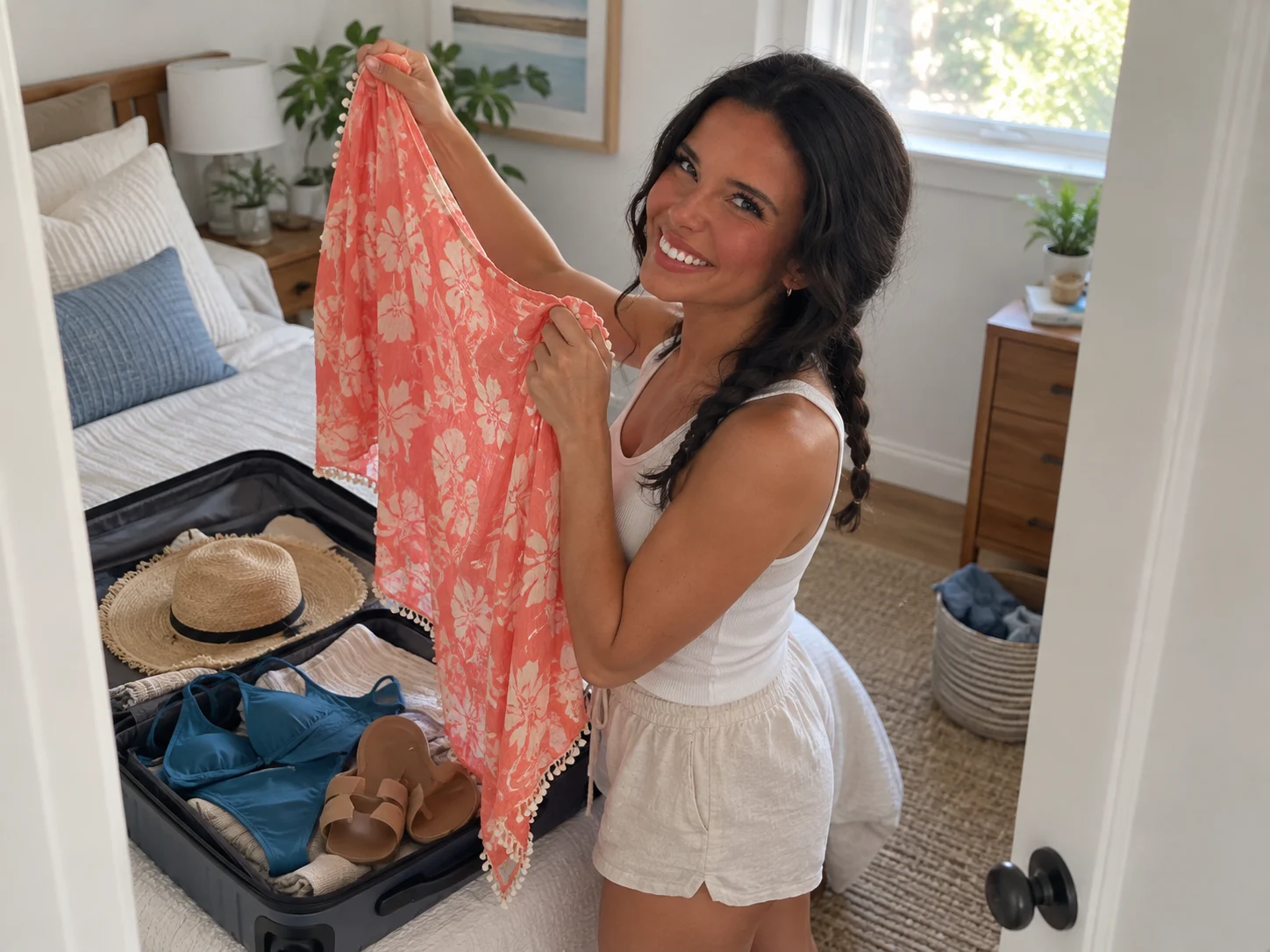
Warm-weather module
- Two swimsuits so one can dry
- Cover-up suitable for walking through the ship
- Brimmed hat and UV-protective sunglasses
- Breathable clothes and a lightweight rain layer
- Destination-appropriate sunscreen and insect repellent
- Water shoes only for rocky or activity-specific stops
- Refillable bottle if the line permits it
Do not pack pool towels unless the cruise line specifically tells you to. Ships generally supply them, although loss fees and rules for taking towels ashore vary.
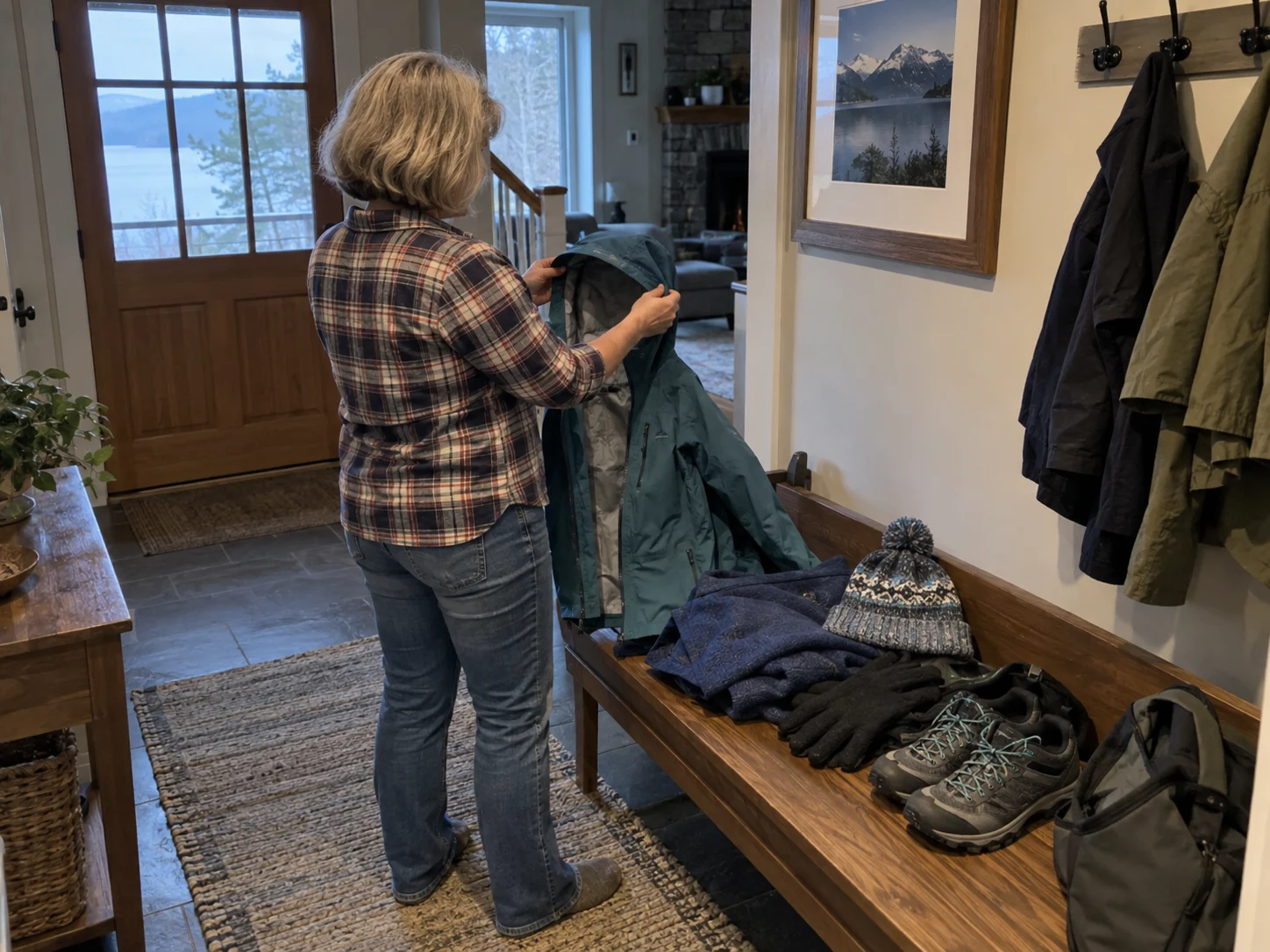
Alaska and cool-climate module
- Waterproof shell with a hood
- Warm midlayer such as fleece or light insulated jacket
- Quick-drying base layers
- Water-resistant walking shoes with traction
- Warm hat and light gloves
- Compact binoculars for wildlife and scenery
- Daypack with rain protection
Layering beats one enormous coat because conditions change between sunny decks, windy viewpoints, buses, and heated interiors. Check the forecast at embarkation and each port shortly before departure.
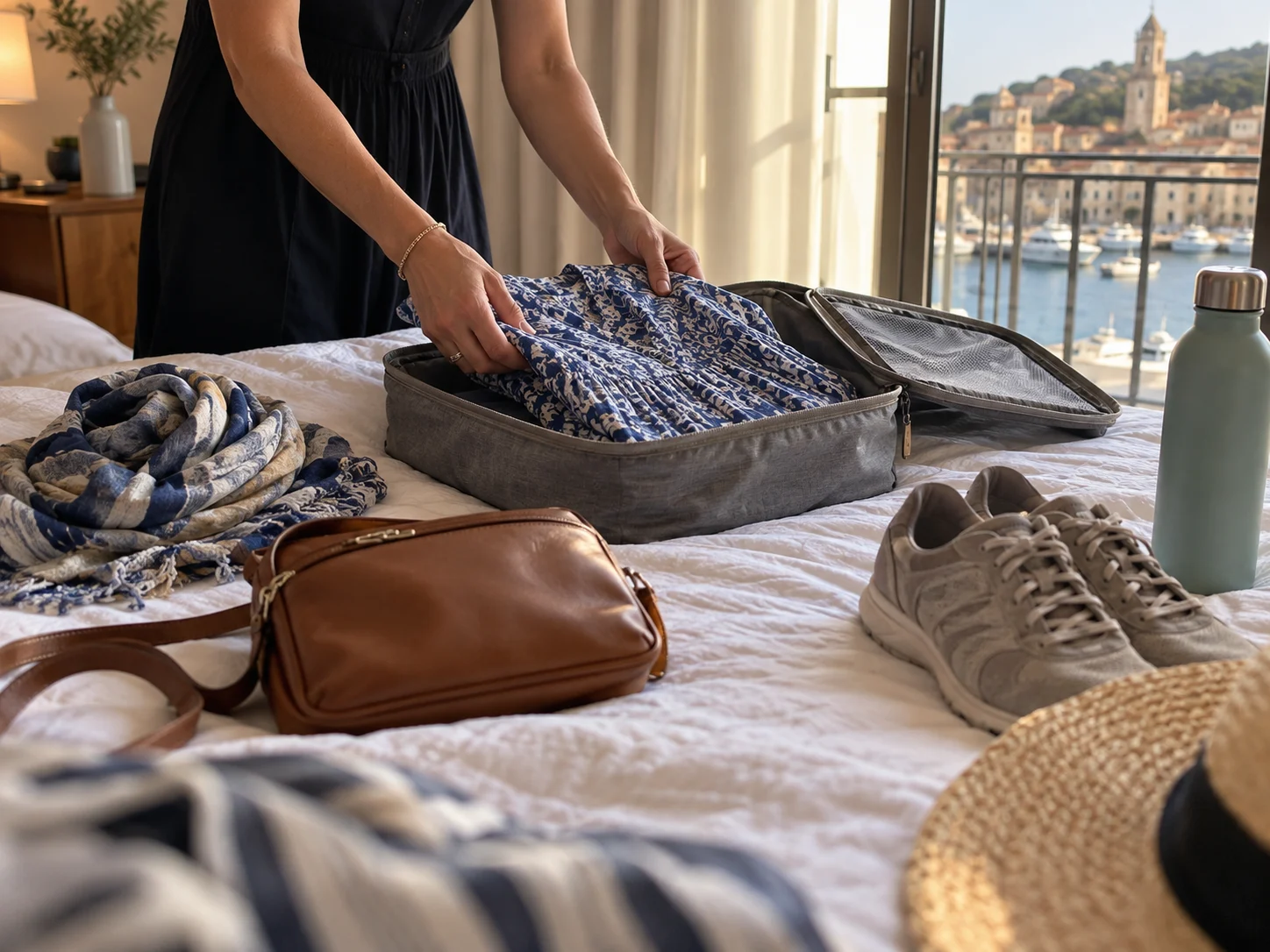
Europe and city-intensive module
- Supportive shoes already tested on long walks
- Secure crossbody bag or daypack
- Compact rain shell and seasonal layer
- Offline maps, transit apps, and charging cable
- Modest clothing for religious sites where required
- Small amount of local currency for minor purchases
Prioritize comfort on cobblestones and stairs over an outfit designed only for photos. A scarf or lightweight layer can help with both changing temperatures and site dress requirements.
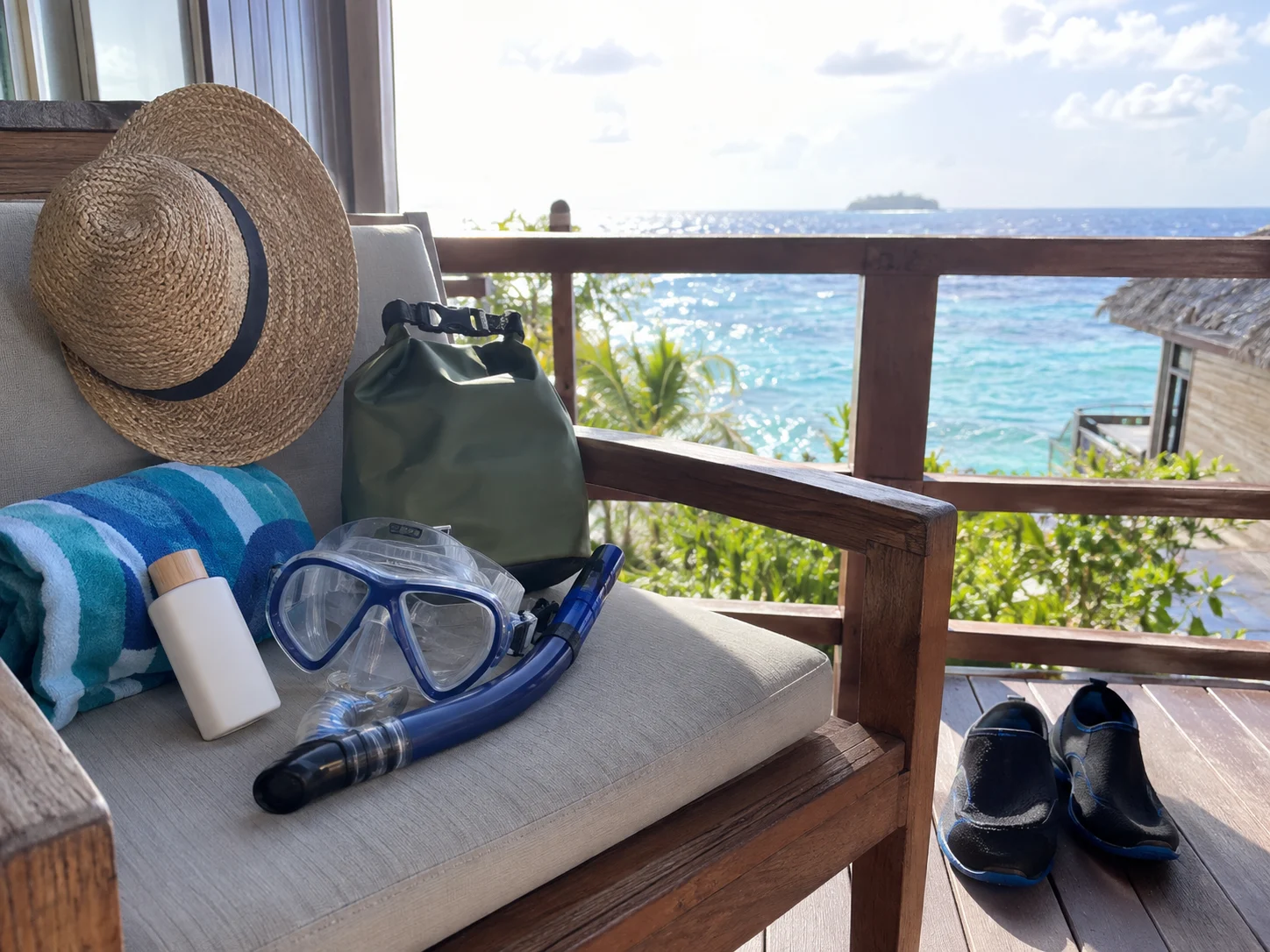
Beach, snorkel, and active-excursion module
- Excursion-specified footwear and clothing
- Rash guard or sun-protective shirt
- Secure glasses strap if needed
- Small dry bag or waterproof phone pouch
- Reusable bottle and compact snack if permitted
- Personal mask only if fit matters and the operator allows it
Do not bring bulky recreational equipment without checking ship and destination rules. Rental gear is often simpler, while serious divers should follow operator instructions rather than a generic vacation list.

Babies and young children module
Pack daily essentials around what the ship can confirm, not what a family hotel might provide. Diapers, preferred formula, safe feeding supplies, prescribed medicine, comfort items, and a change of clothing belong high on the list.
- More diapers and wipes than the routine minimum
- Formula, bottles, food, and cleaning supplies as approved
- Compact stroller or declared mobility equipment
- Sun protection and properly sized flotation gear when required
- Nightlight only if the line permits that device
- One familiar sleep item and a small activity kit
Verify cribs, rails, bottle warming, refrigeration, splash-area diaper rules, kids’ club ages, and shore-transport car seats before sailing. The toddler cruise planning guide helps turn those answers into a daily plan.
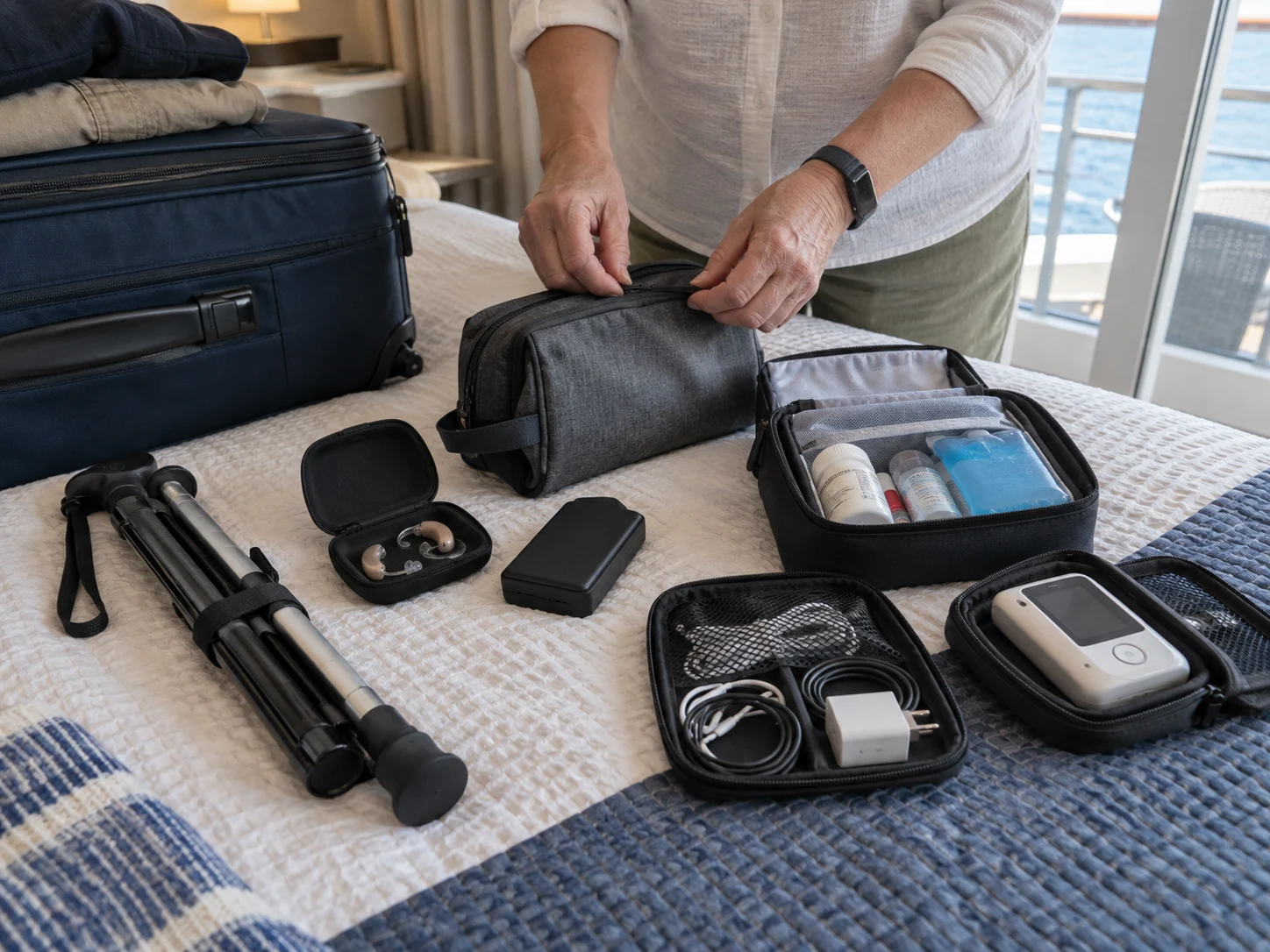
Accessibility and medical-equipment module
Tell the cruise line about wheelchairs, scooters, oxygen, CPAP equipment, sharps, refrigeration, hearing needs, and other accommodations by its deadline. Confirm device dimensions, battery chemistry, charger voltage, storage, tender restrictions, and airline handling separately.
- Equipment documentation and cruise-line approval
- Chargers, spare approved batteries, and essential accessories
- Repair contacts and a compact backup plan
- Medical letter and translated condition information when useful
- Enough supplies for delays
Never leave a mobility device in a corridor unless crew explicitly directs you during an emergency. Accessible cabins are limited, so travelers who do not need those features should choose standard inventory.

Laundry is the suitcase-shrinking module
Check whether the ship offers self-service machines, a fill-a-bag special, per-item service, or no guest laundry room. Prices, hours, detergent, and access differ by line and ship.
On a trip longer than seven nights, planning one wash can remove several outfits from the case. Quick-drying fabrics and repeatable layers make that strategy far easier than packing fourteen unrelated looks.

What to leave home
- Anything prohibited by the current cruise-line list
- Irons, steamers, candles, incense, and heating appliances
- Surge-protected strips or unauthorized extension cords
- Weapons, illegal drugs, and locally restricted products
- Too many formal outfits, shoes, or “just in case” gadgets
- Bulky towels, bedding, and full-size toiletries without a need
- Valuable jewelry you would hate to lose
Alcohol, nonalcoholic drinks, food, drones, sports gear, CBD products, and household electrical items all have line- and destination-specific rules. Check again shortly before travel because safety policies change.
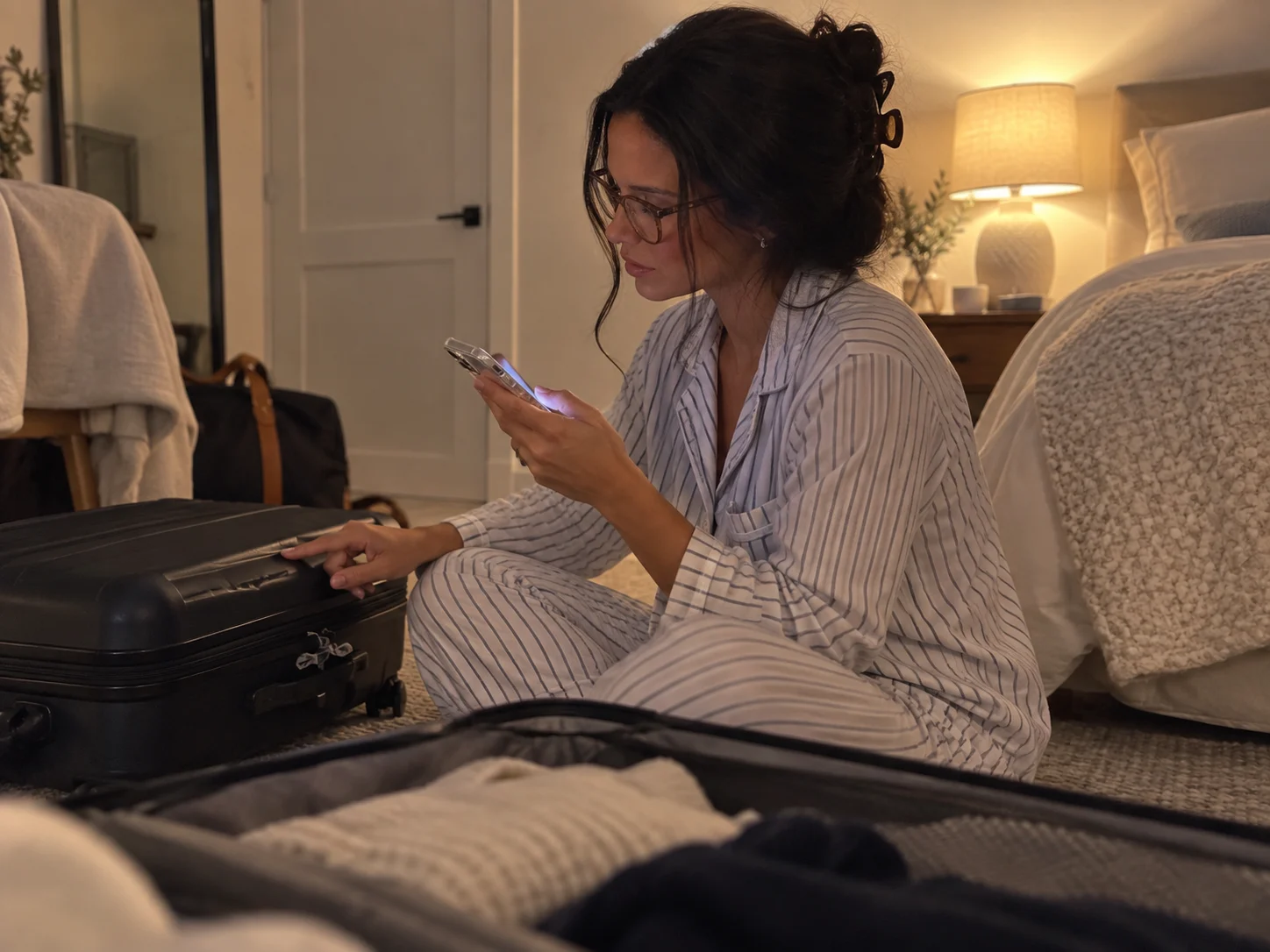
The final 24-hour packing check
- Review airline, cruise-line, and destination restrictions separately.
- Check weather for the homeport and every call.
- Move documents, medicine, valuables, and essentials to the carry-on.
- Attach cruise luggage tags as instructed.
- Download confirmations, apps, maps, and insurance contacts.
- Photograph checked bags and their contents.
- Remove one unnecessary pair of shoes.
- Weigh bags against airline and cruise limits.
For the rest of embarkation, dining, ports, and onboard routines, use these first-time cruise essentials. If budget is tight, the cruise money-saving tips also help identify what to bring versus buy aboard.

The shortest useful cruise packing rule
Carry what keeps you legal, healthy, and comfortable, then add only what the route and activities require. A thoughtfully half-empty suitcase is more useful than a packed one full of solutions searching for problems.