Cruise Itinerary Changes: What to Do When a Port Is Canceled
A canceled cruise port does not automatically entitle you to a full cruise refund. I would separate the cruise fare, shore excursions, independent bookings, taxes, and any insurance benefits before deciding what to request.
If the change happens before departure, check the line’s offer and your cancellation terms before canceling anything yourself.
Start with what actually changed
- A missed port during an otherwise operating cruise.
- A replacement port or shorter visit.
- A different ship, departure date, or embarkation port.
- Cancellation of the entire voyage.
- A delayed departure that affects flights, hotels, or transfers.
Those are different problems with potentially different remedies. I would save the announcement first, then identify the expenses directly affected by that particular change.
If the message is vague, ask whether the alteration is confirmed and whether further instructions are coming. A rumor in a passenger group is not enough reason to cancel prepaid arrangements.
Why a ship can skip a port
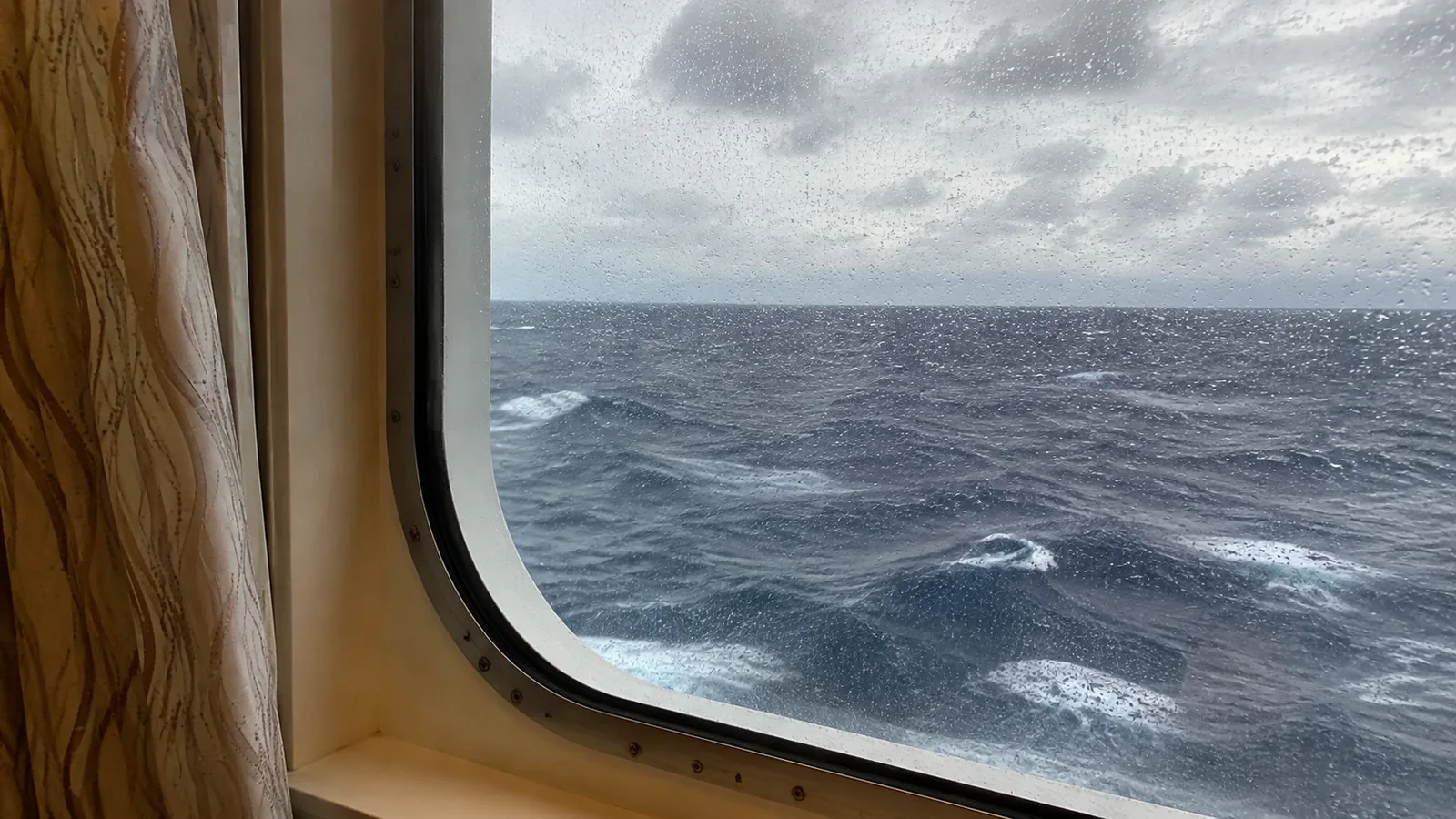
Weather, unsafe tender conditions, port closures, mechanical problems, medical emergencies, and other operational issues can change a route. Sunshine where you are standing does not establish that a harbor entrance or transfer operation is safe.
Royal Caribbean’s itinerary-change policy reserves broad flexibility to alter sailings and ports. Other lines have their own contracts, so check the terms attached to your booking.
I would avoid arguing that the captain must visit a destination because it appeared in the brochure. A more productive request identifies a specific canceled service or expense and asks how the line is handling it.
That does not mean every change must be accepted without question. The size of the change, booking market, applicable law, and the company’s written offer may all affect your options.
Do not confuse a missed port with a canceled cruise
If your sailing operates but skips one stop, the remedy is not necessarily the same as when the line cancels the entire voyage. An altered itinerary also does not automatically make your own cancellation penalty disappear.
The Federal Maritime Commission’s nonperformance refund guidance addresses covered voyage cancellations and qualifying delays of three or more calendar days when a passenger elects not to take the delayed or substituted voyage. That rule should not be presented as a refund entitlement for every missed port.
If the whole cruise is canceled, read the actual notification for the refund process, rebooking offer, and deadlines. Ask whether prepaid extras are handled separately.
If a major change affects a booking sold under another country’s consumer protections, the U.S. framework may not answer your question. I would ask the seller to identify the applicable terms rather than rely on a universal internet answer.
Read the offer before choosing a credit
A cruise line may offer rebooking, onboard credit, future cruise credit, a refund, or another arrangement. Check whether the offer is compensation, a goodwill gesture, or a contractual remedy.
Cash and future cruise credit are not interchangeable. A credit may have an expiration date, eligibility restrictions, and limits on what it can pay for.
I would compare the total cost of the replacement sailing before accepting a fare-protection offer. Different flights, hotel nights, or transfer costs can outweigh an apparently generous onboard credit.
Ask whether accepting an offer affects other claims or cancels a previous option. Save the terms and your acceptance confirmation in the same folder as the original booking.
If the response deadline is short, ask your travel advisor or the cruise line to clarify anything material in writing. Guessing at an unclear credit restriction is an expensive way to finish the decision.
Cruise-line excursions are a separate refund question
If the ship misses the port where a cruise-line excursion was due to run, check the line’s cancellation procedure. Royal Caribbean’s missed-port excursion FAQ confirms a refund when its excursion is canceled because the ship misses the port.
That specific protection concerns the excursion, not an automatic refund of the cruise fare. Another line’s process may use a different payment route or timing.
I would check the onboard account or original payment method before buying a replacement activity. Knowing a refund is due does not always mean the money is already available.
For a shortened port call, ask whether the tour is canceled, modified, or still operating. A shorter visit may change the excursion without canceling every activity sold for that day.
Keep the original excursion description if a material part of the tour is removed. Ask what adjustment, if any, the operator is offering before the revised tour begins.
Contact independent operators promptly
An independent excursion, beach club, restaurant deposit, or rental car follows its own booking terms. The cruise line generally is not the seller of those services.
Look for a missed-port clause, not just a standard cancellation deadline. A provider may offer a refund if the ship does not call but treat a passenger changing their mind differently.
Send the official cancellation notice and your reservation number. I would ask for the refund or rebooking option that the agreement actually promises, using a short, factual message.
If the ship switches to another day at the same port, ask whether the operator can move the booking. Do not assume it has spare vehicles, guides, or admission tickets on the new date.
A booking platform may have different instructions from the local operator. Contact the party that collected payment and keep both sides informed if they direct you to one another.
Port taxes and charges need an itemized answer
Do not assume every missed port produces the same cash refund. How taxes, fees, and port expenses are handled depends on the contract, the charges actually incurred, and any replacement itinerary.
Ask the cruise line for the adjustment applicable to your sailing. If a refund appears on your account, check the amount and description instead of guessing that it covers every canceled expense.
A replacement port may create different costs. The right comparison is the line’s accounting under the applicable terms, not an arbitrary amount assigned to each destination on a map.
I would keep a screenshot of the fare breakdown from booking. It makes a specific question easier to answer than “Where is my port money?”
Insurance may help only for a covered benefit
A policy might include trip interruption, travel delay, missed-port benefits, or other cruise-related coverage. The name of a benefit alone does not establish that your situation qualifies.
Read the covered reasons, minimum delay, exclusions, limits, and required documents. A standard policy may not pay simply because your favorite destination disappeared from the itinerary.
Call the insurer’s assistance or claims team and describe what changed. Ask what proof you need before discarding notices or accepting a replacement arrangement.
I would also check whether a benefit reimburses actual expenses or pays a stated amount when qualifying conditions are met. Those require different records and may interact differently with refunds from the cruise line.
Avoid treating insurance as permission to book an expensive substitute without checking coverage. Nonemergency arrangements may need approval, and reimbursement is not guaranteed.
Protect flights, hotels, and transfers first
A changed embarkation or disembarkation port can matter more financially than a lost sightseeing day. Check how far the new port is from the airport and whether existing transport still works.
If the line arranged your flights or package, ask what it will modify. If you booked independently, contact each provider before the applicable cancellation deadline.
I would prioritize the reservation with the earliest deadline and the largest potential loss. A refundable hotel is usually less urgent than a nonrefundable flight requiring a same-day decision.
My New York cruise port guide illustrates why a regional label is not enough: Manhattan, Brooklyn, and Cape Liberty involve different transfers. Verify the terminal, not just the city name in the announcement.
If the sailing ends later, do not keep an impossible flight simply because changing it is frustrating. Ask the cruise line and airline about options while seats are still available.
Build a replacement day that fits the new port
Start with the actual arrival, all-aboard deadline, and whether tendering is required. A destination added overnight may leave little time to research an ambitious independent trip.
I would favor a simple plan close to the landing until transportation and opening hours are clear. Check official attraction information before paying a driver to take you somewhere closed.
My Key West port guide is useful for a walkable day, while the Naples guide compares nearby sightseeing with more complicated regional trips. The appropriate choice depends on the replacement port’s geography.
Do not carry over the old port’s return time or time zone. Recheck the ship’s instructions, particularly if your phone updates its clock after connecting ashore.
If the replacement day is at sea, avoid buying extras simply to make the day feel compensated. Pick included activities you actually enjoy and keep the refund discussion separate from onboard spending.
Keep a clear record for a complaint
Save the original itinerary, the official announcement, receipts, booking terms, and any offer made by the line. Summarize the change and the remedy you are requesting in a few factual sentences.
Start with the cruise line or your travel advisor, using the booking number and relevant dates. Ask for a response in writing and keep the case number.
The FMC’s cruise service assistance page explains its limited role in passenger disputes. It should not be described as a regulator that guarantees compensation for itinerary dissatisfaction.
For a substantial unresolved legal question, get advice appropriate to the booking’s jurisdiction. A cruise contract and consumer law can interact in ways a general article cannot settle for every passenger.
Questions I would ask before the next booking
What if one port is the whole reason for the trip?
I would consider a land stay or an itinerary with more than one opportunity to visit the area. A cruise can offer a convenient route, but a single port call is vulnerable to conditions outside your control.
Should I avoid booking tours in advance?
No, especially for scarce activities, but I would favor clear missed-port terms and reasonable cancellation conditions. The goal is to limit the financial consequence of a change, not leave every day unplanned.
What would I do after a cancellation notice?
I would save the notice, contact affected providers, check the applicable refund or credit terms, and secure workable transport before planning replacement sightseeing. Recover the money or services you are entitled to, then choose a day that fits the itinerary you now have.