Best Things to Do in Sitka, Alaska on a Cruise Day
Sitka is the Alaska port for travelers who want wildlife, rainforest, and layered history without a frantic checklist. The catch is that many large ships dock about 5 miles from downtown, so your best day begins by confirming whether you need a reserved shuttle or will tender into town.
Best Things to Do in Sitka at a Glance
- Walk the forest and totem-lined trails at Sitka National Historical Park.
- Learn from rehabilitated birds at the Alaska Raptor Center.
- Take a responsible small-boat wildlife tour in Sitka Sound.
- See Alaska Native cultural belongings at the Sheldon Jackson Museum.
- Visit St. Michael’s Cathedral and understand Sitka’s Russian colonial layer.
- Browse downtown galleries and eat local seafood without overscheduling.
- Visit Fortress of the Bear with prearranged transportation.
With four to five hours, stay downtown and combine the national historical park with one museum or the raptor center. With seven or more hours, add one timed wildlife tour or an outlying attraction, then leave a generous return buffer.
First, Find Out Where Your Ship Arrives
Sitka has more than one arrival pattern. Large ships commonly use Sitka Sound Cruise Terminal on Halibut Point Road, while some ships anchor and tender passengers closer to downtown.
Sitka Sound Cruise Terminal
The privately operated terminal is at 4513 Halibut Point Road, approximately 5 miles from downtown. Its current visitor information advertises complimentary shuttles, an average 10-to-15-minute ride, ADA-accessible vehicles, and a downtown stop at Harrigan Centennial Hall, 330 Harbor Drive.
The important 2026 detail is that shuttle reservations are required, according to the terminal. Reserve both directions, allow extra time when several ships are in port, and follow your cruise line’s instructions if it provides a different arrangement.
Most cruise-line excursions meet at the terminal, but some independent tours begin downtown. Confirm the written meeting point before boarding the shuttle because “Sitka pickup” is not precise enough.
Tender Arrivals
Ships listed as anchoring use tender boats to bring passengers toward downtown. Tendering adds variable loading and weather time, but it can eliminate the terminal-to-town bus ride.
Never schedule an independent tour immediately after the published arrival time. Priority groups, tender capacity, sea conditions, and ship clearance can delay the moment you actually step ashore.
1. Sitka National Historical Park
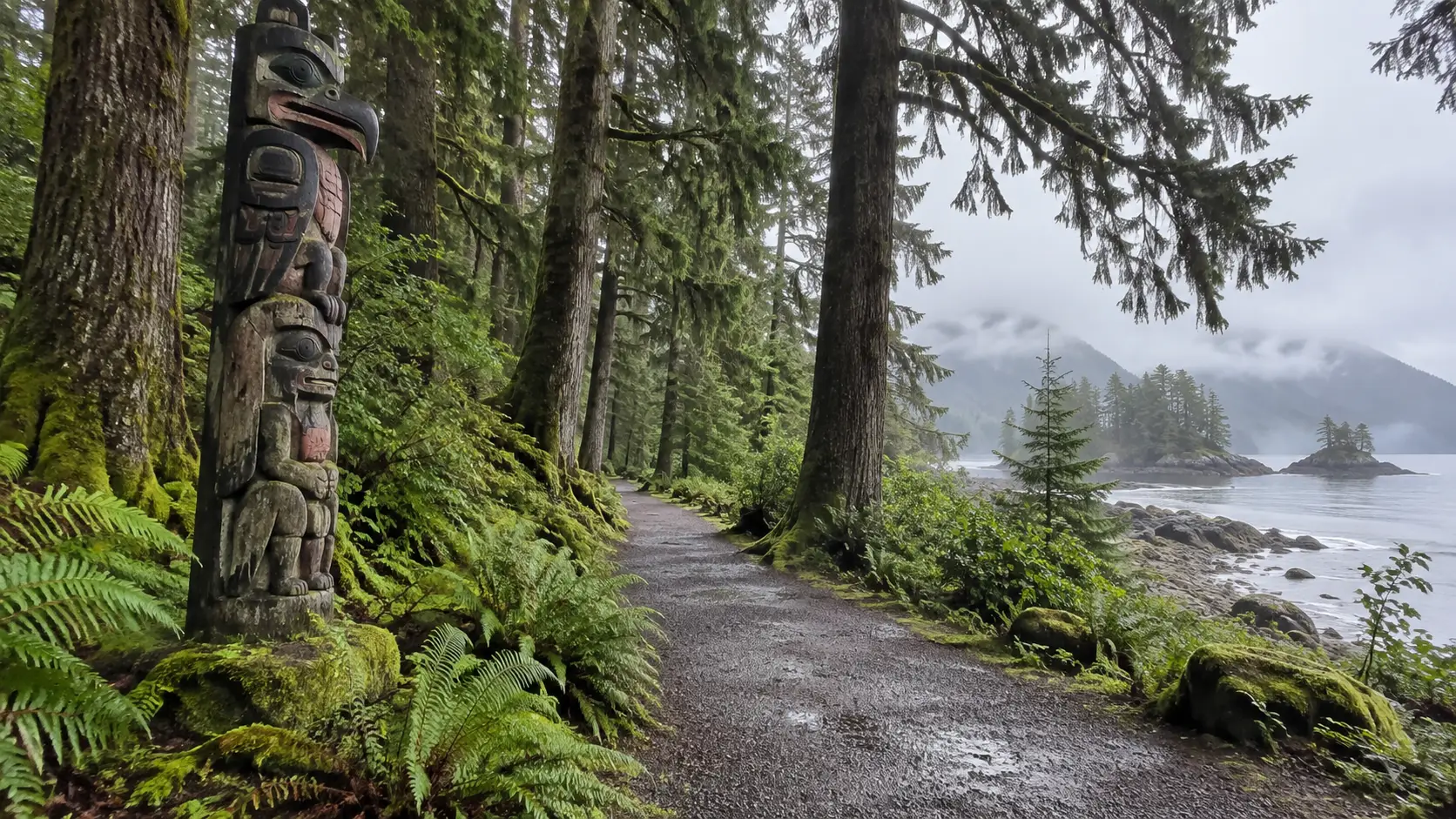
If you choose only one independent attraction, make it Sitka National Historical Park. The park protects the site associated with the 1804 battle between the Kiks.ádi Tlingit and Russian traders, and its coastal rainforest paths hold a collection of Tlingit and Haida totem poles.
The National Park Service describes two miles of trails across 113 acres, with routes through forest, along Sitka Sound, and beside Indian River. Trail access and visitor-center hours differ, so check the park’s day-of-visit conditions rather than relying on a screenshot from months earlier.
Walk slowly and read the interpretation instead of treating the poles as decorative photo props. The visitor center’s exhibits, film, and potential artist demonstrations give essential context to what you see outside.
Stay on established trails, give wildlife space, and leave cultural and natural objects untouched. The park’s current rules also prohibit drones and require visitors to walk bicycles on park trails.
2. Alaska Raptor Center
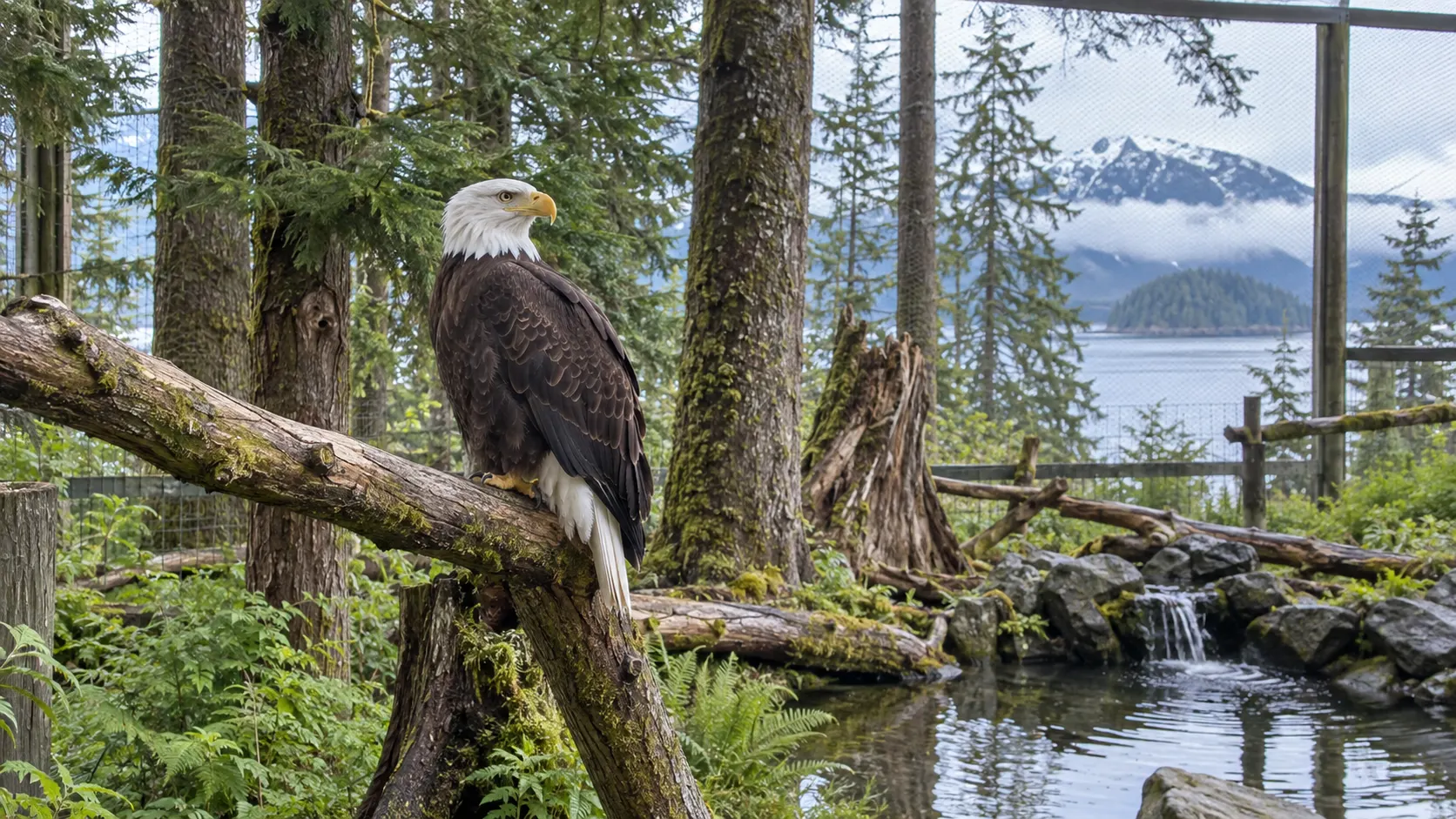
The Alaska Raptor Center rehabilitates injured birds of prey and returns releasable patients to the wild. Birds unable to survive independently may serve as education ambassadors, so the experience is about wildlife care rather than staged animal contact.
The center is at 1000 Raptor Way, beyond the national park on a pleasant route for capable walkers. Its official visitor page currently lists spring and summer hours beginning April 29 from 8 a.m. to 4 p.m. daily, with last admission at 3:30 p.m., but verify before sailing.
Allow about an hour once inside, longer if you love birds and interpretation. A taxi or packaged transfer is smarter for limited mobility, hard rain, or a short port call.
3. A Sitka Sound Wildlife Cruise
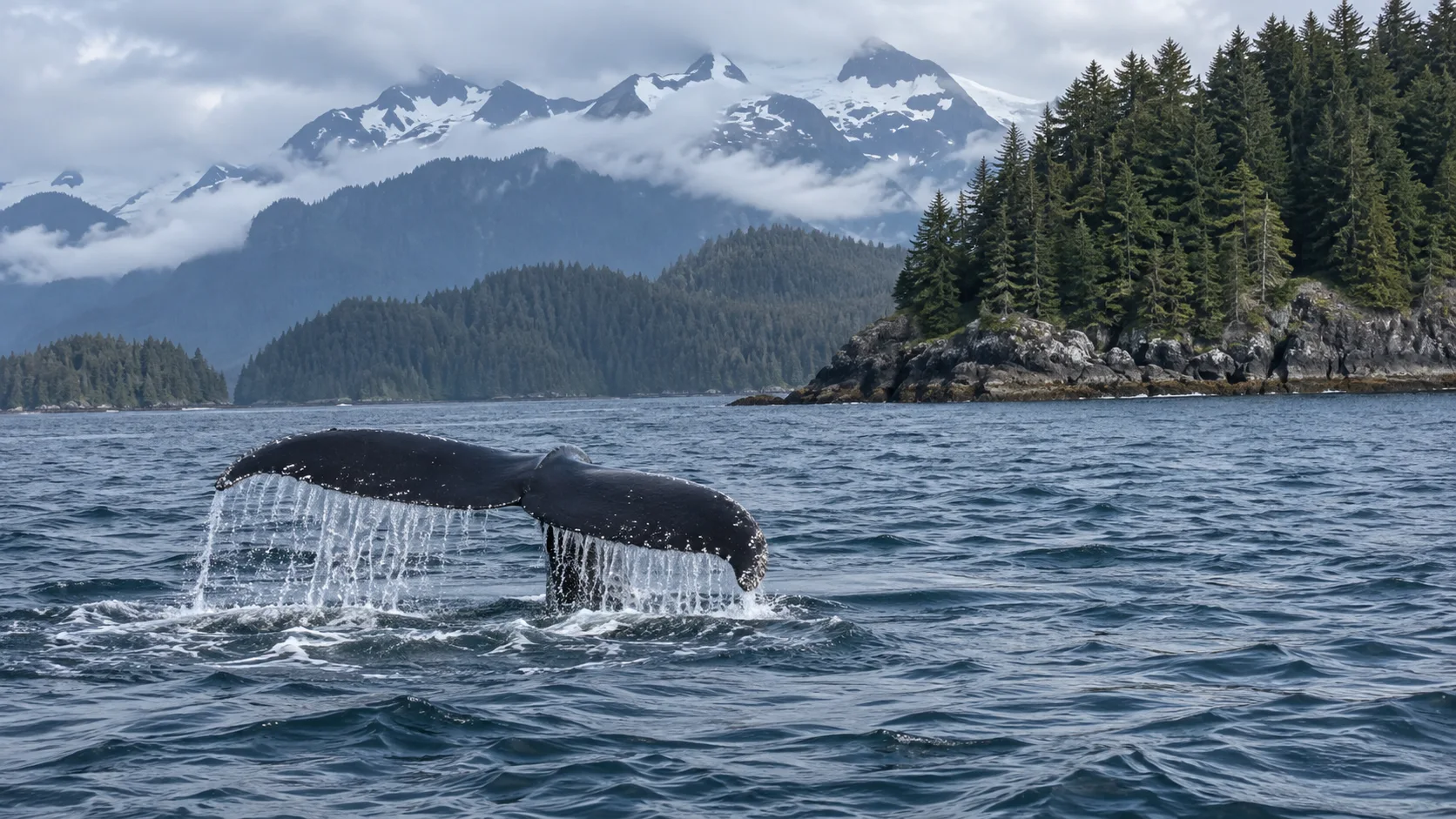
Small-boat tours search for humpback whales, sea otters, sea lions, eagles, and other wildlife around Sitka Sound. The scenery alone can justify the trip, which is the healthiest mindset because no ethical operator can guarantee a particular species.
Choose a licensed operator that explains vessel size, indoor seating, restroom access, mobility requirements, cancellation terms, and return plan. Ask whether the boat leaves from the cruise terminal, downtown, or another marina before comparing prices.
Bring binoculars and a waterproof layer, silence loud phone audio, and follow the captain’s viewing instructions. Do not demand that a boat crowd, chase, or cut off an animal for a closer photograph.
4. Sheldon Jackson Museum
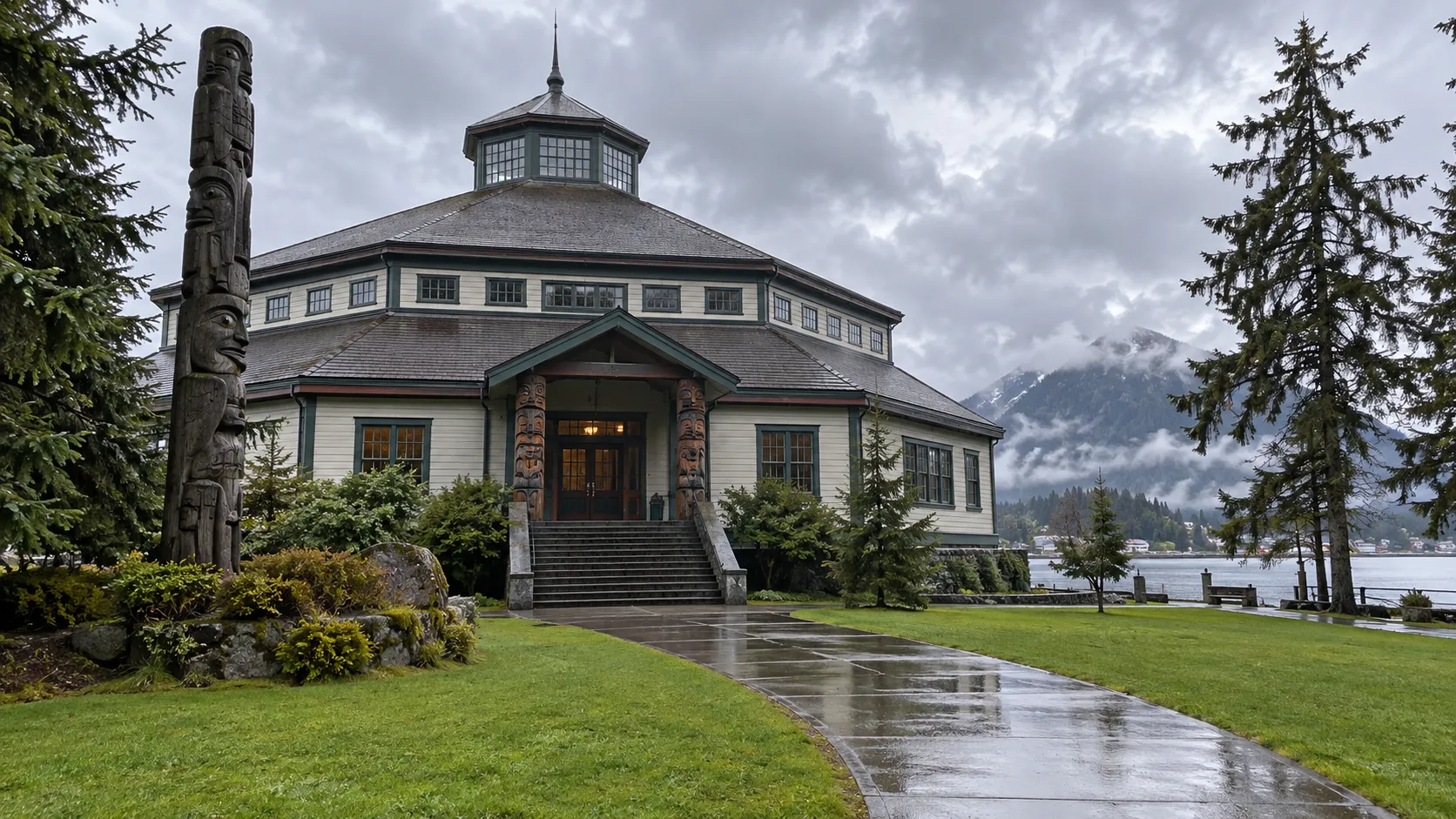
The Sheldon Jackson Museum is a compact, collection-rich choice for rain or a traveler who wants deeper context. It houses Alaska Native cultural material from across the state, so it should not be described as representing one interchangeable “Alaska Native culture.”
The Alaska State Museums’ official page provides current hours, holiday closures, and admission information. Budget at least 45 to 75 minutes, and spend time with labels and any Indigenous artist programming rather than racing around display cases.
Photography rules can vary by object or program. Ask before photographing artists, demonstrations, or culturally sensitive material, and never touch belongings unless the exhibit specifically invites it.
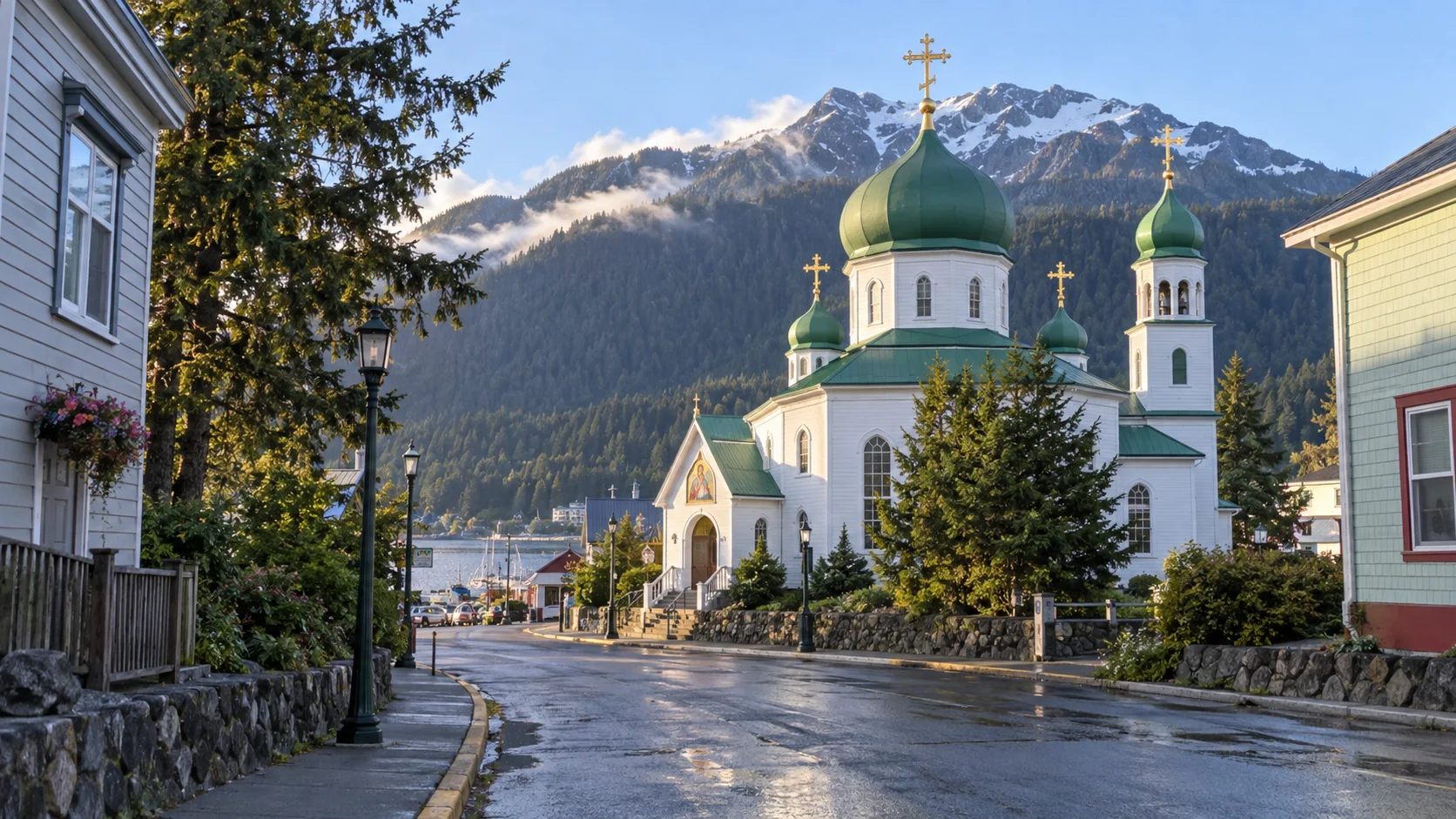
5. St. Michael’s Cathedral
The onion-domed St. Michael’s Cathedral anchors central Sitka and reflects the city’s Russian Orthodox history. It is an active house of worship, not simply a backdrop, so enter quietly, dress respectfully, and yield during services.
Hours can change for worship, staffing, or restoration. If the doors are closed, appreciate the exterior and continue through downtown rather than forcing the day around one interior visit.
Keep the broader history honest: Russian America involved commerce, colonization, conflict, and Indigenous survival. Pair the cathedral with the national historical park so the story is not told only through colonial architecture.
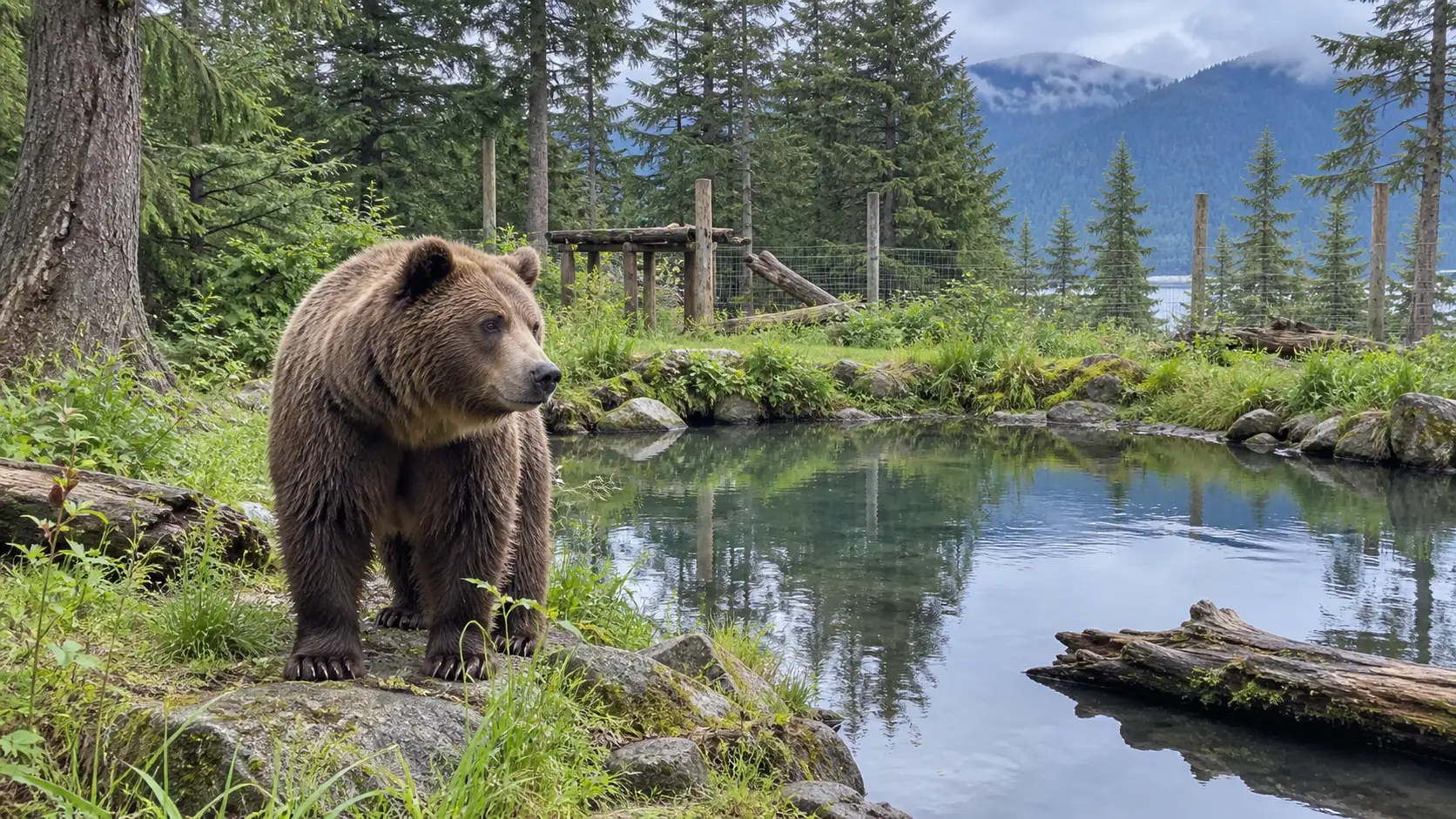
6. Fortress of the Bear
Fortress of the Bear is an educational rescue center with resident orphaned bears that cannot simply be treated like a wild-sighting stop. Elevated viewing areas allow observation, but the facility is outside the walkable downtown core.
Arrange transportation before you go, ideally through a combined tour or a confirmed taxi plan. Admission availability, operating hours, and cruise-day procedures vary, and a spontaneous outbound ride does not guarantee an easy return.
If your priority is seeing truly wild bears, Sitka is not a place to wander off searching on your own. Book a responsible guide for suitable habitat, understand that sightings are never assured, and keep food secured.
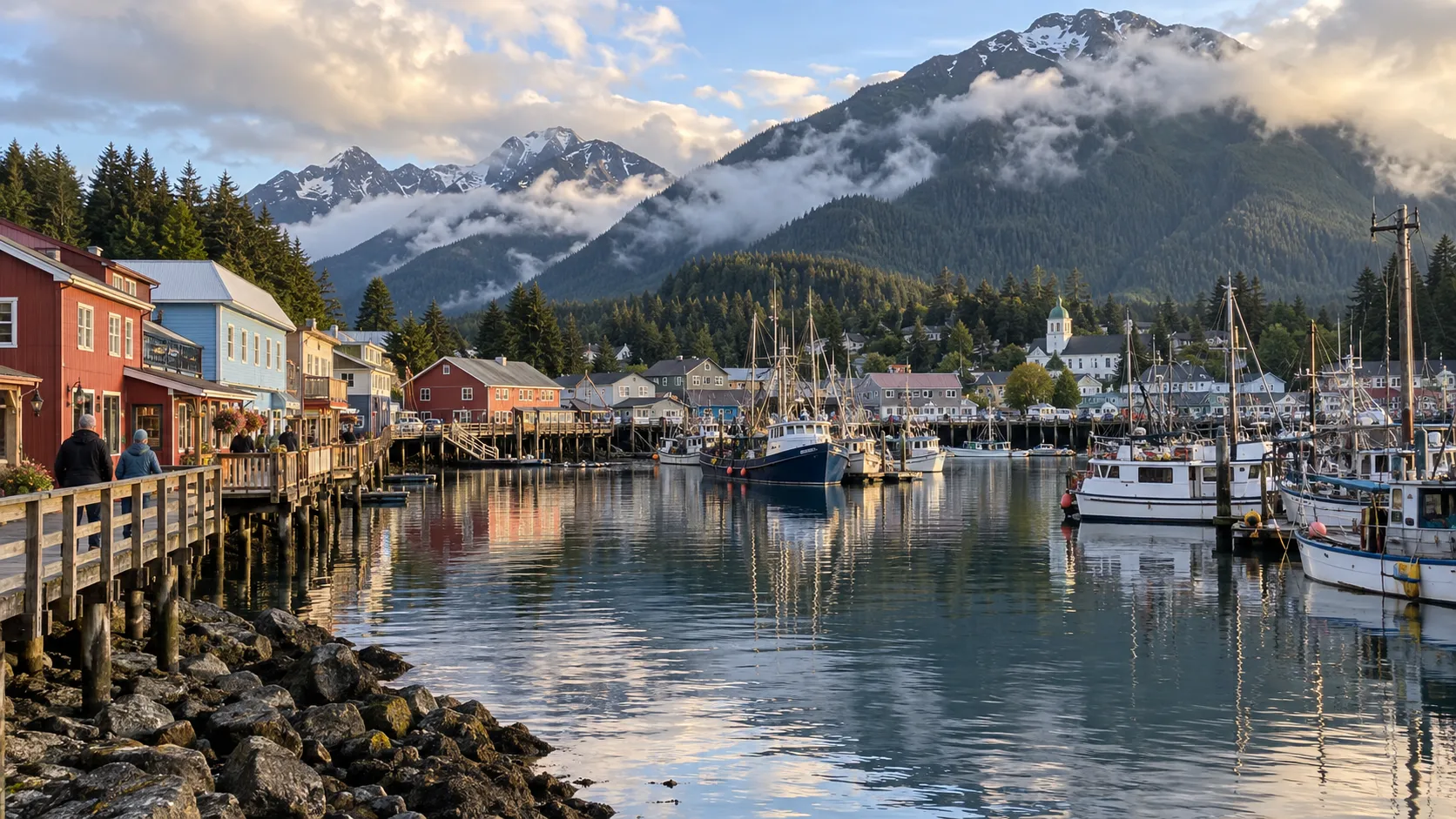
7. Downtown Sitka and the Harbor
Lincoln Street, the waterfront, Totem Square, and the area around Harrigan Centennial Hall reward an unhurried hour. Browse galleries for locally made work, ask who created an item, and avoid assuming every “Alaska” souvenir was produced in Alaska.
Seafood makes a satisfying flexible lunch, but leave room in the schedule because popular counters can develop lines on multi-ship days. Confirm whether a restaurant accepts cards and note that cellular service can slow when thousands of passengers arrive.
The harbor is also a good place to pause rather than manufacture another attraction. Watch working boats without blocking ramps, touching gear, or entering restricted dock areas.
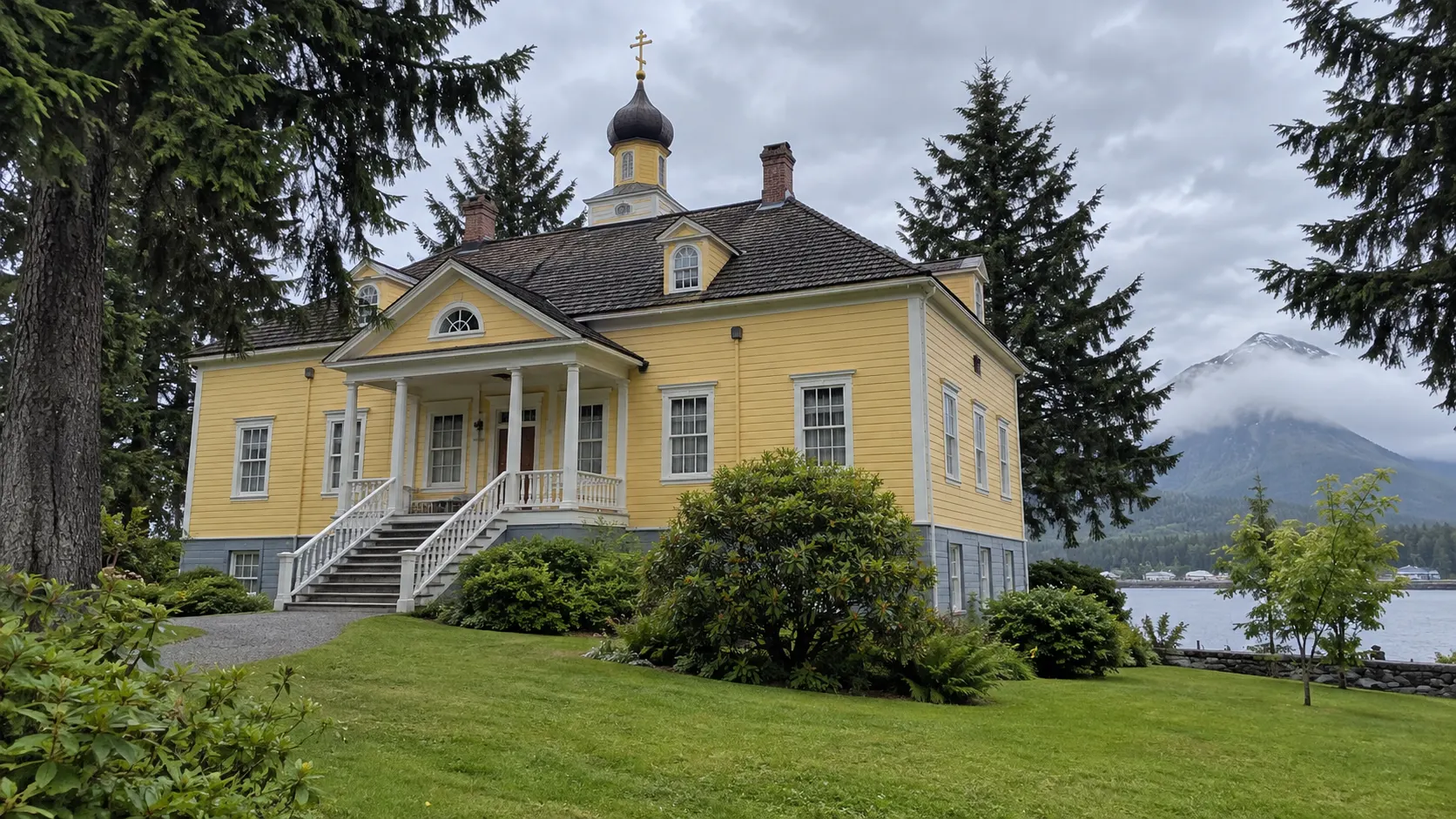
8. Russian Bishop’s House
The National Park Service manages the restored Russian Bishop’s House, a significant surviving example of Russian colonial architecture in North America. Access may be through timed or ranger-led tours, and operating days can differ from the main park visitor center.
Check the park calendar first and do not promise yourself a tour on a short call. Even when the interior is unavailable, the national historical park and downtown offer enough substance for a strong day.
9. Hiking Near Sitka
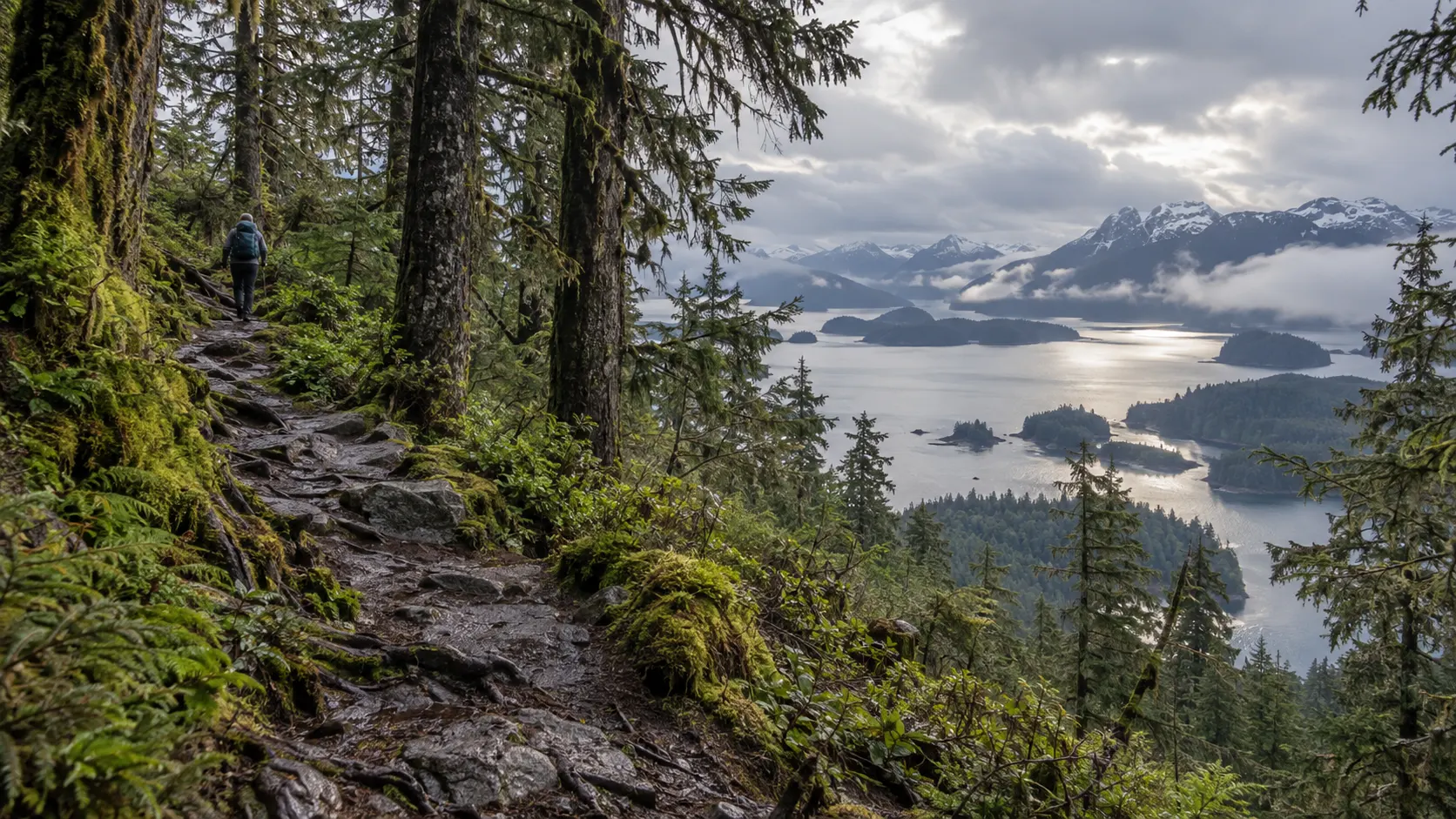
Sitka’s rainforest trails can be muddy, rooty, and slick even when downtown pavement looks dry. Choose a route based on port time, current conditions, bear awareness, and your group’s actual pace.
The national historical park provides the simplest low-risk walk from town. More ambitious trails require transportation and should include offline navigation, proper rain gear, and a conservative turnaround time.
Do not wear headphones that erase awareness, and do not approach bears or other wildlife for a photo. Make noise appropriately on brushy paths and follow current local and agency guidance.
10. Kayaking and Fishing
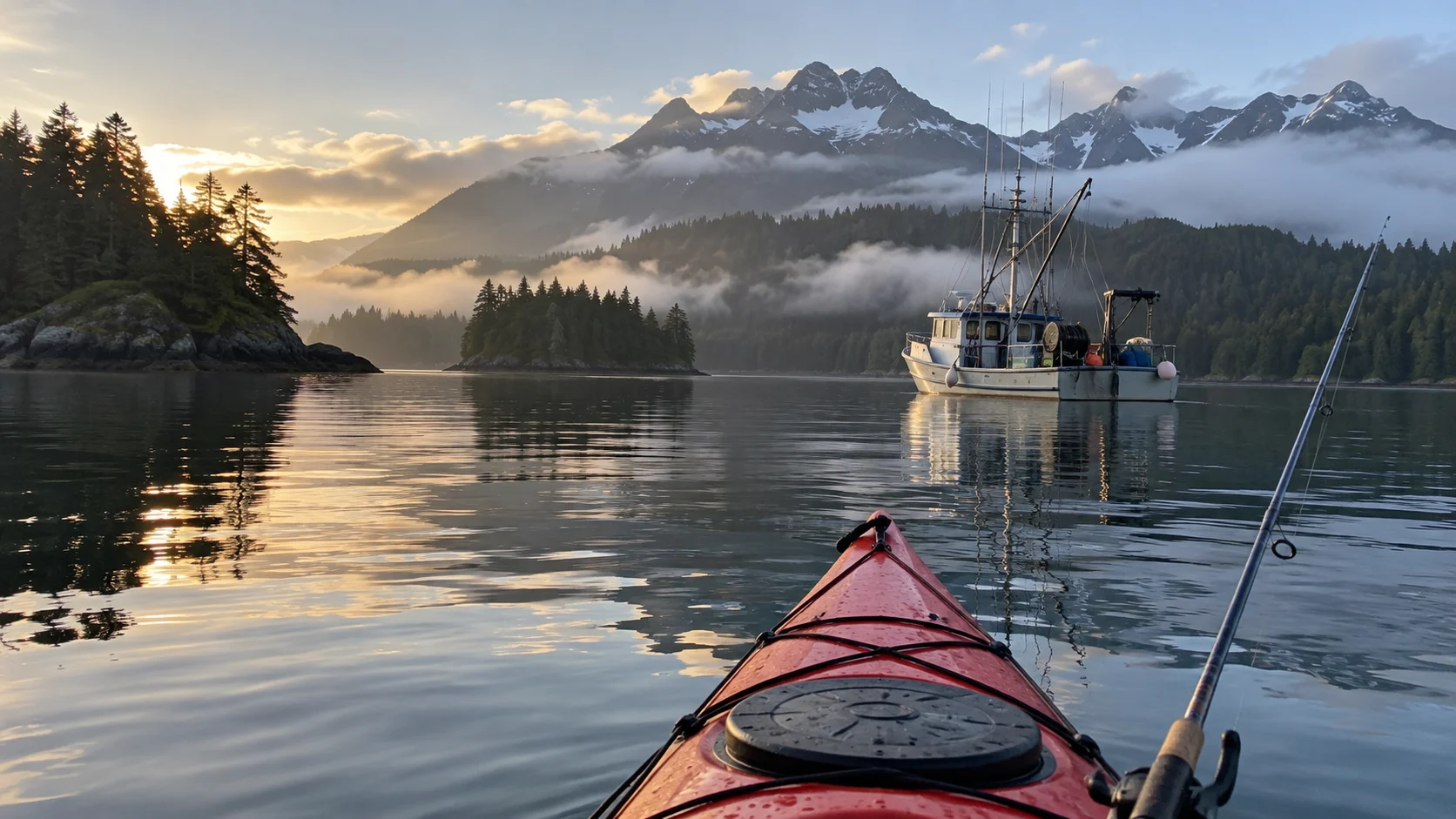
Kayaking puts the coastline at eye level, while fishing charters appeal to travelers prepared for variable conditions and licensing rules. Either can consume most of a port day, so choose one as the anchor rather than squeezing it between distant attractions.
Ask kayaking operators about dry gear, minimum ages, capsize procedures, and launch location. Anglers should confirm who provides the Alaska license, what is in season, catch handling, shipping costs, and what happens if weather cancels.
A Realistic Four-Hour Sitka Plan
Take the reserved shuttle downtown, then walk toward Sitka National Historical Park. Spend time in the visitor center and on the Totem Trail, adjusting the loop for weather and mobility.
Return through downtown for St. Michael’s Cathedral, a quick locally owned shop, and food near the shuttle stop. Join your reserved return shuttle with a large buffer rather than waiting for the last possible trip.
A Realistic Six-Hour Sitka Plan
Begin with a prebooked wildlife boat whose meeting location you have confirmed. Afterward, explore the national historical park and choose either the Sheldon Jackson Museum or a relaxed downtown lunch.
Do not add Fortress of the Bear unless transportation and timing are built into the tour. Two meaningful anchors are better than four attractions viewed through a bus window.
A Realistic Long-Day Plan
With eight useful hours ashore, combine an early wildlife cruise with a transfer to Fortress of the Bear or the Alaska Raptor Center. Finish downtown with the cathedral, museum, or national park depending on what remains open.
Keep at least 60 to 90 minutes of unassigned margin before all aboard when returning through a shuttle system. Your cruise line’s stated deadline controls, and tender guests may need even more time.
How to Choose a Sitka Excursion
Book through the ship if mobility support, simplified coordination, or return assurance matters most. Choose an independent operator when smaller groups, a specific vessel, or specialized interpretation justifies managing the meeting and return yourself.
Read cancellation terms for weather and missed port calls before paying. Alaska’s air and marine tours can be canceled for safety, and a good plan includes an enjoyable town alternative.
Our cruise essentials checklist covers the compact rain, power, and day-bag items that earn their space here. You do not need expedition-level gear for town, but wet cotton and smooth-soled shoes can make a simple walk miserable.
Sitka Cultural and Wildlife Etiquette
- Recognize Sitka as Lingít Aaní, the homeland of the Tlingit people, not a stage set that began with Russian arrival.
- Use the names and explanations provided by tribes, artists, museums, and the National Park Service.
- Ask before photographing people, artists, ceremonies, or sensitive cultural material.
- Buy directly from local and Alaska Native artists when possible, and ask about provenance.
- Keep distance from wildlife and never feed, call, surround, or pursue animals.
- Stay off working docks and avoid blocking residents while gathering as a tour group.
What to Pack for Sitka
Carry a waterproof shell, warm layer, brimmed cap, compact binoculars, water, and shoes with traction. A small dry bag or zippered pouch protects documents and electronics during boat tours.
Download maps and meeting instructions before leaving the ship. Our Alaska cruise timing guide explains why rain, daylight, and seasonal operations deserve different expectations from May through September.
Getting Back to the Ship
All aboard is earlier than sail-away, and the cruise line’s published time is the only deadline that matters. Confirm whether your watch and phone display local time before walking away from the shuttle stop.
For Sitka Sound Cruise Terminal, reserve the return shuttle and show up early because traffic and queues expand on busy days. Tender passengers should follow ship announcements for the last tender rather than assuming a downtown location makes timing casual.
If Sitka is part of a Seattle round trip, our Seattle to Alaska cruise guide covers both embarkation terminals and the larger travel-day plan. That preparation lets the Sitka day stay focused on Sitka.
My Bottom Line
The best Sitka cruise day pairs one nature experience with one cultural experience. My first-timer combination is Sitka National Historical Park plus a wildlife cruise or the Alaska Raptor Center, with downtown time left unclaimed.
Confirm your arrival point, reserve the terminal shuttle if required, and resist stuffing every hour. Sitka becomes more memorable when you have time to listen, look, and understand whose landscape and history you are visiting.