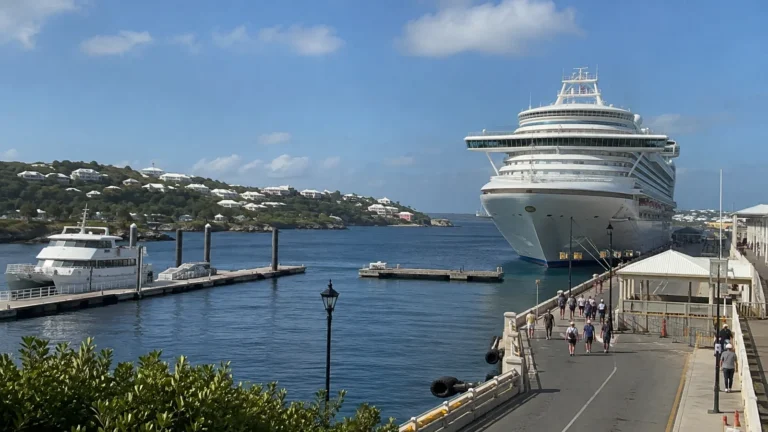
How to Plan a Girls’ Cruise Everyone Will Enjoy
A great girls’ cruise is not automatically the sailing with the loudest pool deck or the biggest drink package. It is the one where friends agree on budget, pace, cabins, and expectations before deposits make every difference expensive.
This plan works for birthday groups, college friends, sisters, mothers and daughters, reunions, and low-key escapes, without assuming every group wants the same version of fun.
Choose the trip’s purpose first
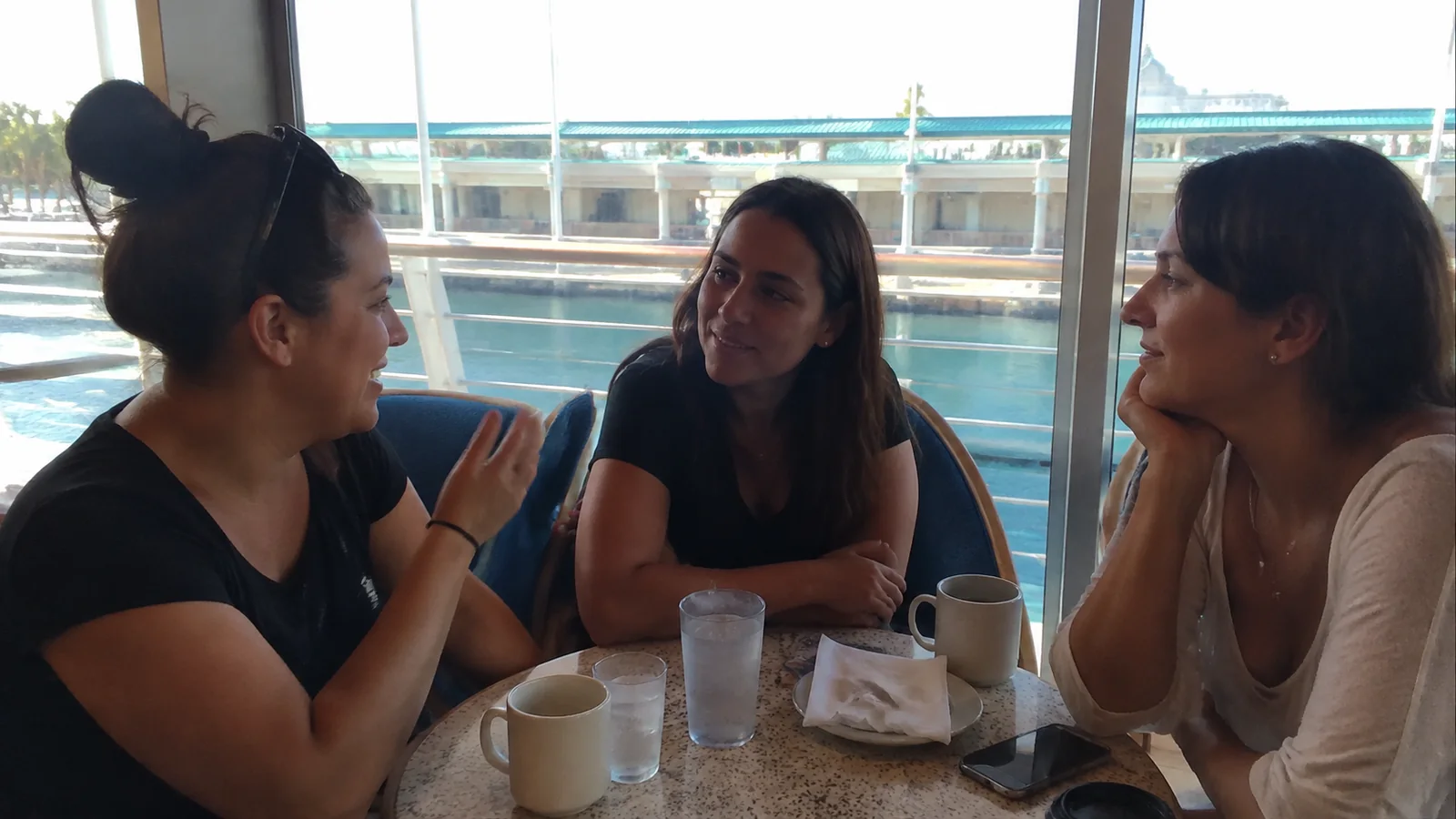
Ask one question before comparing ships: what should this vacation feel like? A four-night celebration, a week of beach and nightlife, a quiet spa break, and an Alaska scenery trip need different ships and very different budgets.
Let every traveler privately rank three priorities and one deal-breaker. The private part matters because someone may not want to announce financial limits, mobility needs, sobriety, anxiety, dietary restrictions, or a strong need for sleep in a busy group chat.
- Celebration cruise: Short itinerary, easy flights, active nightlife, and one organized group dinner.
- Relaxation cruise: More sea-day space, adult areas, spa options, quiet cabins, and minimal scheduled activities.
- Destination cruise: Longer port days, useful arrival times, strong shore logistics, and fewer late nights.
- Mixed-age reunion: Elevators, accessible routes, flexible dining, varied entertainment, and an easy home port.
Pick the right cruise line and ship
Choose the ship before choosing a logo. Two ships from the same line can differ in age, size, restaurants, pools, nightlife, cabin layout, accessibility, and whether the marquee features shown in advertising actually exist onboard.
Best for an adults-only social trip
Virgin Voyages is the clearest fit when everyone is at least 18 and the group wants flexible dining, nightlife, fitness, and no children onboard. The line’s official age guidance confirms its ships are exclusively for guests 18 and older, but adults-only does not automatically mean quiet.
Compare the actual itinerary, cabin arrangement, included items, and music-forward atmosphere with your group rather than booking on the label alone. For other grown-up styles, this site’s comparison of the best cruise lines for adults separates lively, premium, traditional, and destination-focused choices.
Best for high-energy variety
Royal Caribbean, Norwegian, and Carnival are the obvious comparison set when the group wants multiple entertainment venues, casual food, pools, and active evenings. Royal’s largest ships suit friends who prefer choices over togetherness, while smaller or older ships may be easier to navigate and less expensive.
Carnival often makes sense for a short, social sailing from a convenient U.S. port. Norwegian’s flexible dining can help independent friends, though popular restaurants and shows may still require planning.
Best for a polished, quieter week
Celebrity and Princess generally suit groups prioritizing dining, conversation, spa time, and adult atmosphere over water slides. Holland America deserves consideration for music, destination time, and a more traditional pace, especially when the group is not trying to turn every night into a club night.
Those are style judgments, not promises for every ship. Read the current deck plan, daily-program examples, dining list, and recent refurbishment details for the exact vessel.

Choose an itinerary the group can actually handle
For a first girls’ cruise, three to five nights from a port with easy flights is the lowest-commitment test. A seven-night cruise gives better value for travelers flying far, but it also increases time off, pet care, child care, and the cost of every onboard decision.
Caribbean and Bahamas
Choose these for warm weather, beach time, private-island days, and frequent departures from Florida and other East or Gulf Coast ports. Short sailings can feel more celebratory, while longer eastern or southern routes usually provide a better destination balance.
Do not assume every island day is interchangeable. Tendering, pier location, hurricane season, beach transport, accessibility, and time in port can turn two similar-looking itineraries into different trips.
Mexico from California
Short cruises from Los Angeles or Long Beach work well for West Coast groups that want a manageable flight and festive ship atmosphere. Cabo San Lucas often involves tendering, so a short call demands extra time discipline and a realistic shore plan.
Alaska
Alaska is the choice for scenery, wildlife, cool weather, and shared experiences rather than guaranteed pool days. Pick the itinerary for glacier viewing, port hours, and embarkation logistics, then choose a ship with enough covered viewing space for the entire group.
Mediterranean
A Mediterranean sailing can be extraordinary for food, cities, and milestone birthdays, but it is not a restful default. Long tours, heat, steps, jet lag, and a new port most mornings reward friends who agree that the destinations matter more than late-night ship plans.
Set the budget before anyone books
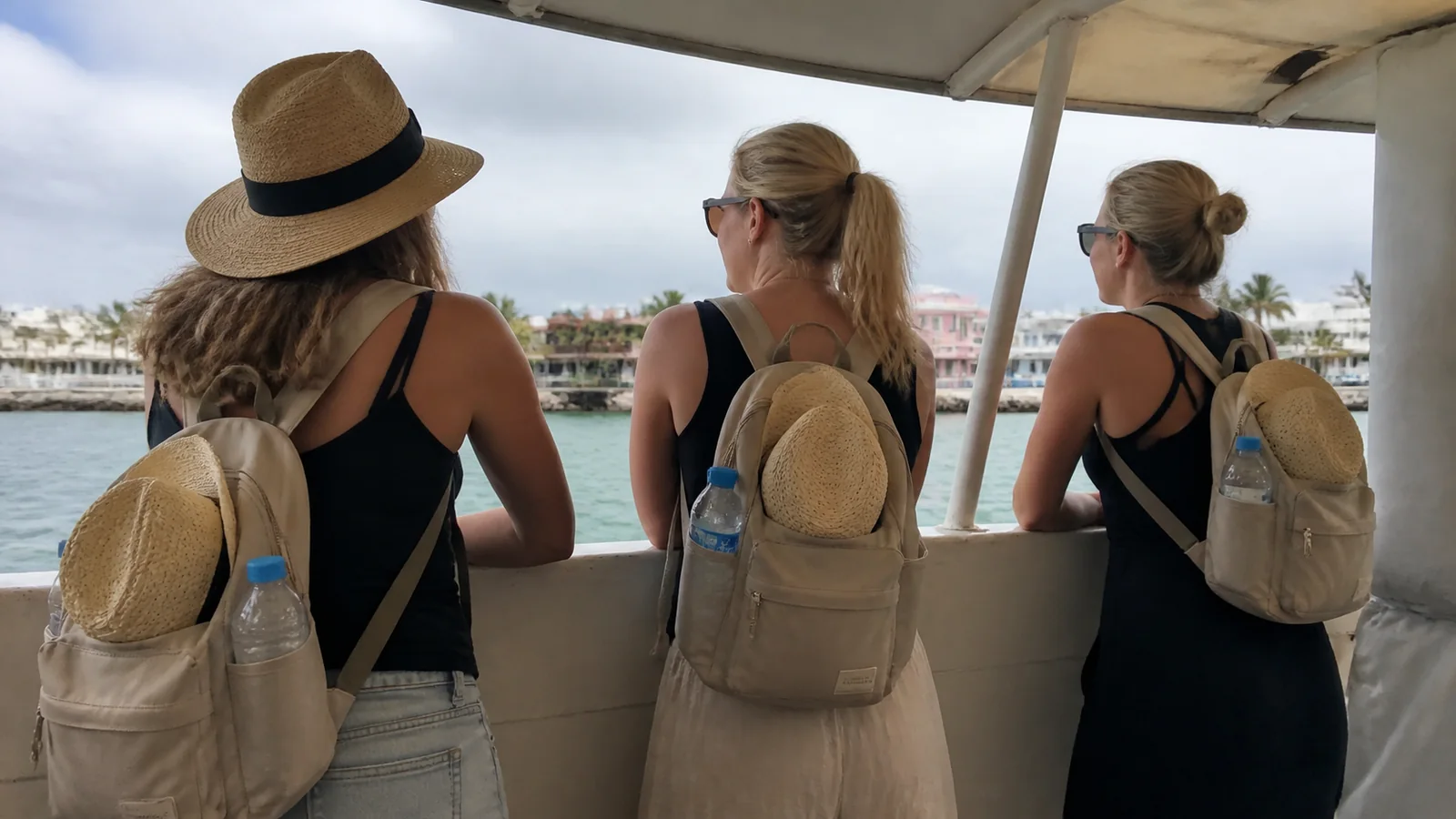
Use an all-in ceiling, not an attractive cruise-fare screenshot. Include taxes and fees, gratuities, flights, a pre-cruise hotel, transfers, checked bags, drinks, specialty dining, excursions, travel protection, Wi-Fi, spa plans, and a personal spending cushion.
Then divide costs into group, cabin, and individual expenses. One friend should not casually finance the whole group’s deposits, shore tour, or celebratory dinner while waiting to be repaid.
- Group costs: Shared transfer, private tour, decorations allowed by the line, or a pre-cruise hotel suite.
- Cabin costs: Fare, taxes, gratuities, and any cabin-specific purchase.
- Individual costs: Flights, drinks, spa, gambling, shopping, specialty meals, and optional excursions.
Agree on payment deadlines that fall several days before the cruise line’s real deadlines. Also decide what happens if someone cancels, loses a roommate, or cannot pay the final balance, because friendship is not a cancellation policy.
Book cabins without creating resentment
Two adults per standard cabin is usually the comfort sweet spot when budgets permit. Three or four adults may lower the headline fare, but sofa beds, upper berths, one bathroom, limited drawers, and different sleep schedules can make the savings feel expensive by day three.
Nearby cabins are often better than one large suite because they add bathrooms and privacy. Compare total price and bed configurations, and use the site’s broad guide to cruise cabins to avoid before letting a low fare choose a noisy location.
Do not assume cabins will stay together
Book linked reservations through one advisor or cruise-line contact when possible, and request cabins in the same area before inventory narrows. Royal Caribbean’s current group guidance, for example, says its website handles up to four staterooms, while larger arrangements require direct help and formal group status starts at eight staterooms.
Do not depend on future upgrade bids if proximity matters. Upgrades are evaluated by cabin, and a winning move can split friends across decks or ship sections.
Match roommates deliberately
Pair people by sleep, temperature, tidiness, and morning habits, not merely by who knows each other best. Ask about snoring, alarms, late nights, light sensitivity, mobility equipment, bathroom time, and whether beds must separate.
Give anyone who wants privacy the chance to price a solo cabin or single supplement without commentary. A private room can protect both the traveler and the friendship.

Plan dining before the ship fills
Choose one guaranteed group meal per day at most. Breakfast, sea days, and port returns vary too much for friends to move as a single unit from dawn to midnight.
Traditional set dining provides an automatic reunion point, while flexible dining suits groups that split into activities. On Royal Caribbean, the group dining policy says fixed main or late seating can support table allocation requests, while My Time dining cannot guarantee the whole group sits together.
Reserve the birthday or celebration dinner first, then let smaller clusters book around it. Tell the line about food allergies through its official process rather than relying on a friend to explain them at the table.
Schedule less than you think
The sweet spot is one group anchor on sea days and one clear shore plan in port. Everything else can live in a shared list of optional meetups with the time and exact location.
- Sea-day anchor: Brunch, trivia, a spa time window, pool meetup, afternoon tea, or a photo before dinner.
- Evening anchor: One show, dinner, karaoke, dancing, or a quiet lounge, not all five by mandate.
- Port anchor: One excursion or neighborhood plan with meeting point, return buffer, and independent opt-out.
No one should be punished socially for sleeping in, skipping drinks, leaving the club early, or choosing a different excursion. The best group cruises create reunion points without requiring continuous group motion.
Handle port days and personal safety
Use a buddy system ashore, especially after dark or when alcohol is involved, but do not outsource judgment to the group. Each traveler should know the ship’s all-aboard time, terminal, emergency contact, and route back.
The U.S. State Department’s cruise travel guidance recommends reviewing destination information, carrying appropriate documents, considering medical evacuation coverage, and planning for emergencies. A closed-loop itinerary does not guarantee that a passport is useless if someone must fly home unexpectedly.
Share live location only with consent, watch drinks being prepared, and never pressure anyone to disclose a cabin number to a new acquaintance. If a friend disappears from a planned meeting or seems impaired, act early and involve ship security or medical staff.
Health and travel protection
Every traveler should review personal medical needs, medication supplies, destination guidance, and what health insurance covers outside the United States. The CDC Travelers’ Health portal provides destination-specific vaccine, food, water, and health notices to check before sailing.
Compare travel-protection policies by covered reason, preexisting-condition terms, medical limits, evacuation, delay, missed connection, and whether independently booked flights and tours are included. A friend’s illness, pregnancy, work conflict, or breakup is not automatically covered.
Pack for the itinerary, not the theme
Coordinate only the outfits that people genuinely want, perhaps one dinner color, a beach look, or simple accessories. Do not make everyone purchase five novelty outfits that occupy half a suitcase and turn photos into an obligation.
Each person needs travel documents, prescriptions in original labeled containers when appropriate, comfortable shoes, weather layers, sun protection, chargers, and a small day bag. Build from the site’s modular cruise packing list, then add only the modules the ship and route require.
Check the cruise line’s current prohibited-items and alcohol rules before packing decorations, steamers, extension devices, beverages, or anything with a heating element. Matching does not make an item permissible.
A simple planning timeline
- 9 to 15 months out: Agree on budget, dates, line, ship, itinerary, departure city, and cabin plan.
- 6 to 9 months out: Book flights when sensible, pre-cruise hotel, protection, and priority excursions.
- 3 to 6 months out: Link reservations, request dining, reserve celebration plans, and verify documents.
- Final month: Complete check-in, reconfirm transfers, download the app, share contacts, and review health and destination guidance.
Assign one coordinator for reminders, not one unpaid travel director responsible for everyone’s choices. Each adult owns her passport, payments, check-in, medical needs, and timely arrival.
The girls’ cruise I would book
For a first group sailing, I would choose four or five nights, a departure port with nonstop flights for most friends, two adults per cabin, and one planned dinner. I would prioritize a ship with several genuinely different evening venues and an itinerary with at least one easy beach or walkable port day.
Most importantly, I would leave half the calendar blank. The memories usually arrive between the reservations, when no one is checking a group chat to learn what fun is scheduled next.