15 Best Attractions in Los Cabos for Cruises and Longer Stays
Los Cabos is not one compact beach town. Cabo San Lucas brings the marina and famous Arch, San José del Cabo offers history and galleries, and the 20-mile resort corridor between them holds some of the region’s most reliable swimming beaches.
Choose the Right Part of Los Cabos First
Cabo San Lucas is the energetic western hub, with boat tours, nightlife, sportfishing, and the landmark rocks at Land’s End. San José del Cabo is the calmer eastern city, built around a historic center, arts district, restaurants, and the estuary.
The Tourist Corridor follows Highway 1 between the two cities. It is not a walkable neighborhood, but a chain of resorts, coves, golf courses, and beach access points that require a car, taxi, or arranged transfer.
- Best first cruise day: The Arch, marina, and either Medano Beach or downtown Cabo San Lucas.
- Best beach-first stay: A corridor resort near Chileno, Santa Maria, or Palmilla.
- Best culture and food base: San José del Cabo.
- Best serious nature day: Cabo Pulmo or the Sierra de la Laguna with advance planning.
What Cruise Passengers Need to Know
Cabo San Lucas is a tender call, so ships anchor in the bay and small boats carry passengers into the marina. The local Cabo Tenders service operates a fleet for cruise-line transfers, but your own ship controls tickets, priority, accessibility decisions, and the final return time.
A scheduled arrival is not the same as being ashore, and wind or swell can slow or cancel tender operations. Record the last tender, protect at least a 60-to-90-minute return buffer, and review these tender-port planning basics before booking an independent excursion.
Once ashore, the marina and central Cabo are walkable, though heat and the curved waterfront make distances feel longer. Corridor beaches, San José, Todos Santos, and Cabo Pulmo require ground transportation.
Best Attractions in Cabo San Lucas
1. El Arco and Land’s End
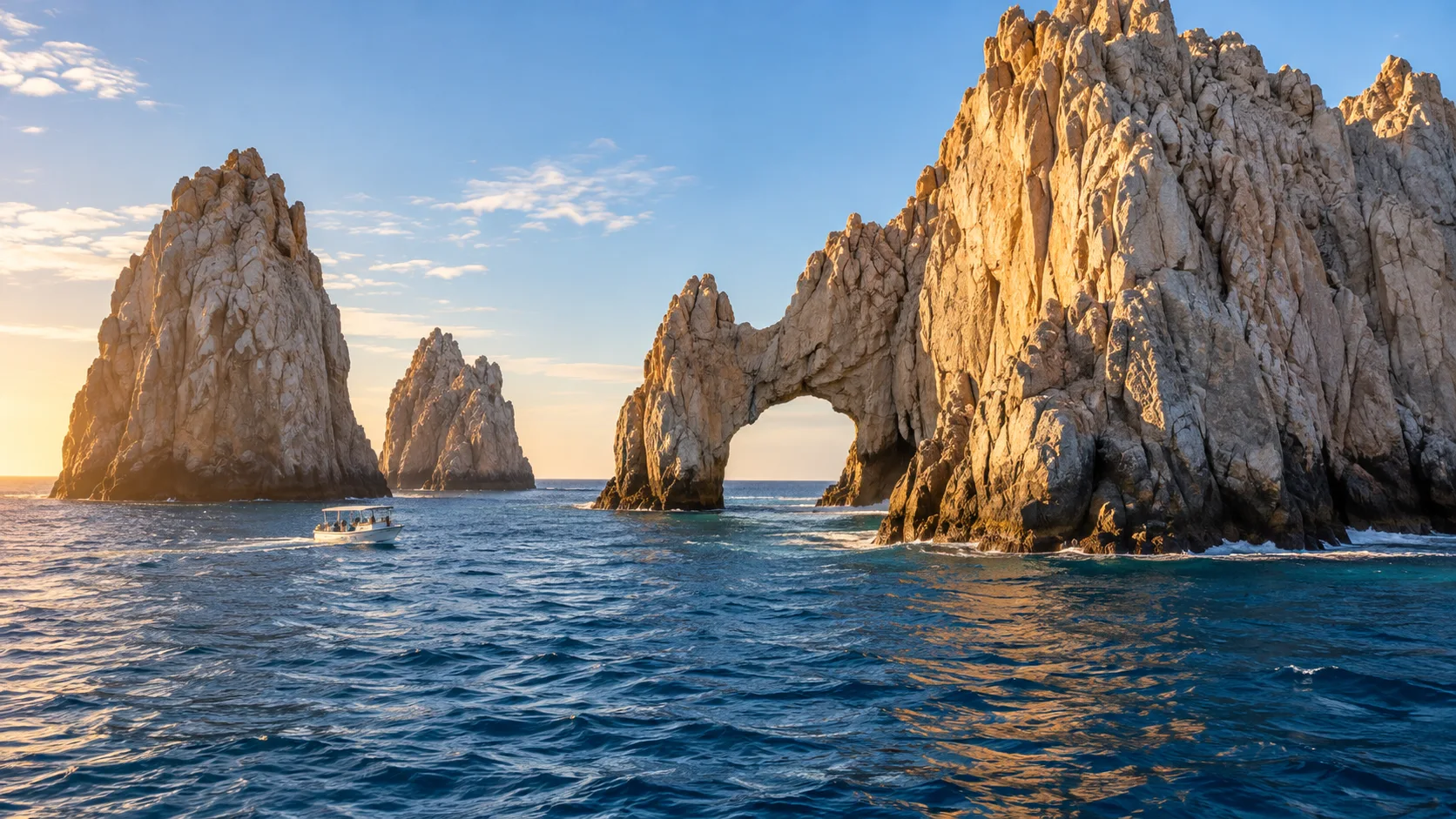
El Arco is the signature Los Cabos sight, a natural rock arch where the granite formations at Land’s End divide the Pacific Ocean from the Sea of Cortez. A short glass-bottom boat, water taxi, sailing trip, or private launch from the marina is the practical way to see it.
Ask whether the trip circles the rocks, stops at a beach, includes a return pickup, and provides life jackets for every passenger. A cheap boat quote is not good value if the return, dock fee, or beach pickup remains vague.
For most cruise passengers, this is the one attraction I would not overcomplicate. Go early, keep the marina within reach afterward, and treat wildlife sightings as a bonus unless you booked a dedicated seasonal tour.
2. Lover’s Beach and Divorce Beach
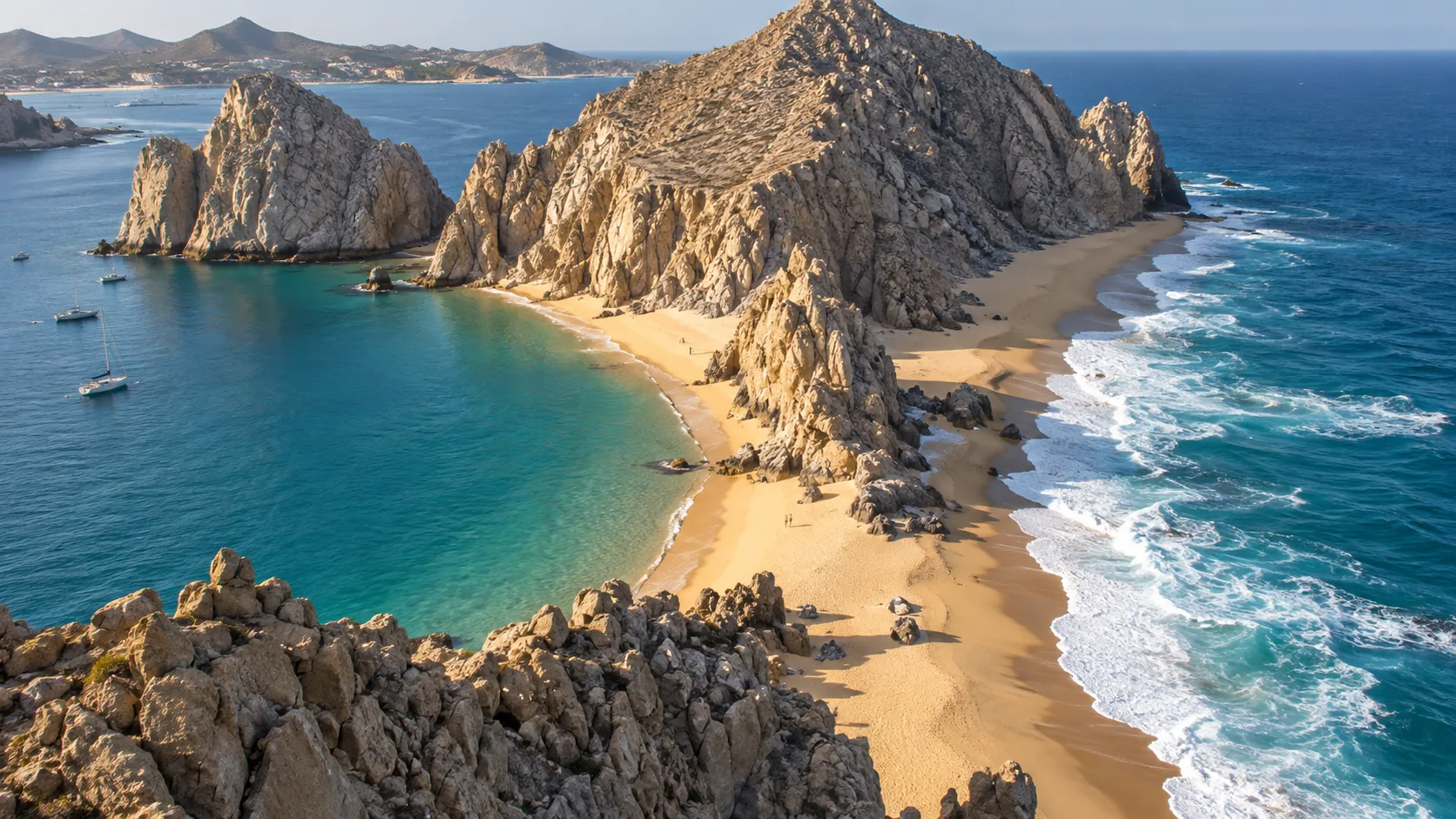
Lover’s Beach sits on the calmer Sea of Cortez side of Land’s End, while Divorce Beach faces the exposed Pacific. They are close on land but completely different swimming environments, and Divorce Beach is for looking, not swimming.
There is no conventional dock at these beaches, so passengers may step from a small boat into shallow water. Landing and pickup depend on current conditions, making this a poor choice for anyone who cannot manage a wet, moving transfer.
Bring water, shade, and footwear because services are limited or absent. Never assume yesterday’s calm conditions make today’s flag, swell, or boat landing safe.
3. Medano Beach
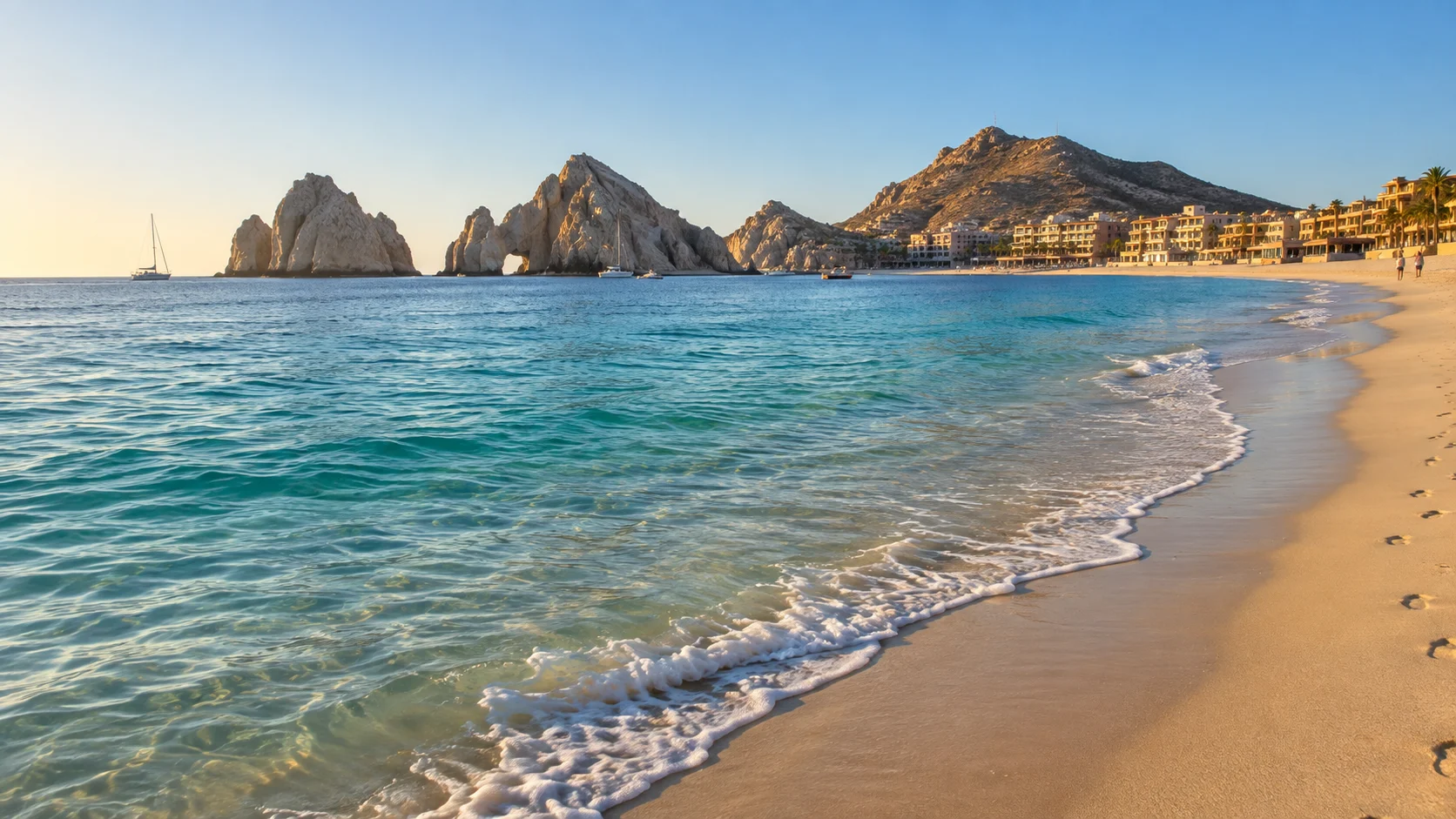
Medano is the easiest full-service beach near the Cabo marina, with restaurants, rentals, water activities, and a view back toward Land’s End. It is roughly a 20-to-30-minute marina walk, while a land taxi or water taxi is easier in high heat.
The tradeoff is energy rather than solitude: expect vendors, music, boats, and active watersports. Confirm any beach-club minimum spend before sitting down, watch the flag posted that day, and keep children clear of boat-landing areas.
4. Cabo San Lucas Marina and Downtown
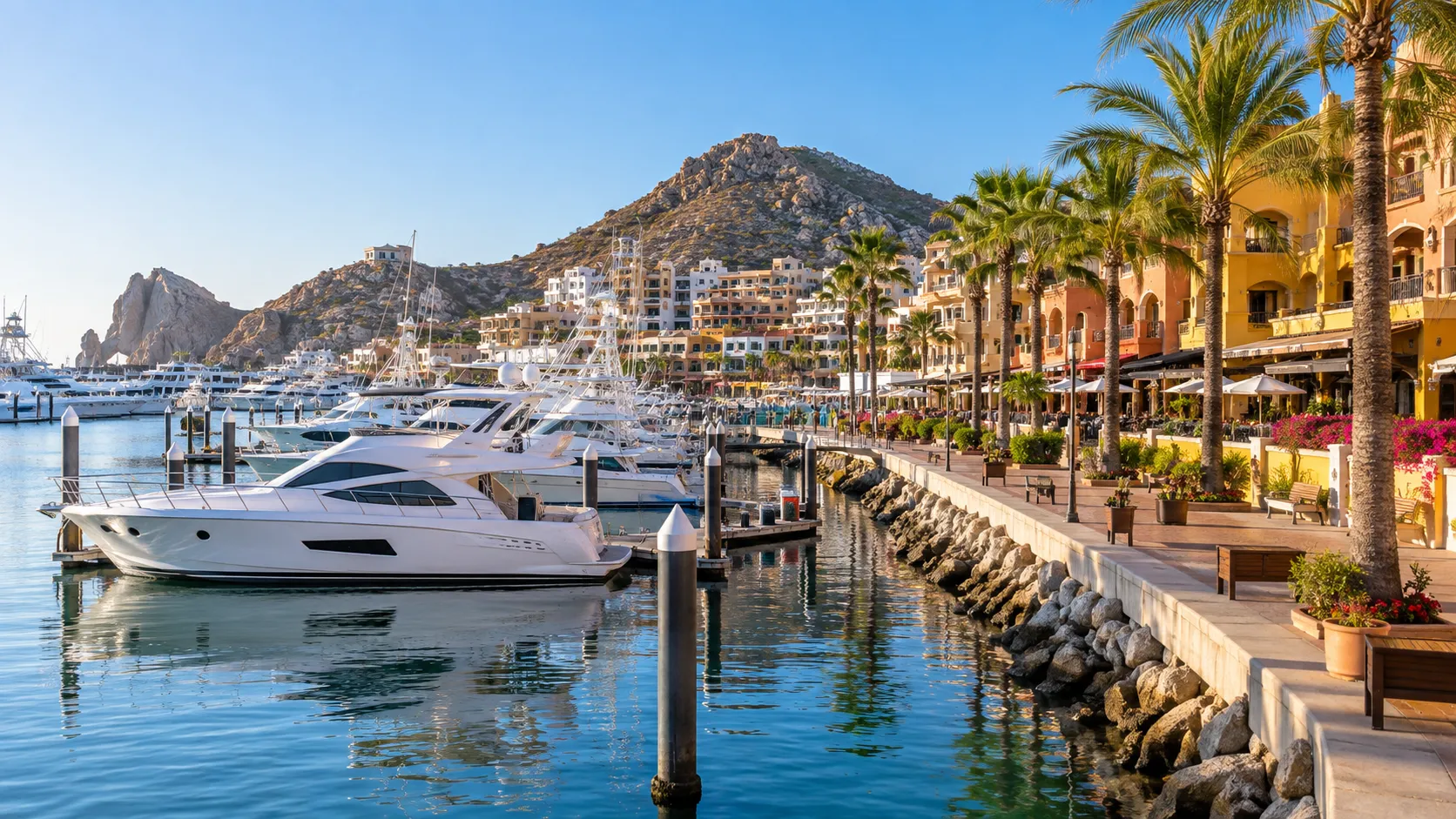
The marina is both the cruise arrival point and a genuine attraction, with fishing boats, restaurants, shops, and a broad waterfront promenade. It works well as a flexible backup when a boat trip is canceled or a tender delay shortens the day.
Downtown adds taco stops, bars, and shopping within a short walk, but it becomes louder and more nightlife-oriented later. Cruise visitors should keep purchases, alcohol, and the return queue subordinate to the ship’s clock.
5. Whale Watching
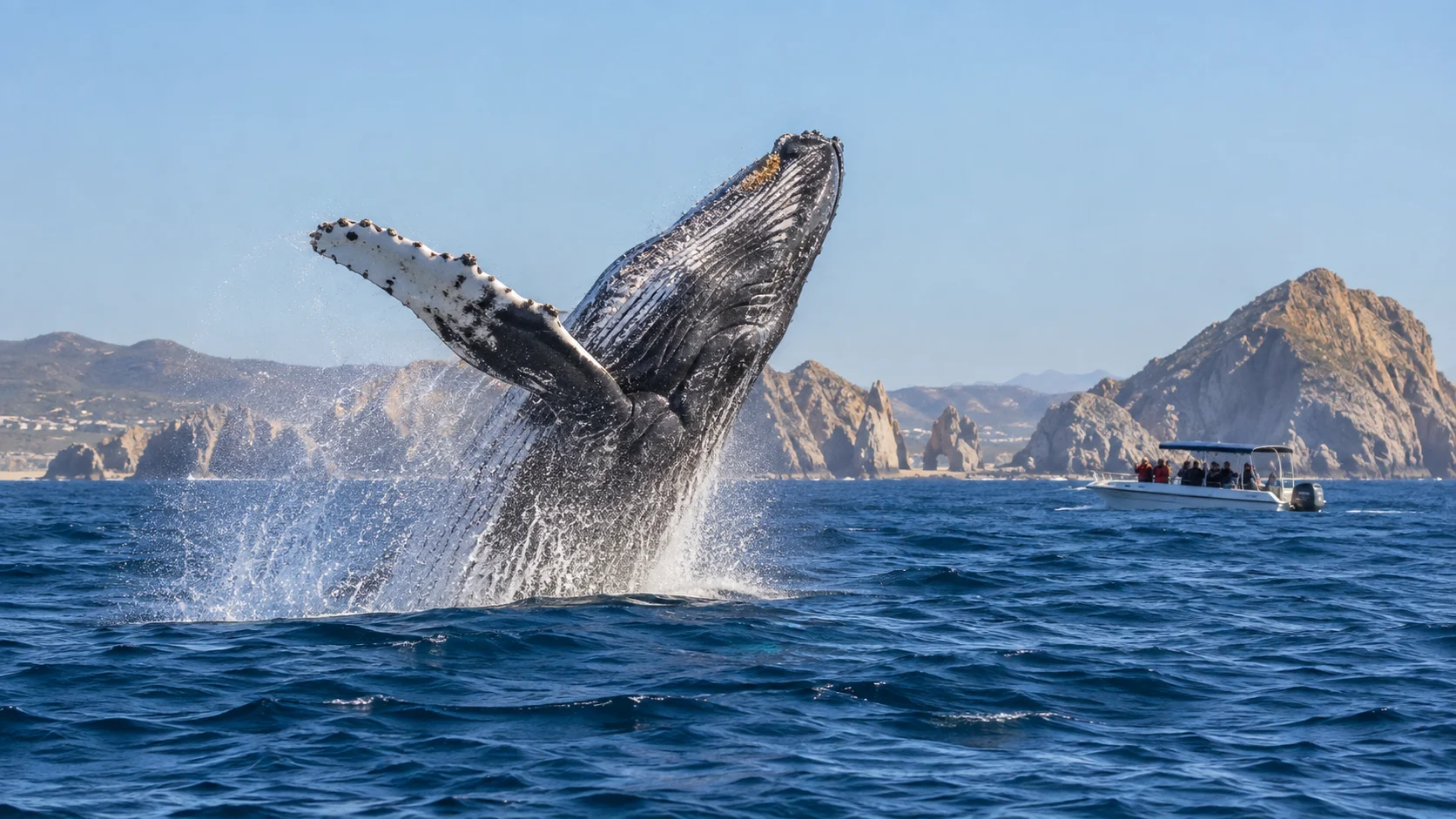
Whale watching is a top-tier Cabo experience from December through April, when the Los Cabos Tourism Board identifies the main seasonal window for migrating whales. Humpbacks are the headline species, but no ethical operator can promise a sighting, breach, or close approach.
Choose a permitted operator with life jackets, a marine-head option if needed, shade, and a clearly stated duration. Small rigid inflatables can feel faster and more exciting, while larger boats are usually easier for travelers concerned about spray, motion, or boarding.
6. Sportfishing
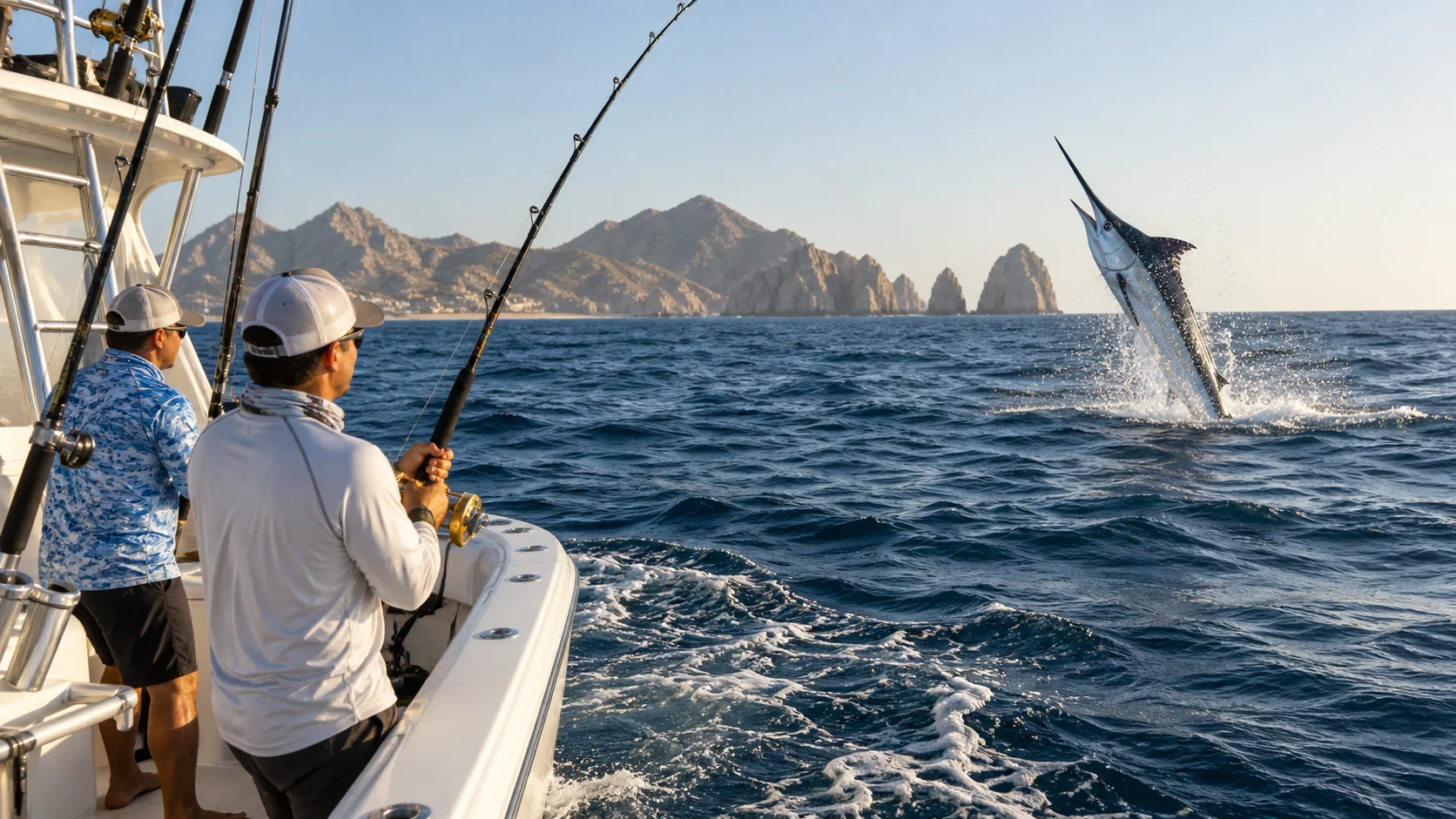
Cabo’s fishing identity runs deeper than its resort image, and the marina is packed with charters targeting marlin, tuna, dorado, and other seasonal species. This is best for a dedicated half or full day rather than something squeezed after an Arch tour.
Confirm licenses, tackle, bait, conservation practice, catch handling, food, and gratuities in the written price. Cruise guests should book a duration that includes tender uncertainty and never let the captain’s fishing time erase the ship-return buffer.
Best Attractions in San José del Cabo
7. Historic Center and Mission
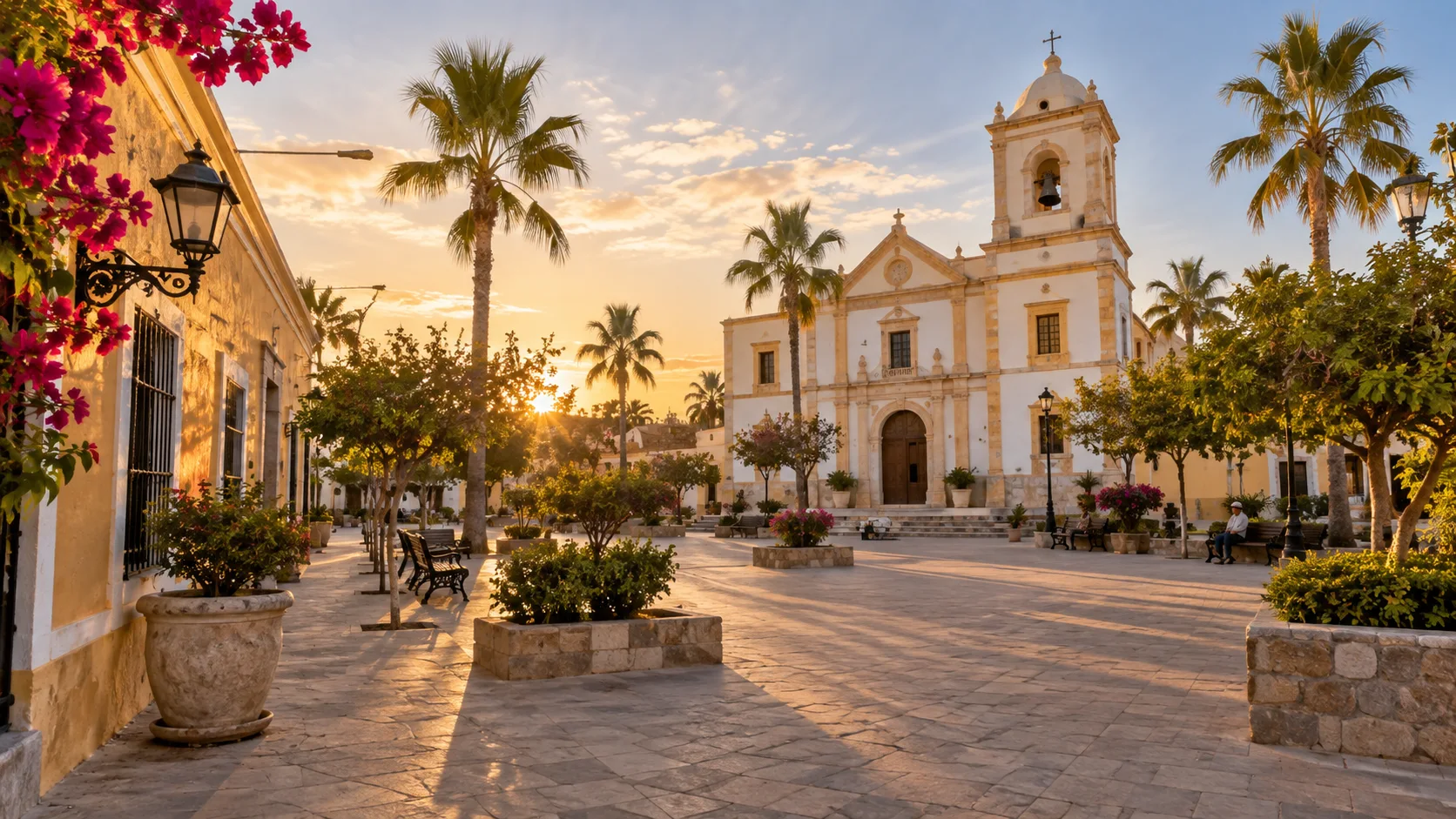
San José’s central plaza, mission church, low-rise streets, shops, and galleries make a pleasant contrast to Cabo San Lucas. From the Cabo marina, allow about 35 to 50 minutes each way in ordinary traffic, so this should be the main cruise-day plan rather than one stop in a long circuit.
The center is most rewarding at an unhurried pace with lunch or dinner nearby. Church access can pause for services, private events, or local observances, and respectful clothing and quiet behavior matter.

8. San José del Cabo Art District
Galleries operate throughout the week, but the well-known Art Walk is a Thursday evening event from November through June. That timing usually suits hotel guests better than cruise passengers, whose ship may leave before the streets become lively.
Visit in daylight for quieter browsing or stay into the evening only when your lodging and return transportation are settled. A calendar label does not guarantee every gallery, vendor, or street closure will operate on your date.

9. San José Estuary
The freshwater estuary is a protected green break beside an otherwise dry coastal landscape and an important bird habitat. It is best early in the day, when temperatures are lower and wildlife activity can be better.
Trail access and water levels can change after storms, so ask locally before setting out and remain on legal paths. Bring binoculars, water, sun protection, and insect repellent, then combine the visit with the historic center rather than driving back to Cabo for another major activity.

10. Farm-to-Table Dining
The agricultural outskirts of San José contain destination restaurants that turn dinner into the evening’s main event. These properties may sit down dirt access roads and often require reservations, so they are far better for a longer stay than a tender-port day.
Arrange a round-trip driver if the meal includes alcohol and verify the cancellation policy during storm season. “Near San José” can still mean a meaningful drive from a corridor resort or Cabo San Lucas.
Two farm restaurants I would put on the shortlist
Flora’s Field Kitchen at Flora Farms in Ánimas Bajas is my choice for a relaxed daylight meal with a clear connection to the farm’s seasonal produce. Reserve through the restaurant, allow about two hours for the meal and a little browsing, and arrange the return ride before arriving.
Acre Restaurant & Cocktail Bar, also in Ánimas Bajas outside San José del Cabo, suits a more polished dinner with cocktails in a lush setting. I would choose Acre for the evening atmosphere and Flora for a slower daytime outing, checking the current menu and reservation cancellation terms for either.
These are destination meals, so allow a separate travel buffer beyond dining time, especially from Cabo San Lucas or a cruise tender pier. A short ship call is better spent near Cabo’s marina than attached to a distant restaurant reservation.
Best Beaches Along the Tourist Corridor
11. Chileno Bay
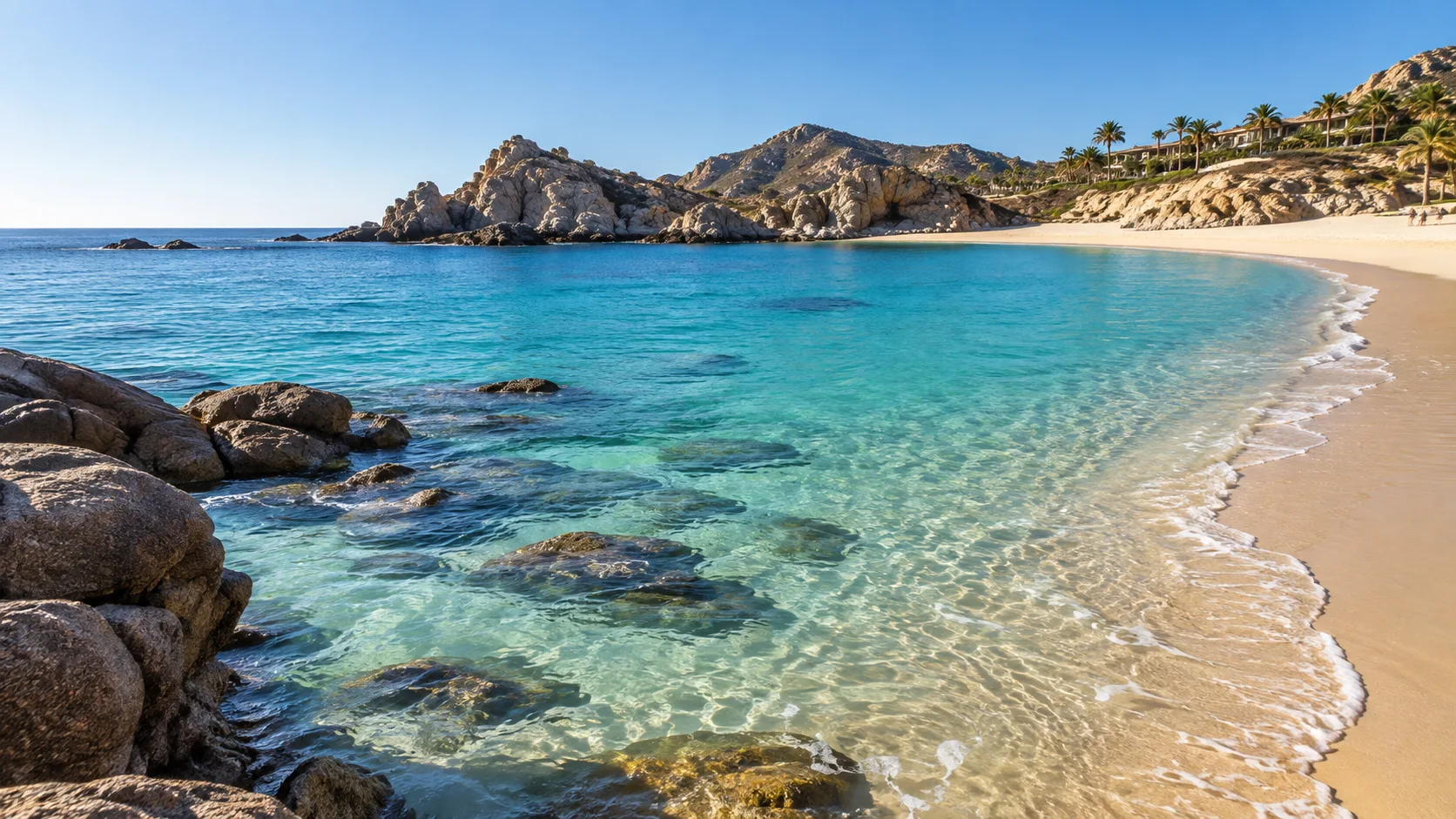
Chileno is my strongest all-around public-beach pick for swimming, simple snorkeling, restrooms, showers, and a calmer setting than Medano. It sits about 20 to 30 minutes from the Cabo marina by road, depending on traffic and pickup logistics.
The protected shape helps, but the official Los Cabos beach-safety guidance still tells visitors to follow daily flags, with red or black indicating unsafe water. Bring your own shade and do not plan around guaranteed snorkeling visibility.
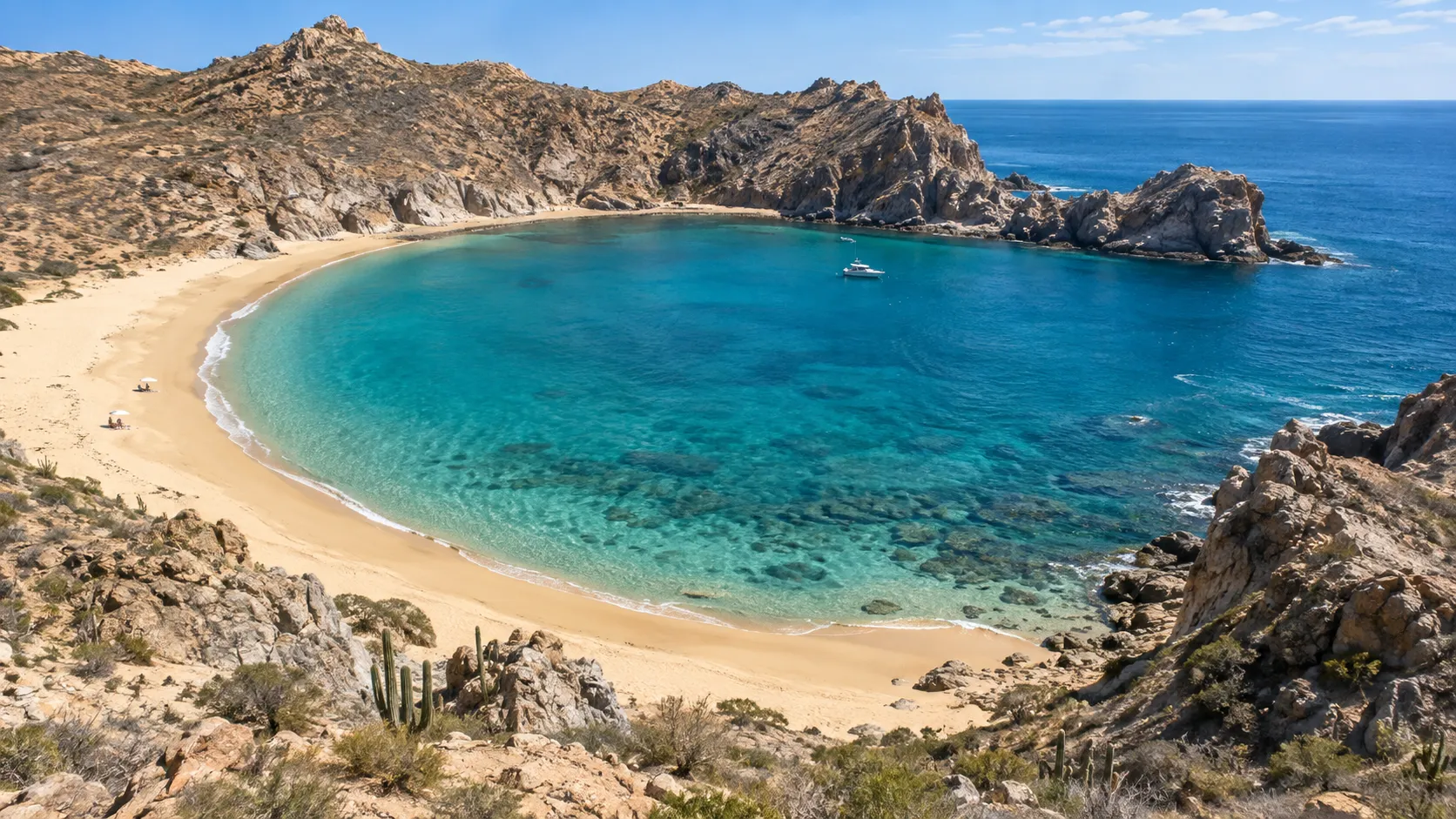
12. Santa Maria Bay
Santa Maria is a horseshoe-shaped cove between the two cities and a good choice for swimming or shore snorkeling when conditions cooperate. It feels less commercial than Medano, which also means fewer food and rental conveniences.
Pack water, reef-conscious sun protection, and anything you need for the beach. Snorkel boats also visit the bay, so remain aware of marked areas and vessel traffic rather than drifting toward open approaches.
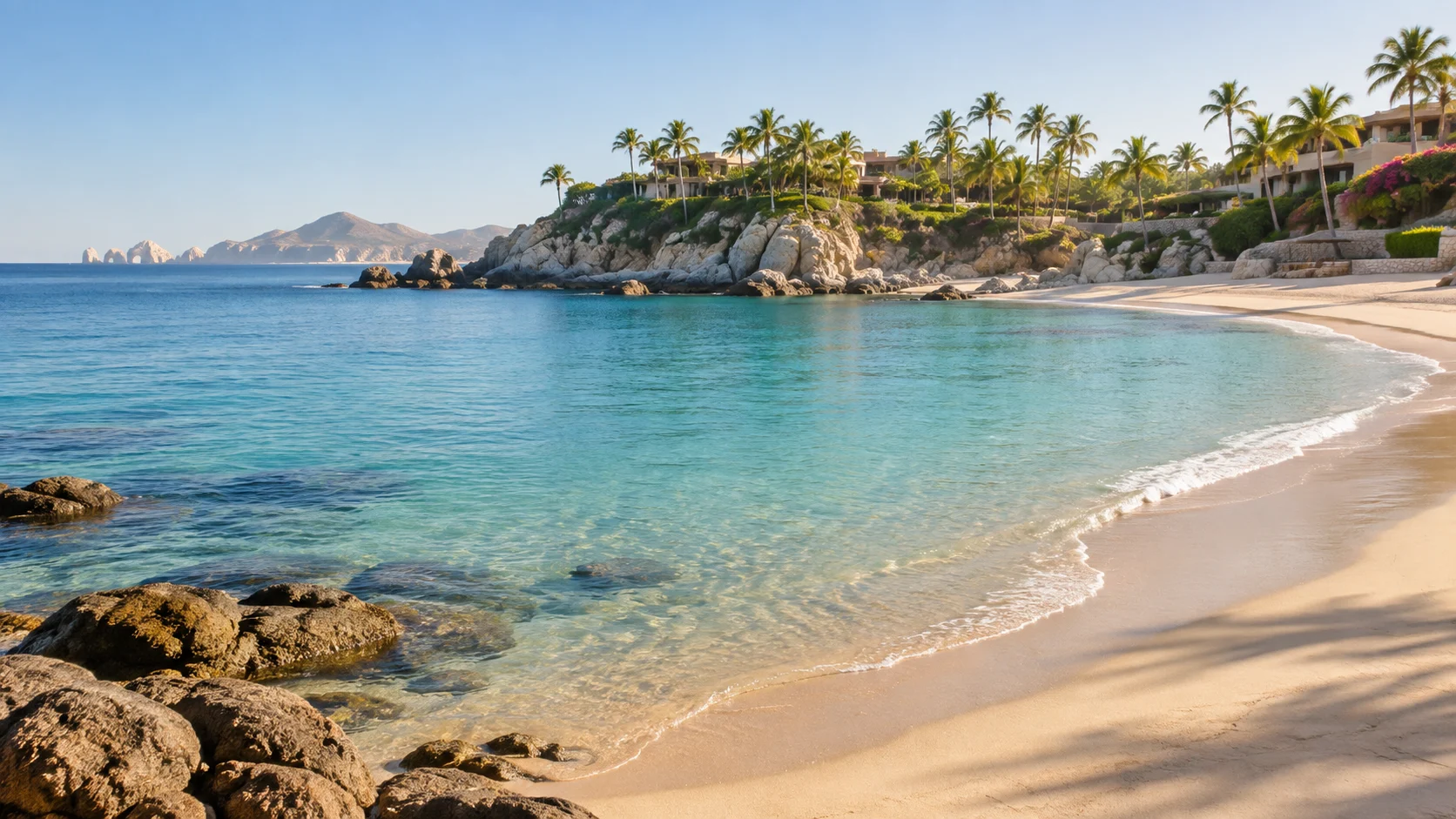
13. Palmilla Beach
Palmilla is the corridor beach I would favor from a San José base, with a protected cove and a more local, relaxed feel. It is farther from the Cabo cruise landing than Chileno, so cruise passengers gain little by passing one good swimming beach to reach another.
No Los Cabos beach is “always swimmable,” including the coves. Flags, lifeguard instructions, shore break, and your own ability decide the safe plan that morning.
Best Longer-Stay Excursions Beyond the Core
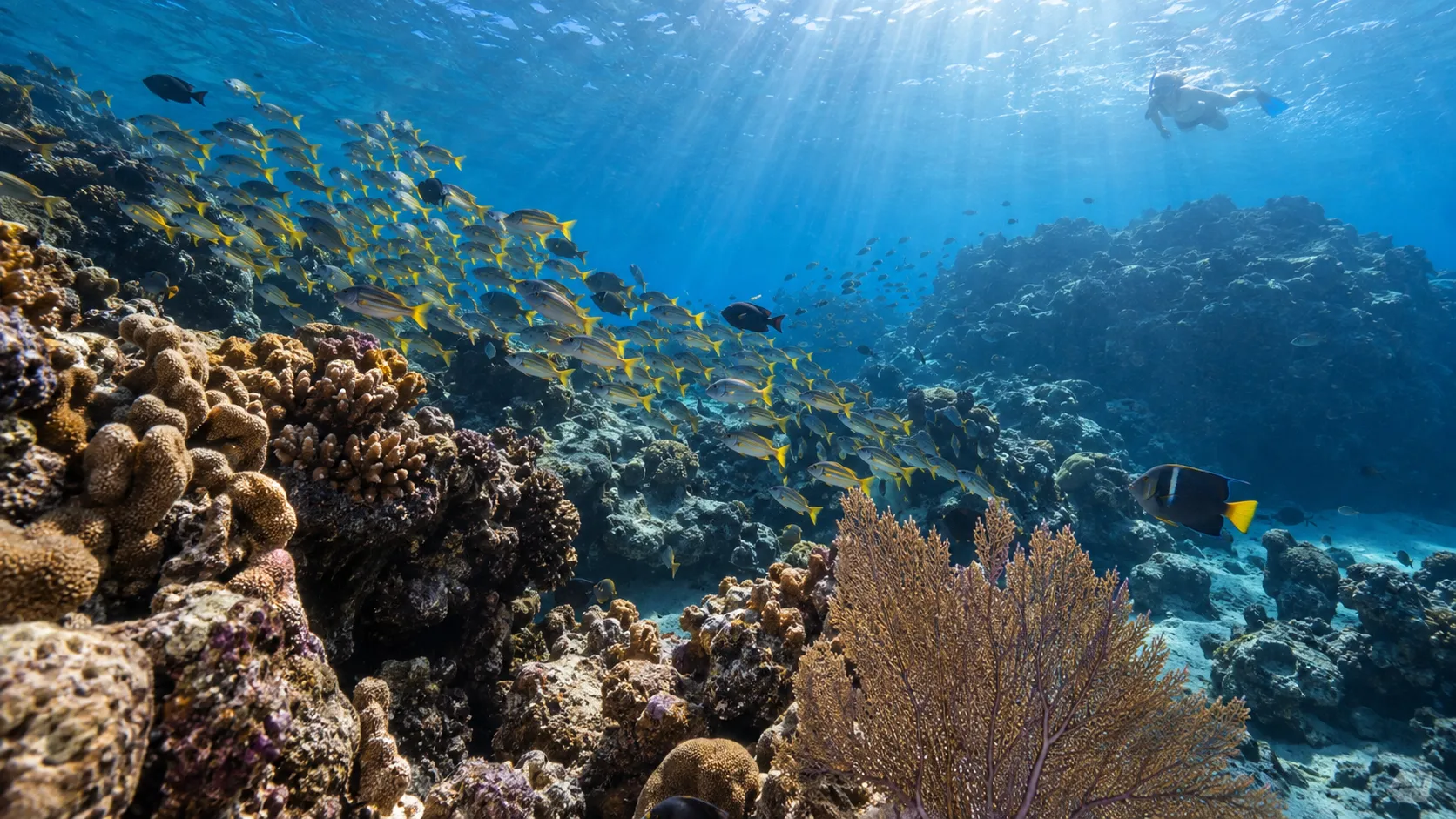
14. Cabo Pulmo National Park
Cabo Pulmo protects a major reef ecosystem on the East Cape and offers snorkeling and diving in a far quieter setting than Cabo San Lucas. The Los Cabos Tourism Board places it about two hours from San José, and the final approach can be slow, so it is not a responsible ordinary cruise-day recommendation.
Mexico’s protected-area agency requires visitors to follow park staff, respect zones, pay applicable fees, and use authorized tourism providers; check the current Cabo Pulmo regulations before booking. Wind, visibility, currents, and park capacity can change the activity even after the long drive.
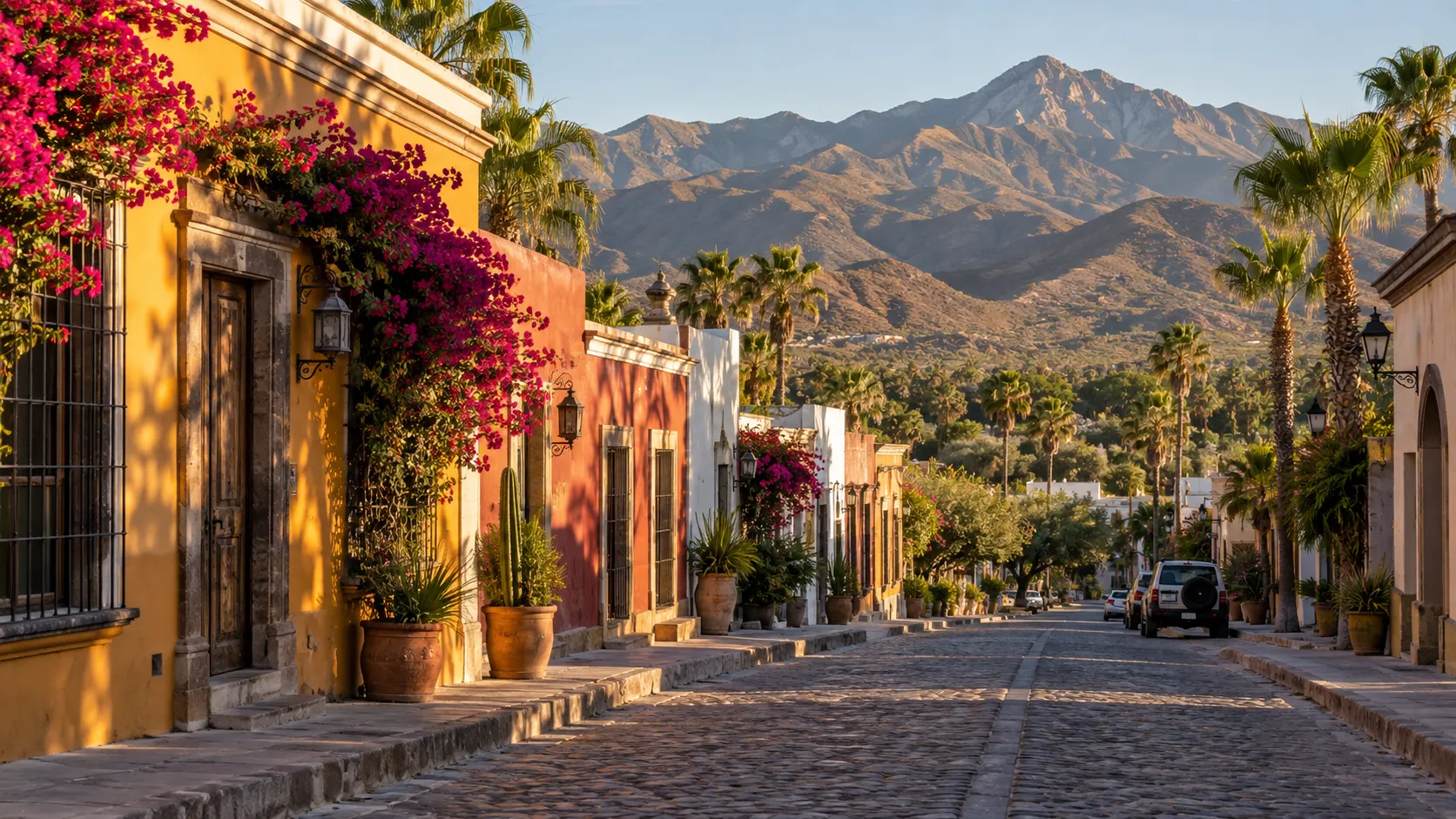
15. Todos Santos and the Sierra de la Laguna
Todos Santos is roughly 60 to 90 minutes north of Cabo San Lucas and works as a full day of galleries, food, historic streets, and Pacific scenery. The Sierra de la Laguna and Santiago-area waterfalls head inland instead, trading polished resort access for desert canyons, seasonal water, and rougher roads.
Choose one direction per day and use daylight transportation, especially in remote areas with limited cell service. A rental car adds freedom for a longer stay, but insurance terms, parking, road surface, and alcohol should be resolved before departure.
A concrete inland excursion: Fox Canyon
For an inland day, I would book High Tide Los Cabos’ private Fox Canyon hike, which lists a 6.5-hour outing including round-trip transportation and a minimum age of six. The operator takes visitors toward the Sol de Mayo waterfall area near Santiago, making this a full excursion rather than a quick add-on to San José.
Ask the operator to confirm ranch entry, the day’s authorized route, minimum group size, pickup point, and whether recent rain has changed access before paying. Expect uneven rock and a moderate hike, and treat any swimming as conditional on the guide’s assessment of water and weather.
I would choose this for active travelers staying several nights, keeping it off a tight cruise day. If heat, storms, or access restrictions intervene, spend the cooler morning in San José’s historic center and book a farm lunch instead of trying to find an unofficial waterfall entrance.
Getting Around Without Losing the Day
The tourism board’s current transportation overview quotes roughly $60 to $70 for a taxi between Cabo San Lucas and San José del Cabo and about $2 to $3 for the public bus. Treat those as planning figures, confirm the live fare before entering, and carry Mexican pesos for smaller purchases.
The bus can be useful for budget-minded hotel guests, but stops and traffic make it a weak choice when a cruise tender deadline controls the day. Cruise passengers should use an authorized taxi, prearranged transfer, or excursion with a written pickup point and return plan.
Do not accept a vague promise that a driver will “wait nearby.” Exchange phone numbers, confirm whether the fare is one way or round trip, and photograph the vehicle or meeting landmark.
Safety and Weather Change the Ranking
The U.S. State Department currently places Baja California Sur at Level 2, Exercise Increased Caution, due to terrorism and crime, with no specific travel restrictions for U.S. government employees in the state. Check the exact wording in the current Mexico travel advisory, stay on established routes, and avoid turning a resort-day plan into unplanned night travel.
Ocean safety is the more immediate attraction-level risk. Pacific-facing beaches can carry powerful surf and currents, while even protected coves can close or post a dangerous flag after changing wind, swell, or storms.
The eastern Pacific hurricane season officially runs May 15 through November 30, with peak regional activity around late August and early September. Summer and early fall visitors should buy suitable insurance, monitor the National Hurricane Center, and keep a land-based backup for every boat day.
Three Plans That Actually Fit
- Six-hour cruise day: Early Arch boat, marina lunch, then downtown or a short Medano stop.
- Long cruise call: Choose the Arch plus Medano, or San José plus the estuary, not both sides of Los Cabos.
- Four-night stay: One Cabo day, one San José day, one corridor beach day, and one weather-dependent regional excursion.
A strong port day protects the route back before adding attractions, and you can compare other styles of port day in this cruise-port shortlist. First-time passengers can also use these first-cruise planning checks to keep documents, operator details, and ship time straight.
My first-timer choice is simple: see the Arch from the water, then pick one second act that matches your energy. Los Cabos becomes better, not smaller, when you stop trying to force Cabo San Lucas, San José, the corridor, and the East Cape into the same day.