Best Time for an Alaska Cruise: A Month-by-Month Guide
The best time for an Alaska cruise is not one magic week. For most travelers, June offers the strongest daylight advantage, July brings the warmest odds and biggest crowds, and late May or early September can trade certainty for value.
My Quick Answer
Choose June if this is your first Alaska cruise and you want long sightseeing days without automatically picking the busiest mid-summer window. Choose July if warmth and the broadest excursion schedule matter more than crowds or peak pricing.
Late May is my favorite value-minded compromise for long days and a fresher early-season feel. Early September suits adults who can layer up, accept wetter odds, and care more about lower demand than a full roster of seasonal tours.
- Best all-around month: June
- Best chance of milder daytime weather: July
- Best balance of value and daylight: late May
- Best for fewer families: early September
- Best for maximum daylight: the weeks around the June solstice
Those are planning judgments, not promises. Southeast Alaska weather can change in an hour, wildlife moves on its own schedule, and one discounted sailing may make a different month the smarter purchase.
When Is Alaska Cruise Season?
The main cruise season runs from roughly late April or early May through September, with the greatest choice in the middle months. Exact first and final calls vary by cruise line, ship, port, and year, so always compare actual itineraries rather than assuming every route operates for the whole window.
Most round trips visit Southeast Alaska, where maritime weather differs from Anchorage or Interior Alaska. The National Weather Service’s Juneau climate resources are a much better reality check than a statewide average.
Alaska Cruise Weather Needs Honest Expectations
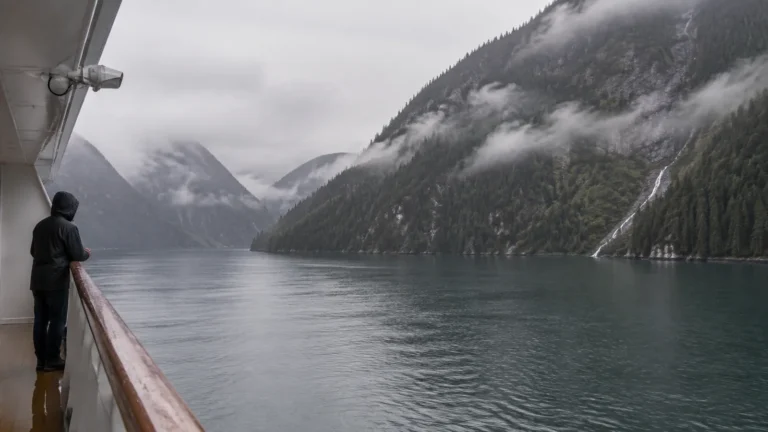
Pack for cool rain in every month, including July. A sunny afternoon can feel wonderfully mild, but wind on an open glacier-viewing deck can make the same thermometer reading feel much colder.
Instead of chasing a perfect forecast months ahead, bring a waterproof outer layer, warm midlayer, hat, and shoes that handle wet pavement. Our cruise essentials checklist explains the small items worth keeping in your day bag.
Rainfall also varies by port, and later summer is often wetter in Southeast Alaska than early summer. That is a regional tendency, not a reason to skip August or September if the itinerary and fare are right.

May: Long Days and Early-Season Value
May is the month for travelers willing to wear another layer in exchange for fewer school-break families and potentially gentler pricing. By the end of May, Juneau has close to 18 hours between sunrise and sunset, according to published sunrise and sunset calculations.
Early sailings can encounter lingering snow at elevation, cool mornings, and seasonal businesses that are still ramping up. Some high-country trails or roads may not be fully accessible, so do not build the entire vacation around one weather-sensitive excursion.
The upside is gorgeous contrast between green waterfronts and snow-striped mountains. May also rewards photographers because long evenings create more chances to step outside after dinner.
Who Should Pick May?
Pick late May if you are budget aware, flexible about weather, and happier sightseeing than lounging by the pool. Families tied to a school calendar and travelers who want the widest possible excursion menu may prefer June or July.
June: The Best All-Around Choice
June earns my all-around recommendation because daylight is extraordinary and the season is fully underway. Around the June solstice, Juneau receives a little over 18 hours between sunrise and sunset, which leaves generous light for scenic cruising and late port calls.
Long daylight does not mean 18 hours of sunshine. Cloud, rain, fog, and cold wind remain possible, especially near glaciers and on small boats.
Wildlife tours are operating, salmon activity is developing, and ports feel lively without every week necessarily matching July’s family-vacation pressure. You will still share popular docks and attractions with multiple ships, so check each port’s ship schedule before reserving an independent tour.
Who Should Pick June?
June is a forgiving choice for first-timers, active travelers, and anyone who hates rushing back aboard before dark. It can also be expensive, particularly around summer vacations, so compare total cost rather than treating it as a bargain month.
July: Milder Odds, Peak Demand
July is the classic Alaska cruise month because days remain very long and average temperatures are generally at their summer high. It is also when families travel most easily, which can push up fares, airfare, and demand for signature excursions.
Book small-capacity flightseeing, fishing, kayaking, and wildlife trips early if July is your choice. Keep a backup plan because wind, visibility, or wildlife conditions can cancel even an expensive tour.
July does not guarantee dry weather or calm seas. Bring the same waterproof layers you would in May, plus an eye mask because late sunsets and early dawn can brighten cabins around curtains.
Who Should Pick July?
July works best for school-calendar families, travelers who run cold, and anyone wanting the widest selection of departures. Crowd-averse adults and bargain hunters should compare late May, early June, and September before committing.
August: Strong Wildlife Interest, Wetter Trend
August remains prime season, with developed excursion schedules and good daylight, but the days shorten noticeably as the month progresses. Southeast Alaska often trends wetter later in summer, so waterproof clothing matters more than a bulky umbrella on windy docks.
Salmon runs can concentrate activity in certain rivers, which can influence bear-viewing opportunities, but timing varies by species, watershed, and year. The Alaska Department of Fish and Game emphasizes responsible viewing and distance in its wildlife-viewing guidance, and no operator can guarantee a particular animal.
August can be a smart family compromise after the highest July rush, especially late in the month. Compare the actual airfare and excursion inventory because a lower cruise fare can disappear once flights and sold-out tours enter the math.
Who Should Pick August?
Choose August if wildlife is a priority and you can accept rain as part of Alaska rather than a ruined day. Travelers obsessed with maximum daylight should lean earlier.
September: Lower Demand and Bigger Weather Tradeoffs
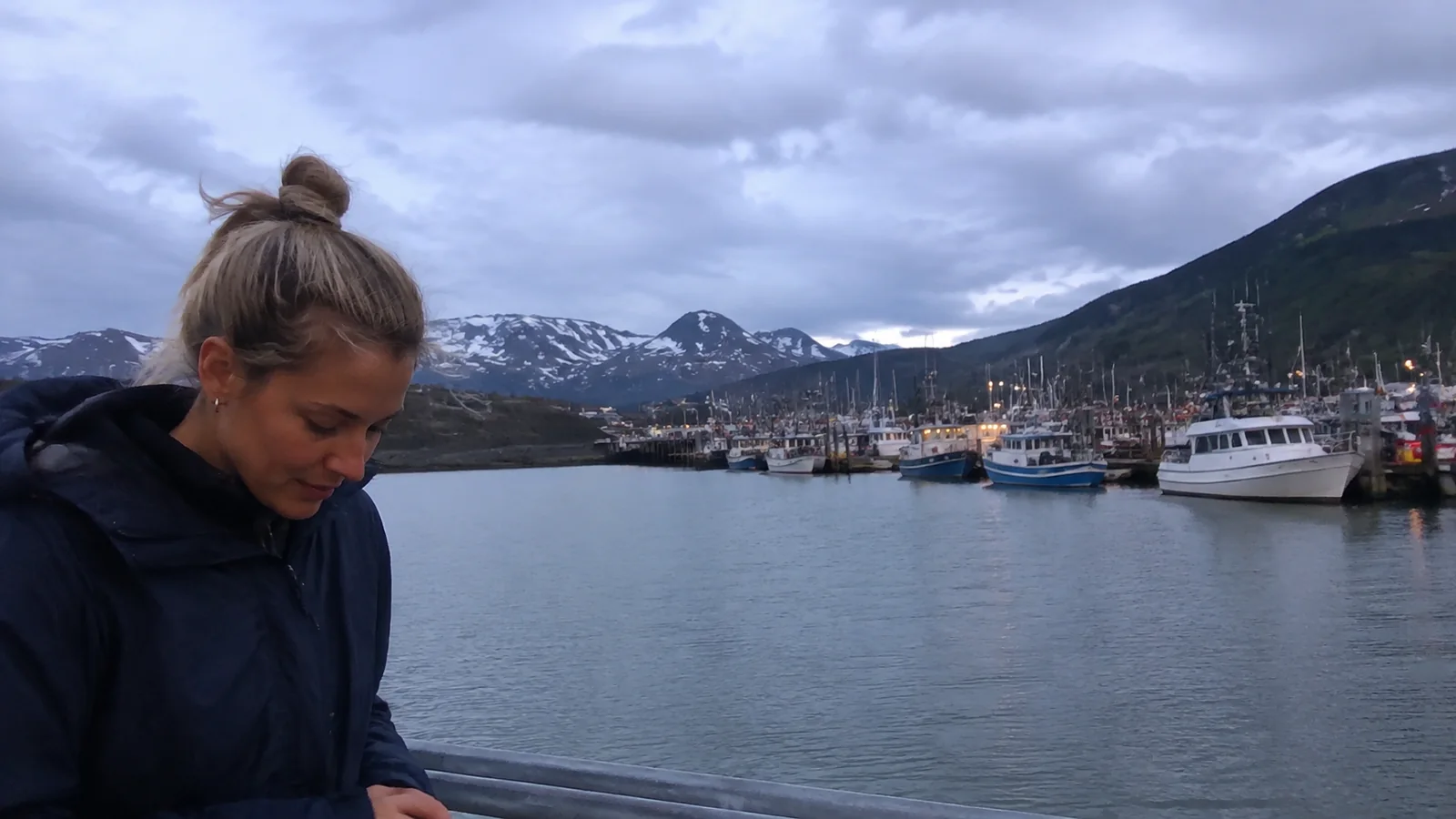
September often attracts bargain hunters and adults traveling after school resumes. It also brings shorter days, cooler temperatures, wetter possibilities, and a greater chance that seasonal operators have reduced schedules near the end of the month.
Early September is meaningfully different from the final sailings. In Juneau, daylight falls rapidly through the month, so check dates rather than treating “September” as one condition.
Autumn color can appear, and darker nights create at least a theoretical chance to see aurora if skies, solar activity, latitude, and timing cooperate. Never book an Inside Passage cruise primarily for northern lights because cloud cover and ship location make sightings unreliable.
Who Should Pick September?
Choose early September if you value price and a more adult atmosphere, own proper rain gear, and can roll with schedule changes. Avoid the latest sailings if one specific seasonal excursion would make or break your vacation.
Best Month for Wildlife
There is no single best wildlife month because humpbacks, orcas, bears, eagles, otters, seals, and salmon follow different patterns. A responsible operator sells a well-run search in suitable habitat, not a guaranteed checklist.
Whale-watching trips run through much of the cruise season, while bear-viewing access may depend on salmon timing and permit-controlled locations. Glacier Bay visitors should review the National Park Service’s wildlife information and keep expectations broad.
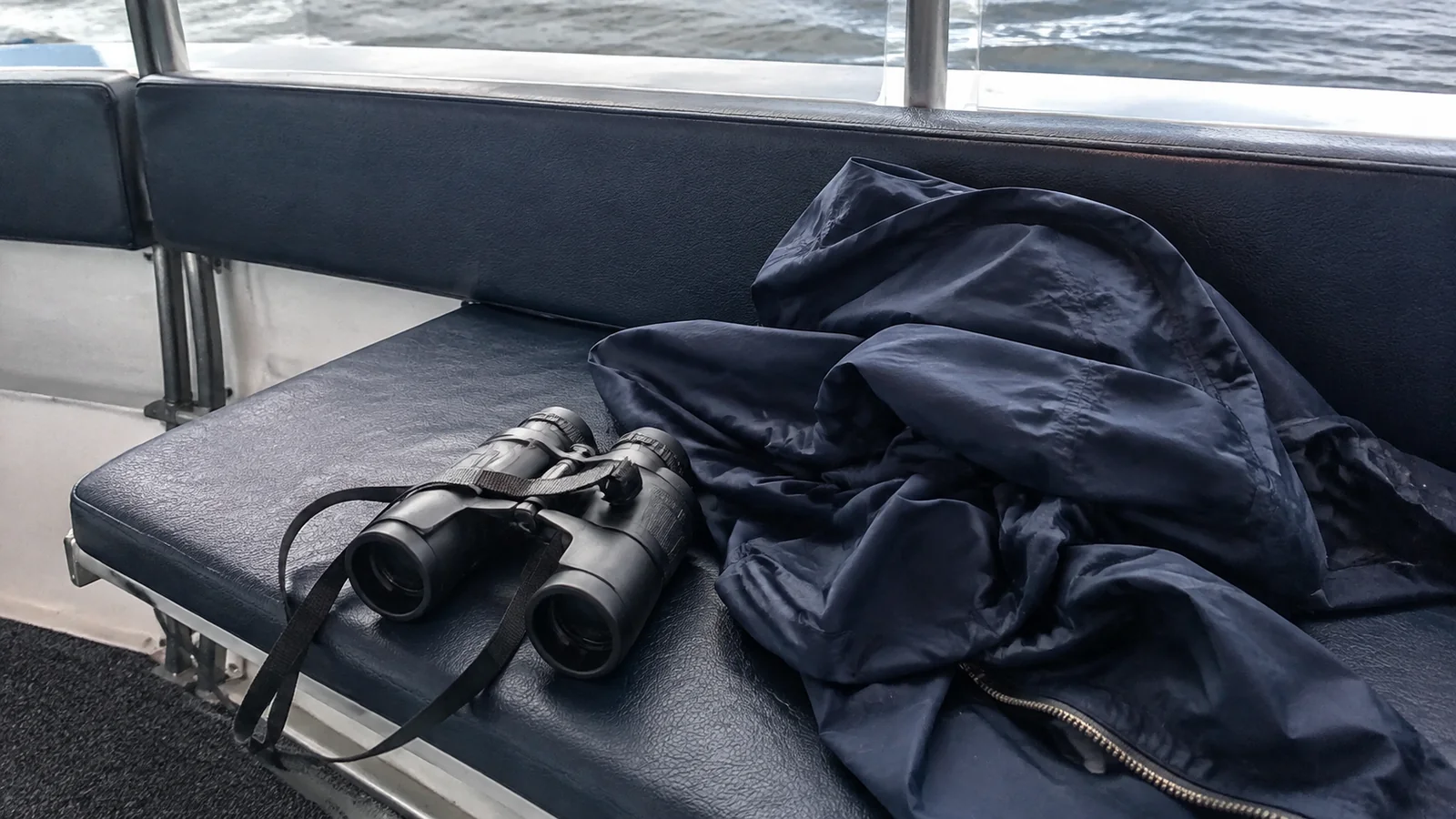
Your best practical move is choosing an itinerary with enough port time to take a reputable small-boat or land tour. Binoculars also turn ordinary scenic cruising into wildlife time, especially at dawn, near shorelines, and when the naturalist announces activity.
Best Month for Glacier Viewing
Ships visit tidewater glacier areas throughout the main season, subject to ice, weather, permits, and operational decisions. Do not assume later summer always means closer access, because ice conditions can vary day by day and captains prioritize safety.
If glaciers are nonnegotiable, select the route before the month. Look for Glacier Bay, Hubbard Glacier, College Fjord, or another named scenic-cruising destination, then understand what the itinerary promises and what it can substitute.
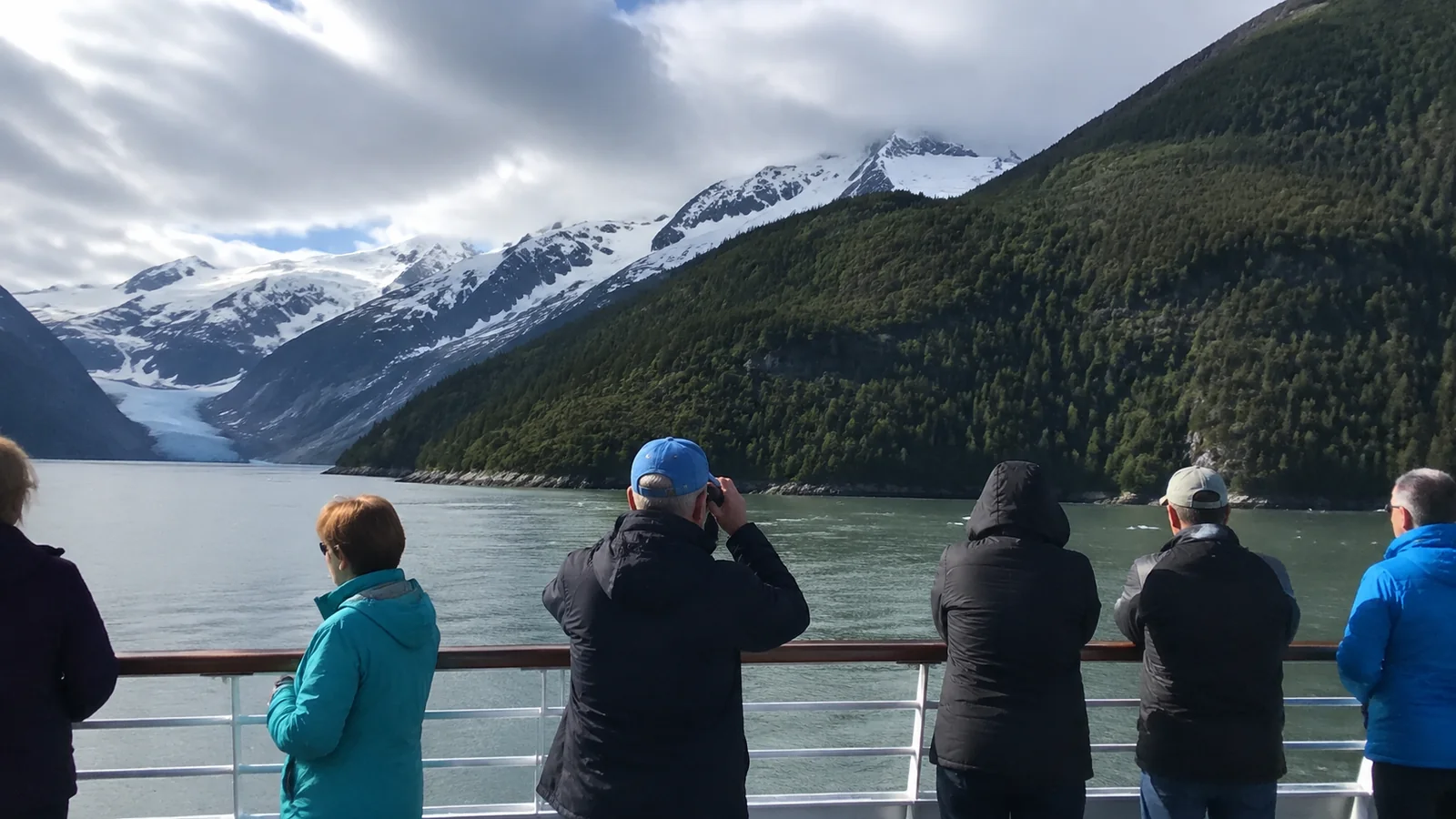
A balcony is lovely but not mandatory. Public outer decks let you change sides as the ship turns and hear ranger or naturalist commentary without staying locked to one view.

Best Month for Crowds and Price
Late May and September generally offer better value opportunities than the heart of summer, but the cheapest cruise is not always the cheapest trip. Add airfare, hotel, transfers, excursions, drinks, gratuities, and insurance before comparing.
Port crowding depends on the ships alongside that exact day, not only the month. A quiet-looking shoulder-season departure can still place several large ships in Juneau or Ketchikan together.
For embarkation planning, our Seattle to Alaska cruise logistics separates the city’s two cruise terminals and helps you avoid booking the wrong hotel area. That one detail matters more than shaving a few dollars from the cabin.
Round Trip or One Way?
Seattle and Vancouver round trips are simplest when you want seven nights, straightforward flights, and an Inside Passage-focused vacation. One-way cruises between Vancouver and Southcentral Alaska make more sense when you want to add Denali, Anchorage, Seward, or the Kenai Peninsula.
One-way does not automatically mean more scenic, and round trip does not automatically mean less authentic. Compare port hours, glacier destinations, sea routes, ship size, and transportation before choosing a direction.
For a port day that mixes culture, wildlife, and compact geography, the options in our Sitka cruise-day planner show why itinerary details deserve as much attention as month.
How I Would Choose
- First Alaska cruise: June, preferably with a named glacier day and useful port hours.
- School-age children: late June or July, accepting higher demand.
- Value-focused couple: late May or early September after pricing the full trip.
- Wildlife-first traveler: pick habitat and expert excursions before chasing a month.
- Photographer: May or June for abundant light, with rain protection for equipment.
- Cold-sensitive traveler: July, while still packing serious layers.
My Bottom Line
June is the best time for an Alaska cruise for the widest range of travelers, while July suits warmth-seekers and late May offers an appealing daylight-to-price balance. August is compelling for wildlife-minded flexibility, and early September rewards travelers who value savings more than seasonal certainty.
Choose the itinerary first, then use month as the tiebreaker. A well-timed port day, a true glacier destination, and sensible flights will shape your vacation more than a five-degree difference in an average forecast.