Sitka Cruise Port Guide: Shuttles and a Perfect Port Day
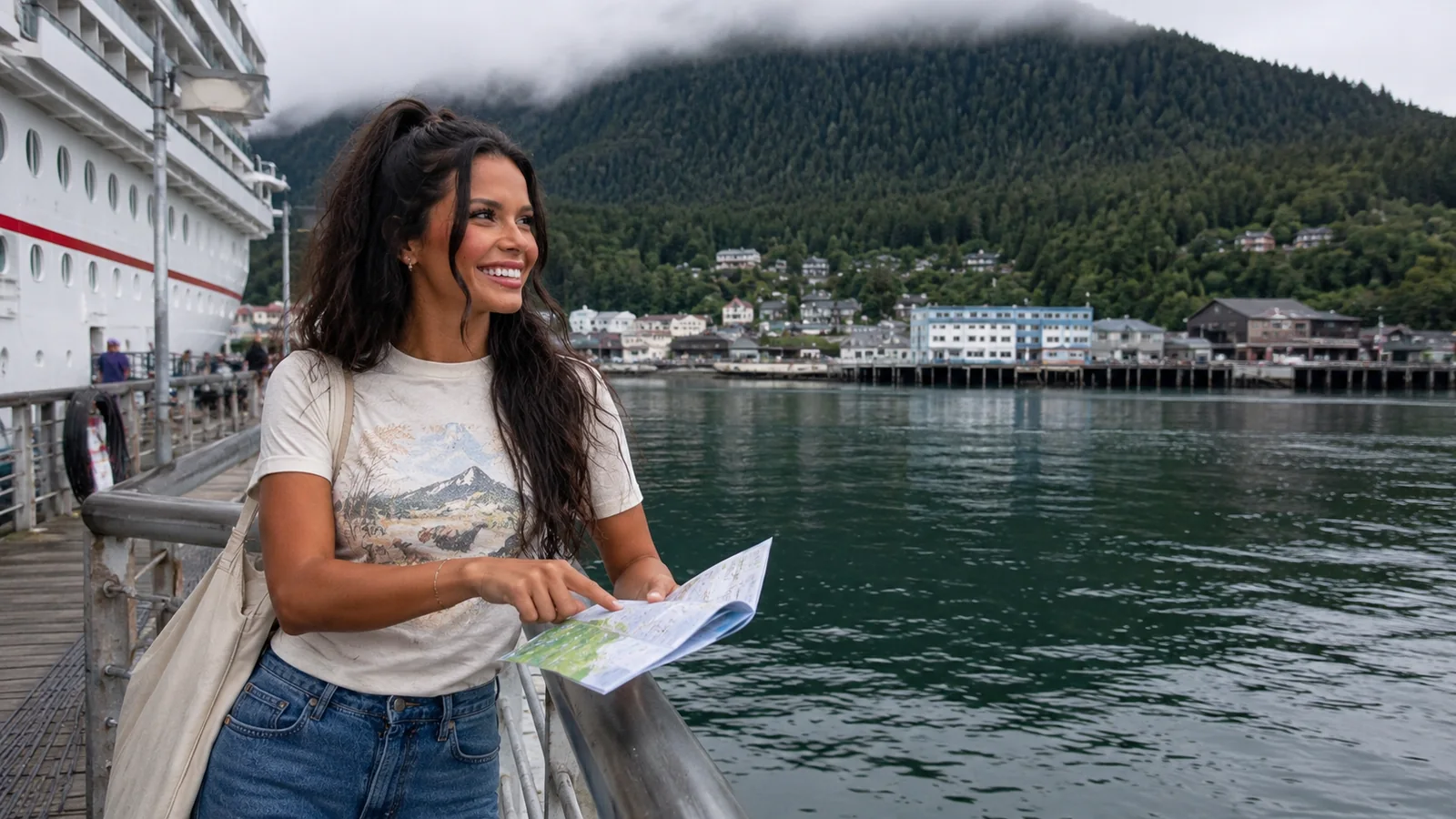
Sitka may be Alaska’s most satisfying cruise port for travelers who want wildlife, Indigenous culture, Russian colonial history, and rainforest without choosing only one. The trick is knowing where your ship arrives, because the cruise terminal and downtown tender dock create two very different starting points.
Where do cruise ships dock in Sitka?
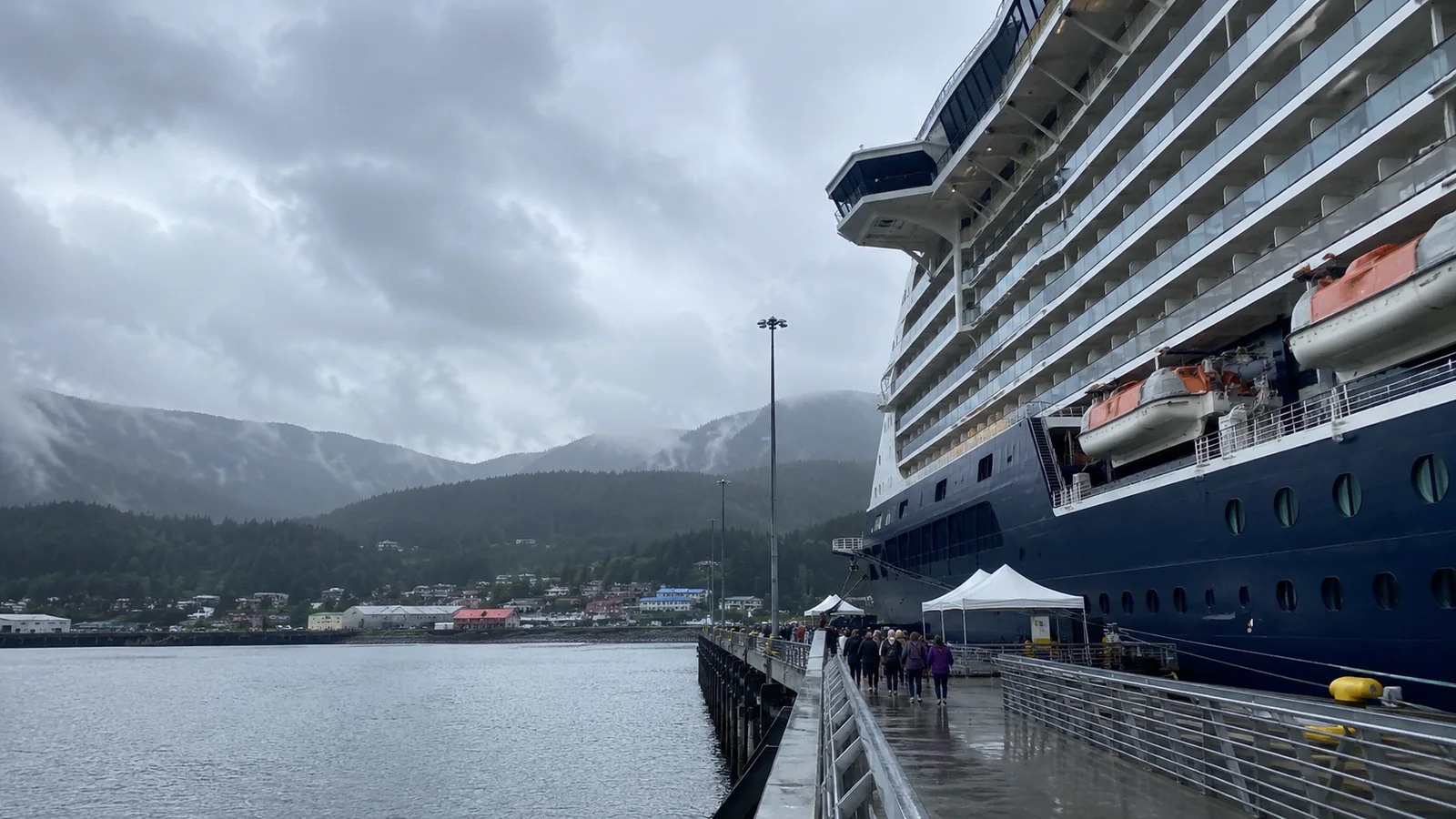
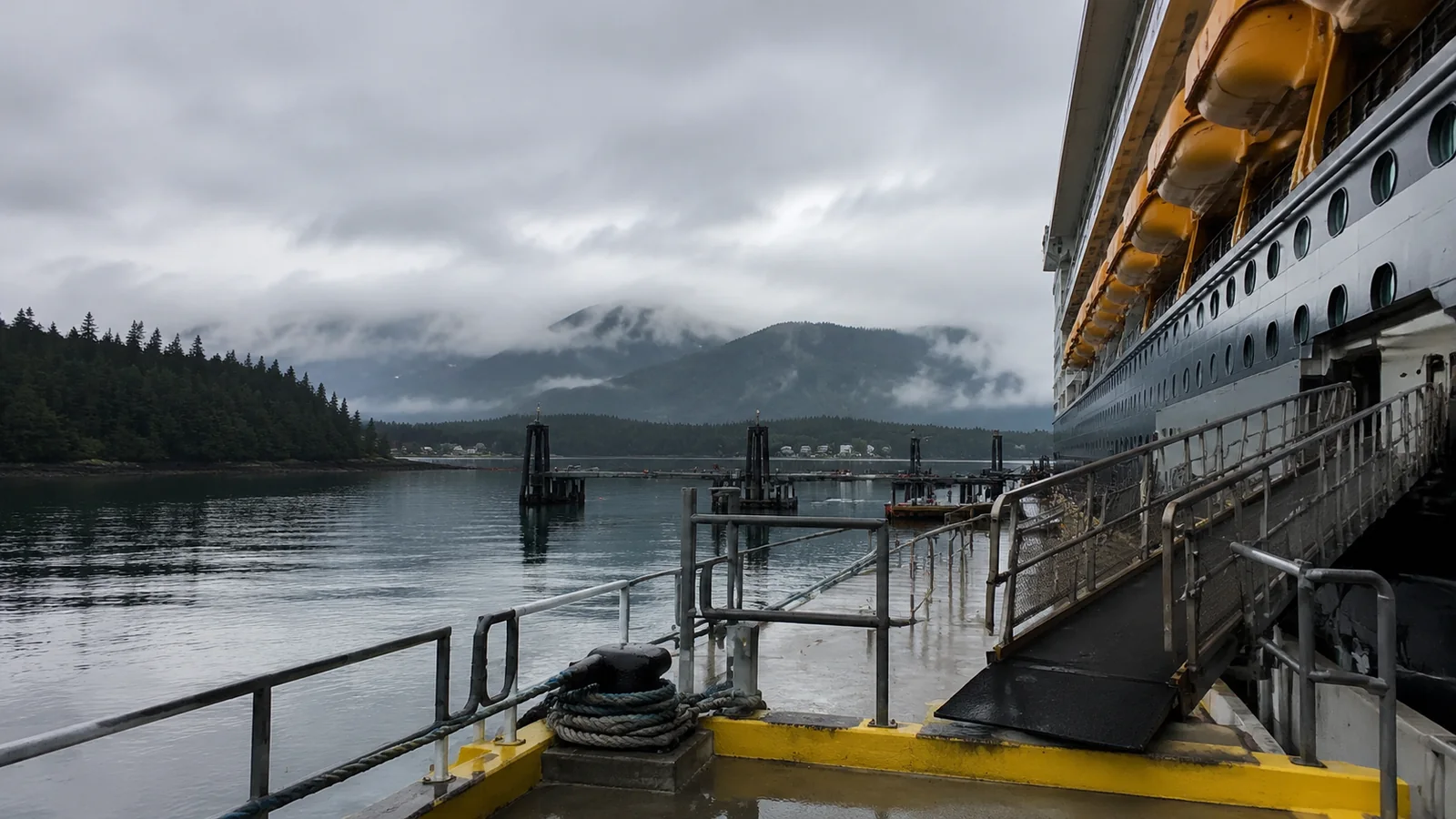
Most large ships use Sitka Sound Cruise Terminal, a private dock about five miles from downtown. Other ships anchor in Sitka Sound and tender passengers to the downtown waterfront, so check the daily program instead of copying another ship’s plan.
The terminal has shops and tour meeting areas, but most independent sightseeing begins downtown. Tender passengers arrive much closer to Lincoln Street, Harrigan Centennial Hall, and the compact historic core.
Sitka cruise port quick facts
- Main dock: Sitka Sound Cruise Terminal, 4513 Halibut Point Road
- Distance downtown: Approximately five miles from the main terminal
- Shuttle: Complimentary terminal-to-downtown service, currently requiring reservations
- Downtown stop: Harrigan Centennial Hall area
- Tenders: Used by some ships, landing near downtown
- Currency: U.S. dollars
- Weather: Cool, wet, and changeable even in summer
- Best strengths: Tlingit culture, rainforest walks, history, and responsible wildlife experiences
How the cruise shuttle works
The terminal operates a free shuttle between the dock and Harrigan Centennial Hall. Visit Sitka says the ride is about 12 minutes and buses traditionally run every 10 to 15 minutes, but traffic and ship volume can increase the real door-to-door time.
The terminal’s current visitor information says shuttle reservations are required and ADA-accessible vehicles are available. Follow the process supplied for your sailing because procedures can change between seasons.
A shuttle time is not permission to cut the return dangerously close. Visit Sitka advises that the last downtown departure is 30 minutes before all aboard, while your ship may give more conservative instructions.
Keep the terminal name, downtown stop, and ship’s emergency contact on a screenshot. “The cruise dock” can be ambiguous when a port has both a deep-water terminal and tender operations.
Do not walk from the terminal to downtown
The roughly five-mile roadside route is not a clever shortcut for an average port day. It consumes valuable time, adds weather and traffic exposure, and can leave you tired before the best walking begins.
Use the complimentary shuttle, a booked tour pickup, taxi, or another confirmed provider. If mobility equipment is involved, contact the terminal and tour company in advance rather than assuming every vehicle can accommodate it.
How much can you see in one day?
A six-to-eight-hour call supports one major excursion plus downtown, or a focused independent loop with two or three attractions. It does not comfortably support every sanctuary, museum, trail, scenic drive, and meal on the map.
Work backward from all aboard, allowing time for the final shuttle or tender queue and security. Finish distant attractions first, then keep the last portion of the day walkable from your departure point.
Best things to do from Sitka cruise port
Walk Sitka National Historical Park
Sitka National Historical Park combines coastal temperate rainforest, Tlingit and Haida poles, cultural programming, and the landscape of the 1804 Battle of Sitka. This is living cultural and historical ground, not an outdoor sculpture collection.
The National Park Service describes 1.6 miles of connected loop trails along Sitka Sound and the Indian River. Check current hours, programs, and wildlife closures before walking from downtown or arranging transportation.
Allow at least 60 to 90 minutes if you want the visitor center and a meaningful trail loop. Reading the interpretation makes the visit much richer than racing between photographs.
See St. Michael’s Cathedral and downtown
St. Michael’s Cathedral anchors central Lincoln Street and reflects Sitka’s Russian colonial and Orthodox history. Hours can be limited by services, staffing, and restoration needs, so approach it as an active religious space rather than a guaranteed walk-in exhibit.
The surrounding blocks make easy independent wandering, with shops, food, harbor views, and historic buildings close together. Keep driveways and working waterfront areas clear while stopping for photos.
Visit the Sheldon Jackson Museum
The state museum holds Alaska Native cultural materials from across the state in a compact building near the national historical park. Its collections deserve time and careful labels, not a quick “old artifacts” description.
Confirm the day’s hours and admission directly because cruise-season schedules change. Pairing the museum with the park creates a coherent culture-and-history day without a long vehicle excursion.
Choose an ethical wildlife experience
The Alaska Raptor Center rehabilitates injured birds and provides education about species that cannot return to the wild. It is close enough to combine with other central sights, though transportation and program times still need planning.
Fortress of the Bear is a nonprofit sanctuary caring for bears that cannot be released. It lies outside downtown, so reserve a tour, taxi, or other transport and verify admission before sailing.
Neither facility is a substitute for wild habitat, but both can offer dependable viewing without chasing animals. Choose operators that prioritize welfare, education, safe distance, and honest expectations.
Book a marine wildlife tour
Boat tours may look for whales, sea otters, sea lions, birds, and other marine life in Sitka Sound. Sightings and sea conditions are never guaranteed, even when a marketing page uses exciting photographs.
Ask about vessel size, covered seating, restroom access, flotation equipment, cancellation policy, and return guarantee. Independent tours need enough margin to recover from delays without turning wildlife watching into clock watching.
Explore the landscape with a local guide
A small-group road or hiking tour can reach viewpoints and trailheads that are awkward without a car. Compare actual walking distance, surface, elevation, vehicle time, and group size rather than relying on “easy” or “panoramic.”
Bear activity, heavy rain, downed trees, and salmon seasons can change trail decisions. A responsible guide adjusts the day instead of forcing a promised route.
Three realistic Sitka itineraries
Culture and rainforest
Take the reserved shuttle downtown, then walk or use local transportation to Sitka National Historical Park. Spend time in the visitor center and on one loop before continuing to the Sheldon Jackson Museum.
Return through downtown for the cathedral exterior, lunch, and local shops. This plan stays compact and leaves a generous return cushion.
Wildlife-focused day
Book a combination excursion to Fortress of the Bear and the Alaska Raptor Center, checking whether pickup begins at the terminal or downtown. Add only a short downtown walk afterward.
If a marine tour is the priority, let it be the main event. Two wildlife excursions can fit on some long calls, but one delay can unravel the connection.
Rainy-day plan
Rain is normal, so start with a waterproof jacket instead of waiting for a forecast miracle. Use the museum, cathedral when open, visitor centers, shops, and a relaxed meal as indoor anchors.
A rainy forest can be beautiful if trails remain open and safe. Waterproof footwear matters more than an umbrella when branches, wind, and narrow sidewalks enter the picture.
Getting around Sitka independently
Downtown is compact, but major attractions spread beyond a single pedestrian loop. Taxis, local shuttles, tours, and limited public transportation can bridge the gaps, while rental availability should be confirmed long before arrival.
Visit Sitka maintains a current transportation overview with shuttle and tender context. Check whether an operator picks up at the cruise terminal, Centennial Hall, or a separate meeting point.
Do not assume a rideshare app will produce a vehicle at the exact moment you need one. Reserve time-sensitive transportation and keep taxi numbers saved offline.
Food and shopping
Downtown offers seafood, cafes, bakeries, casual meals, and shops, but several ships can create lunch lines. Eat before peak hours or choose a place where the wait fits your buffer.
Ask whether art and souvenirs are made locally, and look for clear artist attribution. Buying directly from Alaska Native artists or reputable galleries is more meaningful than grabbing a generic “Alaska” item manufactured far away.
Carry a card plus a little cash, though acceptance varies. Never transport seafood or wildlife products across a border without confirming your cruise line, customs, and destination-country rules.
Weather and what to wear
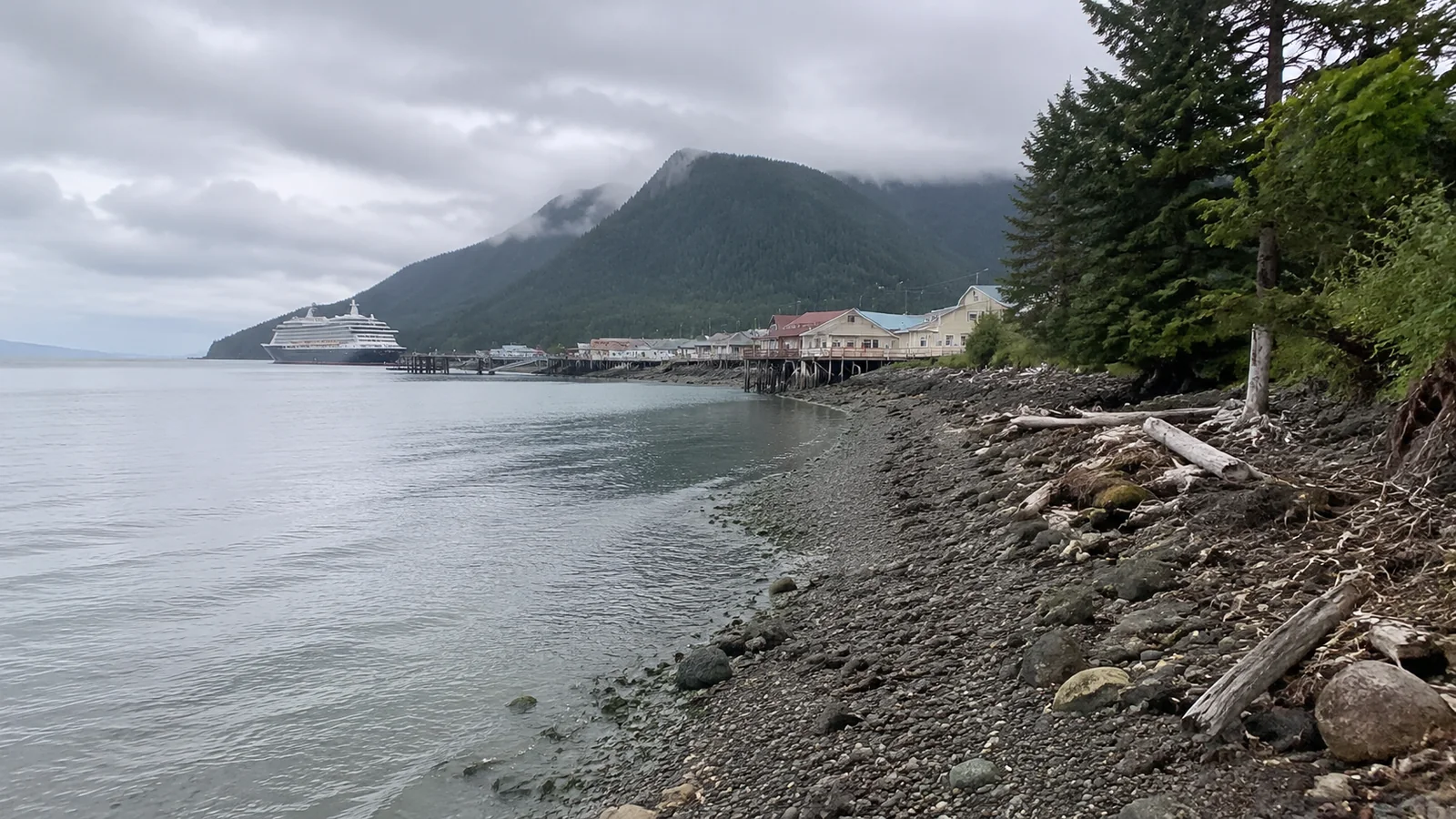
Sitka’s maritime climate brings frequent rain, cool air, wind, and fast changes. A forecast icon cannot tell you how damp an hour on a boat or shaded forest trail will feel.
- Waterproof jacket with a hood
- Quick-drying layers instead of one bulky coat
- Water-resistant walking shoes with grip
- Warm hat and light gloves for boat tours
- Small daypack with rain cover
- Refillable water bottle and snack
- Binoculars with a strap
- Phone battery pack and offline screenshots
Umbrellas are less useful in wind and can crowd sidewalks or viewing decks. Keep camera protection simple enough that you will actually use it.
Accessibility and family planning
The cruise terminal lists ADA-accessible shuttles, but reserving and describing your equipment in advance is smart. Tender operations can impose different mobility requirements, and the ship makes the final decision about safe transfer.
Ask each attraction about entrances, restrooms, seating, trail surfaces, and vehicle lifts rather than using one broad “accessible” label. Rain can also change traction and how tiring a route feels.
Families do best with one exciting anchor, such as the raptor center or a short rainforest loop, plus food and unstructured harbor time. Pack a dry layer for each child and avoid scheduling every minute.
Wildlife safety and ethics
Southeast Alaska is bear country, including around trails and salmon streams. Carry and know how to use appropriate deterrence where allowed, make noise, follow closures, secure food, and never approach a bear.
Stay well back from marine mammals and birds, and choose captains who follow viewing regulations. A longer lens is safer for wildlife and usually produces a better photograph than crowding.
Common Sitka port mistakes
- Failing to check whether the ship docks or tenders
- Ignoring the current shuttle reservation process
- Walking the five miles from the terminal to save time
- Booking attractions without transportation between them
- Treating Tlingit culture as decoration rather than living culture
- Expecting guaranteed wildlife
- Returning on the final possible shuttle
- Wearing water-resistant fashion shoes instead of practical footwear
If Sitka is part of a longer Alaska route, this Juneau cruise port planning helps keep the two stops distinct. Juneau leans toward glaciers and aerial views, while Sitka rewards culture, rainforest, and wildlife rehabilitation.
The broader comparisons in the best cruise ports for different travelers can clarify what makes a strong port day. These cruise packing essentials also cover the documents, medication, and embarkation items that port guides often forget.
Sitka cruise port FAQs
Is the Sitka cruise port walkable?
Downtown Sitka is walkable, but the main cruise terminal is about five miles away. Use its complimentary shuttle rather than walking the roadside route.
Does Sitka have a free shuttle?
Yes, the terminal currently offers complimentary service to downtown, with advance shuttle reservations required. Confirm the procedure for your sailing.
Can you see Sitka without an excursion?
Yes. Downtown, Sitka National Historical Park, and the Sheldon Jackson Museum can form a strong independent day, provided you plan walking and local transportation.
How early should you return?
Follow the ship’s all-aboard instructions and allow extra time for the shuttle or tender queue. Do not plan around the last theoretical departure.
Final thoughts
Sitka does not need an overstuffed checklist to feel special. One thoughtful cultural stop, one stretch of rainforest, and one ethical wildlife experience can fill a port day beautifully.
Confirm your arrival point, reserve the shuttle if required, wear real rain gear, and protect the return buffer. That small amount of discipline leaves far more room to notice the place rather than sprint through it.