Juneau Cruise Port Guide: Docks, Transport and Port-Day Plans
Juneau is one of Alaska’s easiest cruise ports to enjoy and one of the easiest to overbook. Most ships place you beside a walkable downtown, yet glaciers, whale-watching boats, mountain trails, and weather delays quickly stretch the day, so the best plan starts with your exact berth and a ruthless respect for all-aboard time.
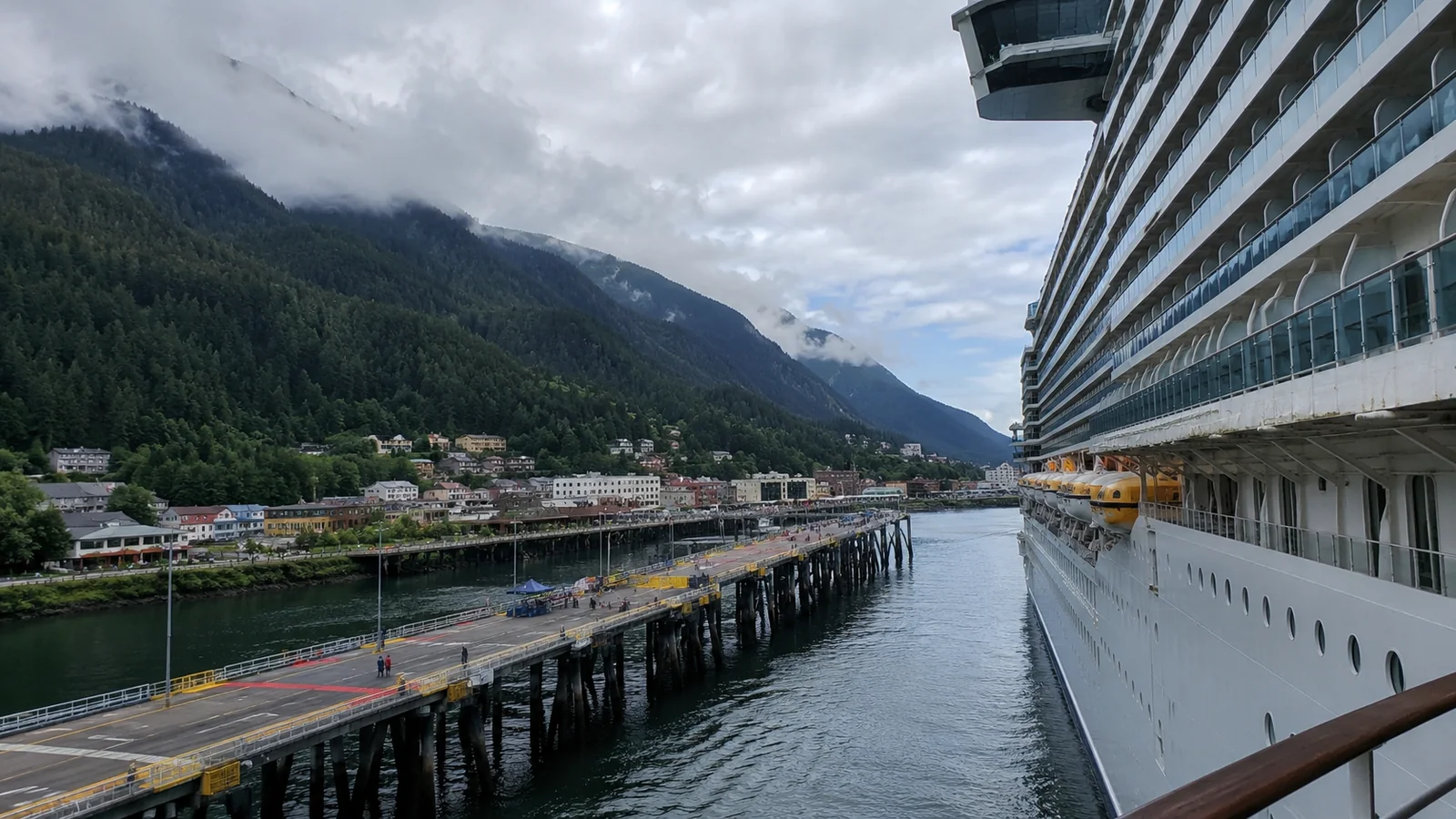
Where do cruise ships dock in Juneau?
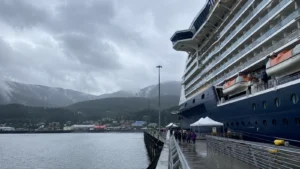
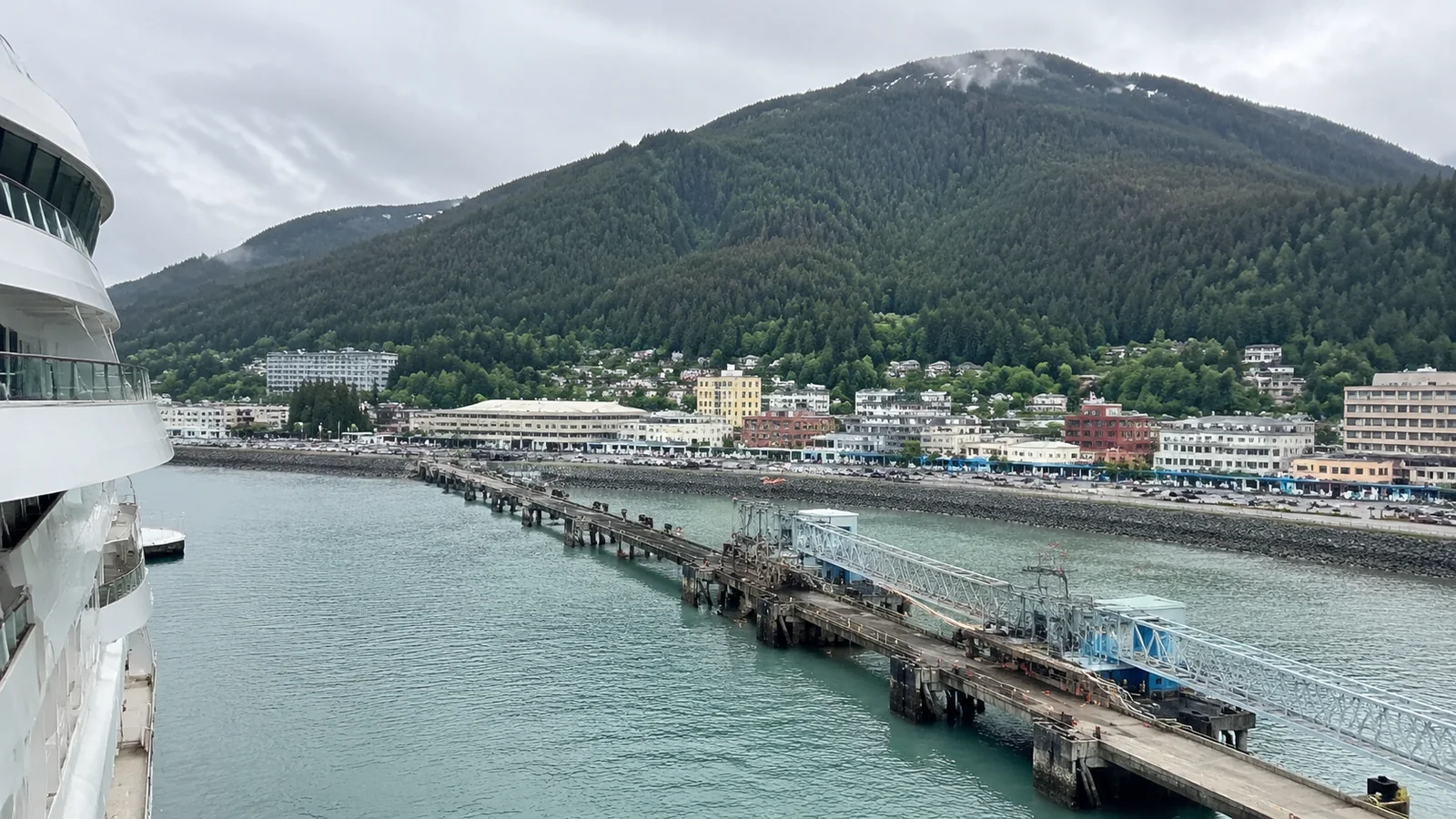
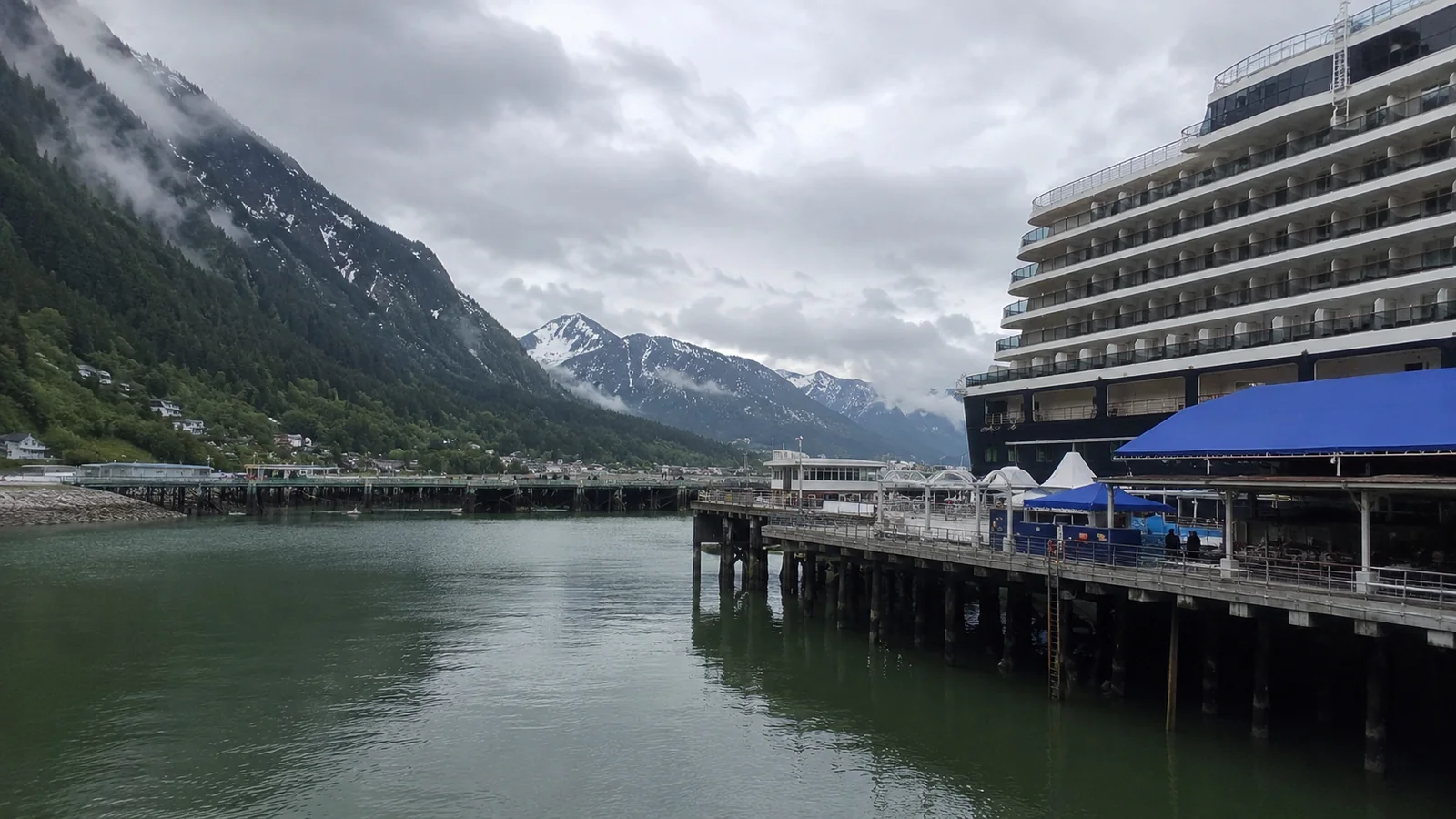
Most Juneau cruise berths sit along the downtown waterfront, close to South Franklin Street, the Goldbelt Tram, shops, restaurants, and tour meeting points. AJ Dock is farther south and normally involves a ship-associated shuttle or a longer walk.
Some ships may tender depending on traffic and assignments. Never copy another ship’s directions, because two vessels in Juneau on the same date can use different gangways and transportation arrangements.
Check your cruise line app and the official Juneau cruise ship calendar for scheduled arrival, departure, and berth. Assignments can change, so the information posted onboard remains your final instruction.
How far is downtown from the ship?
From the central docks, downtown begins almost immediately. South Franklin Street, the tram base, waterfront, visitor information, and many excursion meeting points are generally reached on foot.
From AJ Dock, official local visitor guidance says ships offer a shuttle to the Goldbelt Tram area. Confirm cost, accessibility, frequency, final return, and whether the shuttle is reserved for your ship’s passengers.
What should you do in Juneau?
- First visit: Mendenhall Glacier plus downtown
- Wildlife priority: Responsible whale watching
- Active day: Guided glacier or hiking experience suited to your ability
- Short call: Downtown, museum, waterfront, and tram if conditions cooperate
- Rainy day: Museums, local history, food, and an easy downtown walk
- Repeat visit: Tracy Arm, fishing, kayaking, or a focused cultural experience
The worst plan is Mendenhall, whale watching, tram, salmon meal, museum, and shopping all squeezed into six hours. Choose one major excursion and one flexible downtown extra.
Plan 1: Mendenhall Glacier and downtown
Mendenhall Glacier Visitor Center is about 12 miles from downtown and provides glacier and lake views, interpretive information, and access to nearby trails. Nugget Falls is a popular walk, but trail distance and conditions must fit your available time.
The Tongass National Forest Mendenhall visitor page posts current hours, passes, and operating information. Visitor-center access and commercial transportation capacity can be limited during cruise season, so reserve suitable transportation before sailing.
A tour or permitted shuttle is simplest because the provider manages the return. A taxi or rental car can work, but arrange pickup or a realistic backup because cell coverage and vehicle supply are not guaranteed when several ships are in port.
Why the city bus is a poor cruise-day shortcut
Capital Transit does not reach the Mendenhall Glacier Visitor Center. The closest stop leaves a 1.5-mile walk each way, and the bus ride itself can take up to an hour before that walk.
Capital Transit’s own Mendenhall instructions estimate up to 1.5 hours one way including walking. That may suit a land visitor with a full day, but it is a poor choice for most cruise passengers with a fixed departure.
The public bus is designed primarily for residents, not as a cruise excursion shuttle. If a delay causes you to miss the ship, the low fare becomes spectacularly expensive.
How long to allow
For September 2026 planning, I would budget 30 to 45 minutes each way by direct road transport from the downtown docks, plus pickup waiting time. The Forest Service places the visitor center about 13 miles from downtown, so these are planning allowances rather than a shuttle timetable.
The Nugget Falls Trail itself runs about 0.8 mile each way from its Photo Point junction; budget roughly 2 miles round trip including the approach from the visitor area. Allow 60 to 90 minutes for walking and waterfall photos, with extra time for slower walkers or wet conditions.
I would reserve a four-hour block from downtown departure through the return, including about 30 to 60 minutes of contingency beyond transport and sightseeing. Separately protect at least an hour before all aboard, or more if your operator or ship requires it.
On a six-hour call, make the glacier your only booked activity and add a brief downtown browse only after returning early. With eight or more hours and an on-time start, a relaxed downtown lunch fits much more comfortably than a second remote excursion.
Plan 2: Whale watching
Juneau is a major whale-watching port, with many trips leaving from the Auke Bay area rather than downtown. The excursion therefore includes road transportation plus vessel time, even when the sales desk is steps from the ship.
No ethical operator can guarantee a breach, bubble-net feeding, or a whale beside the boat. A responsible trip offers naturalist interpretation, realistic sighting language, safe operation, and clear return timing.
Federal rules prohibit approaching a humpback whale within 100 yards in Alaska and prohibit placing a vessel in its path or disrupting normal behavior. NOAA’s Alaska viewing regulations also explain Whale SENSE, a voluntary program recognizing operators that use additional responsible practices.
Choose a smaller boat for fewer passengers and a more intimate feel, not because it can legally crowd wildlife. Choose a larger vessel for indoor space, stability, restrooms, and easier movement if those features matter more.
A whale-and-Mendenhall combination can be efficient because providers coordinate the two locations. Read the exact time at each stop, since some combinations leave less independent glacier time than the title suggests.
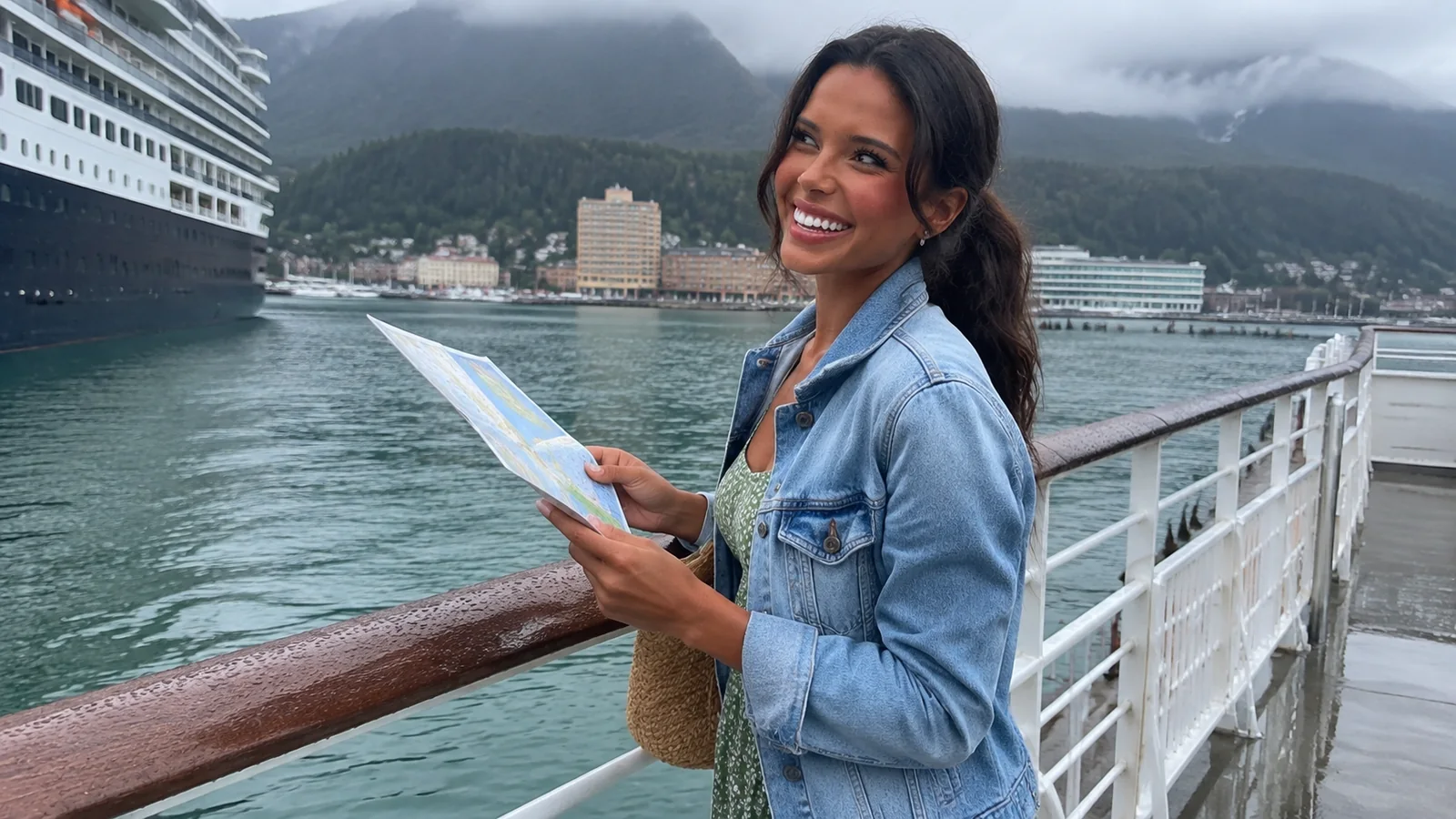
Plan 3: Downtown and the mountain
A downtown day is not a consolation prize. You can visit the Alaska State Museum, Juneau-Douglas City Museum, State Capitol area, historic streets, waterfront, and locally owned galleries without spending hours in a bus.
The Goldbelt Tram rises from near the cruise waterfront, but clouds can hide the expensive view. Check visibility before buying, understand whether tickets permit flexible timing, and allow for a line before ship departure.
Trails near the upper station require proper shoes, layers, and bear awareness. A tram ride does not turn a mountain environment into a paved theme-park platform.
Travel Juneau’s current visitor FAQ confirms that the main cruise docks are downtown and identifies the AJ Dock shuttle exception. It also lists museums, tram, glacier, and whale watching among common visitor choices.
Plan 4: A flightseeing or glacier excursion
Helicopter and floatplane trips can provide extraordinary icefield access or aerial views, but weather cancellations are common enough to require a backup. Book for the earliest sensible part of the call so a cancellation does not consume the entire day.
Read weight, mobility, footwear, bag, and child restrictions before paying. “Glacier landing” can describe very different surfaces and amounts of time outside, while dog-sled experiences may involve additional aircraft legs and kennel operations.
Do not book a nonrefundable second activity so tightly that one aircraft delay destroys both reservations. Keep a downtown option ready and let safety decisions stand without arguing with the pilot or dispatcher.
Plan 5: Tracy Arm or a long boat day
Tracy Arm excursions can take six to eight hours and are realistic only on sufficiently long port calls or as cruise-line coordinated departures. Ice, wildlife, weather, and vessel schedules affect the route and how close a boat can travel.
This is a scenery-first choice for travelers who prefer fjords and a small vessel to downtown time. Verify whether the tour begins from Juneau, transfers from the ship elsewhere, or ends at a different pickup arrangement.
Can you explore Juneau without an excursion?
Absolutely. A self-guided downtown day can combine the waterfront, museum, historic core, a local meal, and the tram when visibility is good.
Juneau is Alaska’s capital and Tlingit Aní, not a shopping village created for ships. Spend money with local artists and businesses, learn whose homeland you are visiting, and avoid treating every carved design as a generic souvenir.
Travel Juneau offers a downtown audio and sign-based walking experience with local stories. Even one hour beyond the busiest souvenir blocks gives the port a much more human scale.
How to book the right excursion
Cruise-line excursions
These are easiest for coordinated meeting points and ship communication when delays occur. They can cost more and use larger groups, so compare the actual itinerary rather than buying only for perceived security.
Independent excursions
Independent operators may offer smaller groups, longer stops, or a more specific activity. Verify permits, insurance, accessibility, cancellation terms, exact dock pickup, and the written missed-ship policy.
Our broader Alaska cruise excursion comparison helps prioritize glaciers, wildlife, rail trips, and active adventures across the whole itinerary. It is easier to choose Juneau once you know what Skagway, Ketchikan, and Sitka can do better.
Weather and what to wear
Juneau sits in a temperate rainforest, so rain is normal and mountain weather changes quickly. Wear a waterproof outer layer over adjustable insulation, plus shoes that remain grippy on wet ramps and trails.
Bring a small dry bag or protected phone pouch, warm hat, gloves, sunglasses, and water. The Alaska cruise outfit guide turns those layers into practical port-day combinations without requiring an expedition wardrobe.
Do not carry an umbrella into strong dock wind or a crowded tour boat unless the operator allows it. A hood leaves both hands free for railings and binoculars.
Wildlife and trail safety
Juneau is bear country, including developed recreation areas. Carry food securely, follow current trail notices, make appropriate noise, give wildlife distance, and know how to use any bear spray you legally carry.
Never approach a bear, mountain goat, nesting bird, seal, or whale for a picture. Wildlife photography works beautifully with patience and zoom, while feeding animals creates danger for the animal and everyone nearby.
Wet roots, slick boardwalks, steep trails, and changing visibility can make a short hike slower than expected. Turn around based on the clock, not the summit.
Eating and shopping near the port
Downtown offers seafood, casual counters, breweries, coffee, and tourist-season restaurants, but lines build around ship arrivals and lunch. Eat slightly early or late if the day’s excursion timing permits.
Ask whether seafood is local and what is currently available rather than assuming every salmon item represents a fresh local catch. For art and jewelry, ask who made it, where, and from which materials.
Alaska Native art carries cultural and legal meaning. Buy from reputable sellers who identify the artist and avoid mass-produced objects that borrow sacred-looking designs without context.
Accessibility
Central docks and downtown routes vary in grade, curb condition, crowding, and rain exposure. Ask your ship which gangway and shuttle arrangement applies, especially because tide can change ramp steepness.
Travel Juneau identifies accessible visitor kiosks at cruise docks and local providers with lift-equipped vehicles. Confirm the complete excursion path, including vessel steps, restroom access, transfer seats, and trail surface.
Returning to the ship safely
Use ship time, not your phone’s assumed time zone, and save the daily program or port-agent details offline. Set an alarm for when to start returning, then add extra time for shuttles and dock security.
Independent travelers should aim to be at the gangway well before all-aboard. Watching your ship leave Gastineau Channel is a beautiful experience only when you are standing on its deck.
Juneau cruise port FAQs
Do you need a shuttle from the ship?
Most central berths are directly downtown and do not require one. AJ Dock normally has a ship-associated shuttle, but confirm the current arrangement onboard.
Can you walk to Mendenhall Glacier?
No practical cruise-day walking route begins downtown, and the public bus still leaves a 1.5-mile walk each way. Use a suitable tour, shuttle, taxi plan, or rental car with a guaranteed return strategy.
What is the best Juneau excursion?
Mendenhall is the classic first choice, while whale watching is better for travelers whose priority is wildlife. Flightseeing offers the biggest splurge, and downtown is the best flexible plan in poor weather.
How does Juneau compare with other Alaska ports?
Juneau is strongest for glacier access, whale watching, flightseeing, and a walkable capital city. The Skagway port guide is better for White Pass rail history, while Ketchikan emphasizes rainforest, culture, and a different waterfront.
Final thoughts
Juneau works beautifully when you choose one headline experience and let downtown fill the remaining time. Check the berth, reserve Mendenhall transportation early, select wildlife operators by behavior rather than promises, and protect the return buffer.
The city is far more than a glacier gateway, so leave space for its people, history, art, and rainy waterfront. That balance turns a busy cruise call into a day that actually feels like Juneau.