Japan Cruise Ports Guide: Terminals, Transport and Realistic Port Days
Japan rewards careful cruise planning because the port name on an itinerary is sometimes a city, sometimes a region, and occasionally a cheerful suggestion that Kyoto is near the sea. Confirm the exact berth, allow for border processing, and choose one compact area before your port day becomes a study in excellent trains and poor time management.
Why the exact Japan cruise terminal matters
A line may market a departure as Tokyo while using Tokyo International Cruise Terminal, Yokohama, or another berth assigned for that vessel. Osaka and Kobe are separate ports, while a “Kyoto” call may use Maizuru, more than 60 miles from Kyoto City.
Even within one port, ship size, berth availability, weather, and port operations can change the terminal. Use the cruise line’s final documents and the local port schedule, not a generic map pin saved when you booked.
The Japan Tourism Agency’s official cruise port directory is useful for identifying berths, facilities, nearby stations, and local contacts. Individual port pages may describe several wharves, so match the ship name and arrival date.
Understand CIQ before planning the morning
CIQ means customs, immigration, and quarantine. Which steps apply depends on whether the ship is entering Japan from another country, sailing domestically, leaving Japan, or returning after an international call.
Processing can happen at the terminal, onboard, or through a procedure arranged by the cruise line and authorities. Passport handling, face-to-face inspection, shore-pass documents, and clearance timing can therefore differ by voyage and port.
Do not promise a private guide that you will be curbside five minutes after the scheduled arrival. Ask the operator for a flexible pickup window, share the ship name and terminal, and wait for the ship’s current instructions before leaving.
Carry the required original identification and landing documents specified onboard. A photocopy is useful as a backup, but it does not replace a passport when authorities or the cruise line require the original.
Tokyo and Yokohama are not interchangeable
Tokyo International Cruise Terminal
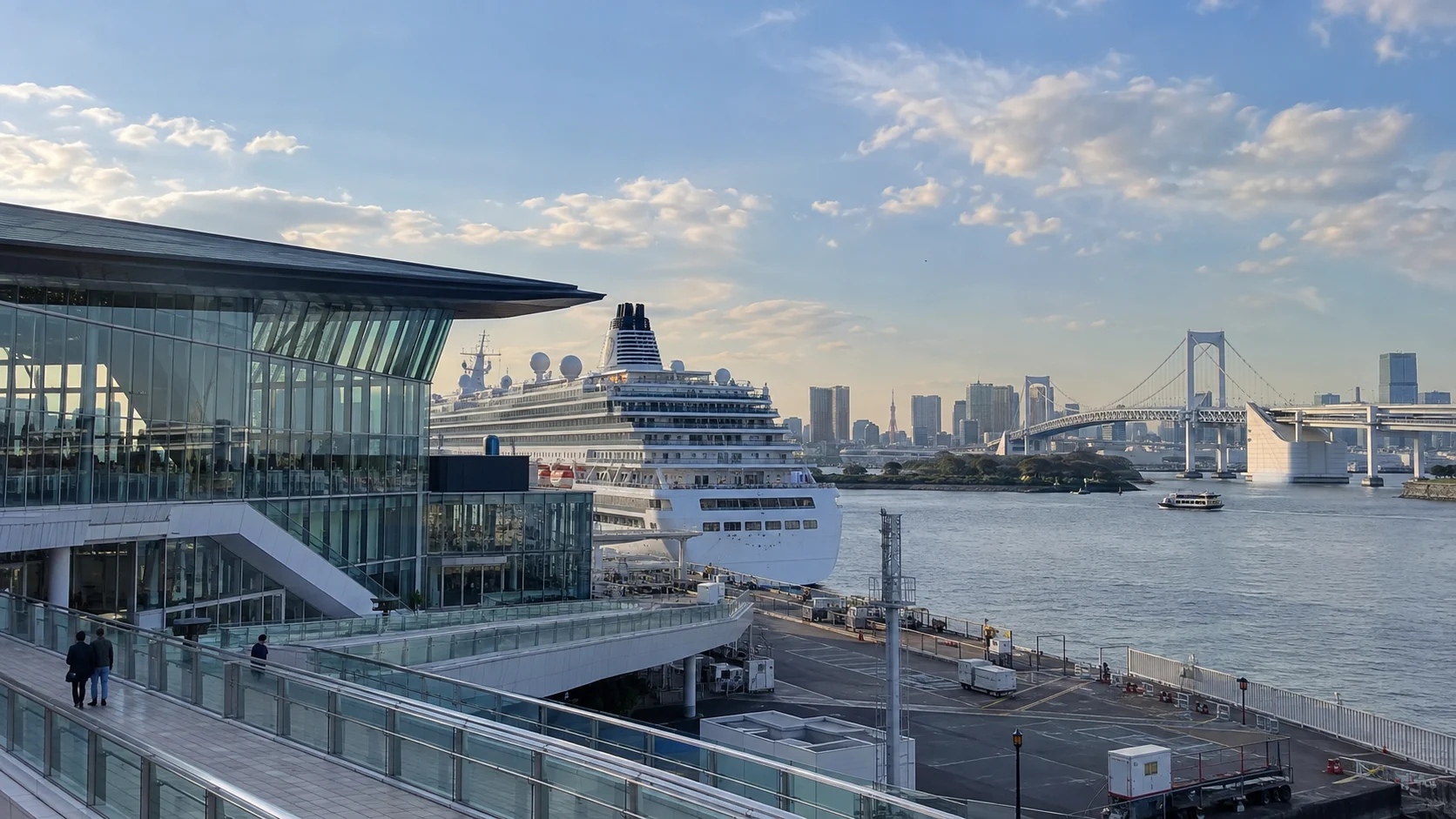
Tokyo International Cruise Terminal is in Odaiba, south of central Tokyo. The official GO TOKYO terminal guide places the nearest Yurikamome station about an eight-minute walk away and explains that CIQ facilities operate on the embarkation or disembarkation floor used by the ship.
For a port call, Odaiba itself makes an easy low-risk day with waterfront attractions, shopping, and museums. For central Tokyo, choose one district pair such as Asakusa and Ueno, Ginza and the Imperial Palace area, or Shibuya and Harajuku.
Tokyo is enormous, and crossing it repeatedly consumes the day. Build the route around direct rail links, timed-entry reservations, and a return cushion for transfers and the terminal walk.
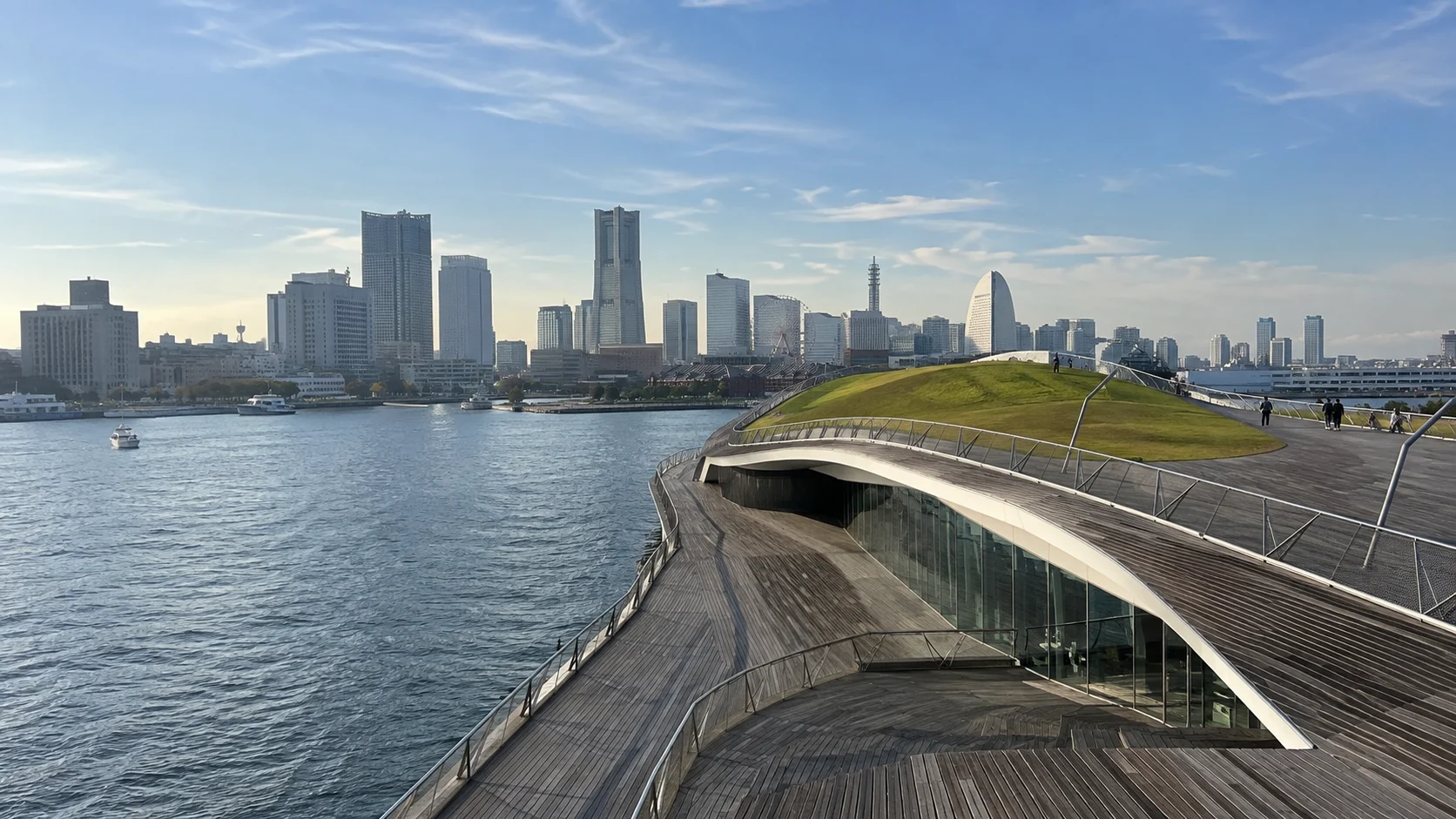
Yokohama
Osanbashi is close to Yamashita Park, the Red Brick Warehouse area, and Chinatown, making Yokohama a satisfying destination on its own. Other vessels may use different Yokohama facilities, including more industrial berths where a shuttle is essential.
The JNTO Yokohama cruise access page explains the rail connection to Osanbashi through Nihon-Odori Station. Its example times and fares should still be rechecked against the current timetable and your actual terminal.
Traveling from Yokohama to Tokyo is possible, but it adds rail time and station navigation in both directions. If the ship embarks here, arrive at least a day early and keep embarkation day focused on the port rather than one last cross-city attraction.
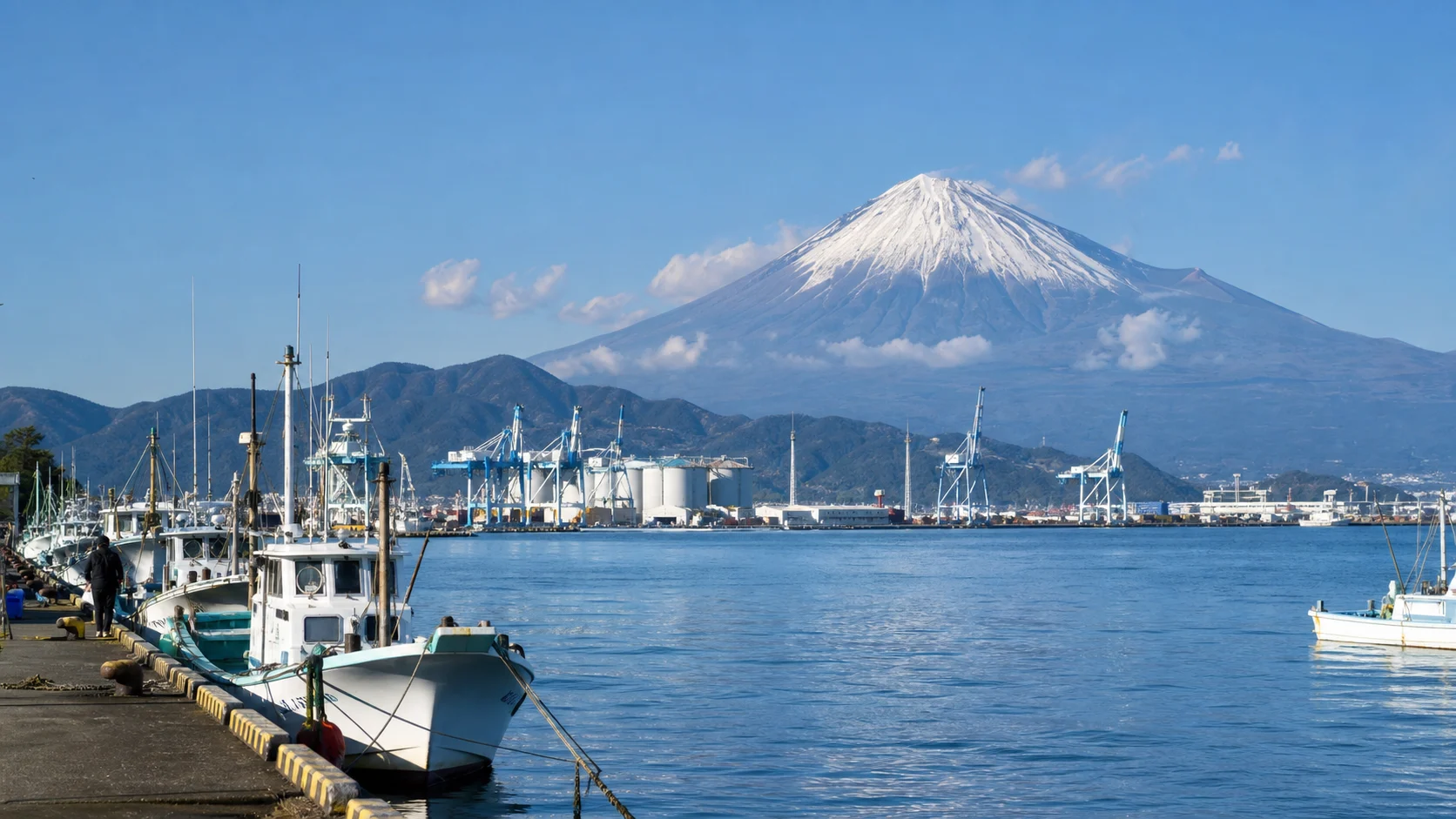
Mount Fuji calls: Shimizu
Shimizu is the familiar cruise gateway for potential Mount Fuji views. The mountain is never guaranteed, and cloud can win even when the port weather feels pleasant.
A compact day can combine the waterfront, a market, and a nearby viewpoint. Longer excursions may reach scenic or cultural sites, but road traffic and visibility make the ship’s return margin more important than squeezing in another photo stop.
Do not confuse Shimizu Station with Shizuoka Station when mapping a rail plan. They are connected, but they serve different roles and an innocent-looking station-name error can spend the morning.
From Hinode Wharf to a relaxed Shimizu day
For a Hinode Wharf call, the government port guide identifies the Hatoba Verkehr Hakubutsukan bus stop about five minutes away on foot. That is a bus connection, despite a confusing station label in the directory; do not mistake it for a railway platform.
I would allow 20 to 40 minutes to reach the JR Shimizu Station area by the day’s confirmed shuttle, bus, or taxi, including the wait. Start with lunch at the Kashi no Ichi market area, then return toward S-Pulse Dream Plaza and the Hinode waterfront, using a taxi if the walk or heat feels like too much.
For a first visit, that local route would be my choice over a long mountain drive when Fuji is hiding in cloud. If a clear forecast makes a distant viewpoint your priority, book that as the main outing and skip the extra city stops.
Osaka, Kobe and the Kyoto question
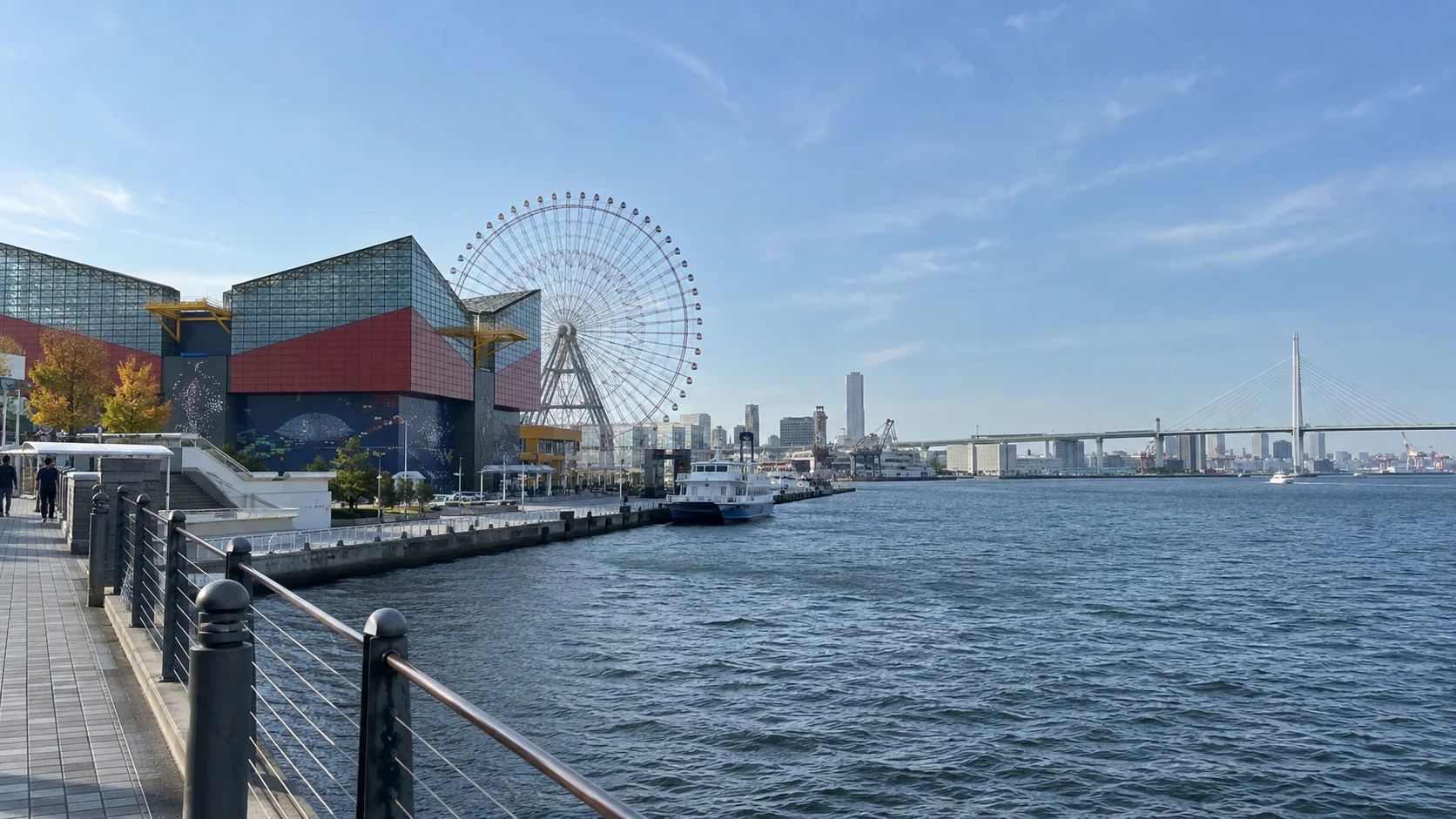
Osaka
An Osaka call is best used for Osaka if you want food districts, a castle-area visit, markets, or urban neighborhoods. Kyoto and Nara are possible on a long call, but they add rail transfers, crowd exposure, and less control over the return.
Check the exact Osaka berth and the shuttle drop before choosing a station. A terminal beside a rail line and a remote working berth create very different independent days.
From Tempozan to an Osaka lunch
At Tempozan, Osakako Station is about a five-minute walk from the cruise facility. For Namba, take the Chuo Line to Hommachi and change to the Midosuji Line, checking the current Osaka Metro route map before boarding.
I would budget 35 to 50 minutes from the terminal exit to Namba, including walking, waits, and the transfer, then follow a compact Dotonbori and Hozenji-area loop with lunch. If your ship uses another working berth, arrange the connection first; these walking directions apply to Tempozan.
With children or a short call, I would stay around Tempozan and choose the Kaiyukan aquarium instead of traveling to Kyoto. Reserve the attraction you actually want, then leave time to enjoy it rather than buying tickets for two competing plans.
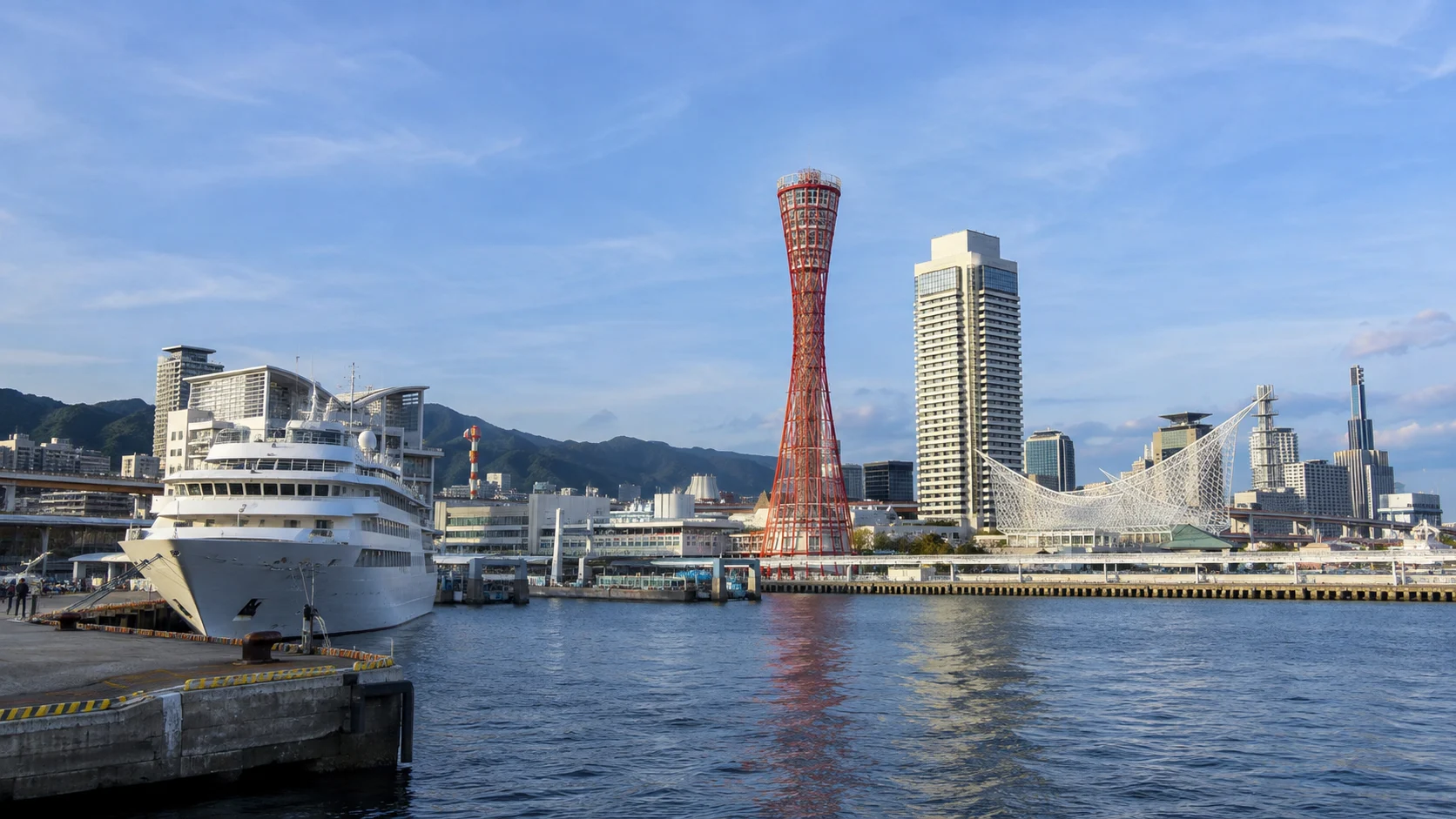
Kobe
Kobe offers a compact waterfront, international history, shopping, and access to the Rokko area. It is also a gateway to Osaka and Kyoto, but “gateway” is travel marketing’s favorite word for “bring a timetable.”
If you travel beyond Kobe, select one destination and reserve a simple return route. Kyoto deserves more than a rushed temple, a convenience-store lunch, and a nervous glance at the clock.
Choose the right Kobe connection
Kobe Port Terminal on Shinko Pier has the Port Liner at Port Terminal Station, with about five minutes on the train to Sannomiya. I would allow 15 to 25 minutes from the terminal exit after adding platform access and a wait.
Naka Pier is a different arrival point beside the Meriken waterfront, with Minato-Motomachi and JR Motomachi the useful rail connections in the official port directory. Allow roughly 15 to 30 minutes to reach a city-center starting point on foot or by the day’s confirmed shuttle, depending on your berth and destination.
My local route would be Meriken Park, Nankinmachi for lunch, and the Motomachi shopping streets, with a taxi or the appropriate terminal connection back. I would save Kyoto for a longer stay unless the call is long enough to absorb both intercity journeys and the extra station transfers.
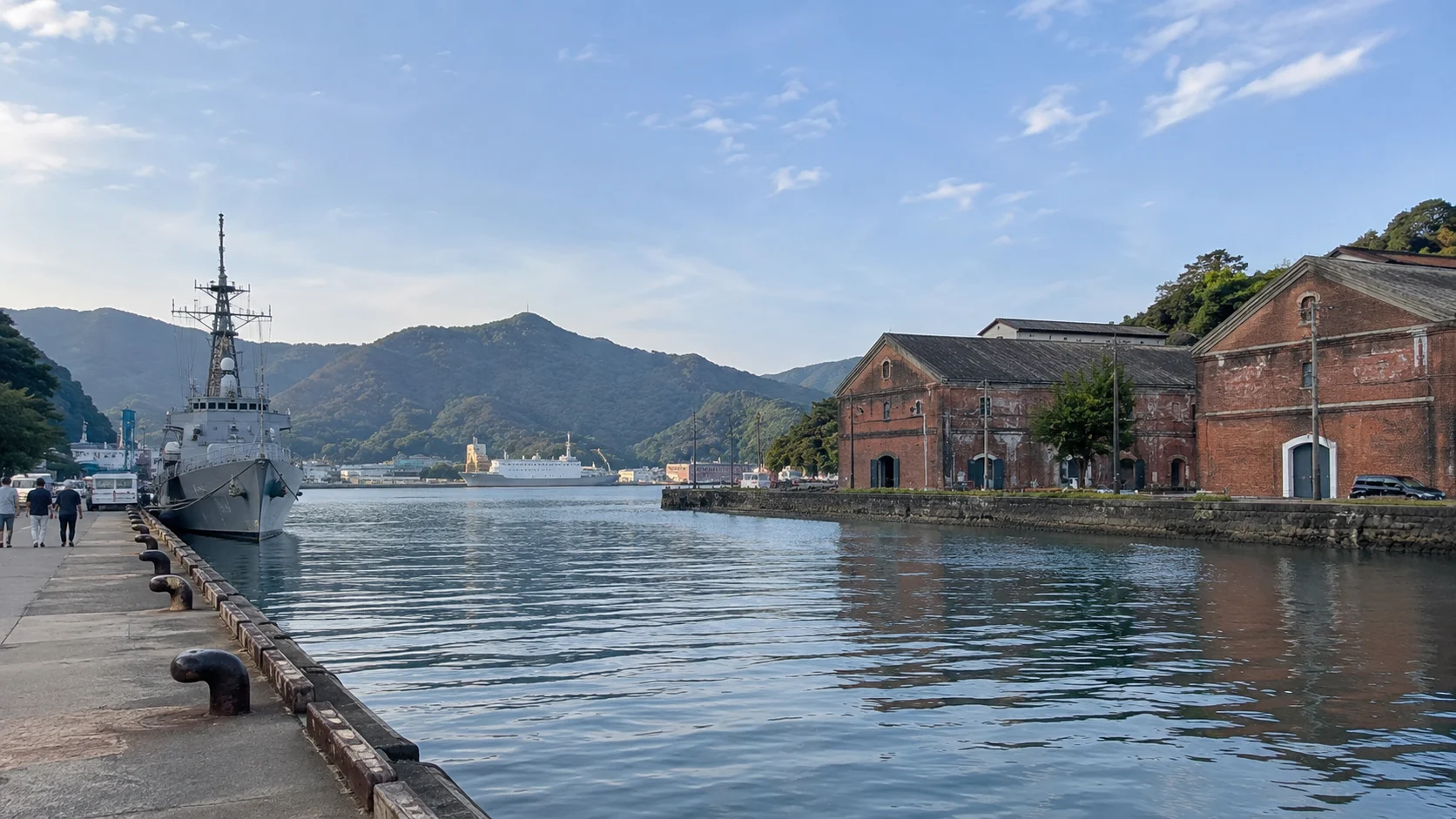
Maizuru for Kyoto
Some northern Kyoto Prefecture calls use Maizuru, which is far from Kyoto City. The current government terminal specification lists Kyoto City at roughly 64 miles and about 125 minutes away by road, making a same-day visit possible only on a suitably long call with disciplined transport.
Maizuru and the surrounding coast provide their own museums, scenery, and regional experiences. Staying local can turn a logistics compromise into a better port day.
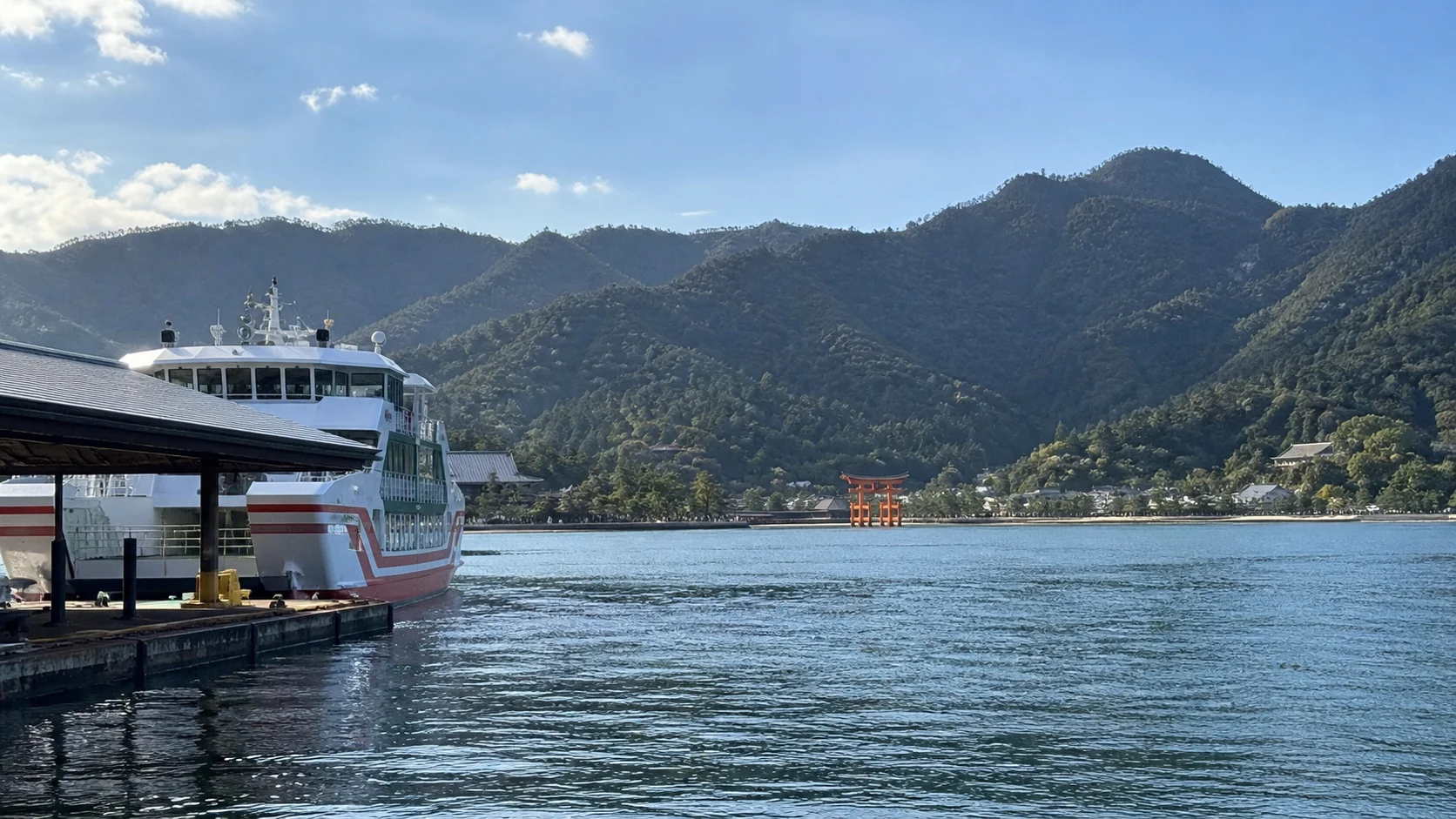
Hiroshima and nearby ports
Hiroshima itineraries can use different berths, and the transfer to the Peace Memorial Park area varies accordingly. Confirm whether the line supplies a shuttle and where it ends before buying independent timed tickets.
A city-focused day can include the Peace Memorial Museum, park, and one nearby meal or garden. Approach memorial sites quietly and allow more time than a photo-stop schedule suggests.
Miyajima is possible from Hiroshima-area calls, but it adds a train or road transfer plus a ferry. Combining both major areas works best on a long day with an early clearance and a simple return plan.
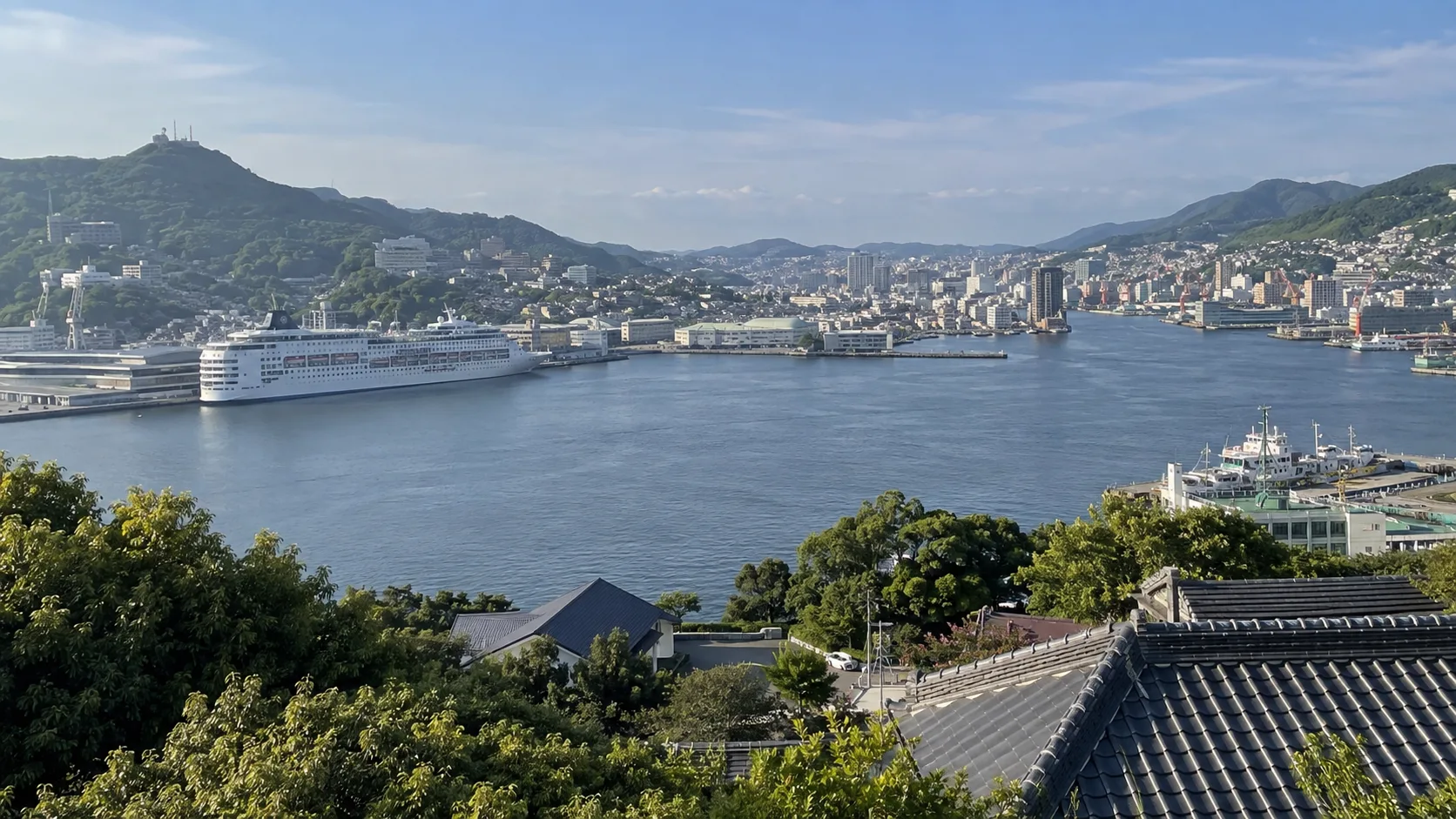
Nagasaki
Nagasaki is one of Japan’s easiest substantial independent cruise days when the ship uses the central Matsugae area. The official Nagasaki port guide notes major CIQ facilities, walkable access to Glover Garden, and streetcar connections to other city sights.
Choose a southern cluster around Glover Garden and the historic foreign-settlement area, or a northern cluster around the Atomic Bomb Museum and Peace Park. A streetcar can connect them, but a short call is calmer when one area gets proper time.
Longer excursions to Huis Ten Bosch, Unzen, or Shimabara increase driving and return risk. Book them through a reliable operator that understands the ship’s call, not simply a tour that begins somewhere in Nagasaki Prefecture.
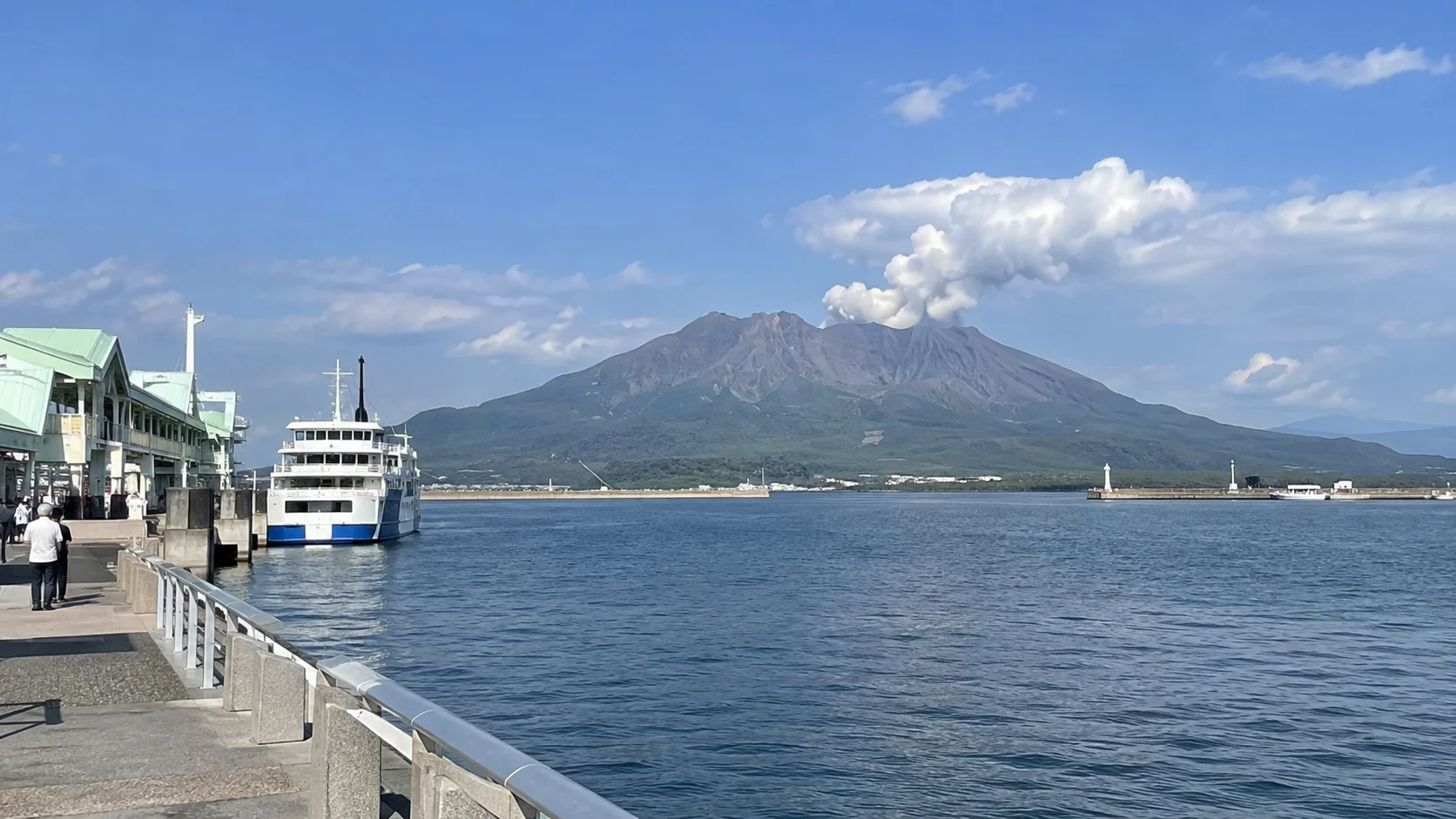
Kagoshima
Kagoshima is known for views of active Sakurajima across the bay, but the exact cruise berth can sit outside the central visitor area. Shuttle arrangements, taxis, and port-day buses change with the call.
A ferry trip to Sakurajima introduces another schedule and potential volcanic or weather disruption. Keep a city-side alternative and obey local alerts, closures, and exclusion zones.
Marine Port Kagoshima is a transfer, not a downtown stroll
For a Marine Port Kagoshima call, the official port page places Wakita’s bus connection about 20 minutes away on foot and Usuki Station about 30 minutes away. I would use the confirmed port shuttle or a taxi to Tenmonkan, allowing 20 to 40 minutes as a starting road-transfer budget and checking the actual queue and traffic.
My city-side plan would be Tenmonkan for food, followed by the waterfront around Kagoshima City Aquarium, with a preplanned ride back. Keep Sakurajima as the day’s main alternative if you want the ferry and volcanic landscape, rather than squeezing it in after lunch.
Smaller ships may receive a more central berth, so do not apply Marine Port walking times to every Kagoshima arrival. Save the actual berth name in Japanese before leaving, especially if the return taxi driver suggests a different waterfront terminal.
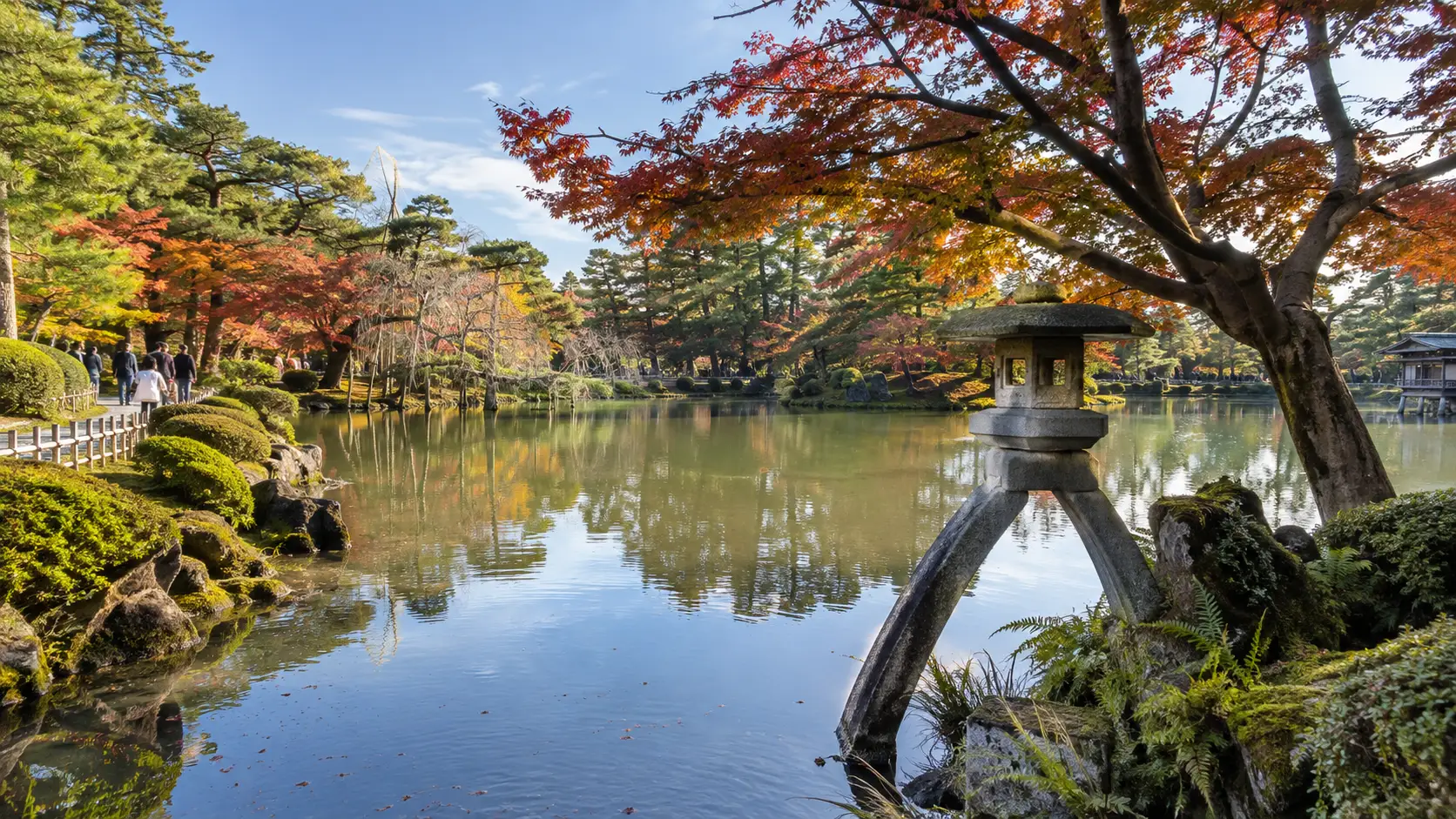
Kanazawa and Sea of Japan ports
Kanazawa is a strong culture-focused call for Kenrokuen, the castle area, markets, museums, and historic districts. The port is not the same as central Kanazawa, so identify the provided shuttle or prearrange transport.
Maizuru, Sakaiminato, and other Sea of Japan calls are often gateways to attractions spread across a wider region. A local city or regional plan may be more rewarding than using most of the call to chase a famous place several hours away.
Kanazawa’s useful transfer and city loop
The main Kanazawa cruise terminal is at Muryoji, while the official port guide also lists Tomizu and Ohama berths. Its road estimate to Kanazawa Station is about 15 minutes, while the city tourism FAQ puts the local bus trip at about 30 minutes, before waiting.
I would allow 25 to 45 minutes to reach the station area once off the ship, longer if the next bus is not imminent, then use the Kanazawa Loop Bus or a taxi to the sights. Choose Kenrokuen and the adjacent castle area, then lunch around Omicho Market, and return without adding a distant regional excursion.
If you want Higashi Chaya’s historic streets most, swap that district for the castle interior rather than trying to see everything. Confirm the return pickup serves your actual wharf, since reaching the attractive public terminal building is not enough if the ship is elsewhere.
Hokkaido: Hakodate, Otaru and northern calls
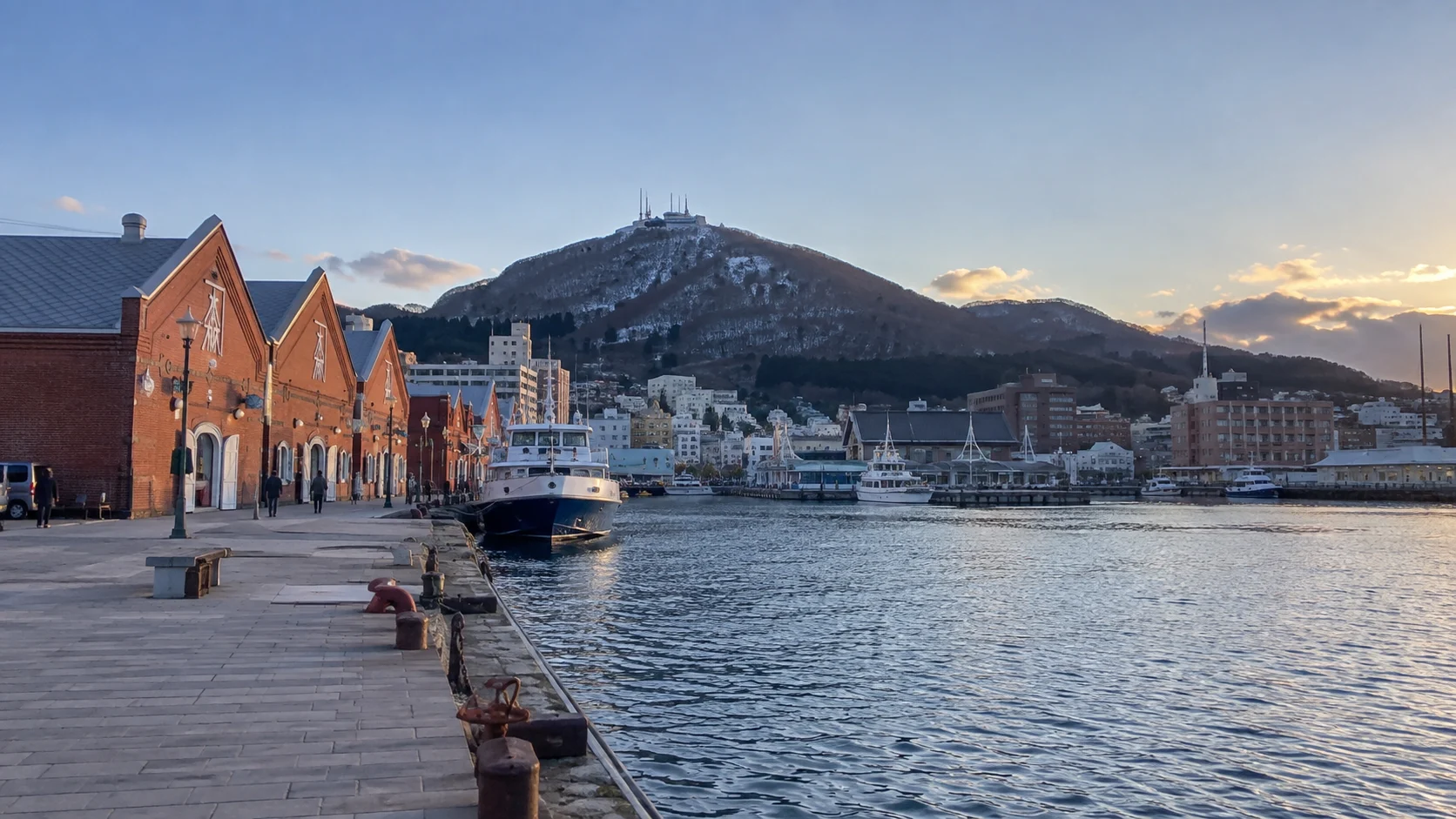
Hakodate
Hakodate offers markets, historic Motomachi, the bay area, and Mount Hakodate. Ships can use different wharves, so a walkable berth should never be assumed from another traveler’s report.
The mountain view depends on weather, and the ropeway can close in wind or maintenance periods. A city route remains worthwhile without the summit, which is exactly the kind of backup plan cruise travel rewards.
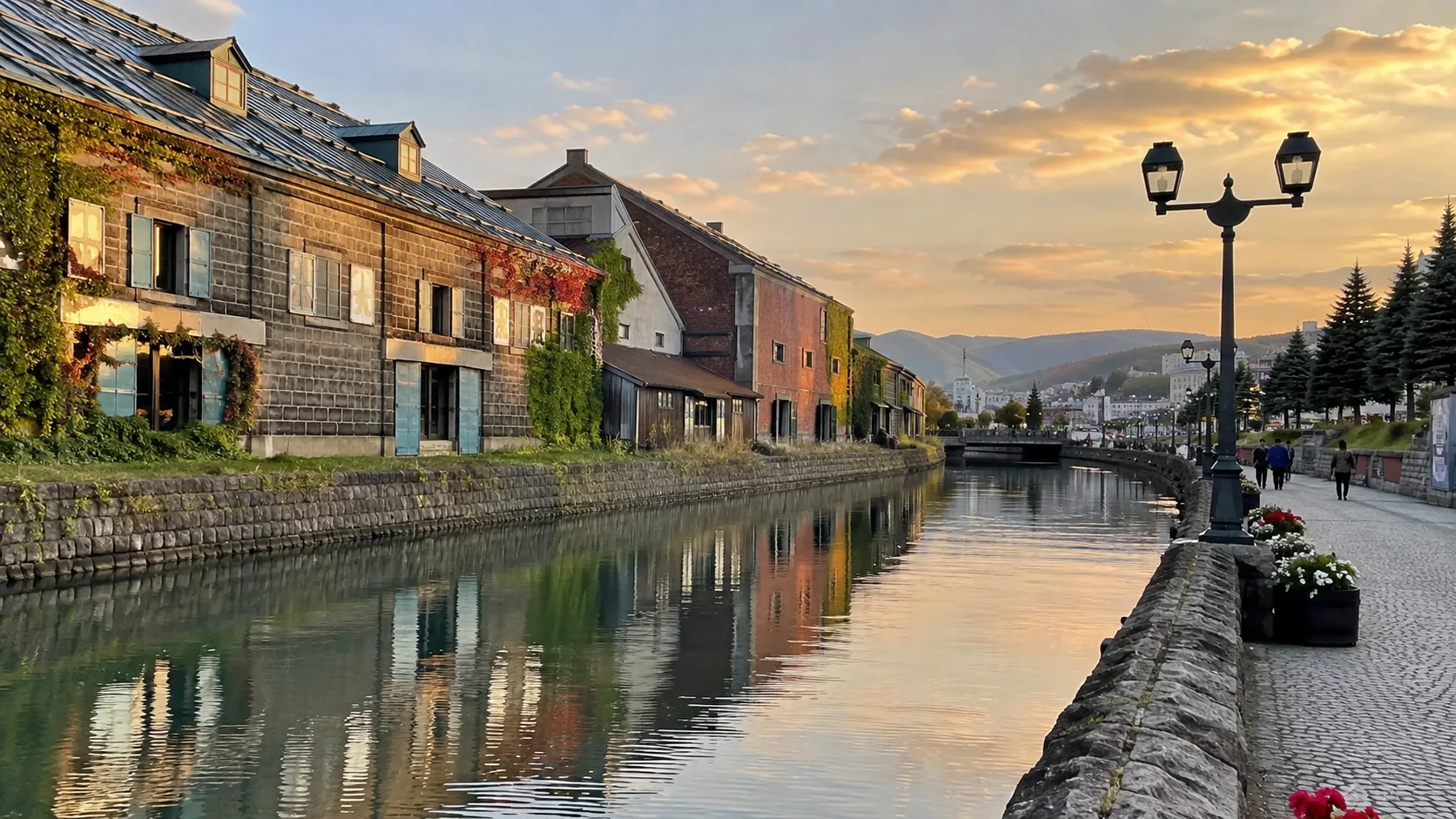
Otaru
Otaru’s canal, warehouses, glass shops, and food are well suited to a compact day. Sapporo is reachable from the wider area but adds rail or road time, so compare that journey with the pleasure of not rushing.
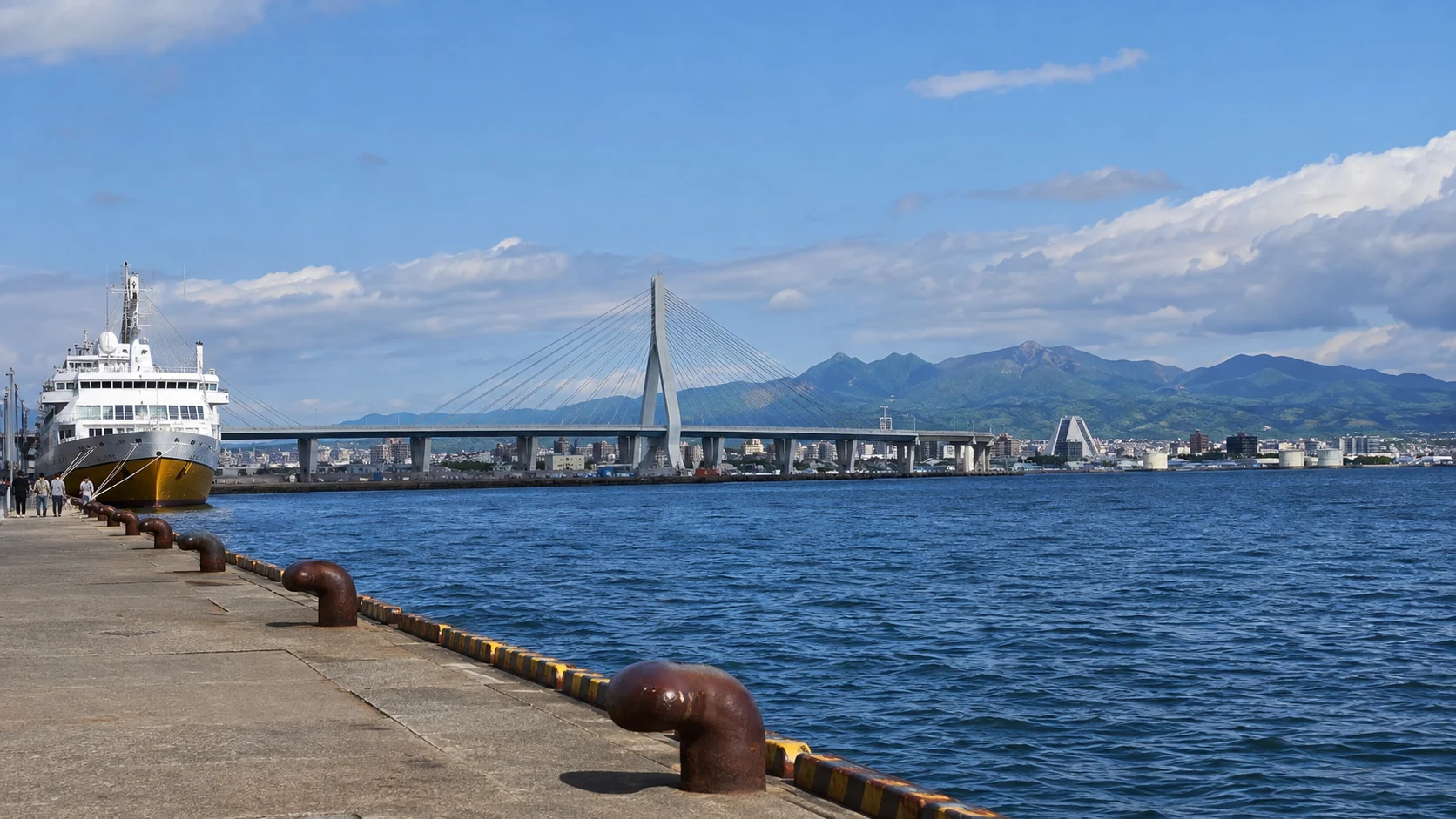
Aomori and smaller northern ports
Aomori’s current official cruise profile describes a central area with the Nebuta Museum, ASPAM, market, and station within walking range from its Shin-Chuo facilities. Ships may also use Okidate Wharf, which changes the access plan.
Smaller Hokkaido calls can offer nature and less urban pressure, but public transport may be sparse. Reserve time-sensitive excursions early and keep weather expectations flexible.
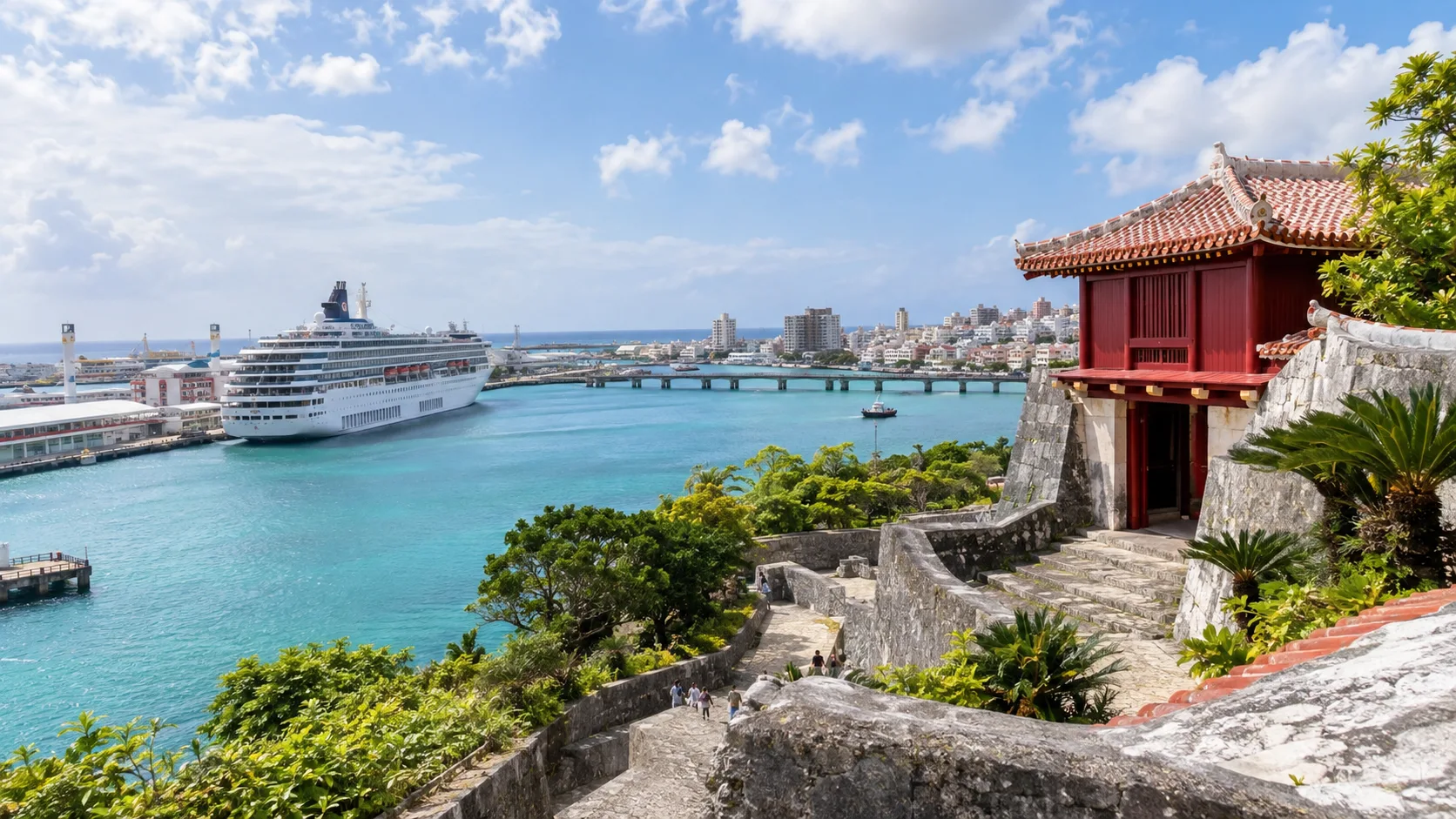
Okinawa and the southern islands
Naha can support a city day around markets, museums, food, and Shurijo-area sights, subject to current access. More distant beaches, caves, and memorial sites require road transport and traffic allowances.
Ishigaki and other island calls may involve tenders or berths away from the main attraction. Beaches and boat tours depend on wind, sea conditions, and seasonal hazards, so confirm cancellation and return arrangements.
How to build a realistic Japan port day
Start with the final all-aboard time, then subtract your return cushion, terminal transfer, and expected security or document checks. What remains is usable sightseeing time, not the full duration printed on the itinerary.
- Confirm the exact berth and terminal from current ship documents.
- Identify whether CIQ or passport procedures may delay release.
- Find the terminal shuttle, nearest station, and accessible route.
- Choose one main district or one distant excursion.
- Save the return route and a taxi fallback offline.
- Set an alarm based on ship time and all-aboard, not sail-away.
Use travel-time estimates as ranges, then add time for finding platforms, elevators, exits, and pickup points. Leave enough time to find the correct gate without rushing.
Rail, IC cards and taxis
Local rail and subways are excellent for many urban calls, while buses become more important in smaller ports. An IC card can simplify eligible local fares, but coverage, purchase methods, mobile-wallet compatibility, and refund rules vary.
Long-distance trains are rarely the best value for a short port call unless the destination truly justifies them. Seat reservations, station size, and the return deadline make a ship excursion or private transfer more attractive for distant sites.
Taxis are clean and metered, but availability can tighten when a large ship arrives. Carry the terminal name and berth address in Japanese, and ask the driver to return to the correct port rather than simply “the ship.”
Money, connectivity and language
Cards are widely useful, but cash still matters at some small restaurants, temples, buses, ticket machines, and markets. Withdraw yen from a compatible ATM before a remote port day and keep coins for lockers or local fares.
Download offline maps, Japanese language support, and the cruise line’s port contact information. Public Wi-Fi may require registration and should not be the only way to retrieve a return ticket.
Simple greetings, quiet voices on transit, orderly queues, and respect for posted photography rules go a long way. Eat only where permitted and carry trash until you find the correct bin.
Entry documents and re-entry calls
Visa rules depend on nationality, passport type, trip purpose, and duration. Japan’s Ministry of Foreign Affairs maintains the current short-stay visa exemption list, which should be checked alongside cruise-line document requirements.
A voyage that visits South Korea, Taiwan, Russia, China, or another country can create new immigration steps when it returns to Japan. Check every country on the itinerary and do not assume a round-trip cruise remains a domestic journey.
Accessibility and family planning
Ask the line whether each port uses a gangway, shuttle, or tender and whether mobility devices can be accommodated. Station elevators may require a different route, while historic sites can include gravel, thresholds, steep paths, or shoe removal.
Families should limit transfers and reserve child seats when required and available. A neighborhood park, aquarium, train ride, or food hall can be a better memory than dragging a tired child through three prefectures.
Best itinerary by travel style
First-time visitors who want major cities should look for Tokyo or Yokohama, Osaka or Kobe, Hiroshima, and Nagasaki with generous hours. Repeat visitors can favor Hokkaido, the Sea of Japan, Kyushu, or smaller island calls.
Spring routes may align with blossoms, but timing varies by latitude and year. Fall foliage also moves regionally, while summer heat, humidity, typhoons, and festival crowds can reshape port days.
For broader regional comparisons, this overview of the best Asian countries to visit helps position Japan within a longer trip. These first-time cruise tips cover ship-side planning, while the world cruise port directory connects the Japanese calls with other regions.
Final Japan cruise port advice
The best Japanese cruise port days are specific: exact terminal, known clearance process, one geographic focus, and a return route with breathing room. Choose the outing you most want and give yourself time to enjoy it.
Verify the berth again onboard, listen for CIQ instructions, and keep a local alternative for weather or delay. Japan offers enough depth that seeing less in one day often means experiencing much more.