25 Fun Facts About Manitoba That Make You Want to Visit
Manitoba is where prairie, boreal forest, tundra, and Hudson Bay meet. These 25 facts explain why Winnipeg, Churchill, vast lakes, Indigenous homelands, migrating wildlife, music, food, and even an enormous snake gathering belong in the same province.
Quick Manitoba facts
- Country: Canada
- Capital and largest city: Winnipeg
- Joined Confederation: 1870
- Official languages of the legislature and courts: English and French
- Time zone: Central Time, with daylight saving changes
- Major landscapes: Prairie, boreal forest, wetlands, tundra, lakes, and Hudson Bay coast
Those basics hide enormous regional differences. Winnipeg is a connected prairie city, while Churchill lies about 620 miles (1,000 km) north of Winnipeg geographically and has no road linking it to the rest of Manitoba.
For a cross-border comparison, these travel-worthy Minnesota facts show how lakes, prairie, winter, immigration, and Indigenous homelands continue south without making the two places interchangeable.
1. Manitoba has more than 100,000 lakes
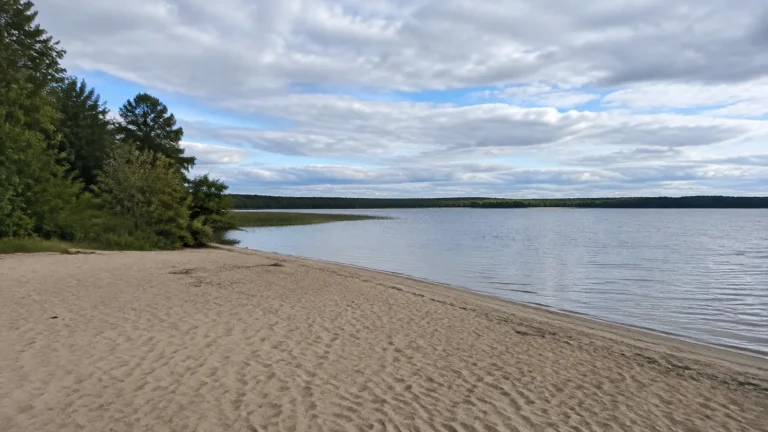
Manitoba’s exact lake count depends on definitions and mapping scale, but provincial sources consistently describe more than 100,000. Lake Winnipeg, Lake Manitoba, and Lake Winnipegosis dominate maps, while remote northern waters create entirely different travel challenges.
A blue patch on a map does not guarantee a public beach, maintained launch, road, rental canoe, or safe drinking water. Choose the community and access point first, then confirm current conditions and land status.
Travelers drawn to inland seas can compare Manitoba’s lake experience with these beautiful lakes around the world. Manitoba stands out through scale and abundance rather than one famous overlook.
2. Lake Winnipeg is one of the world’s largest freshwater lakes
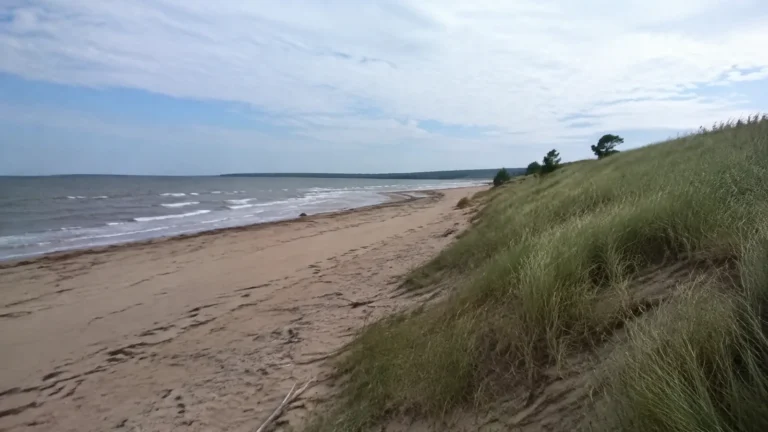
Lake Winnipeg stretches more than 250 miles from north to south and receives water from an enormous international watershed. Its southern beaches are accessible from Winnipeg, but the northern basin feels far more remote.
Grand Beach is known for broad sand, while communities such as Gimli add harbor life and Icelandic heritage. Check beach advisories, wildfire smoke, wind, and water conditions before treating a hot forecast as automatic swimming weather.
3. Winnipeg sits where two important rivers meet
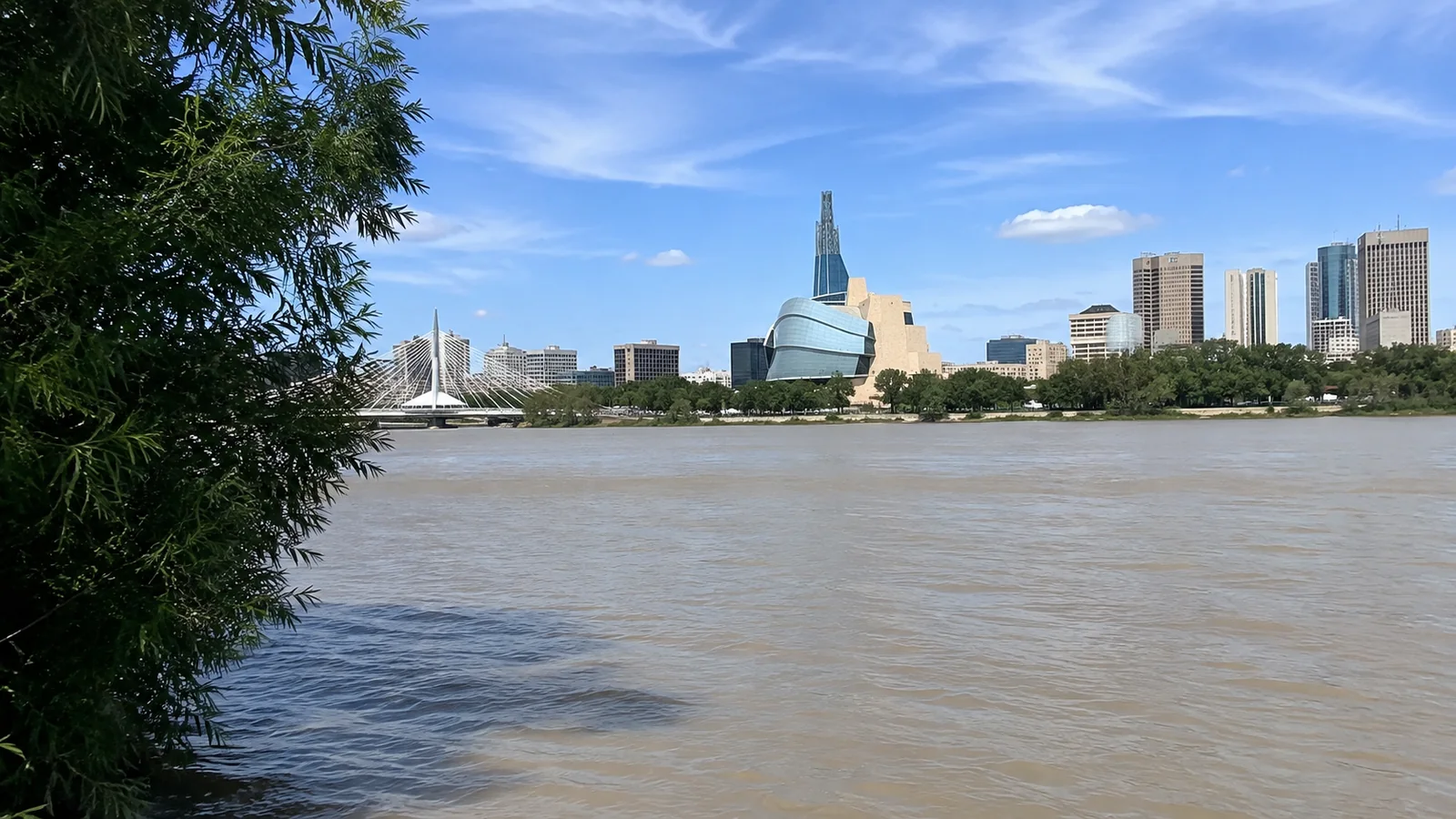
The Red and Assiniboine rivers meet at The Forks, a gathering and trading place with thousands of years of human history. Today the district combines paths, public space, food, museums, events, and river access beside downtown.
Flooding, construction, festivals, and winter ice can change routes through the site. Stay on maintained paths and use only officially opened skating or river areas.
4. The Canadian Museum for Human Rights is a national first
The Canadian Museum for Human Rights was the first national museum established outside Canada’s National Capital Region. Its building rises beside The Forks, but the content deserves more attention than the dramatic architecture.
Allow several hours and expect difficult subjects rather than a quick inspirational gallery. Check current exhibits, timed programs, closures, and accessibility information on the museum’s official site.
5. Winnipeg has the world’s largest public collection of contemporary Inuit art
Qaumajuq at the Winnipeg Art Gallery centers Inuit art and knowledge in a striking building connected to the main gallery. Its visible vault alone contains thousands of works, while exhibitions and community programming change.
Visit with the same care you would bring to any living culture, not as a hunt for decorative “Arctic” objects. Read artist, nation, region, material, and curatorial information instead of flattening Inuit art into one style.
6. Manitoba is on First Nations, Métis, and Inuit homelands
Manitoba lies on the treaty territories and ancestral lands of Anishinaabeg, Anishininewuk, Dakota Oyate, Denesuline, and Nehethowuk peoples. It is also the National Homeland of the Red River Métis, while northern Manitoba includes Inuit ancestral lands.
That is current political and cultural reality, not simply early provincial history. Support Indigenous-owned tours and businesses, follow community visitor protocols, and never assume reserve, trapline, or cultural-site access is public.

7. The province’s name has Indigenous roots
Explanations commonly connect “Manitoba” with words and stories from Cree or Anishinaabe languages relating to spirit, narrows, or water. Spellings and translations differ because colonial written forms tried to capture distinct oral languages.
Present the origin as layered rather than forcing one neat English sentence. Local Indigenous interpretation is more valuable than a souvenir-shop etymology.
8. Louis Riel helped create Manitoba
Red River Métis leader Louis Riel headed a provisional government during negotiations that led to the Manitoba Act of 1870. He remains central to Métis history and to debates about Confederation, resistance, language, land, and justice.
Travelers can encounter this history at places such as Riel House National Historic Site, St. Boniface, and The Forks. Seasonal operation means a historic site listed on a map may not have open buildings in winter.
9. Winnipeg has one of Canada’s largest urban French-speaking communities outside Quebec
St. Boniface reflects Manitoba’s Francophone and Métis histories through language, institutions, architecture, food, and cultural events. Cross the Esplanade Riel from The Forks rather than treating the neighborhood as a distant excursion.
The cathedral, museum, cemetery, university, and businesses keep their own hours. A French sign does not mean every interaction must happen in French, but a polite greeting is always welcome.
10. Manitoba’s diversity extends far beyond its European settlement stories
Filipino, Ukrainian, South Asian, Chinese, African, Latin American, Jewish, Icelandic, and many other communities shape the province. Winnipeg’s restaurants, groceries, festivals, faith spaces, arts, and neighborhoods reveal that modern Manitoba cannot be summarized as British, French, and prairie.
Folklorama is one visible celebration, but culture is not limited to festival dates. Visit locally owned businesses throughout the year and avoid asking strangers to perform “authenticity” for your trip.
11. The Royal Canadian Mint in Winnipeg makes circulation coins
The Winnipeg facility produces Canada’s circulation coins and coins for countries around the world, while Ottawa focuses on collector products and other work. Public tours let visitors see industrial coin production when operating.
Reserve ahead, follow security and photography rules, and confirm whether production is visible on your date. A tour ticket does not guarantee every machine will be active.
12. Winnipeg is a major center for music, dance, and theater
The city is associated with the Royal Winnipeg Ballet, Winnipeg Symphony Orchestra, Manitoba Theatre Centre, folk and fringe festivals, and influential rock and Indigenous artists. The Guess Who and Bachman-Turner Overdrive are among its best-known popular-music connections.
Build an evening around the live calendar rather than only photographing venues. Winter cancellations and festival sellouts are both possible, so buy through official box offices.
13. Churchill has no all-season road from Winnipeg
Churchill is reached primarily by air or train, not by driving north in a rental car. VIA Rail’s current Winnipeg-Churchill schedule lists limited weekly departures and a journey of roughly two days, so the train requires its own buffer.
Use the live VIA Rail schedule for the exact date, accommodation class, baggage rules, and service alerts. Weather, infrastructure, and northern operations can delay both trains and flights.
14. Churchill is famous for polar bears
Polar bears gather along western Hudson Bay while waiting for sea ice to form, with October and November the best-known viewing season. Wildlife timing follows ice, weather, and animal behavior, not a tourism guarantee.
Book an authorized guide or purpose-built vehicle tour and obey every local polar bear safety instruction. Never walk toward a bear, leave town alone hoping for a sighting, or use food to influence wildlife.
Churchill packages sell far ahead and can be expensive because rooms, transport, guides, and specialized equipment are limited. Price the complete trip before buying a cheap flight segment that leaves no lodging.
15. Summer brings thousands of beluga whales
Belugas enter the Churchill and Seal river estuaries during summer, with July and August commonly emphasized for tours. Operators offer boats and, under specific conditions, paddle or water experiences.
Choose a tour that follows current approach distances, vessel rules, and wildlife guidance. Cold water, wind, fog, and polar bear presence on shore make independent improvisation a bad plan.
Travel Manitoba’s Churchill seasonal planner explains how summer belugas, fall bears, winter aurora, and spring birding require different clothing and bookings. No single weekend promises all four.
16. The northern lights can appear in every season with darkness
Churchill’s latitude and dark surroundings support frequent aurora opportunities, especially when nights are long. Clouds, moonlight, solar activity, local light, and sleep schedules still control what a visitor sees.
Stay several nights, watch a reputable forecast, and use a guide when winter cold or polar bear safety requires it. Never stand on a road or cross closed land because an app points north.
17. Wapusk protects major polar bear denning habitat
Wapusk National Park protects one of the world’s largest known polar bear maternity denning areas, along with tundra, peatlands, birds, caribou, and other subarctic wildlife. The park is not a drive-in companion to a Winnipeg city break.
Access is limited year-round and normally arranged through licensed operators from Churchill. Use the Parks Canada access guidance, and do not mistake the Churchill visitor center for ordinary entry into remote park terrain.
18. Polar bears can enter Churchill itself
Churchill operates an alert and response system because bears sometimes approach town. The famous “polar bear jail” nickname refers to a holding facility used in wildlife management, not a quirky petting-zoo attraction.
Follow posted warnings, avoid shoreline walks without current local advice, keep children close, and never assume another person standing outside proves the area is safe. Call the local bear-alert number when instructed rather than trying to film a close encounter.
19. Narcisse hosts a remarkable snake gathering
At the Narcisse Snake Dens, tens of thousands of red-sided garter snakes can emerge in spring and gather again in early fall. Timing changes with ground temperature and weather, so an exact calendar date cannot guarantee peak activity.
Stay on trails and viewing platforms, keep dogs controlled under current rules, and never pick up or block snakes. Wet or cold conditions can suppress activity even during the usual window.
20. Riding Mountain is an island of high ground
Riding Mountain National Park rises from surrounding plains and protects forest, lakes, grasslands, and wildlife. Wasagaming provides a developed base, while backcountry areas require more preparation and current trail knowledge.
Black bears, elk, moose, and bison may be present in the wider park, but sightings are never assured. Store food correctly, maintain distance, and drive slowly at dawn and dusk.
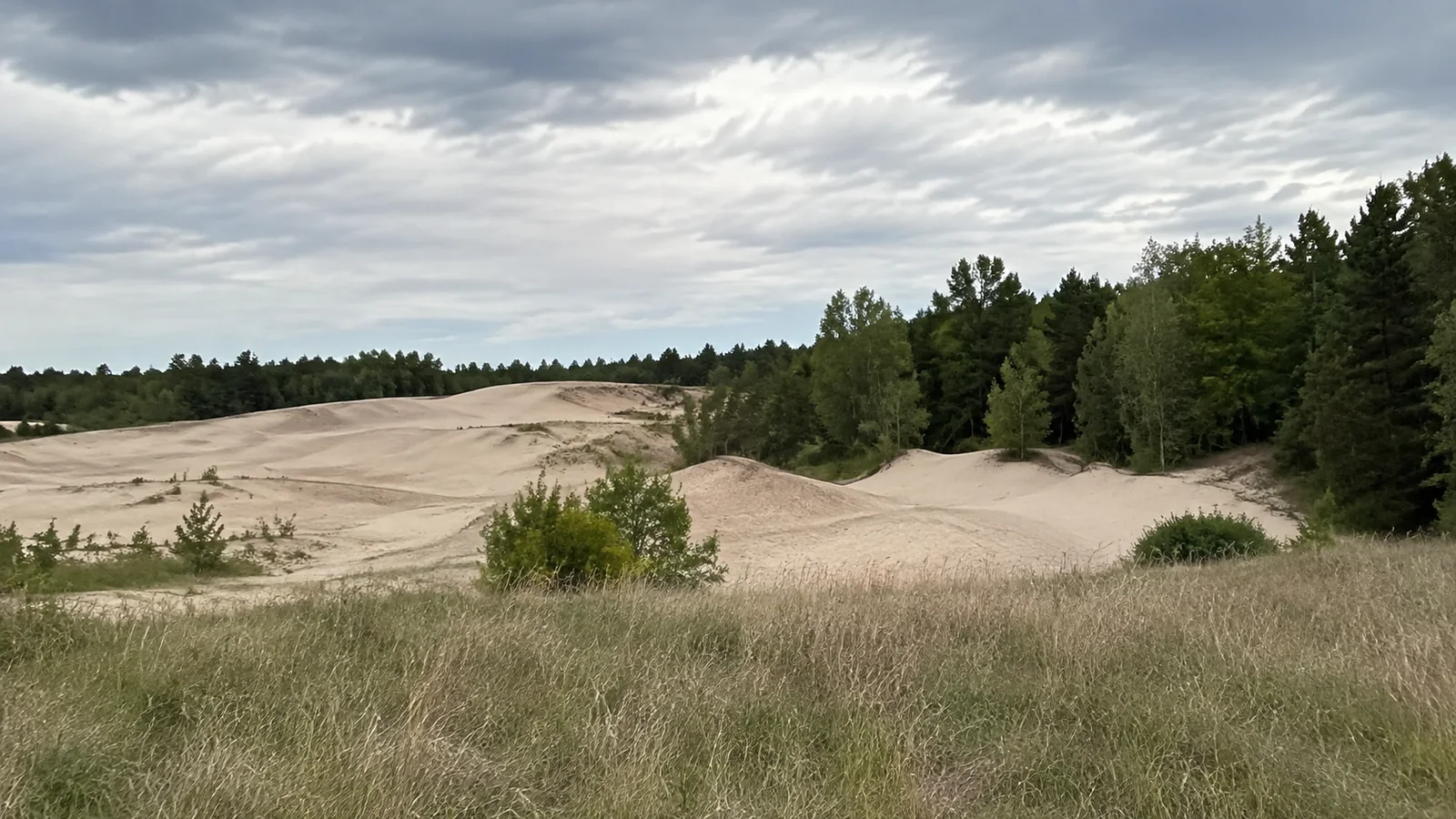
21. Manitoba has prairie, forest, and tundra in one province
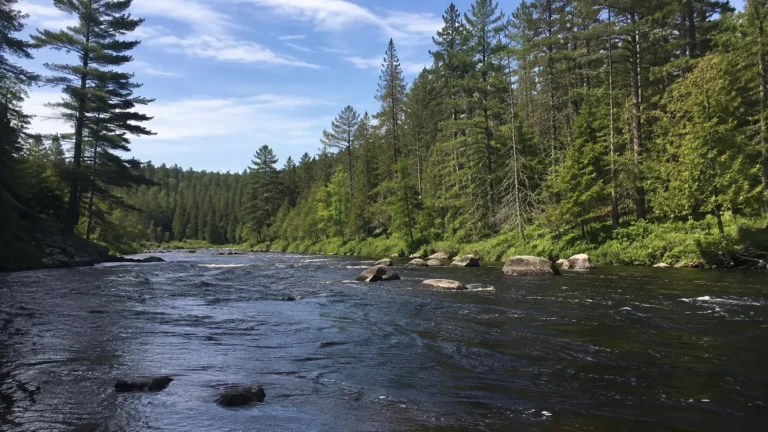
Southern agriculture gives way to boreal forest, wetlands, exposed shield, and tundra toward Hudson Bay. The transition explains why a single packing list fails across a province stretching hundreds of miles north.
Winnipeg can be hot and humid while Churchill is cool, windy, and foggy. Pack for the destination and month, not for the word “Canada.”
22. The Red River Floodway protects Winnipeg
The channel diverts floodwater around Winnipeg when operated, reflecting the region’s long history with spring flooding. Locals sometimes call it Duff’s Ditch after former premier Duff Roblin, whose government backed the project.
Flood-control infrastructure is not an invitation to enter closed channels or construction zones. Spring road and trail access can change quickly during high water.
23. Gimli has deep Icelandic connections
New Iceland settlement history remains visible around Gimli through museums, public art, food, family histories, and the Icelandic Festival of Manitoba. The Lake Winnipeg town also works as a beach and harbor destination independent of festival weekend.
Summer lodging fills for events, while winter creates a much quieter visit. Lake ice must be assessed through current local safety guidance, never by watching another vehicle drive onto it.
24. The International Peace Garden crosses an international border
The International Peace Garden straddles Manitoba and North Dakota, with formal gardens, monuments, trails, and seasonal facilities. Its unusual boundary setting does not eliminate customs, immigration, identification, vehicle, or pet requirements.
Check both countries’ current entry rules before routing through the site. A traveler who cannot legally enter one side should not rely on the garden to create an exception.
25. Manitoba winters are a feature and a serious condition
Winnipeg embraces winter through skating, festivals, hockey, skiing, warm restaurants, and cultural venues. Extreme cold, wind chill, frostbite, snow, ice, and highway closures remain genuine hazards.
Wear insulated layers, cover exposed skin, keep winter gear in the vehicle cabin, and avoid remote driving during warnings. A running car and a short walk are not substitutes for clothing that can keep you safe if the car stops.
How to plan a first Manitoba trip
For three days, stay in Winnipeg and explore The Forks, St. Boniface, one major museum, and neighborhoods or food that match your interests. Add Gimli or a provincial park only when road and seasonal conditions fit.
For one week in summer, combine Winnipeg with Riding Mountain or a Lake Winnipeg base. Churchill requires separate transport and is better treated as its own five- to seven-day trip, including weather buffers.
A northern Canada trip also should not assume territories and provinces share infrastructure. This practical Yukon travel guide shows how quickly distances, permissions, fuel, and season change the plan farther west.
Best time to visit Manitoba
- June through August: Lakes, parks, festivals, mosquitoes, thunderstorms, and peak Churchill belugas
- September: Fall color, cooler nights, and variable northern conditions
- October and November: Prime Churchill polar bear season with cold, limited inventory, and high prices
- December through March: Winter activities, deep cold, and strong aurora darkness in the north
- April and May: Thaw, mud, flooding risk, migrating birds, and weather-dependent snake emergence
Wildlife, fall color, ice, and snake emergence never follow a guaranteed appointment. Build the trip around a seasonal probability, then give yourself enough other reasons to enjoy the destination.

Which Manitoba fact should shape your trip?
Choose Winnipeg for museums, food, architecture, and history; Lake Winnipeg or Riding Mountain for an accessible outdoor break; Churchill for a specialized wildlife journey; and remote northern parks only with the required operator and preparation. Those are four different vacations sharing a provincial border.
Manitoba’s best fact may be its range. You can stand where two prairie rivers meet, learn from Inuit art, hear French across the bridge, watch belugas in subarctic water, and still have more than 100,000 lakes left to consider.