Emma Lake, Saskatchewan: A Practical Lake Getaway Guide
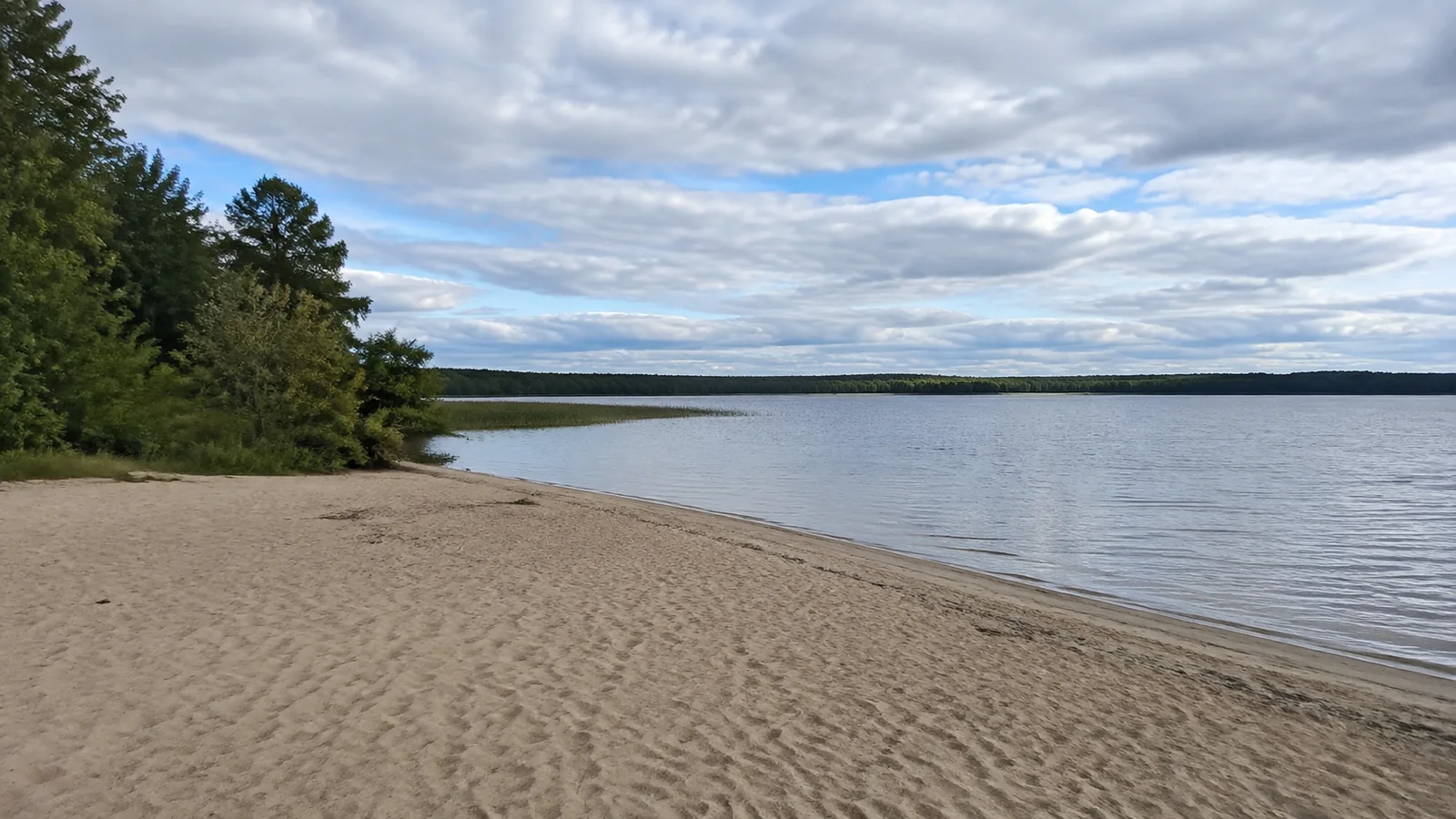
Emma Lake is not one resort with a single front desk. It is a connected lake system north of Prince Albert, edged by cottage communities, public access points, and the Emma Lake section of Great Blue Heron Provincial Park, so the right base depends on whether you want a beach, boat launch, campsite, or winter trail.
Is Emma Lake Worth Visiting?
Yes, especially for Saskatchewan families who want an easygoing cabin-and-water weekend rather than a tightly programmed attraction. Emma Lake works best when you reserve the accommodation first, identify your legal lake access, and accept that services are spread among several small communities.
The lake sits in the boreal transition roughly 30 miles north of Prince Albert, close to Christopher Lake and the eastern side of Prince Albert National Park. That location gives you forest, beaches, paddling, fishing, and winter trails without the longer journey required for a genuinely remote northern lake.
Understand the Emma Lake Layout
Emma Lake has connected sections, bays, islands, and narrow passages rather than one simple oval shoreline. Communities including Sunnyside Beach, Neis Beach, Carwin Park, Guise Beach, McIntosh Point, Murray Point, and Okema Beach ring different parts of the water.
That geography matters because a cabin described as “at Emma Lake” may be several miles by road from your preferred beach or boat launch. Ask for the exact address, shore access, parking arrangement, dock rights, and winter road maintenance before paying.
Highway 263 is the main regional route from Highway 2 near Christopher Lake toward Emma Lake and Prince Albert National Park. Local Highways 952 and 953 reach different shoreline and park areas, so download a map before leaving Prince Albert rather than relying on a weak signal at the final turn.
Great Blue Heron Provincial Park at Emma Lake
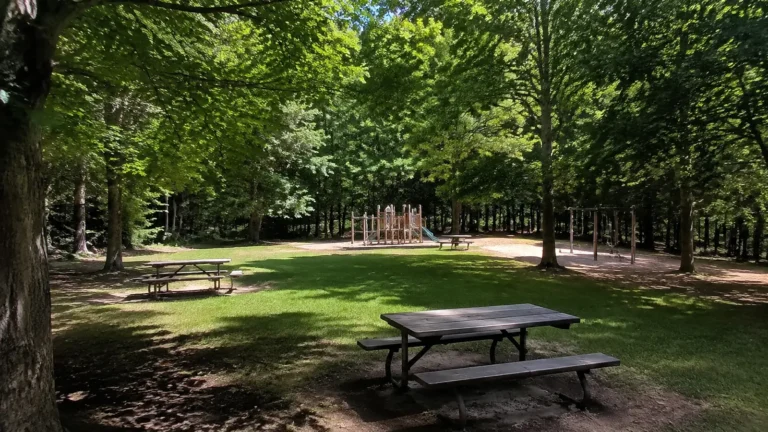
Great Blue Heron Provincial Park is split between the Emma Lake and Anglin Lake areas. At Emma Lake, Murray Point is the practical hub for reservable camping, a boat launch, beach access, trails, a fish-cleaning station, playgrounds, and nearby seasonal services.
The official Great Blue Heron Provincial Park listing describes a quieter, recreation-focused park used by hikers, anglers, paddlers, and campers. A valid vehicle entry permit is separate from a campsite booking, and operating dates, water service, fire restrictions, and facility availability can change.
Murray Point Camping
Murray Point Campground has reservable electric and non-electric campsites in spruce and aspen forest. Tourism Saskatchewan currently lists 136 nightly electric sites plus 24 non-electric sites in Heron’s Hideaway and Coot’s Corner, but the reservation system should control if inventory or loops change.
For 2026, Saskatchewan Parks scheduled Great Blue Heron’s camping season from May 14 through September 30. Never turn those dates into a promise for a later year, and confirm whether showers, potable water, store hours, and dump services are operating on your exact dates.
A campsite gives you a legal place to sleep, not a guarantee of a waterfront pad or private beach. Read the site description for electrical service, pad length, shade, grade, firepit status, and distance to washrooms before choosing an RV site.

Day Use and Park Entry
Day visitors can use designated park areas, but they still need the current vehicle permit where required. Buy through the Saskatchewan Parks system or at an authorized point, and verify whether the pass must be printed, displayed, or tied to a license plate.
Emma Lake also has municipal and private shoreline areas outside the provincial park. Do not assume a road ending at water is public, a cottage dock is shared, or a resort’s beach is included unless the owner or municipality says so.
Best Things to Do at Emma Lake
Swim at a Designated Beach
Emma Lake’s small beaches are better for a relaxed family afternoon than for long shoreline walks. Choose a designated public or park beach, look for posted warnings and buoy lines, and remember that an attractive lake does not equal supervised swimming.
Water temperature, wind, algae, bacteria, and visibility can shift during summer. Check current notices, keep children within arm’s reach, use a properly fitted life jacket where needed, and leave the water if a bloom, unusual odor, or official advisory appears.
Paddle the Sheltered Shore
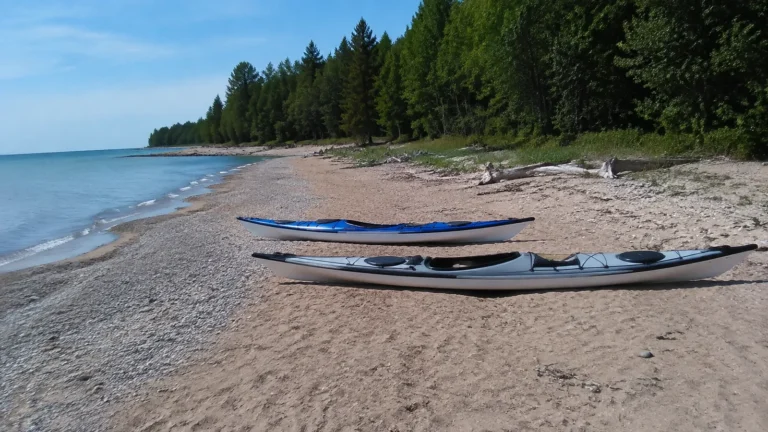
A kayak, canoe, or paddleboard lets you explore coves without needing a large powerboat. Start close to shore in settled weather, because an open crossing that looks short can become rough when wind funnels across the lake.
Wear a Canadian-approved personal flotation device, carry sound-signaling and safety equipment required for the craft, and make yourself visible to motorboats. Cold water is a real hazard outside midsummer even when the air feels warm.
Launch a Boat at Murray Point
The Murray Point area has a boat launch and fish-filleting station, according to the official park activity page. Confirm launch condition, parking, invasive-species requirements, and any local restrictions before towing to the ramp.
Connected bays and islands make the lake interesting, but they also make it easier to misread the route home. Carry an offline chart or map, watch for shallow water and swimmers, and slow down near docks and narrow channels.
Fish Responsibly
Fishing is a major reason to choose Emma Lake, but species limits and seasons belong to the current provincial guide, not to a travel blog. Most visiting adults need the appropriate Saskatchewan license, and residency determines the license category.
The province’s angling license page explains HAL accounts and the additional habitat certificate introduced for 2026-27. Check the current management zone and any water-specific rules before keeping a fish.
Walk or Bike the Park Trails
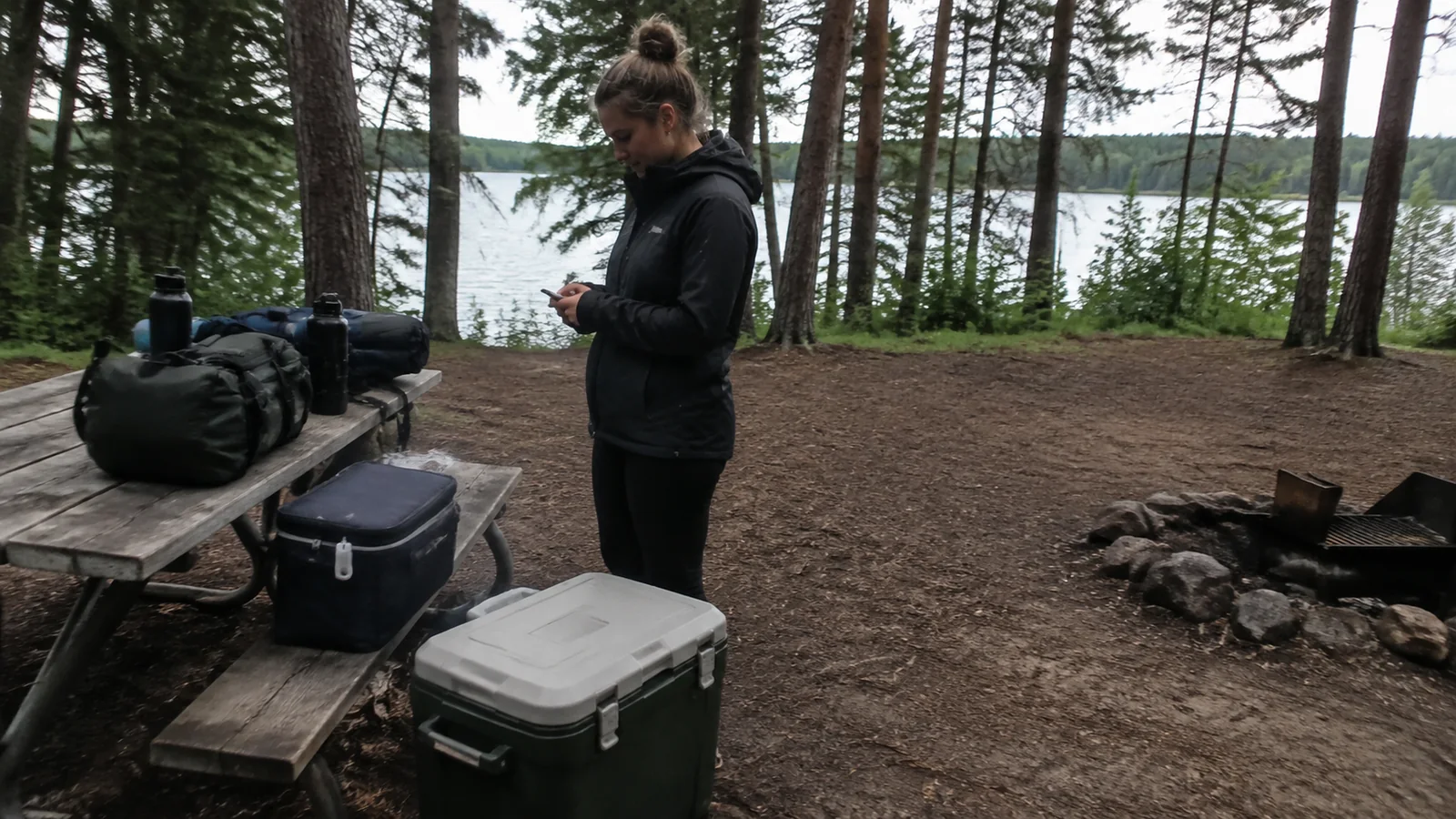
The Murray Point Trail is an approximately 1.2-mile route along Oliver Creek and the lakeshore, while the Valley View Trail north of Emma Lake is roughly 3.1 miles. Tourism Saskatchewan says the combined Emma Lake trail offering exceeds 4.3 miles and can support hiking and biking in warm months.
These are forest recreation trails, not manicured urban paths. Bring insect repellent, check for ticks, stay off muddy sections when requested, and make noise around blind corners where wildlife may be close.
Play Golf or Build a Rainy-Day Plan
Emma Lake Golf Course is an 18-hole course west of Christopher Lake with a pro shop, cart rentals, and licensed restaurant in its current tourism listing. Tee times, food service, rental inventory, and shoulder-season operation should be confirmed directly.
Rain is a good reason to explore Prince Albert, linger over a meal, or rest at the cabin, not to force a cold boat day. Emma Lake has fewer indoor backups than a city destination, so pack books and games if the forecast is unstable.
A Realistic Two-Day Emma Lake Plan
Day 1: Settle In and Learn Your Shore
Buy groceries and fuel in Prince Albert or Christopher Lake, arrive in daylight, and inspect the cabin or campsite before unloading. Spend the afternoon at your confirmed beach, on the Murray Point Trail, or paddling a sheltered bay if the wind is gentle.
Use the first evening for a simple picnic or camp meal rather than a long drive for dinner. Check the next day’s wind, fire status, park notices, and fishing rules while you still have service.
Day 2: Choose Water or Forest
Launch early for fishing or paddling before afternoon wind develops, then return for lunch and a beach break. Non-boaters can hike Valley View, play golf, or drive into nearby Prince Albert National Park if they have checked that park’s separate admission and access requirements.
If Prince Albert National Park is the main event, sleep closer to Waskesiu instead of commuting back and forth. Emma Lake deserves to be a lake stay, not merely a cheaper bed attached to a different itinerary.
Where to Stay
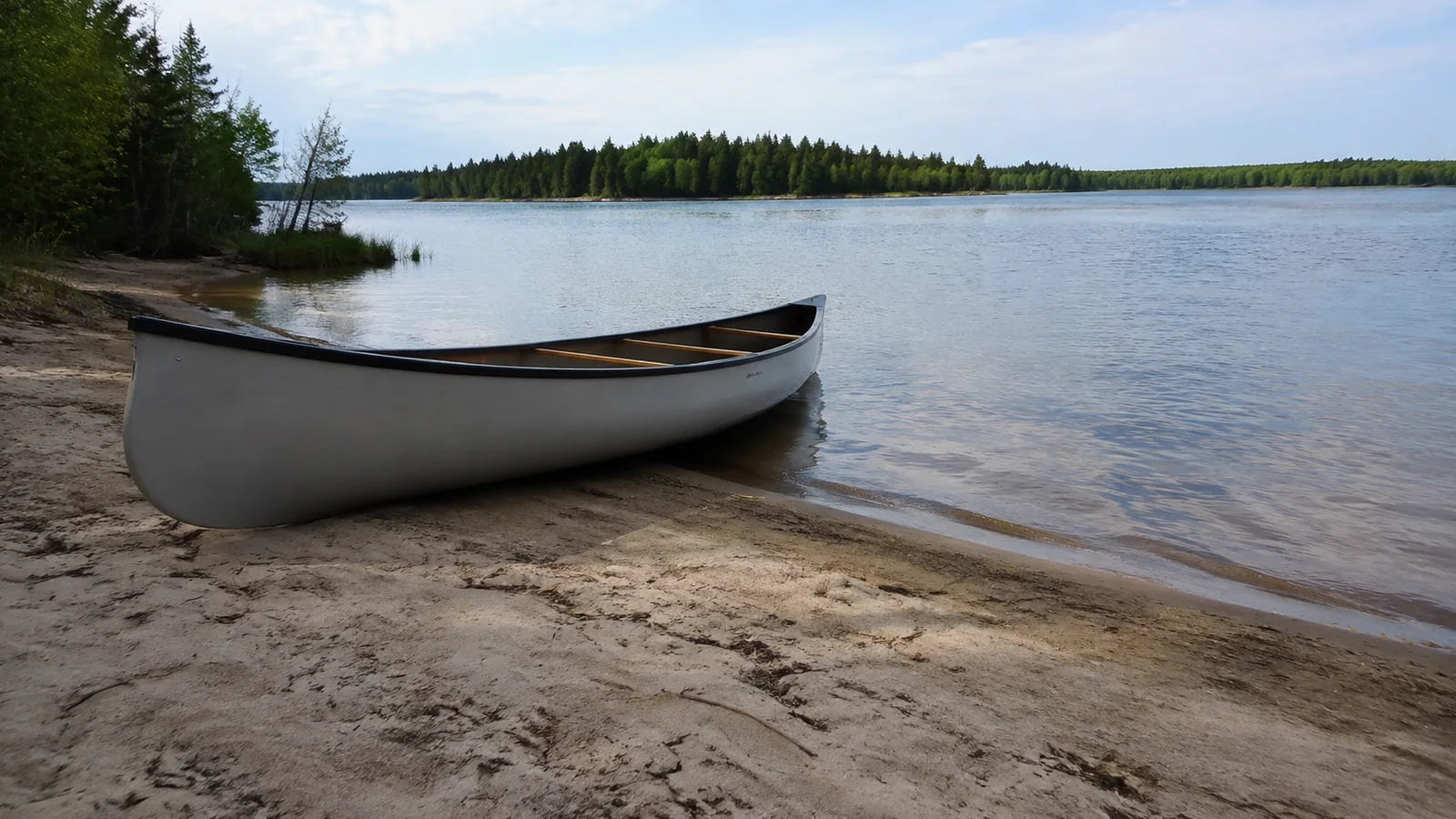
Choose Murray Point for organized camping and direct park recreation, a cottage community for a classic lake-house stay, or Christopher Lake for easier access to groceries and road connections. Private cabins range from simple seasonal properties to full-service rentals, so the amenity list matters more than the word “resort.”
- Confirm drinking-water safety, linens, kitchen equipment, heating, and air conditioning.
- Ask whether beach, dock, canoe, firewood, and boat parking are actually included.
- Check cancellation terms for wildfire smoke, road closures, and poor weather.
- Get pet rules in writing, including beach and provincial-park restrictions.
- Verify cell signal and Wi-Fi if anyone must work or remain reachable.
Travelers planning a longer provincial circuit can use these Canada road-trip stops to judge how much driving belongs in one vacation. Emma Lake pairs more naturally with Prince Albert, Saskatoon, or a northern Saskatchewan route than with a rushed cross-country checklist.
Summer, Fall, Winter, or Spring?
Summer is best for swimming, campground services, boating, and the widest choice of rentals, but it also brings mosquitoes, weekend demand, thunderstorms, and possible wildfire smoke. Reserve early and carry layers because a hot afternoon can turn into a cool lakeside evening.
Early fall favors quiet trails, colorful forest, and cabin time, while water recreation becomes colder and seasonal businesses reduce hours. Spring can be muddy, buggy, and inconsistent, with campground facilities opening on their own schedule.
Winter suits cross-country skiing and snowshoeing on park trails when they are groomed and conditions permit. Never treat lake ice as safe because tracks are visible; obtain current local ice information, carry winter emergency gear, and stay off uncertain ice.
If northern winter travel is the real goal, compare Emma Lake’s developed setting with the much more remote planning in this Northwest Territories travel guide. The equipment, daylight, communications, and rescue assumptions are not interchangeable.
Fire, Wildlife, and Lake Safety
Check provincial and municipal fire restrictions immediately before lighting anything, including a campground fire. Bring a camp stove where permitted, extinguish every flame completely, and do not assume a metal fire ring overrides a ban.
Store food and garbage securely, give wildlife room, and keep dogs controlled. Bears, elk, deer, and smaller animals are not photo props, and feeding them damages both visitor safety and animal behavior.
For another Canadian park where beach access, facilities, and seasons must be checked separately, see the planning approach for Cavendish Beach. The same principle applies here: the official operator’s current notice beats an old photo or review.
What to Pack for Emma Lake
- Canadian-approved life jackets sized for each paddler or boater
- Offline maps, a weather source, and a charged power bank
- Insect repellent, tick-removal tool, sunscreen, and a brimmed hat
- Warm layers, rain shell, and dry clothing in a waterproof bag
- Drinking water and a backup meal for limited service hours
- Flashlight, first-aid kit, and basic vehicle emergency supplies
- Fishing license and regulation summary if you plan to angle
My Emma Lake Verdict
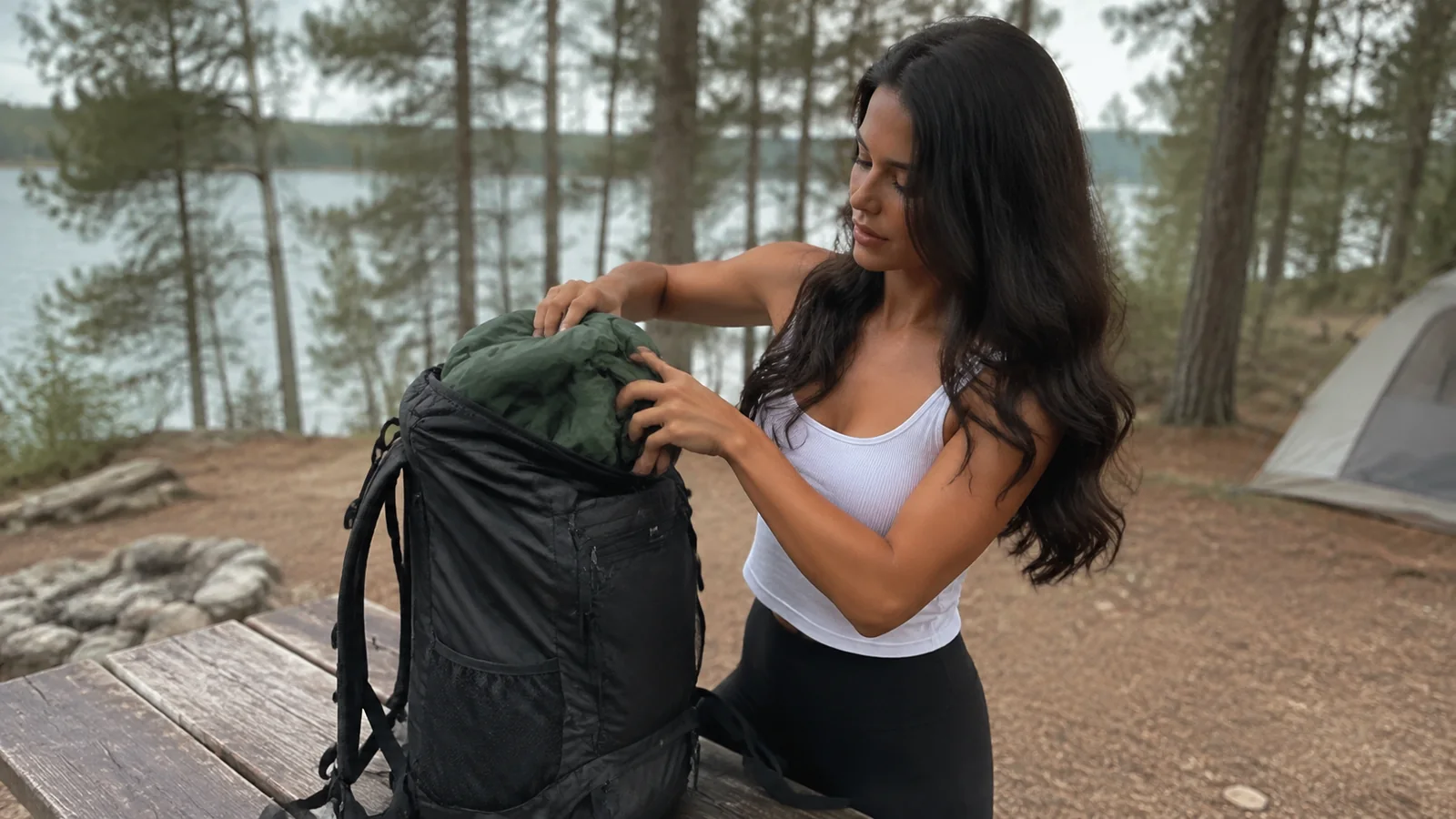
Emma Lake is best for travelers who value a cabin, campfire when permitted, small beach, and flexible water time more than polished attractions. Murray Point is the easiest first-time base because park access and recreation are concentrated there, while a private cottage is better for groups that confirm every included amenity.
Book the bed or campsite first, map the exact access point second, and let wind and weather choose the day’s activity. That simple order turns Emma Lake from a vague pin into a very satisfying Saskatchewan lake weekend.