What Is Minnesota Known For? 18 Reasons to Visit
Minnesota is known for far more than cold winters and “Minnesota Nice.” Its lakes, Mississippi headwaters, North Shore, Native nations, music, immigrant communities, food traditions, medical innovation, and one enormous state fair give travelers very different reasons to visit.
What is Minnesota most famous for?
The short answer is lakes, outdoor life, Minneapolis-St. Paul, Prince, the Mall of America, hockey, the State Fair, and winter. The better answer depends on whether you want a city weekend, a canoe expedition, a Lake Superior road trip, or a cultural trip built around music and food.
Minnesota is also a large north-south state, and its regions do not feel interchangeable. A summer afternoon in Minneapolis tells you little about spring near Grand Marais or January in International Falls.
1. More than 10,000 lakes
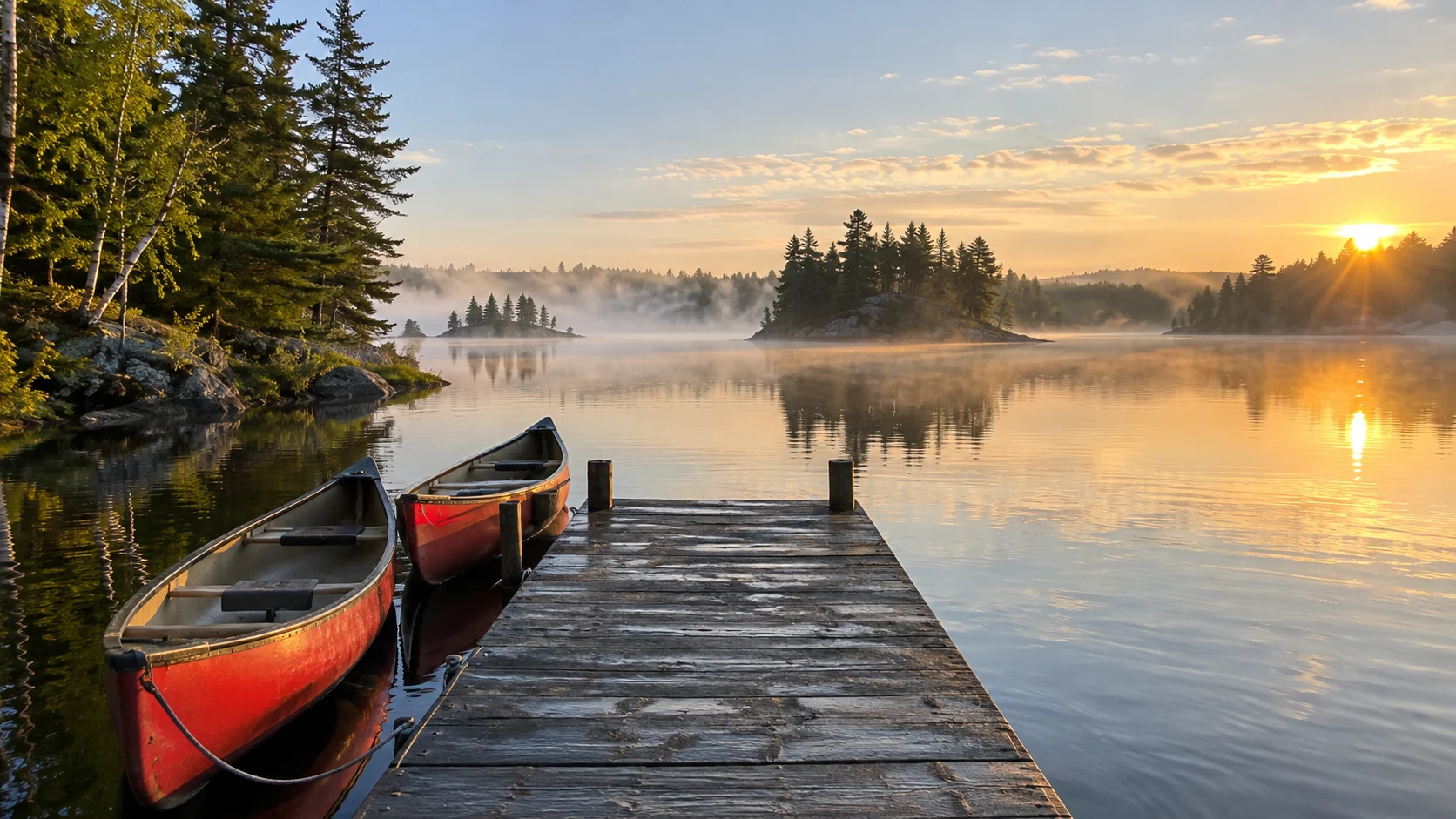
“Land of 10,000 Lakes” is a modest slogan by Minnesota’s own counting method. The Department of Natural Resources lists 11,842 lakes of at least 10 acres, plus thousands of miles of rivers and streams.
That abundance shapes cabin weekends, fishing, paddling, swimming, boating, and city park life. It does not mean every lake has a public beach, boat launch, clear water, or legal access across private property.
Lake Minnetonka suits boating and Twin Cities day trips, Mille Lacs draws anglers, and northern lakes deliver quieter resort or wilderness experiences. Use DNR LakeFinder to check depth maps, water data, access, and fish-consumption information for the exact lake.
Travelers comparing famous lake landscapes worldwide can use these beautiful lakes for different trip styles to see what makes Minnesota’s experience distinctive. Here, the attraction is often not one iconic viewpoint but the ability to build an entire vacation around water.
2. The Mississippi River begins here
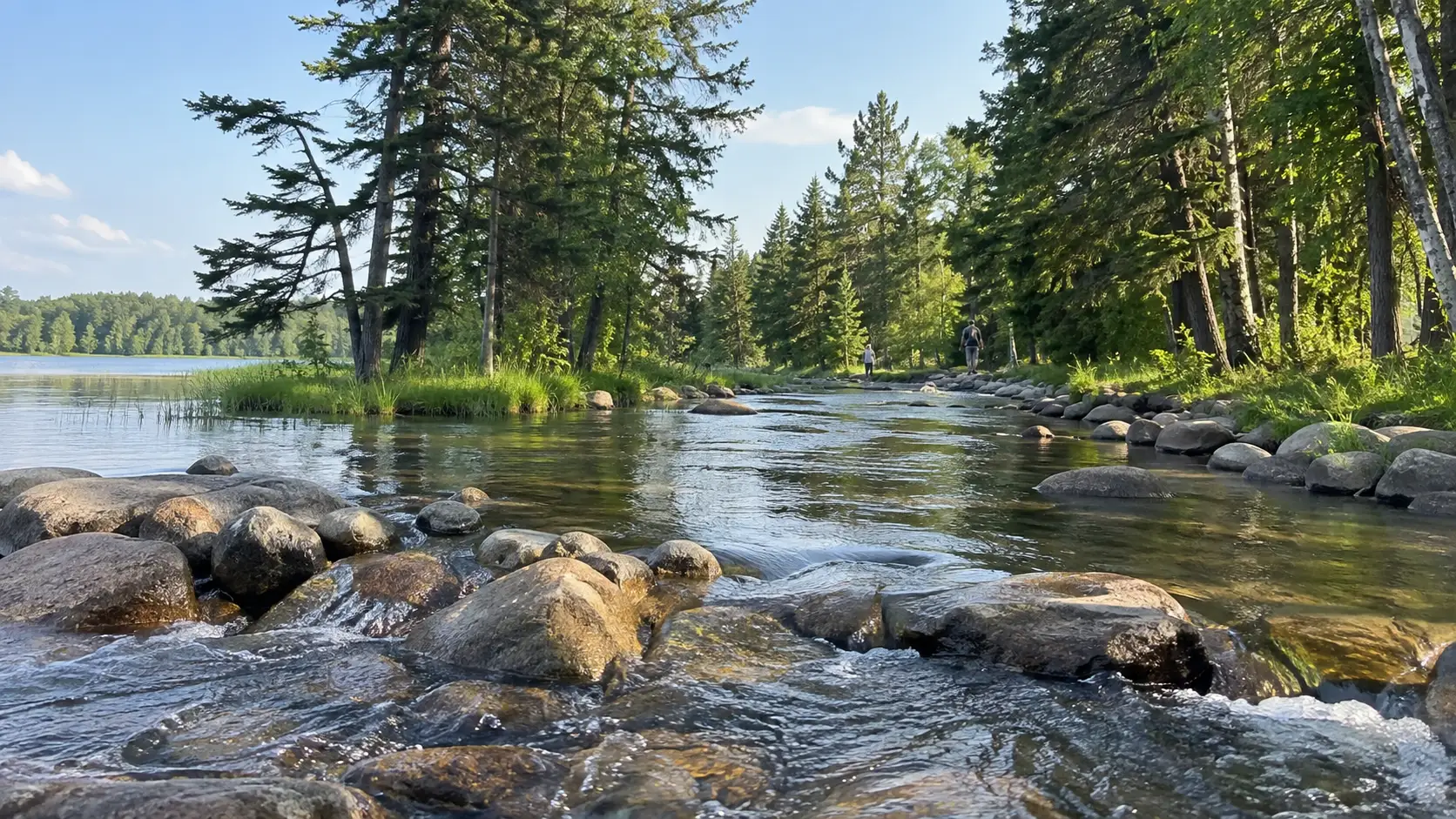
The Mississippi River starts at Lake Itasca in Itasca State Park before traveling roughly 2,350 miles to the Gulf. Visitors can walk near the headwaters, hike, bike, paddle, camp, and learn how a small northern outlet becomes a continental river.
The familiar photo of people stepping across stones can hide slippery footing, cold water, and crowds. Use marked areas, supervise children, and respect closures or high-water conditions.
The river also defines parts of Minneapolis and St. Paul through locks, bluffs, bridges, trails, and historic milling districts. Minnesota’s Mississippi story is both wilderness headwaters and working urban river.
3. Lake Superior’s North Shore
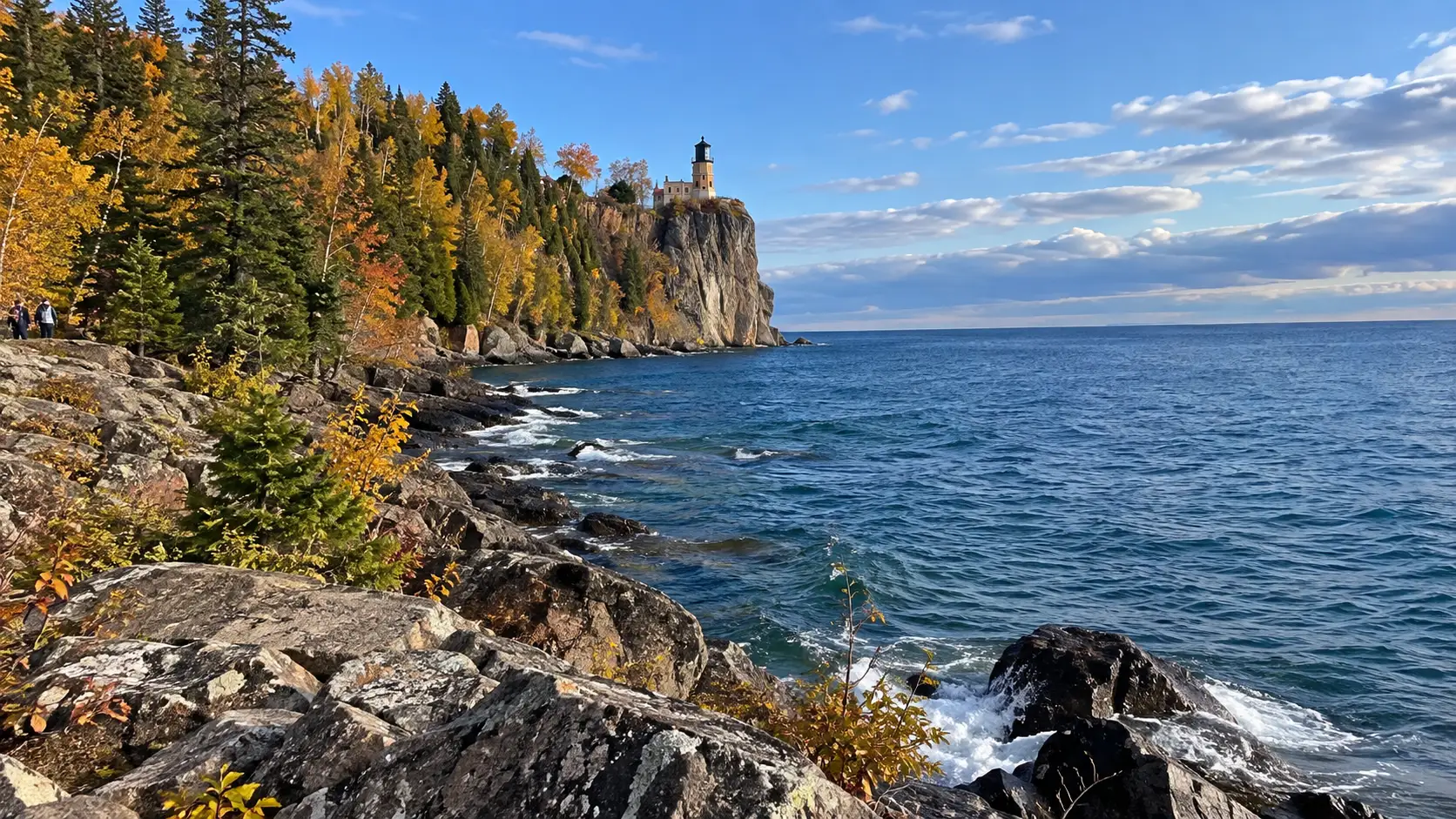
The North Shore runs northeast from Duluth toward the Canadian border, linking waterfalls, cliffs, beaches, lighthouses, small towns, and state parks along Highway 61. Explore Minnesota describes the main scenic corridor as roughly 154 miles from Duluth to Grand Portage.
Use the official North Shore itinerary to understand the distances, then choose two or three bases. Duluth, Two Harbors, Lutsen, and Grand Marais serve different sections, and a single lodge does not make every trailhead nearby.
Gooseberry Falls, Split Rock Lighthouse, Tettegouche, Temperance River, Cascade River, and Grand Portage are not one continuous park. Admission, parking, trail conditions, operating seasons, and tribal or state management differ by site.
Lake Superior stays cold and can generate dangerous waves and currents even on sunny days. Follow beach warnings, stay off wet breakwalls, and never treat a calm harbor as proof that an exposed shore is safe.
A broader Great Lakes road trip itinerary can connect Minnesota with Wisconsin and Michigan, but adding the North Shore changes the mileage significantly. Give it several days rather than calling Duluth a quick detour from Chicago.
4. Boundary Waters canoe country
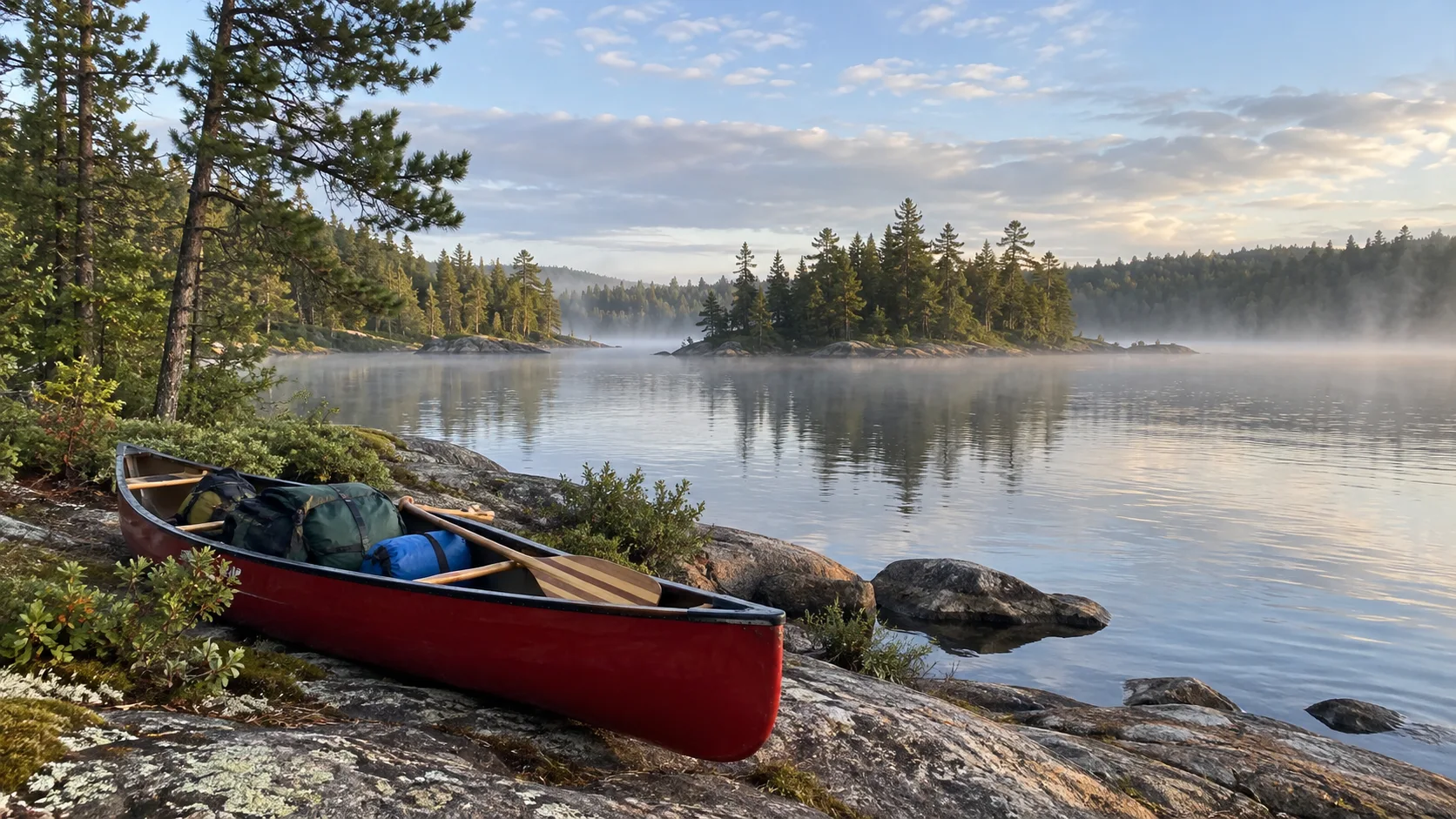
The Boundary Waters Canoe Area Wilderness is famous for connected lakes, portages, quiet campsites, fishing, dark skies, and travel powered largely by paddle and feet. It is a wilderness trip requiring navigation, weather judgment, food storage, and the ability to carry gear over rough portages.
Permits are required year-round, with quota permits for overnight paddle or hiking trips and motorized day use from May 1 through September 30. The Superior National Forest permit page explains the current categories and pickup rules.
Entry point and date matter, so a reservation is not a general ticket for any launch. Outfitters can help with canoes, packs, route advice, and shuttles, but travelers remain responsible for skills, weather decisions, fire rules, and Leave No Trace practices.
Wildfire, storm damage, and search-and-rescue conditions can close entry points after permits are issued. Several western entries remained closed through the end of the 2026 quota season following fires, a good reminder to check Forest Service alerts immediately before travel.
5. Voyageurs National Park
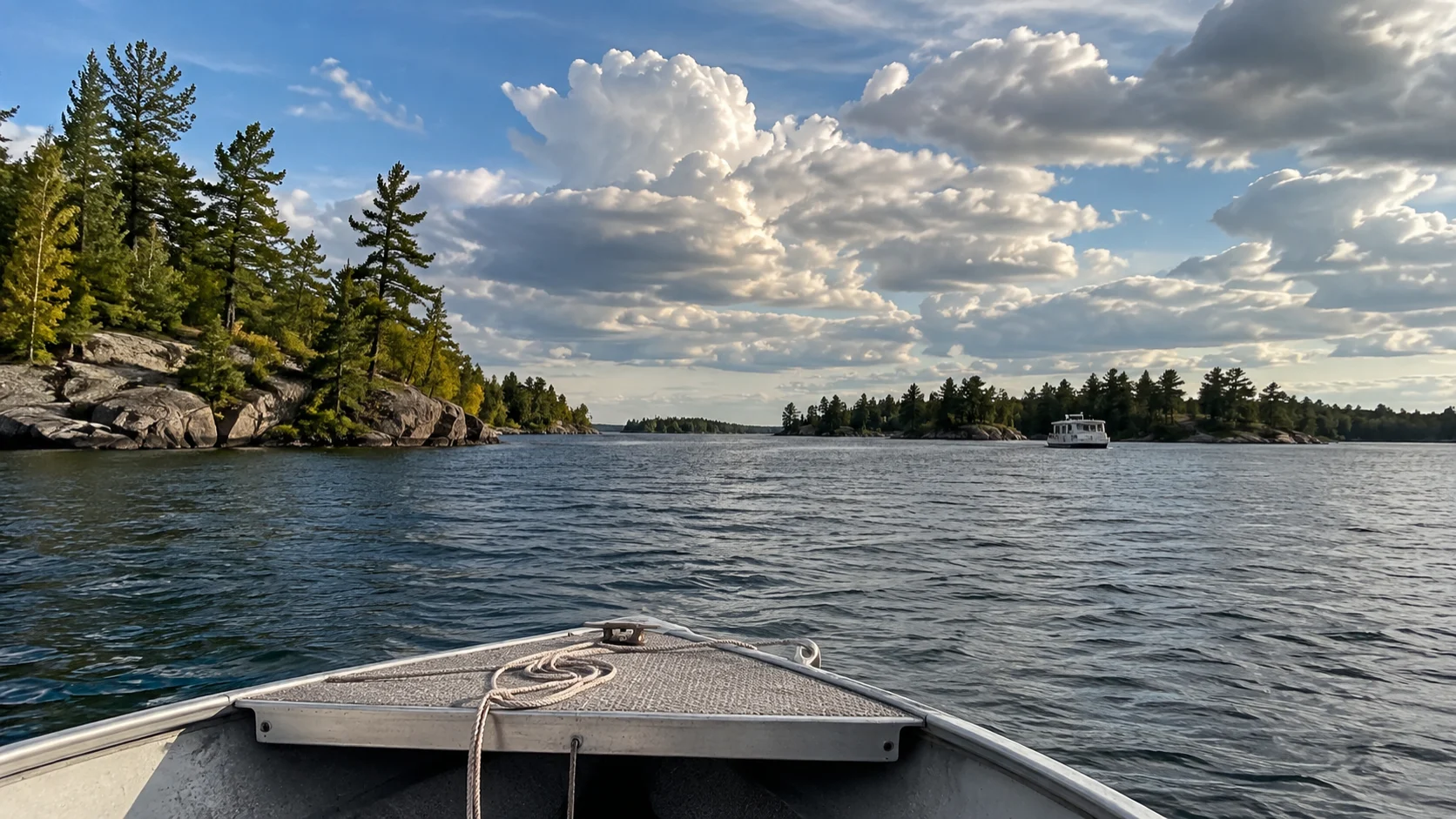
Voyageurs National Park is a water-oriented national park near the Canadian border, where boats, paddling routes, islands, and winter ice shape access. It is not a conventional drive-through park with a road to every campsite.
All park tent campsites require reservations and fees, while overnight houseboats, sailboats, and cabin cruisers require permits. A rental houseboat also requires confident operation, navigation, fuel planning, weather awareness, and a clear understanding of the rental company’s rules.
Land-based visitors can use visitor centers, short trails, guided trips, and local boat tours when operating. Winter routes open only when ice and snow conditions are officially safe, so never follow old tracks onto a frozen lake.
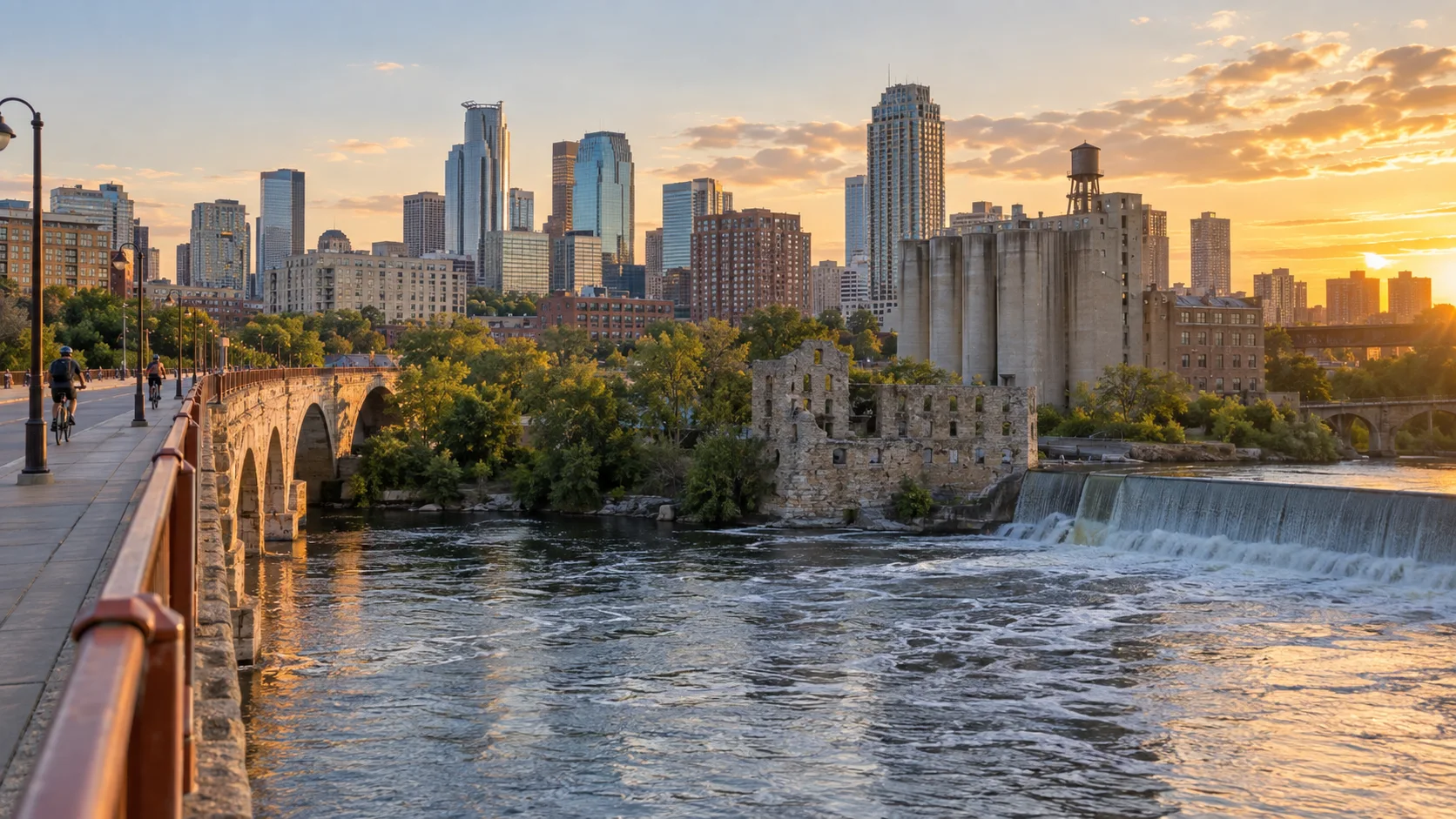
6. Minneapolis and St. Paul, the Twin Cities
Minneapolis and St. Paul sit beside each other but have distinct identities. Minneapolis brings modern architecture, lakes, music, theater, and the historic mill district, while St. Paul offers the state capitol, Cathedral Hill, Summit Avenue, and a quieter historic texture.
The cities share major museums, universities, sports, parks, restaurants, and Mississippi River landscapes. Group each day geographically instead of bouncing across the metro.
Stay in downtown Minneapolis for theater and stadium access, St. Paul for its historic core, or a neighborhood near the light rail or bus route you will actually use. A cheap suburban hotel can lose its savings to parking, rides, and commuting time.
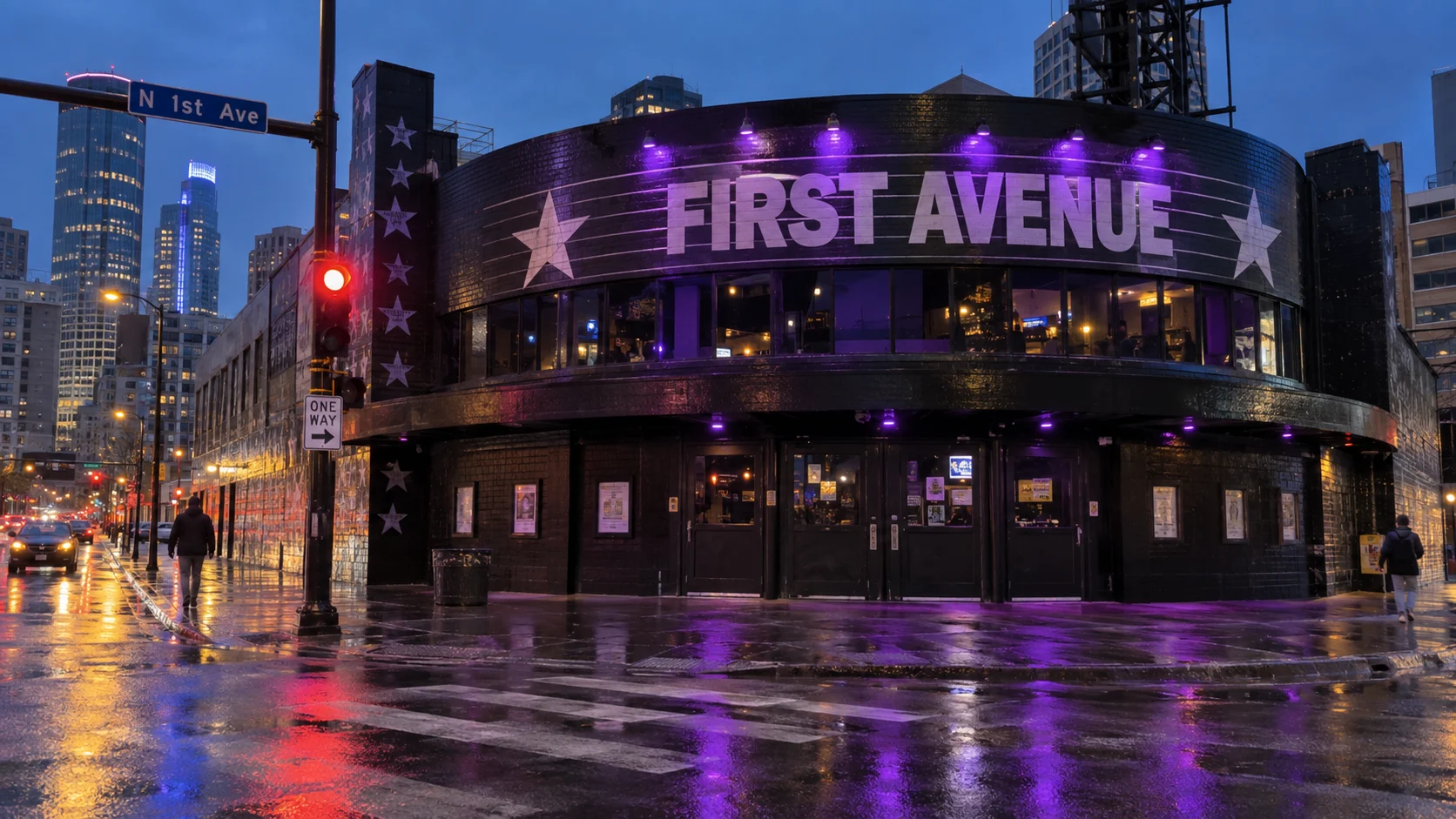
7. Prince and the Minneapolis Sound
Prince was born in Minneapolis and built a musical world deeply tied to the city. Paisley Park in Chanhassen, First Avenue, and other music landmarks draw visitors who want more than a generic celebrity photo.
Paisley Park tours are timed and can sell out, while First Avenue remains an active venue with its own event calendar and age rules. Reserve the museum first, check whether a concert or private event changes access, and do not assume every site connected to Prince is open to the public.
The wider Minnesota music story includes Bob Dylan, The Replacements, Soul Asylum, Jimmy Jam and Terry Lewis, Lizzo’s formative Minneapolis years, Indigenous artists, and strong hip-hop, punk, folk, and classical scenes. One superstar is the doorway, not the entire room.
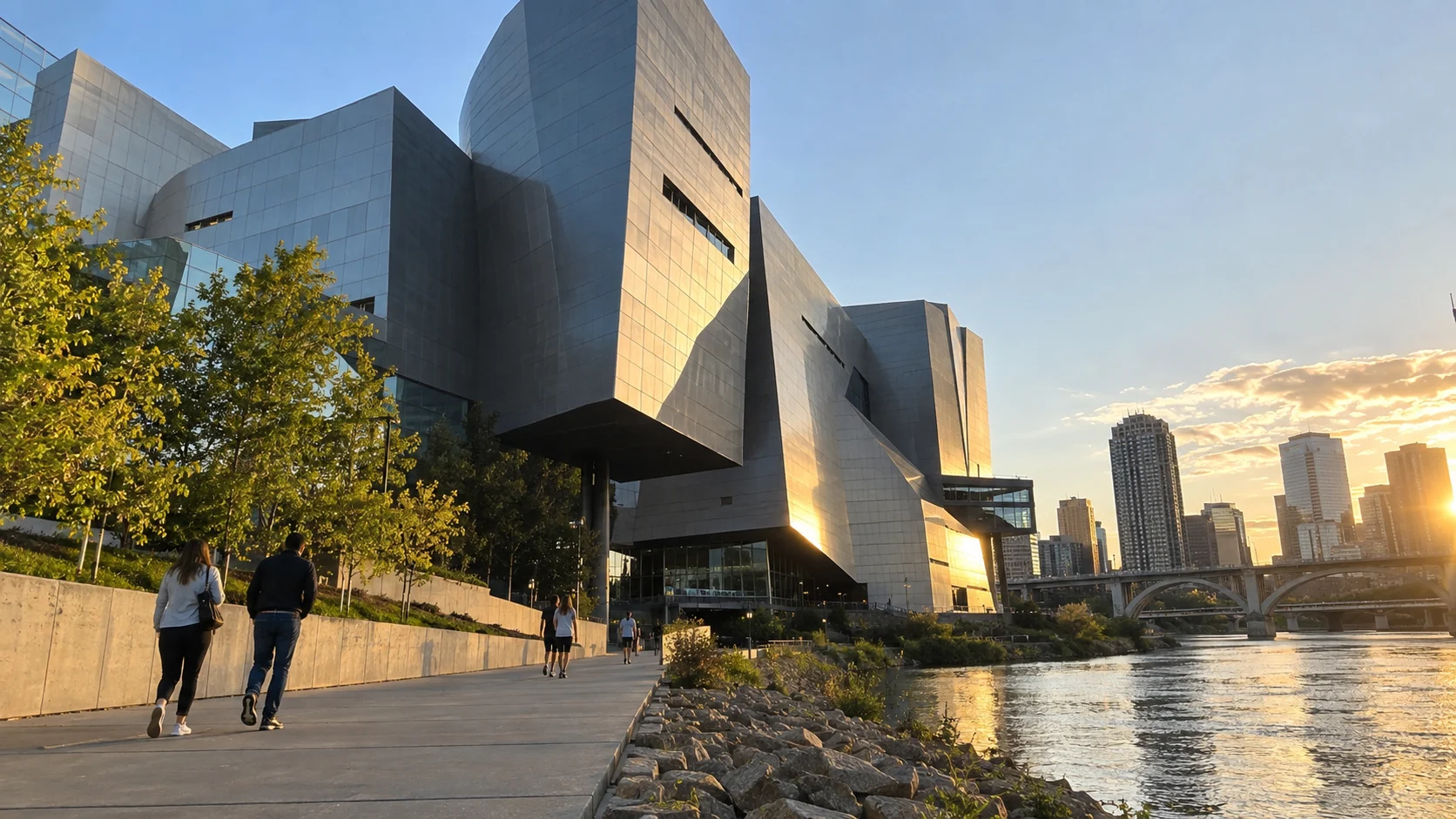
8. Serious arts, theater, and architecture
Minnesota is known for the Guthrie Theater, Minneapolis Institute of Art, Walker Art Center, Weisman Art Museum, Minnesota Orchestra, and smaller companies and galleries. Travelers can build a full urban weekend around performances and collections without setting foot in a mall.
Reserve theater seats and limited exhibitions, then confirm gallery closure days. The Minneapolis Institute of Art has general admission without charge, but ticketed exhibitions and events can follow separate terms.
Architecture fans can connect the Guthrie, Mill City district, Weisman, State Capitol, Cathedral of Saint Paul, and historic homes. Group them by riverfront, campus, and St. Paul rather than making parking the main event.
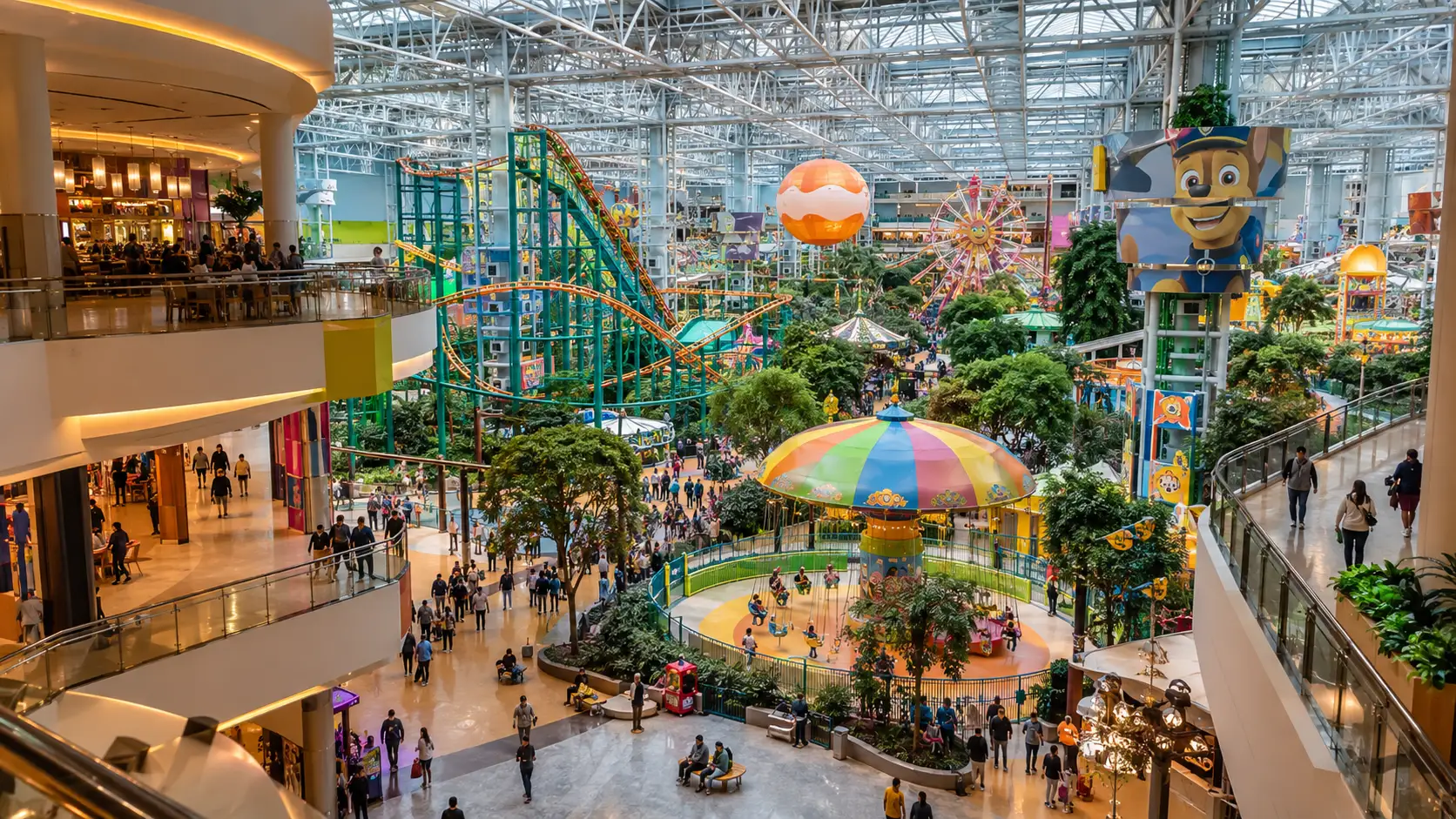
9. The Mall of America
The Mall of America in Bloomington combines hundreds of stores with an indoor amusement park, aquarium, dining, and entertainment. Its airport proximity makes it an easy arrival-day or winter-weather option, but the complex can consume more time than expected.
Attractions have separate tickets, hours, height rules, and capacity limits. Decide whether your priority is shopping, rides, the aquarium, or dining before arriving, then save the correct parking location.
Minnesota exempts general-use clothing from state sales tax, but accessories, sports equipment, and other categories can be taxable. Check current tax guidance rather than assuming every purchase at the mall is tax-free.
10. The Minnesota State Fair
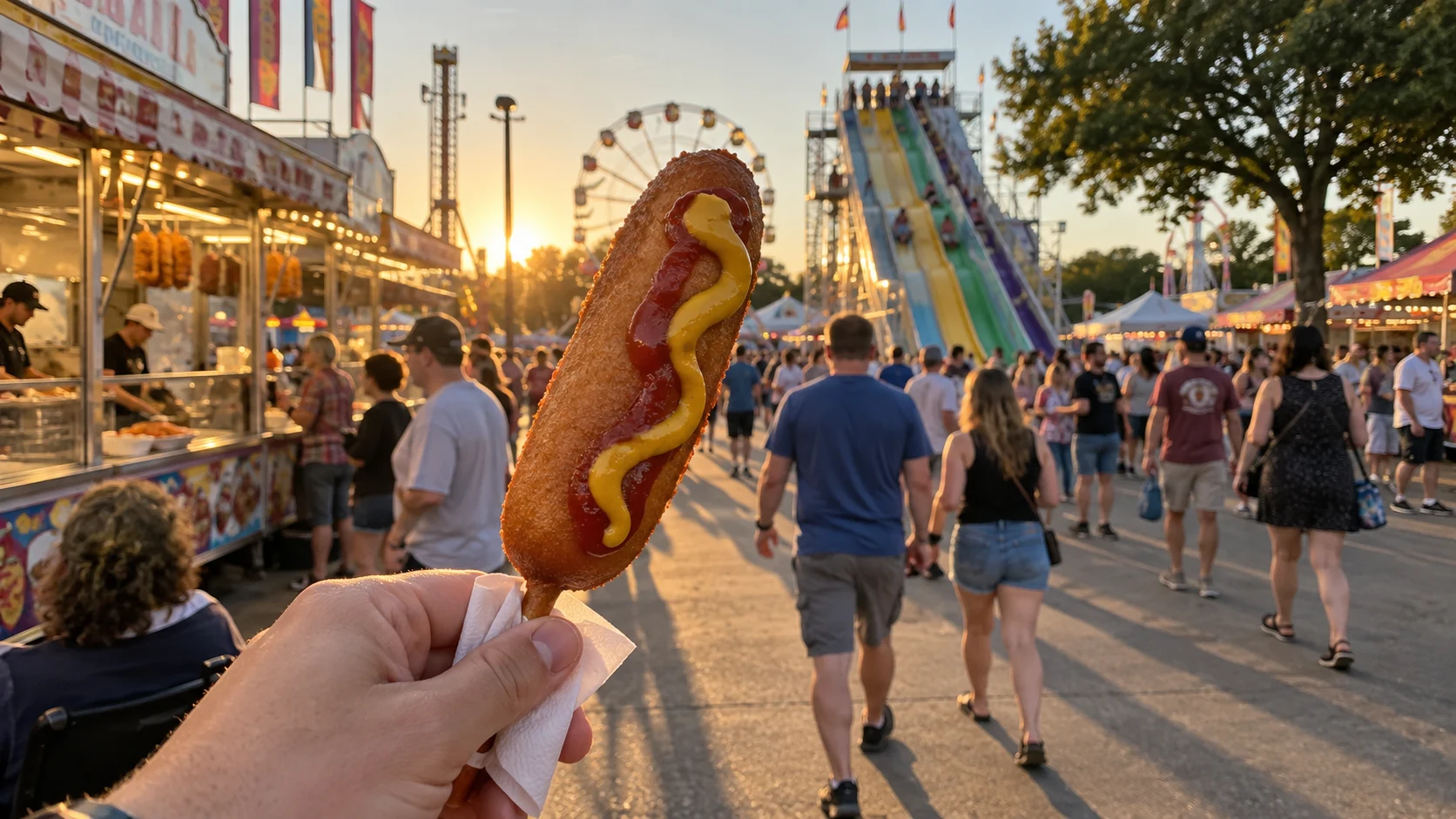
The Great Minnesota Get-Together is famous for agriculture, creative competitions, live music, machinery, animal barns, political booths, rides, and an astonishing amount of food on a stick. It runs for 12 days ending on Labor Day.
For 2026, the official State Fair calendar lists August 27 through September 7. Future travelers should verify that year’s dates, transit, bag rules, accessibility services, and ticket conditions directly.
Use park-and-ride or public transportation when it fits, wear broken-in shoes, and choose food priorities before the midway erases all sense of direction. Animal buildings and agricultural exhibits are working spaces, so wash hands and follow barriers.
11. Winter that shapes daily life
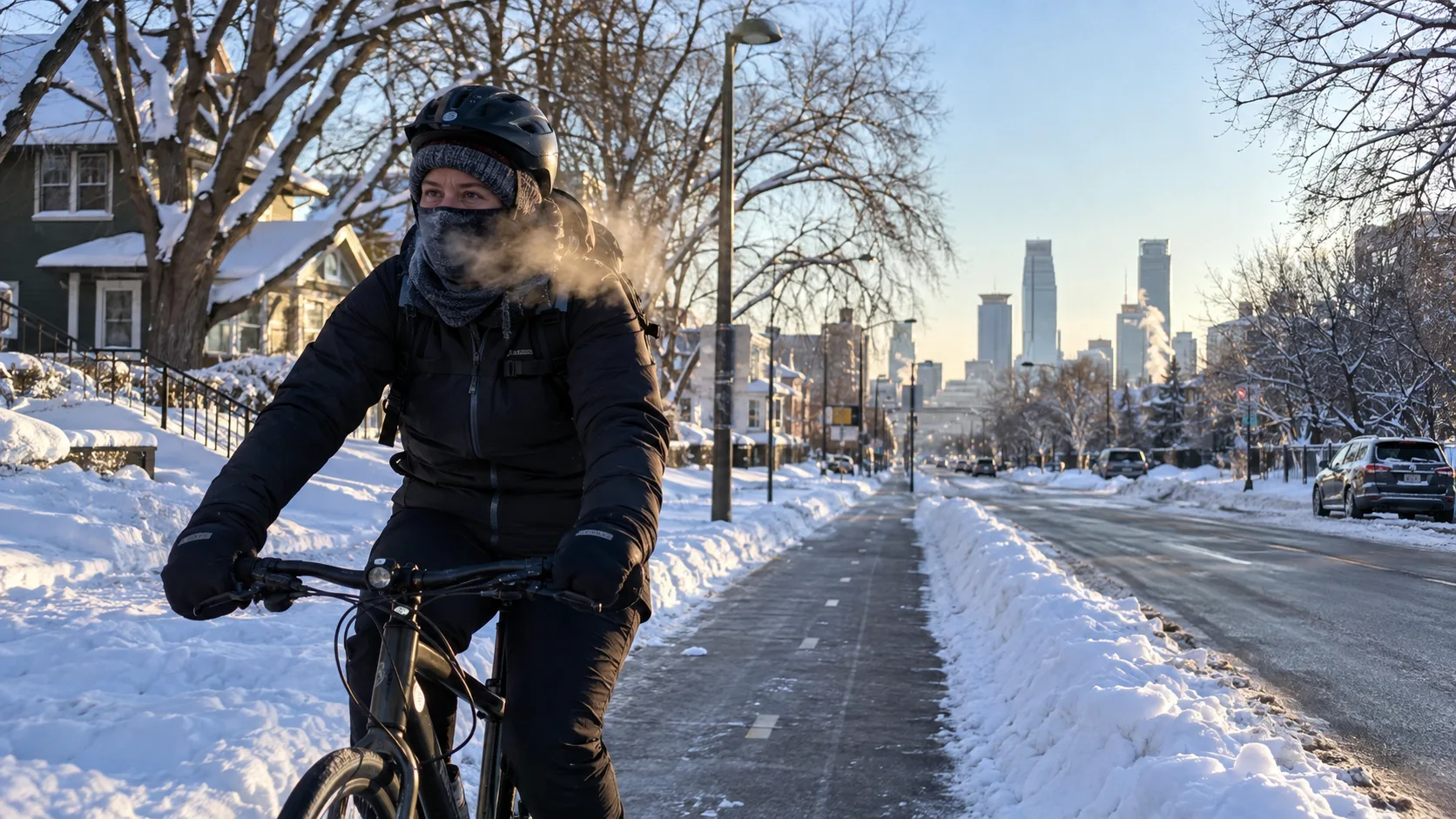
Minnesota winters are not just a tourism theme; cold, snow, ice, wind chill, and short daylight alter driving, clothing, events, and outdoor safety. Conditions vary sharply between southern cities, the prairie west, and the far north.
Winter visitors come for cross-country skiing, hockey, fat biking, snowshoeing, ice fishing, festivals, and frozen landscapes. Rent specialized gear and use groomed or officially open routes instead of assuming any snowy trail or frozen lake is ready.
A four-wheel-drive vehicle does not shorten stopping distance on ice. Carry winter clothing in the cabin, keep the fuel tank comfortably filled, check road conditions, and delay travel when officials advise it.
12. Hockey and year-round sports
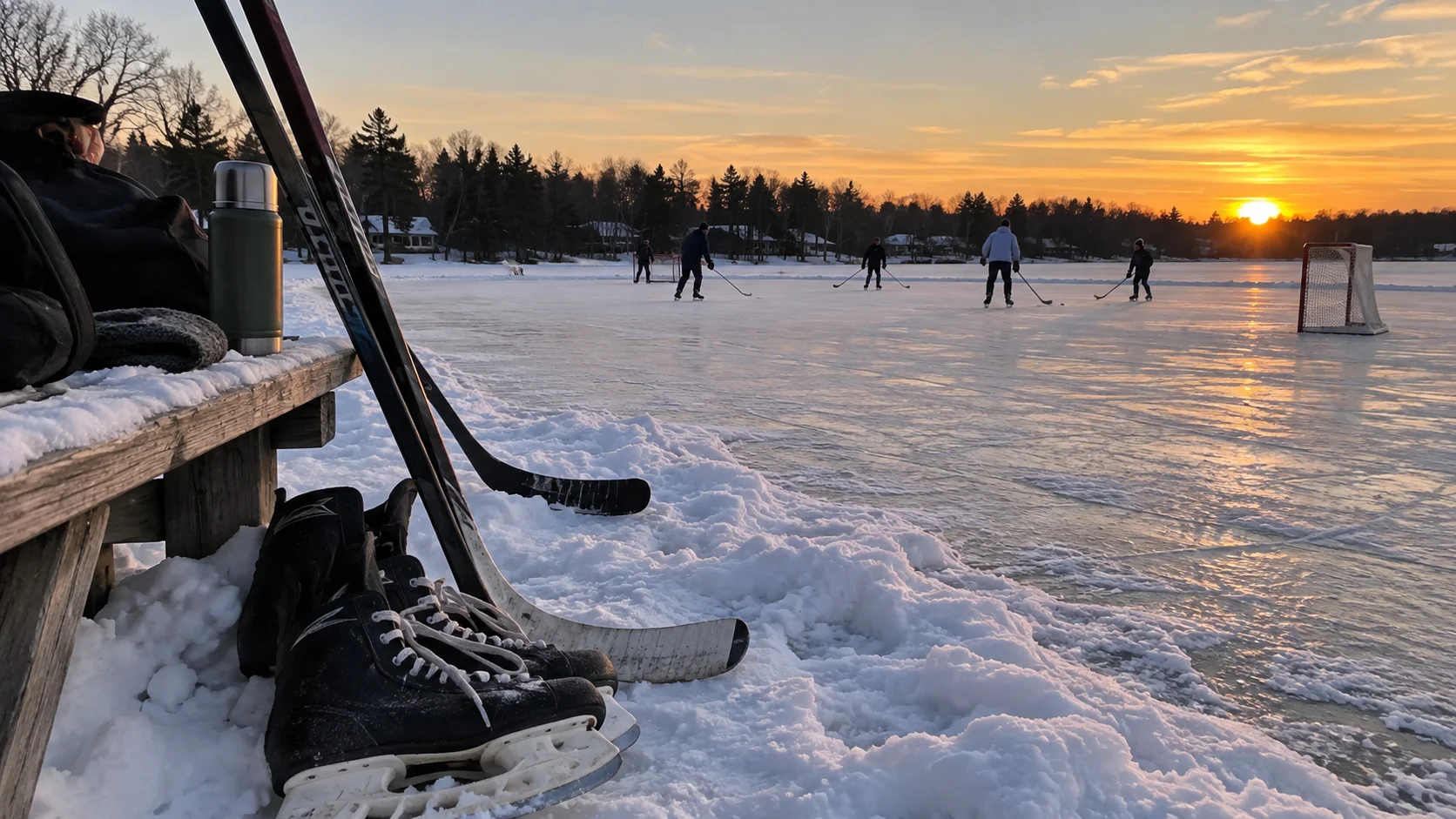
Minnesota’s “State of Hockey” identity grows from youth programs, high school tournaments, college teams, outdoor rinks, and the NHL’s Minnesota Wild. Hockey is cultural infrastructure here, not only a professional game.
The Twin Cities also host the Vikings, Twins, Timberwolves, Lynx, Minnesota United, and major college sports. Schedules, venues, clear-bag rules, and transit change, so confirm the exact team and stadium before choosing lodging.
Outdoor recreation broadens the picture through fishing, paddling, cycling, running, skiing, and hunting. Licenses, seasons, invasive-species rules, and equipment requirements apply even when a resort provides the boat.
13. Dakota and Ojibwe homelands
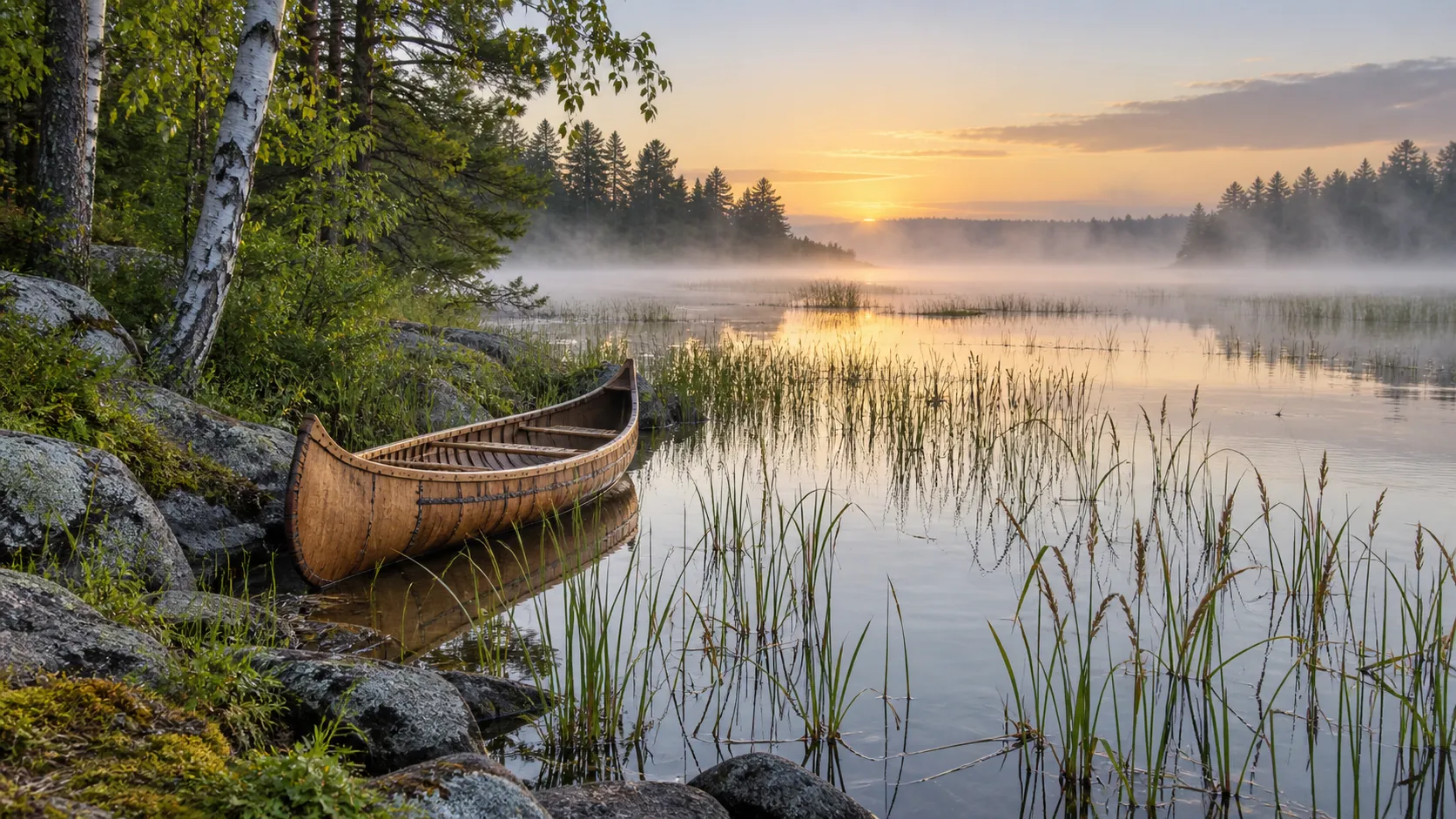
Minnesota is the homeland of Dakota and Ojibwe peoples, whose sovereignty, languages, histories, and living cultures are essential to understanding the state. The Minnesota Indian Affairs Council works with 11 sovereign tribal nations with geographic connections in Minnesota.
Visit tribal museums, cultural centers, historic sites, and public events only under their current visitor guidance. Powwows are community and cultural gatherings, not costumed performances staged for tourists, and photography rules must be respected.
Wild rice, or manoomin, carries deep cultural, ecological, and treaty significance for Ojibwe communities. Buy from reputable Native producers when possible and avoid reducing a living relationship with land and water to a souvenir ingredient.
14. Scandinavian heritage and newer immigrant cultures
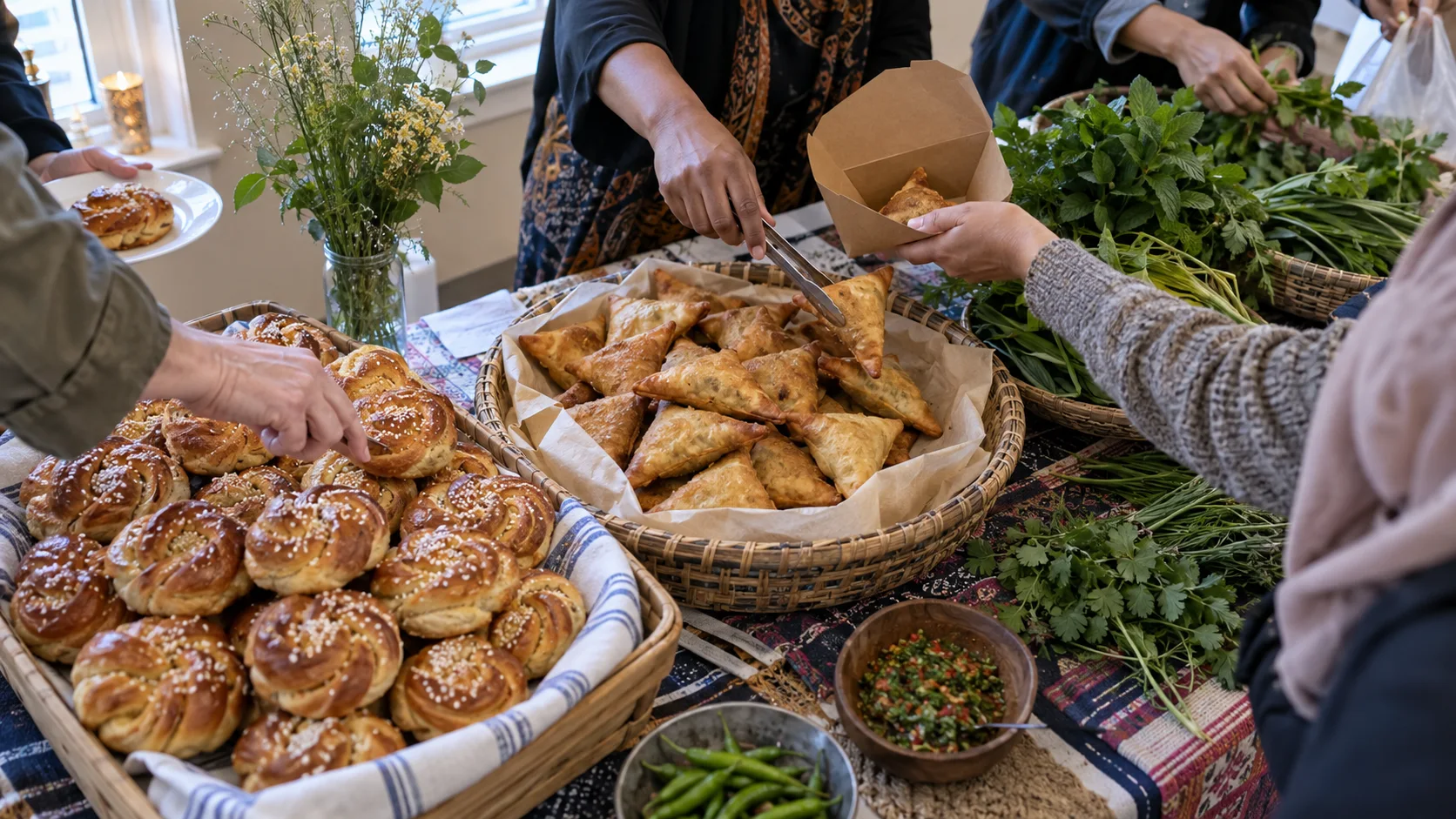
Norwegian, Swedish, Finnish, Danish, and Icelandic immigration influenced Minnesota’s churches, food, folk art, festivals, place names, and family traditions. The American Swedish Institute in Minneapolis and Nordic heritage events interpret parts of that story.
Yet Minnesota is not a Scandinavian time capsule. Hmong, Somali, Mexican, Liberian, Karen, Ethiopian, Vietnamese, Indigenous, Black, and many other communities shape today’s restaurants, markets, arts, businesses, and neighborhoods.
Visit cultural institutions and locally owned businesses with curiosity, not with a hunt for the “most authentic” person in the room. The best food exploration supports communities while accepting that traditions evolve.
15. Wild rice, hotdish, and the Juicy Lucy
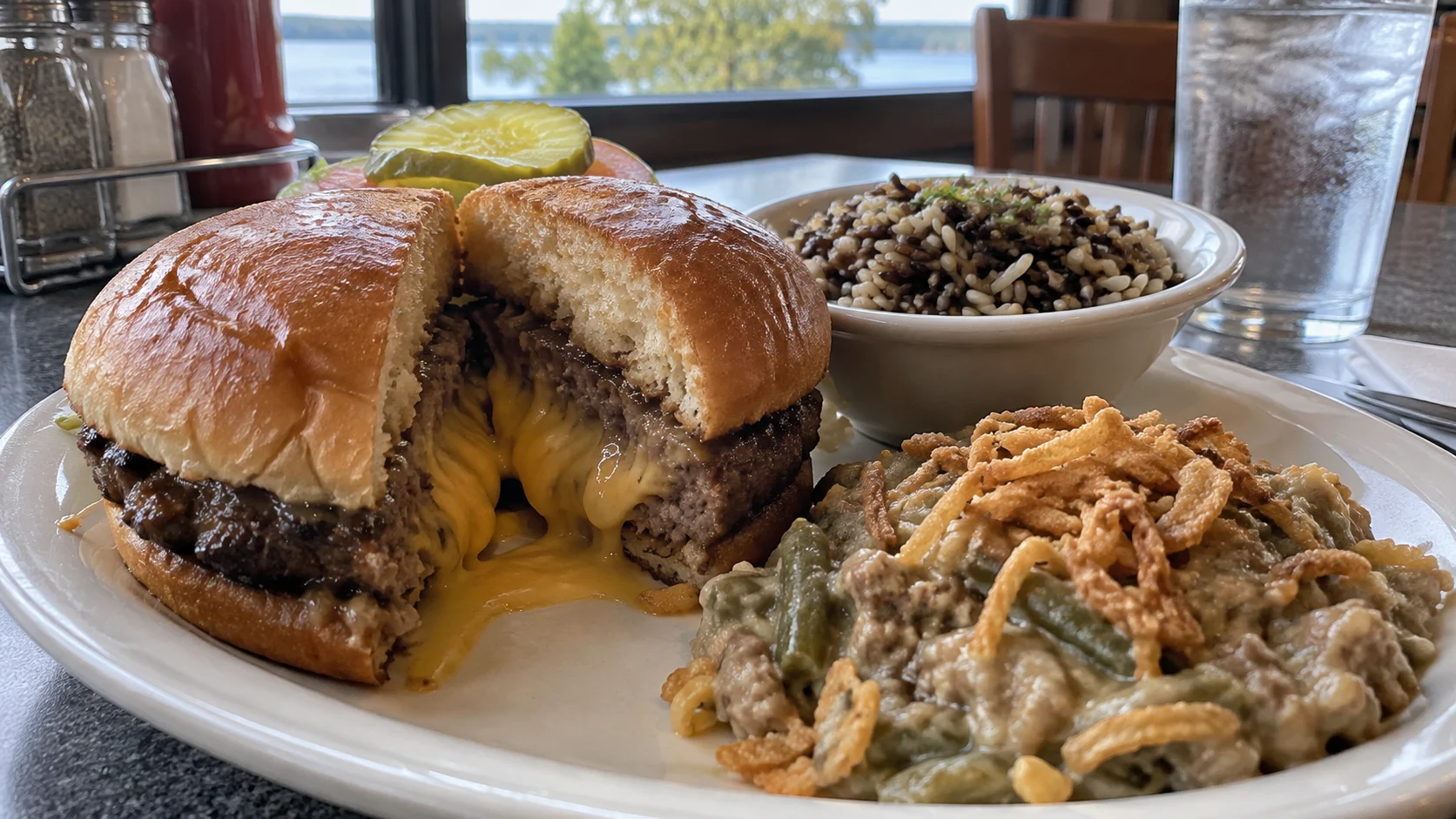
Minnesota food is known for wild rice soup, hotdish, bars, lefse, walleye, cheese curds, smoked Lake Superior fish, and Twin Cities dining far beyond regional comfort food. A church-basement classic and a chef-driven Hmong restaurant can both belong to the state’s story.
The Juicy Lucy is a cheese-filled burger associated with Minneapolis, with rival origin claims that locals continue to debate. Let the argument be part of the fun, but bite carefully because the melted center can be extremely hot.
Walleye is Minnesota’s state fish, not an unlimited menu promise. Seasonal supply, fishing regulations, and restaurant sourcing determine whether a plate is local, wild, farmed, fresh, or previously frozen.
16. Flour milling and food companies
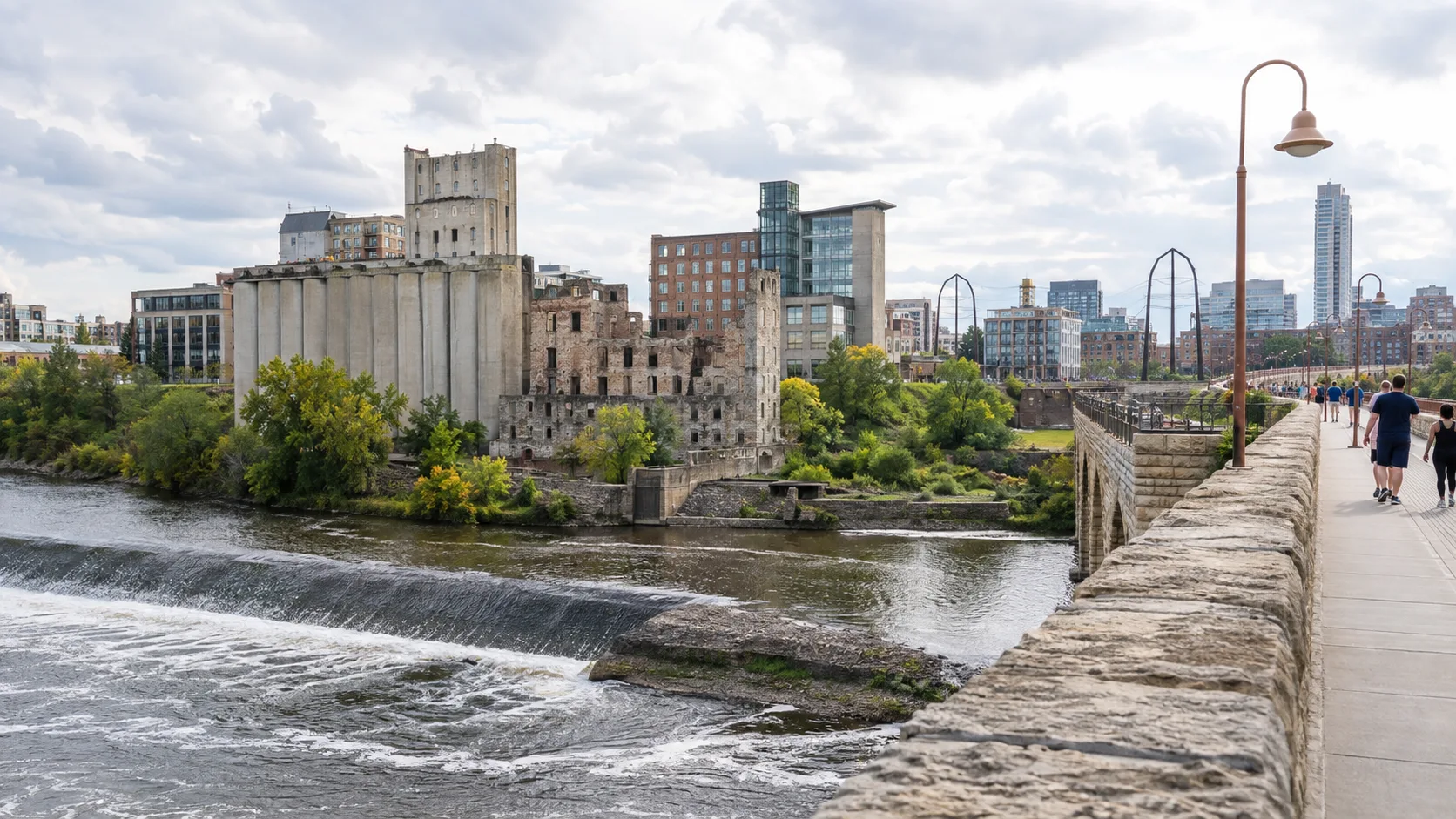
St. Anthony Falls powered Minneapolis flour mills and helped turn the city into a major milling center. Mill City Museum occupies the ruins of the Washburn A Mill and explains how waterpower, rail, wheat, labor, technology, and industrial disasters shaped the city.
General Mills and other major food businesses grew from this regional economy, while the SPAM Museum in Austin celebrates a very different Minnesota product. Check museum days and tour availability before driving several hours for a single brand landmark.

17. Medicine, research, and practical invention
Rochester is internationally associated with Mayo Clinic, while the Twin Cities support major medical-device, research, manufacturing, retail, and food companies. Minnesota’s reputation for innovation includes everything from medical technology to consumer products.
Visitors should remember that Mayo’s campus is a functioning medical center, not a conventional tourist attraction. Public art, architecture, and organized heritage experiences must fit around patient privacy and clinical operations.
18. Famous Minnesotans
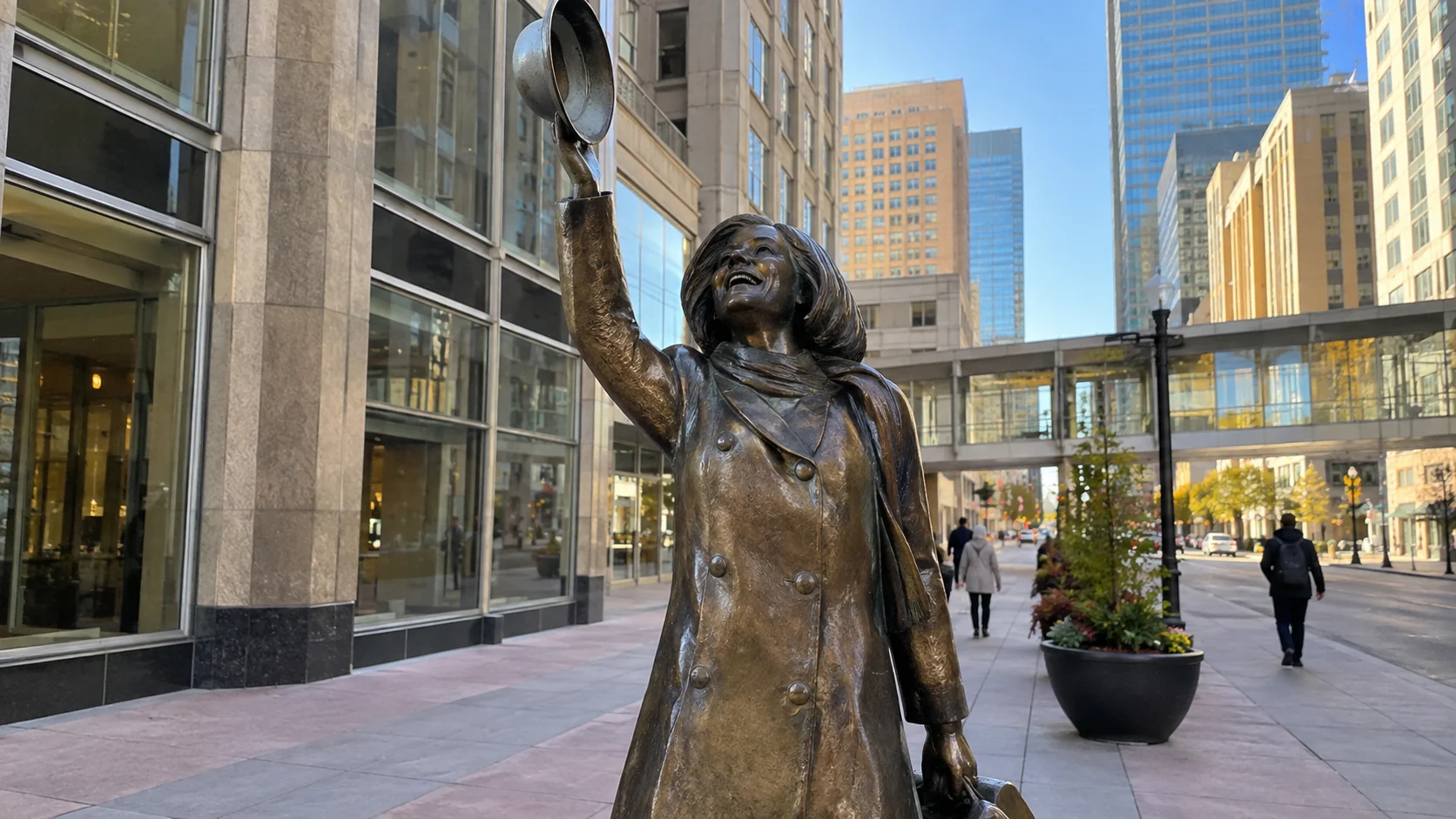
Prince, Bob Dylan, Judy Garland, Fitzgerald, Charles Schulz, Laura Ingalls Wilder, and many athletes, performers, writers, and political figures have Minnesota ties. The details matter because birthplace, childhood home, career base, and fictional setting are not the same claim.
Grand Rapids interprets Judy Garland, Hibbing and Duluth connect to Dylan, St. Paul preserves Fitzgerald sites, and Minneapolis anchors much of Prince’s story. Choose one theme and build a route instead of driving statewide for plaques.
What does “Minnesota Nice” mean?
The phrase describes a stereotype of politeness, helpfulness, modesty, and conflict avoidance. Some Minnesotans use it affectionately, while others hear a criticism of indirect communication or social distance.
Do not arrive expecting every stranger to perform a personality trait for visitors. Clear questions, patience, and ordinary courtesy work better than treating a regional phrase as a behavioral guarantee.
Best time to visit Minnesota
June through August is best for lake cabins, paddling, festivals, and long outdoor days, with mosquitoes, thunderstorms, humidity, and peak lodging demand. Lake Superior remains cold even when inland lakes feel comfortable.
September and early October bring harvest events and fall color that moves from north to south. Peak color varies with temperature, moisture, wind, elevation, and location, so use live state reports rather than one annual date.
Winter suits hockey, skiing, snowshoeing, and a deliberate cold-weather trip. March and April can deliver snow, mud, ice, flooding, closed trails, or all four in the same week.
For waterfalls, spring runoff can be powerful but trails may be wet or closed. A nearby Wisconsin waterfall road trip offers a useful regional comparison, with the same need to verify roads, parks, and seasonal access.
Which Minnesota region fits your trip?
- Twin Cities: Museums, music, food, architecture, sports, and an easy long weekend
- North Shore: Lake Superior scenery, waterfalls, hiking, and small towns
- Boundary Waters and Ely: Wilderness canoeing that requires permits and skills
- Voyageurs and far north: Boat-based national-park travel and dark skies
- Central lakes: Resorts, fishing, family cabins, and relaxed water time
- Southern Minnesota: Mississippi bluffs, prairie, caves, bike trails, and small cities
- Northwest and west: Prairie landscapes, birding, agriculture, and quieter roads
The best first Minnesota trip combines one urban base with one outdoor region. Minneapolis plus the North Shore works in a week, while Minneapolis plus the Boundary Waters works only when the wilderness segment has proper preparation and buffer time.
So, what is Minnesota known for?
Minnesota is known for water, winter, wilderness, the Twin Cities, music, food, Native nations, immigration, industry, and an outdoor culture that exists year-round. The familiar symbols are real, but none of them tells the whole story alone.
Choose the version that fits you: Prince and museums, canoe and portage, lighthouse and waterfall, hockey and hotdish, or a cabin beside one of those 11,842 lakes. Minnesota becomes memorable when the trip goes deeper than the slogan.