Best Saskatchewan Provincial Parks for Every Trip
Saskatchewan’s best park depends on whether you want dark skies, a sandy beach, prairie hiking, boreal paddling, or a true fly-in expedition. Start with the trip style, then check current campground, fire, water, road, and lake conditions before committing the cooler.
Best Saskatchewan Provincial Parks at a Glance
- Best first park: Cypress Hills Interprovincial Park
- Best lake-hopping trip: Meadow Lake Provincial Park
- Best northern road-access park: Lac La Ronge Provincial Park
- Best for sand and swimming: Good Spirit Lake Provincial Park
- Best prairie scenery: Saskatchewan Landing Provincial Park
- Best family weekend near Regina: Buffalo Pound or Echo Valley
- Best expert expedition: Athabasca Sand Dunes Provincial Park
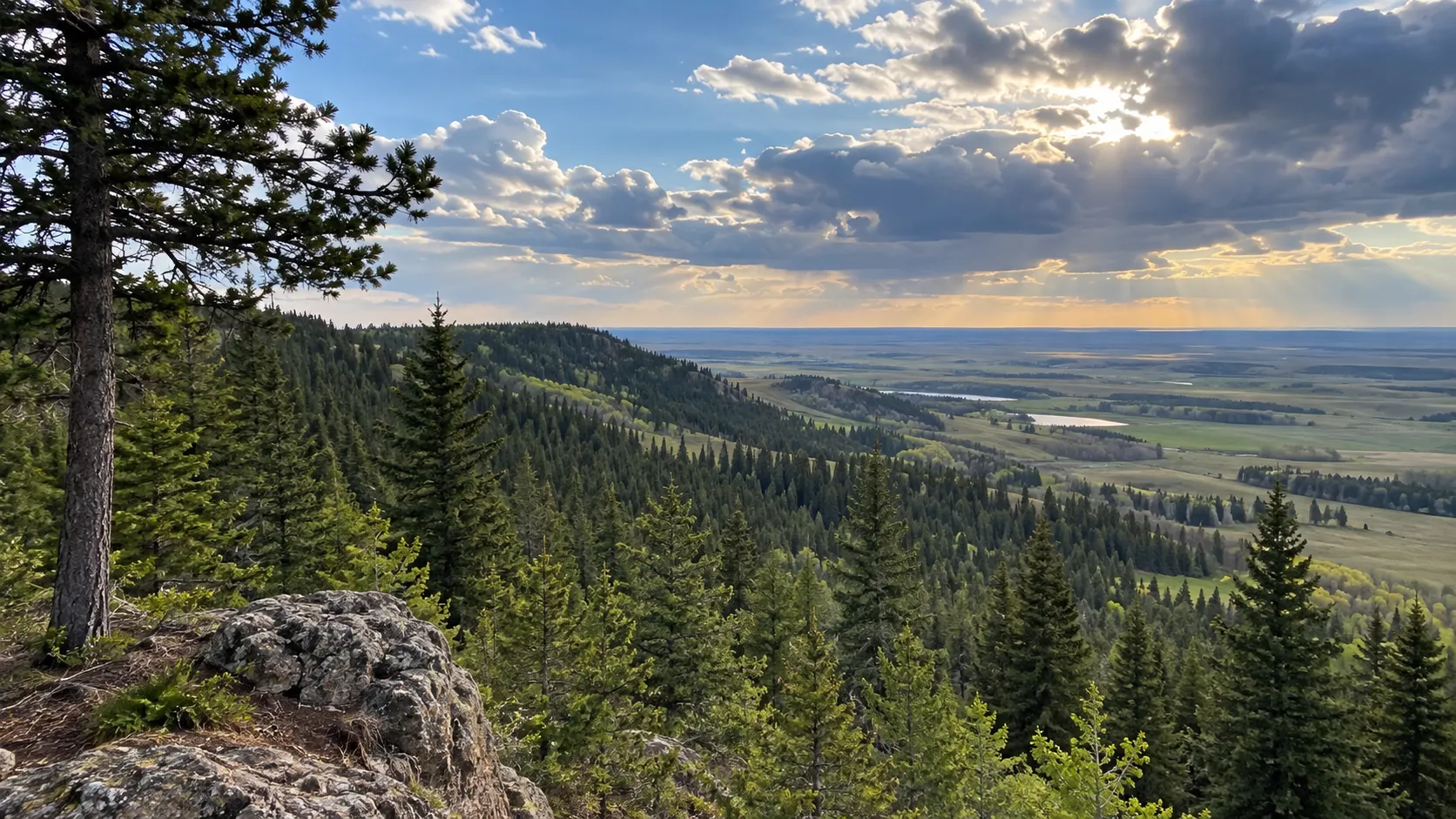
Cypress Hills is the strongest all-around answer because it combines trails, camping, family facilities, elevation, history, and dark skies. The tradeoff is distance from Saskatchewan’s largest cities and a park split into blocks with very different services.
1. Cypress Hills Interprovincial Park
Cypress Hills rises above the surrounding prairie in Saskatchewan’s southwest, sharing an interprovincial park with Alberta. The Saskatchewan Centre Block provides the easiest first visit with campgrounds, trails, programs, food and lodging options, while the West Block is more remote.
The official Cypress Hills park page publishes campground status, maps, activities, and current notices. Download the map before leaving because the blocks are not adjacent neighborhoods and cell service can be absent in the West Block.
Spend three nights if you want a full hiking day, Fort Walsh or regional history, a scenic drive, and an evening under dark skies. Check observatory programs and moon phase rather than assuming every clear night includes a public event.
Best For
Choose Cypress Hills for first-time campers, mixed-interest families, hikers, cyclists, stargazers, and travelers combining Saskatchewan with Alberta. Reserve the Centre Block for convenience and select the West Block only when limited service is part of the appeal.
2. Meadow Lake Provincial Park
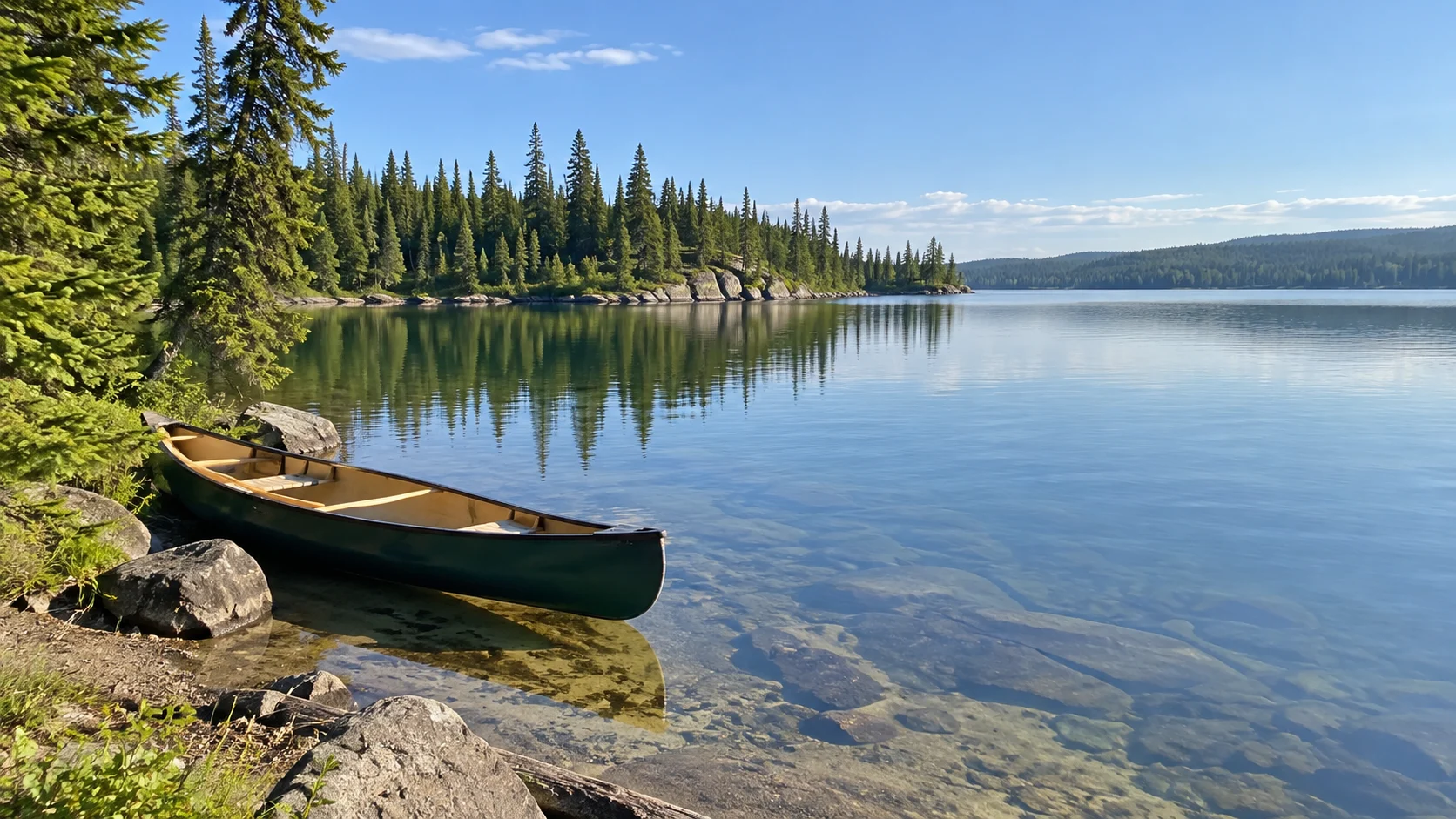
Meadow Lake is a broad boreal park with more than 25 lakes, multiple campgrounds, beaches, fishing, paddling, and trails. Its size makes it a destination rather than one campground, so choose the lake and site before judging the drive.
Stay at least four nights if you want to sample more than one area without towing or packing camp every morning. Confirm boat launches, potable water, beach conditions, fuel, groceries, and the road surface to the chosen campground.
Best For
This is the lake-vacation choice for campers who value water activities and a northern-forest feel. It is less useful for a one-night transit stop because the park’s value comes from settling into one section.
3. Lac La Ronge Provincial Park
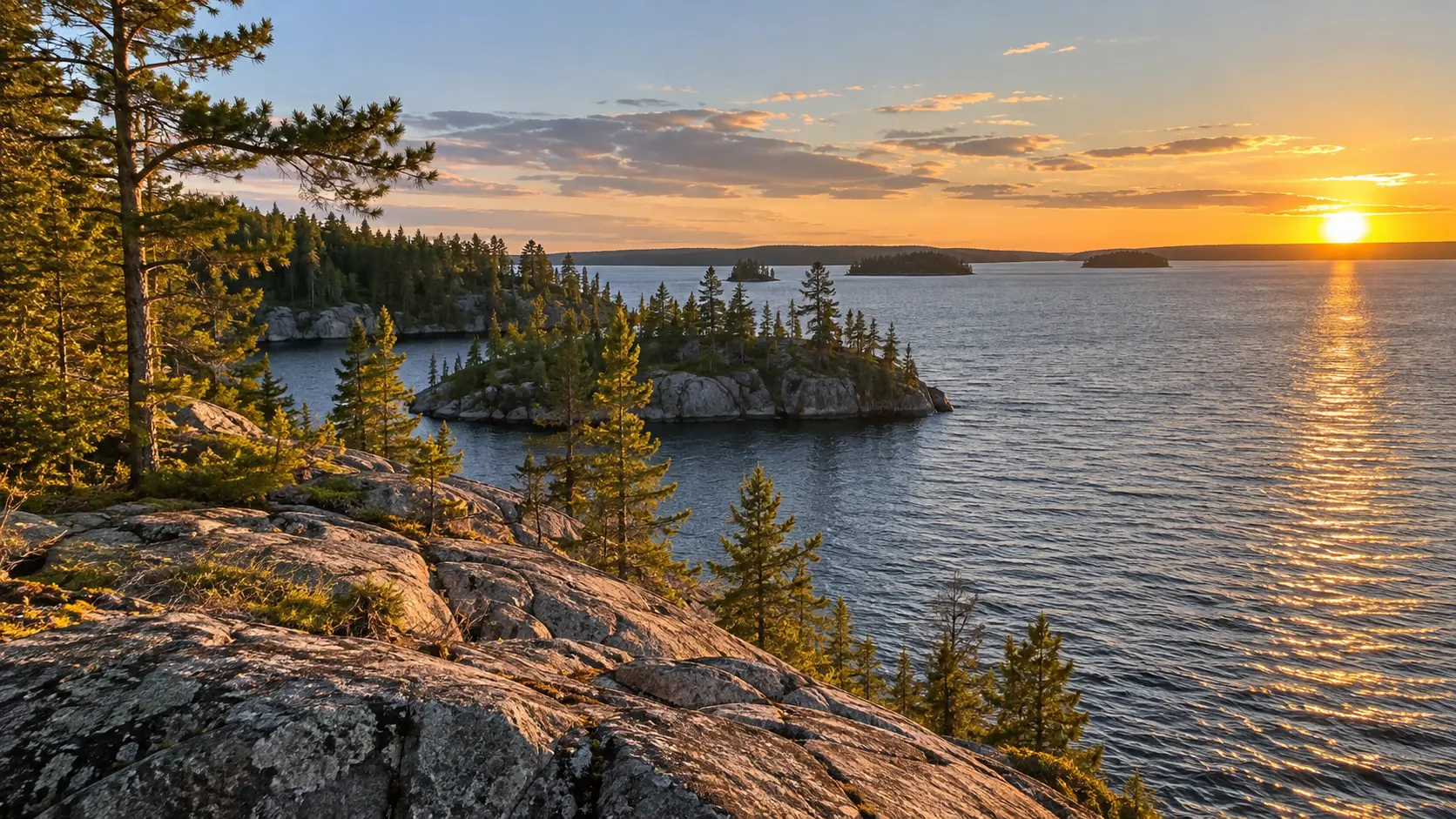
Lac La Ronge offers a northern landscape of lakes, islands, exposed rock, boreal forest, paddling, boating, and fishing around several developed areas. La Ronge and nearby communities provide services, but each recreation site still needs a current access and facility check.
The park is a better introduction to northern Saskatchewan than a first independent wilderness expedition. Book a local guide for unfamiliar water, fishing, cultural experiences, or routes where wind, navigation, and distance from help matter.
For the 2026 season, Wadin Bay campground remained closed during recovery from the 2025 wildfires while other park campgrounds and day-use areas opened. The province’s 2026 park notice is a dated snapshot, so verify later-season and future-year status directly.
Best For
Choose Lac La Ronge for road-accessible northern scenery, fishing, boating, and a longer regional stay. Smoke, wildfire, water conditions, and long driving distances require more flexibility than a southern weekend park.
4. Narrow Hills Provincial Park
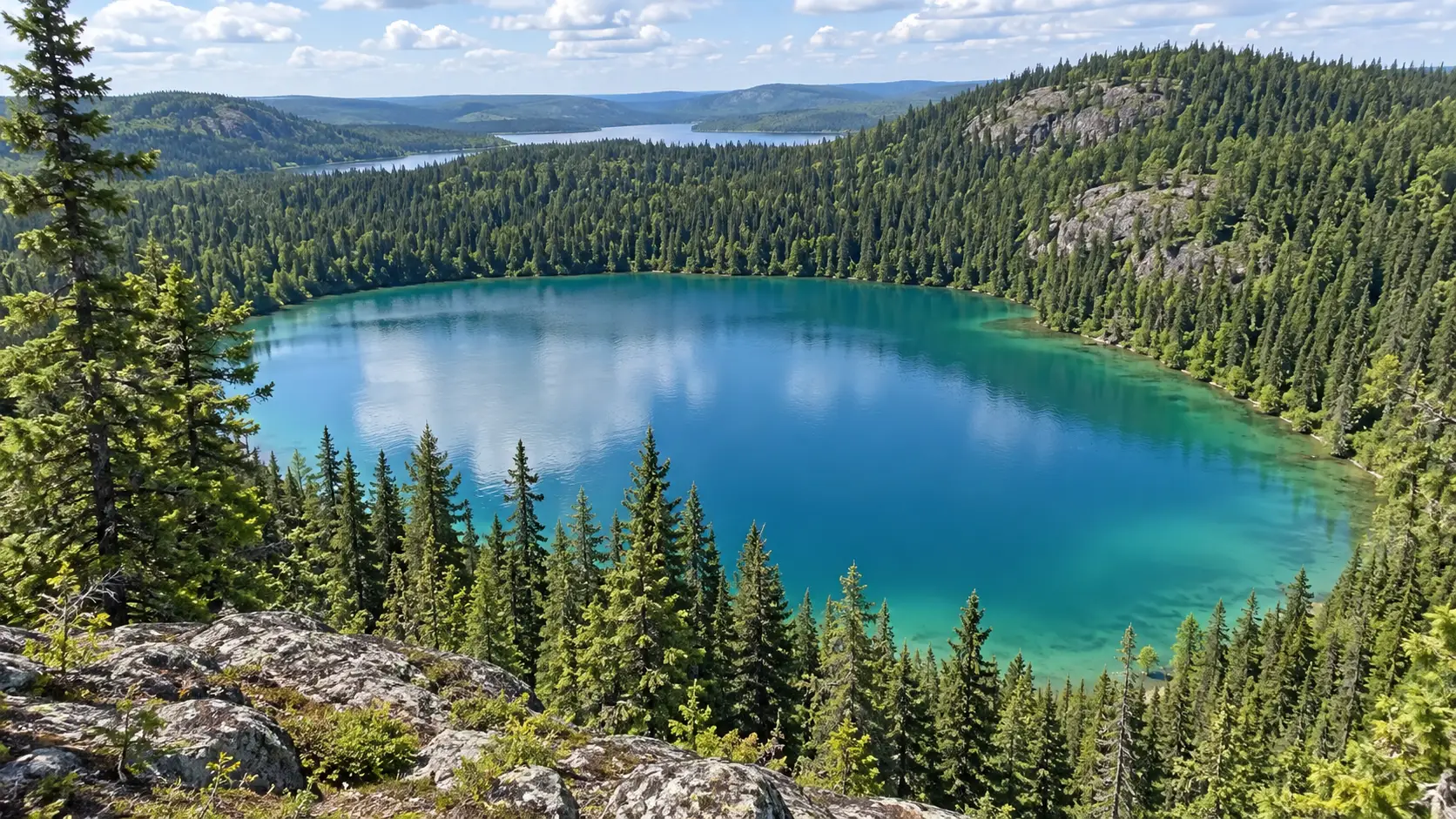
Narrow Hills draws travelers with forest roads, fishing lakes, paddling, camping, and the Gem Lakes hiking area. Some access roads are gravel, and remoteness increases quickly once you leave developed sections.
Gem Lakes campground remained closed for the 2026 season during wildfire recovery, even while other areas opened. Check trail, campground, road, smoke, and fire information close to departure instead of treating a booking map as proof that every nearby feature is available.
Best For
This park suits capable campers who want quieter lakes and do not need a resort-style hub. Carry offline maps, earlier-than-usual fuel, and the equipment needed for the specific road and water plan.
5. Saskatchewan Landing Provincial Park
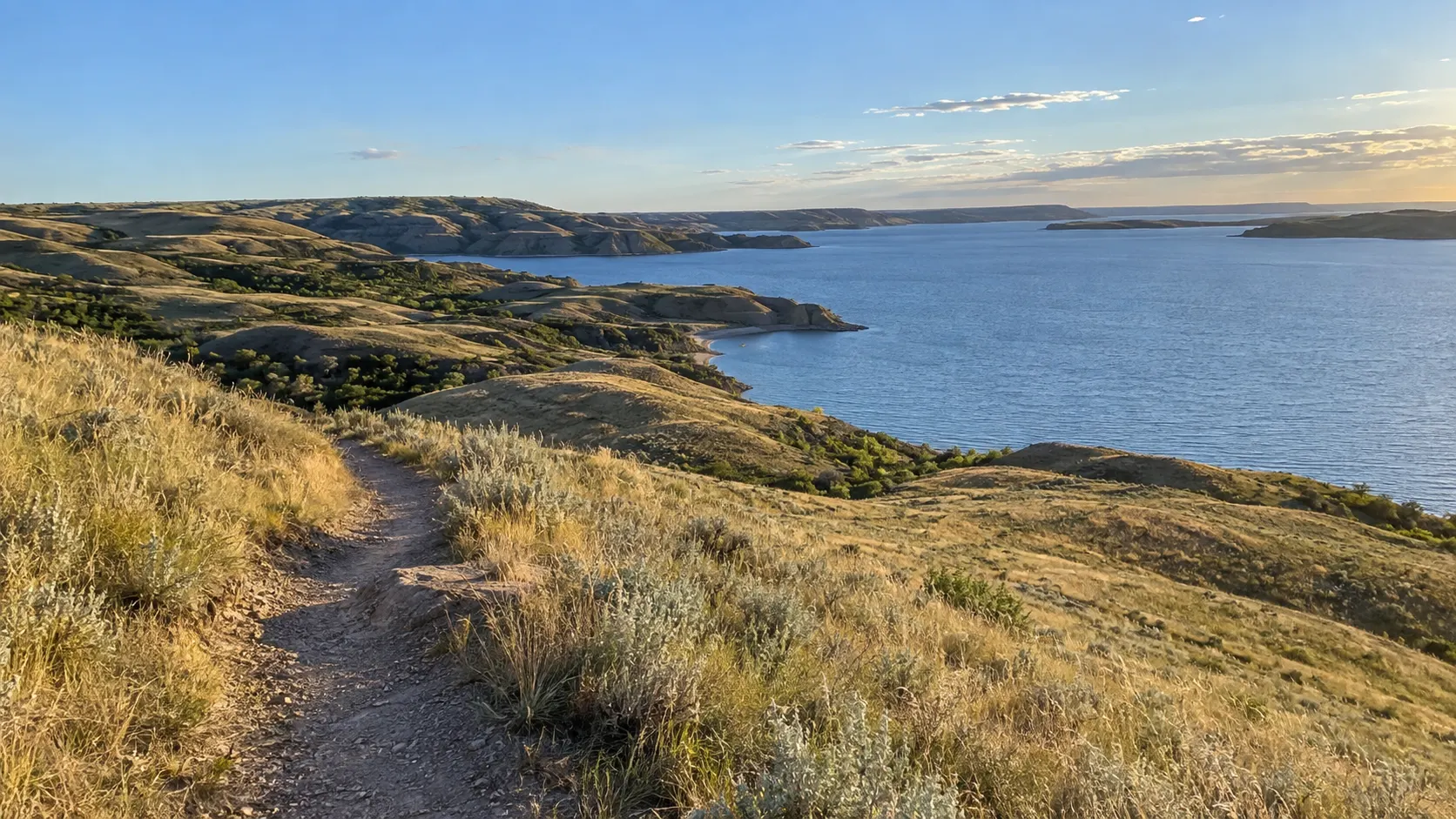
Saskatchewan Landing wraps coulees, prairie slopes, shoreline, and boating access around Lake Diefenbaker. It is the park to choose when open horizons and water matter more than dense forest.
Wind, heat, exposure, and rapidly changing storms can shape a day on both trail and lake. Check marina and launch status, water advisories, fire restrictions, and current swimming conditions before bringing a boat or planning a beach-centered stay.
Best For
Choose Saskatchewan Landing for prairie photography, short hikes, camping, fishing, and boating. Shade can be limited, so a well-selected site and serious sun protection matter.
6. Good Spirit Lake Provincial Park
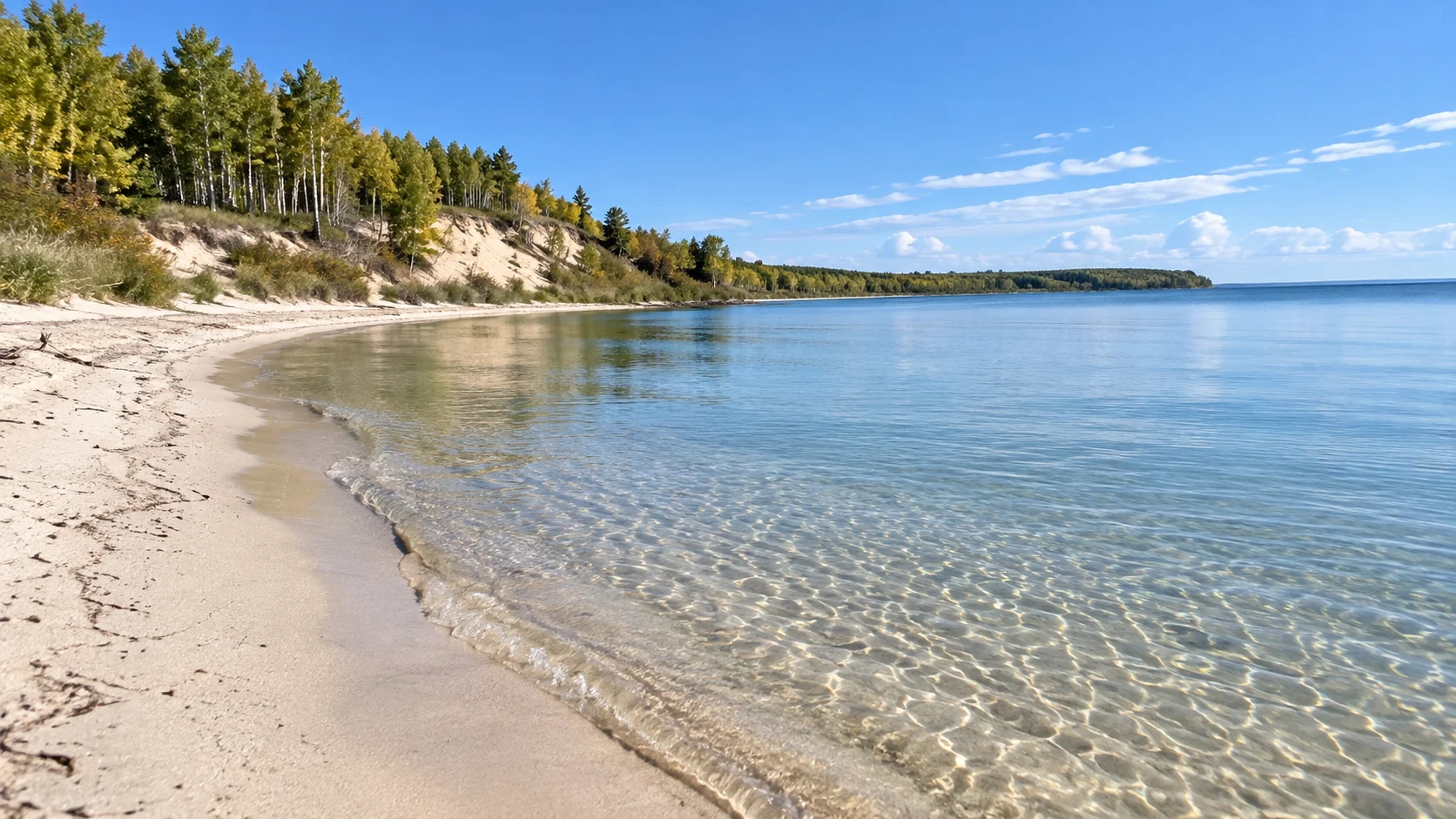
Good Spirit Lake is the classic choice for sandy beaches, dunes, swimming, family camping, and easy summer days. It can feel more like a lake holiday than a wilderness trip, which is exactly why many families love it.
Check posted swimming, water-quality, pet, and dune-protection rules before heading to the beach. Bring a second plan for wind, storms, algae advisories, or cool water, especially when swimming is the entire itinerary.
Best For
This park fits families and travelers who want sand without flying to a coast. Popular summer weekends require early campground strategy and realistic expectations about shared space.
7. Duck Mountain Provincial Park
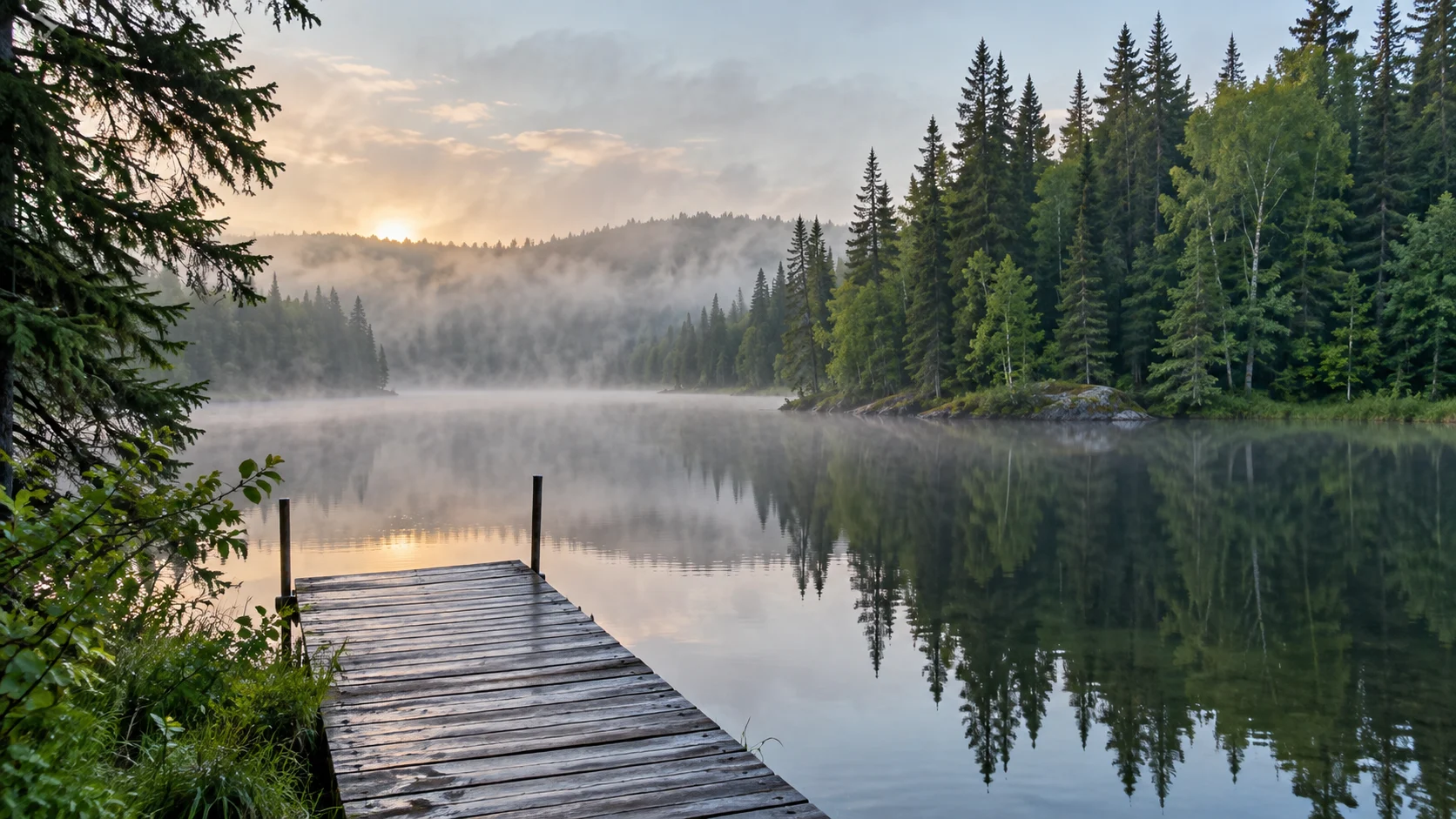
Duck Mountain rises above the surrounding prairie near the Manitoba boundary, bringing forest, lakes, trails, fishing, and camping. Madge Lake provides the main recreation hub, while quieter corners demand more self-sufficiency.
Give the park two or three nights because the drive deserves more than one hurried evening. Verify seasonal services and trail conditions, particularly outside peak summer.
Best For
Choose Duck Mountain for a green, wooded escape and a combined Saskatchewan-Manitoba route. It also works for repeat visitors who want a different landscape from southern prairie parks.
8. Moose Mountain Provincial Park
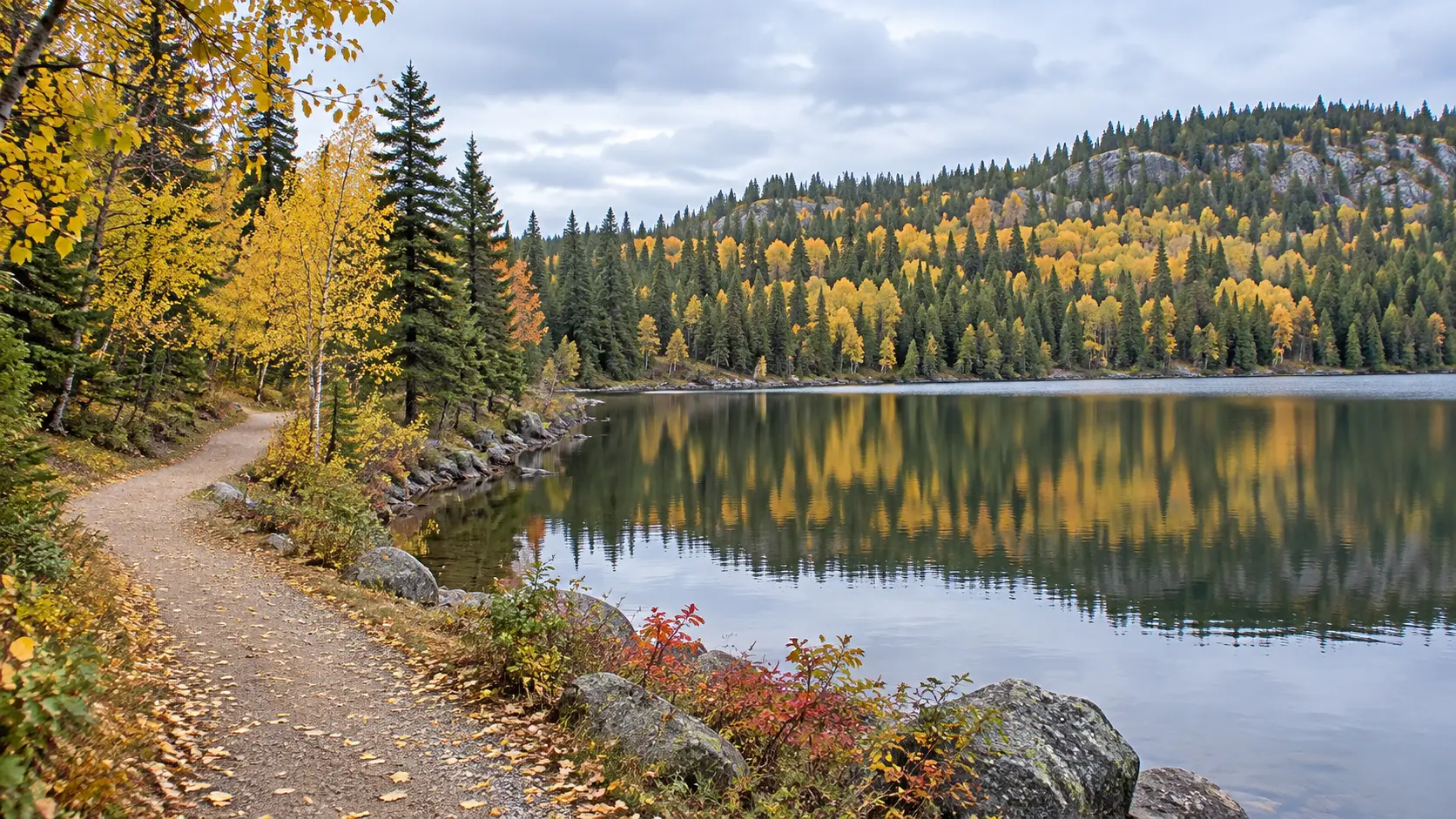
Moose Mountain centers family recreation around Kenosee Lake with camping, beach time, trails, golf, and seasonal resort services nearby. The developed setting makes logistics easier for mixed-age groups and campers who do not want deep remoteness.
Summer weekends can be busy, and lake conditions still require attention. Check which facilities are inside the park, which are separate commercial operations, and what each reservation actually includes.
Best For
This is a practical southeast Saskatchewan family park with enough variety for non-hikers. Travelers seeking silence and backcountry paddling should look farther north.
9. Buffalo Pound and Echo Valley
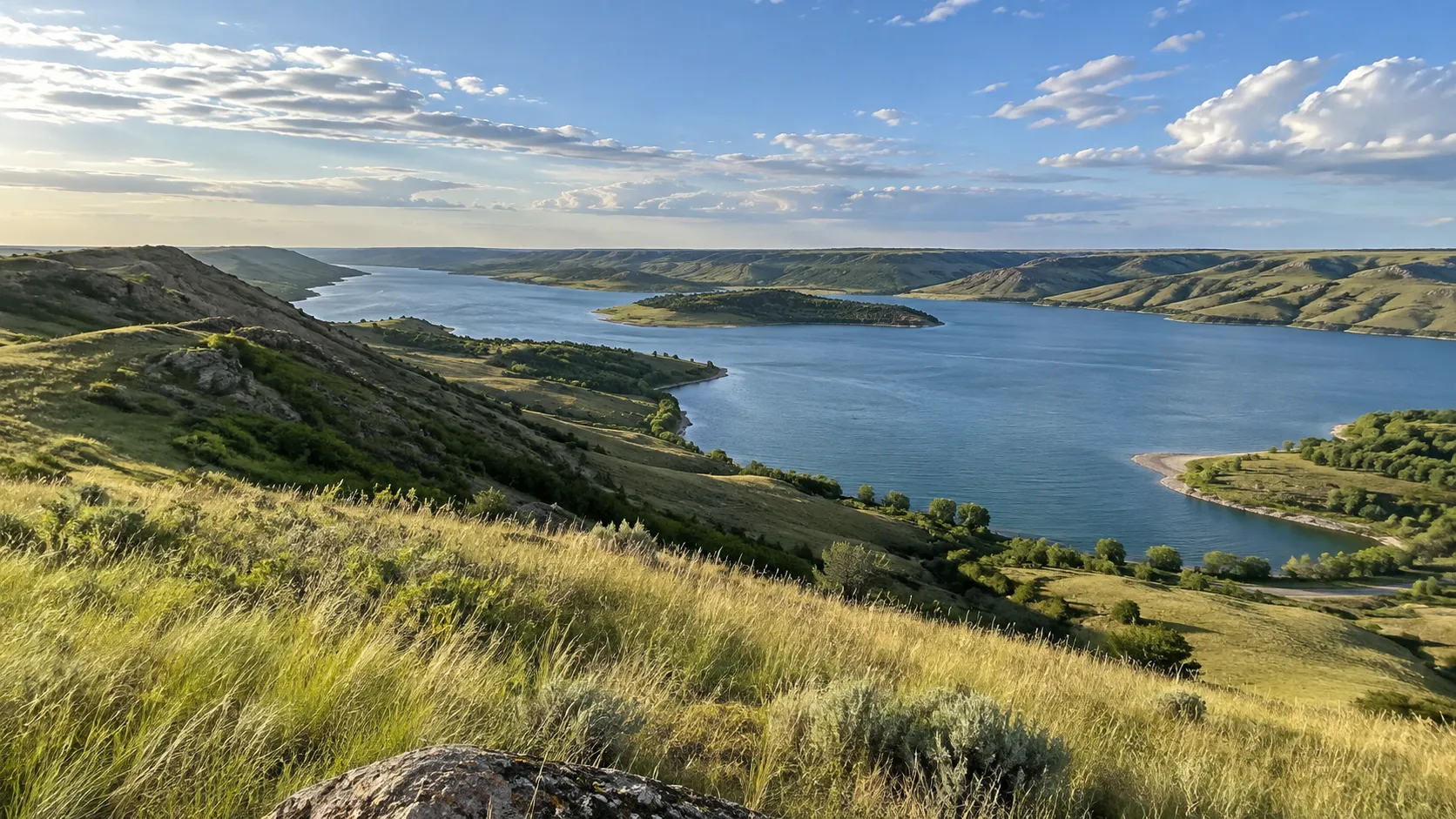
Buffalo Pound is convenient from Moose Jaw and Regina for camping, beach time, cycling, hiking, and lake activities. Echo Valley offers another easy Regina-region escape around the Qu’Appelle Valley and connected lakes.
These parks are strongest as two- or three-night weekends, not substitutes for a northern wilderness trip. Check water levels, beach status, fire rules, and day-use crowd patterns before choosing between them.
Best For
Pick either park when drive time and family simplicity outrank dramatic remoteness. They also make sensible first camping tests before investing in a longer boreal journey.
10. Athabasca Sand Dunes Provincial Park
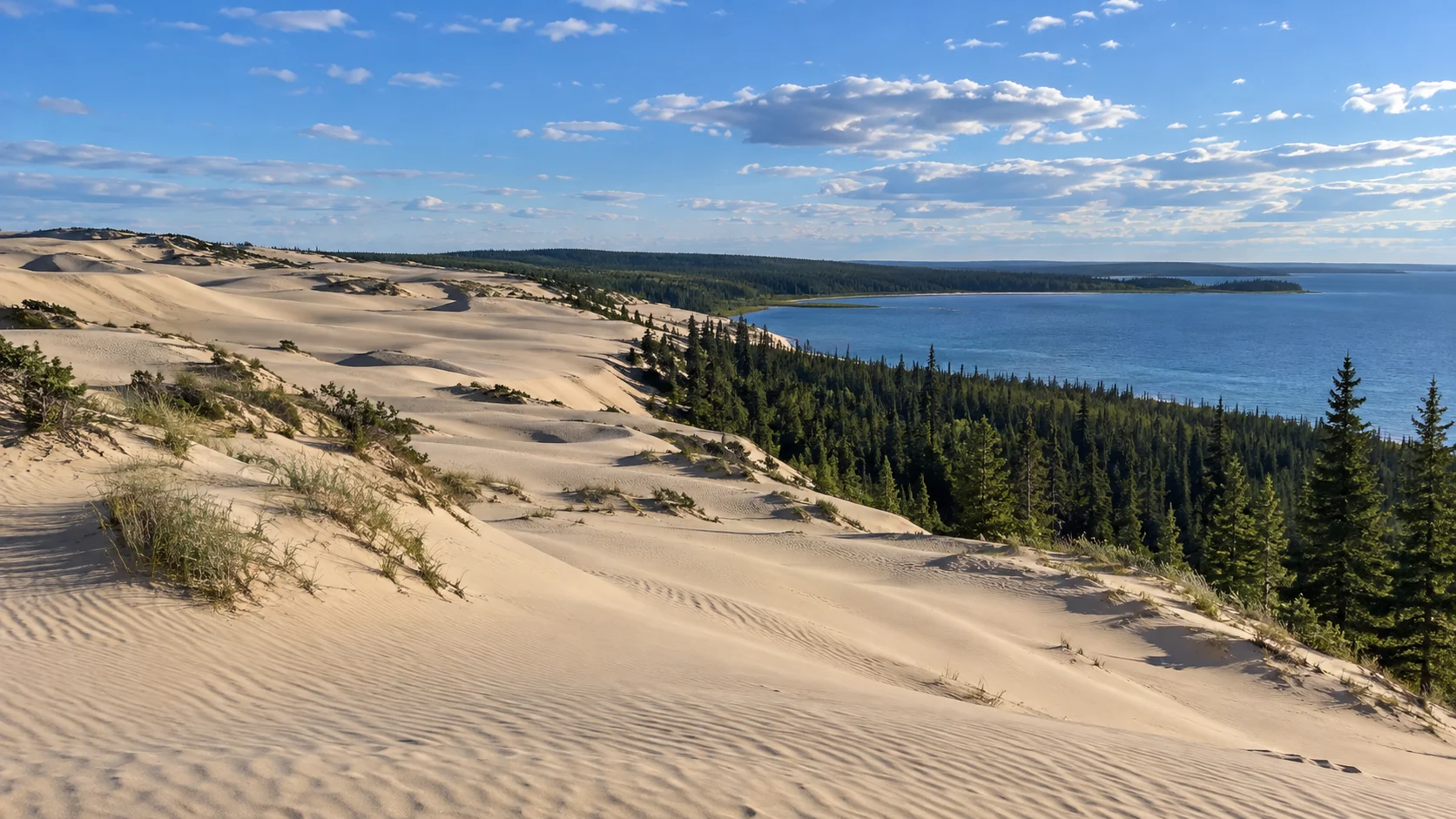
Athabasca Sand Dunes protects a fragile and unusual landscape on the south shore of Lake Athabasca. This is not a road-trip stop, campground weekend, or casual addition to Prince Albert.
Tourism Saskatchewan states that the park is accessible only by floatplane, has no on-site services, and is recommended for experienced wilderness users who contact a conservation officer before visiting. A licensed outfitter is the sensible choice for most travelers.
Visitors must be completely self-contained and careful around rare plants, dunes, water, weather, and wildlife. The cost and logistics are the point where a dream trip becomes an expedition plan.
Best For
Choose Athabasca only for a prepared, guided or expert-level remote journey. Anyone seeking easy dune access should choose Good Spirit Lake or another developed park.
How Saskatchewan Park Reservations Work
Campground reservations, park entry permits, day-use reservations, and activity permits are separate products. The provincial parks hub publishes annual booking dates and links to the current reservation system.
For 2026, reservation openings were staggered by park and accommodation type in April, which means one remembered launch day will not work every year. Create an account early, save several acceptable sites, and review cancellation terms before the clock starts.
Buy the correct daily, weekly, or annual entry permit for the trip and display or register it as instructed. An entry permit does not create a campsite, and a campsite booking does not quietly include every vehicle or activity.
Check Alerts Before Every Trip
Open the exact facility in the Saskatchewan Parks reservation portal and read its alert banner before driving. Fire restrictions, boil-water or drinking-water advisories, campground closures, road access, and service changes can be park-specific.
Recheck the morning of departure because a screenshot from booking day is not current safety information. If a restriction affects the core activity, ask the park what remains open rather than improvising around a barrier.
Camping, Fire, and Water Logistics
Reserve the campsite size and service level your equipment actually needs, then verify check-in, generator, vehicle, pet, and quiet-hour rules. “Electric” does not mean full hookups, and “water available” does not always mean potable at every tap.
Bring approved firewood or buy it where directed, and obey transport restrictions intended to slow invasive pests. A fire ring is not permission to burn during a restriction, in high wind, or when staff have closed fires.
Carry drinking water until the park confirms a safe source, particularly in shoulder season and remote areas. Beaches and lakes can face algae, bacteria, storm, current, or depth concerns even when the campground remains open.
Wildlife and Trail Safety
Store food, trash, toiletries, and cooking equipment exactly as the park directs. Never feed wildlife, and give bears, bison, moose, elk, and smaller animals the space to move away.
Download maps, tell someone the route, carry navigation and weather layers, and turn around when smoke, storms, mud, heat, or fatigue changes the plan. The travel essentials checklist covers the basics, but park-specific gear belongs on top.
A Realistic Saskatchewan Park Road Trip
For one week from Regina, spend two nights at Buffalo Pound or Echo Valley, then four nights at Cypress Hills with a travel buffer. For one week from Saskatoon, combine a nearby first night with Great Blue Heron, Candle Lake, or another north-central park instead of forcing Cypress Hills into the loop.
For 10 to 14 days, choose one southern park and one boreal region, then accept the transfer day between them. This Canada road-trip framework helps expose routes where the map looks cleaner than the driving day.
If the far north is calling, compare northern Saskatchewan with this Northwest Territories trip plan before deciding where limited flight and outfitter money goes. Both reward focus, but they are not interchangeable.
Provincial Park or National Park?
Prince Albert National Park and Grasslands National Park are federal Parks Canada sites, not Saskatchewan provincial parks. Their admission, camping, reservations, rules, and alerts use a different system.
Do not assume a provincial annual entry permit covers them. The national-park comparison is helpful for broader inspiration, but always book through the agency managing the specific site.
Common Saskatchewan Park Mistakes
- Choosing a park before choosing the activity
- Assuming campsite booking includes park entry
- Using an old wildfire or campground map
- Ignoring water and beach advisories
- Transporting prohibited firewood
- Planning Athabasca Sand Dunes as a drive-up stop
- Combining far-south and far-north parks in one weekend
My Saskatchewan Provincial Park Recommendation
Choose Cypress Hills for a first three- or four-night trip, Meadow Lake for a longer lake vacation, and Good Spirit Lake for sand-focused family time. Choose Lac La Ronge or Narrow Hills only after checking current wildfire recovery and service status.
Save Athabasca Sand Dunes for a properly supported expedition. Saskatchewan’s park system shines when you match the landscape to your actual comfort, equipment, and driving time instead of chasing the most remote name.